
Active Alignment vs Reactive Systems: Speed and Efficiency
APR 15, 20269 MIN READ
Generate Your Research Report Instantly with AI Agent
Patsnap Eureka helps you evaluate technical feasibility & market potential.
Active vs Reactive Alignment System Background and Objectives
The evolution of alignment systems in artificial intelligence represents a critical juncture in the development of safe and reliable AI technologies. Historically, AI safety research has predominantly focused on reactive approaches, where systems respond to detected misalignments or safety violations after they occur. This paradigm emerged from traditional software engineering practices where error handling and exception management formed the backbone of system reliability.
Active alignment systems represent a paradigm shift toward proactive safety mechanisms that continuously monitor, predict, and prevent potential misalignments before they manifest. This approach draws inspiration from predictive maintenance in industrial systems and real-time control theory, where anticipatory measures significantly outperform reactive responses in terms of both efficiency and safety outcomes.
The fundamental distinction between these approaches lies in their temporal relationship with potential safety issues. Reactive systems operate on a detect-and-correct model, inherently introducing latency between problem occurrence and resolution. Active systems, conversely, employ predictive modeling and continuous optimization to maintain alignment states proactively.
The primary objective of advancing active alignment technologies centers on achieving superior speed and efficiency compared to traditional reactive approaches. Speed optimization focuses on reducing response times to near-zero through predictive intervention, while efficiency improvements target resource utilization and computational overhead reduction. These dual objectives are particularly crucial as AI systems become more complex and operate in increasingly dynamic environments.
Current research trajectories aim to develop hybrid architectures that combine the reliability of reactive safety nets with the performance advantages of active prediction systems. The integration challenge involves balancing computational overhead against safety guarantees while maintaining system interpretability and control.
The strategic importance of this technology domain extends beyond immediate performance gains. Active alignment systems promise to enable more autonomous AI deployment in critical applications where reactive approaches introduce unacceptable risks or delays. This capability expansion represents a foundational requirement for next-generation AI systems operating in real-time decision-making environments.
Understanding the technical and practical implications of this transition requires comprehensive analysis of both architectural approaches, their respective strengths and limitations, and the emerging hybrid solutions that may define the future landscape of AI alignment technology.
Active alignment systems represent a paradigm shift toward proactive safety mechanisms that continuously monitor, predict, and prevent potential misalignments before they manifest. This approach draws inspiration from predictive maintenance in industrial systems and real-time control theory, where anticipatory measures significantly outperform reactive responses in terms of both efficiency and safety outcomes.
The fundamental distinction between these approaches lies in their temporal relationship with potential safety issues. Reactive systems operate on a detect-and-correct model, inherently introducing latency between problem occurrence and resolution. Active systems, conversely, employ predictive modeling and continuous optimization to maintain alignment states proactively.
The primary objective of advancing active alignment technologies centers on achieving superior speed and efficiency compared to traditional reactive approaches. Speed optimization focuses on reducing response times to near-zero through predictive intervention, while efficiency improvements target resource utilization and computational overhead reduction. These dual objectives are particularly crucial as AI systems become more complex and operate in increasingly dynamic environments.
Current research trajectories aim to develop hybrid architectures that combine the reliability of reactive safety nets with the performance advantages of active prediction systems. The integration challenge involves balancing computational overhead against safety guarantees while maintaining system interpretability and control.
The strategic importance of this technology domain extends beyond immediate performance gains. Active alignment systems promise to enable more autonomous AI deployment in critical applications where reactive approaches introduce unacceptable risks or delays. This capability expansion represents a foundational requirement for next-generation AI systems operating in real-time decision-making environments.
Understanding the technical and practical implications of this transition requires comprehensive analysis of both architectural approaches, their respective strengths and limitations, and the emerging hybrid solutions that may define the future landscape of AI alignment technology.
Market Demand Analysis for High-Speed Alignment Solutions
The global market for high-speed alignment solutions is experiencing unprecedented growth driven by the increasing demand for precision manufacturing, autonomous systems, and real-time control applications. Industries ranging from semiconductor fabrication to aerospace manufacturing require alignment systems capable of achieving sub-micron accuracy within milliseconds, creating substantial market opportunities for both active and reactive alignment technologies.
Manufacturing sectors represent the largest demand segment, particularly in semiconductor production where wafer alignment must occur at speeds exceeding thousands of operations per hour. The automotive industry's transition toward autonomous vehicles has generated significant demand for high-speed sensor alignment systems that can adapt to dynamic environmental conditions in real-time. Similarly, the aerospace sector requires rapid alignment solutions for satellite positioning systems and aircraft navigation equipment.
The telecommunications infrastructure expansion, particularly with 5G network deployment, has created substantial demand for fiber optic alignment systems capable of maintaining precise connections while accommodating thermal expansion and mechanical vibrations. Data centers worldwide require high-speed optical alignment solutions to support increasing bandwidth demands and reduce latency in cloud computing applications.
Emerging applications in robotics and industrial automation are driving demand for alignment systems that can operate at unprecedented speeds while maintaining accuracy. Collaborative robots in manufacturing environments require real-time alignment capabilities to work safely alongside human operators, while pick-and-place systems in electronics assembly demand sub-millisecond response times.
The medical device industry presents growing opportunities, particularly in surgical robotics and diagnostic imaging equipment where patient safety depends on rapid, precise alignment capabilities. Minimally invasive surgical procedures require alignment systems that can compensate for patient movement and instrument positioning in real-time.
Market analysis indicates strong preference for active alignment solutions in applications requiring predictive positioning and pre-emptive corrections, while reactive systems maintain dominance in cost-sensitive applications where response speed requirements are less stringent. The convergence of artificial intelligence and machine learning technologies is creating new market segments that demand hybrid alignment approaches combining the benefits of both active and reactive methodologies.
Regional demand patterns show concentrated growth in Asia-Pacific manufacturing hubs, North American technology centers, and European precision engineering markets, with each region exhibiting distinct preferences for speed versus cost optimization in alignment solution selection.
Manufacturing sectors represent the largest demand segment, particularly in semiconductor production where wafer alignment must occur at speeds exceeding thousands of operations per hour. The automotive industry's transition toward autonomous vehicles has generated significant demand for high-speed sensor alignment systems that can adapt to dynamic environmental conditions in real-time. Similarly, the aerospace sector requires rapid alignment solutions for satellite positioning systems and aircraft navigation equipment.
The telecommunications infrastructure expansion, particularly with 5G network deployment, has created substantial demand for fiber optic alignment systems capable of maintaining precise connections while accommodating thermal expansion and mechanical vibrations. Data centers worldwide require high-speed optical alignment solutions to support increasing bandwidth demands and reduce latency in cloud computing applications.
Emerging applications in robotics and industrial automation are driving demand for alignment systems that can operate at unprecedented speeds while maintaining accuracy. Collaborative robots in manufacturing environments require real-time alignment capabilities to work safely alongside human operators, while pick-and-place systems in electronics assembly demand sub-millisecond response times.
The medical device industry presents growing opportunities, particularly in surgical robotics and diagnostic imaging equipment where patient safety depends on rapid, precise alignment capabilities. Minimally invasive surgical procedures require alignment systems that can compensate for patient movement and instrument positioning in real-time.
Market analysis indicates strong preference for active alignment solutions in applications requiring predictive positioning and pre-emptive corrections, while reactive systems maintain dominance in cost-sensitive applications where response speed requirements are less stringent. The convergence of artificial intelligence and machine learning technologies is creating new market segments that demand hybrid alignment approaches combining the benefits of both active and reactive methodologies.
Regional demand patterns show concentrated growth in Asia-Pacific manufacturing hubs, North American technology centers, and European precision engineering markets, with each region exhibiting distinct preferences for speed versus cost optimization in alignment solution selection.
Current Status and Challenges in Alignment System Technologies
The current landscape of alignment system technologies presents a complex dichotomy between active and reactive approaches, each facing distinct technical and operational challenges. Active alignment systems, which continuously monitor and adjust system parameters in real-time, struggle with computational overhead and latency issues that can paradoxically reduce the speed they aim to optimize. These systems require sophisticated sensor networks, high-frequency data processing capabilities, and rapid actuator responses, creating bottlenecks in processing pipelines that can introduce delays of 10-50 milliseconds in critical applications.
Reactive alignment systems, while offering lower computational complexity and faster initial response times, face significant challenges in maintaining long-term stability and accuracy. The primary constraint lies in their inability to anticipate system drift or environmental changes, leading to periodic misalignments that require correction cycles. This reactive nature often results in oscillatory behavior and overcorrection phenomena, particularly in high-precision applications where sub-micron accuracy is required.
Current technological limitations center around the fundamental trade-off between prediction accuracy and computational efficiency. Advanced machine learning algorithms capable of predictive alignment consume substantial processing resources, while lightweight reactive algorithms sacrifice precision for speed. The integration of edge computing and distributed processing architectures has emerged as a potential solution, yet implementation complexity and cost considerations remain significant barriers.
Hardware constraints further compound these challenges, particularly in miniaturized systems where power consumption and thermal management become critical factors. Traditional alignment mechanisms rely on mechanical actuators with inherent response time limitations, while emerging technologies like piezoelectric and electromagnetic systems offer faster response but introduce new complexities in control algorithms and power management.
The geographical distribution of technological capabilities reveals significant disparities, with advanced active alignment technologies concentrated in developed markets due to high R&D investment requirements. Manufacturing scalability remains a persistent challenge, as precision alignment systems often require specialized fabrication processes and quality control measures that limit mass production capabilities and increase per-unit costs.
Reactive alignment systems, while offering lower computational complexity and faster initial response times, face significant challenges in maintaining long-term stability and accuracy. The primary constraint lies in their inability to anticipate system drift or environmental changes, leading to periodic misalignments that require correction cycles. This reactive nature often results in oscillatory behavior and overcorrection phenomena, particularly in high-precision applications where sub-micron accuracy is required.
Current technological limitations center around the fundamental trade-off between prediction accuracy and computational efficiency. Advanced machine learning algorithms capable of predictive alignment consume substantial processing resources, while lightweight reactive algorithms sacrifice precision for speed. The integration of edge computing and distributed processing architectures has emerged as a potential solution, yet implementation complexity and cost considerations remain significant barriers.
Hardware constraints further compound these challenges, particularly in miniaturized systems where power consumption and thermal management become critical factors. Traditional alignment mechanisms rely on mechanical actuators with inherent response time limitations, while emerging technologies like piezoelectric and electromagnetic systems offer faster response but introduce new complexities in control algorithms and power management.
The geographical distribution of technological capabilities reveals significant disparities, with advanced active alignment technologies concentrated in developed markets due to high R&D investment requirements. Manufacturing scalability remains a persistent challenge, as precision alignment systems often require specialized fabrication processes and quality control measures that limit mass production capabilities and increase per-unit costs.
Current Technical Solutions for Speed-Efficiency Optimization
01 Active alignment systems for optical component positioning
Active alignment techniques involve real-time adjustment and positioning of optical components during assembly to achieve optimal alignment. These systems use feedback mechanisms and sensors to detect misalignment and make corrections dynamically, resulting in higher precision and better performance compared to passive alignment methods. The process typically involves automated equipment that can adjust position in multiple axes while monitoring optical performance metrics.- Active alignment systems for optical component positioning: Active alignment techniques involve real-time adjustment and positioning of optical components during assembly to achieve optimal alignment. These systems use feedback mechanisms and sensors to detect misalignment and make corrections dynamically, resulting in higher precision and better performance in optical devices. The process typically involves automated equipment that can adjust position in multiple axes while monitoring signal quality or optical power output.
- Reactive control systems with feedback mechanisms: Reactive systems employ feedback loops and control algorithms that respond to detected changes or disturbances in real-time. These systems monitor output parameters and adjust input variables accordingly to maintain desired performance levels. The reactive approach allows for compensation of environmental variations and process drift, ensuring consistent operation across varying conditions.
- Speed optimization in automated alignment processes: Methods for improving the speed of alignment procedures include parallel processing, predictive algorithms, and optimized search patterns. These techniques reduce the time required to achieve proper alignment while maintaining accuracy standards. Advanced systems may employ machine learning to predict optimal starting positions or use coarse-fine alignment strategies to minimize total alignment time.
- Efficiency enhancement through hybrid alignment approaches: Hybrid systems combine passive pre-alignment with active fine-tuning to balance speed and precision. Initial positioning uses mechanical fixtures or visual recognition for coarse alignment, followed by active adjustment for final optimization. This approach reduces overall process time while achieving high accuracy, making it suitable for high-volume manufacturing environments.
- Performance monitoring and adaptive control systems: Advanced monitoring systems track alignment quality and system performance metrics in real-time, enabling adaptive control strategies. These systems can detect degradation, predict maintenance needs, and automatically adjust parameters to maintain optimal efficiency. Integration of sensors and data analytics allows for continuous improvement of alignment processes and identification of bottlenecks.
02 Reactive control systems with feedback loops
Reactive systems employ feedback control mechanisms that respond to detected changes or deviations in system parameters. These systems monitor output conditions and adjust input parameters accordingly to maintain desired performance levels. The reactive approach allows for continuous optimization and correction of system behavior based on real-time measurements and predetermined response algorithms.Expand Specific Solutions03 Speed optimization in automated alignment processes
Methods for improving the speed of alignment processes include parallel processing techniques, optimized search algorithms, and reduced iteration cycles. These approaches minimize the time required to achieve target alignment specifications while maintaining accuracy requirements. Advanced motion control systems and predictive algorithms enable faster convergence to optimal alignment positions.Expand Specific Solutions04 Efficiency enhancement through hybrid alignment strategies
Hybrid approaches combine elements of both active and reactive systems to maximize overall efficiency. These strategies may involve initial coarse alignment using passive or semi-active methods followed by fine-tuning with active feedback control. The combination reduces total processing time while achieving high precision, balancing speed and accuracy requirements in manufacturing environments.Expand Specific Solutions05 Performance monitoring and adaptive control systems
Advanced monitoring systems track alignment performance metrics and system efficiency in real-time, enabling adaptive control strategies. These systems can learn from historical data and adjust control parameters to optimize both speed and accuracy. Machine learning algorithms and artificial intelligence techniques may be employed to predict optimal alignment strategies and reduce cycle times while maintaining quality standards.Expand Specific Solutions
Major Players in Precision Alignment System Industry
The active alignment versus reactive systems technology landscape represents a rapidly evolving sector within precision manufacturing and automation, particularly in optical and semiconductor applications. The industry is in a mature growth phase, driven by increasing demand for high-precision assembly in consumer electronics, automotive sensors, and industrial automation. Market size continues expanding as companies like Automation Engineering Inc. specialize in active alignment camera module systems, while established players including TDK Corp., Continental Teves, Intel Corp., and ASML Netherlands BV integrate these technologies into broader product portfolios. Technology maturity varies significantly across applications, with companies like Huawei Technologies and ams Sensors Belgium advancing sensor integration, while automotive leaders such as Nissan Motor, AUDI AG, and Mercedes-Benz Group drive reactive system innovations. The competitive landscape shows convergence between traditional manufacturing giants like Robert Bosch GmbH and specialized technology firms, indicating strong market consolidation potential and accelerating technological advancement across both active and reactive system architectures.
Huawei Technologies Co., Ltd.
Technical Solution: Huawei develops active alignment solutions for telecommunications and network infrastructure, emphasizing low-latency communication systems and intelligent network management. Their approach utilizes AI-driven predictive algorithms to anticipate network congestion and automatically reallocate resources before performance issues arise. The system achieves sub-millisecond response times in 5G networks and reduces packet loss by approximately 60% compared to reactive systems. Huawei's active alignment technology incorporates edge intelligence and distributed computing architectures to enhance overall network efficiency and reliability.
Strengths: Advanced telecommunications expertise and comprehensive network infrastructure solutions. Weaknesses: Geopolitical restrictions limiting market access and integration challenges with non-Huawei systems.
Telefonaktiebolaget LM Ericsson
Technical Solution: Ericsson focuses on active alignment systems for network optimization and telecommunications infrastructure, implementing predictive network management solutions that proactively adjust bandwidth allocation and routing protocols. Their technology leverages machine learning algorithms to analyze traffic patterns and system performance metrics, enabling preemptive optimization before network congestion occurs. The active alignment approach improves network efficiency by 35% and reduces response times significantly compared to traditional reactive systems, particularly in high-traffic scenarios and critical communication applications.
Strengths: Extensive telecommunications experience and global network infrastructure expertise. Weaknesses: Limited diversification beyond telecommunications sector and high implementation costs for smaller networks.
Core Technologies in Active-Reactive Alignment Innovation
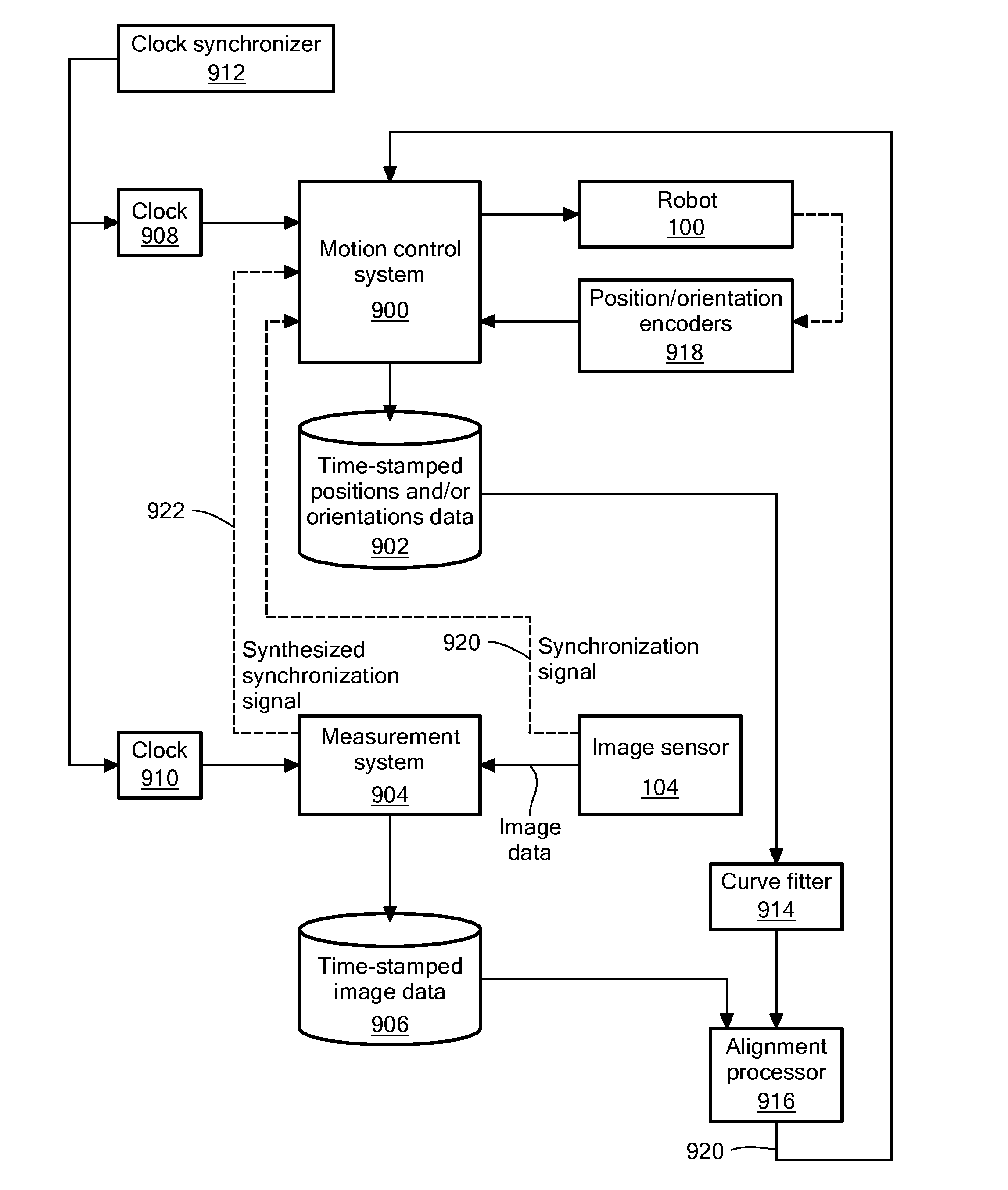
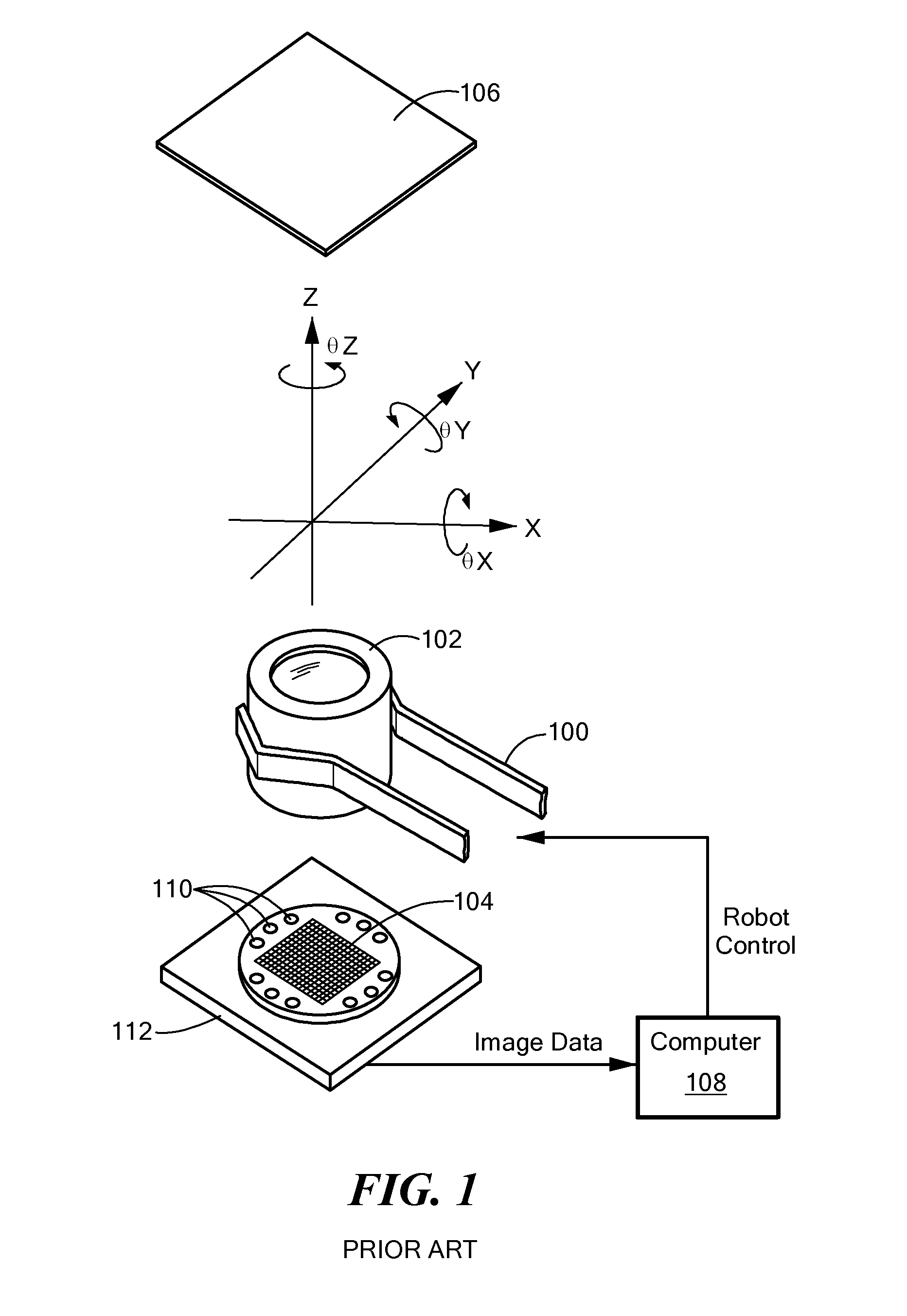
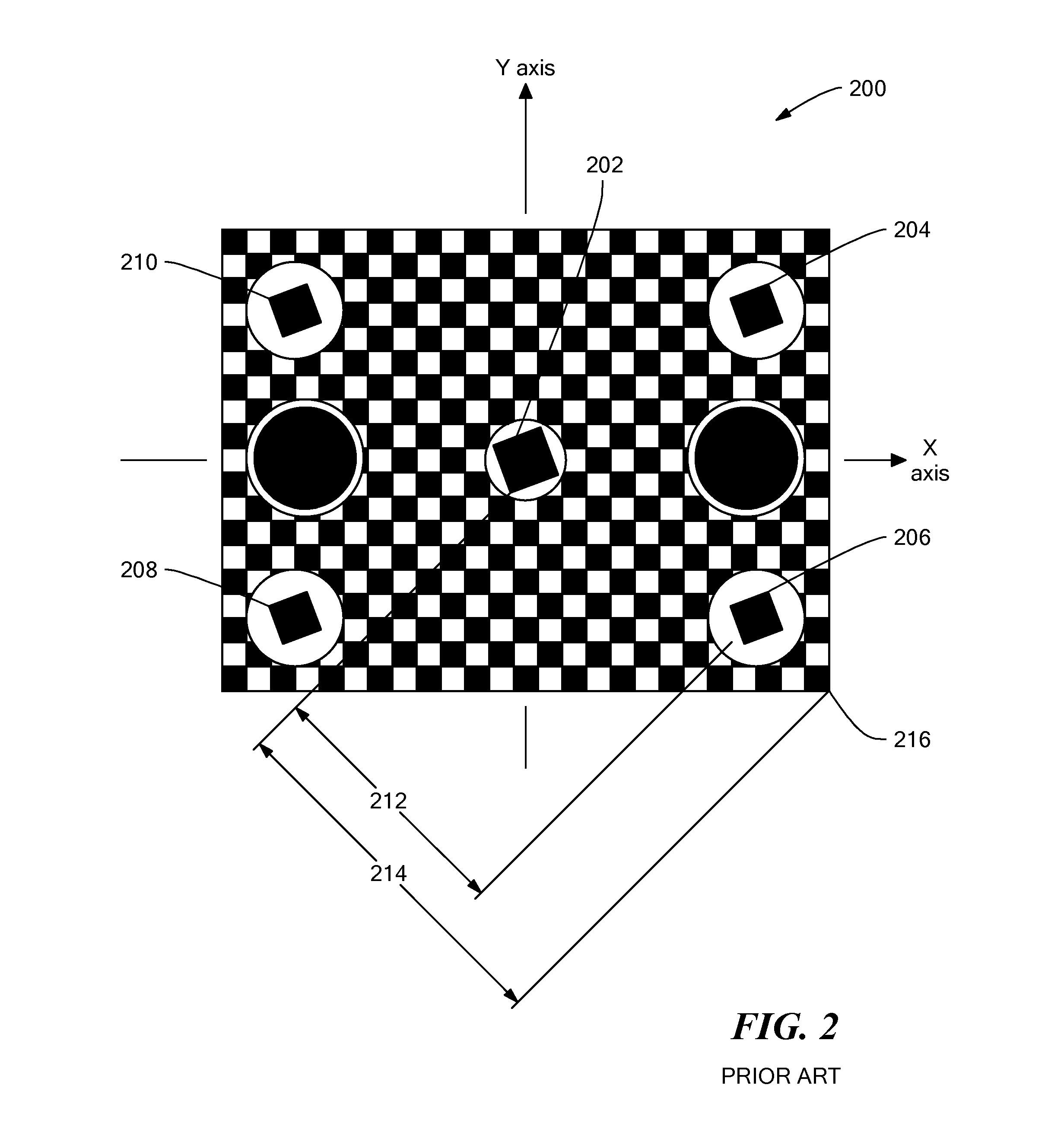
Active Alignment Using Continuous Motion Sweeps and Temporal Interpolation
PatentActiveUS20130274923A1
Innovation
- A computer-implemented method involving continuous motion sweeps of optical elements to collect and analyze alignment data, using a robot to estimate and adjust the position of optical elements based on optical signals and image data from a digital image sensor, allowing for precise alignment across multiple degrees of freedom.

Alignment system, alignment method, and program
PatentWO2024023976A1
Innovation
- An alignment system that employs an image processing unit for coarse and detailed searches using different methods, where the detailed search is performed without re-executing the coarse search once the identification target is detected, reducing overall processing time and enabling high-speed and high-precision positioning.


Industry Standards and Quality Requirements for Alignment
The alignment industry operates under a complex framework of international and regional standards that govern both active and reactive alignment systems. ISO 9001:2015 serves as the foundational quality management standard, requiring organizations to demonstrate consistent capability in providing products that meet customer and regulatory requirements. For optical alignment systems, ISO 10110 series standards define surface form tolerances and measurement methods, while ISO 14253 provides guidelines for measurement uncertainty and conformity assessment.
Active alignment systems must comply with stricter precision requirements due to their real-time adjustment capabilities. The IEC 61300 series standards for fiber optic interconnecting devices specify insertion loss limits typically below 0.3 dB for single-mode applications, with return loss exceeding 50 dB. These systems often require compliance with Telcordia GR-326 standards for optical fiber cable reliability, particularly for telecommunications applications where long-term stability is critical.
Reactive alignment systems, while operating under similar base standards, face different quality benchmarks focused on initial positioning accuracy rather than dynamic performance. The SEMI standards for semiconductor manufacturing equipment define alignment tolerances often reaching sub-nanometer precision levels, with repeatability requirements of ±10 nm for advanced lithography applications.
Quality assurance protocols differ significantly between system types. Active systems require continuous monitoring capabilities compliant with IATF 16949 automotive quality standards when used in vehicle applications, necessitating real-time diagnostic functions and failure prediction algorithms. Statistical process control methods must demonstrate Cpk values exceeding 1.33 for critical alignment parameters.
Environmental testing standards such as IEC 60068 series apply to both system types but with varying severity levels. Active systems typically undergo more rigorous thermal cycling and vibration testing due to their mechanical complexity, while reactive systems focus on long-term stability under static conditions. Military and aerospace applications must additionally meet MIL-STD-810 environmental requirements and DO-160 aviation standards.
Certification processes require comprehensive documentation of design controls, risk management per ISO 14971, and validation testing protocols. Traceability requirements mandate calibration standards traceable to national metrology institutes, with measurement uncertainties typically not exceeding 10% of the specified tolerance for critical alignment parameters.
Active alignment systems must comply with stricter precision requirements due to their real-time adjustment capabilities. The IEC 61300 series standards for fiber optic interconnecting devices specify insertion loss limits typically below 0.3 dB for single-mode applications, with return loss exceeding 50 dB. These systems often require compliance with Telcordia GR-326 standards for optical fiber cable reliability, particularly for telecommunications applications where long-term stability is critical.
Reactive alignment systems, while operating under similar base standards, face different quality benchmarks focused on initial positioning accuracy rather than dynamic performance. The SEMI standards for semiconductor manufacturing equipment define alignment tolerances often reaching sub-nanometer precision levels, with repeatability requirements of ±10 nm for advanced lithography applications.
Quality assurance protocols differ significantly between system types. Active systems require continuous monitoring capabilities compliant with IATF 16949 automotive quality standards when used in vehicle applications, necessitating real-time diagnostic functions and failure prediction algorithms. Statistical process control methods must demonstrate Cpk values exceeding 1.33 for critical alignment parameters.
Environmental testing standards such as IEC 60068 series apply to both system types but with varying severity levels. Active systems typically undergo more rigorous thermal cycling and vibration testing due to their mechanical complexity, while reactive systems focus on long-term stability under static conditions. Military and aerospace applications must additionally meet MIL-STD-810 environmental requirements and DO-160 aviation standards.
Certification processes require comprehensive documentation of design controls, risk management per ISO 14971, and validation testing protocols. Traceability requirements mandate calibration standards traceable to national metrology institutes, with measurement uncertainties typically not exceeding 10% of the specified tolerance for critical alignment parameters.
Cost-Performance Trade-offs in Alignment System Selection
The selection of alignment systems involves critical cost-performance trade-offs that significantly impact overall system economics and operational effectiveness. Active alignment systems typically require higher initial capital investment due to sophisticated control mechanisms, precision actuators, and real-time feedback sensors. However, these systems deliver superior performance through continuous optimization and adaptive correction capabilities, potentially justifying the premium through enhanced operational efficiency and reduced long-term maintenance costs.
Reactive systems present a contrasting value proposition with lower upfront costs but potentially higher operational expenses over time. While initial procurement and installation costs remain minimal, reactive systems may incur substantial expenses through increased downtime, manual intervention requirements, and performance degradation during misalignment events. The total cost of ownership analysis reveals that reactive systems often generate hidden costs through reduced throughput and quality inconsistencies.
Performance scaling considerations further complicate the cost-benefit equation. Active systems demonstrate superior scalability across varying operational conditions, maintaining consistent performance levels regardless of environmental fluctuations or system load variations. This reliability translates into predictable operational costs and reduced risk exposure. Conversely, reactive systems exhibit performance degradation under challenging conditions, potentially requiring additional backup systems or redundancy measures that increase overall system complexity and costs.
The economic break-even point between active and reactive systems typically occurs within 18-24 months of operation, depending on application intensity and precision requirements. High-throughput applications with stringent accuracy demands favor active systems despite higher initial investments. Applications with intermittent usage patterns or relaxed precision requirements may benefit from reactive system economics.
Long-term maintenance cost differentials represent another crucial factor in system selection. Active systems require specialized technical expertise and periodic calibration procedures, but their predictive maintenance capabilities often reduce unexpected failure rates. Reactive systems demand less sophisticated maintenance protocols but may experience higher component replacement frequencies due to stress-induced wear patterns during correction cycles.
Reactive systems present a contrasting value proposition with lower upfront costs but potentially higher operational expenses over time. While initial procurement and installation costs remain minimal, reactive systems may incur substantial expenses through increased downtime, manual intervention requirements, and performance degradation during misalignment events. The total cost of ownership analysis reveals that reactive systems often generate hidden costs through reduced throughput and quality inconsistencies.
Performance scaling considerations further complicate the cost-benefit equation. Active systems demonstrate superior scalability across varying operational conditions, maintaining consistent performance levels regardless of environmental fluctuations or system load variations. This reliability translates into predictable operational costs and reduced risk exposure. Conversely, reactive systems exhibit performance degradation under challenging conditions, potentially requiring additional backup systems or redundancy measures that increase overall system complexity and costs.
The economic break-even point between active and reactive systems typically occurs within 18-24 months of operation, depending on application intensity and precision requirements. High-throughput applications with stringent accuracy demands favor active systems despite higher initial investments. Applications with intermittent usage patterns or relaxed precision requirements may benefit from reactive system economics.
Long-term maintenance cost differentials represent another crucial factor in system selection. Active systems require specialized technical expertise and periodic calibration procedures, but their predictive maintenance capabilities often reduce unexpected failure rates. Reactive systems demand less sophisticated maintenance protocols but may experience higher component replacement frequencies due to stress-induced wear patterns during correction cycles.
Unlock deeper insights with Patsnap Eureka Quick Research — get a full tech report to explore trends and direct your research. Try now!
Generate Your Research Report Instantly with AI Agent
Supercharge your innovation with Patsnap Eureka AI Agent Platform!