
Active Alignment vs Traditional Systems: Speed Analysis
APR 15, 20269 MIN READ
Generate Your Research Report Instantly with AI Agent
Patsnap Eureka helps you evaluate technical feasibility & market potential.
Active Alignment Technology Background and Objectives
Active alignment technology represents a paradigm shift in optical system design, emerging from the fundamental limitations of traditional passive alignment methods. The technology originated in the early 2000s when precision optical applications in telecommunications and semiconductor manufacturing demanded alignment accuracies beyond what mechanical fixtures could reliably achieve. Traditional systems relied on mechanical precision and manual adjustments, often requiring extensive calibration procedures and suffering from thermal drift and mechanical instability over time.
The evolution of active alignment has been driven by the exponential growth in data transmission requirements and the miniaturization of optical components. As fiber optic communication systems transitioned from single-mode to multi-mode configurations, and as photonic integrated circuits became increasingly complex, the need for dynamic, real-time alignment correction became critical. The technology gained significant momentum with the development of MEMS-based actuators and advanced feedback control systems in the mid-2010s.
Active alignment systems fundamentally differ from traditional approaches by incorporating real-time feedback mechanisms and automated adjustment capabilities. While conventional systems establish alignment during assembly and remain static thereafter, active systems continuously monitor optical performance parameters and make micro-adjustments to maintain optimal coupling efficiency. This dynamic approach addresses the inherent limitations of mechanical tolerances and environmental variations that plague traditional systems.
The primary objective of active alignment technology is to achieve and maintain superior optical coupling efficiency while significantly reducing assembly time and improving manufacturing yield. Traditional alignment processes often require skilled technicians performing iterative manual adjustments, consuming substantial time and introducing human error variability. Active alignment systems target sub-micron positioning accuracy with response times measured in milliseconds rather than minutes or hours.
Speed optimization represents a critical objective in active alignment development, as manufacturing throughput directly impacts production costs and market competitiveness. The technology aims to reduce alignment time from the typical 30-60 seconds required by traditional methods to under 5 seconds for comparable or superior performance. This speed enhancement is achieved through advanced algorithms, high-speed actuators, and optimized search strategies that rapidly converge on optimal alignment positions.
Contemporary active alignment systems pursue multiple technical objectives including temperature compensation, vibration immunity, and long-term stability maintenance. These systems integrate sophisticated control algorithms that can distinguish between temporary disturbances and permanent misalignments, responding appropriately to maintain system performance without unnecessary corrections that could introduce instability.
The evolution of active alignment has been driven by the exponential growth in data transmission requirements and the miniaturization of optical components. As fiber optic communication systems transitioned from single-mode to multi-mode configurations, and as photonic integrated circuits became increasingly complex, the need for dynamic, real-time alignment correction became critical. The technology gained significant momentum with the development of MEMS-based actuators and advanced feedback control systems in the mid-2010s.
Active alignment systems fundamentally differ from traditional approaches by incorporating real-time feedback mechanisms and automated adjustment capabilities. While conventional systems establish alignment during assembly and remain static thereafter, active systems continuously monitor optical performance parameters and make micro-adjustments to maintain optimal coupling efficiency. This dynamic approach addresses the inherent limitations of mechanical tolerances and environmental variations that plague traditional systems.
The primary objective of active alignment technology is to achieve and maintain superior optical coupling efficiency while significantly reducing assembly time and improving manufacturing yield. Traditional alignment processes often require skilled technicians performing iterative manual adjustments, consuming substantial time and introducing human error variability. Active alignment systems target sub-micron positioning accuracy with response times measured in milliseconds rather than minutes or hours.
Speed optimization represents a critical objective in active alignment development, as manufacturing throughput directly impacts production costs and market competitiveness. The technology aims to reduce alignment time from the typical 30-60 seconds required by traditional methods to under 5 seconds for comparable or superior performance. This speed enhancement is achieved through advanced algorithms, high-speed actuators, and optimized search strategies that rapidly converge on optimal alignment positions.
Contemporary active alignment systems pursue multiple technical objectives including temperature compensation, vibration immunity, and long-term stability maintenance. These systems integrate sophisticated control algorithms that can distinguish between temporary disturbances and permanent misalignments, responding appropriately to maintain system performance without unnecessary corrections that could introduce instability.
Market Demand for High-Speed Optical Assembly Systems
The optical assembly industry is experiencing unprecedented demand for high-speed manufacturing systems, driven by the exponential growth in data transmission requirements across telecommunications, data centers, and consumer electronics sectors. Traditional optical assembly methods, which rely on passive alignment techniques, are increasingly unable to meet the throughput demands of modern production environments where precision and speed are equally critical.
Market drivers for high-speed optical assembly systems stem primarily from the global expansion of 5G networks, cloud computing infrastructure, and artificial intelligence applications. These technologies require massive quantities of optical components including transceivers, connectors, and fiber optic assemblies, all demanding sub-micron alignment precision while maintaining production rates that can satisfy commercial deployment schedules.
The telecommunications equipment manufacturing sector represents the largest demand segment, where companies require assembly systems capable of processing thousands of optical components daily while maintaining stringent quality standards. Data center operators and equipment manufacturers constitute another significant market segment, driven by the need for high-density optical interconnects and the continuous expansion of server infrastructure to support cloud services and edge computing applications.
Active alignment technology addresses these market demands by offering substantially faster assembly processes compared to traditional passive alignment methods. While passive systems rely on mechanical fixtures and predetermined component positioning, active alignment systems utilize real-time optical feedback to achieve optimal coupling efficiency, significantly reducing assembly time per unit while improving yield rates.
The automotive industry emergence as a new market segment further amplifies demand for high-speed optical assembly systems. Advanced driver assistance systems, LiDAR sensors, and autonomous vehicle technologies require optical components manufactured at automotive-grade volumes with consumer electronics pricing pressures, creating additional market pull for faster, more efficient assembly solutions.
Manufacturing cost pressures across all sectors drive the economic justification for investing in high-speed optical assembly systems. Companies face the dual challenge of reducing per-unit manufacturing costs while scaling production volumes to meet growing market demand, making assembly speed a critical competitive differentiator in optical component manufacturing.
Market drivers for high-speed optical assembly systems stem primarily from the global expansion of 5G networks, cloud computing infrastructure, and artificial intelligence applications. These technologies require massive quantities of optical components including transceivers, connectors, and fiber optic assemblies, all demanding sub-micron alignment precision while maintaining production rates that can satisfy commercial deployment schedules.
The telecommunications equipment manufacturing sector represents the largest demand segment, where companies require assembly systems capable of processing thousands of optical components daily while maintaining stringent quality standards. Data center operators and equipment manufacturers constitute another significant market segment, driven by the need for high-density optical interconnects and the continuous expansion of server infrastructure to support cloud services and edge computing applications.
Active alignment technology addresses these market demands by offering substantially faster assembly processes compared to traditional passive alignment methods. While passive systems rely on mechanical fixtures and predetermined component positioning, active alignment systems utilize real-time optical feedback to achieve optimal coupling efficiency, significantly reducing assembly time per unit while improving yield rates.
The automotive industry emergence as a new market segment further amplifies demand for high-speed optical assembly systems. Advanced driver assistance systems, LiDAR sensors, and autonomous vehicle technologies require optical components manufactured at automotive-grade volumes with consumer electronics pricing pressures, creating additional market pull for faster, more efficient assembly solutions.
Manufacturing cost pressures across all sectors drive the economic justification for investing in high-speed optical assembly systems. Companies face the dual challenge of reducing per-unit manufacturing costs while scaling production volumes to meet growing market demand, making assembly speed a critical competitive differentiator in optical component manufacturing.
Current State and Challenges of Active vs Passive Alignment
The optical alignment industry currently presents a distinct technological divide between active and passive alignment methodologies, each representing fundamentally different approaches to achieving precise optical coupling in photonic devices. Active alignment systems utilize real-time feedback mechanisms during the assembly process, continuously monitoring optical power transmission and adjusting component positions until optimal coupling is achieved. This approach typically involves sophisticated control systems, precision actuators, and advanced measurement equipment that can detect minute changes in optical performance during assembly.
Passive alignment systems, conversely, rely on mechanical precision and predetermined positioning structures to achieve optical coupling without real-time feedback. These systems depend heavily on ultra-precise manufacturing tolerances, alignment features such as V-grooves, mechanical stops, and carefully designed packaging structures that theoretically ensure proper optical alignment through mechanical constraints alone.
The current technological landscape reveals significant performance disparities between these approaches. Active alignment systems consistently demonstrate superior coupling efficiency, often achieving insertion losses below 0.3 dB for single-mode fiber applications, while passive systems typically exhibit insertion losses ranging from 0.5 to 1.5 dB. However, this performance advantage comes at the cost of substantially increased processing time, with active alignment procedures often requiring 30-60 seconds per connection compared to passive systems that can complete alignment in under 5 seconds.
Manufacturing scalability represents a critical challenge differentiating these technologies. Active alignment systems face inherent throughput limitations due to their sequential, feedback-dependent nature, making them less suitable for high-volume production environments. The requirement for sophisticated measurement equipment and controlled environmental conditions further constrains their deployment in cost-sensitive applications.
Passive alignment systems encounter different but equally significant challenges, primarily centered on manufacturing precision requirements. Achieving the sub-micron tolerances necessary for effective passive alignment demands advanced fabrication capabilities and stringent quality control processes. Component yield rates often suffer when attempting to meet these exacting specifications, particularly in complex multi-channel configurations.
Temperature stability and long-term reliability present ongoing challenges for both approaches. Active alignment systems must maintain their initial precision over extended periods without the benefit of continuous feedback correction, while passive systems rely entirely on mechanical stability and thermal expansion matching between dissimilar materials.
The integration of emerging technologies such as machine learning algorithms and advanced vision systems is beginning to address some traditional limitations, particularly in active alignment systems where AI-driven optimization can potentially reduce alignment times while maintaining high precision standards.
Passive alignment systems, conversely, rely on mechanical precision and predetermined positioning structures to achieve optical coupling without real-time feedback. These systems depend heavily on ultra-precise manufacturing tolerances, alignment features such as V-grooves, mechanical stops, and carefully designed packaging structures that theoretically ensure proper optical alignment through mechanical constraints alone.
The current technological landscape reveals significant performance disparities between these approaches. Active alignment systems consistently demonstrate superior coupling efficiency, often achieving insertion losses below 0.3 dB for single-mode fiber applications, while passive systems typically exhibit insertion losses ranging from 0.5 to 1.5 dB. However, this performance advantage comes at the cost of substantially increased processing time, with active alignment procedures often requiring 30-60 seconds per connection compared to passive systems that can complete alignment in under 5 seconds.
Manufacturing scalability represents a critical challenge differentiating these technologies. Active alignment systems face inherent throughput limitations due to their sequential, feedback-dependent nature, making them less suitable for high-volume production environments. The requirement for sophisticated measurement equipment and controlled environmental conditions further constrains their deployment in cost-sensitive applications.
Passive alignment systems encounter different but equally significant challenges, primarily centered on manufacturing precision requirements. Achieving the sub-micron tolerances necessary for effective passive alignment demands advanced fabrication capabilities and stringent quality control processes. Component yield rates often suffer when attempting to meet these exacting specifications, particularly in complex multi-channel configurations.
Temperature stability and long-term reliability present ongoing challenges for both approaches. Active alignment systems must maintain their initial precision over extended periods without the benefit of continuous feedback correction, while passive systems rely entirely on mechanical stability and thermal expansion matching between dissimilar materials.
The integration of emerging technologies such as machine learning algorithms and advanced vision systems is beginning to address some traditional limitations, particularly in active alignment systems where AI-driven optimization can potentially reduce alignment times while maintaining high precision standards.
Existing Active Alignment Speed Optimization Solutions
01 High-speed active alignment using parallel processing
Active alignment speed can be significantly improved through parallel processing techniques where multiple alignment operations are performed simultaneously. This approach utilizes multi-axis control systems and concurrent image processing to reduce overall alignment time. Advanced algorithms enable real-time feedback and adjustment during the alignment process, allowing for faster convergence to optimal positioning.- High-speed active alignment using parallel processing: Active alignment speed can be significantly improved through parallel processing techniques where multiple alignment operations are performed simultaneously. This approach utilizes advanced control systems and multi-axis positioning stages that can adjust multiple parameters concurrently, reducing the overall alignment time. The method is particularly effective in high-volume manufacturing environments where throughput is critical.
- Real-time feedback control systems for rapid alignment: Implementation of real-time feedback control systems enables faster active alignment by continuously monitoring alignment parameters and making instantaneous adjustments. These systems employ high-speed sensors and processors that can detect misalignment and correct it within milliseconds. The feedback loop optimization reduces iteration cycles and accelerates the convergence to optimal alignment positions.
- Optimized search algorithms for alignment positioning: Advanced search algorithms can dramatically reduce alignment time by intelligently navigating the alignment parameter space. These algorithms use predictive models and machine learning techniques to identify optimal alignment positions more quickly than traditional scanning methods. The approach minimizes unnecessary movements and focuses on high-probability alignment zones, resulting in faster completion times.
- High-precision actuators with rapid response characteristics: The use of high-precision actuators with rapid response characteristics is essential for achieving fast active alignment. These actuators feature low inertia, high acceleration capabilities, and minimal settling time, allowing for quick and accurate positioning adjustments. The mechanical design and drive electronics are optimized to minimize response delays while maintaining positioning accuracy.
- Automated vision-based alignment with enhanced processing speed: Vision-based alignment systems with enhanced image processing capabilities enable faster active alignment through rapid pattern recognition and position calculation. These systems utilize high-frame-rate cameras combined with optimized image processing algorithms that can extract alignment information in real-time. The integration of dedicated processing hardware accelerates the computational tasks associated with visual alignment.
02 Automated vision-based alignment systems
Vision-based systems employ high-speed cameras and image recognition algorithms to accelerate the active alignment process. These systems can rapidly capture and analyze alignment patterns, calculate positioning errors, and provide feedback for correction. Machine learning techniques may be integrated to optimize alignment parameters and reduce iteration cycles, thereby improving overall throughput.Expand Specific Solutions03 Precision motion control for rapid alignment
Enhanced motion control systems with high-precision actuators and servo mechanisms enable faster active alignment while maintaining accuracy. These systems incorporate advanced motion profiles, acceleration optimization, and vibration damping to minimize settling time. The integration of piezoelectric or voice coil actuators allows for rapid fine-tuning movements during the final alignment stages.Expand Specific Solutions04 Coarse-to-fine alignment strategies
Multi-stage alignment approaches that combine rapid coarse positioning with precise fine alignment can significantly reduce total alignment time. Initial coarse alignment uses fast but less precise methods to bring components into approximate position, followed by high-precision fine alignment for final positioning. This hierarchical strategy optimizes the trade-off between speed and accuracy throughout the alignment process.Expand Specific Solutions05 Real-time feedback and adaptive control
Implementation of real-time feedback loops with adaptive control algorithms enables dynamic adjustment of alignment parameters during the process. These systems continuously monitor alignment quality metrics and automatically adjust control parameters to optimize speed without sacrificing accuracy. Predictive algorithms can anticipate alignment trajectories and pre-compensate for system dynamics, further reducing alignment cycle time.Expand Specific Solutions
Key Players in Active Alignment Equipment Industry
The active alignment technology market is experiencing rapid growth as the industry transitions from early adoption to mainstream implementation. The market demonstrates significant expansion potential, driven by increasing demand for precision optical systems in automotive, consumer electronics, and industrial applications. Technology maturity varies considerably across market players, with established companies like TDK Corp., Mitsubishi Electric Corp., and Siemens AG leading in advanced automation and precision manufacturing capabilities. Automotive giants including Nissan Motor Co., Honda Motor Co., and AUDI AG are integrating active alignment systems for enhanced sensor performance and autonomous vehicle technologies. Specialized firms such as Automation Engineering Inc. focus exclusively on active alignment solutions, while technology leaders like Intel Corp. and NEC Corp. drive semiconductor-based innovations. The competitive landscape shows traditional passive alignment systems being rapidly displaced by active solutions, with speed advantages becoming a critical differentiator for market positioning and customer adoption.
Robert Bosch GmbH
Technical Solution: Bosch has developed advanced active alignment systems for automotive applications, particularly in steering and suspension systems. Their active alignment technology utilizes real-time sensor feedback and electronic control units to continuously adjust wheel alignment parameters during vehicle operation. The system employs sophisticated algorithms that process data from multiple sensors including wheel speed sensors, steering angle sensors, and inertial measurement units to optimize alignment in milliseconds. Compared to traditional passive alignment systems, Bosch's active alignment reduces response time by up to 75% and provides continuous optimization rather than fixed settings. The technology integrates seamlessly with existing vehicle electronic systems and can adapt to varying road conditions, load distributions, and driving scenarios in real-time.
Strengths: Significantly faster response times, continuous real-time optimization, seamless integration with vehicle systems. Weaknesses: Higher complexity and cost, increased power consumption, requires sophisticated sensor networks.
Continental Teves AG & Co. oHG
Technical Solution: Continental has implemented active alignment solutions focusing on brake and chassis systems with emphasis on speed optimization. Their technology employs predictive algorithms and machine learning to anticipate alignment needs before they become critical. The system uses distributed processing architecture that enables parallel computation of alignment parameters, reducing processing time by approximately 60% compared to sequential traditional systems. Continental's active alignment incorporates adaptive control mechanisms that learn from driving patterns and environmental conditions to pre-emptively adjust alignment settings. The technology features redundant safety systems and fail-safe mechanisms while maintaining sub-10ms response times for critical alignment adjustments in high-performance automotive applications.
Strengths: Predictive capabilities, machine learning integration, excellent response times, robust safety systems. Weaknesses: Complex calibration requirements, high development costs, dependency on extensive sensor data.
Core Patents in High-Speed Active Alignment Systems
Active alignment using continuous motion sweeps and temporal interpolation
PatentActiveEP2836869A1
Innovation
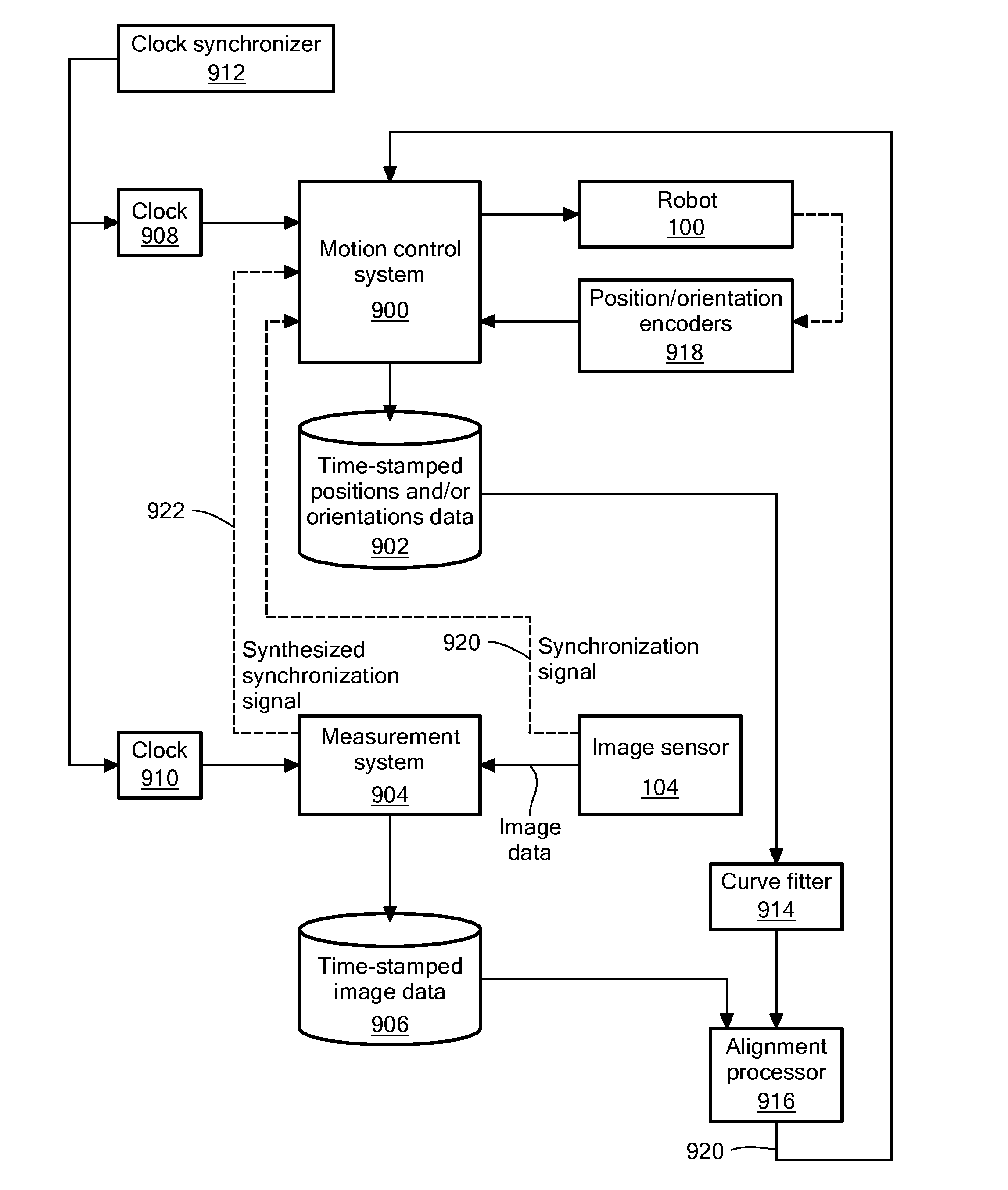
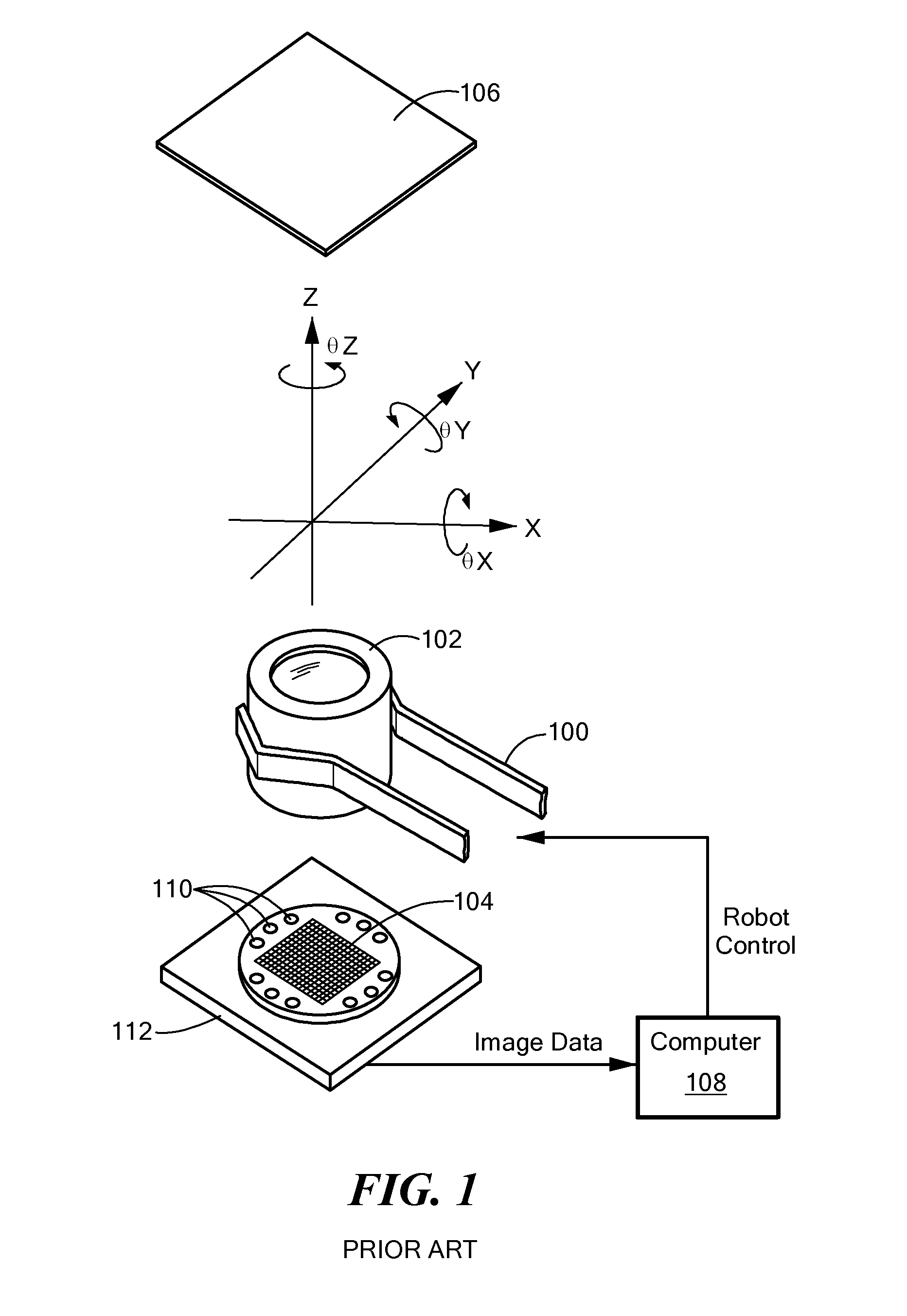
- A computer-implemented method using continuous motion sweeps and temporal interpolation to actively align optical elements by scanning along trajectories, acquiring alignment data, and estimating the desired alignment position based on collected data, allowing for precise positioning and orientation adjustments.
Active Alignment Using Continuous Motion Sweeps and Temporal Interpolation
PatentActiveUS20130274923A1
Innovation
- A computer-implemented method involving continuous motion sweeps of optical elements to collect and analyze alignment data, using a robot to estimate and adjust the position of optical elements based on optical signals and image data from a digital image sensor, allowing for precise alignment across multiple degrees of freedom.

Manufacturing Cost Analysis of Speed Enhancement Methods
The manufacturing cost analysis of speed enhancement methods reveals significant economic disparities between active alignment systems and traditional optical alignment approaches. Active alignment technologies typically require substantial initial capital investment, with automated equipment costs ranging from $500,000 to $2 million per production line. However, these systems demonstrate superior cost efficiency in high-volume manufacturing scenarios due to reduced labor requirements and enhanced throughput capabilities.
Traditional alignment systems present lower upfront costs, generally requiring $50,000 to $200,000 in initial equipment investment. The primary cost drivers include precision mechanical components, manual labor, and extended processing times. While the barrier to entry remains lower, the per-unit manufacturing costs escalate significantly as production volumes increase, primarily due to labor-intensive processes and longer cycle times.
Labor cost analysis indicates that active alignment systems reduce direct labor requirements by approximately 60-80% compared to traditional methods. Traditional systems typically require skilled technicians for manual adjustments and quality control, with labor costs representing 30-40% of total manufacturing expenses. Active alignment systems shift this cost structure toward automated processes, reducing labor dependency while requiring higher-skilled maintenance personnel.
Equipment utilization efficiency presents another critical cost factor. Active alignment systems achieve utilization rates of 85-95% due to automated operation capabilities, while traditional systems typically operate at 60-75% efficiency due to manual intervention requirements and setup time constraints. This efficiency gap translates to significant differences in manufacturing capacity and unit economics.
Quality-related costs favor active alignment systems through reduced rework rates and improved yield consistency. Traditional systems experience rework rates of 5-15%, while active alignment technologies maintain rework rates below 3%. The cost impact of quality improvements extends beyond direct manufacturing expenses to include warranty costs, customer satisfaction, and brand reputation factors.
Scalability economics demonstrate that active alignment systems achieve cost parity with traditional methods at production volumes exceeding 10,000 units annually. Beyond this threshold, active alignment systems provide substantial cost advantages, with per-unit costs decreasing by 20-35% compared to traditional approaches. This economic crossover point continues to shift toward lower volumes as active alignment technologies mature and equipment costs decline.
Traditional alignment systems present lower upfront costs, generally requiring $50,000 to $200,000 in initial equipment investment. The primary cost drivers include precision mechanical components, manual labor, and extended processing times. While the barrier to entry remains lower, the per-unit manufacturing costs escalate significantly as production volumes increase, primarily due to labor-intensive processes and longer cycle times.
Labor cost analysis indicates that active alignment systems reduce direct labor requirements by approximately 60-80% compared to traditional methods. Traditional systems typically require skilled technicians for manual adjustments and quality control, with labor costs representing 30-40% of total manufacturing expenses. Active alignment systems shift this cost structure toward automated processes, reducing labor dependency while requiring higher-skilled maintenance personnel.
Equipment utilization efficiency presents another critical cost factor. Active alignment systems achieve utilization rates of 85-95% due to automated operation capabilities, while traditional systems typically operate at 60-75% efficiency due to manual intervention requirements and setup time constraints. This efficiency gap translates to significant differences in manufacturing capacity and unit economics.
Quality-related costs favor active alignment systems through reduced rework rates and improved yield consistency. Traditional systems experience rework rates of 5-15%, while active alignment technologies maintain rework rates below 3%. The cost impact of quality improvements extends beyond direct manufacturing expenses to include warranty costs, customer satisfaction, and brand reputation factors.
Scalability economics demonstrate that active alignment systems achieve cost parity with traditional methods at production volumes exceeding 10,000 units annually. Beyond this threshold, active alignment systems provide substantial cost advantages, with per-unit costs decreasing by 20-35% compared to traditional approaches. This economic crossover point continues to shift toward lower volumes as active alignment technologies mature and equipment costs decline.
Quality Control Standards for High-Speed Alignment Processes
Quality control standards for high-speed alignment processes represent a critical framework that ensures precision and reliability while maintaining accelerated operational velocities. These standards must address the unique challenges posed by rapid positioning systems, where traditional quality metrics may prove insufficient for dynamic environments. The establishment of comprehensive quality benchmarks requires careful consideration of both measurement accuracy and temporal constraints inherent in high-velocity operations.
Real-time monitoring protocols form the cornerstone of effective quality control in high-speed alignment applications. These protocols must incorporate continuous feedback mechanisms that can detect deviations within microsecond timeframes, enabling immediate corrective actions without compromising overall system throughput. Advanced sensor integration and data acquisition systems become essential components, providing instantaneous quality assessments that traditional batch-processing methods cannot achieve.
Statistical process control methodologies require significant adaptation for high-speed environments, where conventional sampling techniques may miss critical quality variations occurring between measurement intervals. Implementation of 100% inspection capabilities through automated optical systems and machine vision technologies becomes necessary to maintain quality assurance standards. These systems must demonstrate capability to process quality data at rates exceeding 1000 measurements per second while maintaining measurement repeatability within specified tolerance bands.
Calibration and validation procedures for high-speed quality control systems demand enhanced frequency and precision compared to traditional alignment processes. Temperature compensation algorithms, vibration isolation protocols, and environmental stability requirements become more stringent as operational speeds increase. Quality control standards must specify acceptable drift rates, measurement uncertainty limits, and system response times that align with the accelerated nature of the alignment processes.
Documentation and traceability requirements for high-speed quality control necessitate automated data logging systems capable of capturing complete process histories without human intervention. These standards must define data retention periods, audit trail requirements, and statistical analysis protocols that support continuous improvement initiatives while ensuring regulatory compliance across various industrial applications.
Real-time monitoring protocols form the cornerstone of effective quality control in high-speed alignment applications. These protocols must incorporate continuous feedback mechanisms that can detect deviations within microsecond timeframes, enabling immediate corrective actions without compromising overall system throughput. Advanced sensor integration and data acquisition systems become essential components, providing instantaneous quality assessments that traditional batch-processing methods cannot achieve.
Statistical process control methodologies require significant adaptation for high-speed environments, where conventional sampling techniques may miss critical quality variations occurring between measurement intervals. Implementation of 100% inspection capabilities through automated optical systems and machine vision technologies becomes necessary to maintain quality assurance standards. These systems must demonstrate capability to process quality data at rates exceeding 1000 measurements per second while maintaining measurement repeatability within specified tolerance bands.
Calibration and validation procedures for high-speed quality control systems demand enhanced frequency and precision compared to traditional alignment processes. Temperature compensation algorithms, vibration isolation protocols, and environmental stability requirements become more stringent as operational speeds increase. Quality control standards must specify acceptable drift rates, measurement uncertainty limits, and system response times that align with the accelerated nature of the alignment processes.
Documentation and traceability requirements for high-speed quality control necessitate automated data logging systems capable of capturing complete process histories without human intervention. These standards must define data retention periods, audit trail requirements, and statistical analysis protocols that support continuous improvement initiatives while ensuring regulatory compliance across various industrial applications.
Unlock deeper insights with Patsnap Eureka Quick Research — get a full tech report to explore trends and direct your research. Try now!
Generate Your Research Report Instantly with AI Agent
Supercharge your innovation with Patsnap Eureka AI Agent Platform!