
Optimize Active Alignment for Smart Grid Applications
APR 15, 20269 MIN READ
Generate Your Research Report Instantly with AI Agent
Patsnap Eureka helps you evaluate technical feasibility & market potential.
Smart Grid Active Alignment Background and Objectives
Smart grid technology represents a transformative evolution in electrical power systems, integrating advanced digital communication, automation, and control capabilities into traditional power infrastructure. The concept emerged in the early 2000s as utilities worldwide recognized the need for more efficient, reliable, and sustainable energy distribution networks. This technological paradigm shift has been driven by increasing energy demands, aging infrastructure, environmental concerns, and the growing integration of renewable energy sources.
The evolution of smart grid systems has progressed through several distinct phases. Initial developments focused on automated meter reading and basic grid monitoring capabilities. Subsequently, the integration of two-way communication systems enabled real-time data exchange between utilities and consumers. The current phase emphasizes advanced analytics, predictive maintenance, and dynamic grid optimization through sophisticated control algorithms and artificial intelligence applications.
Active alignment within smart grid applications refers to the dynamic coordination and synchronization of various grid components, including distributed energy resources, storage systems, demand response mechanisms, and traditional generation assets. This alignment ensures optimal power flow, maintains grid stability, and maximizes operational efficiency across the entire network infrastructure.
The primary technical objectives for optimizing active alignment encompass several critical areas. First, achieving real-time synchronization of distributed energy resources to maintain grid frequency and voltage stability while accommodating variable renewable energy inputs. Second, implementing predictive control algorithms that can anticipate and respond to changing load conditions and generation patterns before system imbalances occur.
Enhanced grid resilience represents another fundamental objective, requiring active alignment systems to rapidly detect, isolate, and recover from disturbances or equipment failures. This capability is essential for maintaining continuous power supply and minimizing the impact of outages on critical infrastructure and consumers.
Economic optimization through active alignment aims to reduce operational costs by intelligently managing energy dispatch, minimizing transmission losses, and optimizing the utilization of available generation and storage resources. This includes coordinating demand response programs and energy storage systems to shift loads during peak demand periods.
The integration of emerging technologies such as electric vehicles, distributed solar installations, and energy storage systems presents additional alignment challenges that require sophisticated coordination mechanisms. These objectives collectively drive the development of advanced control systems capable of managing increasingly complex and dynamic grid environments while maintaining reliability, efficiency, and sustainability standards.
The evolution of smart grid systems has progressed through several distinct phases. Initial developments focused on automated meter reading and basic grid monitoring capabilities. Subsequently, the integration of two-way communication systems enabled real-time data exchange between utilities and consumers. The current phase emphasizes advanced analytics, predictive maintenance, and dynamic grid optimization through sophisticated control algorithms and artificial intelligence applications.
Active alignment within smart grid applications refers to the dynamic coordination and synchronization of various grid components, including distributed energy resources, storage systems, demand response mechanisms, and traditional generation assets. This alignment ensures optimal power flow, maintains grid stability, and maximizes operational efficiency across the entire network infrastructure.
The primary technical objectives for optimizing active alignment encompass several critical areas. First, achieving real-time synchronization of distributed energy resources to maintain grid frequency and voltage stability while accommodating variable renewable energy inputs. Second, implementing predictive control algorithms that can anticipate and respond to changing load conditions and generation patterns before system imbalances occur.
Enhanced grid resilience represents another fundamental objective, requiring active alignment systems to rapidly detect, isolate, and recover from disturbances or equipment failures. This capability is essential for maintaining continuous power supply and minimizing the impact of outages on critical infrastructure and consumers.
Economic optimization through active alignment aims to reduce operational costs by intelligently managing energy dispatch, minimizing transmission losses, and optimizing the utilization of available generation and storage resources. This includes coordinating demand response programs and energy storage systems to shift loads during peak demand periods.
The integration of emerging technologies such as electric vehicles, distributed solar installations, and energy storage systems presents additional alignment challenges that require sophisticated coordination mechanisms. These objectives collectively drive the development of advanced control systems capable of managing increasingly complex and dynamic grid environments while maintaining reliability, efficiency, and sustainability standards.
Market Demand for Smart Grid Optimization Solutions
The global smart grid market is experiencing unprecedented growth driven by the urgent need for grid modernization and enhanced energy efficiency. Utilities worldwide are facing mounting pressure to upgrade aging infrastructure while simultaneously integrating renewable energy sources and managing increasingly complex power distribution networks. This convergence of challenges has created substantial demand for advanced optimization solutions that can ensure reliable, efficient, and resilient grid operations.
Active alignment optimization represents a critical component within the broader smart grid ecosystem, addressing the fundamental need for real-time coordination between distributed energy resources, grid infrastructure, and consumer demand patterns. The market demand stems from utilities' requirements to maintain grid stability while accommodating bidirectional power flows from renewable sources such as solar panels and wind farms. Traditional grid management approaches are proving inadequate for handling the dynamic nature of modern power systems.
Regulatory frameworks across major markets are accelerating adoption of smart grid technologies. Government initiatives promoting clean energy transition and grid resilience have established mandates requiring utilities to implement advanced grid management capabilities. These regulatory drivers are creating sustained market demand for optimization solutions that can demonstrate measurable improvements in grid performance metrics.
The increasing penetration of electric vehicles and distributed energy storage systems is generating additional market pressure for sophisticated alignment optimization technologies. Utilities must manage charging infrastructure loads while leveraging vehicle-to-grid capabilities, creating complex optimization challenges that require advanced algorithmic solutions. This trend is particularly pronounced in urban areas where grid congestion and peak demand management are critical concerns.
Industrial and commercial customers are also driving market demand through their requirements for power quality assurance and demand response capabilities. Large energy consumers seek optimization solutions that can minimize costs while maintaining operational reliability. The growing emphasis on corporate sustainability goals is further amplifying demand for smart grid technologies that enable efficient energy utilization.
Market growth is supported by declining costs of enabling technologies including advanced sensors, communication networks, and computational platforms. The convergence of artificial intelligence, machine learning, and edge computing capabilities is making sophisticated optimization solutions more accessible and cost-effective for utilities of varying sizes and technical capabilities.
Active alignment optimization represents a critical component within the broader smart grid ecosystem, addressing the fundamental need for real-time coordination between distributed energy resources, grid infrastructure, and consumer demand patterns. The market demand stems from utilities' requirements to maintain grid stability while accommodating bidirectional power flows from renewable sources such as solar panels and wind farms. Traditional grid management approaches are proving inadequate for handling the dynamic nature of modern power systems.
Regulatory frameworks across major markets are accelerating adoption of smart grid technologies. Government initiatives promoting clean energy transition and grid resilience have established mandates requiring utilities to implement advanced grid management capabilities. These regulatory drivers are creating sustained market demand for optimization solutions that can demonstrate measurable improvements in grid performance metrics.
The increasing penetration of electric vehicles and distributed energy storage systems is generating additional market pressure for sophisticated alignment optimization technologies. Utilities must manage charging infrastructure loads while leveraging vehicle-to-grid capabilities, creating complex optimization challenges that require advanced algorithmic solutions. This trend is particularly pronounced in urban areas where grid congestion and peak demand management are critical concerns.
Industrial and commercial customers are also driving market demand through their requirements for power quality assurance and demand response capabilities. Large energy consumers seek optimization solutions that can minimize costs while maintaining operational reliability. The growing emphasis on corporate sustainability goals is further amplifying demand for smart grid technologies that enable efficient energy utilization.
Market growth is supported by declining costs of enabling technologies including advanced sensors, communication networks, and computational platforms. The convergence of artificial intelligence, machine learning, and edge computing capabilities is making sophisticated optimization solutions more accessible and cost-effective for utilities of varying sizes and technical capabilities.
Current State and Challenges of Active Alignment Systems
Active alignment systems in smart grid applications have evolved significantly over the past decade, yet several critical challenges continue to impede their widespread deployment and optimal performance. The current technological landscape reveals a complex ecosystem where traditional grid infrastructure must integrate seamlessly with advanced digital control mechanisms and real-time optimization algorithms.
The predominant active alignment systems currently deployed in smart grids rely heavily on centralized control architectures, which create inherent bottlenecks in data processing and decision-making. These systems typically operate with response times ranging from several seconds to minutes, which proves inadequate for managing the rapid fluctuations characteristic of renewable energy sources and dynamic load patterns.
Communication latency represents one of the most significant technical barriers facing active alignment implementations. Current systems struggle with the coordination of distributed energy resources across vast geographical areas, where network delays can compromise synchronization accuracy. The existing communication protocols, primarily based on legacy SCADA systems and emerging IEC 61850 standards, often lack the bandwidth and reliability required for real-time alignment operations.
Scalability constraints pose another fundamental challenge, particularly as grid complexity increases with the integration of microgrids, electric vehicle charging networks, and distributed generation sources. Current active alignment algorithms demonstrate computational complexity that grows exponentially with the number of nodes, making them impractical for large-scale implementations without significant infrastructure investments.
Data quality and sensor reliability issues further complicate the operational effectiveness of active alignment systems. Existing sensor networks frequently suffer from measurement uncertainties, communication failures, and calibration drift, leading to suboptimal alignment decisions. The lack of standardized data formats and interoperability protocols across different vendor systems creates additional integration challenges.
Cybersecurity vulnerabilities represent an emerging critical concern, as active alignment systems become increasingly dependent on networked communications and remote control capabilities. Current security frameworks often fail to address the unique requirements of real-time grid operations, where traditional security measures may introduce unacceptable delays or system vulnerabilities.
The economic viability of active alignment systems remains questionable in many deployment scenarios, particularly for smaller utilities with limited capital resources. The high initial investment costs, combined with ongoing maintenance requirements and the need for specialized technical expertise, create significant barriers to adoption across diverse market segments.
The predominant active alignment systems currently deployed in smart grids rely heavily on centralized control architectures, which create inherent bottlenecks in data processing and decision-making. These systems typically operate with response times ranging from several seconds to minutes, which proves inadequate for managing the rapid fluctuations characteristic of renewable energy sources and dynamic load patterns.
Communication latency represents one of the most significant technical barriers facing active alignment implementations. Current systems struggle with the coordination of distributed energy resources across vast geographical areas, where network delays can compromise synchronization accuracy. The existing communication protocols, primarily based on legacy SCADA systems and emerging IEC 61850 standards, often lack the bandwidth and reliability required for real-time alignment operations.
Scalability constraints pose another fundamental challenge, particularly as grid complexity increases with the integration of microgrids, electric vehicle charging networks, and distributed generation sources. Current active alignment algorithms demonstrate computational complexity that grows exponentially with the number of nodes, making them impractical for large-scale implementations without significant infrastructure investments.
Data quality and sensor reliability issues further complicate the operational effectiveness of active alignment systems. Existing sensor networks frequently suffer from measurement uncertainties, communication failures, and calibration drift, leading to suboptimal alignment decisions. The lack of standardized data formats and interoperability protocols across different vendor systems creates additional integration challenges.
Cybersecurity vulnerabilities represent an emerging critical concern, as active alignment systems become increasingly dependent on networked communications and remote control capabilities. Current security frameworks often fail to address the unique requirements of real-time grid operations, where traditional security measures may introduce unacceptable delays or system vulnerabilities.
The economic viability of active alignment systems remains questionable in many deployment scenarios, particularly for smaller utilities with limited capital resources. The high initial investment costs, combined with ongoing maintenance requirements and the need for specialized technical expertise, create significant barriers to adoption across diverse market segments.
Existing Active Alignment Solutions for Grid Applications
01 Active alignment using optical detection and adjustment mechanisms
Active alignment techniques employ optical detection systems to measure alignment parameters in real-time, combined with precision adjustment mechanisms to correct misalignment. These systems typically use photodetectors or imaging sensors to detect optical signals and feedback control systems to dynamically adjust component positions. The process enables high-precision alignment by continuously monitoring and correcting positional deviations during assembly or operation.- Active alignment using optical detection and feedback control: Active alignment techniques employ optical detection systems to measure alignment parameters in real-time and use feedback control mechanisms to adjust component positions. This approach utilizes sensors to detect optical signals and actuators to precisely position optical components based on the detected signals, enabling high-precision alignment through iterative adjustment processes.
- Multi-axis active alignment systems: Multi-axis active alignment systems provide precise positioning control across multiple degrees of freedom, including translational and rotational movements. These systems incorporate multiple actuators and control mechanisms to simultaneously adjust alignment in different directions, enabling complex alignment tasks for optical and optoelectronic components with high accuracy and repeatability.
- Active alignment for fiber optic coupling: Specialized active alignment methods are designed for coupling optical fibers to various optical components such as lasers, photodetectors, and waveguides. These techniques optimize the coupling efficiency by dynamically adjusting the fiber position while monitoring the transmitted or received optical power, ensuring maximum light transmission and minimal insertion loss in fiber optic assemblies.
- Automated active alignment with machine vision: Automated active alignment systems integrate machine vision technology and image processing algorithms to identify alignment features and guide the alignment process. These systems use cameras and pattern recognition to detect component positions and orientations, enabling automated alignment procedures that reduce manual intervention and improve manufacturing throughput while maintaining high alignment precision.
- Active alignment fixtures and tooling: Specialized fixtures and tooling are designed to facilitate active alignment processes by providing stable platforms and precise manipulation capabilities. These tools incorporate mechanical structures, vacuum holding systems, and micro-positioning stages that enable secure component mounting and fine adjustment during the alignment procedure, ensuring consistent results across multiple alignment operations.
02 Multi-axis positioning systems for active alignment
Multi-axis positioning platforms provide precise control over multiple degrees of freedom during active alignment processes. These systems incorporate actuators and motion control mechanisms that enable fine adjustments in translational and rotational directions. The platforms facilitate optimal coupling efficiency by allowing simultaneous or sequential adjustment of component positions until maximum signal transmission or minimum loss is achieved.Expand Specific Solutions03 Automated active alignment processes and equipment
Automated alignment systems integrate robotic handling, vision systems, and control algorithms to perform active alignment without manual intervention. These systems can process multiple components sequentially, measuring optical performance metrics and adjusting positions according to predetermined optimization criteria. Automation increases throughput, improves repeatability, and reduces manufacturing costs in high-volume production environments.Expand Specific Solutions04 Active alignment for fiber optic coupling and packaging
Specialized active alignment techniques are employed for coupling optical fibers to photonic devices, lasers, or other optical components. These methods involve precisely positioning fiber ends relative to optical sources or waveguides while monitoring transmitted power or coupling efficiency. The alignment process accounts for angular and lateral offsets to maximize optical power transfer and minimize insertion loss in fiber optic assemblies and modules.Expand Specific Solutions05 Active alignment monitoring and feedback control systems
Feedback control systems continuously monitor alignment quality through various sensing methods and provide corrective signals to maintain optimal alignment. These systems utilize algorithms that process measurement data to determine correction vectors and drive actuators accordingly. Advanced implementations may include adaptive control strategies that compensate for environmental variations, mechanical drift, or thermal effects to maintain alignment stability over time.Expand Specific Solutions
Key Players in Smart Grid and Alignment Technology
The smart grid active alignment technology sector represents a mature market experiencing rapid digital transformation, driven by increasing demand for grid modernization and renewable energy integration. The competitive landscape is dominated by established state-owned enterprises and research institutions, particularly from China, alongside international technology leaders. State Grid Corp. of China and its subsidiaries, including State Grid Beijing Electric Power Company and State Grid Shanghai Municipal Electric Power Co., maintain significant market presence through extensive infrastructure control and operational experience. Technology maturity varies across segments, with companies like International Business Machines Corp. and NTT Inc. leading in advanced analytics and communication solutions, while traditional power companies focus on infrastructure optimization. Academic institutions such as North China Electric Power University and China Electric Power Research Institute Ltd. contribute substantial research capabilities, indicating strong innovation pipeline. The market demonstrates high consolidation in infrastructure but increasing fragmentation in software and IoT solutions, suggesting opportunities for specialized technology providers in emerging smart grid applications.
State Grid Corp. of China
Technical Solution: State Grid Corporation of China has developed a comprehensive active alignment optimization system for smart grid applications that integrates advanced power flow control algorithms with real-time monitoring capabilities. Their solution employs distributed control architecture using phasor measurement units (PMUs) and wide-area monitoring systems (WAMS) to achieve millisecond-level response times for grid stabilization. The system incorporates machine learning algorithms for predictive maintenance and load forecasting, enabling proactive grid management. Their active alignment technology utilizes synchronized voltage and frequency control across multiple substations, reducing transmission losses by up to 15% while maintaining grid stability during peak demand periods.
Strengths: Extensive infrastructure coverage across China, proven large-scale deployment experience, strong government backing. Weaknesses: Limited international market presence, potential technology transfer restrictions.
China Southern Power Grid Research Institute Co., Ltd.
Technical Solution: China Southern Power Grid Research Institute has developed an intelligent active alignment system specifically designed for tropical and subtropical grid environments. Their solution incorporates weather-adaptive algorithms that automatically adjust grid parameters based on environmental conditions such as temperature, humidity, and storm patterns. The system features advanced fault detection and isolation capabilities using artificial intelligence, enabling rapid restoration of power supply during outages. Their active alignment technology includes dynamic voltage regulation and reactive power compensation systems that maintain grid stability across diverse geographical regions with varying load characteristics.
Strengths: Specialized expertise in challenging environmental conditions, strong regional market presence, proven reliability in extreme weather. Weaknesses: Limited global market exposure, technology primarily optimized for specific regional conditions.
Core Innovations in Smart Grid Active Alignment
Coordinated optimization control method for active distribution network
PatentActiveCN104505826A
Innovation
- The active distribution network is divided into station level and distribution network level, an optimization control strategy library is designed, the strategy is adjusted according to different optimization goals, and the strategy library is updated through coordination optimization evaluation indicators to improve the pertinence and automation of coordinated control.


Voltage and power flow combined control method considering running cost for active power distribution network
PatentActiveCN105186498A
Innovation
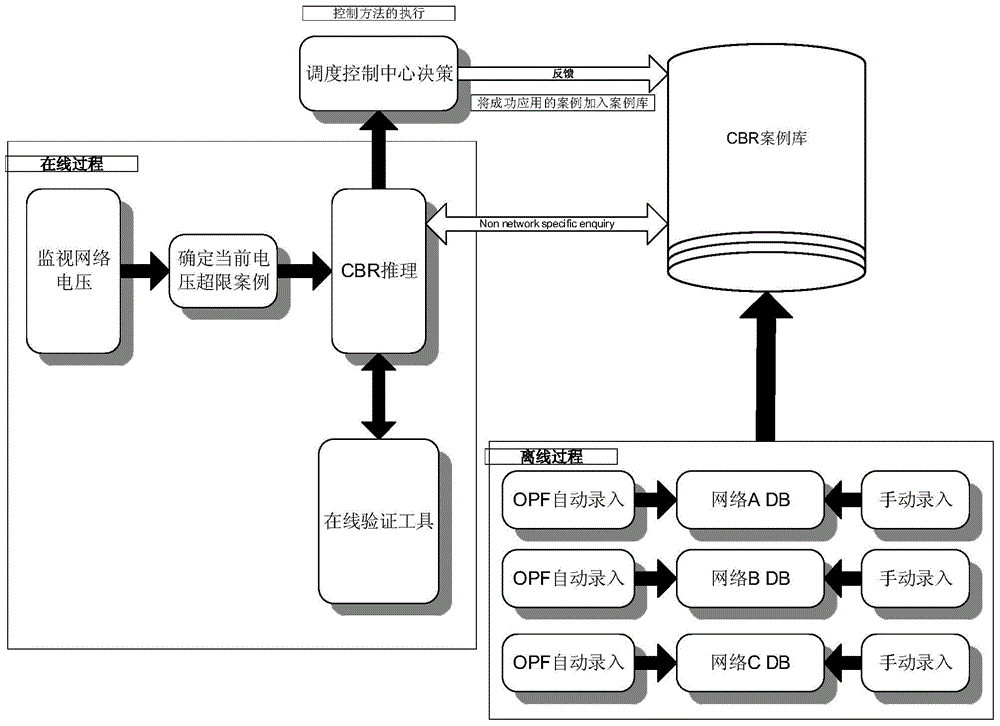
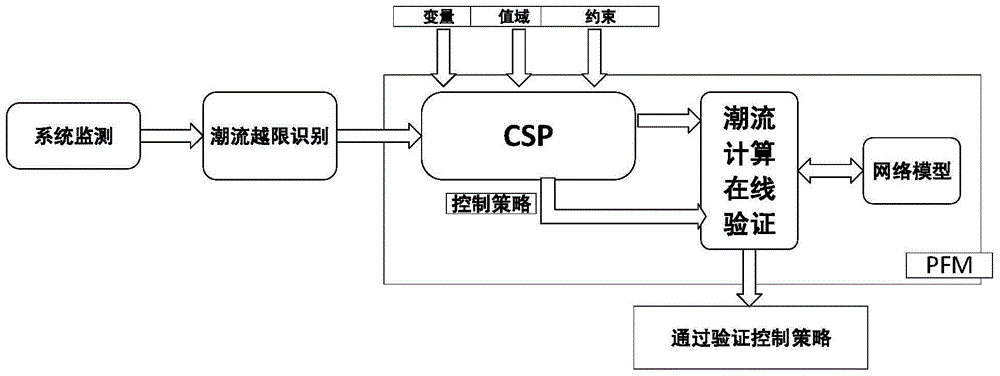
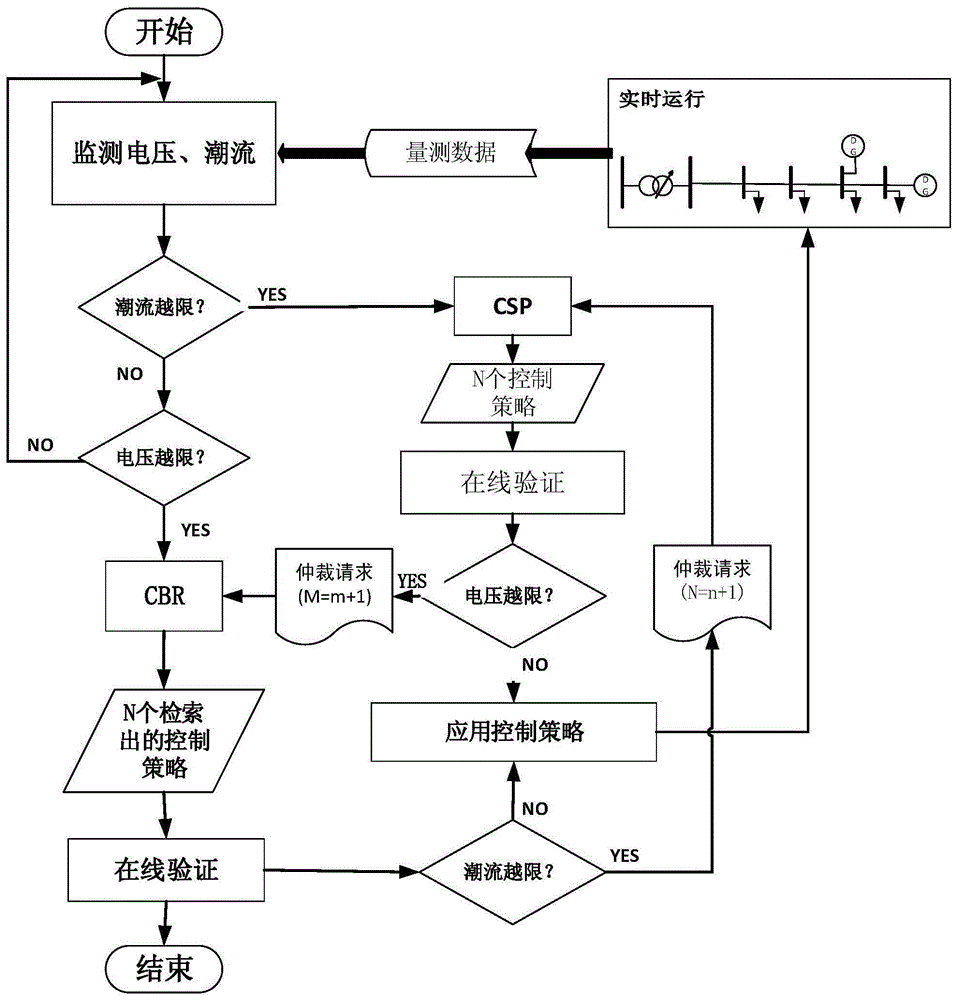
- Using a combination of case library and offline and online methods, by monitoring node voltage and line power flow, using the nearest neighbor method and constraint satisfaction algorithm for voltage and power flow control, the operating cost of each control strategy is calculated, and the lowest-cost strategy is selected for closed-loop control. And optimize the case library through self-learning.

Grid Standards and Regulatory Framework
The regulatory landscape for smart grid applications represents a complex ecosystem of international, national, and regional standards that govern the implementation of active alignment optimization technologies. The International Electrotechnical Commission (IEC) 61850 series serves as the foundational communication protocol standard, defining how intelligent electronic devices communicate within substations and across distributed grid networks. This standard framework enables the real-time data exchange necessary for active alignment optimization, establishing common information models and communication services that facilitate interoperability between diverse grid components.
IEEE standards play a complementary role, with IEEE 2030 providing architectural guidelines for smart grid interoperability, while IEEE 1547 governs the interconnection of distributed energy resources. These standards collectively establish the technical requirements for implementing active alignment systems that can dynamically adjust grid parameters based on real-time conditions. The North American Electric Reliability Corporation (NERC) reliability standards, particularly CIP-002 through CIP-014, address cybersecurity frameworks essential for protecting active alignment systems from potential threats.
Regional regulatory bodies impose additional compliance requirements that significantly impact active alignment implementation strategies. The Federal Energy Regulatory Commission (FERC) in the United States mandates specific performance metrics and reporting requirements for grid modernization initiatives. European regulations under the Clean Energy Package establish market mechanisms that incentivize active grid management technologies, while also requiring compliance with the General Data Protection Regulation (GDPR) for customer data handling in smart grid applications.
Emerging regulatory trends indicate a shift toward performance-based standards that emphasize grid resilience and flexibility rather than traditional reliability metrics alone. Recent updates to grid codes in various jurisdictions now require advanced grid support functions from distributed resources, creating new opportunities for active alignment optimization technologies. However, regulatory uncertainty remains a significant challenge, as standards continue to evolve rapidly to accommodate emerging technologies such as artificial intelligence and machine learning applications in grid operations.
The compliance pathway for active alignment systems typically involves multi-stage certification processes, including laboratory testing, field demonstrations, and ongoing monitoring requirements. Regulatory bodies increasingly require evidence of cybersecurity resilience, environmental impact assessments, and consumer protection measures before approving new grid technologies for commercial deployment.
IEEE standards play a complementary role, with IEEE 2030 providing architectural guidelines for smart grid interoperability, while IEEE 1547 governs the interconnection of distributed energy resources. These standards collectively establish the technical requirements for implementing active alignment systems that can dynamically adjust grid parameters based on real-time conditions. The North American Electric Reliability Corporation (NERC) reliability standards, particularly CIP-002 through CIP-014, address cybersecurity frameworks essential for protecting active alignment systems from potential threats.
Regional regulatory bodies impose additional compliance requirements that significantly impact active alignment implementation strategies. The Federal Energy Regulatory Commission (FERC) in the United States mandates specific performance metrics and reporting requirements for grid modernization initiatives. European regulations under the Clean Energy Package establish market mechanisms that incentivize active grid management technologies, while also requiring compliance with the General Data Protection Regulation (GDPR) for customer data handling in smart grid applications.
Emerging regulatory trends indicate a shift toward performance-based standards that emphasize grid resilience and flexibility rather than traditional reliability metrics alone. Recent updates to grid codes in various jurisdictions now require advanced grid support functions from distributed resources, creating new opportunities for active alignment optimization technologies. However, regulatory uncertainty remains a significant challenge, as standards continue to evolve rapidly to accommodate emerging technologies such as artificial intelligence and machine learning applications in grid operations.
The compliance pathway for active alignment systems typically involves multi-stage certification processes, including laboratory testing, field demonstrations, and ongoing monitoring requirements. Regulatory bodies increasingly require evidence of cybersecurity resilience, environmental impact assessments, and consumer protection measures before approving new grid technologies for commercial deployment.
Energy Efficiency and Sustainability Impact
The optimization of active alignment systems in smart grid applications presents significant opportunities for enhancing energy efficiency across multiple operational dimensions. Active alignment technologies enable real-time adjustment of power distribution networks, reducing transmission losses that typically account for 8-15% of total electricity generation. Through dynamic load balancing and intelligent routing algorithms, these systems can minimize energy waste during peak demand periods while optimizing power flow pathways to reduce resistance-based losses in transmission lines.
Smart grid implementations with optimized active alignment demonstrate measurable improvements in overall system efficiency. Advanced sensor networks and machine learning algorithms enable predictive load management, allowing utilities to anticipate demand fluctuations and adjust generation accordingly. This proactive approach reduces the need for inefficient peaking power plants, which often operate at lower efficiency rates compared to baseload generation facilities.
The sustainability impact extends beyond immediate energy savings to encompass broader environmental benefits. Optimized active alignment facilitates increased integration of renewable energy sources by managing their inherent variability and intermittency. Dynamic grid reconfiguration capabilities allow for better accommodation of distributed solar and wind generation, reducing curtailment rates and maximizing clean energy utilization.
Carbon footprint reduction represents a critical sustainability metric for these technologies. Studies indicate that comprehensive active alignment optimization can reduce grid-related CO2 emissions by 12-18% through improved efficiency and renewable integration. The technology also extends the operational lifespan of existing grid infrastructure by reducing thermal stress and mechanical wear on transmission equipment.
Long-term sustainability benefits include reduced material consumption for grid expansion projects. Optimized active alignment maximizes the capacity utilization of existing infrastructure, potentially deferring or eliminating the need for new transmission lines and substations. This approach significantly reduces the environmental impact associated with construction activities and raw material extraction for grid development projects.
Smart grid implementations with optimized active alignment demonstrate measurable improvements in overall system efficiency. Advanced sensor networks and machine learning algorithms enable predictive load management, allowing utilities to anticipate demand fluctuations and adjust generation accordingly. This proactive approach reduces the need for inefficient peaking power plants, which often operate at lower efficiency rates compared to baseload generation facilities.
The sustainability impact extends beyond immediate energy savings to encompass broader environmental benefits. Optimized active alignment facilitates increased integration of renewable energy sources by managing their inherent variability and intermittency. Dynamic grid reconfiguration capabilities allow for better accommodation of distributed solar and wind generation, reducing curtailment rates and maximizing clean energy utilization.
Carbon footprint reduction represents a critical sustainability metric for these technologies. Studies indicate that comprehensive active alignment optimization can reduce grid-related CO2 emissions by 12-18% through improved efficiency and renewable integration. The technology also extends the operational lifespan of existing grid infrastructure by reducing thermal stress and mechanical wear on transmission equipment.
Long-term sustainability benefits include reduced material consumption for grid expansion projects. Optimized active alignment maximizes the capacity utilization of existing infrastructure, potentially deferring or eliminating the need for new transmission lines and substations. This approach significantly reduces the environmental impact associated with construction activities and raw material extraction for grid development projects.
Unlock deeper insights with Patsnap Eureka Quick Research — get a full tech report to explore trends and direct your research. Try now!
Generate Your Research Report Instantly with AI Agent
Supercharge your innovation with Patsnap Eureka AI Agent Platform!