
Active Alignment in AI Systems: Performance Metrics
APR 15, 20269 MIN READ
Generate Your Research Report Instantly with AI Agent
Patsnap Eureka helps you evaluate technical feasibility & market potential.
AI Active Alignment Background and Objectives
Active alignment in AI systems represents a paradigm shift from traditional passive safety measures to dynamic, real-time alignment mechanisms that continuously adapt AI behavior to human values and intentions. This approach emerged from the recognition that static alignment methods are insufficient for increasingly autonomous and capable AI systems operating in complex, evolving environments.
The historical development of AI alignment has progressed through distinct phases, beginning with rule-based constraints and evolving toward more sophisticated value learning approaches. Early alignment efforts focused on hard-coded safety rules and reward function design, which proved brittle when deployed in real-world scenarios. The field subsequently embraced inverse reinforcement learning and preference learning methodologies, laying groundwork for more adaptive alignment strategies.
Current active alignment research addresses fundamental limitations of previous approaches by incorporating continuous feedback loops, real-time value updating, and context-aware behavioral modification. This evolution reflects growing understanding that alignment is not a one-time calibration but an ongoing process requiring persistent monitoring and adjustment as AI systems encounter novel situations and stakeholder preferences evolve.
The primary technical objective of active alignment systems centers on developing robust performance metrics that can accurately measure alignment quality across diverse operational contexts. These metrics must capture multiple dimensions of alignment effectiveness, including value preservation, behavioral consistency, stakeholder satisfaction, and adaptability to changing requirements. Establishing reliable measurement frameworks is crucial for enabling systematic improvement and validation of alignment mechanisms.
Secondary objectives encompass creating scalable monitoring infrastructure capable of real-time alignment assessment, developing intervention protocols for misalignment detection and correction, and establishing standardized evaluation benchmarks for comparing different active alignment approaches. The ultimate goal involves achieving verifiable, maintainable alignment that scales with increasing AI capability while preserving human agency and values.
The strategic importance of this research extends beyond technical considerations to encompass broader societal implications. As AI systems become more prevalent in critical applications, the ability to maintain reliable alignment becomes essential for public trust, regulatory compliance, and safe deployment of advanced AI technologies across various domains.
The historical development of AI alignment has progressed through distinct phases, beginning with rule-based constraints and evolving toward more sophisticated value learning approaches. Early alignment efforts focused on hard-coded safety rules and reward function design, which proved brittle when deployed in real-world scenarios. The field subsequently embraced inverse reinforcement learning and preference learning methodologies, laying groundwork for more adaptive alignment strategies.
Current active alignment research addresses fundamental limitations of previous approaches by incorporating continuous feedback loops, real-time value updating, and context-aware behavioral modification. This evolution reflects growing understanding that alignment is not a one-time calibration but an ongoing process requiring persistent monitoring and adjustment as AI systems encounter novel situations and stakeholder preferences evolve.
The primary technical objective of active alignment systems centers on developing robust performance metrics that can accurately measure alignment quality across diverse operational contexts. These metrics must capture multiple dimensions of alignment effectiveness, including value preservation, behavioral consistency, stakeholder satisfaction, and adaptability to changing requirements. Establishing reliable measurement frameworks is crucial for enabling systematic improvement and validation of alignment mechanisms.
Secondary objectives encompass creating scalable monitoring infrastructure capable of real-time alignment assessment, developing intervention protocols for misalignment detection and correction, and establishing standardized evaluation benchmarks for comparing different active alignment approaches. The ultimate goal involves achieving verifiable, maintainable alignment that scales with increasing AI capability while preserving human agency and values.
The strategic importance of this research extends beyond technical considerations to encompass broader societal implications. As AI systems become more prevalent in critical applications, the ability to maintain reliable alignment becomes essential for public trust, regulatory compliance, and safe deployment of advanced AI technologies across various domains.
Market Demand for AI Alignment Performance Metrics
The market demand for AI alignment performance metrics is experiencing unprecedented growth as artificial intelligence systems become increasingly integrated into critical applications across industries. Organizations deploying AI solutions are recognizing that traditional performance metrics such as accuracy and efficiency are insufficient for ensuring safe and reliable AI behavior in complex real-world scenarios.
Enterprise adoption of AI systems has created a pressing need for standardized alignment metrics that can quantify how well AI systems adhere to intended objectives while avoiding harmful or unintended behaviors. Financial services institutions require metrics to ensure AI-driven trading algorithms align with risk management policies and regulatory compliance. Healthcare organizations need alignment measurements to verify that diagnostic AI systems prioritize patient safety over pure diagnostic accuracy.
The regulatory landscape is driving significant demand for alignment performance metrics. Government agencies and regulatory bodies are increasingly requiring organizations to demonstrate measurable AI safety and alignment before deploying systems in sensitive domains. This regulatory pressure has created a substantial market opportunity for companies developing comprehensive alignment measurement frameworks and tools.
Technology companies are investing heavily in alignment metrics to address growing concerns about AI system reliability and trustworthiness. The demand spans from large technology corporations developing foundation models to smaller companies implementing AI solutions in specialized domains. These organizations require metrics that can evaluate alignment across different dimensions including value alignment, behavioral consistency, and robustness to adversarial inputs.
The autonomous systems sector represents a particularly high-demand market segment for alignment performance metrics. Autonomous vehicle manufacturers, robotics companies, and drone operators require sophisticated metrics to ensure their AI systems make decisions that align with safety protocols and ethical guidelines under diverse operational conditions.
Research institutions and academic organizations constitute another significant demand driver, requiring alignment metrics for advancing the scientific understanding of AI safety. This academic demand is fostering innovation in metric development and creating a pipeline of expertise that supports commercial applications.
The market demand is further amplified by the need for continuous monitoring and evaluation of deployed AI systems. Organizations require real-time alignment metrics to detect potential misalignment issues before they result in harmful outcomes, creating demand for both measurement tools and monitoring infrastructure.
Enterprise adoption of AI systems has created a pressing need for standardized alignment metrics that can quantify how well AI systems adhere to intended objectives while avoiding harmful or unintended behaviors. Financial services institutions require metrics to ensure AI-driven trading algorithms align with risk management policies and regulatory compliance. Healthcare organizations need alignment measurements to verify that diagnostic AI systems prioritize patient safety over pure diagnostic accuracy.
The regulatory landscape is driving significant demand for alignment performance metrics. Government agencies and regulatory bodies are increasingly requiring organizations to demonstrate measurable AI safety and alignment before deploying systems in sensitive domains. This regulatory pressure has created a substantial market opportunity for companies developing comprehensive alignment measurement frameworks and tools.
Technology companies are investing heavily in alignment metrics to address growing concerns about AI system reliability and trustworthiness. The demand spans from large technology corporations developing foundation models to smaller companies implementing AI solutions in specialized domains. These organizations require metrics that can evaluate alignment across different dimensions including value alignment, behavioral consistency, and robustness to adversarial inputs.
The autonomous systems sector represents a particularly high-demand market segment for alignment performance metrics. Autonomous vehicle manufacturers, robotics companies, and drone operators require sophisticated metrics to ensure their AI systems make decisions that align with safety protocols and ethical guidelines under diverse operational conditions.
Research institutions and academic organizations constitute another significant demand driver, requiring alignment metrics for advancing the scientific understanding of AI safety. This academic demand is fostering innovation in metric development and creating a pipeline of expertise that supports commercial applications.
The market demand is further amplified by the need for continuous monitoring and evaluation of deployed AI systems. Organizations require real-time alignment metrics to detect potential misalignment issues before they result in harmful outcomes, creating demand for both measurement tools and monitoring infrastructure.
Current State of AI Alignment Measurement Challenges
The measurement of AI alignment presents fundamental challenges that stem from the inherently subjective and context-dependent nature of human values and preferences. Current evaluation frameworks struggle to capture the nuanced aspects of alignment, as traditional performance metrics often fail to account for the complex interplay between AI system behavior and human intentions across diverse scenarios.
One of the primary obstacles lies in the absence of standardized benchmarks for alignment assessment. Unlike conventional AI performance metrics such as accuracy or efficiency, alignment measurement requires evaluating whether an AI system's actions correspond to intended human values, which vary significantly across cultures, individuals, and contexts. This variability makes it extremely difficult to establish universal measurement criteria that can be consistently applied across different AI applications and deployment environments.
The temporal dimension of alignment measurement poses additional complexity. AI systems may appear aligned during initial testing phases but exhibit misaligned behavior when encountering novel situations or edge cases not covered in training data. Current measurement approaches often rely on static evaluation methods that fail to capture the dynamic nature of alignment challenges, particularly as AI systems continue learning and adapting in real-world environments.
Scalability represents another critical challenge in alignment measurement. As AI systems become more sophisticated and operate in increasingly complex domains, the computational and human resources required for comprehensive alignment evaluation grow exponentially. Traditional human-in-the-loop evaluation methods become impractical for large-scale systems, necessitating automated measurement approaches that may themselves introduce alignment risks.
The interpretability gap further complicates alignment measurement efforts. Many advanced AI systems, particularly deep learning models, operate as black boxes where the reasoning processes leading to specific outputs remain opaque. This lack of transparency makes it difficult to assess whether apparent alignment stems from genuine value alignment or merely coincidental behavior patterns that may not generalize to new situations.
Current measurement frameworks also struggle with the multi-stakeholder nature of alignment challenges. Different stakeholders may have conflicting values and priorities, making it unclear whose preferences should serve as the alignment benchmark. This challenge is particularly acute in applications affecting diverse populations or involving complex ethical considerations where consensus on appropriate behavior may be difficult to achieve.
One of the primary obstacles lies in the absence of standardized benchmarks for alignment assessment. Unlike conventional AI performance metrics such as accuracy or efficiency, alignment measurement requires evaluating whether an AI system's actions correspond to intended human values, which vary significantly across cultures, individuals, and contexts. This variability makes it extremely difficult to establish universal measurement criteria that can be consistently applied across different AI applications and deployment environments.
The temporal dimension of alignment measurement poses additional complexity. AI systems may appear aligned during initial testing phases but exhibit misaligned behavior when encountering novel situations or edge cases not covered in training data. Current measurement approaches often rely on static evaluation methods that fail to capture the dynamic nature of alignment challenges, particularly as AI systems continue learning and adapting in real-world environments.
Scalability represents another critical challenge in alignment measurement. As AI systems become more sophisticated and operate in increasingly complex domains, the computational and human resources required for comprehensive alignment evaluation grow exponentially. Traditional human-in-the-loop evaluation methods become impractical for large-scale systems, necessitating automated measurement approaches that may themselves introduce alignment risks.
The interpretability gap further complicates alignment measurement efforts. Many advanced AI systems, particularly deep learning models, operate as black boxes where the reasoning processes leading to specific outputs remain opaque. This lack of transparency makes it difficult to assess whether apparent alignment stems from genuine value alignment or merely coincidental behavior patterns that may not generalize to new situations.
Current measurement frameworks also struggle with the multi-stakeholder nature of alignment challenges. Different stakeholders may have conflicting values and priorities, making it unclear whose preferences should serve as the alignment benchmark. This challenge is particularly acute in applications affecting diverse populations or involving complex ethical considerations where consensus on appropriate behavior may be difficult to achieve.
Existing AI Alignment Performance Assessment Solutions
01 Performance measurement and monitoring systems for AI
Systems and methods for continuously monitoring and measuring AI system performance through various metrics and indicators. These approaches involve collecting performance data, analyzing system behavior, and generating performance reports to assess AI system effectiveness. The monitoring can include real-time tracking of system operations, resource utilization, and output quality to ensure optimal performance levels.- Performance measurement and monitoring systems for AI: Systems and methods for continuously monitoring and measuring AI system performance through various metrics and indicators. These approaches involve collecting performance data, analyzing system behavior, and generating performance reports to assess the effectiveness and efficiency of AI systems. The monitoring can include real-time tracking of system operations, resource utilization, and output quality to ensure optimal performance.
- Accuracy and precision metrics for AI model evaluation: Methods for evaluating AI models using accuracy, precision, recall, and F1-score metrics to determine model effectiveness. These evaluation techniques assess the correctness of predictions, the ability to identify relevant results, and the balance between false positives and false negatives. The metrics provide quantitative measures to compare different models and optimize their performance for specific applications.
- Latency and throughput optimization for AI systems: Techniques for measuring and optimizing response time, processing speed, and data throughput in AI systems. These methods focus on reducing computational delays, improving inference speed, and maximizing the number of operations processed per unit time. Performance optimization includes hardware acceleration, algorithm efficiency improvements, and resource allocation strategies to meet real-time processing requirements.
- Resource utilization and efficiency metrics: Approaches for measuring computational resource consumption including memory usage, CPU utilization, power consumption, and storage requirements. These metrics help evaluate the efficiency of AI systems in terms of resource allocation and cost-effectiveness. The methods enable optimization of system architecture and deployment strategies to achieve better performance with minimal resource overhead.
- Scalability and reliability assessment frameworks: Frameworks for evaluating AI system scalability, fault tolerance, and reliability under varying workloads and conditions. These assessment methods measure system stability, error rates, recovery capabilities, and performance degradation under stress. The frameworks include testing methodologies for distributed systems, load balancing effectiveness, and system robustness to ensure consistent performance across different deployment scenarios.
02 Accuracy and precision metrics for AI model evaluation
Methods for evaluating AI models using accuracy, precision, recall, and F1-score metrics to determine model effectiveness. These evaluation techniques assess the correctness of AI predictions and classifications, measuring how well the model performs against ground truth data. The metrics help identify model strengths and weaknesses, enabling optimization and refinement of AI algorithms.Expand Specific Solutions03 Latency and throughput performance optimization
Techniques for measuring and optimizing response time, processing speed, and data throughput in AI systems. These methods focus on reducing computational delays, improving inference speed, and maximizing the number of operations processed per unit time. Performance optimization includes hardware acceleration, algorithm efficiency improvements, and resource allocation strategies to enhance system responsiveness.Expand Specific Solutions04 Resource utilization and efficiency metrics
Approaches for measuring computational resource consumption including memory usage, CPU utilization, and energy efficiency in AI systems. These metrics help assess the cost-effectiveness and sustainability of AI operations by tracking resource allocation and identifying optimization opportunities. The measurements enable better capacity planning and help balance performance against resource constraints.Expand Specific Solutions05 Quality assurance and reliability metrics
Systems for evaluating AI reliability, robustness, and consistency through quality assurance metrics. These include measuring error rates, system stability, fault tolerance, and the ability to maintain performance under varying conditions. The metrics assess how well AI systems handle edge cases, unexpected inputs, and operational stress while maintaining acceptable performance levels.Expand Specific Solutions
Key Players in AI Safety and Alignment Research
The active alignment in AI systems performance metrics field represents an emerging yet rapidly evolving competitive landscape. The industry is in its early-to-mid development stage, with significant growth potential as organizations increasingly prioritize AI safety and ethical deployment. Market size remains nascent but expanding, driven by regulatory pressures and enterprise demand for trustworthy AI solutions. Technology maturity varies considerably across players, with established tech giants like IBM, Huawei, and Qualcomm leveraging their AI infrastructure capabilities, while specialized firms like Tractable and Verses AI focus on domain-specific alignment solutions. Research institutions including Tianjin University and Nanjing University of Aeronautics & Astronautics contribute foundational research, while companies like NEC Laboratories America and ServiceNow integrate alignment metrics into practical applications. The competitive dynamics suggest a fragmented market with opportunities for both specialized alignment-focused startups and established technology providers to capture value through differentiated approaches to AI performance measurement and safety assurance.
International Business Machines Corp.
Technical Solution: IBM has developed comprehensive AI alignment frameworks focusing on trustworthy AI systems with robust performance metrics. Their approach includes multi-dimensional evaluation systems that assess model behavior across fairness, explainability, and robustness dimensions. IBM's Watson AI platform incorporates active alignment mechanisms through continuous monitoring and feedback loops that track model performance against predefined ethical and operational benchmarks. Their methodology emphasizes real-time performance assessment using statistical measures and human-in-the-loop validation processes to ensure AI systems maintain alignment with intended objectives throughout their operational lifecycle.
Strengths: Comprehensive enterprise-grade solutions with proven scalability and robust monitoring capabilities. Weaknesses: Complex implementation requirements and high computational overhead for continuous alignment monitoring.
Huawei Technologies Co., Ltd.
Technical Solution: Huawei has implemented active alignment systems in their AI infrastructure through adaptive performance monitoring frameworks that utilize distributed computing architectures. Their approach focuses on real-time metric collection and analysis across edge-cloud environments, enabling dynamic adjustment of AI model behavior based on performance feedback. The company's MindSpore AI framework incorporates built-in alignment verification mechanisms that continuously evaluate model outputs against safety and performance criteria. Their methodology includes automated metric aggregation systems that track alignment effectiveness across multiple deployment scenarios, particularly in telecommunications and smart city applications where reliability and consistent performance are critical requirements.
Strengths: Strong integration with edge computing infrastructure and excellent performance in distributed environments. Weaknesses: Limited transparency in proprietary algorithms and potential concerns regarding data privacy in certain markets.
Core Innovations in Active Alignment Metrics
Systems and methods for independent audit and assessment framework for AI systems
PatentActiveUS12585715B2
Innovation
- A framework that includes an AI Interface Specification (AIIS) and an AI Assessment Tool (AIAT) to audit AI systems without requiring access to internal designs, using query generation methods to evaluate compliance with safety specifications and adapt to changes in user-specific tasks and environments.


Systems and methods for development, assessment, and/or monitoring of a generative ai system
PatentPendingUS20250190459A1
Innovation
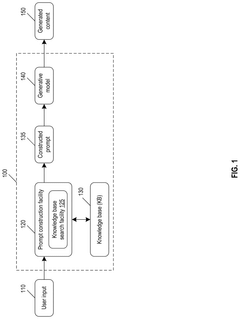
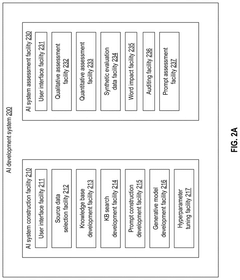
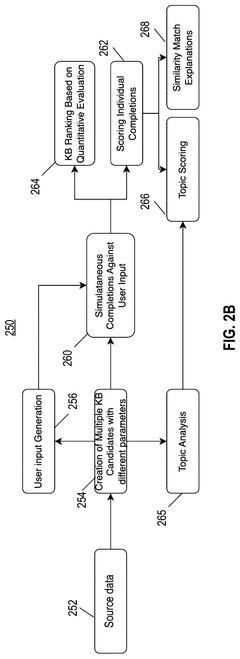
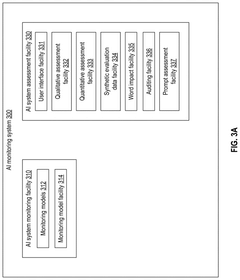
- The development of a method that constructs multiple generative AI systems using modeling blueprints, evaluates them using a set of quantitative metrics, and provides recommendations for their use based on these evaluations, while also incorporating features like retrieval-augmented generation and monitoring models to improve performance and prevent undesirable outputs.
AI Governance and Safety Regulatory Framework
The regulatory landscape for AI governance and safety is rapidly evolving as governments worldwide recognize the critical importance of establishing comprehensive frameworks for active alignment in AI systems. Current regulatory approaches vary significantly across jurisdictions, with the European Union leading through the AI Act, which establishes risk-based classifications and mandatory performance metrics for high-risk AI applications. The United States has adopted a more fragmented approach, combining executive orders, agency guidance, and sector-specific regulations that address AI alignment through existing safety frameworks.
International coordination efforts are gaining momentum through organizations like the OECD AI Policy Observatory and the Global Partnership on AI, which are working to harmonize performance measurement standards for AI alignment across borders. These initiatives focus on establishing common metrics for evaluating AI system behavior, transparency requirements, and accountability mechanisms that can be consistently applied across different regulatory environments.
Key regulatory challenges center on defining measurable standards for AI alignment performance. Current frameworks struggle with quantifying subjective concepts like fairness, transparency, and human value alignment. Regulators are increasingly demanding concrete metrics such as bias detection rates, explainability scores, and human oversight effectiveness measures. The challenge lies in creating standardized assessment methodologies that can be applied across diverse AI applications while maintaining flexibility for innovation.
Emerging regulatory trends indicate a shift toward mandatory algorithmic auditing and continuous monitoring requirements. Several jurisdictions are implementing real-time performance tracking mandates for AI systems in critical sectors like healthcare, finance, and autonomous vehicles. These regulations require organizations to demonstrate ongoing alignment through documented performance metrics and regular compliance reporting.
The enforcement landscape is becoming more sophisticated, with regulatory bodies developing specialized AI oversight capabilities and technical expertise. Penalties for non-compliance are escalating, with some frameworks imposing significant financial sanctions and operational restrictions for AI systems that fail to meet alignment performance standards. This regulatory evolution is driving increased investment in alignment measurement technologies and compliance infrastructure across the AI industry.
International coordination efforts are gaining momentum through organizations like the OECD AI Policy Observatory and the Global Partnership on AI, which are working to harmonize performance measurement standards for AI alignment across borders. These initiatives focus on establishing common metrics for evaluating AI system behavior, transparency requirements, and accountability mechanisms that can be consistently applied across different regulatory environments.
Key regulatory challenges center on defining measurable standards for AI alignment performance. Current frameworks struggle with quantifying subjective concepts like fairness, transparency, and human value alignment. Regulators are increasingly demanding concrete metrics such as bias detection rates, explainability scores, and human oversight effectiveness measures. The challenge lies in creating standardized assessment methodologies that can be applied across diverse AI applications while maintaining flexibility for innovation.
Emerging regulatory trends indicate a shift toward mandatory algorithmic auditing and continuous monitoring requirements. Several jurisdictions are implementing real-time performance tracking mandates for AI systems in critical sectors like healthcare, finance, and autonomous vehicles. These regulations require organizations to demonstrate ongoing alignment through documented performance metrics and regular compliance reporting.
The enforcement landscape is becoming more sophisticated, with regulatory bodies developing specialized AI oversight capabilities and technical expertise. Penalties for non-compliance are escalating, with some frameworks imposing significant financial sanctions and operational restrictions for AI systems that fail to meet alignment performance standards. This regulatory evolution is driving increased investment in alignment measurement technologies and compliance infrastructure across the AI industry.
Ethical Standards for AI Alignment Evaluation
The establishment of robust ethical standards for AI alignment evaluation represents a critical foundation for ensuring responsible development and deployment of active alignment systems. These standards must encompass comprehensive frameworks that address both technical performance and societal impact considerations, creating measurable criteria for ethical compliance throughout the AI system lifecycle.
Fundamental ethical principles should anchor all alignment evaluation processes, including respect for human autonomy, beneficence, non-maleficence, justice, and transparency. These principles must be operationalized through specific evaluation criteria that can assess whether AI systems maintain human agency, promote collective welfare, minimize potential harm, ensure fair treatment across diverse populations, and provide adequate explainability of decision-making processes.
Evaluation frameworks must incorporate multi-stakeholder perspectives to capture diverse ethical viewpoints and cultural considerations. This includes establishing inclusive governance structures that involve ethicists, domain experts, affected communities, and regulatory bodies in defining acceptable alignment behaviors. The standards should mandate regular ethical audits conducted by independent third parties to ensure objective assessment of alignment performance.
Accountability mechanisms form another essential component, requiring clear documentation of ethical decision-making processes, traceability of alignment modifications, and establishment of responsibility chains for ethical outcomes. Organizations must demonstrate adherence to ethical guidelines through comprehensive reporting and public disclosure of alignment evaluation results where appropriate.
The standards should also address dynamic ethical considerations, recognizing that ethical requirements may evolve as AI systems operate in changing environments and societal contexts. This necessitates adaptive evaluation frameworks capable of incorporating emerging ethical challenges and updating assessment criteria accordingly.
Finally, international coordination and harmonization of ethical standards will be crucial for ensuring consistent evaluation practices across different jurisdictions and preventing regulatory arbitrage that could undermine global AI safety efforts.
Fundamental ethical principles should anchor all alignment evaluation processes, including respect for human autonomy, beneficence, non-maleficence, justice, and transparency. These principles must be operationalized through specific evaluation criteria that can assess whether AI systems maintain human agency, promote collective welfare, minimize potential harm, ensure fair treatment across diverse populations, and provide adequate explainability of decision-making processes.
Evaluation frameworks must incorporate multi-stakeholder perspectives to capture diverse ethical viewpoints and cultural considerations. This includes establishing inclusive governance structures that involve ethicists, domain experts, affected communities, and regulatory bodies in defining acceptable alignment behaviors. The standards should mandate regular ethical audits conducted by independent third parties to ensure objective assessment of alignment performance.
Accountability mechanisms form another essential component, requiring clear documentation of ethical decision-making processes, traceability of alignment modifications, and establishment of responsibility chains for ethical outcomes. Organizations must demonstrate adherence to ethical guidelines through comprehensive reporting and public disclosure of alignment evaluation results where appropriate.
The standards should also address dynamic ethical considerations, recognizing that ethical requirements may evolve as AI systems operate in changing environments and societal contexts. This necessitates adaptive evaluation frameworks capable of incorporating emerging ethical challenges and updating assessment criteria accordingly.
Finally, international coordination and harmonization of ethical standards will be crucial for ensuring consistent evaluation practices across different jurisdictions and preventing regulatory arbitrage that could undermine global AI safety efforts.
Unlock deeper insights with Patsnap Eureka Quick Research — get a full tech report to explore trends and direct your research. Try now!
Generate Your Research Report Instantly with AI Agent
Supercharge your innovation with Patsnap Eureka AI Agent Platform!