
Active Alignment in Satellite Tech: Signal Stability
APR 15, 20269 MIN READ
Generate Your Research Report Instantly with AI Agent
Patsnap Eureka helps you evaluate technical feasibility & market potential.
Satellite Active Alignment Tech Background and Objectives
Satellite active alignment technology represents a critical advancement in space-based communication and observation systems, addressing the fundamental challenge of maintaining precise optical and signal alignment in the harsh environment of space. This technology has evolved from basic mechanical stabilization systems to sophisticated active control mechanisms that can compensate for various disturbances affecting satellite performance.
The historical development of satellite alignment systems began with passive stabilization methods in early satellite missions during the 1960s. These rudimentary systems relied on gyroscopic effects and gravity gradient stabilization to maintain basic orientation. However, as satellite missions became more complex and precision requirements increased, the limitations of passive systems became apparent, particularly in applications requiring high-resolution imaging and precise communication beam pointing.
The evolution toward active alignment systems gained momentum in the 1980s with the introduction of reaction wheels and momentum wheels for attitude control. These systems provided improved pointing accuracy but still faced challenges in maintaining long-term stability and compensating for thermal distortions, mechanical vibrations, and other environmental factors that could degrade signal quality and system performance.
Modern active alignment technology encompasses multiple subsystems working in concert to achieve unprecedented levels of precision. The technology integrates advanced sensors, actuators, and control algorithms to continuously monitor and correct alignment deviations in real-time. Key components include fine steering mirrors, piezoelectric actuators, laser interferometry systems, and sophisticated feedback control loops that can respond to disturbances within milliseconds.
The primary objectives of contemporary satellite active alignment systems focus on achieving sub-arcsecond pointing accuracy while maintaining signal stability across various operational conditions. These systems must compensate for thermal expansion and contraction of satellite structures, micro-vibrations from onboard equipment, solar radiation pressure effects, and gravitational gradient forces that can cause misalignment over time.
Signal stability represents the ultimate goal of active alignment technology, ensuring consistent communication links, precise Earth observation capabilities, and reliable inter-satellite communications. The technology aims to minimize signal degradation, reduce data transmission errors, and extend mission lifespans by maintaining optimal system performance throughout the satellite's operational period.
Current technological objectives also emphasize miniaturization and power efficiency, as modern satellites require compact, lightweight systems that consume minimal power while delivering maximum performance. This has driven innovation in micro-electromechanical systems, advanced materials, and intelligent control algorithms that can adapt to changing operational conditions autonomously.
The historical development of satellite alignment systems began with passive stabilization methods in early satellite missions during the 1960s. These rudimentary systems relied on gyroscopic effects and gravity gradient stabilization to maintain basic orientation. However, as satellite missions became more complex and precision requirements increased, the limitations of passive systems became apparent, particularly in applications requiring high-resolution imaging and precise communication beam pointing.
The evolution toward active alignment systems gained momentum in the 1980s with the introduction of reaction wheels and momentum wheels for attitude control. These systems provided improved pointing accuracy but still faced challenges in maintaining long-term stability and compensating for thermal distortions, mechanical vibrations, and other environmental factors that could degrade signal quality and system performance.
Modern active alignment technology encompasses multiple subsystems working in concert to achieve unprecedented levels of precision. The technology integrates advanced sensors, actuators, and control algorithms to continuously monitor and correct alignment deviations in real-time. Key components include fine steering mirrors, piezoelectric actuators, laser interferometry systems, and sophisticated feedback control loops that can respond to disturbances within milliseconds.
The primary objectives of contemporary satellite active alignment systems focus on achieving sub-arcsecond pointing accuracy while maintaining signal stability across various operational conditions. These systems must compensate for thermal expansion and contraction of satellite structures, micro-vibrations from onboard equipment, solar radiation pressure effects, and gravitational gradient forces that can cause misalignment over time.
Signal stability represents the ultimate goal of active alignment technology, ensuring consistent communication links, precise Earth observation capabilities, and reliable inter-satellite communications. The technology aims to minimize signal degradation, reduce data transmission errors, and extend mission lifespans by maintaining optimal system performance throughout the satellite's operational period.
Current technological objectives also emphasize miniaturization and power efficiency, as modern satellites require compact, lightweight systems that consume minimal power while delivering maximum performance. This has driven innovation in micro-electromechanical systems, advanced materials, and intelligent control algorithms that can adapt to changing operational conditions autonomously.
Market Demand for Stable Satellite Communication Systems
The global satellite communication market is experiencing unprecedented growth driven by increasing demand for reliable, high-speed connectivity across diverse sectors. Traditional terrestrial communication infrastructure faces limitations in remote areas, disaster-prone regions, and maritime environments, creating substantial market opportunities for stable satellite communication systems. The proliferation of Internet of Things devices, autonomous vehicles, and smart city initiatives further amplifies the need for consistent satellite-based connectivity.
Commercial aviation represents a significant demand driver, with airlines seeking to provide passengers with seamless internet connectivity during flights. The maritime industry similarly requires robust satellite communication for navigation, safety, and operational efficiency. Emergency response organizations and military applications demand ultra-reliable satellite links where signal stability becomes mission-critical for coordinating rescue operations and maintaining strategic communications.
The emergence of mega-constellation projects has intensified focus on signal stability requirements. Low Earth Orbit satellite networks require precise active alignment systems to maintain consistent communication links as satellites rapidly traverse the sky. This creates substantial demand for advanced signal stabilization technologies that can compensate for atmospheric interference, satellite movement, and ground station tracking limitations.
Enterprise customers increasingly rely on satellite communication for business continuity, particularly in sectors such as oil and gas, mining, and remote manufacturing. These applications demand guaranteed service levels and minimal signal degradation, driving market requirements for sophisticated active alignment solutions that can maintain stable connections under varying environmental conditions.
The growing space economy has created new market segments including satellite servicing, space tourism, and orbital manufacturing facilities. These applications require highly stable inter-satellite communication links and ground connectivity, establishing new performance benchmarks for signal stability systems. Financial services and high-frequency trading applications also present emerging opportunities where microsecond-level communication delays and signal consistency directly impact business outcomes.
Consumer broadband services via satellite continue expanding globally, with rural and underserved populations representing substantial untapped markets. These services require cost-effective yet reliable signal stability solutions to compete with terrestrial alternatives and meet consumer expectations for consistent internet performance.
Commercial aviation represents a significant demand driver, with airlines seeking to provide passengers with seamless internet connectivity during flights. The maritime industry similarly requires robust satellite communication for navigation, safety, and operational efficiency. Emergency response organizations and military applications demand ultra-reliable satellite links where signal stability becomes mission-critical for coordinating rescue operations and maintaining strategic communications.
The emergence of mega-constellation projects has intensified focus on signal stability requirements. Low Earth Orbit satellite networks require precise active alignment systems to maintain consistent communication links as satellites rapidly traverse the sky. This creates substantial demand for advanced signal stabilization technologies that can compensate for atmospheric interference, satellite movement, and ground station tracking limitations.
Enterprise customers increasingly rely on satellite communication for business continuity, particularly in sectors such as oil and gas, mining, and remote manufacturing. These applications demand guaranteed service levels and minimal signal degradation, driving market requirements for sophisticated active alignment solutions that can maintain stable connections under varying environmental conditions.
The growing space economy has created new market segments including satellite servicing, space tourism, and orbital manufacturing facilities. These applications require highly stable inter-satellite communication links and ground connectivity, establishing new performance benchmarks for signal stability systems. Financial services and high-frequency trading applications also present emerging opportunities where microsecond-level communication delays and signal consistency directly impact business outcomes.
Consumer broadband services via satellite continue expanding globally, with rural and underserved populations representing substantial untapped markets. These services require cost-effective yet reliable signal stability solutions to compete with terrestrial alternatives and meet consumer expectations for consistent internet performance.
Current State and Signal Stability Challenges
Active alignment technology in satellite systems has reached a mature implementation stage across major space-faring nations, with current systems achieving sub-arcsecond pointing accuracy through sophisticated feedback control mechanisms. Leading satellite manufacturers including Airbus Defence and Space, Lockheed Martin, and Thales Alenia Space have deployed active alignment solutions in both commercial and military satellite platforms. These systems typically integrate fine steering mirrors, piezoelectric actuators, and advanced sensor arrays to maintain optical path stability under dynamic orbital conditions.
Contemporary active alignment architectures predominantly rely on closed-loop control systems that continuously monitor and correct pointing errors in real-time. The technology has evolved from simple mechanical gimbals to complex multi-axis stabilization platforms capable of compensating for thermal expansion, structural deformation, and micro-vibrations. Current implementations demonstrate operational lifespans exceeding 15 years in geostationary orbit environments, with some systems maintaining performance specifications throughout extended mission durations.
Signal stability remains the most critical challenge facing active alignment systems, particularly in high-frequency communication and Earth observation applications. Atmospheric turbulence, space weather phenomena, and satellite platform dynamics introduce signal fluctuations that can degrade system performance by 15-30% during adverse conditions. Thermal cycling effects cause predictable but significant pointing drift, requiring continuous calibration and adjustment cycles that consume valuable power resources and reduce overall system efficiency.
Vibration-induced instabilities present another substantial technical hurdle, especially in satellites equipped with rotating solar arrays or reaction wheels. These mechanical disturbances generate frequency-specific interference patterns that can overwhelm traditional control algorithms, leading to signal degradation and potential communication blackouts. Current mitigation strategies involve isolation systems and predictive filtering, but these solutions add complexity and mass penalties to satellite designs.
Power consumption constraints significantly limit the performance envelope of active alignment systems, particularly in small satellite platforms where every watt must be carefully allocated. Advanced control algorithms require substantial computational resources, while high-precision actuators demand continuous power input to maintain positioning accuracy. This creates a fundamental trade-off between alignment precision and mission duration that continues to challenge system designers.
Radiation hardening requirements in space environments impose additional constraints on component selection and system architecture. Electronic components must withstand cumulative radiation doses while maintaining precise control characteristics, limiting the adoption of cutting-edge terrestrial technologies that could otherwise enhance performance. This technological gap between space-qualified and commercial components continues to widen as semiconductor advancement accelerates.
Contemporary active alignment architectures predominantly rely on closed-loop control systems that continuously monitor and correct pointing errors in real-time. The technology has evolved from simple mechanical gimbals to complex multi-axis stabilization platforms capable of compensating for thermal expansion, structural deformation, and micro-vibrations. Current implementations demonstrate operational lifespans exceeding 15 years in geostationary orbit environments, with some systems maintaining performance specifications throughout extended mission durations.
Signal stability remains the most critical challenge facing active alignment systems, particularly in high-frequency communication and Earth observation applications. Atmospheric turbulence, space weather phenomena, and satellite platform dynamics introduce signal fluctuations that can degrade system performance by 15-30% during adverse conditions. Thermal cycling effects cause predictable but significant pointing drift, requiring continuous calibration and adjustment cycles that consume valuable power resources and reduce overall system efficiency.
Vibration-induced instabilities present another substantial technical hurdle, especially in satellites equipped with rotating solar arrays or reaction wheels. These mechanical disturbances generate frequency-specific interference patterns that can overwhelm traditional control algorithms, leading to signal degradation and potential communication blackouts. Current mitigation strategies involve isolation systems and predictive filtering, but these solutions add complexity and mass penalties to satellite designs.
Power consumption constraints significantly limit the performance envelope of active alignment systems, particularly in small satellite platforms where every watt must be carefully allocated. Advanced control algorithms require substantial computational resources, while high-precision actuators demand continuous power input to maintain positioning accuracy. This creates a fundamental trade-off between alignment precision and mission duration that continues to challenge system designers.
Radiation hardening requirements in space environments impose additional constraints on component selection and system architecture. Electronic components must withstand cumulative radiation doses while maintaining precise control characteristics, limiting the adoption of cutting-edge terrestrial technologies that could otherwise enhance performance. This technological gap between space-qualified and commercial components continues to widen as semiconductor advancement accelerates.
Existing Active Alignment Solutions for Signal Stability
01 Feedback control systems for alignment signal stabilization
Active alignment systems utilize feedback control mechanisms to continuously monitor and adjust alignment parameters. These systems employ sensors to detect alignment deviations and actuators to make real-time corrections, ensuring stable signal transmission. The feedback loop processes alignment error signals and generates corrective commands to maintain optimal alignment conditions, thereby improving signal stability and reducing alignment-related losses.- Feedback control systems for alignment signal stabilization: Active alignment systems utilize feedback control mechanisms to continuously monitor and adjust alignment parameters. These systems employ sensors to detect alignment deviations and actuators to make real-time corrections, ensuring stable signal transmission. The feedback loop processes alignment error signals and generates corrective commands to maintain optimal positioning between optical or mechanical components.
- Signal processing and filtering techniques for noise reduction: Advanced signal processing algorithms are implemented to enhance alignment signal stability by filtering out noise and interference. These techniques include digital filtering, averaging methods, and adaptive signal processing to improve signal-to-noise ratio. The processing methods help distinguish true alignment signals from environmental disturbances and system noise, resulting in more reliable alignment measurements.
- Optical alignment monitoring and compensation systems: Specialized optical monitoring systems are employed to track alignment status and provide compensation for drift or misalignment. These systems use photodetectors, position-sensitive detectors, or imaging sensors to measure alignment parameters. Compensation mechanisms automatically adjust optical elements to maintain stable signal coupling and transmission efficiency over time and varying environmental conditions.
- Mechanical stabilization structures and vibration isolation: Mechanical design approaches focus on providing stable mounting platforms and vibration isolation to maintain alignment integrity. These solutions include precision mechanical fixtures, damping materials, and isolation stages that minimize the impact of external vibrations and thermal expansion. The structural designs ensure that aligned components remain in their optimal positions despite environmental perturbations.
- Calibration and drift compensation algorithms: Sophisticated calibration procedures and drift compensation algorithms are implemented to maintain long-term alignment signal stability. These methods involve periodic recalibration routines, temperature compensation, and predictive algorithms that anticipate and correct for systematic drift. The algorithms track alignment parameters over time and apply corrections to counteract aging effects and environmental changes.
02 Optical power monitoring and adjustment techniques
Signal stability in active alignment is achieved through continuous monitoring of optical power levels and dynamic adjustment of alignment positions. These techniques involve photodetectors that measure received signal strength and processing circuits that analyze power fluctuations. Based on the monitored data, the system adjusts the relative positions of optical components to maximize coupling efficiency and maintain consistent signal levels throughout operation.Expand Specific Solutions03 Temperature compensation mechanisms for alignment stability
Active alignment systems incorporate temperature compensation methods to counteract thermal effects that can cause alignment drift. These mechanisms include temperature sensors and algorithms that predict and compensate for thermally-induced misalignments. The compensation can be achieved through controlled heating or cooling elements, or by adjusting alignment parameters based on temperature measurements to maintain stable signal characteristics across varying environmental conditions.Expand Specific Solutions04 Multi-axis positioning and stabilization systems
Advanced active alignment employs multi-axis positioning systems that provide precise control in multiple degrees of freedom. These systems use piezoelectric actuators, voice coil motors, or MEMS devices to enable fine adjustments in translational and rotational directions. The multi-axis capability allows for comprehensive correction of alignment errors and maintains signal stability by compensating for various types of misalignment simultaneously, including lateral offset, angular tilt, and axial displacement.Expand Specific Solutions05 Digital signal processing for alignment optimization
Signal stability is enhanced through digital signal processing algorithms that analyze alignment quality metrics and optimize positioning parameters. These methods involve sampling alignment signals, performing statistical analysis, and implementing optimization algorithms such as gradient descent or machine learning techniques. The digital processing enables intelligent decision-making for alignment adjustments, reduces noise effects, and provides predictive maintenance capabilities by identifying trends in signal degradation before significant performance loss occurs.Expand Specific Solutions
Key Players in Satellite Active Alignment Industry
The active alignment technology for satellite signal stability represents a rapidly evolving sector within the broader satellite communications industry, which has reached a market size exceeding $300 billion globally. The industry is transitioning from traditional geostationary systems to advanced Low Earth Orbit (LEO) constellations, driving demand for sophisticated alignment solutions. Technology maturity varies significantly across market players, with established telecommunications giants like Huawei Technologies, ZTE Corp., and Samsung Electronics leading in advanced signal processing capabilities, while specialized satellite companies such as Hughes Network Systems and DIRECTV LLC focus on deployment-ready solutions. Traditional aerospace leaders including Thales SA and NEC Corp. contribute mature hardware platforms, whereas emerging players like Chengdu Spaceon Industries represent next-generation innovation. The competitive landscape shows a convergence of telecommunications infrastructure providers, satellite operators, and component manufacturers, indicating the technology's critical importance for maintaining reliable satellite communications in increasingly complex orbital environments.
Telefonaktiebolaget LM Ericsson
Technical Solution: Ericsson has developed integrated satellite-terrestrial communication solutions with active alignment capabilities for next-generation networks. Their technology focuses on seamless handover between satellite and terrestrial networks while maintaining signal stability through advanced beamforming and tracking algorithms. The system employs software-defined radio technology for flexible frequency management and real-time optimization of signal parameters. Ericsson's solution includes predictive analytics for satellite positioning and automated compensation for Doppler effects in LEO satellite constellations. Their platform supports 5G NTN (Non-Terrestrial Networks) standards with dynamic beam management for consistent connectivity across mobile and fixed applications.
Strengths: Strong 5G expertise, global telecommunications infrastructure, standards leadership. Weaknesses: Newer entrant to satellite technology, limited space-specific heritage compared to traditional aerospace companies.
Hughes Network Systems
Technical Solution: Hughes Network Systems specializes in satellite broadband technology with advanced active alignment capabilities for ground-based satellite terminals. Their solution features automated pointing and tracking systems that maintain precise alignment with geostationary and low-earth orbit satellites. The technology incorporates adaptive coding and modulation techniques that optimize signal quality based on real-time link conditions. Hughes' system includes weather compensation algorithms and can automatically switch between different satellites to maintain service continuity. Their platform supports both Ka-band and Ku-band operations with dynamic beam switching capabilities for optimal signal stability across diverse geographic locations and weather conditions.
Strengths: Market leader in satellite broadband, extensive ground infrastructure, proven commercial deployment. Weaknesses: Primarily focused on consumer markets, limited military-grade solutions.
Core Patents in Satellite Active Alignment Systems
Method and apparatus for optimal antenna alignment
PatentActiveUS20190036196A1
Innovation
- Utilizing the naturally occurring solar conjunction phenomenon to pre-compute and measure the time and date of maximal signal interference, comparing these to determine antenna alignment and identify unauthorized users by calculating the difference between expected and actual conjunction times, and initiating corrective actions.


Active Alignment Using Continuous Motion Sweeps and Temporal Interpolation
PatentActiveUS20130274923A1
Innovation
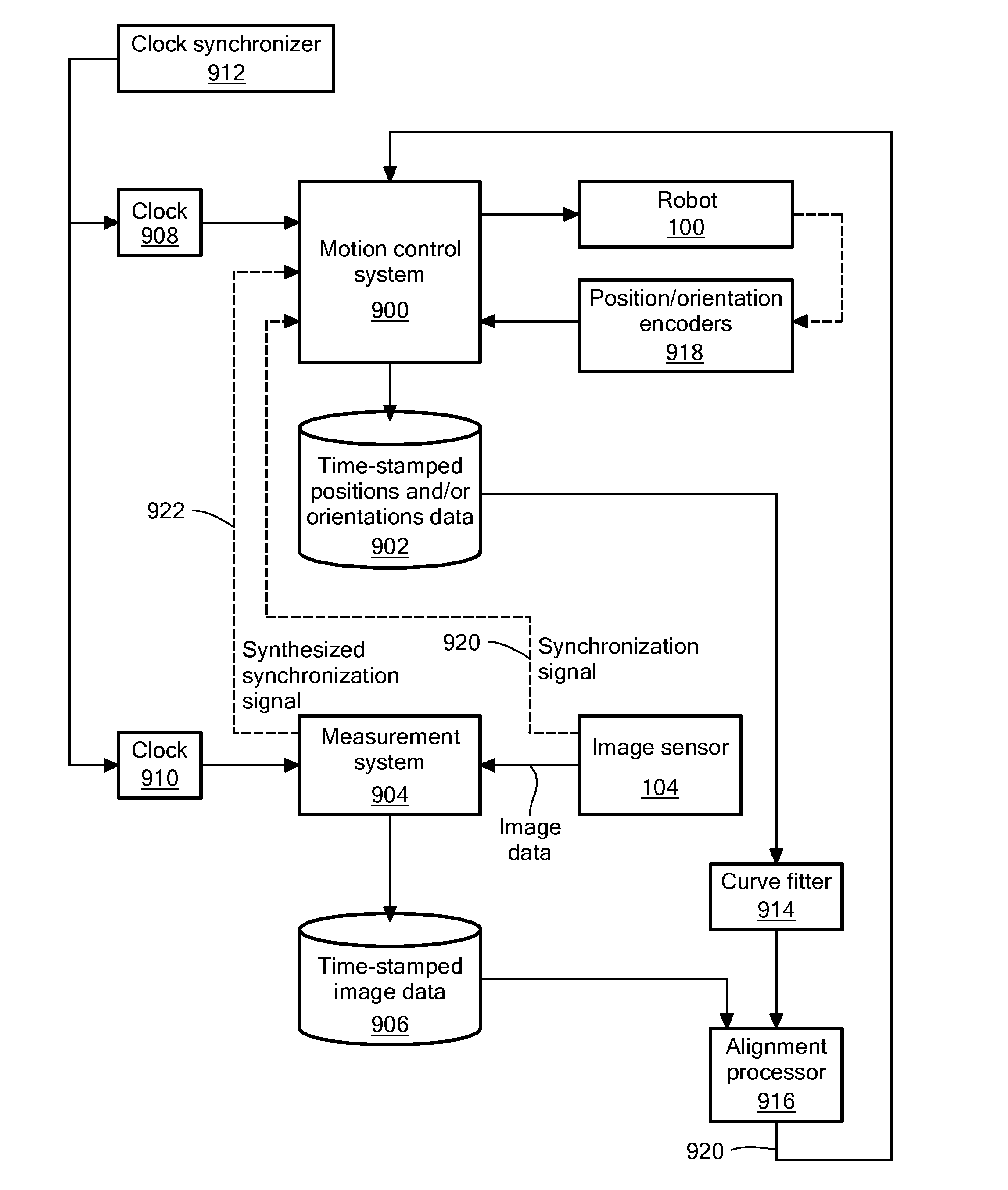
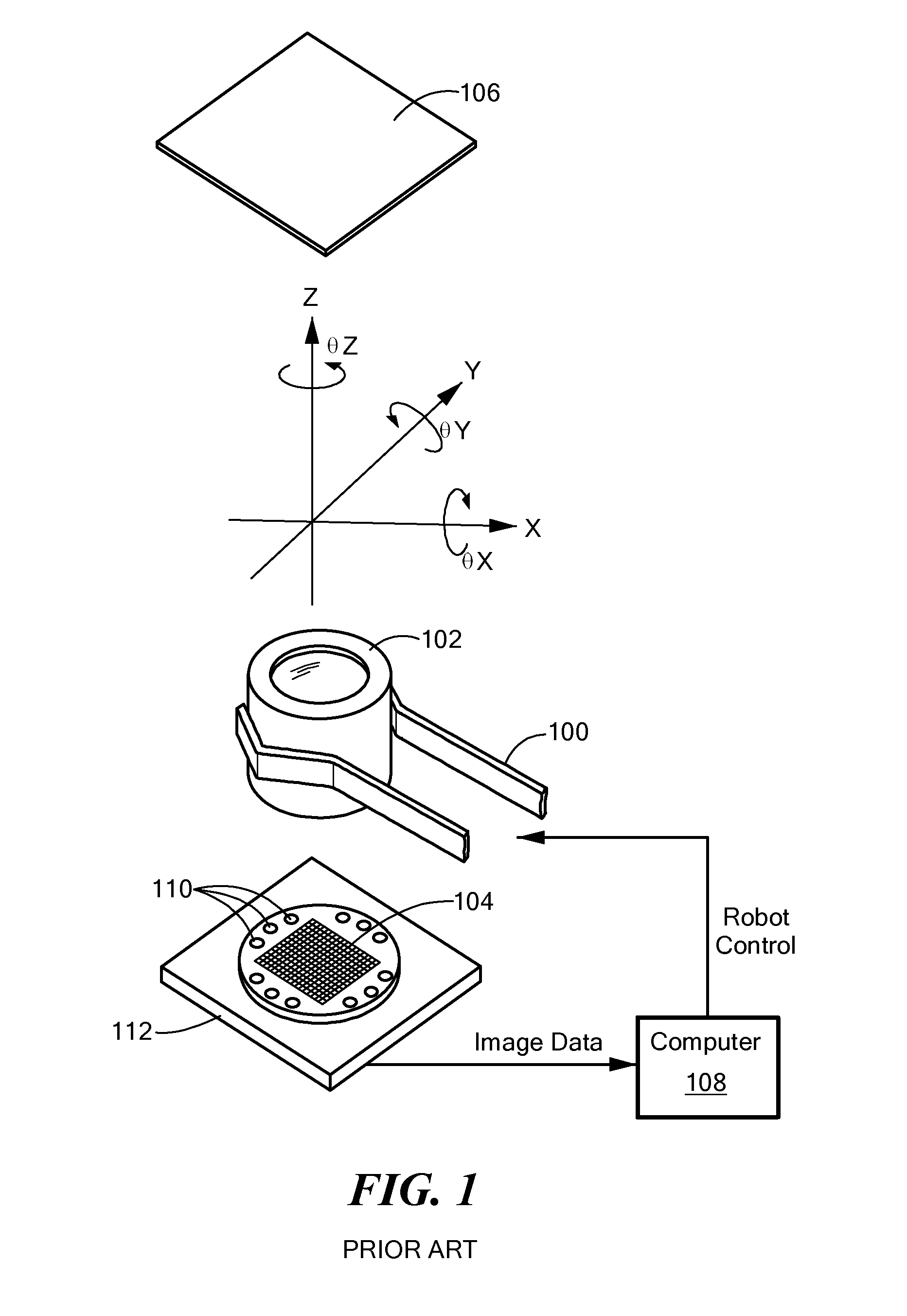
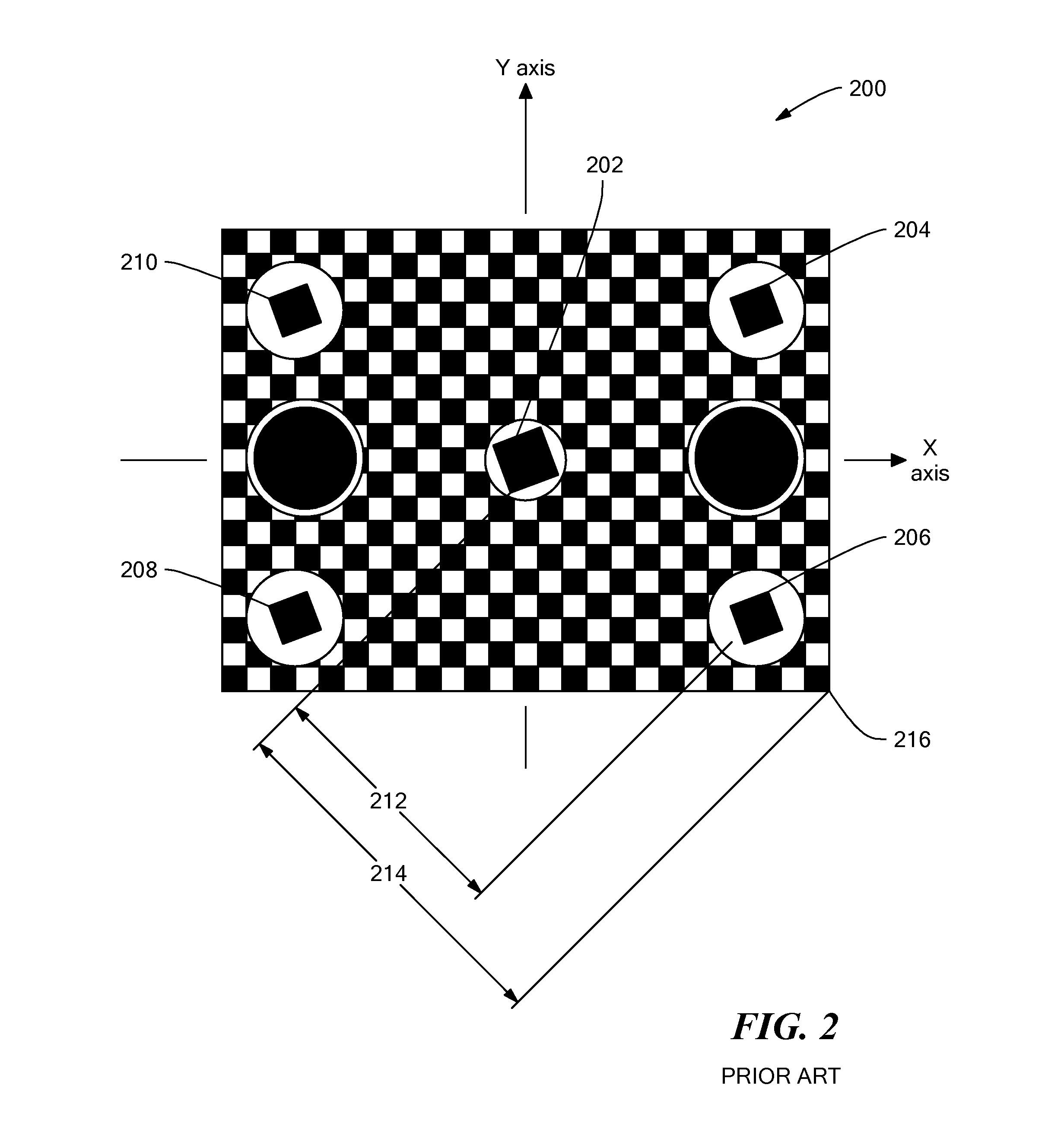
- A computer-implemented method involving continuous motion sweeps of optical elements to collect and analyze alignment data, using a robot to estimate and adjust the position of optical elements based on optical signals and image data from a digital image sensor, allowing for precise alignment across multiple degrees of freedom.

Space Regulations and Compliance Standards
The regulatory landscape for active alignment systems in satellite technology is governed by a complex framework of international and national standards that directly impact signal stability requirements. The International Telecommunication Union (ITU) serves as the primary regulatory body, establishing Radio Regulations that define frequency allocations, power limitations, and interference thresholds for satellite communications. These regulations mandate specific signal quality parameters that active alignment systems must maintain to ensure compliance with orbital coordination procedures.
Federal Communications Commission (FCC) regulations in the United States impose stringent requirements on satellite operators regarding pointing accuracy and signal containment. Part 25 of FCC rules specifically addresses satellite communications services, requiring operators to demonstrate that their active alignment systems can maintain beam pointing accuracy within specified tolerances to prevent interference with adjacent satellites. Similar regulatory frameworks exist globally, with the European Communications Committee (ECC) and national telecommunications authorities establishing comparable standards.
Space debris mitigation guidelines, as outlined in the Inter-Agency Space Debris Coordination Committee (IADC) recommendations and UN Guidelines for the Long-term Sustainability of Outer Space Activities, indirectly influence active alignment system design. These guidelines require satellite operators to implement collision avoidance maneuvers, which can temporarily disrupt signal stability and necessitate rapid realignment capabilities.
Compliance with ISO 14300 series standards for space systems and operations is essential for active alignment technologies. These standards define quality assurance requirements, environmental testing protocols, and reliability metrics that directly affect signal stability performance. The standards mandate comprehensive testing of alignment systems under various operational conditions to ensure consistent signal quality throughout the mission lifecycle.
Export control regulations, particularly the International Traffic in Arms Regulations (ITAR) and Export Administration Regulations (EAR), significantly impact the development and deployment of advanced active alignment technologies. These regulations restrict the transfer of sensitive alignment technologies and require careful consideration of component sourcing and international collaboration in system development.
Emerging regulatory trends focus on mega-constellation coordination and spectrum sharing arrangements, which place additional demands on active alignment systems to maintain precise signal directionality and minimize interference potential across increasingly crowded orbital environments.
Federal Communications Commission (FCC) regulations in the United States impose stringent requirements on satellite operators regarding pointing accuracy and signal containment. Part 25 of FCC rules specifically addresses satellite communications services, requiring operators to demonstrate that their active alignment systems can maintain beam pointing accuracy within specified tolerances to prevent interference with adjacent satellites. Similar regulatory frameworks exist globally, with the European Communications Committee (ECC) and national telecommunications authorities establishing comparable standards.
Space debris mitigation guidelines, as outlined in the Inter-Agency Space Debris Coordination Committee (IADC) recommendations and UN Guidelines for the Long-term Sustainability of Outer Space Activities, indirectly influence active alignment system design. These guidelines require satellite operators to implement collision avoidance maneuvers, which can temporarily disrupt signal stability and necessitate rapid realignment capabilities.
Compliance with ISO 14300 series standards for space systems and operations is essential for active alignment technologies. These standards define quality assurance requirements, environmental testing protocols, and reliability metrics that directly affect signal stability performance. The standards mandate comprehensive testing of alignment systems under various operational conditions to ensure consistent signal quality throughout the mission lifecycle.
Export control regulations, particularly the International Traffic in Arms Regulations (ITAR) and Export Administration Regulations (EAR), significantly impact the development and deployment of advanced active alignment technologies. These regulations restrict the transfer of sensitive alignment technologies and require careful consideration of component sourcing and international collaboration in system development.
Emerging regulatory trends focus on mega-constellation coordination and spectrum sharing arrangements, which place additional demands on active alignment systems to maintain precise signal directionality and minimize interference potential across increasingly crowded orbital environments.
Orbital Debris Impact on Alignment Systems
Orbital debris poses an increasingly critical threat to satellite active alignment systems, fundamentally challenging the precision required for stable signal transmission. The proliferation of space debris, ranging from defunct satellites to microscopic paint flecks, creates a hazardous environment where even minor collisions can catastrophically disrupt alignment mechanisms. Current tracking systems identify approximately 34,000 objects larger than 10 centimeters, yet millions of smaller fragments remain undetectable while still capable of causing significant damage to sensitive alignment hardware.
The impact mechanisms on alignment systems vary considerably based on debris size and velocity. Large debris fragments can cause complete system failure through direct structural damage to optical components, gimbal mechanisms, or sensor arrays. Conversely, micrometeorite impacts create cumulative degradation effects, gradually reducing alignment precision through surface erosion of mirrors, lens contamination, and mechanical wear of positioning actuators. These impacts typically occur at velocities exceeding 10 kilometers per second, amplifying the destructive potential of even minute particles.
Vulnerability assessment reveals that certain alignment system components face heightened risk exposure. Optical elements, particularly those requiring pristine surface conditions for laser communication systems, demonstrate extreme sensitivity to debris impact. Mechanical pointing mechanisms, including reaction wheels and momentum transfer devices, suffer performance degradation when subjected to debris-induced vibrations or direct strikes. Additionally, sensor systems responsible for attitude determination experience accuracy reduction following debris encounters, compromising the feedback loops essential for maintaining precise alignment.
Mitigation strategies currently under development focus on both passive and active protection methodologies. Passive approaches include hardened component design, redundant system architectures, and strategic satellite positioning to minimize debris encounter probability. Active mitigation involves debris tracking integration with alignment algorithms, enabling predictive adjustments before potential impacts. Advanced concepts explore self-healing materials and adaptive optics systems capable of compensating for debris-induced alignment perturbations in real-time.
The temporal evolution of debris impact risks continues escalating, with collision cascade scenarios potentially rendering certain orbital regions unsuitable for precision alignment operations. This trajectory necessitates revolutionary approaches to alignment system design, emphasizing resilience and adaptability over traditional precision-focused methodologies to ensure long-term satellite communication reliability.
The impact mechanisms on alignment systems vary considerably based on debris size and velocity. Large debris fragments can cause complete system failure through direct structural damage to optical components, gimbal mechanisms, or sensor arrays. Conversely, micrometeorite impacts create cumulative degradation effects, gradually reducing alignment precision through surface erosion of mirrors, lens contamination, and mechanical wear of positioning actuators. These impacts typically occur at velocities exceeding 10 kilometers per second, amplifying the destructive potential of even minute particles.
Vulnerability assessment reveals that certain alignment system components face heightened risk exposure. Optical elements, particularly those requiring pristine surface conditions for laser communication systems, demonstrate extreme sensitivity to debris impact. Mechanical pointing mechanisms, including reaction wheels and momentum transfer devices, suffer performance degradation when subjected to debris-induced vibrations or direct strikes. Additionally, sensor systems responsible for attitude determination experience accuracy reduction following debris encounters, compromising the feedback loops essential for maintaining precise alignment.
Mitigation strategies currently under development focus on both passive and active protection methodologies. Passive approaches include hardened component design, redundant system architectures, and strategic satellite positioning to minimize debris encounter probability. Active mitigation involves debris tracking integration with alignment algorithms, enabling predictive adjustments before potential impacts. Advanced concepts explore self-healing materials and adaptive optics systems capable of compensating for debris-induced alignment perturbations in real-time.
The temporal evolution of debris impact risks continues escalating, with collision cascade scenarios potentially rendering certain orbital regions unsuitable for precision alignment operations. This trajectory necessitates revolutionary approaches to alignment system design, emphasizing resilience and adaptability over traditional precision-focused methodologies to ensure long-term satellite communication reliability.
Unlock deeper insights with Patsnap Eureka Quick Research — get a full tech report to explore trends and direct your research. Try now!
Generate Your Research Report Instantly with AI Agent
Supercharge your innovation with Patsnap Eureka AI Agent Platform!