
Optimize Active Alignment for Drone Navigation Systems
APR 15, 20269 MIN READ
Generate Your Research Report Instantly with AI Agent
Patsnap Eureka helps you evaluate technical feasibility & market potential.
Drone Active Alignment Technology Background and Objectives
Active alignment technology for drone navigation systems has emerged as a critical component in the evolution of unmanned aerial vehicles, representing a sophisticated approach to maintaining precise positioning and orientation during flight operations. This technology encompasses real-time adjustment mechanisms that continuously correct for environmental disturbances, sensor drift, and dynamic flight conditions to ensure optimal navigation accuracy.
The historical development of drone active alignment can be traced back to early inertial navigation systems used in military applications during the 1960s. Initial systems relied on mechanical gyroscopes and accelerometers that required periodic manual recalibration. The transition to fiber-optic gyroscopes in the 1980s marked a significant advancement, offering improved stability and reduced maintenance requirements. The integration of GPS technology in the 1990s revolutionized the field by providing external reference points for continuous alignment correction.
Modern active alignment systems have evolved to incorporate multiple sensor fusion techniques, combining inertial measurement units, magnetometers, barometric sensors, and visual-inertial odometry. The advent of micro-electromechanical systems (MEMS) technology has enabled the miniaturization of these components while maintaining high precision levels. Machine learning algorithms now play an increasingly important role in predictive alignment corrections and adaptive filtering.
Current technological trends indicate a shift toward autonomous alignment systems that can operate independently without ground-based reference stations. The integration of artificial intelligence enables real-time learning from flight patterns and environmental conditions, allowing systems to anticipate and preemptively correct alignment errors. Edge computing capabilities have enhanced processing speed, enabling sub-millisecond response times for critical alignment adjustments.
The primary objective of optimizing active alignment technology centers on achieving sub-degree accuracy in attitude determination while minimizing computational overhead and power consumption. Key performance targets include reducing alignment initialization time from minutes to seconds, maintaining accuracy during high-dynamic maneuvers, and ensuring robust operation in GPS-denied environments. Additionally, the technology aims to provide seamless integration with existing autopilot systems while offering scalability across different drone platforms and mission profiles.
The historical development of drone active alignment can be traced back to early inertial navigation systems used in military applications during the 1960s. Initial systems relied on mechanical gyroscopes and accelerometers that required periodic manual recalibration. The transition to fiber-optic gyroscopes in the 1980s marked a significant advancement, offering improved stability and reduced maintenance requirements. The integration of GPS technology in the 1990s revolutionized the field by providing external reference points for continuous alignment correction.
Modern active alignment systems have evolved to incorporate multiple sensor fusion techniques, combining inertial measurement units, magnetometers, barometric sensors, and visual-inertial odometry. The advent of micro-electromechanical systems (MEMS) technology has enabled the miniaturization of these components while maintaining high precision levels. Machine learning algorithms now play an increasingly important role in predictive alignment corrections and adaptive filtering.
Current technological trends indicate a shift toward autonomous alignment systems that can operate independently without ground-based reference stations. The integration of artificial intelligence enables real-time learning from flight patterns and environmental conditions, allowing systems to anticipate and preemptively correct alignment errors. Edge computing capabilities have enhanced processing speed, enabling sub-millisecond response times for critical alignment adjustments.
The primary objective of optimizing active alignment technology centers on achieving sub-degree accuracy in attitude determination while minimizing computational overhead and power consumption. Key performance targets include reducing alignment initialization time from minutes to seconds, maintaining accuracy during high-dynamic maneuvers, and ensuring robust operation in GPS-denied environments. Additionally, the technology aims to provide seamless integration with existing autopilot systems while offering scalability across different drone platforms and mission profiles.
Market Demand for Precision Drone Navigation Systems
The global drone market has experienced unprecedented growth, driven by expanding applications across commercial, industrial, and defense sectors. Precision navigation capabilities have emerged as a critical differentiator, with industries demanding sub-meter and even centimeter-level accuracy for mission-critical operations. This demand stems from the increasing complexity of autonomous flight missions and the need for reliable performance in challenging environments.
Commercial applications represent the largest growth segment, with delivery services, infrastructure inspection, and precision agriculture leading adoption. E-commerce giants and logistics companies require navigation systems capable of precise landing at designated delivery points, often in urban environments with GPS signal interference. The infrastructure inspection market demands drones that can maintain stable positioning relative to structures like bridges, power lines, and wind turbines, where traditional GPS-based systems prove inadequate.
Industrial sectors, particularly mining, construction, and surveying, drive demand for high-precision navigation solutions. These applications require drones to operate in GPS-denied environments such as underground mines or dense urban canyons, necessitating advanced active alignment technologies that can maintain accurate positioning through alternative sensor fusion approaches.
Defense and security applications constitute a significant market segment with stringent accuracy requirements. Military reconnaissance, border patrol, and search-and-rescue operations demand navigation systems that function reliably in contested environments where GPS signals may be jammed or spoofed. These applications require robust active alignment systems capable of real-time adaptation to changing operational conditions.
The regulatory landscape increasingly emphasizes safety and precision, with aviation authorities worldwide implementing stricter requirements for drone operations in controlled airspace. These regulations mandate advanced navigation capabilities, including precise positioning and collision avoidance systems, driving market demand for sophisticated active alignment technologies.
Emerging applications in urban air mobility and autonomous cargo transport represent future growth opportunities. These sectors require navigation systems with unprecedented reliability and precision, as they involve operations over populated areas with minimal tolerance for positioning errors. The convergence of these market forces creates substantial demand for optimized active alignment solutions that can deliver consistent performance across diverse operational scenarios.
Commercial applications represent the largest growth segment, with delivery services, infrastructure inspection, and precision agriculture leading adoption. E-commerce giants and logistics companies require navigation systems capable of precise landing at designated delivery points, often in urban environments with GPS signal interference. The infrastructure inspection market demands drones that can maintain stable positioning relative to structures like bridges, power lines, and wind turbines, where traditional GPS-based systems prove inadequate.
Industrial sectors, particularly mining, construction, and surveying, drive demand for high-precision navigation solutions. These applications require drones to operate in GPS-denied environments such as underground mines or dense urban canyons, necessitating advanced active alignment technologies that can maintain accurate positioning through alternative sensor fusion approaches.
Defense and security applications constitute a significant market segment with stringent accuracy requirements. Military reconnaissance, border patrol, and search-and-rescue operations demand navigation systems that function reliably in contested environments where GPS signals may be jammed or spoofed. These applications require robust active alignment systems capable of real-time adaptation to changing operational conditions.
The regulatory landscape increasingly emphasizes safety and precision, with aviation authorities worldwide implementing stricter requirements for drone operations in controlled airspace. These regulations mandate advanced navigation capabilities, including precise positioning and collision avoidance systems, driving market demand for sophisticated active alignment technologies.
Emerging applications in urban air mobility and autonomous cargo transport represent future growth opportunities. These sectors require navigation systems with unprecedented reliability and precision, as they involve operations over populated areas with minimal tolerance for positioning errors. The convergence of these market forces creates substantial demand for optimized active alignment solutions that can deliver consistent performance across diverse operational scenarios.
Current State and Challenges of Active Alignment in Drones
Active alignment technology in drone navigation systems has reached a critical juncture where traditional approaches are increasingly challenged by evolving operational demands. Current implementations primarily rely on inertial measurement units (IMUs), GPS modules, and optical sensors that require continuous calibration to maintain accuracy. The existing systems demonstrate reasonable performance in controlled environments but face significant limitations when deployed in complex real-world scenarios.
The predominant active alignment solutions utilize Kalman filtering algorithms combined with sensor fusion techniques to process data from multiple navigation sources. These systems typically achieve alignment accuracy within 0.1 to 0.5 degrees under optimal conditions. However, performance degrades substantially in environments with GPS denial, electromagnetic interference, or rapid dynamic changes. Most commercial drone platforms currently employ basic alignment correction mechanisms that operate at frequencies between 50-200 Hz, which proves insufficient for high-speed maneuvers or precision applications.
Several fundamental challenges constrain the advancement of active alignment systems in drone navigation. Computational limitations represent a primary bottleneck, as real-time processing of multiple sensor streams demands significant onboard processing power while maintaining strict power consumption constraints. The trade-off between alignment accuracy and computational efficiency remains a persistent issue, particularly for smaller drone platforms with limited payload capacity.
Environmental factors pose another substantial challenge category. Dynamic wind conditions, temperature variations, and electromagnetic interference can cause sensor drift and alignment errors that current systems struggle to compensate effectively. GPS-denied environments, such as indoor spaces or urban canyons, expose the vulnerability of existing alignment methodologies that heavily depend on satellite positioning data.
Sensor integration complexity continues to challenge system designers, as different sensor types exhibit varying response times, accuracy levels, and failure modes. Achieving seamless coordination between IMUs, magnetometers, barometric sensors, and visual-inertial odometry systems requires sophisticated algorithms that can adapt to sensor degradation or failure scenarios. Current solutions often lack robust redundancy mechanisms, making them susceptible to single-point failures.
The scalability of active alignment solutions across different drone categories presents additional complications. Systems designed for large commercial drones cannot be directly adapted to micro-drones due to size, weight, and power constraints. Conversely, lightweight alignment systems may lack the precision required for industrial or military applications, creating a fragmented technology landscape with limited cross-platform compatibility.
The predominant active alignment solutions utilize Kalman filtering algorithms combined with sensor fusion techniques to process data from multiple navigation sources. These systems typically achieve alignment accuracy within 0.1 to 0.5 degrees under optimal conditions. However, performance degrades substantially in environments with GPS denial, electromagnetic interference, or rapid dynamic changes. Most commercial drone platforms currently employ basic alignment correction mechanisms that operate at frequencies between 50-200 Hz, which proves insufficient for high-speed maneuvers or precision applications.
Several fundamental challenges constrain the advancement of active alignment systems in drone navigation. Computational limitations represent a primary bottleneck, as real-time processing of multiple sensor streams demands significant onboard processing power while maintaining strict power consumption constraints. The trade-off between alignment accuracy and computational efficiency remains a persistent issue, particularly for smaller drone platforms with limited payload capacity.
Environmental factors pose another substantial challenge category. Dynamic wind conditions, temperature variations, and electromagnetic interference can cause sensor drift and alignment errors that current systems struggle to compensate effectively. GPS-denied environments, such as indoor spaces or urban canyons, expose the vulnerability of existing alignment methodologies that heavily depend on satellite positioning data.
Sensor integration complexity continues to challenge system designers, as different sensor types exhibit varying response times, accuracy levels, and failure modes. Achieving seamless coordination between IMUs, magnetometers, barometric sensors, and visual-inertial odometry systems requires sophisticated algorithms that can adapt to sensor degradation or failure scenarios. Current solutions often lack robust redundancy mechanisms, making them susceptible to single-point failures.
The scalability of active alignment solutions across different drone categories presents additional complications. Systems designed for large commercial drones cannot be directly adapted to micro-drones due to size, weight, and power constraints. Conversely, lightweight alignment systems may lack the precision required for industrial or military applications, creating a fragmented technology landscape with limited cross-platform compatibility.
Existing Active Alignment Solutions for Drone Systems
01 Active alignment using optical detection and feedback control
Active alignment techniques employ optical detection systems to measure alignment parameters in real-time and use feedback control mechanisms to adjust component positions. This approach utilizes sensors to detect optical signals and actuators to precisely position optical components based on the detected signals, enabling high-precision alignment through iterative adjustment processes.- Active alignment using optical detection and feedback control: Active alignment techniques employ optical detection systems to measure alignment parameters in real-time and use feedback control mechanisms to adjust component positions. This approach utilizes sensors to detect optical signals and actuators to precisely position optical components based on the detected signals, enabling high-precision alignment through iterative adjustment processes.
- Multi-axis active alignment systems: Multi-axis active alignment systems provide precise positioning control across multiple degrees of freedom, including translational and rotational movements. These systems incorporate multiple actuators and control mechanisms to simultaneously adjust alignment in different directions, enabling complex alignment tasks for optical and optoelectronic components with high accuracy and repeatability.
- Active alignment for fiber optic coupling: Specialized active alignment methods are designed for coupling optical fibers to various optical components such as lasers, photodetectors, and waveguides. These techniques optimize the coupling efficiency by dynamically adjusting the relative positions of fibers and optical elements while monitoring the transmitted optical power, ensuring maximum light transmission and minimal coupling losses.
- Automated active alignment equipment and processes: Automated active alignment systems integrate robotic handling, precision positioning stages, and computer control to perform alignment operations with minimal human intervention. These systems feature automated workflows that include component loading, alignment optimization, adhesive dispensing, and curing processes, significantly improving throughput and consistency in manufacturing environments.
- Active alignment with adhesive curing and fixation: Active alignment processes incorporate methods for permanently fixing aligned components using adhesives or other bonding techniques while maintaining alignment accuracy. These approaches involve applying adhesive materials during or after the alignment process and employing curing mechanisms such as UV light or heat to solidify the bond, ensuring that the optimized alignment is preserved in the final assembly.
02 Multi-axis active alignment systems
Multi-axis active alignment systems provide precise positioning control across multiple degrees of freedom, including translational and rotational movements. These systems incorporate multiple actuators and control mechanisms to simultaneously adjust alignment in different directions, enabling complex alignment tasks for optical and optoelectronic components with enhanced accuracy and efficiency.Expand Specific Solutions03 Active alignment for fiber optic coupling
Specialized active alignment methods are designed for coupling optical fibers to various optical components such as lasers, photodetectors, and waveguides. These techniques optimize light transmission efficiency by dynamically adjusting the relative positions of fibers and optical elements while monitoring coupling efficiency, achieving maximum optical power transfer through precise positioning control.Expand Specific Solutions04 Automated active alignment with machine vision
Automated active alignment systems integrate machine vision technology and image processing algorithms to identify alignment features and guide the alignment process. These systems use cameras and pattern recognition to automatically detect component positions and orientations, enabling high-throughput alignment operations with reduced manual intervention and improved repeatability.Expand Specific Solutions05 Active alignment fixtures and tooling
Specialized fixtures and tooling are designed to facilitate active alignment processes by providing stable platforms and precise manipulation capabilities. These tools incorporate mechanical structures, positioning stages, and holding mechanisms that enable controlled movement and secure fixation of components during alignment procedures, ensuring stability and accuracy throughout the alignment process.Expand Specific Solutions
Key Players in Drone Navigation and Alignment Industry
The drone navigation active alignment optimization market represents a rapidly evolving sector within the broader autonomous systems industry, currently in its growth phase with significant technological advancement opportunities. The market encompasses diverse players ranging from established aerospace giants like Thales SA, Mitsubishi Heavy Industries, and Safran Electronics & Defense to specialized drone manufacturers such as Parrot SA, Phoenix-Wings GmbH, and Nileworks Inc. Technology maturity varies considerably across the competitive landscape, with traditional defense contractors like Naval Group and aerospace companies leveraging decades of navigation expertise, while emerging players focus on innovative VTOL solutions and AI-driven autonomous systems. Academic institutions including Beihang University, Northwestern Polytechnical University, and Harbin Institute of Technology contribute fundamental research in navigation algorithms and control systems. The integration of companies like Beijing BDStar Navigation and TDK Corp demonstrates the convergence of satellite positioning, sensor technologies, and electronic components essential for advanced active alignment systems, indicating a maturing ecosystem with substantial growth potential.
Parrot SA
Technical Solution: Parrot has implemented active alignment optimization through their ANAFI series drones using computer vision-based navigation systems. Their technology employs simultaneous localization and mapping (SLAM) algorithms combined with optical flow sensors for continuous position tracking and alignment correction. The system features automatic gimbal stabilization with real-time image processing that maintains navigation accuracy by compensating for drone attitude changes and environmental disturbances, making it particularly suitable for commercial and prosumer applications requiring reliable autonomous flight capabilities.
Strengths: Cost-effective solution, user-friendly interface, good integration with consumer applications. Weaknesses: Limited performance in adverse weather conditions, lower precision compared to military-grade systems.
Safran Electronics & Defense SAS
Technical Solution: Safran's active alignment solution for drone navigation centers on their SIGMA inertial navigation systems combined with advanced gyroscopic stabilization technology. Their approach utilizes fiber-optic gyroscopes with real-time bias compensation and dynamic alignment algorithms that can recalibrate during flight without external reference points. The system incorporates predictive modeling to anticipate navigation drift and proactively adjust sensor alignment parameters, particularly effective for long-endurance missions where traditional alignment methods become unreliable over extended flight periods.
Strengths: Superior long-duration accuracy, excellent gyroscopic technology, minimal external dependencies. Weaknesses: Limited integration with third-party systems, requires specialized maintenance expertise.
Core Innovations in Drone Active Alignment Patents
Active alignment of an optical assembly with intrinsic calibration
PatentActiveUS12288362B2
Innovation
- The implementation of a DOE-collimator intrinsic calibration module during active alignment, which allows for the measurement of the principal point and subsequent alignment of the image center with the principal point, thereby minimizing decentration.


Optimal attitude solving method for bionic navigation
PatentInactiveCN109506660A
Innovation
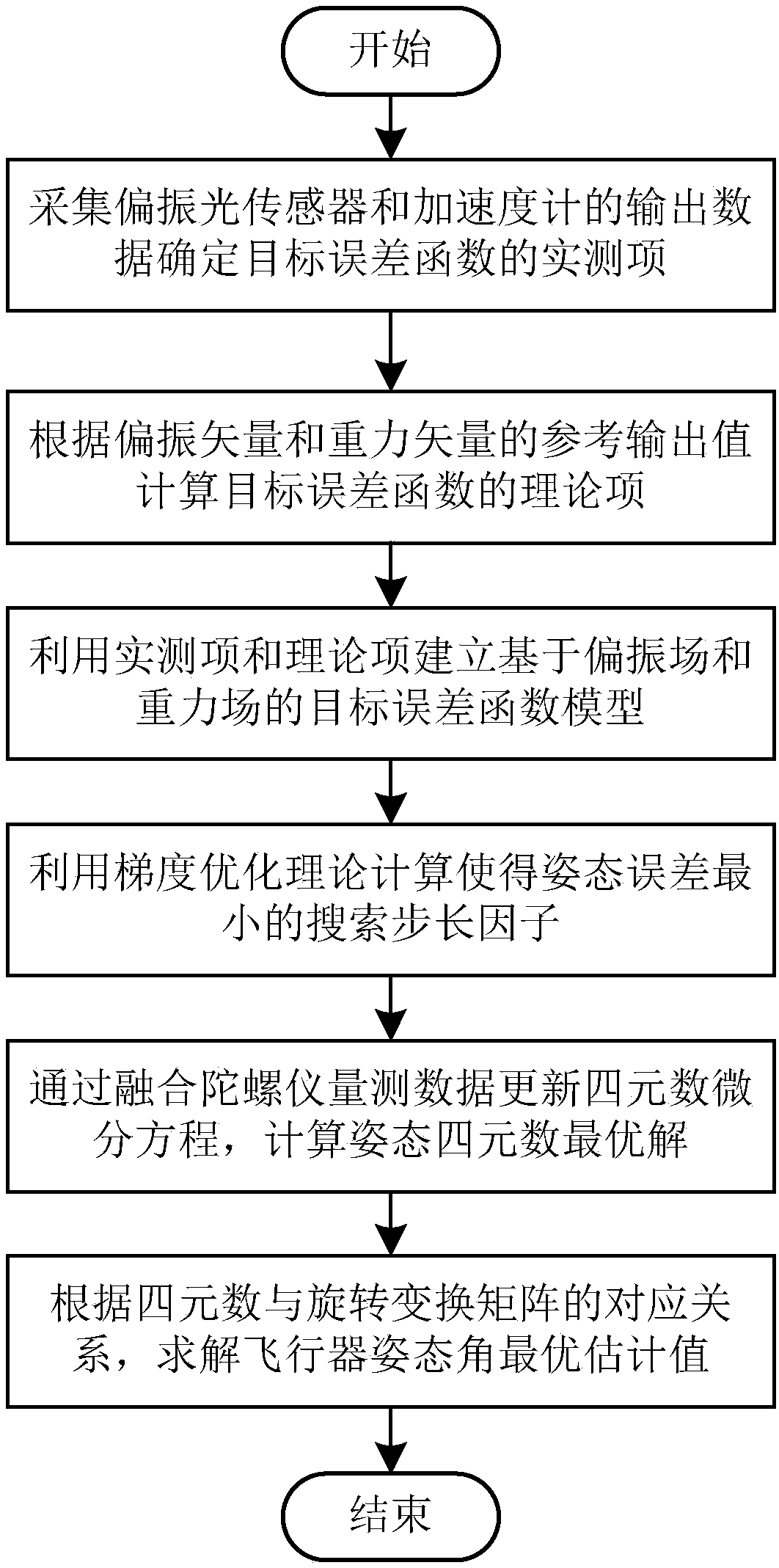
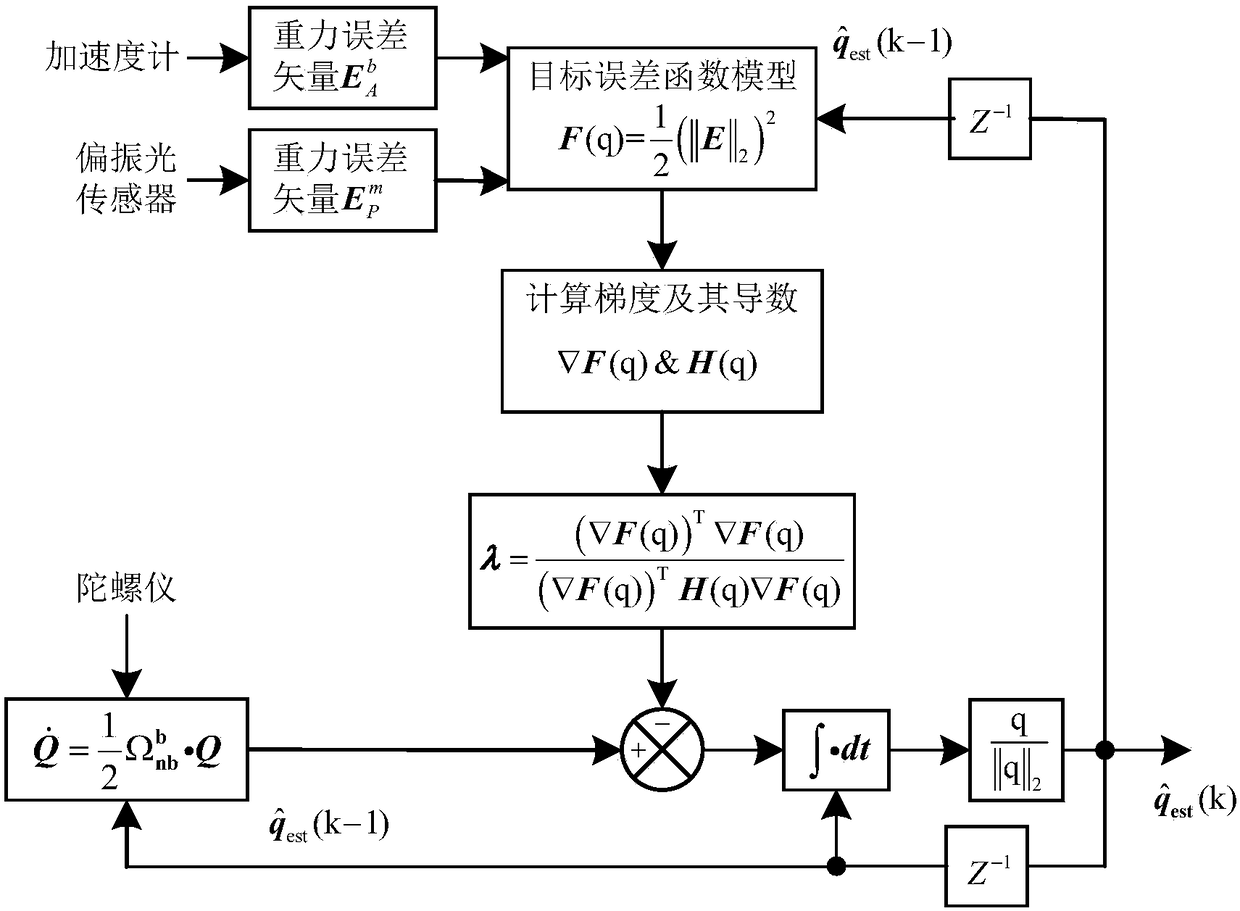
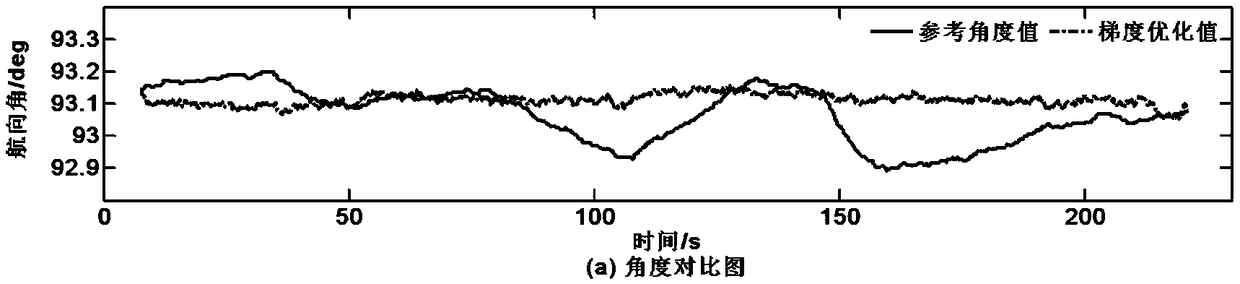
- Using a polarized light sensor combined with an inertial measurement unit, by establishing a target error function model and using a gradient optimization method with variable search factors, the search step size is adjusted in real time to improve attitude resolution accuracy and robustness, and avoid angular ambiguity and spatial position constraint.

Aviation Regulatory Framework for Drone Navigation
The aviation regulatory framework for drone navigation systems represents a complex and evolving landscape that directly impacts the implementation of active alignment optimization technologies. Current regulatory structures are primarily governed by national aviation authorities, with the Federal Aviation Administration (FAA) in the United States, the European Union Aviation Safety Agency (EASA), and the Civil Aviation Administration of China (CAAC) leading the development of comprehensive drone operation standards.
Regulatory requirements for drone navigation systems emphasize precision, reliability, and fail-safe mechanisms that align closely with active alignment optimization objectives. The FAA's Part 107 regulations mandate specific performance standards for navigation accuracy, requiring drones to maintain positional accuracy within defined tolerances during various flight phases. These requirements create a regulatory foundation that supports the implementation of advanced active alignment technologies, as they demand continuous position correction and real-time navigation optimization.
International harmonization efforts through the International Civil Aviation Organization (ICAO) are establishing global standards for drone navigation systems. The ICAO's Standards and Recommended Practices (SARPs) for Remotely Piloted Aircraft Systems (RPAS) include specific provisions for navigation performance requirements that directly influence active alignment system design. These standards mandate minimum navigation performance specifications, including accuracy, integrity, availability, and continuity parameters that active alignment systems must satisfy.
Certification pathways for advanced navigation technologies present both opportunities and challenges for active alignment optimization systems. Type certification processes require extensive validation of navigation system performance under various operational conditions, including GPS-denied environments where active alignment becomes critical. The regulatory framework increasingly recognizes the importance of alternative navigation methods, creating pathways for innovative active alignment solutions.
Emerging regulatory trends indicate growing acceptance of performance-based navigation standards rather than prescriptive equipment requirements. This shift enables greater flexibility in implementing active alignment optimization technologies, allowing manufacturers to develop innovative solutions that meet performance objectives through various technical approaches. Regulatory authorities are also developing specific guidelines for autonomous navigation systems, which heavily rely on active alignment capabilities for safe operation in complex airspace environments.
Regulatory requirements for drone navigation systems emphasize precision, reliability, and fail-safe mechanisms that align closely with active alignment optimization objectives. The FAA's Part 107 regulations mandate specific performance standards for navigation accuracy, requiring drones to maintain positional accuracy within defined tolerances during various flight phases. These requirements create a regulatory foundation that supports the implementation of advanced active alignment technologies, as they demand continuous position correction and real-time navigation optimization.
International harmonization efforts through the International Civil Aviation Organization (ICAO) are establishing global standards for drone navigation systems. The ICAO's Standards and Recommended Practices (SARPs) for Remotely Piloted Aircraft Systems (RPAS) include specific provisions for navigation performance requirements that directly influence active alignment system design. These standards mandate minimum navigation performance specifications, including accuracy, integrity, availability, and continuity parameters that active alignment systems must satisfy.
Certification pathways for advanced navigation technologies present both opportunities and challenges for active alignment optimization systems. Type certification processes require extensive validation of navigation system performance under various operational conditions, including GPS-denied environments where active alignment becomes critical. The regulatory framework increasingly recognizes the importance of alternative navigation methods, creating pathways for innovative active alignment solutions.
Emerging regulatory trends indicate growing acceptance of performance-based navigation standards rather than prescriptive equipment requirements. This shift enables greater flexibility in implementing active alignment optimization technologies, allowing manufacturers to develop innovative solutions that meet performance objectives through various technical approaches. Regulatory authorities are also developing specific guidelines for autonomous navigation systems, which heavily rely on active alignment capabilities for safe operation in complex airspace environments.
Safety Standards for Autonomous Drone Operations
The establishment of comprehensive safety standards for autonomous drone operations represents a critical foundation for the widespread adoption of optimized active alignment systems in navigation technologies. Current regulatory frameworks are evolving rapidly to address the unique challenges posed by autonomous aerial vehicles, particularly those employing advanced alignment optimization techniques that enable real-time navigation adjustments without human intervention.
International aviation authorities, including the Federal Aviation Administration (FAA), European Union Aviation Safety Agency (EASA), and International Civil Aviation Organization (ICAO), are developing harmonized safety standards specifically addressing autonomous drone operations. These standards emphasize the reliability requirements for active alignment systems, mandating redundant sensor configurations and fail-safe mechanisms that ensure continued safe operation even when primary alignment systems experience degradation or failure.
Key safety protocols focus on the validation of active alignment algorithms under various environmental conditions, including electromagnetic interference, GPS-denied environments, and adverse weather scenarios. Standards require comprehensive testing of alignment optimization systems across temperature ranges, vibration profiles, and electromagnetic compatibility thresholds that reflect real-world operational conditions.
Certification processes now incorporate specific performance metrics for active alignment systems, including alignment accuracy tolerances, response time requirements, and drift compensation capabilities. These metrics establish minimum performance thresholds that autonomous navigation systems must consistently achieve to receive operational approval for various flight categories and operational environments.
Risk assessment frameworks within safety standards address the potential consequences of alignment system failures, requiring manufacturers to demonstrate that active alignment optimization technologies incorporate appropriate monitoring and diagnostic capabilities. These systems must provide real-time health monitoring and predictive maintenance indicators to prevent alignment degradation that could compromise flight safety.
Operational safety standards also mandate specific training requirements for operators and maintenance personnel working with advanced active alignment systems, ensuring proper understanding of system limitations, calibration procedures, and emergency response protocols when alignment optimization systems encounter unexpected operational scenarios.
International aviation authorities, including the Federal Aviation Administration (FAA), European Union Aviation Safety Agency (EASA), and International Civil Aviation Organization (ICAO), are developing harmonized safety standards specifically addressing autonomous drone operations. These standards emphasize the reliability requirements for active alignment systems, mandating redundant sensor configurations and fail-safe mechanisms that ensure continued safe operation even when primary alignment systems experience degradation or failure.
Key safety protocols focus on the validation of active alignment algorithms under various environmental conditions, including electromagnetic interference, GPS-denied environments, and adverse weather scenarios. Standards require comprehensive testing of alignment optimization systems across temperature ranges, vibration profiles, and electromagnetic compatibility thresholds that reflect real-world operational conditions.
Certification processes now incorporate specific performance metrics for active alignment systems, including alignment accuracy tolerances, response time requirements, and drift compensation capabilities. These metrics establish minimum performance thresholds that autonomous navigation systems must consistently achieve to receive operational approval for various flight categories and operational environments.
Risk assessment frameworks within safety standards address the potential consequences of alignment system failures, requiring manufacturers to demonstrate that active alignment optimization technologies incorporate appropriate monitoring and diagnostic capabilities. These systems must provide real-time health monitoring and predictive maintenance indicators to prevent alignment degradation that could compromise flight safety.
Operational safety standards also mandate specific training requirements for operators and maintenance personnel working with advanced active alignment systems, ensuring proper understanding of system limitations, calibration procedures, and emergency response protocols when alignment optimization systems encounter unexpected operational scenarios.
Unlock deeper insights with Patsnap Eureka Quick Research — get a full tech report to explore trends and direct your research. Try now!
Generate Your Research Report Instantly with AI Agent
Supercharge your innovation with Patsnap Eureka AI Agent Platform!