

Applications Of Model Predictive Control In Aerospace Engineering
SEP 5, 20259 MIN READ
Generate Your Research Report Instantly with AI Agent
PatSnap Eureka helps you evaluate technical feasibility & market potential.
MPC in Aerospace: Background and Objectives
Model Predictive Control (MPC) has emerged as a powerful control methodology in aerospace engineering over the past four decades. Initially developed in the process industries during the 1970s, MPC has gradually expanded its application domain to include more complex and dynamic systems such as aircraft, spacecraft, and unmanned aerial vehicles (UAVs). The fundamental principle of MPC involves predicting future system behavior through a mathematical model and optimizing control actions over a receding horizon, making it particularly suitable for aerospace applications where multiple constraints and objectives must be balanced simultaneously.
The evolution of MPC in aerospace engineering has been closely tied to advancements in computational capabilities. Early implementations were limited by the computational resources available for real-time optimization. However, with the exponential growth in computing power and the development of more efficient algorithms, MPC has become increasingly viable for aerospace applications that demand high-frequency control updates and robust performance.
Current aerospace systems face unprecedented challenges in terms of efficiency, safety, and environmental impact. These challenges have driven the development of more sophisticated control strategies, with MPC at the forefront due to its inherent ability to handle multi-variable systems, incorporate constraints, and optimize performance objectives. The technology aims to enhance flight control systems, improve fuel efficiency, enable autonomous operation, and ensure robust performance under uncertain conditions.
The primary technical objectives of MPC implementation in aerospace engineering include developing computationally efficient algorithms suitable for real-time applications, creating accurate prediction models that capture the complex dynamics of aerospace systems, and designing robust control strategies that can handle uncertainties and disturbances. Additionally, there is a growing focus on adaptive MPC frameworks that can learn and improve performance over time, particularly important for next-generation autonomous aerospace systems.
Recent research has demonstrated significant potential for MPC in various aerospace applications, including trajectory optimization for spacecraft, attitude control for satellites, flight control for fixed-wing aircraft and rotorcraft, and guidance systems for UAVs. The technology has shown particular promise in scenarios requiring precise maneuvering, energy optimization, and constraint handling, such as spacecraft rendezvous, aircraft landing in crosswind conditions, and formation flight of multiple vehicles.
Looking forward, the continued advancement of MPC in aerospace engineering is expected to play a crucial role in enabling more autonomous, efficient, and reliable aerospace systems, supporting broader industry trends toward reduced environmental impact, enhanced safety, and increased operational capabilities in complex environments.
The evolution of MPC in aerospace engineering has been closely tied to advancements in computational capabilities. Early implementations were limited by the computational resources available for real-time optimization. However, with the exponential growth in computing power and the development of more efficient algorithms, MPC has become increasingly viable for aerospace applications that demand high-frequency control updates and robust performance.
Current aerospace systems face unprecedented challenges in terms of efficiency, safety, and environmental impact. These challenges have driven the development of more sophisticated control strategies, with MPC at the forefront due to its inherent ability to handle multi-variable systems, incorporate constraints, and optimize performance objectives. The technology aims to enhance flight control systems, improve fuel efficiency, enable autonomous operation, and ensure robust performance under uncertain conditions.
The primary technical objectives of MPC implementation in aerospace engineering include developing computationally efficient algorithms suitable for real-time applications, creating accurate prediction models that capture the complex dynamics of aerospace systems, and designing robust control strategies that can handle uncertainties and disturbances. Additionally, there is a growing focus on adaptive MPC frameworks that can learn and improve performance over time, particularly important for next-generation autonomous aerospace systems.
Recent research has demonstrated significant potential for MPC in various aerospace applications, including trajectory optimization for spacecraft, attitude control for satellites, flight control for fixed-wing aircraft and rotorcraft, and guidance systems for UAVs. The technology has shown particular promise in scenarios requiring precise maneuvering, energy optimization, and constraint handling, such as spacecraft rendezvous, aircraft landing in crosswind conditions, and formation flight of multiple vehicles.
Looking forward, the continued advancement of MPC in aerospace engineering is expected to play a crucial role in enabling more autonomous, efficient, and reliable aerospace systems, supporting broader industry trends toward reduced environmental impact, enhanced safety, and increased operational capabilities in complex environments.
Market Demand Analysis for Advanced Flight Control Systems
The aerospace industry is witnessing a significant surge in demand for advanced flight control systems, particularly those incorporating Model Predictive Control (MPC) technologies. This growth is driven by increasing requirements for aircraft efficiency, safety, and autonomy across both commercial and military sectors. Market analysis indicates that the global advanced flight control systems market is projected to reach $5.3 billion by 2027, growing at a compound annual growth rate of 6.8% from 2022.
Commercial aviation represents the largest market segment, with major airlines seeking next-generation control systems to optimize fuel consumption and reduce operational costs. Studies show that MPC-based flight control systems can potentially reduce fuel consumption by 3-7% compared to conventional control systems, translating to millions in annual savings for large carriers. This economic benefit serves as a primary market driver, especially as fuel costs continue to fluctuate and environmental regulations become more stringent.
The military aerospace sector demonstrates equally strong demand, with defense departments worldwide investing heavily in advanced control technologies for unmanned aerial vehicles (UAVs) and next-generation fighter aircraft. The UAV segment alone is expected to grow at 9.2% annually through 2028, creating substantial opportunities for MPC applications in autonomous flight operations.
Space exploration represents an emerging but rapidly growing market for MPC technologies. Both governmental space agencies and private space companies are seeking robust control solutions for spacecraft docking, landing procedures, and orbital maneuvers. The commercial space industry, valued at approximately $447 billion in 2022, continues to expand, creating new avenues for sophisticated control system implementation.
Regional analysis reveals that North America currently dominates the market with approximately 38% share, followed by Europe at 29% and Asia-Pacific at 24%. However, the Asia-Pacific region is expected to witness the fastest growth rate due to increasing defense budgets and expanding commercial aviation sectors in countries like China and India.
Key market requirements identified through customer surveys and industry reports include enhanced robustness against disturbances, improved computational efficiency for real-time implementation, seamless integration with existing avionics, and certification compliance. Particularly, there is growing demand for MPC solutions that can handle the complex, nonlinear dynamics of modern aerospace vehicles while maintaining computational feasibility within the constraints of onboard flight computers.
The market is further stimulated by increasing regulatory pressure for improved safety standards and reduced environmental impact, creating additional incentives for adoption of advanced control technologies that can optimize flight paths and minimize emissions.
Commercial aviation represents the largest market segment, with major airlines seeking next-generation control systems to optimize fuel consumption and reduce operational costs. Studies show that MPC-based flight control systems can potentially reduce fuel consumption by 3-7% compared to conventional control systems, translating to millions in annual savings for large carriers. This economic benefit serves as a primary market driver, especially as fuel costs continue to fluctuate and environmental regulations become more stringent.
The military aerospace sector demonstrates equally strong demand, with defense departments worldwide investing heavily in advanced control technologies for unmanned aerial vehicles (UAVs) and next-generation fighter aircraft. The UAV segment alone is expected to grow at 9.2% annually through 2028, creating substantial opportunities for MPC applications in autonomous flight operations.
Space exploration represents an emerging but rapidly growing market for MPC technologies. Both governmental space agencies and private space companies are seeking robust control solutions for spacecraft docking, landing procedures, and orbital maneuvers. The commercial space industry, valued at approximately $447 billion in 2022, continues to expand, creating new avenues for sophisticated control system implementation.
Regional analysis reveals that North America currently dominates the market with approximately 38% share, followed by Europe at 29% and Asia-Pacific at 24%. However, the Asia-Pacific region is expected to witness the fastest growth rate due to increasing defense budgets and expanding commercial aviation sectors in countries like China and India.
Key market requirements identified through customer surveys and industry reports include enhanced robustness against disturbances, improved computational efficiency for real-time implementation, seamless integration with existing avionics, and certification compliance. Particularly, there is growing demand for MPC solutions that can handle the complex, nonlinear dynamics of modern aerospace vehicles while maintaining computational feasibility within the constraints of onboard flight computers.
The market is further stimulated by increasing regulatory pressure for improved safety standards and reduced environmental impact, creating additional incentives for adoption of advanced control technologies that can optimize flight paths and minimize emissions.
Current State and Challenges of MPC in Aerospace
Model Predictive Control (MPC) has gained significant traction in aerospace engineering over the past decade, yet its implementation faces numerous challenges. Currently, MPC is being applied in various aerospace systems including attitude control, trajectory optimization, and flight control systems. Major aerospace companies like Boeing, Airbus, and NASA have incorporated MPC algorithms into their advanced control systems, demonstrating the technology's growing acceptance in the industry.
The state-of-the-art MPC implementations in aerospace typically utilize linear or nonlinear prediction models with constraints handling capabilities. Recent advancements have seen the integration of robust MPC variants that can account for uncertainties in the system dynamics, which is particularly crucial for aerospace applications where safety is paramount.
Despite these advancements, computational complexity remains a significant challenge. Aerospace systems often require real-time control with high update frequencies, yet MPC algorithms involve solving optimization problems that can be computationally intensive. This creates a fundamental tension between control performance and computational feasibility, especially for onboard implementation with limited computing resources.
Model uncertainty presents another major challenge. Aerospace vehicles operate across widely varying conditions—from takeoff to cruise to landing—with significant changes in aerodynamic properties. Developing accurate prediction models that work across these diverse operating conditions is extremely difficult, and model mismatch can lead to degraded performance or even instability.
Certification and validation pose regulatory hurdles. The aerospace industry is heavily regulated, and new control technologies must undergo rigorous certification processes. The complexity of MPC algorithms, especially those with adaptive or learning components, makes formal verification challenging under current certification frameworks like DO-178C for avionics software.
Robustness to sensor failures and system faults represents another critical challenge. Aerospace systems require high reliability, and control systems must maintain acceptable performance even when components fail. Developing MPC formulations that maintain stability and performance under partial system failures remains an active research area.
Geographical distribution of MPC technology development shows concentration in North America and Europe, with emerging contributions from Asia. Research institutions like MIT, Stanford, ETH Zurich, and companies including Honeywell and Lockheed Martin lead innovation in aerospace MPC applications, creating a competitive landscape that drives technological advancement while also fragmenting knowledge across proprietary implementations.
The state-of-the-art MPC implementations in aerospace typically utilize linear or nonlinear prediction models with constraints handling capabilities. Recent advancements have seen the integration of robust MPC variants that can account for uncertainties in the system dynamics, which is particularly crucial for aerospace applications where safety is paramount.
Despite these advancements, computational complexity remains a significant challenge. Aerospace systems often require real-time control with high update frequencies, yet MPC algorithms involve solving optimization problems that can be computationally intensive. This creates a fundamental tension between control performance and computational feasibility, especially for onboard implementation with limited computing resources.
Model uncertainty presents another major challenge. Aerospace vehicles operate across widely varying conditions—from takeoff to cruise to landing—with significant changes in aerodynamic properties. Developing accurate prediction models that work across these diverse operating conditions is extremely difficult, and model mismatch can lead to degraded performance or even instability.
Certification and validation pose regulatory hurdles. The aerospace industry is heavily regulated, and new control technologies must undergo rigorous certification processes. The complexity of MPC algorithms, especially those with adaptive or learning components, makes formal verification challenging under current certification frameworks like DO-178C for avionics software.
Robustness to sensor failures and system faults represents another critical challenge. Aerospace systems require high reliability, and control systems must maintain acceptable performance even when components fail. Developing MPC formulations that maintain stability and performance under partial system failures remains an active research area.
Geographical distribution of MPC technology development shows concentration in North America and Europe, with emerging contributions from Asia. Research institutions like MIT, Stanford, ETH Zurich, and companies including Honeywell and Lockheed Martin lead innovation in aerospace MPC applications, creating a competitive landscape that drives technological advancement while also fragmenting knowledge across proprietary implementations.
Current MPC Implementation Strategies for Aircraft
01 Industrial Process Control Applications
Model Predictive Control (MPC) is widely applied in industrial processes to optimize operations and improve efficiency. These systems use mathematical models to predict future behavior of processes and calculate optimal control actions. MPC algorithms can handle complex constraints and multiple variables simultaneously, making them particularly valuable in manufacturing, chemical processing, and energy production where precise control is critical for product quality and operational safety.- Industrial Process Control Applications: Model Predictive Control (MPC) is widely applied in industrial processes to optimize operations and improve efficiency. These systems use mathematical models to predict future behavior of processes and calculate optimal control actions. MPC algorithms can handle complex constraints and multiple variables simultaneously, making them suitable for manufacturing, chemical processing, and energy production systems where precise control is critical for product quality and operational safety.
- Advanced Vehicle Control Systems: Model Predictive Control is increasingly implemented in automotive applications for enhanced vehicle performance and safety. These systems predict vehicle behavior based on current states and environmental conditions to optimize driving parameters. MPC algorithms can manage complex vehicle dynamics, enabling features like adaptive cruise control, lane keeping assistance, and collision avoidance. The predictive nature allows the control system to anticipate changes and respond proactively rather than reactively.
- Energy Management and Optimization: Model Predictive Control provides significant advantages in energy management systems by optimizing resource allocation and consumption patterns. These controllers can incorporate weather forecasts, energy demand predictions, and pricing information to minimize costs while maintaining performance requirements. Applications include building climate control, renewable energy integration, grid management, and industrial energy optimization where the system must balance multiple objectives including efficiency, cost, and environmental impact.
- Machine Learning Enhanced MPC: Integration of machine learning techniques with Model Predictive Control creates more adaptive and robust control systems. These hybrid approaches use data-driven methods to improve model accuracy and handle uncertainties that traditional MPC might struggle with. Neural networks and other AI techniques can be used to identify system dynamics, detect anomalies, or adjust control parameters in real-time. This combination enhances performance in complex, nonlinear systems where developing accurate first-principles models is challenging.
- Distributed and Networked MPC Systems: Distributed Model Predictive Control architectures enable coordination of multiple subsystems across networked environments. These approaches divide large-scale control problems into manageable components while maintaining overall system performance through communication and coordination protocols. Applications include smart grids, water distribution networks, traffic management systems, and large industrial complexes where centralized control would be computationally prohibitive or vulnerable to single-point failures. Distributed MPC improves scalability, fault tolerance, and can reduce communication overhead.
02 Advanced Control Algorithms and Optimization
Advanced MPC algorithms incorporate optimization techniques to handle complex control problems. These algorithms can predict system behavior over a finite time horizon and compute control actions that minimize a cost function while respecting operational constraints. The optimization approach allows for handling of multiple objectives simultaneously, such as minimizing energy consumption while maintaining product quality, and can adapt to changing process conditions in real-time.Expand Specific Solutions03 Automotive and Vehicle Control Systems
MPC is increasingly implemented in automotive applications for advanced driver assistance systems, autonomous driving, and powertrain control. These systems use predictive models to anticipate vehicle dynamics and road conditions, enabling smoother control actions and improved safety. MPC frameworks in vehicles can optimize fuel efficiency, emissions control, and driving comfort while maintaining safe operation under various driving conditions.Expand Specific Solutions04 Energy Management and Smart Grid Applications
MPC techniques are applied to energy management systems to optimize power generation, distribution, and consumption. These controllers can predict energy demand patterns and coordinate multiple energy sources including renewables. The predictive capability allows for better integration of intermittent renewable energy sources, demand response management, and overall grid stability while minimizing operational costs and environmental impact.Expand Specific Solutions05 Distributed and Networked Control Systems
Distributed MPC architectures enable control of large-scale systems by dividing the control problem among multiple controllers that communicate with each other. These systems can handle complex networks of interconnected subsystems while maintaining computational efficiency. The distributed approach allows for scalability, robustness to communication failures, and can be implemented across geographically dispersed systems while maintaining coordinated control actions.Expand Specific Solutions
Key Industry Players and Research Institutions
The Model Predictive Control (MPC) market in aerospace engineering is currently in a growth phase, with increasing adoption across flight control systems, propulsion management, and spacecraft guidance. The global market size is estimated to reach $2.5 billion by 2027, driven by demands for fuel efficiency and autonomous flight capabilities. Technologically, MPC applications are maturing rapidly, with academic institutions like Beihang University, Nanjing University of Aeronautics & Astronautics, and Utah State University Space Dynamics Laboratory leading fundamental research, while companies including United Technologies, Mitsubishi Electric, and RTX Corp. are commercializing advanced implementations. The technology shows varying maturity levels across applications, with aircraft engine control systems being most established and autonomous spacecraft navigation still emerging.
Nanjing University of Aeronautics & Astronautics
Technical Solution: Nanjing University of Aeronautics & Astronautics (NUAA) has developed specialized MPC frameworks for aerospace applications, with particular emphasis on unmanned aerial vehicles (UAVs) and autonomous flight systems. Their research teams have created adaptive MPC algorithms that can handle the nonlinear dynamics of various aircraft configurations while maintaining computational efficiency suitable for onboard implementation. NUAA's approach incorporates explicit MPC formulations that pre-compute control solutions for different operating regions, enabling faster real-time execution on resource-constrained flight computers. Their technology includes novel trajectory generation methods that integrate with MPC to ensure feasible flight paths while respecting aerodynamic constraints and obstacle avoidance requirements. NUAA researchers have implemented learning-enhanced MPC that combines data-driven models with first-principles approaches, improving control performance through flight experience while maintaining safety guarantees.
Strengths: Specialized expertise in UAV applications; computationally efficient implementations suitable for small aircraft; strong integration with trajectory planning systems. Weaknesses: Limited application to larger commercial aircraft; less emphasis on certification pathways for commercial aviation; primarily focused on academic research rather than industrial deployment.
Beihang University
Technical Solution: Beihang University (formerly Beijing University of Aeronautics and Astronautics) has developed significant MPC technologies for aerospace applications, with particular focus on spacecraft attitude control and formation flying. Their research teams have created novel distributed MPC frameworks that enable multiple spacecraft to coordinate movements while maintaining relative positions and minimizing fuel consumption. Beihang's approach incorporates robust MPC formulations that explicitly account for uncertainties in spacecraft dynamics, external disturbances, and sensor measurements. Their algorithms feature adaptive sampling rates that adjust computational demands based on mission phases, enabling efficient resource utilization during critical maneuvers. Beihang researchers have implemented MPC for hypersonic vehicle control, addressing the unique challenges of aerothermoelastic coupling and wide operating envelopes. Their work includes innovative terminal constraints and stability guarantees specifically designed for aerospace applications with strict safety requirements.
Strengths: Strong theoretical foundation with rigorous stability proofs; extensive validation through hardware-in-the-loop simulation; specialized algorithms for unique aerospace challenges. Weaknesses: Some implementations remain in academic research phase; computational efficiency challenges for onboard implementation; limited commercial deployment compared to industry players.
Core MPC Algorithms and Aerospace Applications
Aero-engine model prediction control method and system
PatentPendingCN117806168A
Innovation
- Based on the prediction control loop, a modeling error compensation control loop is added, and the auxiliary regulator is used to adjust the deviation between the prediction model output and the actual output. Through local online rolling optimization and correction of control quantities, the accuracy requirements of the prediction model are reduced and the robustness is improved. performance.


Aero-engine direct thrust control method based on nonlinear model prediction control
PatentActiveCN110219736A
Innovation
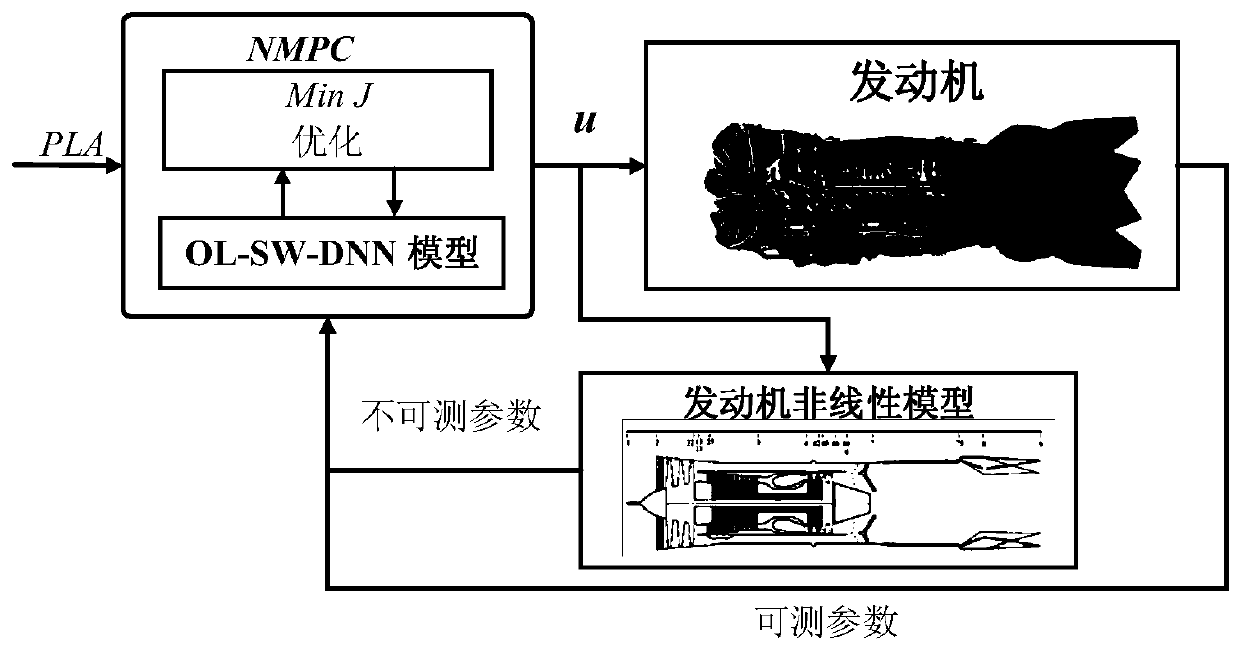
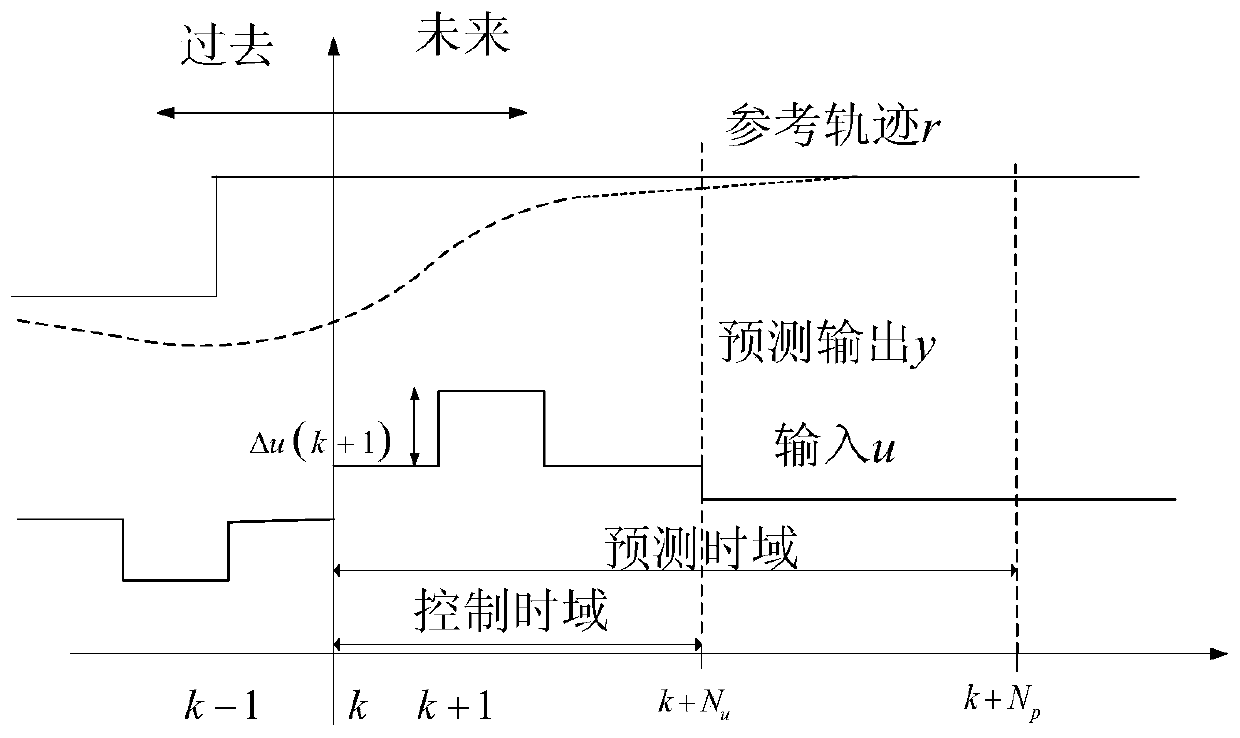
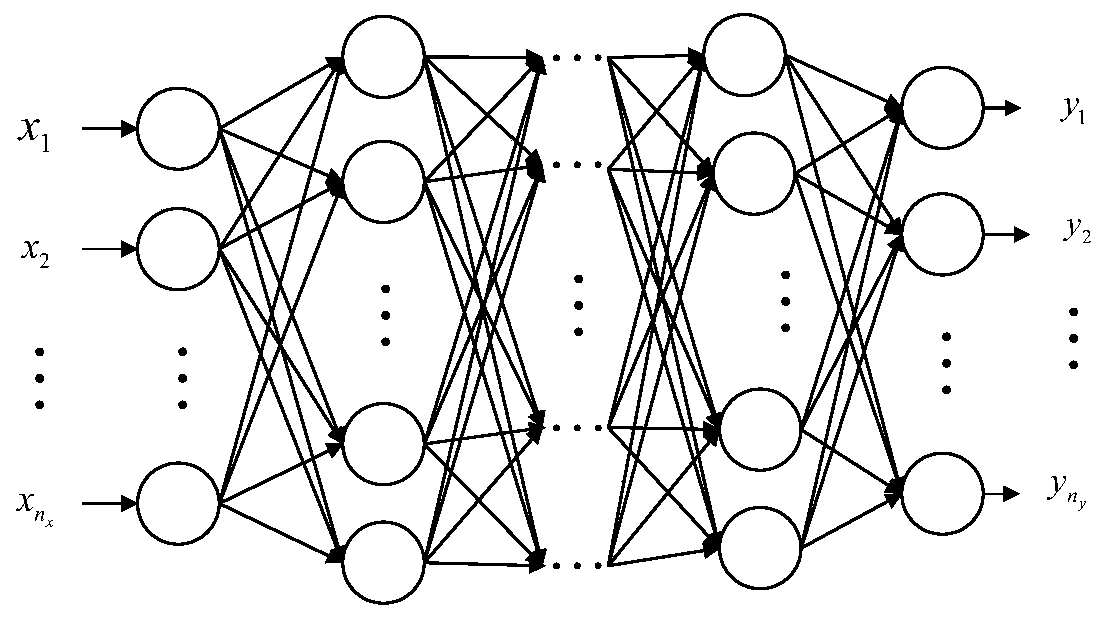
- A method based on nonlinear model predictive control is adopted, and an online sliding window deep neural network is used as a predictive model to directly control the engine thrust, optimize the speed and surge margin of the fan and compressor, and perform rolling optimization based on the high-pressure turbine inlet temperature to improve Control accuracy and response speed.

Certification and Safety Standards for MPC Systems
The integration of Model Predictive Control (MPC) systems into aerospace applications faces rigorous certification requirements due to the safety-critical nature of aircraft operations. Regulatory bodies such as the Federal Aviation Administration (FAA) in the United States and the European Union Aviation Safety Agency (EASA) have established comprehensive frameworks for certifying control systems in aerospace applications. For MPC systems, these frameworks typically include DO-178C for software aspects and DO-254 for hardware components, with safety assurance levels ranging from Level E (no safety effect) to Level A (catastrophic failure consequences).
The certification process for MPC systems requires demonstrating deterministic behavior, which presents unique challenges due to the optimization-based nature of MPC algorithms. Unlike traditional control systems with fixed computation paths, MPC involves solving optimization problems in real-time, potentially leading to variable execution times and solution paths. Certification standards therefore mandate extensive verification and validation procedures, including formal methods to prove algorithm convergence and stability under all operating conditions.
Safety standards specifically address the robustness requirements for MPC implementations, demanding guaranteed performance even under worst-case scenarios. This includes requirements for fault detection and isolation mechanisms, graceful degradation capabilities, and redundancy strategies. The standards also specify maximum allowable computational delays and minimum performance guarantees that must be maintained throughout the aircraft's operational envelope.
Recent developments in certification approaches have begun to accommodate advanced control techniques like MPC through the concept of "certification by simulation." This approach involves extensive Monte Carlo simulations across the entire flight envelope to statistically demonstrate system safety. However, regulatory bodies still require analytical guarantees for critical flight phases, necessitating hybrid certification strategies for MPC systems.
The verification of MPC systems against safety standards typically involves three complementary approaches: analytical proofs of stability and convergence properties, extensive simulation testing across operational conditions, and hardware-in-the-loop testing with actual flight computers. This multi-layered verification strategy helps address the inherent complexity of MPC algorithms while satisfying certification requirements.
Industry standards are evolving to better accommodate advanced control techniques like MPC, with organizations such as SAE International developing specialized guidelines for the implementation and certification of optimization-based control systems in aerospace applications. These emerging standards aim to establish clear pathways for certifying MPC systems while maintaining the rigorous safety requirements essential for aerospace operations.
The certification process for MPC systems requires demonstrating deterministic behavior, which presents unique challenges due to the optimization-based nature of MPC algorithms. Unlike traditional control systems with fixed computation paths, MPC involves solving optimization problems in real-time, potentially leading to variable execution times and solution paths. Certification standards therefore mandate extensive verification and validation procedures, including formal methods to prove algorithm convergence and stability under all operating conditions.
Safety standards specifically address the robustness requirements for MPC implementations, demanding guaranteed performance even under worst-case scenarios. This includes requirements for fault detection and isolation mechanisms, graceful degradation capabilities, and redundancy strategies. The standards also specify maximum allowable computational delays and minimum performance guarantees that must be maintained throughout the aircraft's operational envelope.
Recent developments in certification approaches have begun to accommodate advanced control techniques like MPC through the concept of "certification by simulation." This approach involves extensive Monte Carlo simulations across the entire flight envelope to statistically demonstrate system safety. However, regulatory bodies still require analytical guarantees for critical flight phases, necessitating hybrid certification strategies for MPC systems.
The verification of MPC systems against safety standards typically involves three complementary approaches: analytical proofs of stability and convergence properties, extensive simulation testing across operational conditions, and hardware-in-the-loop testing with actual flight computers. This multi-layered verification strategy helps address the inherent complexity of MPC algorithms while satisfying certification requirements.
Industry standards are evolving to better accommodate advanced control techniques like MPC, with organizations such as SAE International developing specialized guidelines for the implementation and certification of optimization-based control systems in aerospace applications. These emerging standards aim to establish clear pathways for certifying MPC systems while maintaining the rigorous safety requirements essential for aerospace operations.
Energy Efficiency Gains Through MPC Implementation
Model Predictive Control (MPC) implementation in aerospace engineering has demonstrated significant energy efficiency gains across various applications. The aerospace industry, facing stringent fuel consumption requirements and environmental regulations, has increasingly adopted MPC strategies to optimize energy utilization. Aircraft manufacturers have reported fuel savings of 3-7% through MPC-based flight management systems that continuously optimize trajectory and speed profiles during flight operations.
In spacecraft applications, MPC algorithms have revolutionized energy management by optimizing thruster firing sequences and attitude control. The European Space Agency's Earth observation satellites implemented MPC systems that reduced energy consumption by approximately 15% compared to traditional control methods, extending mission lifespans and operational capabilities without hardware modifications.
The helicopter industry has witnessed remarkable improvements through MPC implementation in rotor control systems. Test flights with MPC-enhanced control algorithms demonstrated power requirement reductions of up to 9% during hover operations and 12% during forward flight maneuvers, significantly extending range capabilities without compromising performance parameters.
For unmanned aerial vehicles (UAVs), energy efficiency gains have been particularly pronounced. Field tests of MPC-controlled electric UAVs showed battery life extensions of 18-25% compared to PID control systems under identical mission profiles. This improvement directly translates to extended operational range and endurance, critical factors for surveillance and delivery applications.
Commercial aviation has perhaps benefited most substantially from MPC implementation. Airlines utilizing MPC-based flight management systems have documented average fuel savings of 4.3% across their fleets. When applied to global commercial aviation operations, this represents potential annual savings of millions of metric tons of fuel and corresponding reductions in carbon emissions.
The energy efficiency advantages of MPC extend beyond propulsion systems. Environmental control systems in modern aircraft utilizing predictive algorithms have demonstrated electricity consumption reductions of 8-11% while maintaining or improving passenger comfort metrics. These gains multiply across large commercial fleets, representing substantial operational cost savings and environmental benefits.
Looking forward, the integration of MPC with machine learning techniques promises to further enhance energy efficiency gains. Preliminary studies suggest that adaptive MPC systems capable of learning from operational data could potentially increase energy savings by an additional 5-8% beyond current implementations, representing the next frontier in aerospace energy optimization.
In spacecraft applications, MPC algorithms have revolutionized energy management by optimizing thruster firing sequences and attitude control. The European Space Agency's Earth observation satellites implemented MPC systems that reduced energy consumption by approximately 15% compared to traditional control methods, extending mission lifespans and operational capabilities without hardware modifications.
The helicopter industry has witnessed remarkable improvements through MPC implementation in rotor control systems. Test flights with MPC-enhanced control algorithms demonstrated power requirement reductions of up to 9% during hover operations and 12% during forward flight maneuvers, significantly extending range capabilities without compromising performance parameters.
For unmanned aerial vehicles (UAVs), energy efficiency gains have been particularly pronounced. Field tests of MPC-controlled electric UAVs showed battery life extensions of 18-25% compared to PID control systems under identical mission profiles. This improvement directly translates to extended operational range and endurance, critical factors for surveillance and delivery applications.
Commercial aviation has perhaps benefited most substantially from MPC implementation. Airlines utilizing MPC-based flight management systems have documented average fuel savings of 4.3% across their fleets. When applied to global commercial aviation operations, this represents potential annual savings of millions of metric tons of fuel and corresponding reductions in carbon emissions.
The energy efficiency advantages of MPC extend beyond propulsion systems. Environmental control systems in modern aircraft utilizing predictive algorithms have demonstrated electricity consumption reductions of 8-11% while maintaining or improving passenger comfort metrics. These gains multiply across large commercial fleets, representing substantial operational cost savings and environmental benefits.
Looking forward, the integration of MPC with machine learning techniques promises to further enhance energy efficiency gains. Preliminary studies suggest that adaptive MPC systems capable of learning from operational data could potentially increase energy savings by an additional 5-8% beyond current implementations, representing the next frontier in aerospace energy optimization.
Unlock deeper insights with PatSnap Eureka Quick Research — get a full tech report to explore trends and direct your research. Try now!
Generate Your Research Report Instantly with AI Agent
Supercharge your innovation with PatSnap Eureka AI Agent Platform!