

ARM vs Open Computing: Integration Challenges and Benefits
MAR 25, 20269 MIN READ
Generate Your Research Report Instantly with AI Agent
PatSnap Eureka helps you evaluate technical feasibility & market potential.
ARM vs Open Computing Architecture Background and Goals
The computing landscape has undergone significant transformation over the past two decades, with two distinct architectural paradigms emerging as dominant forces: ARM-based processors and open computing architectures. ARM Holdings, originally founded as Advanced RISC Machines, has evolved from a niche processor design company into a global semiconductor intellectual property powerhouse, licensing its energy-efficient RISC-based designs to manufacturers worldwide. This proprietary approach has enabled ARM to maintain strict quality control and optimization standards while fostering widespread adoption across mobile devices, embedded systems, and increasingly, data center applications.
Parallel to ARM's rise, the open computing movement has gained substantial momentum, driven by initiatives such as the Open Compute Project (OCP), RISC-V instruction set architecture, and various open-source hardware designs. Open computing represents a fundamental shift toward collaborative hardware development, where specifications, designs, and reference implementations are freely shared among industry participants. This approach aims to accelerate innovation, reduce vendor lock-in, and enable customization at unprecedented levels.
The convergence of these two paradigms presents both compelling opportunities and complex integration challenges. ARM's mature ecosystem offers proven performance, extensive software compatibility, and robust development tools, while open computing architectures provide flexibility, cost optimization potential, and freedom from proprietary constraints. Organizations increasingly seek to leverage the strengths of both approaches, creating hybrid environments that maximize efficiency while maintaining strategic autonomy.
The primary technical objectives driving this integration include achieving optimal performance-per-watt ratios across diverse workloads, establishing seamless interoperability between proprietary and open systems, and developing unified management frameworks that can orchestrate heterogeneous computing resources. Additionally, organizations aim to reduce total cost of ownership while maintaining the ability to rapidly adapt to emerging technological requirements and market demands.
Strategic goals encompass building resilient supply chains that are not dependent on single vendors, fostering innovation through collaborative development models, and creating scalable architectures that can evolve with changing business needs. The integration challenge lies in harmonizing ARM's refined, proprietary ecosystem with the dynamic, community-driven nature of open computing platforms while preserving the unique advantages each approach offers.
Parallel to ARM's rise, the open computing movement has gained substantial momentum, driven by initiatives such as the Open Compute Project (OCP), RISC-V instruction set architecture, and various open-source hardware designs. Open computing represents a fundamental shift toward collaborative hardware development, where specifications, designs, and reference implementations are freely shared among industry participants. This approach aims to accelerate innovation, reduce vendor lock-in, and enable customization at unprecedented levels.
The convergence of these two paradigms presents both compelling opportunities and complex integration challenges. ARM's mature ecosystem offers proven performance, extensive software compatibility, and robust development tools, while open computing architectures provide flexibility, cost optimization potential, and freedom from proprietary constraints. Organizations increasingly seek to leverage the strengths of both approaches, creating hybrid environments that maximize efficiency while maintaining strategic autonomy.
The primary technical objectives driving this integration include achieving optimal performance-per-watt ratios across diverse workloads, establishing seamless interoperability between proprietary and open systems, and developing unified management frameworks that can orchestrate heterogeneous computing resources. Additionally, organizations aim to reduce total cost of ownership while maintaining the ability to rapidly adapt to emerging technological requirements and market demands.
Strategic goals encompass building resilient supply chains that are not dependent on single vendors, fostering innovation through collaborative development models, and creating scalable architectures that can evolve with changing business needs. The integration challenge lies in harmonizing ARM's refined, proprietary ecosystem with the dynamic, community-driven nature of open computing platforms while preserving the unique advantages each approach offers.
Market Demand for ARM and Open Computing Integration
The convergence of ARM architecture and open computing platforms represents a significant market opportunity driven by evolving enterprise requirements and technological shifts. Organizations across industries are increasingly seeking solutions that combine ARM's energy efficiency with the flexibility and cost-effectiveness of open computing ecosystems. This demand stems from the growing need to optimize total cost of ownership while maintaining performance standards in data centers, edge computing environments, and cloud infrastructure.
Enterprise adoption patterns reveal strong interest in ARM-based open computing solutions, particularly in sectors requiring high-density computing with reduced power consumption. Cloud service providers are actively exploring ARM integration to enhance their infrastructure efficiency and reduce operational costs. The telecommunications industry shows substantial demand for ARM-open computing combinations to support 5G network infrastructure and edge computing deployments, where power efficiency and scalability are critical factors.
The edge computing market segment demonstrates particularly robust demand for integrated ARM-open computing solutions. Organizations deploying IoT infrastructure, autonomous systems, and distributed computing networks require platforms that can deliver consistent performance while operating within strict power and thermal constraints. This has created a substantial market pull for solutions that leverage ARM's architectural advantages within open computing frameworks.
Data center modernization initiatives are driving significant market demand as organizations seek alternatives to traditional x86-dominated infrastructures. The appeal of ARM-based open computing lies in its potential to deliver comparable performance with substantially lower power consumption and cooling requirements. This translates to reduced operational expenses and improved sustainability metrics, aligning with corporate environmental goals.
Market research indicates growing enterprise confidence in ARM-open computing integration, supported by increasing software ecosystem maturity and vendor support. The availability of enterprise-grade operating systems, development tools, and application frameworks for ARM platforms has reduced adoption barriers significantly. Organizations are now viewing ARM-open computing integration as a viable strategic option rather than an experimental technology.
The automotive and industrial automation sectors represent emerging high-growth markets for integrated solutions. These industries require computing platforms that can operate reliably in challenging environments while providing the flexibility to adapt to rapidly evolving requirements. ARM-open computing integration offers the necessary balance of performance, efficiency, and adaptability that these sectors demand.
Enterprise adoption patterns reveal strong interest in ARM-based open computing solutions, particularly in sectors requiring high-density computing with reduced power consumption. Cloud service providers are actively exploring ARM integration to enhance their infrastructure efficiency and reduce operational costs. The telecommunications industry shows substantial demand for ARM-open computing combinations to support 5G network infrastructure and edge computing deployments, where power efficiency and scalability are critical factors.
The edge computing market segment demonstrates particularly robust demand for integrated ARM-open computing solutions. Organizations deploying IoT infrastructure, autonomous systems, and distributed computing networks require platforms that can deliver consistent performance while operating within strict power and thermal constraints. This has created a substantial market pull for solutions that leverage ARM's architectural advantages within open computing frameworks.
Data center modernization initiatives are driving significant market demand as organizations seek alternatives to traditional x86-dominated infrastructures. The appeal of ARM-based open computing lies in its potential to deliver comparable performance with substantially lower power consumption and cooling requirements. This translates to reduced operational expenses and improved sustainability metrics, aligning with corporate environmental goals.
Market research indicates growing enterprise confidence in ARM-open computing integration, supported by increasing software ecosystem maturity and vendor support. The availability of enterprise-grade operating systems, development tools, and application frameworks for ARM platforms has reduced adoption barriers significantly. Organizations are now viewing ARM-open computing integration as a viable strategic option rather than an experimental technology.
The automotive and industrial automation sectors represent emerging high-growth markets for integrated solutions. These industries require computing platforms that can operate reliably in challenging environments while providing the flexibility to adapt to rapidly evolving requirements. ARM-open computing integration offers the necessary balance of performance, efficiency, and adaptability that these sectors demand.
Current Integration Challenges and Technical Barriers
The integration of ARM architecture with open computing platforms presents significant architectural compatibility challenges. ARM's RISC-based instruction set architecture fundamentally differs from traditional x86 architectures that dominate open computing environments. This disparity creates substantial hurdles in software portability, requiring extensive code recompilation and optimization for ARM-specific instruction sets. Legacy applications designed for x86 systems often encounter performance degradation or complete incompatibility when migrated to ARM platforms.
Software ecosystem fragmentation represents another critical barrier. Open computing environments typically rely on extensive libraries, frameworks, and development tools optimized for x86 architectures. ARM integration requires comprehensive toolchain adaptations, including compilers, debuggers, and runtime environments. Many open-source projects lack native ARM support, necessitating community-driven porting efforts that may introduce stability issues or performance bottlenecks.
Performance optimization challenges emerge from ARM's heterogeneous computing approach, particularly with big.LITTLE configurations combining high-performance and energy-efficient cores. Open computing workloads designed for homogeneous x86 processors struggle to effectively utilize ARM's asymmetric multiprocessing capabilities. Thread scheduling, load balancing, and resource allocation algorithms require significant modifications to leverage ARM's architectural advantages fully.
Memory management incompatibilities pose substantial technical barriers. ARM processors implement different memory models and cache hierarchies compared to x86 systems. Open computing applications relying on specific memory ordering guarantees or cache behavior may experience unexpected performance characteristics or functional failures. Virtual memory management systems require architecture-specific optimizations to maintain performance standards.
Hardware abstraction layer complexities further complicate integration efforts. ARM's diverse ecosystem includes numerous vendors with varying implementations of core specifications. This heterogeneity creates challenges for open computing platforms that assume standardized hardware interfaces. Device drivers, firmware interfaces, and low-level system components require extensive customization for different ARM implementations.
Security model differences present additional integration obstacles. ARM's TrustZone technology and hardware security features operate differently from traditional x86 security mechanisms. Open computing security frameworks must adapt to ARM's security paradigms while maintaining compatibility with existing security protocols and standards.
Development and debugging tool limitations constrain integration progress. Many established open computing development environments lack comprehensive ARM support, particularly for advanced debugging, profiling, and performance analysis tools. This tooling gap significantly impacts development productivity and system optimization capabilities.
Software ecosystem fragmentation represents another critical barrier. Open computing environments typically rely on extensive libraries, frameworks, and development tools optimized for x86 architectures. ARM integration requires comprehensive toolchain adaptations, including compilers, debuggers, and runtime environments. Many open-source projects lack native ARM support, necessitating community-driven porting efforts that may introduce stability issues or performance bottlenecks.
Performance optimization challenges emerge from ARM's heterogeneous computing approach, particularly with big.LITTLE configurations combining high-performance and energy-efficient cores. Open computing workloads designed for homogeneous x86 processors struggle to effectively utilize ARM's asymmetric multiprocessing capabilities. Thread scheduling, load balancing, and resource allocation algorithms require significant modifications to leverage ARM's architectural advantages fully.
Memory management incompatibilities pose substantial technical barriers. ARM processors implement different memory models and cache hierarchies compared to x86 systems. Open computing applications relying on specific memory ordering guarantees or cache behavior may experience unexpected performance characteristics or functional failures. Virtual memory management systems require architecture-specific optimizations to maintain performance standards.
Hardware abstraction layer complexities further complicate integration efforts. ARM's diverse ecosystem includes numerous vendors with varying implementations of core specifications. This heterogeneity creates challenges for open computing platforms that assume standardized hardware interfaces. Device drivers, firmware interfaces, and low-level system components require extensive customization for different ARM implementations.
Security model differences present additional integration obstacles. ARM's TrustZone technology and hardware security features operate differently from traditional x86 security mechanisms. Open computing security frameworks must adapt to ARM's security paradigms while maintaining compatibility with existing security protocols and standards.
Development and debugging tool limitations constrain integration progress. Many established open computing development environments lack comprehensive ARM support, particularly for advanced debugging, profiling, and performance analysis tools. This tooling gap significantly impacts development productivity and system optimization capabilities.
Existing Integration Solutions and Approaches
01 ARM-based processor architecture integration with open computing platforms
Integration of ARM processor architectures into open computing environments enables flexible and scalable computing solutions. This approach allows for the deployment of ARM-based systems in various open computing frameworks, providing energy-efficient processing capabilities while maintaining compatibility with open standards and protocols. The integration facilitates the development of heterogeneous computing systems that leverage ARM's power efficiency advantages.- ARM-based processor architecture integration with open computing platforms: Integration of ARM processor architectures into open computing environments enables flexible and scalable computing solutions. This approach allows for the deployment of ARM-based systems in various open computing frameworks, providing energy-efficient processing capabilities while maintaining compatibility with open standards and protocols. The integration facilitates the development of heterogeneous computing systems that leverage ARM's power efficiency advantages.
- Virtualization and containerization technologies for ARM processors: Implementation of virtualization and containerization solutions specifically optimized for ARM architectures in open computing environments. These technologies enable efficient resource allocation, workload isolation, and dynamic scaling of applications running on ARM-based systems. The solutions support multiple operating systems and applications to run concurrently on ARM processors while maintaining security and performance isolation.
- Hardware acceleration and co-processing integration: Integration of specialized hardware accelerators and co-processors with ARM-based systems in open computing platforms. This includes the incorporation of graphics processing units, neural processing units, and other specialized computing units that work alongside ARM processors to enhance computational performance for specific workloads. The integration enables efficient parallel processing and offloading of compute-intensive tasks.
- Open-source software stack and middleware optimization: Development and optimization of open-source software stacks and middleware layers specifically designed for ARM-based computing systems. This includes operating system kernels, runtime environments, and system libraries that are optimized to leverage ARM architecture features while maintaining compatibility with open computing standards. The optimization ensures efficient execution of applications and services across different ARM processor variants.
- Security and trust execution environment implementation: Implementation of security frameworks and trusted execution environments for ARM processors in open computing systems. These solutions provide hardware-based security features, secure boot mechanisms, and isolated execution environments that protect sensitive data and operations. The security implementations ensure that open computing platforms built on ARM architectures maintain robust protection against various security threats while supporting secure multi-tenancy and data isolation.
02 Virtualization and containerization technologies for ARM processors
Implementation of virtualization and containerization solutions specifically designed for ARM-based computing systems enables efficient resource allocation and workload management in open computing environments. These technologies provide isolation, portability, and scalability for applications running on ARM processors, supporting cloud-native architectures and microservices deployment patterns in open computing infrastructures.Expand Specific Solutions03 Hardware acceleration and co-processing integration
Integration of specialized hardware accelerators and co-processors with ARM-based systems enhances computational performance for specific workloads in open computing platforms. This includes the incorporation of graphics processing units, neural processing units, and other specialized computing elements that work in conjunction with ARM processors to optimize performance for diverse applications while maintaining open standards compatibility.Expand Specific Solutions04 Security and trusted execution environments
Implementation of security frameworks and trusted execution environments in ARM-based open computing systems provides hardware-level protection for sensitive operations and data. These security mechanisms enable secure boot processes, encrypted memory regions, and isolated execution contexts that protect against various security threats while maintaining interoperability with open computing standards and protocols.Expand Specific Solutions05 Software ecosystem and development tools integration
Development and integration of comprehensive software ecosystems and toolchains for ARM-based open computing platforms facilitate application development and deployment. This includes compilers, debuggers, profiling tools, and runtime environments that support open source software stacks and enable developers to create optimized applications for ARM processors within open computing frameworks.Expand Specific Solutions
Key Players in ARM and Open Computing Ecosystem
The ARM vs Open Computing integration landscape represents a mature, rapidly evolving market driven by diverse technological approaches and significant industry investment. Major semiconductor leaders like Intel, Texas Instruments, and NXP Semiconductors are advancing ARM-based solutions alongside traditional x86 architectures, while technology giants including Huawei, IBM, and Microsoft are developing comprehensive integration frameworks. The market demonstrates high technical maturity through established players like Siemens and emerging Chinese companies such as Spreadtrum Communications and Powerleader Computer Systems, indicating strong regional competition. Academic institutions including Cornell University, Shanghai Jiao Tong University, and Tianjin University are contributing foundational research, while specialized firms like VIA Technologies focus on embedded and ultra-mobile platforms. This competitive ecosystem reflects a multi-billion dollar market transitioning toward hybrid computing architectures, where integration challenges around performance optimization and compatibility are being addressed through collaborative industry-academia partnerships and substantial R&D investments across global technology centers.
Huawei Technologies Co., Ltd.
Technical Solution: Huawei's approach to ARM vs Open Computing integration centers around their Kunpeng processor ecosystem and openEuler operating system. They have developed a unified computing architecture that seamlessly integrates ARM-based Kunpeng processors with open computing standards. Their solution includes optimized software stacks, containerization technologies for workload portability, and AI-accelerated resource management systems. Huawei's integration framework supports both traditional enterprise workloads and emerging AI/ML applications, providing automatic workload scheduling and performance optimization across heterogeneous computing resources while maintaining open standards compliance.
Strengths: Native ARM optimization, strong AI integration capabilities, comprehensive cloud-edge computing solutions. Weaknesses: Limited global ecosystem adoption, potential vendor lock-in concerns, regulatory restrictions in some markets.
Microsoft Technology Licensing LLC
Technical Solution: Microsoft's integration approach leverages Windows on ARM and Azure cloud services to bridge ARM and open computing environments. Their solution includes native ARM64 support in Windows, cross-platform development tools through Visual Studio, and Azure services that abstract hardware differences for cloud-native applications. Microsoft's strategy focuses on developer productivity and application portability, providing emulation layers for legacy x86 applications on ARM devices while promoting native ARM development. Their integration framework includes AI services, containerization support, and hybrid cloud capabilities that enable seamless workload distribution across different computing architectures while maintaining open standards compliance.
Strengths: Strong developer ecosystem, comprehensive cloud integration, excellent application compatibility layers. Weaknesses: Windows-centric approach may limit cross-platform adoption, emulation performance overhead, dependency on Microsoft ecosystem for optimal performance.
Core Technologies for ARM-Open Computing Interoperability
Heterogeneous isa microprocessor that preserves non-isa-specific configuration state when reset to different isa
PatentActiveUS20120260066A1
Innovation
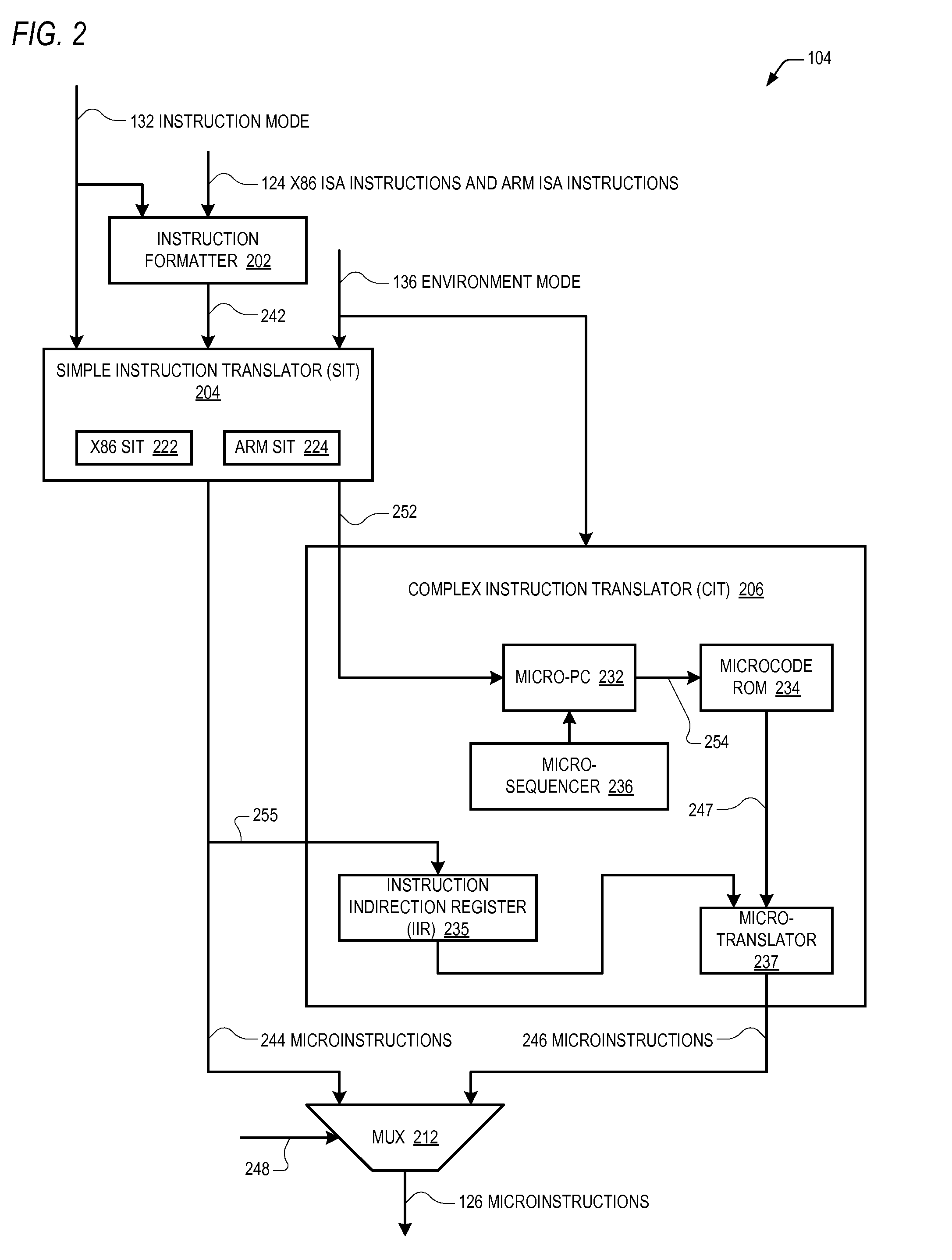
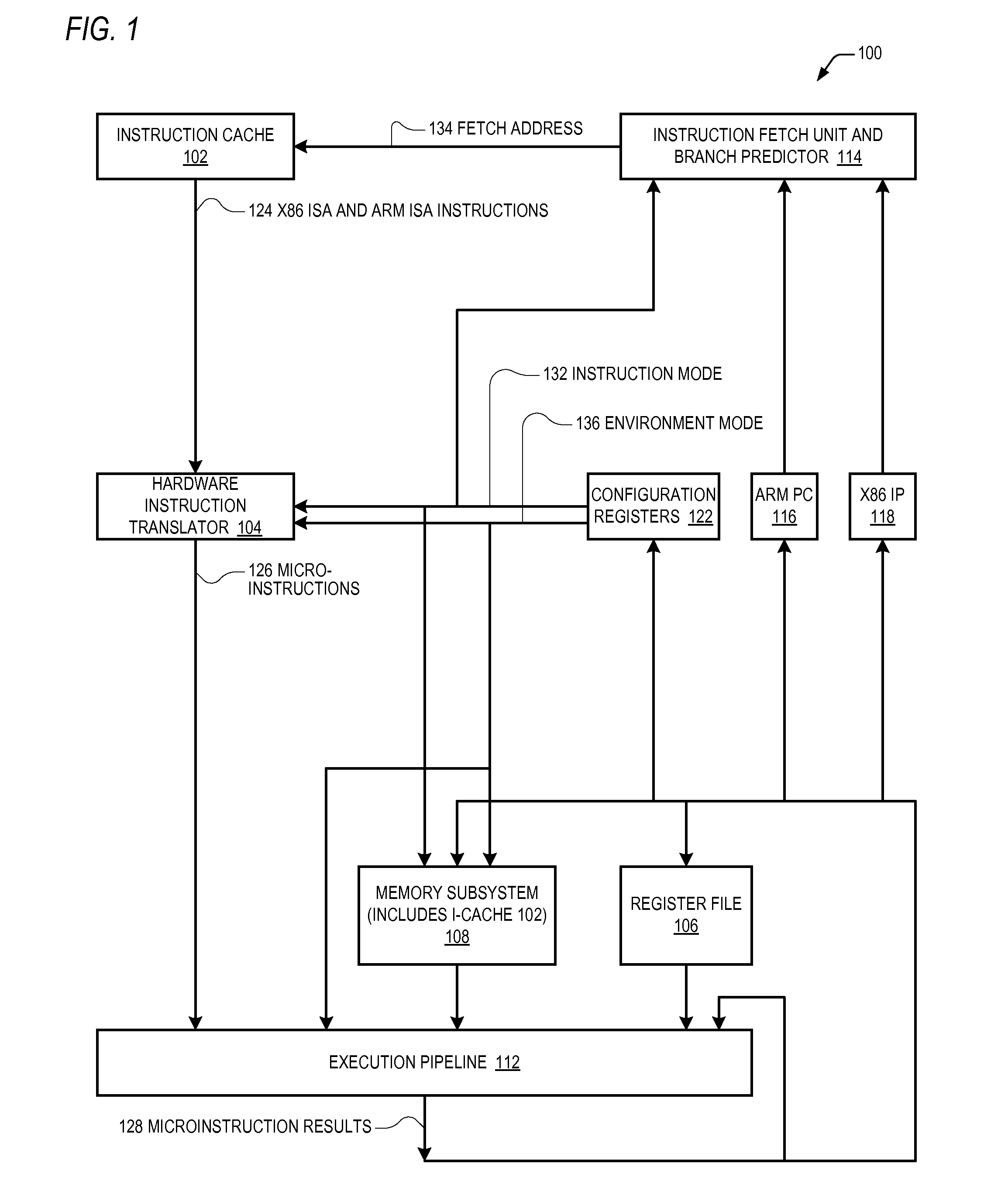
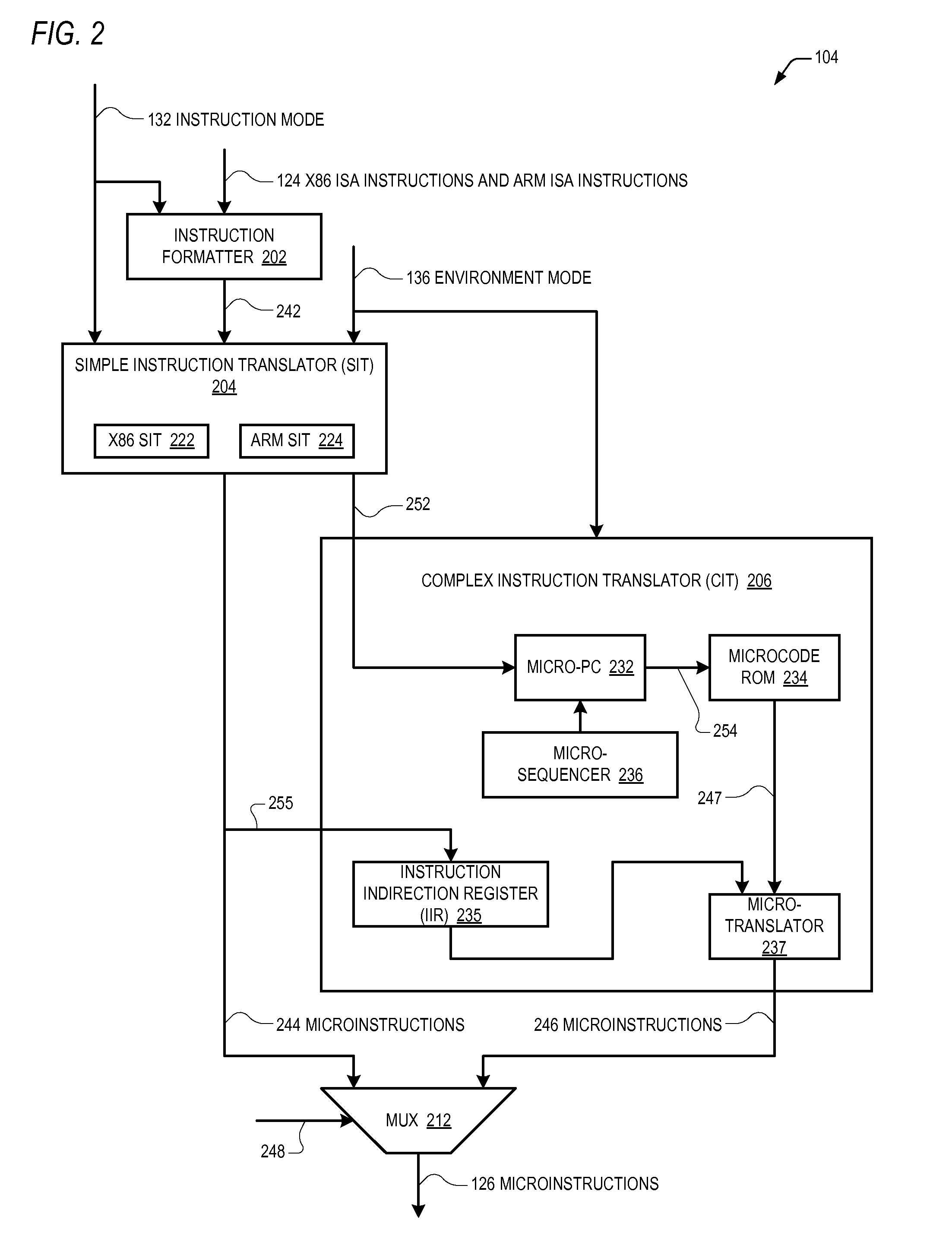
- A microprocessor capable of operating as both an x86 and an ARM instruction set architecture, with separate storage for architecture-specific and non-specific state, allowing seamless switching between the two architectures through hardware translation of instructions into microinstructions for execution.


Multi-core microprocessor that performs x86 isa and arm isa machine language program instructions by hardware translation into microinstructions executed by common execution pipeline
PatentActiveUS20120260065A1
Innovation
- A multi-core processor design that includes hardware instruction translators to translate x86 and ARM instruction set architecture (ISA) machine language programs into microinstructions, which are then executed by a common execution pipeline, allowing the processor to run both x86 and ARM ISA programs.

Open Source Licensing and IP Considerations
The integration of ARM architecture with open computing platforms presents complex intellectual property and licensing considerations that significantly impact enterprise adoption strategies. ARM's proprietary licensing model fundamentally differs from traditional open source approaches, creating unique challenges when organizations attempt to leverage both ecosystems simultaneously.
ARM Holdings operates under a comprehensive licensing framework that includes architecture licenses, processor IP licenses, and implementation licenses. These commercial agreements typically involve upfront fees, royalty payments, and strict usage restrictions. When integrating ARM-based solutions with open source software stacks, organizations must carefully navigate the boundaries between proprietary ARM IP and open source components to ensure compliance with both licensing regimes.
Open source licensing in ARM-based systems primarily affects software layers rather than the underlying processor architecture. Popular licenses such as GPL, Apache, and MIT govern the distribution and modification of operating systems, middleware, and applications running on ARM processors. However, the interaction between ARM's proprietary instruction set architecture and open source software creates potential compliance complexities, particularly regarding derivative works and distribution requirements.
Patent considerations represent another critical dimension of ARM-open source integration. ARM Holdings maintains an extensive patent portfolio covering processor design, instruction set implementations, and system-on-chip architectures. Open source projects utilizing ARM processors must consider potential patent infringement risks, especially when developing custom silicon or modifying existing ARM implementations. The Patent Commons and defensive patent strategies employed by some open source organizations provide limited protection in this context.
Cross-licensing agreements between ARM and major technology companies further complicate the IP landscape. These bilateral arrangements often include patent cross-licenses and technology sharing provisions that may not extend to open source implementations. Organizations developing ARM-based open computing solutions must evaluate whether their activities fall within existing licensing frameworks or require separate IP clearance.
The emergence of open instruction set architectures like RISC-V has intensified scrutiny of ARM's licensing model within open computing contexts. While RISC-V offers royalty-free alternatives, ARM's established ecosystem and performance advantages continue to drive adoption despite licensing complexities. Organizations must weigh the immediate benefits of ARM's mature toolchain against long-term IP dependencies and licensing costs when making architectural decisions for open computing platforms.
ARM Holdings operates under a comprehensive licensing framework that includes architecture licenses, processor IP licenses, and implementation licenses. These commercial agreements typically involve upfront fees, royalty payments, and strict usage restrictions. When integrating ARM-based solutions with open source software stacks, organizations must carefully navigate the boundaries between proprietary ARM IP and open source components to ensure compliance with both licensing regimes.
Open source licensing in ARM-based systems primarily affects software layers rather than the underlying processor architecture. Popular licenses such as GPL, Apache, and MIT govern the distribution and modification of operating systems, middleware, and applications running on ARM processors. However, the interaction between ARM's proprietary instruction set architecture and open source software creates potential compliance complexities, particularly regarding derivative works and distribution requirements.
Patent considerations represent another critical dimension of ARM-open source integration. ARM Holdings maintains an extensive patent portfolio covering processor design, instruction set implementations, and system-on-chip architectures. Open source projects utilizing ARM processors must consider potential patent infringement risks, especially when developing custom silicon or modifying existing ARM implementations. The Patent Commons and defensive patent strategies employed by some open source organizations provide limited protection in this context.
Cross-licensing agreements between ARM and major technology companies further complicate the IP landscape. These bilateral arrangements often include patent cross-licenses and technology sharing provisions that may not extend to open source implementations. Organizations developing ARM-based open computing solutions must evaluate whether their activities fall within existing licensing frameworks or require separate IP clearance.
The emergence of open instruction set architectures like RISC-V has intensified scrutiny of ARM's licensing model within open computing contexts. While RISC-V offers royalty-free alternatives, ARM's established ecosystem and performance advantages continue to drive adoption despite licensing complexities. Organizations must weigh the immediate benefits of ARM's mature toolchain against long-term IP dependencies and licensing costs when making architectural decisions for open computing platforms.
Performance Optimization Strategies for Hybrid Systems
Performance optimization in hybrid ARM and open computing systems requires a multi-layered approach that addresses the fundamental architectural differences between these platforms. The heterogeneous nature of such systems presents unique challenges in resource allocation, workload distribution, and system-level coordination that demand sophisticated optimization strategies.
Workload partitioning represents the cornerstone of hybrid system optimization. Effective strategies involve dynamic profiling of computational tasks to identify ARM-suitable workloads versus those better suited for open computing architectures. Machine learning algorithms can be employed to predict optimal task placement based on historical performance data, power consumption patterns, and real-time system state. This intelligent workload distribution ensures that ARM processors handle energy-efficient tasks while open computing resources manage computationally intensive operations.
Memory hierarchy optimization becomes critical in hybrid environments where different architectures may have varying cache structures and memory access patterns. Implementing unified memory management systems with cross-platform coherency protocols helps minimize data transfer overhead between ARM and open computing components. Advanced prefetching algorithms tailored for hybrid architectures can significantly reduce memory latency by predicting data access patterns across different processor types.
Thermal management strategies must account for the distinct power profiles of ARM and open computing systems. Dynamic voltage and frequency scaling (DVFS) techniques need customization for hybrid deployments, where ARM processors typically operate in lower power envelopes while open computing systems may require aggressive cooling solutions. Implementing thermal-aware task scheduling prevents hotspots and maintains optimal performance across the entire hybrid infrastructure.
Interconnect optimization plays a crucial role in minimizing communication bottlenecks between ARM and open computing nodes. High-speed fabric technologies such as PCIe Gen5, CXL, or custom interconnects require careful tuning to balance bandwidth, latency, and power consumption. Protocol optimization and message aggregation techniques can reduce the overhead associated with cross-architecture communication.
Software-level optimizations include developing hybrid-aware compilers that can generate optimized code for both ARM and open computing targets within the same application. Runtime optimization frameworks enable dynamic code migration and execution steering based on real-time performance metrics and system resource availability.
Workload partitioning represents the cornerstone of hybrid system optimization. Effective strategies involve dynamic profiling of computational tasks to identify ARM-suitable workloads versus those better suited for open computing architectures. Machine learning algorithms can be employed to predict optimal task placement based on historical performance data, power consumption patterns, and real-time system state. This intelligent workload distribution ensures that ARM processors handle energy-efficient tasks while open computing resources manage computationally intensive operations.
Memory hierarchy optimization becomes critical in hybrid environments where different architectures may have varying cache structures and memory access patterns. Implementing unified memory management systems with cross-platform coherency protocols helps minimize data transfer overhead between ARM and open computing components. Advanced prefetching algorithms tailored for hybrid architectures can significantly reduce memory latency by predicting data access patterns across different processor types.
Thermal management strategies must account for the distinct power profiles of ARM and open computing systems. Dynamic voltage and frequency scaling (DVFS) techniques need customization for hybrid deployments, where ARM processors typically operate in lower power envelopes while open computing systems may require aggressive cooling solutions. Implementing thermal-aware task scheduling prevents hotspots and maintains optimal performance across the entire hybrid infrastructure.
Interconnect optimization plays a crucial role in minimizing communication bottlenecks between ARM and open computing nodes. High-speed fabric technologies such as PCIe Gen5, CXL, or custom interconnects require careful tuning to balance bandwidth, latency, and power consumption. Protocol optimization and message aggregation techniques can reduce the overhead associated with cross-architecture communication.
Software-level optimizations include developing hybrid-aware compilers that can generate optimized code for both ARM and open computing targets within the same application. Runtime optimization frameworks enable dynamic code migration and execution steering based on real-time performance metrics and system resource availability.
Unlock deeper insights with PatSnap Eureka Quick Research — get a full tech report to explore trends and direct your research. Try now!
Generate Your Research Report Instantly with AI Agent
Supercharge your innovation with PatSnap Eureka AI Agent Platform!