ARM vs Proprietary Cores: Cost Implications in Large Deployments
MAR 25, 20268 MIN READ
Generate Your Research Report Instantly with AI Agent
PatSnap Eureka helps you evaluate technical feasibility & market potential.
ARM vs Proprietary Core Cost Analysis Background
The semiconductor industry has witnessed a fundamental shift in processor architecture adoption over the past two decades, with ARM-based designs emerging as a dominant force across multiple market segments. This transformation has been particularly pronounced in large-scale deployments where cost optimization becomes a critical factor in technology selection decisions.
ARM Holdings revolutionized the processor landscape by introducing a licensing model that allows companies to implement ARM instruction set architectures without developing cores from scratch. This approach contrasts sharply with proprietary core development, where organizations invest substantial resources in creating custom silicon solutions tailored to specific applications. The licensing model has democratized access to high-performance processor designs while enabling rapid time-to-market advantages.
The evolution of ARM architectures from simple embedded controllers to sophisticated multi-core processors capable of handling enterprise workloads has expanded their applicability in large deployments. Major cloud service providers, telecommunications infrastructure companies, and data center operators have increasingly evaluated ARM-based solutions as alternatives to traditional x86 architectures and proprietary RISC designs.
Proprietary core development represents the traditional approach where companies design custom processor architectures optimized for specific use cases. This methodology offers maximum control over performance characteristics, power consumption, and feature sets but requires significant upfront investment in research and development. Companies pursuing proprietary solutions typically possess substantial engineering resources and target applications where standard architectures may not provide optimal performance or cost efficiency.
The cost implications of choosing between ARM licensing and proprietary core development become magnified in large deployments due to economies of scale. Volume licensing agreements, manufacturing costs, development timelines, and long-term maintenance considerations all contribute to the total cost of ownership calculations that organizations must evaluate when making architectural decisions for large-scale implementations.
Recent market dynamics have intensified this comparison as ARM-based processors demonstrate competitive performance in server applications while potentially offering lower acquisition costs and reduced development complexity compared to proprietary alternatives.
ARM Holdings revolutionized the processor landscape by introducing a licensing model that allows companies to implement ARM instruction set architectures without developing cores from scratch. This approach contrasts sharply with proprietary core development, where organizations invest substantial resources in creating custom silicon solutions tailored to specific applications. The licensing model has democratized access to high-performance processor designs while enabling rapid time-to-market advantages.
The evolution of ARM architectures from simple embedded controllers to sophisticated multi-core processors capable of handling enterprise workloads has expanded their applicability in large deployments. Major cloud service providers, telecommunications infrastructure companies, and data center operators have increasingly evaluated ARM-based solutions as alternatives to traditional x86 architectures and proprietary RISC designs.
Proprietary core development represents the traditional approach where companies design custom processor architectures optimized for specific use cases. This methodology offers maximum control over performance characteristics, power consumption, and feature sets but requires significant upfront investment in research and development. Companies pursuing proprietary solutions typically possess substantial engineering resources and target applications where standard architectures may not provide optimal performance or cost efficiency.
The cost implications of choosing between ARM licensing and proprietary core development become magnified in large deployments due to economies of scale. Volume licensing agreements, manufacturing costs, development timelines, and long-term maintenance considerations all contribute to the total cost of ownership calculations that organizations must evaluate when making architectural decisions for large-scale implementations.
Recent market dynamics have intensified this comparison as ARM-based processors demonstrate competitive performance in server applications while potentially offering lower acquisition costs and reduced development complexity compared to proprietary alternatives.
Market Demand for Cost-Effective Processor Solutions
The global processor market is experiencing unprecedented demand for cost-effective solutions as organizations across industries face mounting pressure to optimize their technology infrastructure investments. This demand surge stems from the convergence of digital transformation initiatives, cloud computing expansion, and the proliferation of edge computing applications that require scalable yet economical processing power.
Enterprise data centers represent the largest segment driving this demand, as companies seek to balance performance requirements with total cost of ownership considerations. The shift toward hyperscale computing architectures has intensified focus on processor economics, where even marginal cost differences per unit translate into substantial financial impacts when multiplied across thousands of server deployments. Organizations are increasingly evaluating processor choices not merely on raw performance metrics but on comprehensive cost-benefit analyses that encompass licensing fees, power consumption, thermal management, and long-term scalability.
The telecommunications sector has emerged as another significant demand driver, particularly with the ongoing 5G infrastructure rollout and network function virtualization initiatives. Service providers require processors that can deliver adequate performance for network processing workloads while maintaining competitive cost structures that support profitable service delivery models. The transition from specialized hardware appliances to software-defined networking solutions has created new opportunities for cost-optimized processor architectures.
Cloud service providers constitute a critical market segment where processor cost efficiency directly impacts service profitability and competitive positioning. These organizations deploy processors at massive scale, making cost optimization a strategic imperative that influences their ability to offer competitive pricing to end customers while maintaining healthy margins.
Emerging markets present substantial growth opportunities for cost-effective processor solutions, as organizations in these regions often prioritize value optimization over premium performance characteristics. The expanding Internet of Things ecosystem and edge computing deployments further amplify demand for processors that can deliver sufficient computational capability at attractive price points, particularly in applications where deployment volumes are high but individual unit economics must remain favorable.
Enterprise data centers represent the largest segment driving this demand, as companies seek to balance performance requirements with total cost of ownership considerations. The shift toward hyperscale computing architectures has intensified focus on processor economics, where even marginal cost differences per unit translate into substantial financial impacts when multiplied across thousands of server deployments. Organizations are increasingly evaluating processor choices not merely on raw performance metrics but on comprehensive cost-benefit analyses that encompass licensing fees, power consumption, thermal management, and long-term scalability.
The telecommunications sector has emerged as another significant demand driver, particularly with the ongoing 5G infrastructure rollout and network function virtualization initiatives. Service providers require processors that can deliver adequate performance for network processing workloads while maintaining competitive cost structures that support profitable service delivery models. The transition from specialized hardware appliances to software-defined networking solutions has created new opportunities for cost-optimized processor architectures.
Cloud service providers constitute a critical market segment where processor cost efficiency directly impacts service profitability and competitive positioning. These organizations deploy processors at massive scale, making cost optimization a strategic imperative that influences their ability to offer competitive pricing to end customers while maintaining healthy margins.
Emerging markets present substantial growth opportunities for cost-effective processor solutions, as organizations in these regions often prioritize value optimization over premium performance characteristics. The expanding Internet of Things ecosystem and edge computing deployments further amplify demand for processors that can deliver sufficient computational capability at attractive price points, particularly in applications where deployment volumes are high but individual unit economics must remain favorable.
Current ARM and Proprietary Core Deployment Challenges
ARM-based deployments face significant scalability challenges when organizations attempt to transition from small-scale implementations to enterprise-wide infrastructure. The heterogeneous nature of ARM ecosystems creates compatibility issues across different vendor implementations, leading to increased integration complexity and extended deployment timelines. Organizations frequently encounter difficulties in maintaining consistent performance profiles across diverse ARM variants, particularly when scaling from hundreds to thousands of processing units.
Licensing complexity represents a major operational hurdle in large-scale ARM deployments. While ARM's licensing model offers flexibility, it introduces administrative overhead that scales exponentially with deployment size. Organizations must navigate multiple licensing tiers, from basic architectural licenses to full implementation rights, while managing relationships with multiple silicon partners. This complexity is compounded by varying support structures across different ARM licensees, creating inconsistent service levels and response times.
Proprietary core deployments encounter distinct challenges centered around vendor lock-in and limited ecosystem diversity. Organizations implementing proprietary solutions face restricted hardware sourcing options, potentially creating supply chain vulnerabilities and reduced negotiating power. The closed nature of proprietary architectures limits third-party optimization tools and development resources, forcing organizations to rely heavily on single-vendor support structures that may not scale effectively with deployment growth.
Performance optimization challenges emerge differently across both architectures. ARM deployments struggle with fragmented optimization approaches due to varying implementations across licensees, while proprietary cores often lack the broad community-driven optimization that benefits open architectures. Large deployments require sophisticated performance tuning strategies that must account for workload distribution, thermal management, and power efficiency across thousands of processing units.
Migration and integration challenges intensify at scale for both architectures. ARM deployments must address software compatibility across different core variants and generations, while proprietary solutions face challenges in integrating with existing heterogeneous infrastructure. The complexity of maintaining consistent development and deployment pipelines across large-scale implementations creates operational bottlenecks that can significantly impact total cost of ownership and time-to-market for new applications and services.
Licensing complexity represents a major operational hurdle in large-scale ARM deployments. While ARM's licensing model offers flexibility, it introduces administrative overhead that scales exponentially with deployment size. Organizations must navigate multiple licensing tiers, from basic architectural licenses to full implementation rights, while managing relationships with multiple silicon partners. This complexity is compounded by varying support structures across different ARM licensees, creating inconsistent service levels and response times.
Proprietary core deployments encounter distinct challenges centered around vendor lock-in and limited ecosystem diversity. Organizations implementing proprietary solutions face restricted hardware sourcing options, potentially creating supply chain vulnerabilities and reduced negotiating power. The closed nature of proprietary architectures limits third-party optimization tools and development resources, forcing organizations to rely heavily on single-vendor support structures that may not scale effectively with deployment growth.
Performance optimization challenges emerge differently across both architectures. ARM deployments struggle with fragmented optimization approaches due to varying implementations across licensees, while proprietary cores often lack the broad community-driven optimization that benefits open architectures. Large deployments require sophisticated performance tuning strategies that must account for workload distribution, thermal management, and power efficiency across thousands of processing units.
Migration and integration challenges intensify at scale for both architectures. ARM deployments must address software compatibility across different core variants and generations, while proprietary solutions face challenges in integrating with existing heterogeneous infrastructure. The complexity of maintaining consistent development and deployment pipelines across large-scale implementations creates operational bottlenecks that can significantly impact total cost of ownership and time-to-market for new applications and services.
Existing Cost Models for Large-Scale Deployments
01 Licensing models and cost structures for processor cores
Different licensing models exist for processor cores, including upfront licensing fees, royalty-based payments, and subscription models. ARM cores typically involve licensing fees plus per-unit royalties, while proprietary cores may require higher initial development costs but no ongoing royalties. The choice between licensing models impacts total cost of ownership, affecting decisions based on production volume and market strategy.- Licensing models and cost structures for processor cores: Different licensing models exist for processor cores, including upfront licensing fees, royalty-based payments, and hybrid approaches. ARM-based cores typically involve licensing agreements with ongoing royalties based on chip sales, while proprietary cores may require higher initial development costs but no ongoing royalties. The choice between these models impacts total cost of ownership, including design costs, manufacturing expenses, and long-term financial commitments.
- Design and development cost considerations: The development of proprietary processor cores requires significant investment in design resources, verification, and testing infrastructure. In contrast, licensed cores provide pre-verified designs that reduce time-to-market and engineering expenses. Cost factors include design tool expenses, simulation resources, physical implementation costs, and the expertise required for custom core development versus integration of licensed intellectual property.
- Manufacturing and production cost implications: Manufacturing costs differ between licensed and proprietary cores based on process node optimization, die area efficiency, and production volume. Licensed cores benefit from widespread adoption and optimization across multiple foundries, potentially reducing per-unit costs at high volumes. Proprietary cores may offer better customization for specific applications but require dedicated optimization efforts and may have higher non-recurring engineering costs.
- Ecosystem and toolchain cost factors: The availability and cost of development tools, software ecosystems, and support infrastructure significantly impact total ownership costs. Established architectures benefit from mature toolchains, extensive software libraries, and broad community support, reducing development and maintenance expenses. Custom solutions may require investment in proprietary tools, compiler development, and limited third-party support options.
- Performance optimization and cost-efficiency trade-offs: The relationship between performance requirements and cost efficiency varies between standard and custom processor implementations. Proprietary designs can be optimized for specific workloads, potentially offering better performance-per-watt or performance-per-area metrics for targeted applications. However, this specialization comes with higher development costs and reduced flexibility compared to general-purpose licensed cores that serve broader market segments.
02 Development and customization costs for processor architectures
Proprietary core development requires significant investment in design, verification, and testing infrastructure, while licensed cores reduce these upfront costs. Customization capabilities differ between approaches, with proprietary designs offering greater flexibility but higher engineering expenses. The trade-off between development time, resource allocation, and performance optimization influences the overall cost-effectiveness of each approach.Expand Specific Solutions03 Manufacturing and production cost considerations
Manufacturing costs vary based on process node selection, die area, and production volume. Licensed cores benefit from proven manufacturing processes and ecosystem support, potentially reducing yield risks and time-to-market. Proprietary designs may achieve better area efficiency and power characteristics through custom optimization, affecting per-unit manufacturing costs and overall profitability at scale.Expand Specific Solutions04 Ecosystem and toolchain support costs
ARM architectures provide extensive ecosystem support including development tools, software libraries, and third-party IP, reducing integration costs. Proprietary cores require investment in custom toolchains, compiler development, and software ecosystem building. The availability of pre-validated components and community support impacts development efficiency and long-term maintenance expenses.Expand Specific Solutions05 Performance optimization and power efficiency trade-offs
Cost considerations extend beyond initial licensing to include power consumption, thermal management, and performance per watt metrics. Proprietary cores can be optimized for specific applications, potentially reducing system-level costs through better efficiency. Licensed cores offer predictable performance characteristics and validated power profiles, simplifying system design and reducing risk-related costs.Expand Specific Solutions
Key Players in ARM and Proprietary Core Markets
The ARM versus proprietary cores debate represents a mature technology landscape in the growth-to-maturity transition phase, with the global processor market exceeding $100 billion annually. Technology maturity varies significantly across market segments, with ARM achieving widespread adoption in mobile and embedded systems while proprietary solutions from Intel, AMD, and Texas Instruments maintain dominance in high-performance computing. Chinese companies like Huawei, Shanghai Zhaoxin, and Spreadtrum are developing indigenous alternatives, while established players like Google and VMware optimize software stacks for both architectures. The competitive landscape shows ARM's licensing model enabling broader ecosystem participation, contrasting with proprietary approaches that offer tighter integration but higher development costs. Large-scale deployment decisions increasingly hinge on total cost of ownership, performance per watt, and supply chain considerations rather than pure licensing costs.
Intel Corp.
Technical Solution: Intel offers x86-based proprietary cores with comprehensive ecosystem support and established enterprise relationships. Their approach focuses on high-performance computing with advanced manufacturing processes and integrated solutions. Intel's cost model includes licensing fees, development tools, and ongoing support services. In large deployments, Intel provides volume discounts and enterprise-grade support infrastructure. Their proprietary architecture offers optimized performance for specific workloads but requires significant upfront investment in development and licensing. The total cost of ownership includes hardware procurement, software licensing, and maintenance contracts across the deployment lifecycle.
Strengths: Mature ecosystem, high performance, comprehensive support. Weaknesses: Higher licensing costs, vendor lock-in, limited customization flexibility.
Texas Instruments Incorporated
Technical Solution: Texas Instruments leverages both ARM-based and proprietary DSP cores in their embedded solutions, providing hybrid approaches for cost optimization. Their C2000 and C6000 series processors combine ARM Cortex cores with proprietary DSP engines for specialized applications. TI's cost model emphasizes long-term availability and stable pricing for large deployments. They offer volume pricing tiers and development ecosystem support including free software tools and extensive documentation. The company's approach balances ARM's cost advantages with proprietary DSP performance where needed. Their total cost analysis includes silicon costs, development tools, and long-term support commitments spanning decades for industrial applications.
Strengths: Hybrid ARM/proprietary approach, long-term support, stable pricing. Weaknesses: Limited to embedded markets, complex architecture decisions, specialized use cases.
Core Cost Analysis Patents and Methodologies
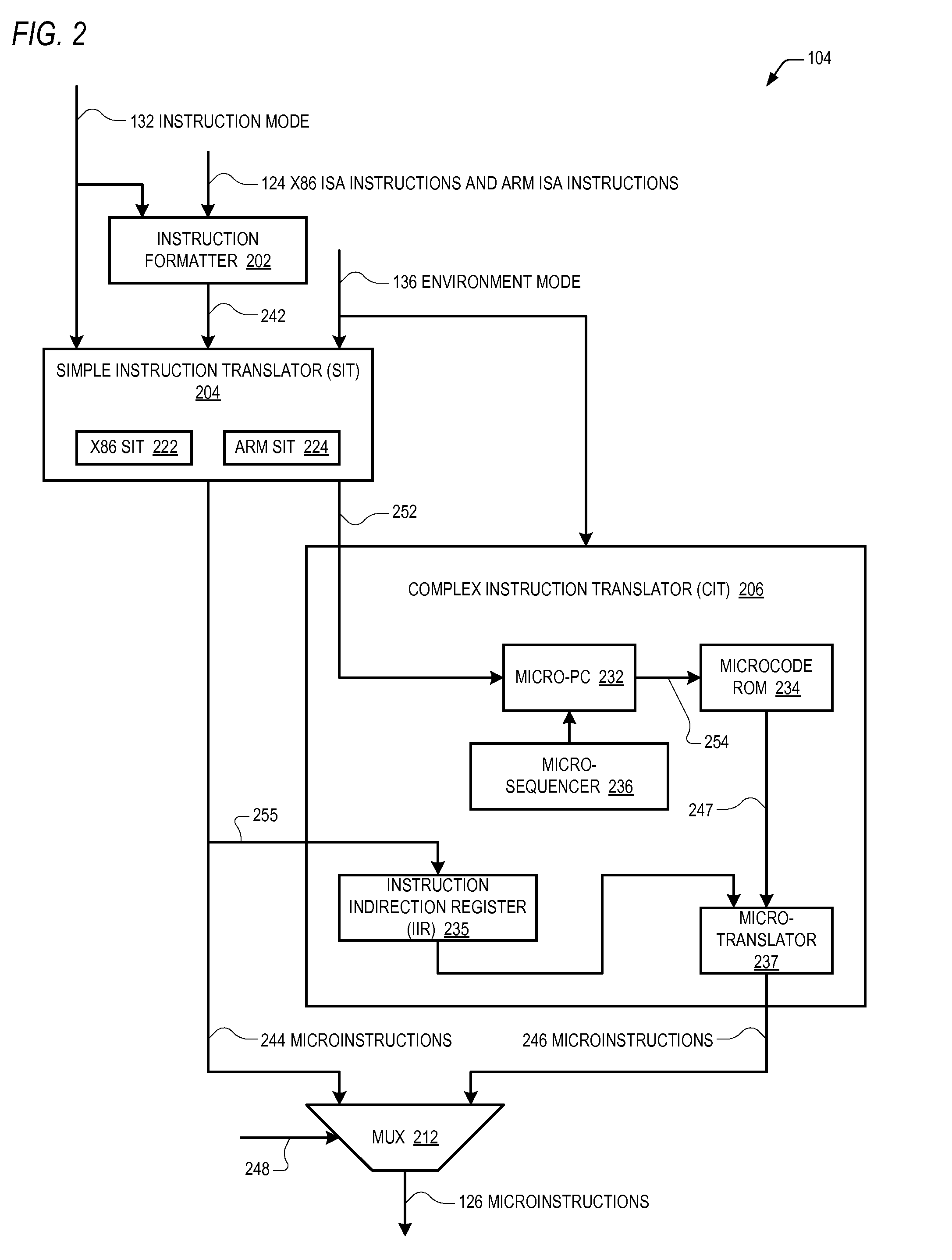
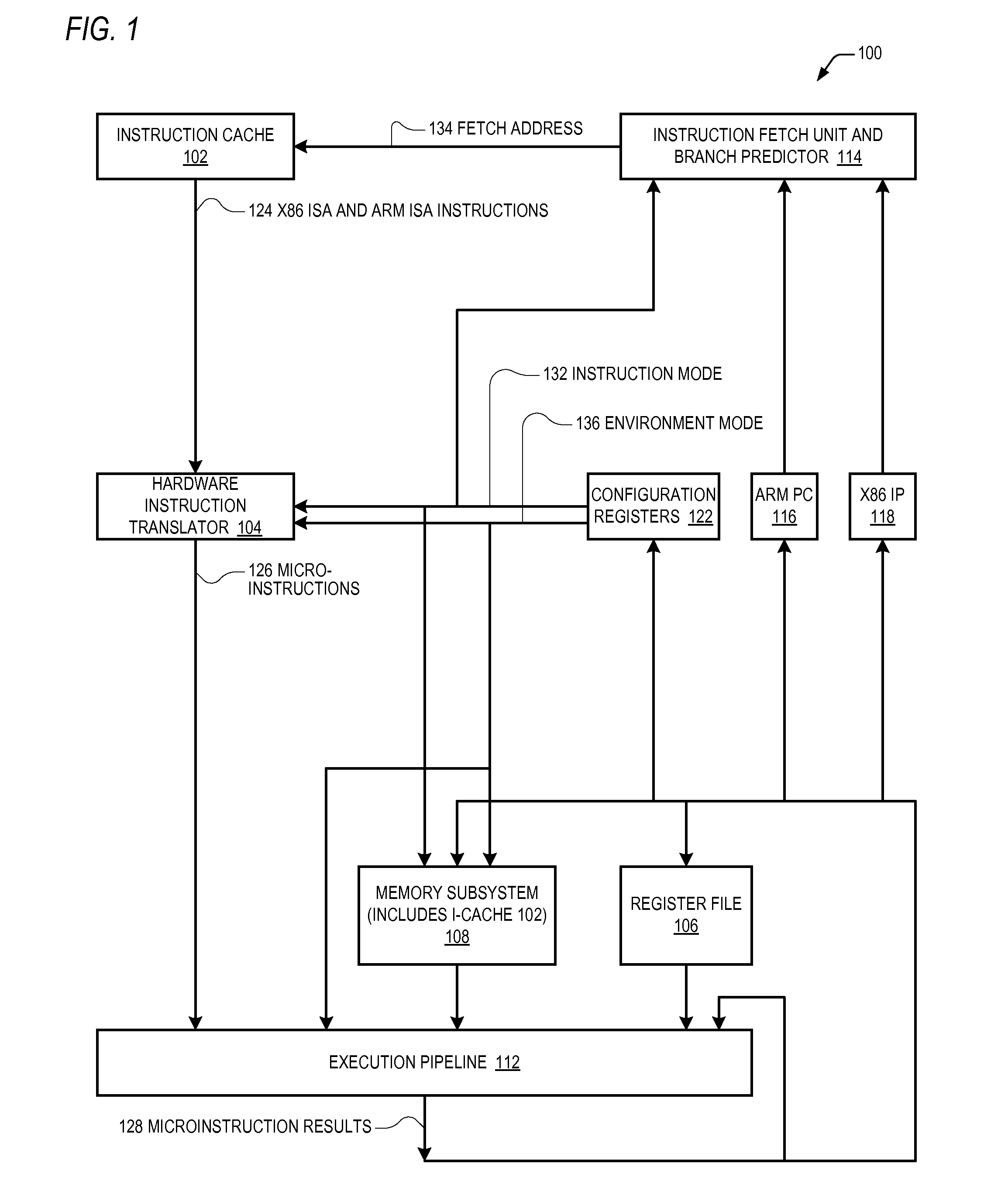
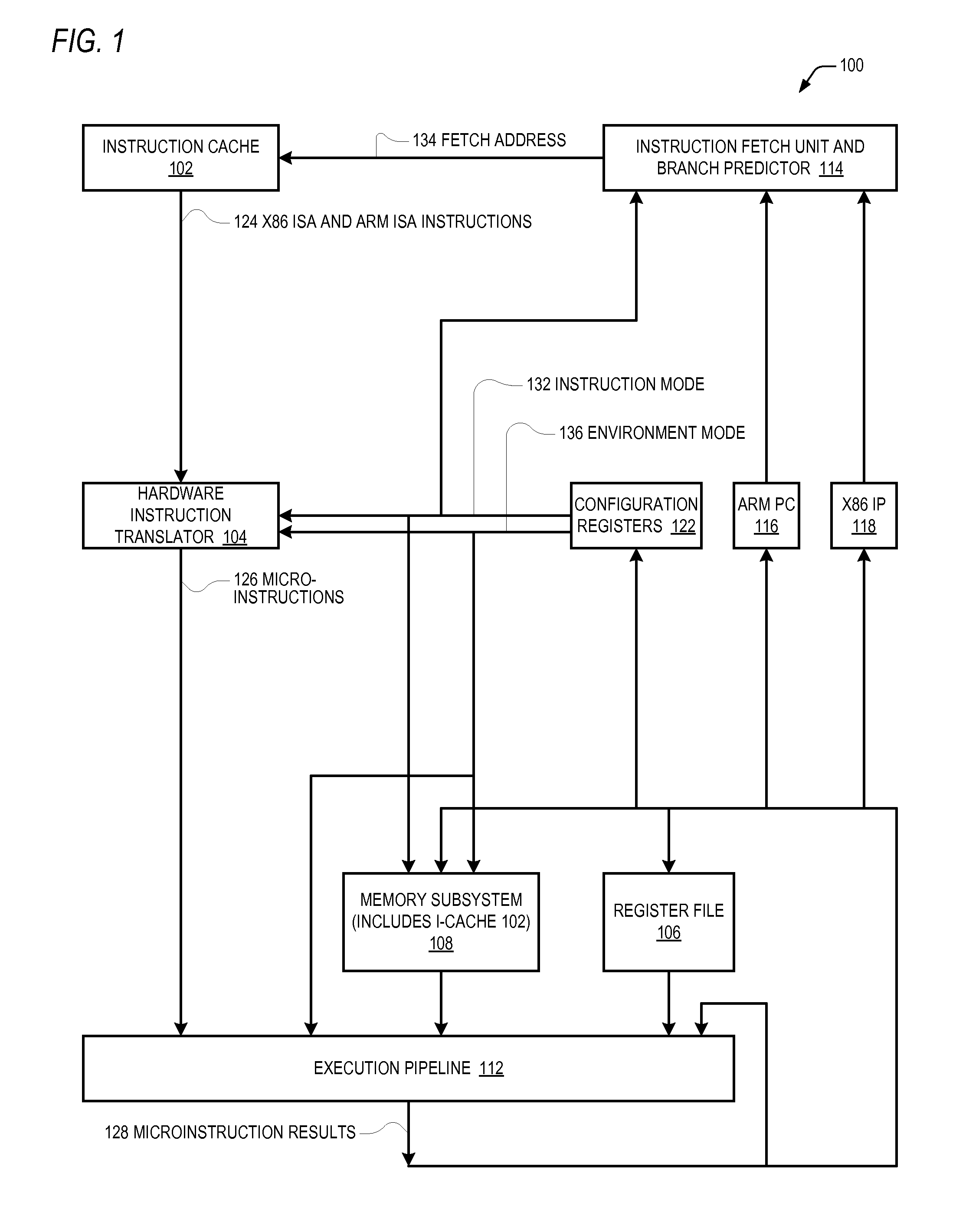
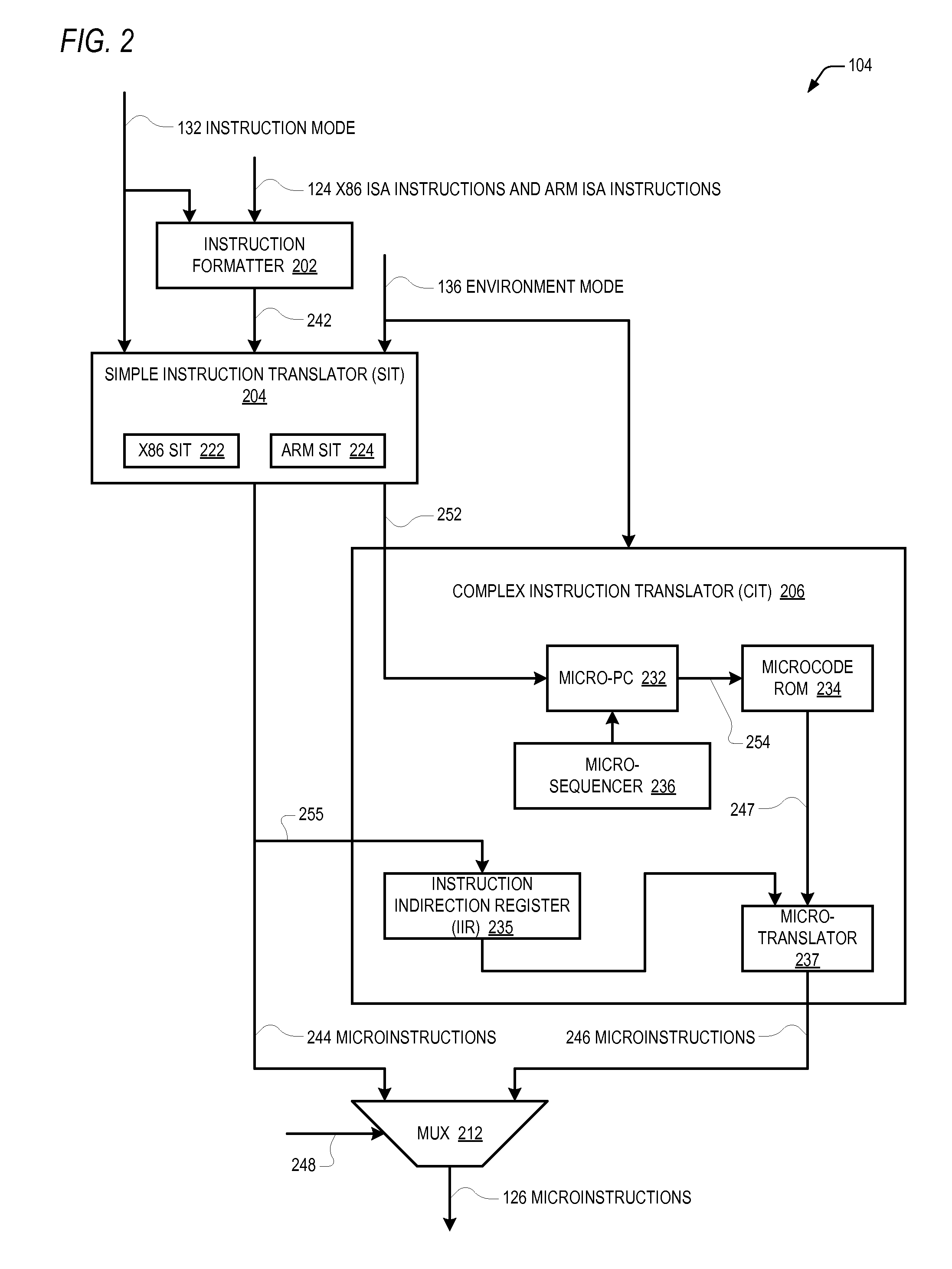
Multi-core microprocessor that performs x86 isa and arm isa machine language program instructions by hardware translation into microinstructions executed by common execution pipeline
PatentActiveUS20120260065A1
Innovation
- A multi-core processor design that includes hardware instruction translators to translate x86 and ARM instruction set architecture (ISA) machine language programs into microinstructions, which are then executed by a common execution pipeline, allowing the processor to run both x86 and ARM ISA programs.

Microprocessor that performs x86 isa and arm isa machine language program instructions by hardware translation into microinstructions executed by common execution pipeline
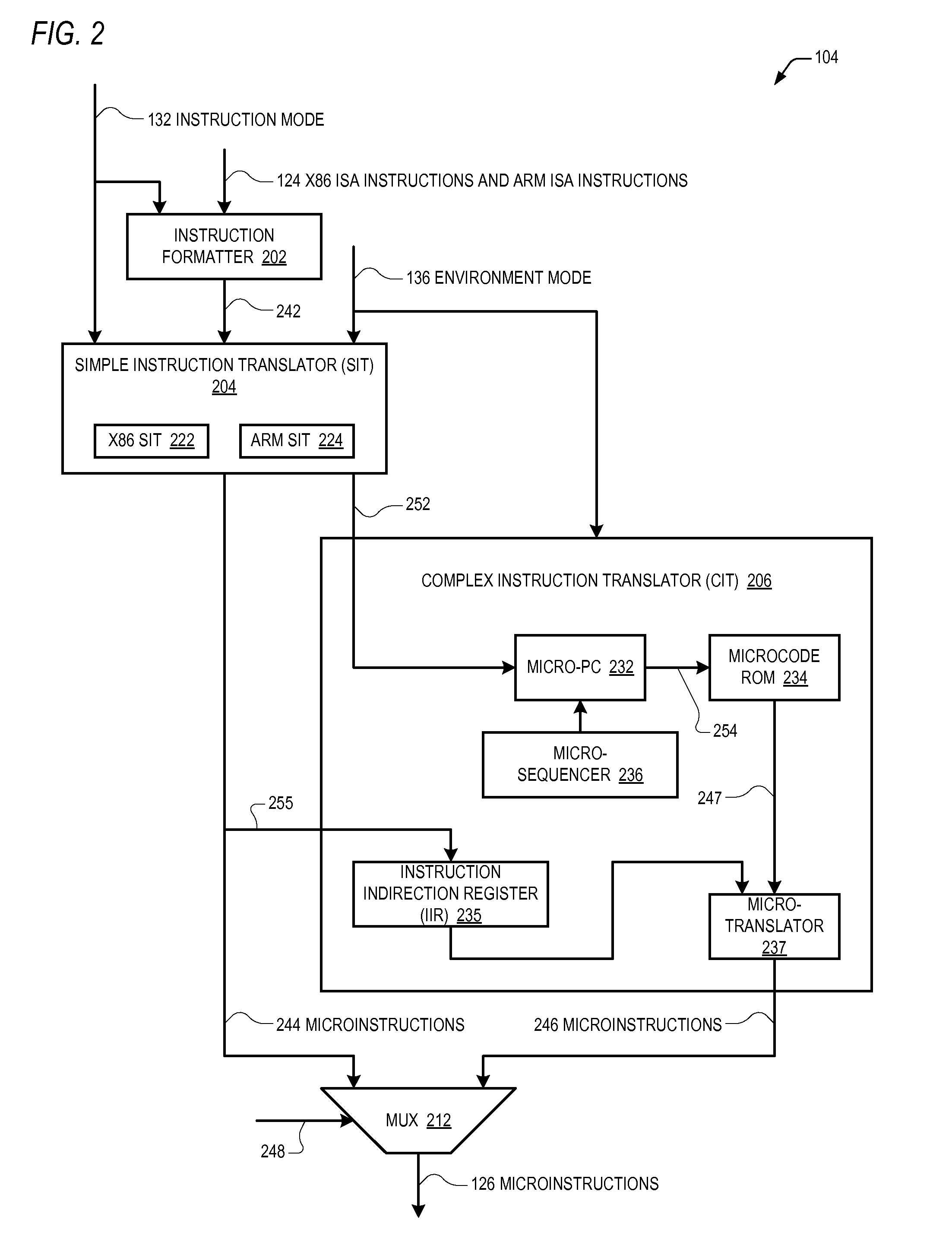
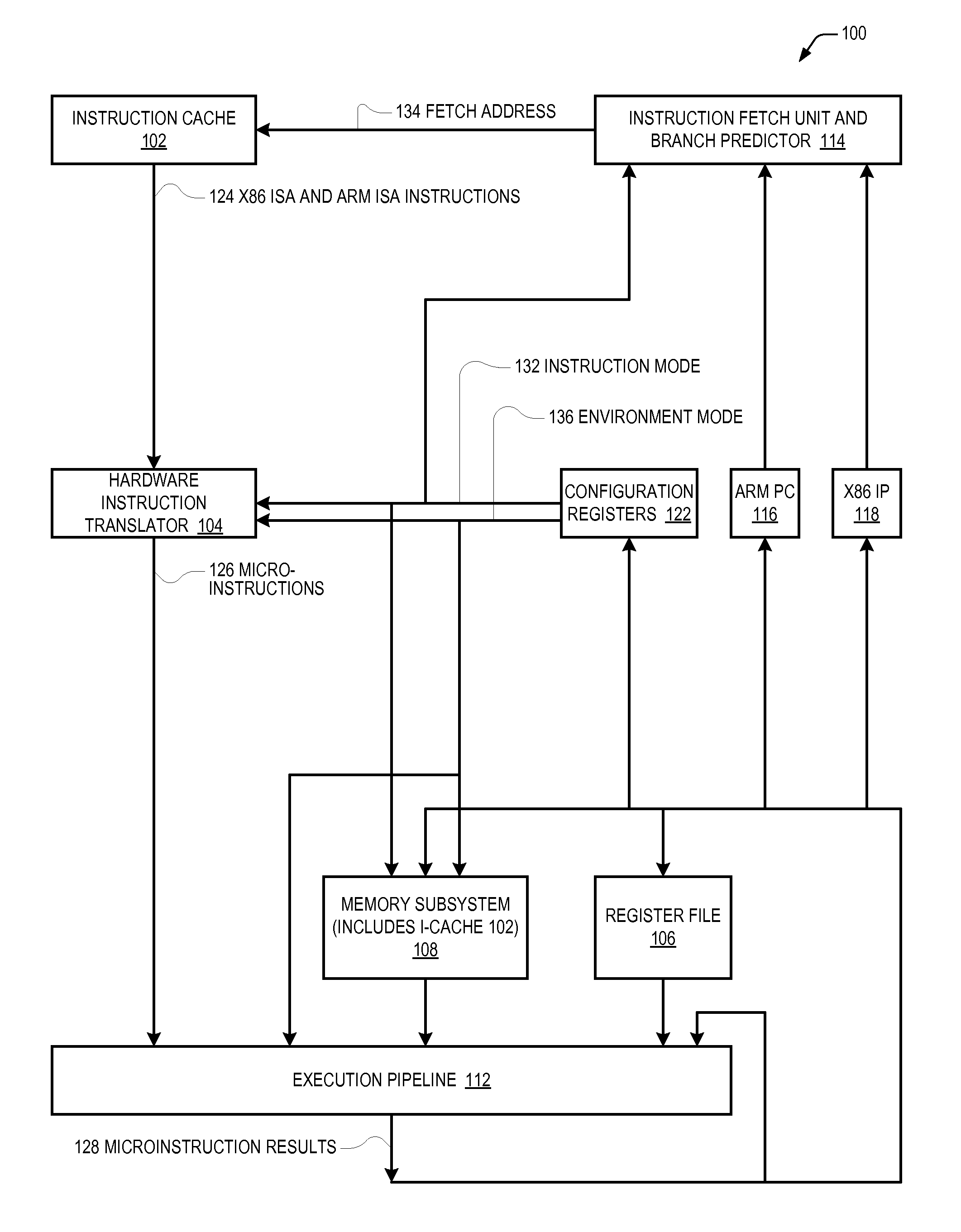
PatentActiveUS20120260067A1
Innovation
- A microprocessor design that includes a hardware instruction translator capable of translating both x86 and ARM instruction set architecture (ISA) machine language programs into microinstructions, which are then executed by a common execution pipeline, allowing the microprocessor to run both x86 ISA and ARM ISA machine language programs.

Licensing and IP Cost Regulatory Framework
The regulatory landscape governing processor licensing and intellectual property costs presents a complex framework that significantly impacts deployment decisions between ARM and proprietary cores. Current regulations vary substantially across jurisdictions, with the United States, European Union, and Asia-Pacific regions maintaining distinct approaches to IP licensing oversight and antitrust enforcement.
In the United States, the Federal Trade Commission and Department of Justice actively monitor licensing practices under antitrust laws, particularly focusing on FRAND (Fair, Reasonable, and Non-Discriminatory) commitments for standard-essential patents. Recent regulatory scrutiny has intensified around licensing terms that may create market barriers or limit competition in semiconductor design. The Qualcomm antitrust case exemplifies how aggressive licensing strategies can trigger regulatory intervention, potentially affecting how ARM structures its licensing agreements for large-scale deployments.
European regulations under the Digital Markets Act and competition law framework impose additional constraints on dominant IP holders. The European Commission has established precedents requiring transparent licensing terms and prohibiting discriminatory practices that could disadvantage smaller market participants. These regulations particularly impact proprietary core developers who must navigate complex compliance requirements when establishing licensing frameworks for enterprise customers.
Export control regulations add another layer of complexity, especially for deployments spanning multiple countries. The Entity List restrictions and technology transfer controls can significantly affect licensing costs and availability, particularly for Chinese market deployments. ARM's recent licensing challenges in China demonstrate how geopolitical factors can disrupt established IP frameworks and force costly restructuring of deployment strategies.
Emerging regulatory trends suggest increased focus on supply chain security and technology sovereignty. Government initiatives promoting domestic semiconductor capabilities may introduce preferential treatment for locally-developed proprietary cores, potentially altering the cost-benefit analysis for large deployments. Additionally, proposed regulations around AI chip exports and dual-use technology classifications could create new compliance costs that disproportionately affect certain processor architectures depending on their intended applications and deployment locations.
In the United States, the Federal Trade Commission and Department of Justice actively monitor licensing practices under antitrust laws, particularly focusing on FRAND (Fair, Reasonable, and Non-Discriminatory) commitments for standard-essential patents. Recent regulatory scrutiny has intensified around licensing terms that may create market barriers or limit competition in semiconductor design. The Qualcomm antitrust case exemplifies how aggressive licensing strategies can trigger regulatory intervention, potentially affecting how ARM structures its licensing agreements for large-scale deployments.
European regulations under the Digital Markets Act and competition law framework impose additional constraints on dominant IP holders. The European Commission has established precedents requiring transparent licensing terms and prohibiting discriminatory practices that could disadvantage smaller market participants. These regulations particularly impact proprietary core developers who must navigate complex compliance requirements when establishing licensing frameworks for enterprise customers.
Export control regulations add another layer of complexity, especially for deployments spanning multiple countries. The Entity List restrictions and technology transfer controls can significantly affect licensing costs and availability, particularly for Chinese market deployments. ARM's recent licensing challenges in China demonstrate how geopolitical factors can disrupt established IP frameworks and force costly restructuring of deployment strategies.
Emerging regulatory trends suggest increased focus on supply chain security and technology sovereignty. Government initiatives promoting domestic semiconductor capabilities may introduce preferential treatment for locally-developed proprietary cores, potentially altering the cost-benefit analysis for large deployments. Additionally, proposed regulations around AI chip exports and dual-use technology classifications could create new compliance costs that disproportionately affect certain processor architectures depending on their intended applications and deployment locations.
Total Cost of Ownership in Enterprise Deployments
Total Cost of Ownership (TCO) analysis in enterprise deployments reveals significant differences between ARM-based and proprietary core architectures across multiple cost dimensions. The initial hardware acquisition costs typically favor ARM processors due to their competitive pricing structure and widespread market adoption. However, enterprise decision-makers must evaluate comprehensive cost factors beyond upfront hardware expenses to make informed architectural choices.
Licensing costs represent a critical differentiator in large-scale deployments. ARM's licensing model generally offers more predictable and scalable cost structures, particularly for high-volume deployments where per-unit licensing fees decrease with scale. Proprietary core solutions often involve complex licensing agreements with variable terms, potentially including runtime royalties, development fees, and maintenance charges that can significantly impact long-term financial projections.
Infrastructure and operational expenses constitute substantial portions of enterprise TCO calculations. ARM's power efficiency advantages translate directly into reduced electricity consumption and cooling requirements in data center environments. These operational savings compound over typical hardware lifecycles of three to five years, often offsetting higher initial investments in ARM-based infrastructure. Proprietary cores may offer superior performance per core but frequently consume more power, increasing operational overhead.
Software development and maintenance costs vary significantly between architectures. ARM's extensive ecosystem and standardized toolchains reduce development complexity and accelerate time-to-market for enterprise applications. The availability of optimized software libraries, development frameworks, and third-party tools creates cost efficiencies throughout the software lifecycle. Proprietary architectures may require specialized development expertise, custom tooling, and extended validation periods, increasing both direct development costs and opportunity costs.
Support and maintenance expenses over the deployment lifecycle heavily influence TCO calculations. ARM's broad industry support network provides multiple vendor options for technical assistance, reducing dependency risks and maintaining competitive service pricing. Proprietary core vendors may offer specialized support but often at premium pricing with limited alternative providers, potentially creating long-term cost escalation and vendor lock-in scenarios that impact enterprise flexibility and negotiating power.
Licensing costs represent a critical differentiator in large-scale deployments. ARM's licensing model generally offers more predictable and scalable cost structures, particularly for high-volume deployments where per-unit licensing fees decrease with scale. Proprietary core solutions often involve complex licensing agreements with variable terms, potentially including runtime royalties, development fees, and maintenance charges that can significantly impact long-term financial projections.
Infrastructure and operational expenses constitute substantial portions of enterprise TCO calculations. ARM's power efficiency advantages translate directly into reduced electricity consumption and cooling requirements in data center environments. These operational savings compound over typical hardware lifecycles of three to five years, often offsetting higher initial investments in ARM-based infrastructure. Proprietary cores may offer superior performance per core but frequently consume more power, increasing operational overhead.
Software development and maintenance costs vary significantly between architectures. ARM's extensive ecosystem and standardized toolchains reduce development complexity and accelerate time-to-market for enterprise applications. The availability of optimized software libraries, development frameworks, and third-party tools creates cost efficiencies throughout the software lifecycle. Proprietary architectures may require specialized development expertise, custom tooling, and extended validation periods, increasing both direct development costs and opportunity costs.
Support and maintenance expenses over the deployment lifecycle heavily influence TCO calculations. ARM's broad industry support network provides multiple vendor options for technical assistance, reducing dependency risks and maintaining competitive service pricing. Proprietary core vendors may offer specialized support but often at premium pricing with limited alternative providers, potentially creating long-term cost escalation and vendor lock-in scenarios that impact enterprise flexibility and negotiating power.
Unlock deeper insights with PatSnap Eureka Quick Research — get a full tech report to explore trends and direct your research. Try now!
Generate Your Research Report Instantly with AI Agent
Supercharge your innovation with PatSnap Eureka AI Agent Platform!