

ARM vs Proprietary Systems: Development Cost Comparison
MAR 25, 20269 MIN READ
Generate Your Research Report Instantly with AI Agent
PatSnap Eureka helps you evaluate technical feasibility & market potential.
ARM vs Proprietary Systems Development Background and Objectives
The semiconductor industry has witnessed a fundamental shift in processor architecture adoption over the past two decades, with ARM-based systems increasingly challenging traditional proprietary processor architectures across multiple market segments. This transformation has been driven by evolving demands for energy efficiency, cost optimization, and rapid time-to-market requirements in an increasingly competitive global technology landscape.
ARM Holdings' licensing model emerged as a disruptive force against established proprietary systems from companies like Intel, IBM, and various RISC-V implementations. The ARM architecture's reduced instruction set computing (RISC) design philosophy, combined with its flexible licensing framework, has enabled widespread adoption across mobile devices, embedded systems, and increasingly in server and desktop computing environments.
The development cost comparison between ARM and proprietary systems has become a critical strategic consideration for organizations across industries. Traditional proprietary processor development requires substantial upfront investments in silicon design, fabrication capabilities, and extensive validation processes. These costs often reach hundreds of millions of dollars and span multiple years before achieving market readiness.
ARM's ecosystem approach fundamentally alters this cost structure by providing pre-validated processor cores, comprehensive development tools, and extensive software libraries. This model enables companies to focus resources on differentiation and application-specific optimizations rather than fundamental processor architecture development. The licensing fees, while significant, typically represent a fraction of full proprietary development costs.
The strategic objectives of this comparative analysis encompass multiple dimensions beyond initial development expenses. Total cost of ownership considerations include ongoing maintenance, software ecosystem development, talent acquisition costs, and long-term scalability requirements. Organizations must evaluate trade-offs between control, customization capabilities, and development velocity when selecting processor architectures.
Market dynamics further complicate these decisions as ARM's growing ecosystem creates network effects that reduce individual development costs while potentially increasing competitive pressures. The emergence of open-source alternatives and evolving licensing models continues reshaping the cost-benefit calculations for both ARM adoption and proprietary system development initiatives.
ARM Holdings' licensing model emerged as a disruptive force against established proprietary systems from companies like Intel, IBM, and various RISC-V implementations. The ARM architecture's reduced instruction set computing (RISC) design philosophy, combined with its flexible licensing framework, has enabled widespread adoption across mobile devices, embedded systems, and increasingly in server and desktop computing environments.
The development cost comparison between ARM and proprietary systems has become a critical strategic consideration for organizations across industries. Traditional proprietary processor development requires substantial upfront investments in silicon design, fabrication capabilities, and extensive validation processes. These costs often reach hundreds of millions of dollars and span multiple years before achieving market readiness.
ARM's ecosystem approach fundamentally alters this cost structure by providing pre-validated processor cores, comprehensive development tools, and extensive software libraries. This model enables companies to focus resources on differentiation and application-specific optimizations rather than fundamental processor architecture development. The licensing fees, while significant, typically represent a fraction of full proprietary development costs.
The strategic objectives of this comparative analysis encompass multiple dimensions beyond initial development expenses. Total cost of ownership considerations include ongoing maintenance, software ecosystem development, talent acquisition costs, and long-term scalability requirements. Organizations must evaluate trade-offs between control, customization capabilities, and development velocity when selecting processor architectures.
Market dynamics further complicate these decisions as ARM's growing ecosystem creates network effects that reduce individual development costs while potentially increasing competitive pressures. The emergence of open-source alternatives and evolving licensing models continues reshaping the cost-benefit calculations for both ARM adoption and proprietary system development initiatives.
Market Demand for ARM and Proprietary System Solutions
The global semiconductor market demonstrates substantial demand for both ARM-based and proprietary system solutions, driven by distinct application requirements and market segments. ARM architecture dominates the mobile computing sector, with smartphones, tablets, and IoT devices representing the largest volume markets. The proliferation of edge computing and battery-powered devices has created unprecedented demand for ARM's power-efficient designs, particularly in consumer electronics and automotive applications.
Enterprise and high-performance computing markets continue to show strong preference for proprietary systems, especially in mission-critical applications where performance predictability and specialized functionality outweigh cost considerations. Financial trading systems, aerospace applications, and industrial control systems frequently require proprietary solutions that offer deterministic behavior and specialized instruction sets unavailable in standard ARM implementations.
The data center market presents a complex landscape where both architectures compete intensively. Cloud service providers increasingly evaluate ARM-based servers for specific workloads, particularly web serving and containerized applications, while maintaining proprietary systems for compute-intensive tasks requiring specialized acceleration. This dual-architecture approach reflects the market's recognition that optimal solutions vary significantly across different computational requirements.
Automotive industry transformation toward electric and autonomous vehicles has generated substantial demand for both architectures. ARM processors dominate infotainment systems and basic control units, while proprietary systems remain essential for safety-critical functions and real-time processing requirements. The automotive sector's stringent certification requirements often favor established proprietary solutions despite higher development costs.
Industrial automation and manufacturing sectors exhibit growing interest in ARM-based solutions for distributed sensing and control applications, while maintaining proprietary systems for high-precision manufacturing equipment and safety systems. The trend toward Industry 4.0 and smart manufacturing creates demand for hybrid approaches combining both architectures within integrated systems.
Emerging markets in artificial intelligence and machine learning accelerate demand for specialized computing solutions. While ARM-based edge AI processors gain traction for distributed inference applications, proprietary neural processing units and specialized accelerators remain crucial for training and high-performance inference workloads, indicating sustained market demand across both architectural approaches.
Enterprise and high-performance computing markets continue to show strong preference for proprietary systems, especially in mission-critical applications where performance predictability and specialized functionality outweigh cost considerations. Financial trading systems, aerospace applications, and industrial control systems frequently require proprietary solutions that offer deterministic behavior and specialized instruction sets unavailable in standard ARM implementations.
The data center market presents a complex landscape where both architectures compete intensively. Cloud service providers increasingly evaluate ARM-based servers for specific workloads, particularly web serving and containerized applications, while maintaining proprietary systems for compute-intensive tasks requiring specialized acceleration. This dual-architecture approach reflects the market's recognition that optimal solutions vary significantly across different computational requirements.
Automotive industry transformation toward electric and autonomous vehicles has generated substantial demand for both architectures. ARM processors dominate infotainment systems and basic control units, while proprietary systems remain essential for safety-critical functions and real-time processing requirements. The automotive sector's stringent certification requirements often favor established proprietary solutions despite higher development costs.
Industrial automation and manufacturing sectors exhibit growing interest in ARM-based solutions for distributed sensing and control applications, while maintaining proprietary systems for high-precision manufacturing equipment and safety systems. The trend toward Industry 4.0 and smart manufacturing creates demand for hybrid approaches combining both architectures within integrated systems.
Emerging markets in artificial intelligence and machine learning accelerate demand for specialized computing solutions. While ARM-based edge AI processors gain traction for distributed inference applications, proprietary neural processing units and specialized accelerators remain crucial for training and high-performance inference workloads, indicating sustained market demand across both architectural approaches.
Current State and Cost Challenges in System Development
The contemporary system development landscape presents a complex dichotomy between ARM-based architectures and proprietary systems, each carrying distinct cost implications that significantly impact enterprise decision-making. ARM processors have established dominance in mobile and embedded markets, while proprietary systems continue to hold strategic positions in specialized applications requiring unique performance characteristics or legacy compatibility.
Current ARM ecosystem development benefits from extensive standardization and mature toolchains, resulting in reduced initial development investments. The widespread adoption of ARM Cortex series processors has created economies of scale that drive down hardware costs and accelerate time-to-market for standard applications. Development teams can leverage comprehensive software development kits, established debugging tools, and extensive community support, substantially reducing the learning curve and associated training expenses.
Proprietary system development faces fundamentally different cost structures, often requiring substantial upfront investments in custom silicon design, specialized toolchain development, and dedicated engineering resources. Organizations pursuing proprietary approaches typically encounter higher initial capital expenditures, extended development cycles, and increased complexity in talent acquisition due to specialized skill requirements.
The licensing landscape further complicates cost considerations, with ARM's royalty-based model creating predictable but ongoing expenses tied to production volumes. Proprietary systems eliminate licensing fees but transfer financial risk to internal development capabilities and long-term maintenance responsibilities. This trade-off becomes particularly significant when considering total cost of ownership across product lifecycles.
Manufacturing and supply chain dynamics introduce additional cost variables, where ARM's standardized approach enables multiple supplier options and competitive pricing, while proprietary systems often create vendor lock-in scenarios with limited sourcing flexibility. The semiconductor industry's current capacity constraints have amplified these considerations, making supply chain resilience a critical cost factor.
Performance optimization requirements create divergent cost trajectories, with ARM solutions offering sufficient capabilities for mainstream applications at competitive price points, while proprietary systems justify higher costs through specialized performance advantages in niche applications. The emergence of ARM-based server processors and high-performance computing solutions has begun challenging traditional proprietary system strongholds, intensifying cost competition across previously protected market segments.
Current ARM ecosystem development benefits from extensive standardization and mature toolchains, resulting in reduced initial development investments. The widespread adoption of ARM Cortex series processors has created economies of scale that drive down hardware costs and accelerate time-to-market for standard applications. Development teams can leverage comprehensive software development kits, established debugging tools, and extensive community support, substantially reducing the learning curve and associated training expenses.
Proprietary system development faces fundamentally different cost structures, often requiring substantial upfront investments in custom silicon design, specialized toolchain development, and dedicated engineering resources. Organizations pursuing proprietary approaches typically encounter higher initial capital expenditures, extended development cycles, and increased complexity in talent acquisition due to specialized skill requirements.
The licensing landscape further complicates cost considerations, with ARM's royalty-based model creating predictable but ongoing expenses tied to production volumes. Proprietary systems eliminate licensing fees but transfer financial risk to internal development capabilities and long-term maintenance responsibilities. This trade-off becomes particularly significant when considering total cost of ownership across product lifecycles.
Manufacturing and supply chain dynamics introduce additional cost variables, where ARM's standardized approach enables multiple supplier options and competitive pricing, while proprietary systems often create vendor lock-in scenarios with limited sourcing flexibility. The semiconductor industry's current capacity constraints have amplified these considerations, making supply chain resilience a critical cost factor.
Performance optimization requirements create divergent cost trajectories, with ARM solutions offering sufficient capabilities for mainstream applications at competitive price points, while proprietary systems justify higher costs through specialized performance advantages in niche applications. The emergence of ARM-based server processors and high-performance computing solutions has begun challenging traditional proprietary system strongholds, intensifying cost competition across previously protected market segments.
Existing Cost Analysis Methodologies for System Development
01 ARM-based system development using standardized architectures
Development approaches utilizing ARM processor architectures benefit from standardized instruction sets and widely available development tools, reducing initial development costs. These systems leverage pre-existing software ecosystems and development frameworks that minimize custom engineering requirements. The standardization allows for faster prototyping and reduced time-to-market compared to building proprietary solutions from scratch.- ARM-based system development using standardized architectures: Development approaches utilizing ARM processor architectures benefit from standardized instruction sets and widely available development tools, reducing initial development costs. These systems leverage existing software ecosystems and reference designs that minimize custom hardware development expenses. The standardization allows for faster prototyping and reduced time-to-market compared to building proprietary architectures from scratch.
- Proprietary system development with custom hardware design: Custom proprietary systems involve designing specialized hardware architectures tailored to specific application requirements. This approach requires significant upfront investment in chip design, verification, and manufacturing setup. While initial costs are higher, proprietary designs can offer optimized performance and differentiation for specific use cases that justify the development expenditure.
- Software development and toolchain costs comparison: Software development costs differ significantly between ARM and proprietary systems due to toolchain availability and ecosystem maturity. ARM platforms benefit from extensive compiler support, debugging tools, and operating system compatibility that reduce software development expenses. Proprietary systems often require custom toolchain development and specialized programming environments, increasing overall software development costs.
- Licensing and intellectual property cost structures: Cost structures for ARM systems typically involve licensing fees for processor designs and related intellectual property, providing predictable cost models. Proprietary system development requires investment in creating and maintaining proprietary intellectual property, including patent portfolios and trade secrets. The choice between licensing existing technology versus developing proprietary solutions significantly impacts total development costs and ongoing royalty obligations.
- Testing, validation and maintenance cost considerations: Testing and validation costs vary between ARM and proprietary systems based on available infrastructure and industry standards. ARM-based systems can leverage established testing methodologies and third-party validation services, reducing quality assurance expenses. Proprietary systems require development of custom testing frameworks and validation procedures, along with ongoing maintenance costs for specialized tools and documentation throughout the product lifecycle.
02 Proprietary system development with custom hardware design
Custom proprietary systems involve designing specialized hardware architectures tailored to specific application requirements. This approach requires significant upfront investment in chip design, verification, and manufacturing setup. While initial costs are higher, proprietary designs can offer optimized performance and differentiation for specific use cases that justify the development expenditure.Expand Specific Solutions03 Software development and toolchain costs comparison
The availability of development tools, compilers, and software libraries significantly impacts overall system development costs. Established processor architectures benefit from mature toolchains and extensive third-party support, while proprietary systems may require custom tool development. Software portability and reusability across platforms also affects long-term maintenance and upgrade costs.Expand Specific Solutions04 Licensing and intellectual property cost structures
Different processor architectures involve varying licensing models that impact total cost of ownership. Some approaches require upfront licensing fees and ongoing royalties, while others may involve different cost structures based on volume or application type. Intellectual property considerations and patent portfolios associated with different architectures affect both development and production costs.Expand Specific Solutions05 System integration and scalability cost factors
Integration complexity and scalability requirements influence development costs across different system architectures. Modular designs and standardized interfaces can reduce integration effort and enable cost-effective scaling. The ability to reuse components and designs across product families impacts long-term development efficiency and return on investment for both standard and proprietary approaches.Expand Specific Solutions
Key Players in ARM and Proprietary System Markets
The ARM vs proprietary systems development cost comparison represents a mature technology landscape in the growth-to-maturity transition phase, with a substantial multi-billion dollar market driven by widespread adoption across consumer electronics, enterprise infrastructure, and embedded systems. The competitive ecosystem demonstrates high technical maturity, with established players like Intel and Texas Instruments maintaining proprietary architectures while companies such as Huawei, Alibaba, and VIA Technologies increasingly leverage ARM-based solutions for cost optimization. Major technology firms including IBM, Microsoft, and VMware are strategically balancing both approaches, with ARM gaining momentum in cloud infrastructure and mobile applications due to lower licensing costs and energy efficiency, while proprietary systems retain advantages in specialized high-performance computing applications.
Huawei Technologies Co., Ltd.
Technical Solution: Huawei has conducted extensive internal studies comparing ARM-based solutions with proprietary system development costs for telecommunications and consumer electronics. Their Kirin processors utilize ARM architecture while incorporating proprietary enhancements, providing insights into hybrid cost structures. Huawei's analysis shows that ARM-based development reduces initial investment by approximately 25-35% due to standardized toolchains and reduced training requirements. However, they also highlight scenarios where proprietary systems offer better long-term cost efficiency for high-volume, specialized applications. Their approach includes comprehensive cost modeling that factors in intellectual property licensing, development team scaling, and market time-to-revenue considerations across different product categories.
Strengths: Balanced approach combining ARM standardization with proprietary optimizations, reduced time-to-market. Weaknesses: Geopolitical restrictions may limit access to certain ARM technologies, higher complexity in hybrid solutions.
Texas Instruments Incorporated
Technical Solution: Texas Instruments provides detailed cost comparison studies between ARM-based and proprietary embedded systems for industrial applications. Their ARM Cortex-based processors offer standardized development environments that reduce training costs and accelerate time-to-market. TI's cost analysis includes comprehensive breakdowns of licensing fees, development tool costs, and engineering resources required for both ARM and proprietary solutions. They demonstrate that ARM-based systems typically reduce development costs by 30-40% compared to proprietary alternatives due to standardized APIs, extensive community support, and reusable code libraries. TI also provides cost modeling tools that help customers evaluate long-term development expenses across different processor architectures.
Strengths: Standardized ARM ecosystem reduces training costs, extensive documentation and support. Weaknesses: Less differentiation compared to proprietary solutions, potential vendor lock-in concerns.
Core Cost Factors in ARM vs Proprietary Development
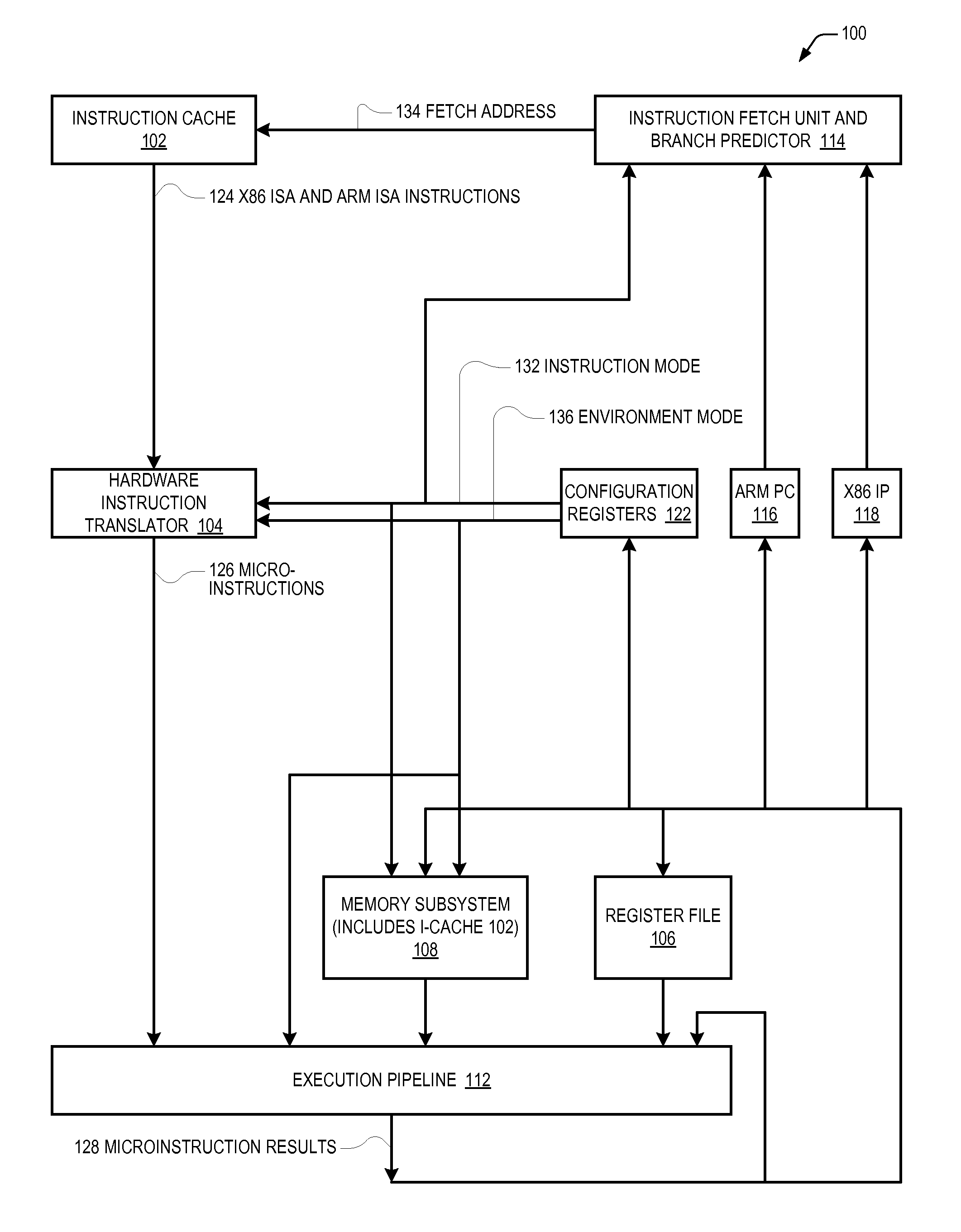
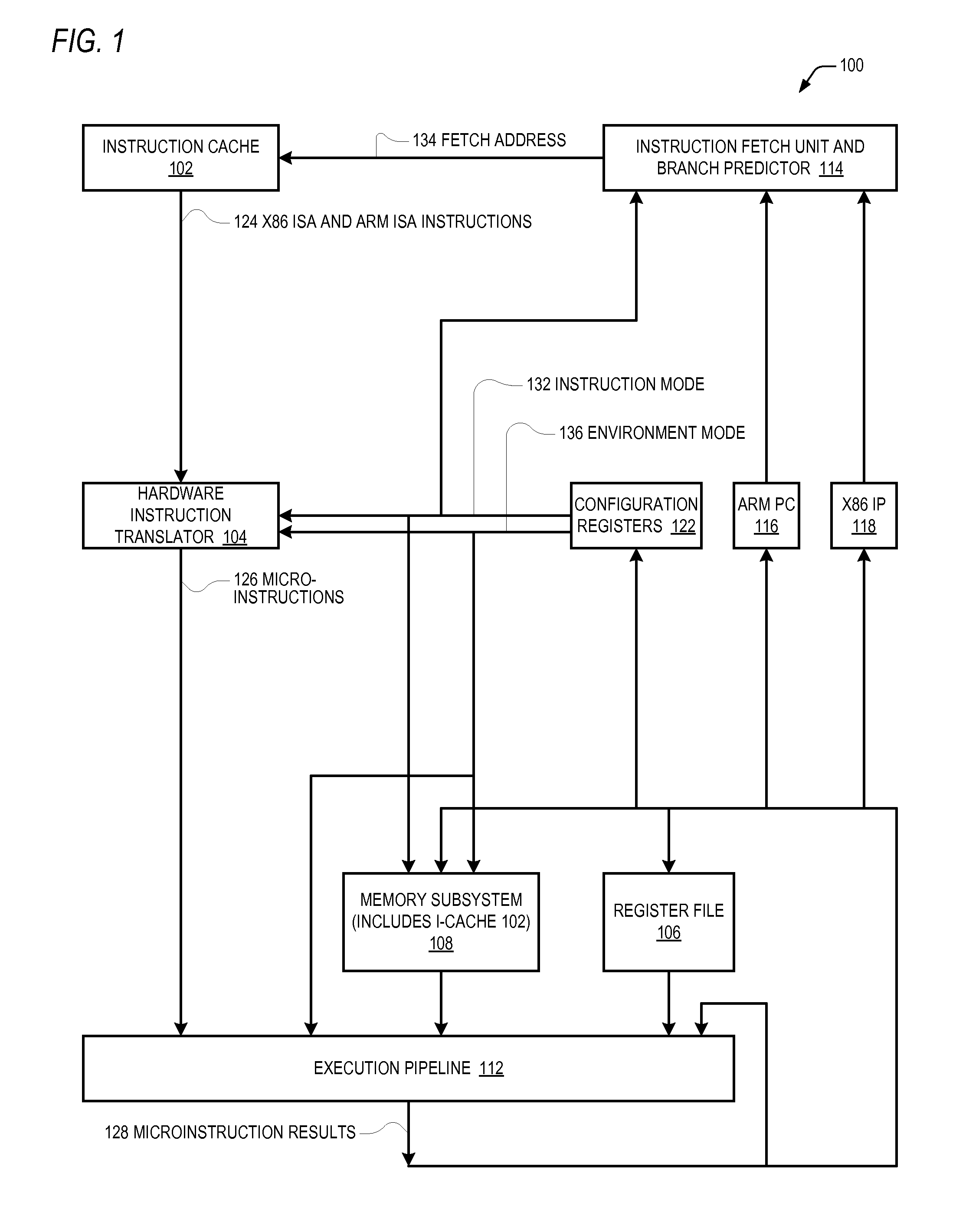
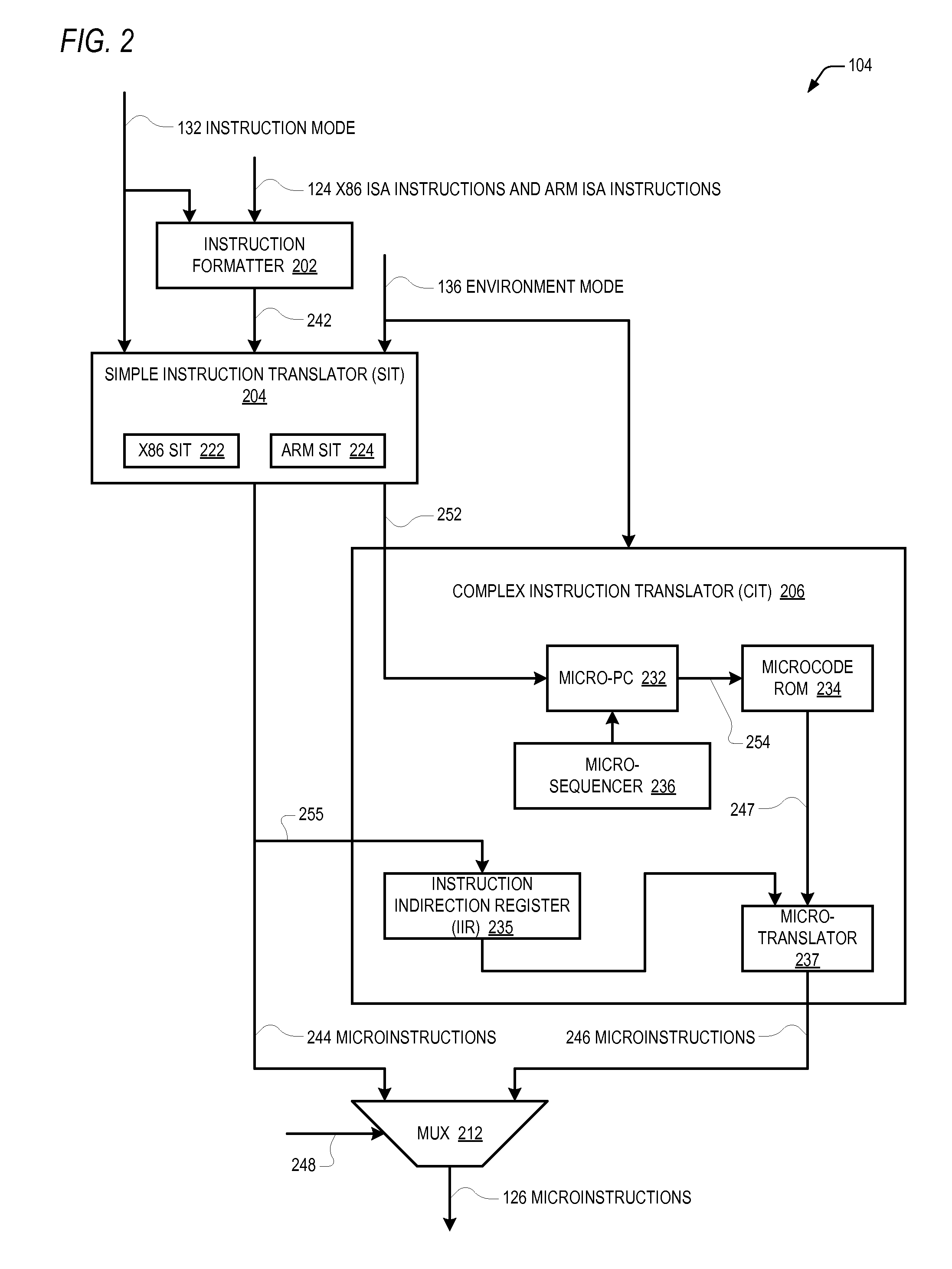
Microprocessor that performs x86 isa and arm isa machine language program instructions by hardware translation into microinstructions executed by common execution pipeline
PatentActiveUS20120260067A1
Innovation
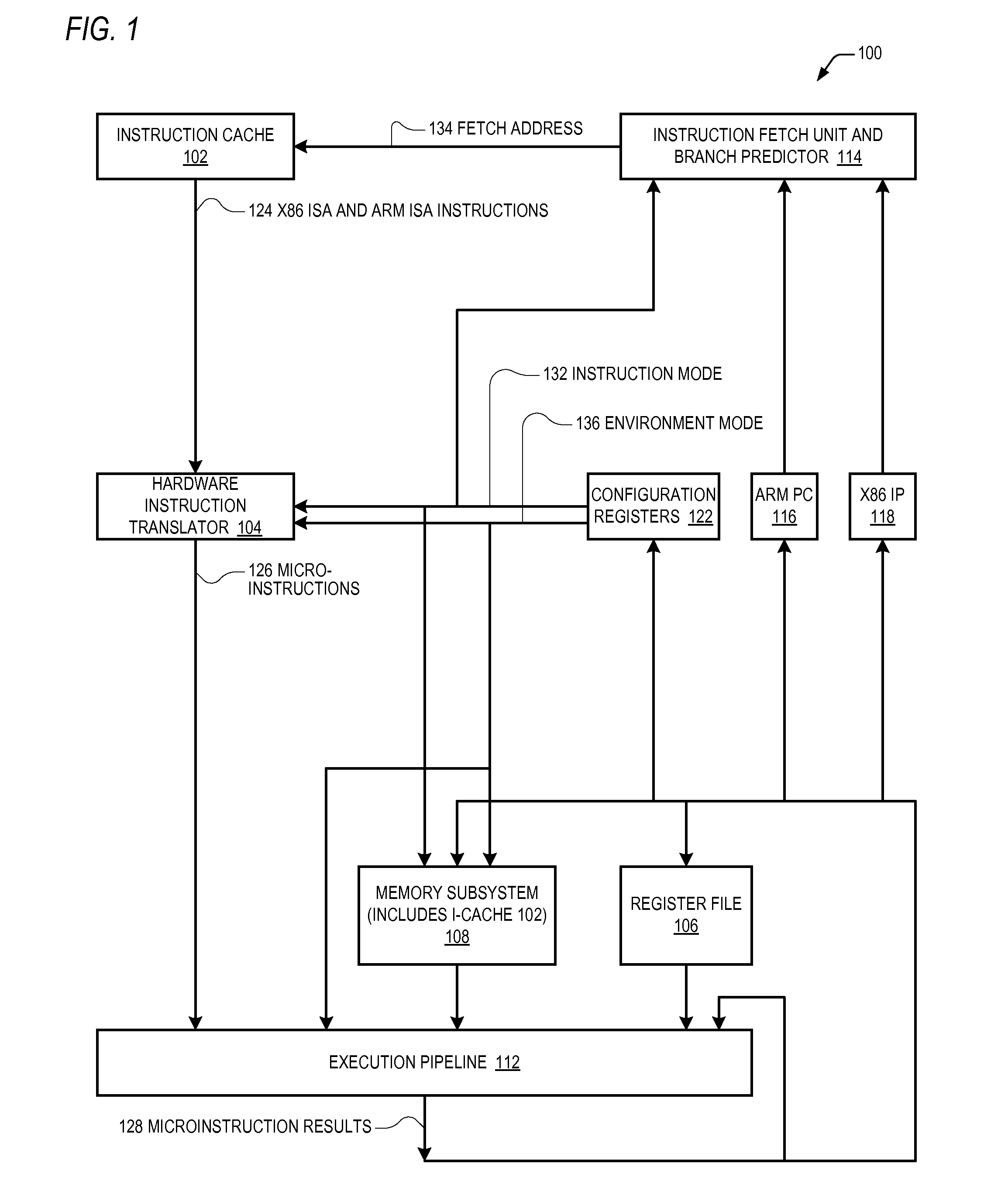
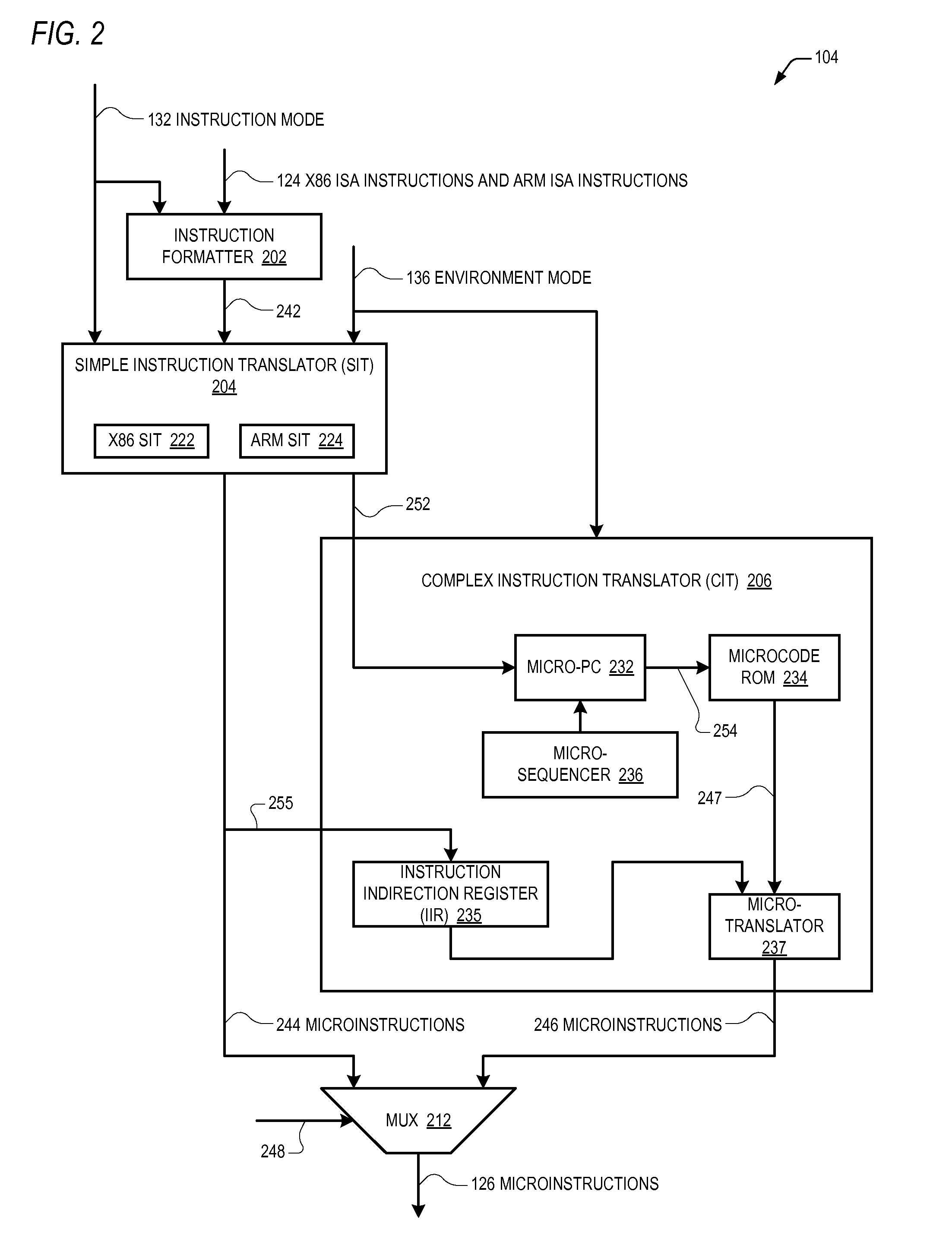
- A microprocessor design that includes a hardware instruction translator capable of translating both x86 and ARM instruction set architecture (ISA) machine language programs into microinstructions, which are then executed by a common execution pipeline, allowing the microprocessor to run both x86 ISA and ARM ISA machine language programs.

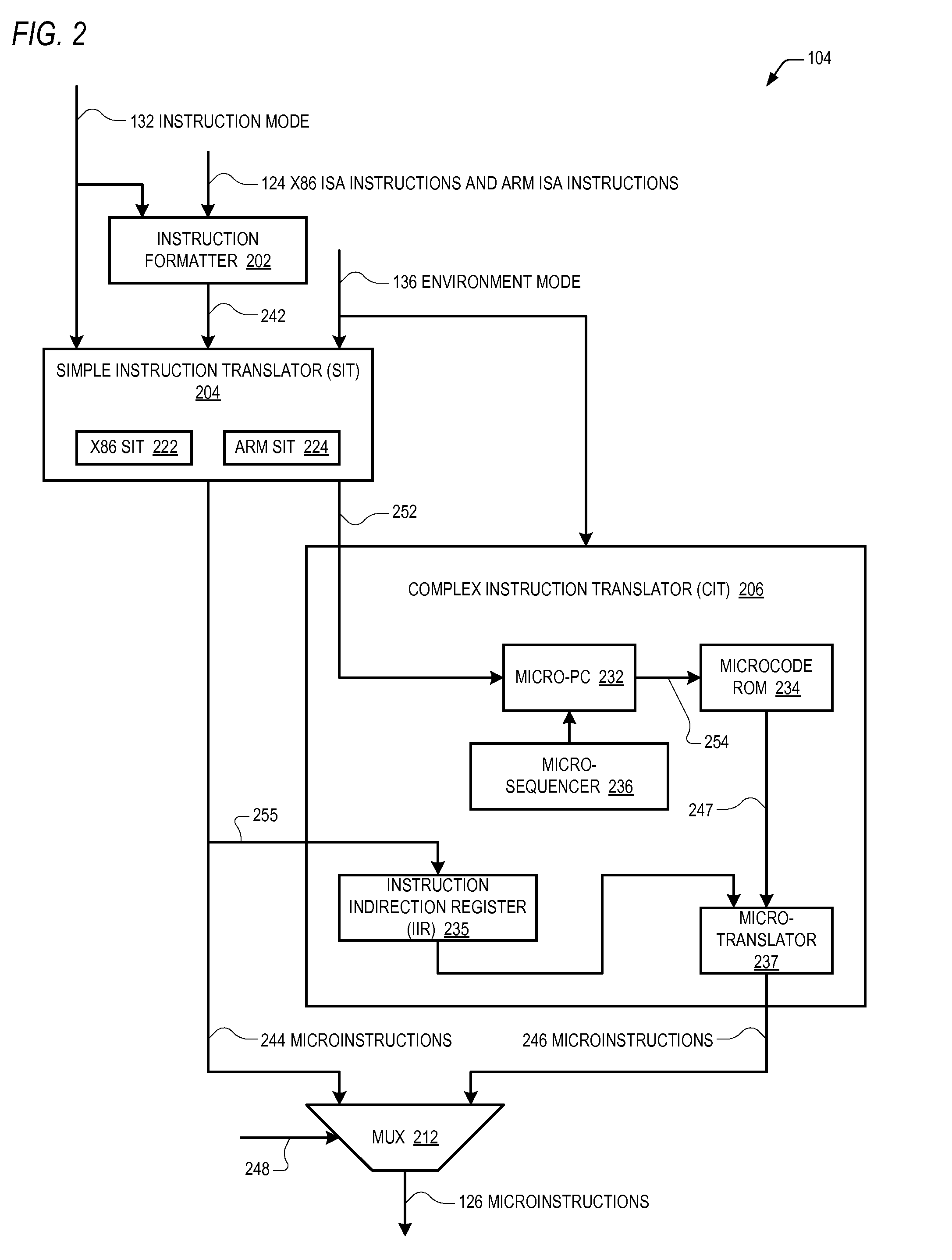
Multi-core microprocessor that performs x86 isa and arm isa machine language program instructions by hardware translation into microinstructions executed by common execution pipeline
PatentActiveUS20120260065A1
Innovation
- A multi-core processor design that includes hardware instruction translators to translate x86 and ARM instruction set architecture (ISA) machine language programs into microinstructions, which are then executed by a common execution pipeline, allowing the processor to run both x86 and ARM ISA programs.

Licensing and IP Cost Considerations
The licensing and intellectual property cost structure represents one of the most significant differentiators between ARM-based and proprietary system development approaches. ARM's licensing model operates on a tiered structure that includes upfront licensing fees, royalty payments per chip sold, and additional costs for premium IP blocks. The initial architecture license typically ranges from hundreds of thousands to several million dollars depending on the specific ARM core family and performance tier selected.
ARM's royalty structure generally falls between 1-2% of the average selling price of the final chip, creating a variable cost model that scales with production volume. This approach can be advantageous for low-volume applications but becomes increasingly expensive as production scales reach millions of units annually. Additionally, ARM charges separate licensing fees for advanced IP components such as GPU cores, neural processing units, and specialized accelerators, which can substantially increase the total IP cost burden.
Proprietary system development presents a fundamentally different cost profile with higher upfront investment requirements but potentially lower long-term expenses. Organizations pursuing proprietary architectures must invest heavily in initial design, verification, and validation processes, often requiring teams of dozens of engineers over multiple years. However, once developed, proprietary systems eliminate ongoing royalty obligations and provide complete control over IP evolution and optimization.
The total cost of ownership analysis reveals that ARM licensing becomes particularly expensive for high-volume consumer electronics, where royalty payments can accumulate to tens of millions of dollars annually. Conversely, specialized industrial applications with lower volumes may find ARM's licensing model more economically viable than developing proprietary solutions.
Patent landscape considerations add another layer of complexity, as both approaches must navigate existing IP portfolios. ARM provides some degree of patent protection through its licensing agreements, while proprietary developers must conduct extensive freedom-to-operate analyses and potentially negotiate separate patent licenses. The risk of patent litigation and associated legal costs can significantly impact the total IP investment required for either approach.
ARM's royalty structure generally falls between 1-2% of the average selling price of the final chip, creating a variable cost model that scales with production volume. This approach can be advantageous for low-volume applications but becomes increasingly expensive as production scales reach millions of units annually. Additionally, ARM charges separate licensing fees for advanced IP components such as GPU cores, neural processing units, and specialized accelerators, which can substantially increase the total IP cost burden.
Proprietary system development presents a fundamentally different cost profile with higher upfront investment requirements but potentially lower long-term expenses. Organizations pursuing proprietary architectures must invest heavily in initial design, verification, and validation processes, often requiring teams of dozens of engineers over multiple years. However, once developed, proprietary systems eliminate ongoing royalty obligations and provide complete control over IP evolution and optimization.
The total cost of ownership analysis reveals that ARM licensing becomes particularly expensive for high-volume consumer electronics, where royalty payments can accumulate to tens of millions of dollars annually. Conversely, specialized industrial applications with lower volumes may find ARM's licensing model more economically viable than developing proprietary solutions.
Patent landscape considerations add another layer of complexity, as both approaches must navigate existing IP portfolios. ARM provides some degree of patent protection through its licensing agreements, while proprietary developers must conduct extensive freedom-to-operate analyses and potentially negotiate separate patent licenses. The risk of patent litigation and associated legal costs can significantly impact the total IP investment required for either approach.
ROI Analysis Framework for Architecture Selection
The ROI analysis framework for ARM versus proprietary systems architecture selection requires a comprehensive evaluation methodology that encompasses both quantitative and qualitative metrics. This framework establishes systematic approaches to measure financial returns, operational efficiency gains, and strategic value creation across different architectural choices. The analysis must consider multiple time horizons, from immediate implementation costs to long-term scalability benefits, ensuring decision-makers have complete visibility into the total economic impact of their architecture selection.
Initial cost assessment forms the foundation of the ROI framework, encompassing licensing fees, development tools, training expenses, and infrastructure requirements. ARM-based solutions typically demonstrate lower upfront licensing costs due to their standardized royalty model, while proprietary systems often require substantial initial investments in specialized toolchains and development environments. The framework must quantify these differences across various project scales and complexity levels.
Development velocity metrics constitute a critical component, measuring time-to-market advantages and productivity gains. ARM's extensive ecosystem of pre-validated components, reference designs, and third-party IP accelerates development cycles significantly. The framework should capture these velocity improvements through metrics such as reduced prototype iterations, faster debugging cycles, and shortened validation periods, translating time savings into concrete financial benefits.
Operational cost analysis extends beyond initial development to encompass maintenance, updates, and lifecycle management expenses. ARM's standardized architecture enables broader talent pools and simplified maintenance procedures, reducing long-term operational overhead. Proprietary systems may incur higher ongoing costs due to specialized expertise requirements and limited vendor support options.
Risk assessment integration addresses technical, commercial, and strategic risks associated with each architectural choice. ARM's market-proven stability and extensive industry adoption reduce technical risks, while proprietary solutions may offer differentiation advantages but carry higher obsolescence risks. The framework must quantify these risk factors through probability-weighted cost scenarios and contingency planning requirements.
Scalability and flexibility considerations evaluate the architecture's ability to adapt to changing requirements and market conditions. ARM's modular ecosystem facilitates easier technology transitions and feature additions, providing measurable value through reduced redesign costs and faster market response capabilities. The ROI framework should incorporate these adaptability benefits through scenario-based projections and option value calculations.
Initial cost assessment forms the foundation of the ROI framework, encompassing licensing fees, development tools, training expenses, and infrastructure requirements. ARM-based solutions typically demonstrate lower upfront licensing costs due to their standardized royalty model, while proprietary systems often require substantial initial investments in specialized toolchains and development environments. The framework must quantify these differences across various project scales and complexity levels.
Development velocity metrics constitute a critical component, measuring time-to-market advantages and productivity gains. ARM's extensive ecosystem of pre-validated components, reference designs, and third-party IP accelerates development cycles significantly. The framework should capture these velocity improvements through metrics such as reduced prototype iterations, faster debugging cycles, and shortened validation periods, translating time savings into concrete financial benefits.
Operational cost analysis extends beyond initial development to encompass maintenance, updates, and lifecycle management expenses. ARM's standardized architecture enables broader talent pools and simplified maintenance procedures, reducing long-term operational overhead. Proprietary systems may incur higher ongoing costs due to specialized expertise requirements and limited vendor support options.
Risk assessment integration addresses technical, commercial, and strategic risks associated with each architectural choice. ARM's market-proven stability and extensive industry adoption reduce technical risks, while proprietary solutions may offer differentiation advantages but carry higher obsolescence risks. The framework must quantify these risk factors through probability-weighted cost scenarios and contingency planning requirements.
Scalability and flexibility considerations evaluate the architecture's ability to adapt to changing requirements and market conditions. ARM's modular ecosystem facilitates easier technology transitions and feature additions, providing measurable value through reduced redesign costs and faster market response capabilities. The ROI framework should incorporate these adaptability benefits through scenario-based projections and option value calculations.
Unlock deeper insights with PatSnap Eureka Quick Research — get a full tech report to explore trends and direct your research. Try now!
Generate Your Research Report Instantly with AI Agent
Supercharge your innovation with PatSnap Eureka AI Agent Platform!