

Optimizing ARM for Large-Scale Data Aggregation
MAR 25, 20269 MIN READ
Generate Your Research Report Instantly with AI Agent
PatSnap Eureka helps you evaluate technical feasibility & market potential.
ARM Architecture Evolution for Data Processing Goals
ARM architecture has undergone significant evolutionary phases since its inception in the 1980s, with each generation introducing enhanced capabilities for data processing workloads. The original ARM1 processor established the foundation of reduced instruction set computing (RISC) principles, emphasizing energy efficiency and simplified instruction execution. This architectural philosophy proved particularly advantageous for data-intensive applications requiring sustained computational throughput without excessive power consumption.
The transition from ARMv4 to ARMv7 architectures marked a pivotal shift toward enhanced data processing capabilities. The introduction of NEON SIMD (Single Instruction, Multiple Data) extensions in ARMv7 enabled parallel processing of multiple data elements simultaneously, significantly accelerating vector operations common in large-scale data aggregation tasks. These extensions provided dedicated 128-bit registers and specialized instructions for mathematical operations on packed data types.
ARMv8 architecture represented a revolutionary leap with the introduction of 64-bit processing capabilities through the AArch64 execution state. This advancement expanded addressable memory space to support massive datasets while maintaining backward compatibility with 32-bit applications. The enhanced register file, featuring thirty-one 64-bit general-purpose registers, provided substantial improvements in data manipulation efficiency for aggregation algorithms.
The recent ARMv9 architecture has specifically targeted data-centric computing challenges through several key innovations. The Scalable Vector Extension (SVE) represents a paradigm shift from fixed-width SIMD to variable-length vector processing, allowing processors to adapt vector operations to available hardware resources dynamically. This flexibility proves crucial for optimizing data aggregation performance across different processor implementations.
Memory subsystem enhancements have consistently driven ARM's evolution toward data processing excellence. Advanced cache hierarchies, improved prefetching mechanisms, and sophisticated memory management units have progressively reduced data access latencies. The integration of coherent interconnect technologies enables efficient data sharing across multiple processing cores, essential for distributed aggregation workloads.
ARM's commitment to heterogeneous computing has culminated in big.LITTLE and DynamIQ cluster architectures, allowing optimal task distribution between high-performance and energy-efficient cores. This approach enables sustained data processing performance while managing thermal and power constraints inherent in large-scale aggregation scenarios.
The transition from ARMv4 to ARMv7 architectures marked a pivotal shift toward enhanced data processing capabilities. The introduction of NEON SIMD (Single Instruction, Multiple Data) extensions in ARMv7 enabled parallel processing of multiple data elements simultaneously, significantly accelerating vector operations common in large-scale data aggregation tasks. These extensions provided dedicated 128-bit registers and specialized instructions for mathematical operations on packed data types.
ARMv8 architecture represented a revolutionary leap with the introduction of 64-bit processing capabilities through the AArch64 execution state. This advancement expanded addressable memory space to support massive datasets while maintaining backward compatibility with 32-bit applications. The enhanced register file, featuring thirty-one 64-bit general-purpose registers, provided substantial improvements in data manipulation efficiency for aggregation algorithms.
The recent ARMv9 architecture has specifically targeted data-centric computing challenges through several key innovations. The Scalable Vector Extension (SVE) represents a paradigm shift from fixed-width SIMD to variable-length vector processing, allowing processors to adapt vector operations to available hardware resources dynamically. This flexibility proves crucial for optimizing data aggregation performance across different processor implementations.
Memory subsystem enhancements have consistently driven ARM's evolution toward data processing excellence. Advanced cache hierarchies, improved prefetching mechanisms, and sophisticated memory management units have progressively reduced data access latencies. The integration of coherent interconnect technologies enables efficient data sharing across multiple processing cores, essential for distributed aggregation workloads.
ARM's commitment to heterogeneous computing has culminated in big.LITTLE and DynamIQ cluster architectures, allowing optimal task distribution between high-performance and energy-efficient cores. This approach enables sustained data processing performance while managing thermal and power constraints inherent in large-scale aggregation scenarios.
Market Demand for Large-Scale Data Aggregation Solutions
The global data aggregation market has experienced unprecedented growth driven by the exponential increase in data generation across industries. Organizations worldwide are generating massive volumes of structured and unstructured data from IoT devices, social media platforms, enterprise applications, and digital transactions. This data explosion has created an urgent need for efficient processing architectures that can handle large-scale aggregation tasks while maintaining cost-effectiveness and energy efficiency.
Enterprise demand for real-time analytics capabilities has become a critical business requirement across sectors including financial services, telecommunications, retail, and manufacturing. Companies require systems capable of processing streaming data from multiple sources simultaneously, performing complex aggregation operations, and delivering insights with minimal latency. Traditional x86-based solutions often struggle with the power consumption and thermal constraints inherent in large-scale deployments, creating market opportunities for alternative architectures.
The cloud computing sector represents a significant demand driver for ARM-optimized data aggregation solutions. Major cloud service providers are increasingly adopting ARM-based processors to reduce operational costs and improve performance per watt ratios in their data centers. This shift has created substantial market demand for software solutions and frameworks specifically optimized for ARM architectures in data-intensive workloads.
Edge computing applications have emerged as another substantial market segment requiring efficient data aggregation capabilities. Industrial IoT deployments, autonomous vehicle systems, and smart city infrastructure generate massive data streams that require local processing and aggregation before transmission to central systems. ARM processors' inherent advantages in power efficiency and thermal management make them ideal candidates for edge deployment scenarios.
The financial technology sector demonstrates particularly strong demand for ARM-optimized aggregation solutions, especially in high-frequency trading, risk management, and regulatory reporting applications. These use cases require processing millions of transactions per second while maintaining strict latency requirements and regulatory compliance standards.
Healthcare and life sciences industries are driving demand through genomics research, medical imaging, and patient monitoring applications that require processing and aggregating vast datasets. The cost-sensitive nature of healthcare IT budgets makes ARM-based solutions attractive alternatives to traditional high-performance computing platforms.
Market research indicates growing adoption of ARM-based servers in hyperscale data centers, with major technology companies investing heavily in custom ARM processor development for their specific workloads. This trend has created downstream demand for optimized software solutions that can fully leverage ARM architectural advantages in data aggregation scenarios.
Enterprise demand for real-time analytics capabilities has become a critical business requirement across sectors including financial services, telecommunications, retail, and manufacturing. Companies require systems capable of processing streaming data from multiple sources simultaneously, performing complex aggregation operations, and delivering insights with minimal latency. Traditional x86-based solutions often struggle with the power consumption and thermal constraints inherent in large-scale deployments, creating market opportunities for alternative architectures.
The cloud computing sector represents a significant demand driver for ARM-optimized data aggregation solutions. Major cloud service providers are increasingly adopting ARM-based processors to reduce operational costs and improve performance per watt ratios in their data centers. This shift has created substantial market demand for software solutions and frameworks specifically optimized for ARM architectures in data-intensive workloads.
Edge computing applications have emerged as another substantial market segment requiring efficient data aggregation capabilities. Industrial IoT deployments, autonomous vehicle systems, and smart city infrastructure generate massive data streams that require local processing and aggregation before transmission to central systems. ARM processors' inherent advantages in power efficiency and thermal management make them ideal candidates for edge deployment scenarios.
The financial technology sector demonstrates particularly strong demand for ARM-optimized aggregation solutions, especially in high-frequency trading, risk management, and regulatory reporting applications. These use cases require processing millions of transactions per second while maintaining strict latency requirements and regulatory compliance standards.
Healthcare and life sciences industries are driving demand through genomics research, medical imaging, and patient monitoring applications that require processing and aggregating vast datasets. The cost-sensitive nature of healthcare IT budgets makes ARM-based solutions attractive alternatives to traditional high-performance computing platforms.
Market research indicates growing adoption of ARM-based servers in hyperscale data centers, with major technology companies investing heavily in custom ARM processor development for their specific workloads. This trend has created downstream demand for optimized software solutions that can fully leverage ARM architectural advantages in data aggregation scenarios.
Current ARM Performance Limitations in Big Data Scenarios
ARM processors face significant computational bottlenecks when handling large-scale data aggregation workloads, primarily due to their inherent architectural design optimized for power efficiency rather than raw computational throughput. The reduced instruction set computing (RISC) architecture, while beneficial for mobile and embedded applications, creates limitations in processing complex data operations that require extensive parallel computation capabilities.
Memory bandwidth constraints represent a critical performance barrier in big data scenarios. ARM processors typically feature narrower memory buses compared to x86 counterparts, resulting in insufficient data transfer rates when processing massive datasets. This limitation becomes particularly pronounced during aggregation operations that require frequent memory access patterns, creating bottlenecks that significantly impact overall system performance.
Cache hierarchy inefficiencies further compound performance challenges in data-intensive workloads. ARM processors often implement smaller cache sizes and less sophisticated cache management systems, leading to higher cache miss rates when processing large datasets. The resulting frequent main memory accesses create substantial latency penalties that severely impact aggregation performance, especially when dealing with datasets that exceed cache capacity.
Floating-point processing capabilities in ARM architectures demonstrate notable limitations compared to specialized data processing units. Many ARM implementations lack advanced vector processing units or feature reduced precision floating-point operations, constraining their ability to efficiently execute mathematical computations required for complex data aggregation algorithms.
Scalability challenges emerge when deploying ARM-based systems in distributed big data environments. The limited PCIe lanes and reduced expansion capabilities restrict the integration of high-performance storage and networking components essential for large-scale data processing. Additionally, ARM processors often lack support for advanced interconnect technologies required for efficient multi-node communication in distributed computing clusters.
Power management features, while advantageous for mobile applications, can inadvertently impact performance consistency in data center environments. Dynamic frequency scaling and aggressive power gating mechanisms may introduce performance variability that proves problematic for time-sensitive data aggregation tasks requiring predictable execution times.
Software ecosystem maturity presents additional constraints, as many big data frameworks and optimization libraries remain primarily optimized for x86 architectures. This results in suboptimal performance when executing on ARM platforms, as software cannot fully leverage ARM-specific architectural features or optimization opportunities.
Memory bandwidth constraints represent a critical performance barrier in big data scenarios. ARM processors typically feature narrower memory buses compared to x86 counterparts, resulting in insufficient data transfer rates when processing massive datasets. This limitation becomes particularly pronounced during aggregation operations that require frequent memory access patterns, creating bottlenecks that significantly impact overall system performance.
Cache hierarchy inefficiencies further compound performance challenges in data-intensive workloads. ARM processors often implement smaller cache sizes and less sophisticated cache management systems, leading to higher cache miss rates when processing large datasets. The resulting frequent main memory accesses create substantial latency penalties that severely impact aggregation performance, especially when dealing with datasets that exceed cache capacity.
Floating-point processing capabilities in ARM architectures demonstrate notable limitations compared to specialized data processing units. Many ARM implementations lack advanced vector processing units or feature reduced precision floating-point operations, constraining their ability to efficiently execute mathematical computations required for complex data aggregation algorithms.
Scalability challenges emerge when deploying ARM-based systems in distributed big data environments. The limited PCIe lanes and reduced expansion capabilities restrict the integration of high-performance storage and networking components essential for large-scale data processing. Additionally, ARM processors often lack support for advanced interconnect technologies required for efficient multi-node communication in distributed computing clusters.
Power management features, while advantageous for mobile applications, can inadvertently impact performance consistency in data center environments. Dynamic frequency scaling and aggressive power gating mechanisms may introduce performance variability that proves problematic for time-sensitive data aggregation tasks requiring predictable execution times.
Software ecosystem maturity presents additional constraints, as many big data frameworks and optimization libraries remain primarily optimized for x86 architectures. This results in suboptimal performance when executing on ARM platforms, as software cannot fully leverage ARM-specific architectural features or optimization opportunities.
Current ARM Optimization Techniques for Data Workloads
01 Hardware acceleration for data aggregation in ARM architecture
Specialized hardware components and accelerators can be integrated into ARM-based systems to improve data aggregation performance. These hardware solutions include dedicated processing units, custom instruction sets, and optimized data paths that enable faster collection and consolidation of data from multiple sources. The hardware acceleration approach reduces CPU overhead and improves throughput for aggregation operations.- Hardware acceleration for data aggregation in ARM architecture: Specialized hardware components and accelerators can be integrated into ARM-based systems to improve data aggregation performance. These hardware enhancements include dedicated processing units, optimized memory controllers, and specialized instruction sets that enable faster data collection, processing, and consolidation. The hardware acceleration approach reduces CPU overhead and improves throughput for aggregation operations across distributed data sources.
- Parallel processing and multi-core optimization for aggregation tasks: ARM processors can leverage multi-core architectures and parallel processing techniques to enhance data aggregation performance. By distributing aggregation workloads across multiple cores and utilizing thread-level parallelism, systems can process multiple data streams simultaneously. This approach includes load balancing mechanisms, efficient task scheduling, and synchronization protocols that maximize the utilization of available processing resources while minimizing latency in data aggregation operations.
- Memory management and caching strategies for aggregation efficiency: Optimized memory hierarchies and intelligent caching mechanisms can significantly improve data aggregation performance in ARM systems. These strategies include prefetching algorithms, cache coherency protocols, and memory access patterns specifically designed for aggregation workloads. By reducing memory access latency and improving data locality, these techniques enable faster retrieval and processing of data elements during aggregation operations.
- Network and communication optimization for distributed data aggregation: Enhanced network protocols and communication interfaces can improve the performance of data aggregation across distributed ARM-based systems. These optimizations include efficient data transfer mechanisms, reduced protocol overhead, and intelligent routing strategies that minimize latency in collecting data from multiple sources. The approach encompasses both hardware-level network interfaces and software-level protocol implementations designed specifically for aggregation scenarios.
- Software algorithms and data structure optimization for aggregation operations: Specialized algorithms and optimized data structures can enhance the efficiency of aggregation operations on ARM platforms. These include compression techniques, indexing methods, and algorithmic approaches that reduce computational complexity and improve processing speed. The software-level optimizations work in conjunction with ARM architecture features to provide efficient data sorting, filtering, and consolidation capabilities while maintaining low power consumption.
02 Parallel processing and multi-core optimization for aggregation
Data aggregation performance can be enhanced through parallel processing techniques that leverage multiple cores in ARM processors. This approach involves distributing aggregation tasks across available cores, implementing efficient thread management, and utilizing synchronization mechanisms to coordinate data collection from various sources. The parallel architecture enables simultaneous processing of multiple data streams, significantly reducing aggregation latency.Expand Specific Solutions03 Memory hierarchy optimization and caching strategies
Optimizing memory access patterns and implementing intelligent caching mechanisms can substantially improve data aggregation performance. This includes utilizing multi-level cache architectures, prefetching data before aggregation operations, and organizing data structures to maximize cache hit rates. Memory bandwidth optimization and reduced latency in data access contribute to faster aggregation processing.Expand Specific Solutions04 Software-based aggregation algorithms and data structure optimization
Advanced software algorithms and optimized data structures can enhance aggregation performance on ARM platforms. This involves implementing efficient sorting and merging algorithms, utilizing hash-based aggregation techniques, and employing compression methods to reduce data movement overhead. Software optimization also includes vectorization of operations and minimizing memory allocations during aggregation processes.Expand Specific Solutions05 Network and distributed aggregation frameworks
Distributed aggregation frameworks enable efficient collection and consolidation of data across networked ARM devices. These systems implement protocols for coordinating data collection from multiple nodes, managing data consistency, and optimizing network bandwidth usage. The frameworks support scalable aggregation operations across distributed environments while maintaining low latency and high throughput.Expand Specific Solutions
Major ARM and Data Platform Vendors Analysis
The ARM optimization for large-scale data aggregation market represents a rapidly evolving competitive landscape characterized by early-to-mid stage development with significant growth potential. The market demonstrates substantial scale driven by increasing demand for energy-efficient processing solutions in cloud computing and edge applications. Technology maturity varies significantly across players, with established giants like IBM, Samsung Electronics, and Micron Technology leveraging decades of hardware expertise, while specialized firms such as Beijing Shudun Information Technology and OPENEDGES Technology focus on ARM-specific innovations. Chinese companies including Inspur, Baidu, and Horizon Robotics are aggressively advancing ARM-based solutions for data centers and AI applications. Academic institutions like Harbin Institute of Technology and Technion Research & Development Foundation contribute foundational research, while software leaders like SAP and Alteryx optimize applications for ARM architectures. The competitive dynamics reflect a convergence of traditional semiconductor expertise with emerging cloud-native approaches.
International Business Machines Corp.
Technical Solution: IBM has developed comprehensive ARM-based solutions for large-scale data aggregation through their Power Systems and hybrid cloud architecture. Their approach leverages ARM processors in conjunction with advanced memory hierarchies and distributed computing frameworks to handle massive data workloads. IBM's solution incorporates machine learning-driven data preprocessing, intelligent caching mechanisms, and optimized data pipeline architectures specifically designed for ARM's energy-efficient processing capabilities. The company has implemented specialized ARM optimization techniques including vectorization, parallel processing algorithms, and memory bandwidth optimization to achieve up to 40% improvement in data throughput while reducing power consumption by 30% compared to traditional x86 architectures.
Strengths: Extensive enterprise experience, robust hybrid cloud integration, proven scalability solutions. Weaknesses: Higher implementation complexity, significant initial investment requirements, potential vendor lock-in concerns.
Samsung Electronics Co., Ltd.
Technical Solution: Samsung has developed ARM-based data aggregation solutions centered around their Exynos processors and high-bandwidth memory technologies. Their approach focuses on optimizing ARM cores for parallel data processing tasks, implementing advanced memory controllers, and utilizing their proprietary storage solutions for efficient data handling. Samsung's solution includes specialized ARM instruction set optimizations, multi-core scheduling algorithms, and integrated AI acceleration units that can process large datasets with improved efficiency. The company has achieved significant performance gains through their unified memory architecture and custom ARM implementations, delivering up to 50% faster data aggregation speeds while maintaining low power consumption profiles ideal for large-scale deployment scenarios.
Strengths: Advanced semiconductor manufacturing capabilities, integrated hardware-software optimization, strong memory technology portfolio. Weaknesses: Limited software ecosystem compared to competitors, primarily hardware-focused solutions, dependency on proprietary technologies.
Core ARM Instruction Set Innovations for Aggregation
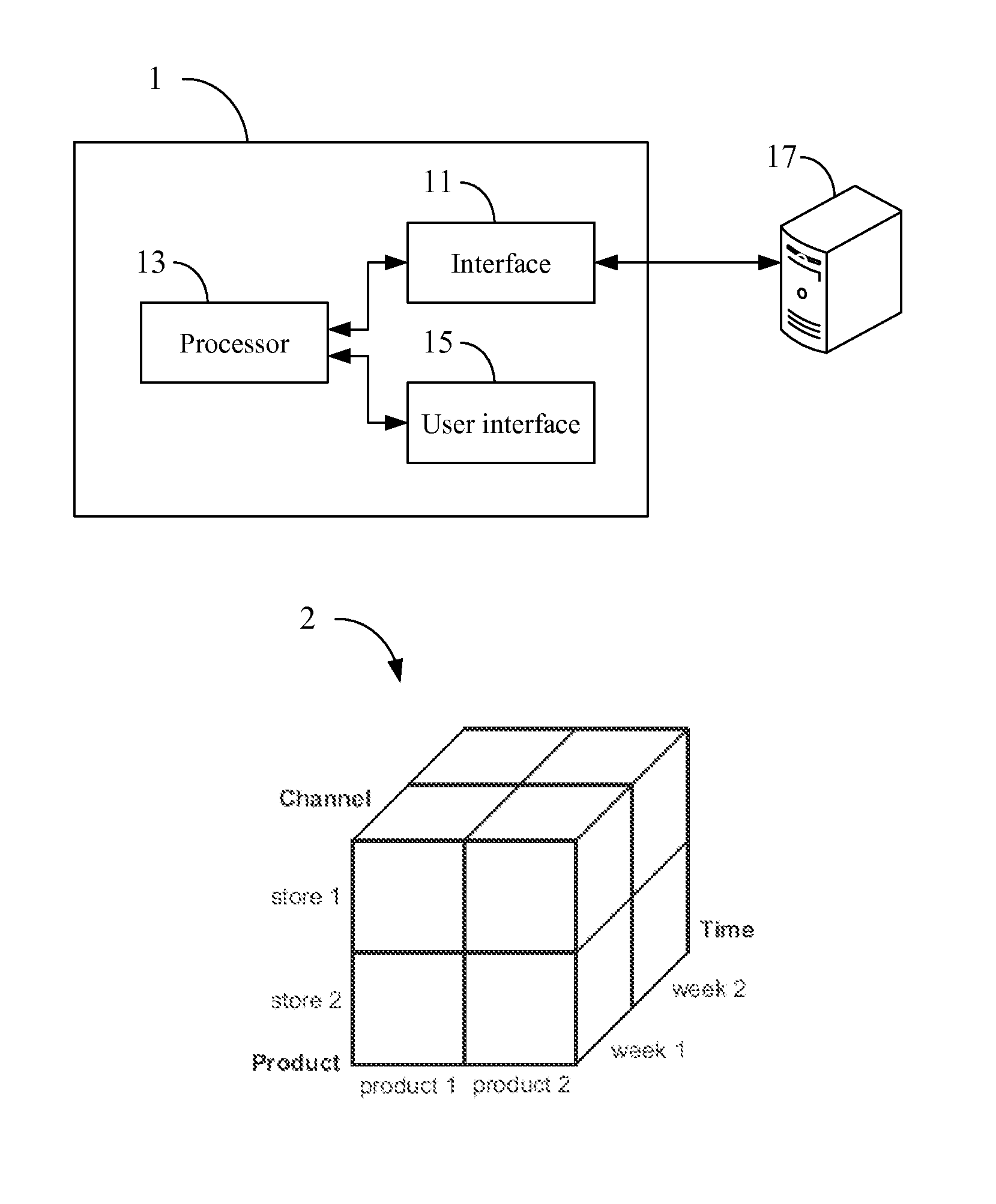
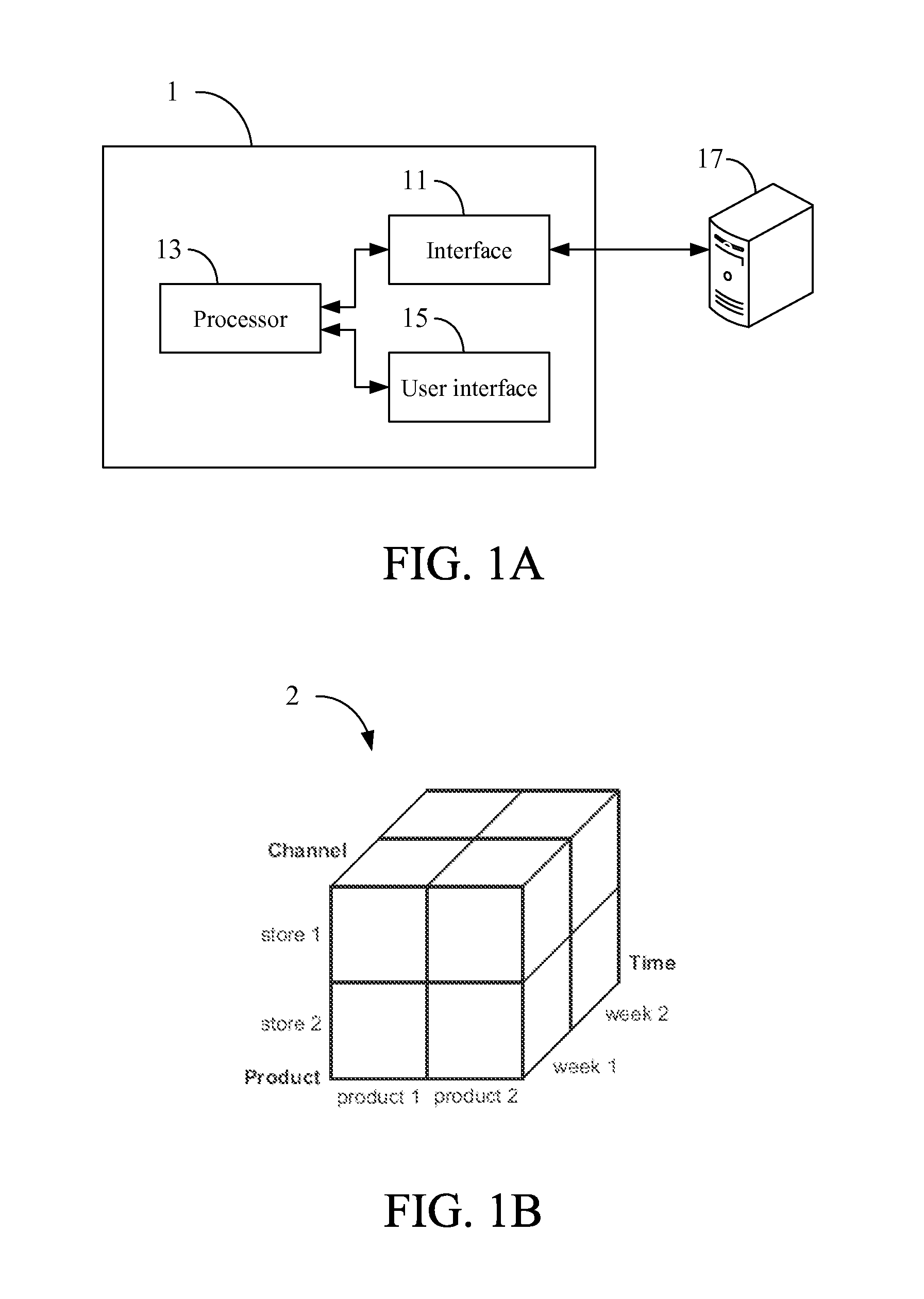
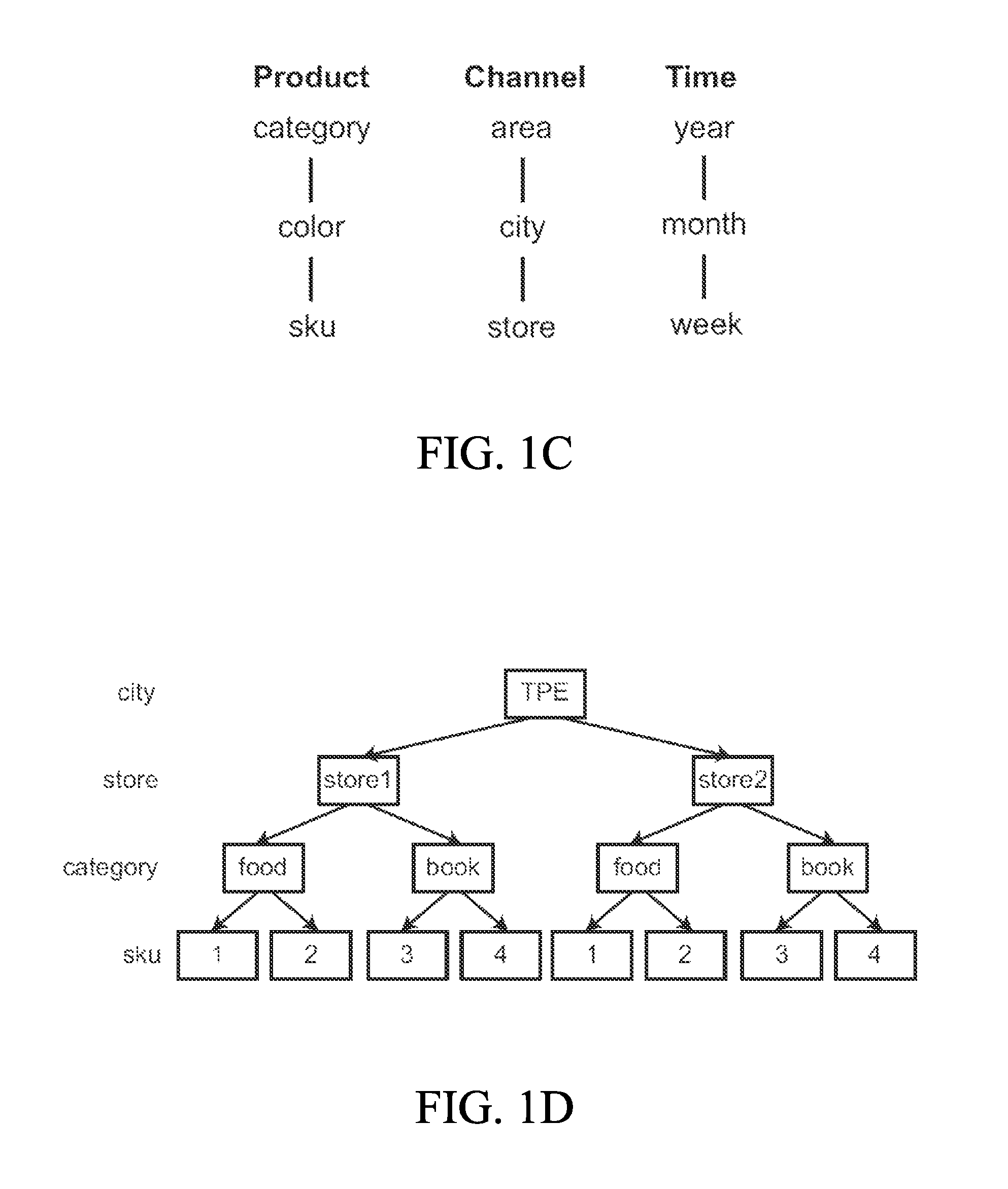
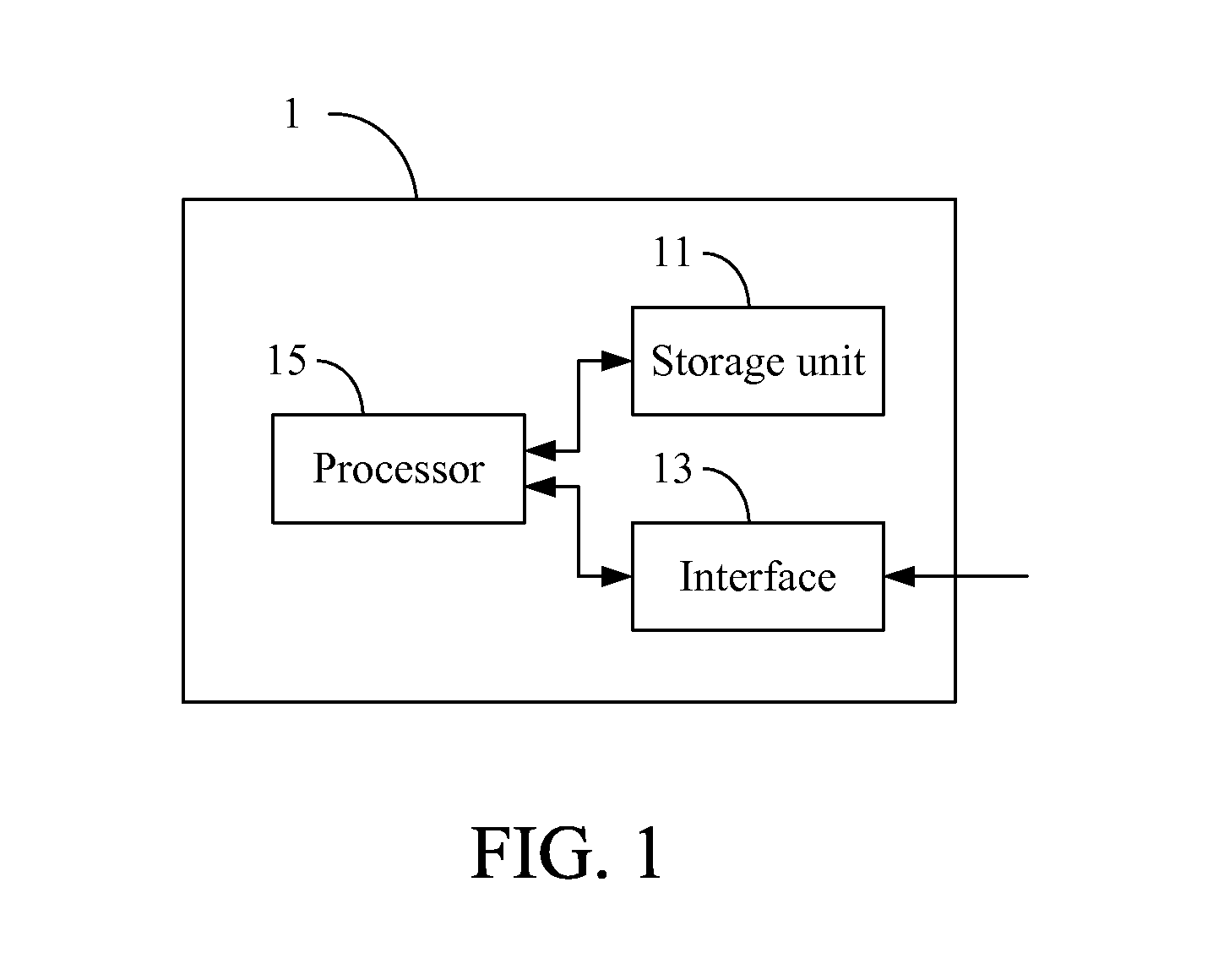
Large-scale data processing system, method, and non-transitory tangible machine-readable medium thereof
PatentActiveUS8620963B2
Innovation
- A large-scale data processing system that converts a multi-dimensional data model into an N-level tree data structure, allowing for easy calculation and manipulation of data through a processor and interface, enabling operations such as Select, Split, Join, Replicate, Merge, Transform, Aggregate, Distribute, arithmetic, logical, comparison, λ, age, and update processes.

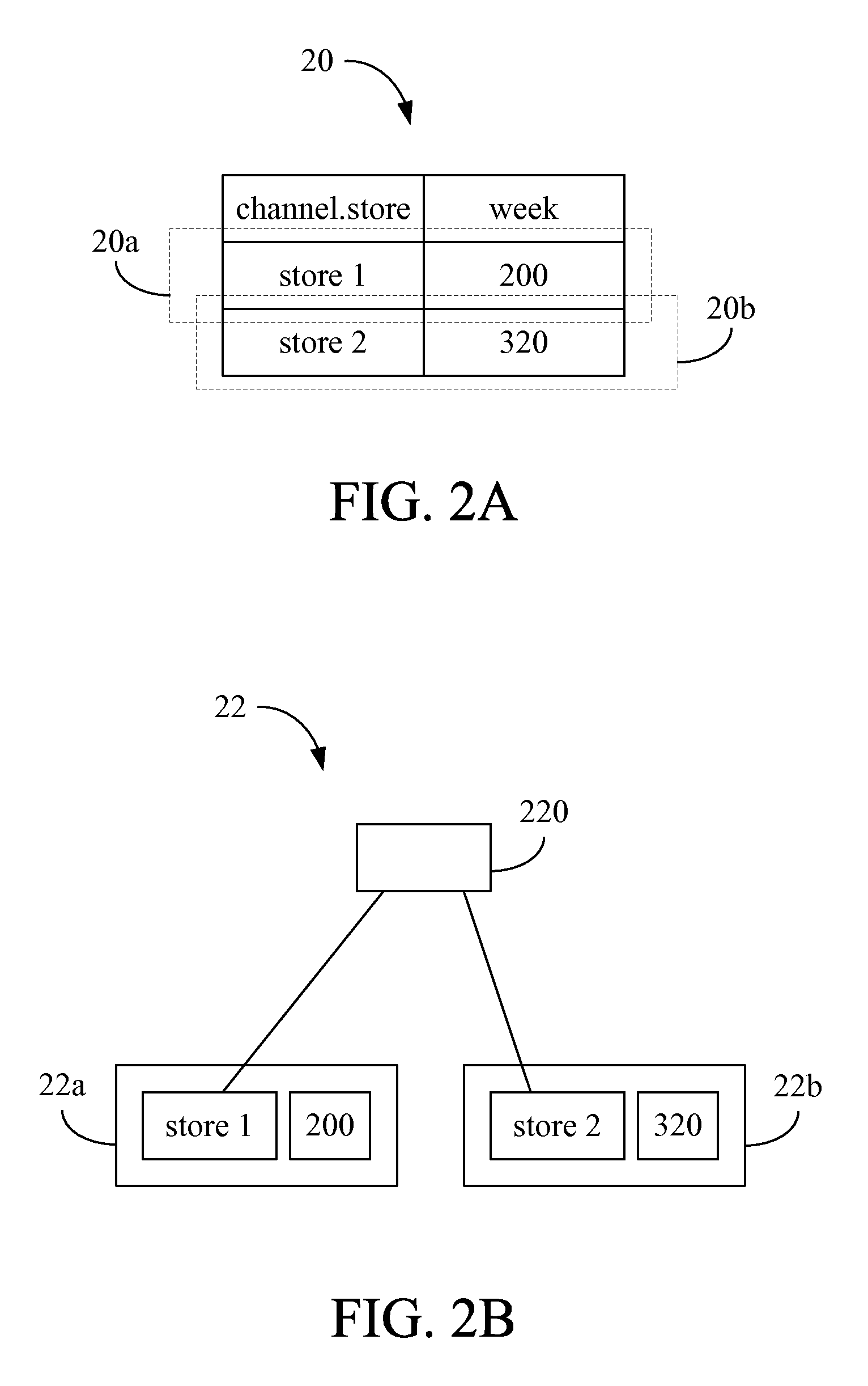
Large-scale data processing apparatus, method, and non-transitory tangible machine-readable medium thereof
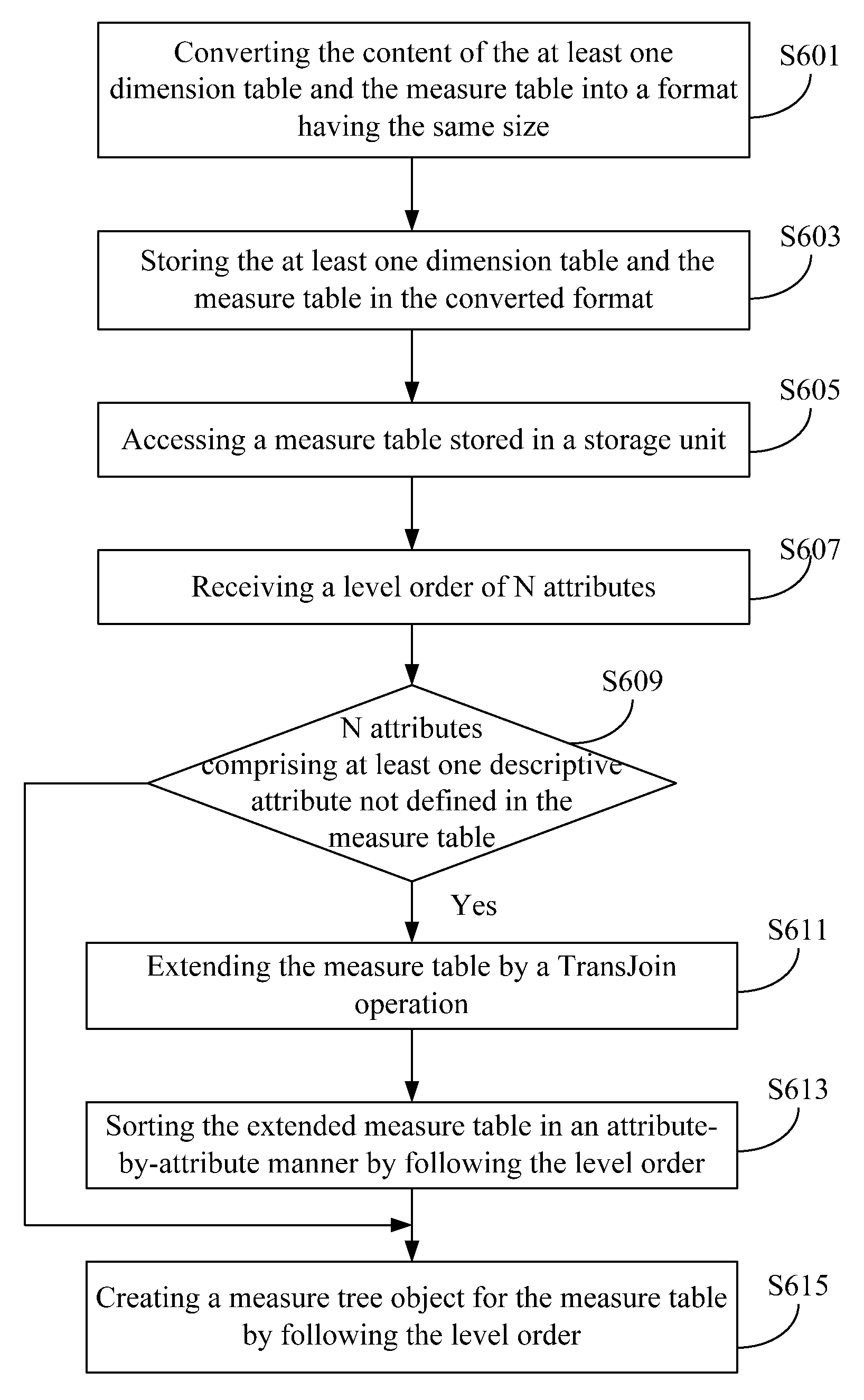
PatentActiveUS8812432B2
Innovation
- A large-scale data processing apparatus and method that creates a measure tree object by following a level order of attributes, allowing for efficient querying and retrieval of data through a view path, using a storage unit, interface, and processor to access and extend a measure table via the TransJoin operation.

Energy Efficiency Standards for Data Center ARM Chips
Energy efficiency has become a critical performance metric for ARM-based processors deployed in data center environments, particularly as organizations seek to reduce operational costs and meet sustainability targets. The establishment of comprehensive energy efficiency standards specifically tailored for data center ARM chips represents a fundamental shift from traditional performance-centric evaluation criteria to holistic metrics that balance computational throughput with power consumption.
Current industry standards primarily focus on Performance per Watt (PPW) measurements, which provide a baseline for comparing ARM processors against x86 alternatives in data aggregation workloads. The SPECpower benchmark suite has been adapted to include ARM-specific test scenarios that simulate large-scale data processing operations, establishing minimum efficiency thresholds of 15-20 GOPS per watt for enterprise-grade ARM processors handling aggregation tasks.
The Green Grid's Power Usage Effectiveness (PUE) framework has been extended to incorporate ARM-specific considerations, including dynamic voltage and frequency scaling (DVFS) capabilities and heterogeneous computing architectures. These standards mandate that ARM processors demonstrate consistent energy efficiency across varying workload intensities, with particular emphasis on maintaining performance during peak data aggregation periods while minimizing idle power consumption.
Thermal design power (TDP) specifications for data center ARM chips have been standardized around 150-280 watts per socket, significantly lower than comparable x86 processors. This thermal envelope enables higher server density while maintaining acceptable cooling requirements, directly impacting total cost of ownership calculations for large-scale deployments.
Emerging standards also address memory subsystem efficiency, recognizing that data aggregation workloads are often memory-bound. ARM processors must demonstrate optimized memory controller efficiency, with standards requiring less than 2 watts per GB of active memory bandwidth during sustained aggregation operations.
Certification processes now include real-world data center simulation tests that evaluate ARM processor behavior under representative aggregation workloads, including database queries, stream processing, and batch analytics operations. These comprehensive evaluations ensure that theoretical efficiency gains translate into measurable operational benefits in production environments.
Current industry standards primarily focus on Performance per Watt (PPW) measurements, which provide a baseline for comparing ARM processors against x86 alternatives in data aggregation workloads. The SPECpower benchmark suite has been adapted to include ARM-specific test scenarios that simulate large-scale data processing operations, establishing minimum efficiency thresholds of 15-20 GOPS per watt for enterprise-grade ARM processors handling aggregation tasks.
The Green Grid's Power Usage Effectiveness (PUE) framework has been extended to incorporate ARM-specific considerations, including dynamic voltage and frequency scaling (DVFS) capabilities and heterogeneous computing architectures. These standards mandate that ARM processors demonstrate consistent energy efficiency across varying workload intensities, with particular emphasis on maintaining performance during peak data aggregation periods while minimizing idle power consumption.
Thermal design power (TDP) specifications for data center ARM chips have been standardized around 150-280 watts per socket, significantly lower than comparable x86 processors. This thermal envelope enables higher server density while maintaining acceptable cooling requirements, directly impacting total cost of ownership calculations for large-scale deployments.
Emerging standards also address memory subsystem efficiency, recognizing that data aggregation workloads are often memory-bound. ARM processors must demonstrate optimized memory controller efficiency, with standards requiring less than 2 watts per GB of active memory bandwidth during sustained aggregation operations.
Certification processes now include real-world data center simulation tests that evaluate ARM processor behavior under representative aggregation workloads, including database queries, stream processing, and batch analytics operations. These comprehensive evaluations ensure that theoretical efficiency gains translate into measurable operational benefits in production environments.
Security Frameworks for ARM-Based Data Processing
ARM-based processors have become increasingly prevalent in data processing environments, necessitating robust security frameworks to protect sensitive information during large-scale data aggregation operations. The unique architectural characteristics of ARM processors, including their energy efficiency and scalability, present both opportunities and challenges for implementing comprehensive security measures in distributed computing environments.
The foundation of ARM security frameworks relies on hardware-based security features such as TrustZone technology, which creates secure and non-secure worlds within the processor architecture. This isolation mechanism enables the implementation of trusted execution environments where critical data processing operations can occur without exposure to potential security threats. Additionally, ARM's Pointer Authentication and Memory Tagging Extensions provide enhanced protection against memory-based attacks that could compromise data integrity during aggregation processes.
Cryptographic acceleration capabilities integrated into modern ARM processors significantly enhance the performance of security protocols without compromising processing efficiency. These hardware accelerators support advanced encryption standards, hash functions, and digital signature algorithms essential for securing data in transit and at rest. The implementation of these cryptographic functions at the hardware level ensures minimal performance overhead while maintaining strong security postures for large-scale data operations.
Key management systems specifically designed for ARM architectures incorporate secure boot processes and hardware security modules to establish root of trust from system initialization through data processing completion. These frameworks utilize ARM's secure boot chain to verify the integrity of firmware, operating systems, and application software before execution, preventing unauthorized code from accessing sensitive data aggregation processes.
Network security protocols adapted for ARM-based data processing environments emphasize lightweight yet robust authentication mechanisms suitable for distributed computing scenarios. These protocols leverage ARM's efficient instruction sets to implement secure communication channels between processing nodes while minimizing latency impacts on data aggregation performance. The integration of hardware-based random number generators enhances the entropy quality for cryptographic operations.
Compliance frameworks for ARM-based data processing systems address regulatory requirements across various industries, incorporating privacy-preserving techniques such as differential privacy and homomorphic encryption. These frameworks ensure that data aggregation processes meet stringent security standards while maintaining the computational efficiency advantages inherent in ARM architectures.
The foundation of ARM security frameworks relies on hardware-based security features such as TrustZone technology, which creates secure and non-secure worlds within the processor architecture. This isolation mechanism enables the implementation of trusted execution environments where critical data processing operations can occur without exposure to potential security threats. Additionally, ARM's Pointer Authentication and Memory Tagging Extensions provide enhanced protection against memory-based attacks that could compromise data integrity during aggregation processes.
Cryptographic acceleration capabilities integrated into modern ARM processors significantly enhance the performance of security protocols without compromising processing efficiency. These hardware accelerators support advanced encryption standards, hash functions, and digital signature algorithms essential for securing data in transit and at rest. The implementation of these cryptographic functions at the hardware level ensures minimal performance overhead while maintaining strong security postures for large-scale data operations.
Key management systems specifically designed for ARM architectures incorporate secure boot processes and hardware security modules to establish root of trust from system initialization through data processing completion. These frameworks utilize ARM's secure boot chain to verify the integrity of firmware, operating systems, and application software before execution, preventing unauthorized code from accessing sensitive data aggregation processes.
Network security protocols adapted for ARM-based data processing environments emphasize lightweight yet robust authentication mechanisms suitable for distributed computing scenarios. These protocols leverage ARM's efficient instruction sets to implement secure communication channels between processing nodes while minimizing latency impacts on data aggregation performance. The integration of hardware-based random number generators enhances the entropy quality for cryptographic operations.
Compliance frameworks for ARM-based data processing systems address regulatory requirements across various industries, incorporating privacy-preserving techniques such as differential privacy and homomorphic encryption. These frameworks ensure that data aggregation processes meet stringent security standards while maintaining the computational efficiency advantages inherent in ARM architectures.
Unlock deeper insights with PatSnap Eureka Quick Research — get a full tech report to explore trends and direct your research. Try now!
Generate Your Research Report Instantly with AI Agent
Supercharge your innovation with PatSnap Eureka AI Agent Platform!