

Brain-Computer Interface in Personalized Healthcare Solutions
MAR 5, 20269 MIN READ
Generate Your Research Report Instantly with AI Agent
PatSnap Eureka helps you evaluate technical feasibility & market potential.
BCI Healthcare Technology Background and Objectives
Brain-Computer Interface technology represents a revolutionary convergence of neuroscience, engineering, and computational sciences that has evolved from experimental laboratory concepts to practical healthcare applications over the past five decades. The foundational work began in the 1970s with basic neural signal recording techniques, progressing through decades of refinement in signal processing, machine learning algorithms, and biocompatible hardware design.
The historical trajectory of BCI development reveals distinct phases of technological maturation. Early research focused primarily on understanding neural signal patterns and developing basic recording methodologies. The 1990s marked a significant transition period when researchers began exploring therapeutic applications, particularly for patients with severe motor disabilities. The subsequent two decades witnessed exponential growth in computational power and miniaturization of electronic components, enabling more sophisticated real-time neural signal processing capabilities.
Contemporary BCI systems have demonstrated remarkable potential in addressing critical healthcare challenges, particularly in neurological rehabilitation, assistive technologies, and diagnostic applications. The technology's evolution has been driven by increasing demand for personalized medical interventions and the growing recognition that traditional one-size-fits-all approaches often fail to address individual patient variability in neural function and recovery patterns.
The primary objective of integrating BCI technology into personalized healthcare solutions centers on creating adaptive, patient-specific therapeutic interventions that respond dynamically to individual neural characteristics and recovery trajectories. This approach aims to optimize treatment efficacy by leveraging real-time neural feedback to customize rehabilitation protocols, medication dosing, and therapeutic stimulation parameters.
Current technological goals encompass developing robust, long-term stable neural interfaces capable of continuous monitoring and intervention. These systems must achieve high signal fidelity while maintaining biocompatibility over extended periods. Additionally, the integration of advanced machine learning algorithms seeks to enable predictive modeling of patient responses, allowing for proactive adjustment of treatment strategies before clinical symptoms manifest.
The overarching vision extends beyond traditional reactive healthcare models toward predictive, preventive, and precision medicine paradigms. BCI-enabled personalized healthcare solutions aim to establish closed-loop therapeutic systems that continuously monitor neural biomarkers, predict potential health deteriorations, and automatically adjust interventions to maintain optimal patient outcomes while minimizing adverse effects and treatment burden.
The historical trajectory of BCI development reveals distinct phases of technological maturation. Early research focused primarily on understanding neural signal patterns and developing basic recording methodologies. The 1990s marked a significant transition period when researchers began exploring therapeutic applications, particularly for patients with severe motor disabilities. The subsequent two decades witnessed exponential growth in computational power and miniaturization of electronic components, enabling more sophisticated real-time neural signal processing capabilities.
Contemporary BCI systems have demonstrated remarkable potential in addressing critical healthcare challenges, particularly in neurological rehabilitation, assistive technologies, and diagnostic applications. The technology's evolution has been driven by increasing demand for personalized medical interventions and the growing recognition that traditional one-size-fits-all approaches often fail to address individual patient variability in neural function and recovery patterns.
The primary objective of integrating BCI technology into personalized healthcare solutions centers on creating adaptive, patient-specific therapeutic interventions that respond dynamically to individual neural characteristics and recovery trajectories. This approach aims to optimize treatment efficacy by leveraging real-time neural feedback to customize rehabilitation protocols, medication dosing, and therapeutic stimulation parameters.
Current technological goals encompass developing robust, long-term stable neural interfaces capable of continuous monitoring and intervention. These systems must achieve high signal fidelity while maintaining biocompatibility over extended periods. Additionally, the integration of advanced machine learning algorithms seeks to enable predictive modeling of patient responses, allowing for proactive adjustment of treatment strategies before clinical symptoms manifest.
The overarching vision extends beyond traditional reactive healthcare models toward predictive, preventive, and precision medicine paradigms. BCI-enabled personalized healthcare solutions aim to establish closed-loop therapeutic systems that continuously monitor neural biomarkers, predict potential health deteriorations, and automatically adjust interventions to maintain optimal patient outcomes while minimizing adverse effects and treatment burden.
Market Demand for Personalized BCI Healthcare Solutions
The global healthcare industry is experiencing a paradigm shift toward personalized medicine, creating substantial market opportunities for brain-computer interface technologies. This transformation is driven by increasing recognition that traditional one-size-fits-all treatment approaches often fail to address individual patient variations in neurological conditions, mental health disorders, and rehabilitation needs.
Neurological disorders represent one of the fastest-growing healthcare segments, with conditions such as epilepsy, Parkinson's disease, stroke, and spinal cord injuries affecting millions worldwide. The aging global population is intensifying demand for innovative therapeutic solutions that can provide real-time monitoring, precise intervention, and adaptive treatment protocols. BCI technologies offer unprecedented capabilities to decode neural signals and deliver personalized therapeutic interventions based on individual brain patterns and responses.
Mental health applications constitute another significant market driver, particularly in treating depression, anxiety, PTSD, and attention disorders. The growing acceptance of digital therapeutics and neurofeedback treatments is expanding market receptivity to BCI-based solutions. Healthcare providers increasingly seek objective, data-driven approaches to mental health treatment that can complement traditional therapeutic methods.
The rehabilitation market presents substantial opportunities, especially for stroke recovery, traumatic brain injury rehabilitation, and motor function restoration. Healthcare systems worldwide are prioritizing cost-effective rehabilitation solutions that can accelerate patient recovery while reducing long-term care costs. Personalized BCI systems can adapt to individual recovery patterns and optimize therapeutic protocols in real-time.
Regulatory environments are becoming more favorable, with medical device approval pathways increasingly accommodating innovative neurotechnology solutions. Healthcare reimbursement models are gradually evolving to support personalized medicine approaches, though coverage remains variable across different regions and applications.
Market adoption faces challenges including high initial costs, technical complexity, and the need for specialized healthcare provider training. However, growing clinical evidence demonstrating improved patient outcomes and potential cost savings is driving institutional interest. The convergence of artificial intelligence, miniaturized sensors, and cloud computing is making BCI solutions more accessible and practical for clinical deployment.
Healthcare institutions are increasingly investing in precision medicine capabilities, creating infrastructure that supports BCI integration. The market demand is particularly strong in developed healthcare systems with advanced neurological care capabilities and research-oriented medical centers leading early adoption initiatives.
Neurological disorders represent one of the fastest-growing healthcare segments, with conditions such as epilepsy, Parkinson's disease, stroke, and spinal cord injuries affecting millions worldwide. The aging global population is intensifying demand for innovative therapeutic solutions that can provide real-time monitoring, precise intervention, and adaptive treatment protocols. BCI technologies offer unprecedented capabilities to decode neural signals and deliver personalized therapeutic interventions based on individual brain patterns and responses.
Mental health applications constitute another significant market driver, particularly in treating depression, anxiety, PTSD, and attention disorders. The growing acceptance of digital therapeutics and neurofeedback treatments is expanding market receptivity to BCI-based solutions. Healthcare providers increasingly seek objective, data-driven approaches to mental health treatment that can complement traditional therapeutic methods.
The rehabilitation market presents substantial opportunities, especially for stroke recovery, traumatic brain injury rehabilitation, and motor function restoration. Healthcare systems worldwide are prioritizing cost-effective rehabilitation solutions that can accelerate patient recovery while reducing long-term care costs. Personalized BCI systems can adapt to individual recovery patterns and optimize therapeutic protocols in real-time.
Regulatory environments are becoming more favorable, with medical device approval pathways increasingly accommodating innovative neurotechnology solutions. Healthcare reimbursement models are gradually evolving to support personalized medicine approaches, though coverage remains variable across different regions and applications.
Market adoption faces challenges including high initial costs, technical complexity, and the need for specialized healthcare provider training. However, growing clinical evidence demonstrating improved patient outcomes and potential cost savings is driving institutional interest. The convergence of artificial intelligence, miniaturized sensors, and cloud computing is making BCI solutions more accessible and practical for clinical deployment.
Healthcare institutions are increasingly investing in precision medicine capabilities, creating infrastructure that supports BCI integration. The market demand is particularly strong in developed healthcare systems with advanced neurological care capabilities and research-oriented medical centers leading early adoption initiatives.
Current BCI Healthcare Status and Technical Challenges
Brain-computer interface technology in personalized healthcare has achieved significant milestones over the past decade, with several systems receiving regulatory approval for clinical applications. The current landscape encompasses motor rehabilitation devices, cognitive assessment platforms, and neural prosthetics that demonstrate varying degrees of commercial viability. FDA-approved systems like the BrainGate neural interface and Synchron's Stentrode represent breakthrough achievements in translating laboratory research into clinical practice.
However, the field faces substantial technical barriers that limit widespread adoption in personalized healthcare settings. Signal acquisition remains problematic due to noise interference, electrode degradation, and the invasive nature of high-fidelity recording systems. Non-invasive approaches using EEG suffer from poor spatial resolution and signal-to-noise ratios, while invasive methods require surgical procedures that introduce infection risks and long-term biocompatibility concerns.
Real-time signal processing presents another critical challenge, as current algorithms struggle with the computational demands of decoding complex neural patterns while maintaining low latency responses essential for therapeutic applications. Machine learning models require extensive calibration periods and often fail to generalize across different users or sessions, limiting their effectiveness in personalized treatment scenarios.
The integration of BCI systems with existing healthcare infrastructure poses significant interoperability challenges. Current platforms lack standardized communication protocols and struggle with electronic health record integration, hampering seamless clinical workflow adoption. Data security and privacy concerns further complicate implementation, particularly given the sensitive nature of neural data and evolving regulatory frameworks surrounding brain data protection.
Manufacturing scalability represents a fundamental constraint, as current BCI devices require specialized components and custom fabrication processes that result in prohibitively high costs for widespread deployment. The average cost of implantable BCI systems exceeds $100,000, excluding surgical and maintenance expenses, creating substantial barriers to accessibility in personalized healthcare applications.
Geographically, BCI healthcare development concentrates primarily in North America and Europe, with limited presence in emerging markets where personalized healthcare solutions could provide significant impact. This distribution reflects both regulatory complexity and the substantial capital requirements for sustained research and development in neural interface technologies.
However, the field faces substantial technical barriers that limit widespread adoption in personalized healthcare settings. Signal acquisition remains problematic due to noise interference, electrode degradation, and the invasive nature of high-fidelity recording systems. Non-invasive approaches using EEG suffer from poor spatial resolution and signal-to-noise ratios, while invasive methods require surgical procedures that introduce infection risks and long-term biocompatibility concerns.
Real-time signal processing presents another critical challenge, as current algorithms struggle with the computational demands of decoding complex neural patterns while maintaining low latency responses essential for therapeutic applications. Machine learning models require extensive calibration periods and often fail to generalize across different users or sessions, limiting their effectiveness in personalized treatment scenarios.
The integration of BCI systems with existing healthcare infrastructure poses significant interoperability challenges. Current platforms lack standardized communication protocols and struggle with electronic health record integration, hampering seamless clinical workflow adoption. Data security and privacy concerns further complicate implementation, particularly given the sensitive nature of neural data and evolving regulatory frameworks surrounding brain data protection.
Manufacturing scalability represents a fundamental constraint, as current BCI devices require specialized components and custom fabrication processes that result in prohibitively high costs for widespread deployment. The average cost of implantable BCI systems exceeds $100,000, excluding surgical and maintenance expenses, creating substantial barriers to accessibility in personalized healthcare applications.
Geographically, BCI healthcare development concentrates primarily in North America and Europe, with limited presence in emerging markets where personalized healthcare solutions could provide significant impact. This distribution reflects both regulatory complexity and the substantial capital requirements for sustained research and development in neural interface technologies.
Existing BCI Solutions for Personalized Healthcare
01 Signal acquisition and processing systems for brain-computer interfaces
Brain-computer interface systems utilize specialized signal acquisition hardware and processing algorithms to capture and interpret neural signals. These systems employ electrodes, sensors, and amplifiers to detect brain activity, followed by signal processing techniques including filtering, feature extraction, and pattern recognition to convert neural signals into meaningful commands. Advanced processing methods enable real-time interpretation of brain signals for various applications.- Signal acquisition and processing systems for brain-computer interfaces: Brain-computer interface systems utilize specialized signal acquisition hardware and processing algorithms to capture and interpret neural signals. These systems employ electrodes, sensors, and amplification circuits to detect brain activity patterns. Advanced signal processing techniques including filtering, feature extraction, and noise reduction are applied to enhance signal quality and extract meaningful information from raw brain signals for subsequent interpretation and control applications.
- Machine learning and artificial intelligence algorithms for neural signal decoding: Advanced computational methods are employed to decode neural signals and translate them into actionable commands. These approaches utilize deep learning networks, pattern recognition algorithms, and adaptive learning systems to identify specific brain activity patterns associated with user intentions. The algorithms continuously improve their accuracy through training and can adapt to individual user characteristics, enabling more precise and reliable control of external devices or applications.
- Non-invasive electrode and sensor technologies: Non-invasive brain-computer interface systems employ surface electrodes and sensors that can be placed on the scalp without surgical intervention. These technologies include dry electrodes, gel-based electrodes, and novel sensor materials that provide comfortable long-term wear while maintaining signal quality. Design innovations focus on improving contact stability, reducing setup time, and enhancing user comfort for practical everyday applications.
- Feedback and control mechanisms for brain-computer interface applications: Brain-computer interfaces incorporate feedback systems that provide users with real-time information about their neural control performance. These mechanisms include visual, auditory, or haptic feedback that helps users learn to modulate their brain activity more effectively. The control systems translate decoded neural signals into commands for operating external devices such as prosthetics, wheelchairs, communication systems, or computer applications, enabling direct brain control of technology.
- Hybrid brain-computer interface systems and multimodal integration: Hybrid systems combine multiple input modalities and sensing technologies to enhance brain-computer interface performance and reliability. These approaches integrate different types of brain signals, combine brain signals with other physiological measurements, or merge brain-computer interfaces with conventional input methods. Multimodal integration improves system robustness, expands the range of detectable commands, and provides redundancy to ensure consistent operation across varying conditions and user states.
02 Neural signal classification and machine learning algorithms
Machine learning and artificial intelligence algorithms are employed to classify and interpret neural signals in brain-computer interfaces. These methods include deep learning, neural networks, and pattern recognition techniques that can identify specific brain states, intentions, or commands from complex neural data. The classification systems are trained to recognize different mental states and translate them into control signals with high accuracy.Expand Specific Solutions03 Electrode design and placement optimization
The design and positioning of electrodes are critical for effective brain signal acquisition. Innovations include non-invasive electrode arrays, flexible electrode materials, and optimized placement strategies to maximize signal quality while ensuring user comfort. These developments focus on improving signal-to-noise ratio, reducing interference, and enabling long-term stable recording of neural activity.Expand Specific Solutions04 Wireless communication and portable BCI systems
Wireless brain-computer interface systems enable untethered operation and improved mobility for users. These systems incorporate wireless data transmission protocols, miniaturized electronics, and power management solutions to create portable devices. The wireless architecture allows for real-time data streaming while maintaining signal integrity and reducing physical constraints on users.Expand Specific Solutions05 Application-specific BCI control systems
Brain-computer interfaces are designed for specific applications including assistive devices, rehabilitation systems, communication aids, and entertainment platforms. These specialized systems integrate brain signal interpretation with application-specific control mechanisms, enabling users to control external devices, communicate, or interact with virtual environments through thought alone. The systems are optimized for particular use cases with tailored user interfaces and feedback mechanisms.Expand Specific Solutions
Major Players in BCI Healthcare Industry
The brain-computer interface (BCI) market for personalized healthcare is experiencing rapid growth, transitioning from experimental research to clinical applications. The industry is currently in an early commercialization stage, with market size projected to reach billions as regulatory approvals accelerate. Technology maturity varies significantly across players, with established companies like Koninklijke Philips NV and Samsung Electronics Co., Ltd. leveraging their healthcare infrastructure expertise, while specialized firms such as Precision Neuroscience Corp. and Neurolutions, Inc. focus on developing advanced BCI systems for specific medical applications. Academic institutions including Cornell University, Washington University in St. Louis, and Tianjin University contribute foundational research, while emerging companies like SmartStent Pty Ltd. pioneer minimally invasive approaches. The competitive landscape reflects a convergence of traditional healthcare technology providers, innovative startups, and research institutions, indicating strong technological momentum toward mainstream clinical adoption.
Koninklijke Philips NV
Technical Solution: Philips has integrated brain-computer interface technology into their comprehensive healthcare ecosystem, focusing on personalized neurological monitoring and treatment solutions. Their BCI systems combine advanced EEG monitoring with AI-powered analytics to provide continuous assessment of brain health in clinical and home settings. The company's approach emphasizes seamless integration with existing healthcare infrastructure, offering cloud-based platforms that enable remote monitoring of patients with neurological conditions. Their personalized healthcare solutions include adaptive algorithms that learn individual patient baselines and detect early signs of neurological deterioration. Philips' BCI technology is particularly focused on sleep disorders, cognitive assessment, and post-surgical monitoring, providing clinicians with actionable insights for personalized treatment planning and intervention strategies.
Strengths: Established healthcare ecosystem, regulatory expertise, comprehensive monitoring solutions. Weaknesses: Less specialized in invasive BCIs, conservative innovation approach, complex integration requirements.
Precision Neuroscience Corp.
Technical Solution: Precision Neuroscience has developed ultra-thin, flexible electrode arrays called "Layer 7 Cortical Interface" that can be placed on the brain surface without penetrating tissue. Their BCI technology focuses on high-resolution neural signal acquisition for personalized healthcare applications, particularly in treating paralysis, depression, and cognitive disorders. The system uses thousands of microelectrodes to capture neural activity with unprecedented spatial resolution, enabling precise mapping of individual brain patterns. Their approach emphasizes minimally invasive procedures and biocompatible materials that reduce inflammation and scarring. The company's personalized algorithms adapt to each patient's unique neural signatures, providing customized therapeutic stimulation patterns and real-time feedback for rehabilitation and treatment optimization.
Strengths: Minimally invasive approach, high-resolution signal capture, strong clinical focus. Weaknesses: Limited long-term data, scalability challenges, high manufacturing costs.
Core BCI Technologies for Healthcare Applications
Brain-computer interface
PatentActiveUS12093456B2
Innovation
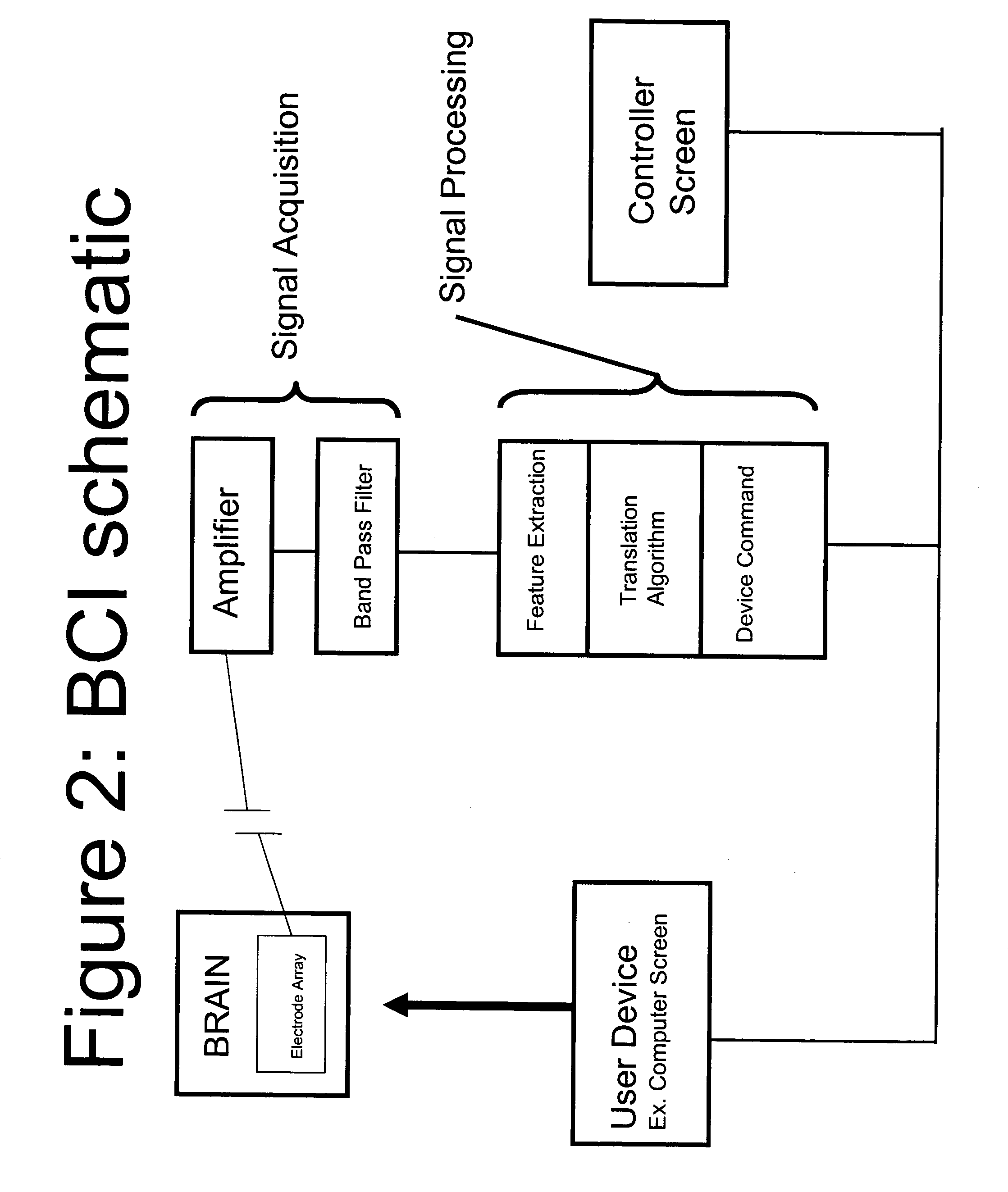
- A method that adaptively calibrates BCI systems by updating model weightings and sensory stimulus modulations in real-time using neural-signal filtering and neurofeedback, allowing for ongoing calibration during user interactions, thereby maintaining accurate associations between neural signals and system controls.


Brain computer interface
PatentInactiveUS7120486B2
Innovation
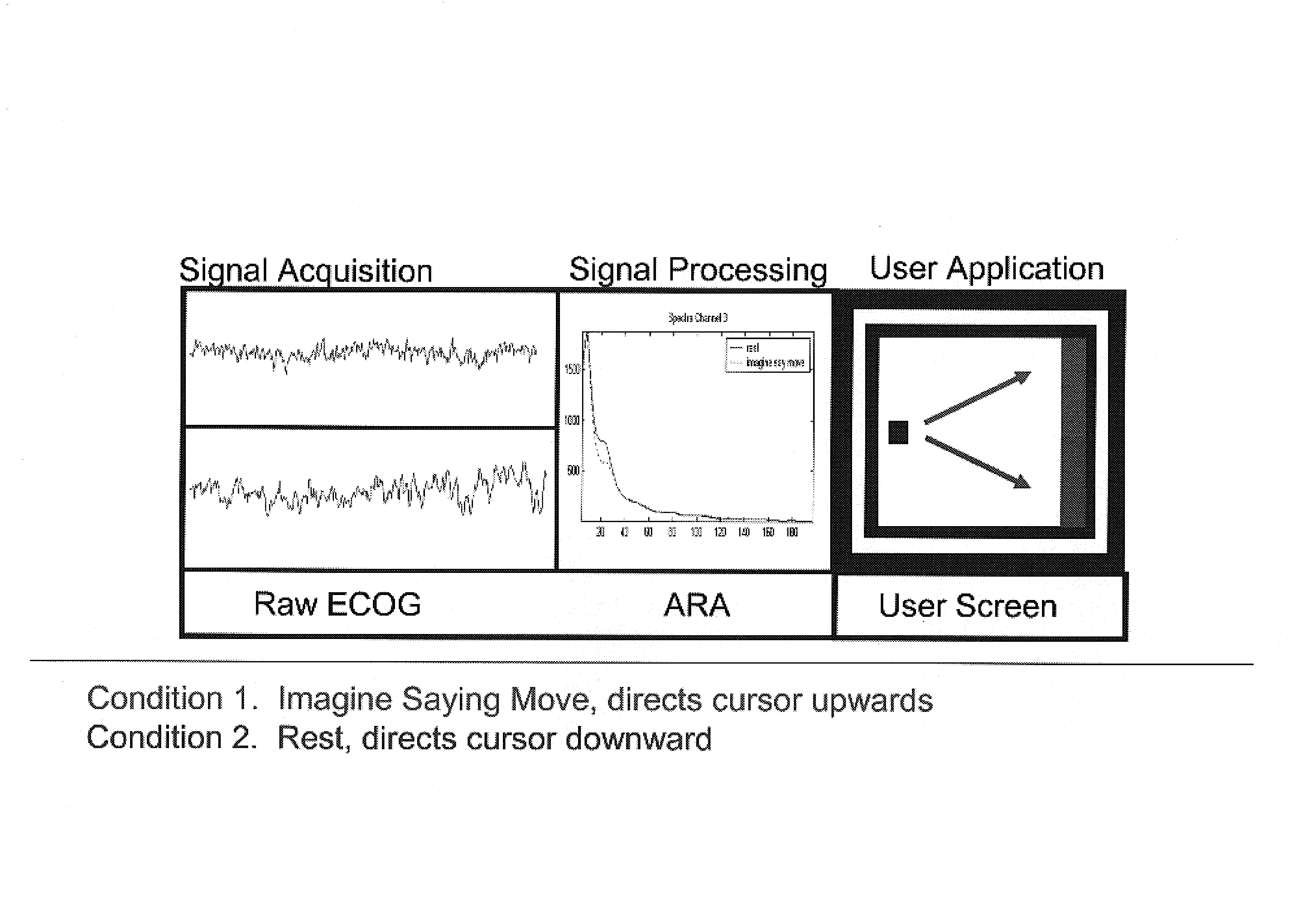
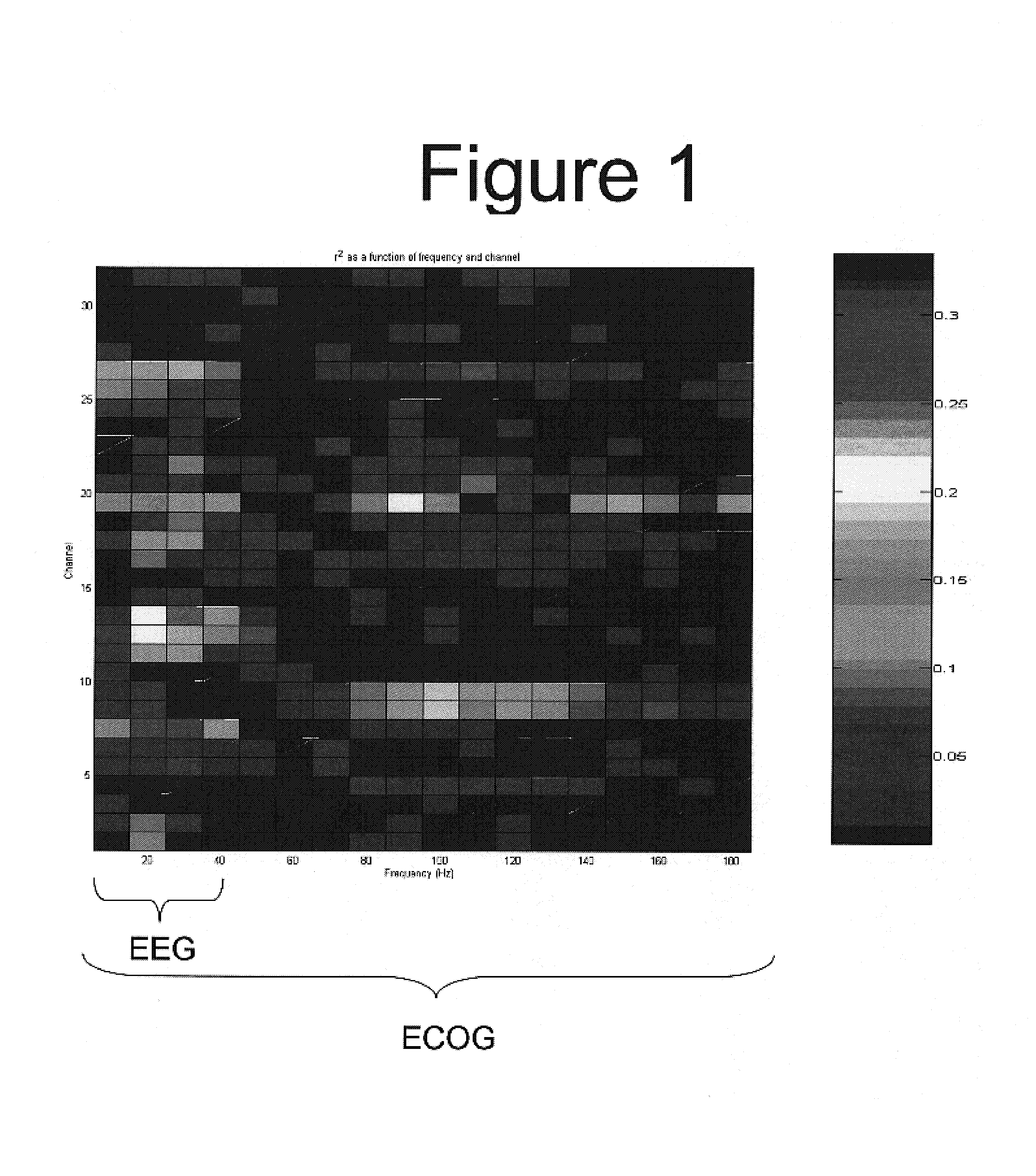
- The use of electrocorticography (ECoG) signals, which offer higher spatial and temporal resolution, and a broader frequency range, enabling more precise control of external devices with less clinical risk and faster learning curves compared to EEG-based systems.

Medical Device Regulations for BCI Systems
The regulatory landscape for Brain-Computer Interface systems in personalized healthcare presents a complex framework that varies significantly across global jurisdictions. In the United States, the FDA classifies BCI devices under multiple categories depending on their intended use, with most therapeutic BCIs falling under Class II or Class III medical devices requiring extensive premarket approval processes. The agency has established specific guidance documents for neural interface devices, emphasizing the need for comprehensive biocompatibility testing, long-term safety data, and robust cybersecurity measures.
European regulatory frameworks under the Medical Device Regulation (MDR) impose stringent requirements for BCI systems, particularly focusing on clinical evidence generation and post-market surveillance. The European Medicines Agency has developed specialized pathways for innovative medical technologies, including BCIs, through their Innovation Task Force and scientific advice procedures. Notified bodies must demonstrate specific competencies in neurotechnology assessment to evaluate BCI devices.
Quality management systems for BCI manufacturers must address unique challenges including software validation, algorithm transparency, and data integrity throughout the device lifecycle. ISO 14155 standards for clinical investigations require adaptation for BCI studies, considering the invasive nature of many systems and the vulnerability of target patient populations. Risk management protocols must encompass both traditional device risks and novel concerns such as neural plasticity effects and cognitive dependency.
Cybersecurity regulations have become increasingly critical for BCI systems due to their connectivity and data sensitivity. The FDA's cybersecurity guidance mandates comprehensive threat modeling, secure software development practices, and continuous monitoring capabilities. HIPAA compliance in the US and GDPR requirements in Europe add additional layers of complexity for neural data protection.
International harmonization efforts through organizations like the International Medical Device Regulators Forum are working to establish consistent standards for BCI evaluation. However, significant regional differences persist, particularly regarding invasive procedures, pediatric applications, and enhancement versus therapeutic use distinctions. Regulatory agencies are increasingly requiring real-world evidence generation and adaptive clinical trial designs to accommodate the rapidly evolving nature of BCI technology while ensuring patient safety and efficacy standards.
European regulatory frameworks under the Medical Device Regulation (MDR) impose stringent requirements for BCI systems, particularly focusing on clinical evidence generation and post-market surveillance. The European Medicines Agency has developed specialized pathways for innovative medical technologies, including BCIs, through their Innovation Task Force and scientific advice procedures. Notified bodies must demonstrate specific competencies in neurotechnology assessment to evaluate BCI devices.
Quality management systems for BCI manufacturers must address unique challenges including software validation, algorithm transparency, and data integrity throughout the device lifecycle. ISO 14155 standards for clinical investigations require adaptation for BCI studies, considering the invasive nature of many systems and the vulnerability of target patient populations. Risk management protocols must encompass both traditional device risks and novel concerns such as neural plasticity effects and cognitive dependency.
Cybersecurity regulations have become increasingly critical for BCI systems due to their connectivity and data sensitivity. The FDA's cybersecurity guidance mandates comprehensive threat modeling, secure software development practices, and continuous monitoring capabilities. HIPAA compliance in the US and GDPR requirements in Europe add additional layers of complexity for neural data protection.
International harmonization efforts through organizations like the International Medical Device Regulators Forum are working to establish consistent standards for BCI evaluation. However, significant regional differences persist, particularly regarding invasive procedures, pediatric applications, and enhancement versus therapeutic use distinctions. Regulatory agencies are increasingly requiring real-world evidence generation and adaptive clinical trial designs to accommodate the rapidly evolving nature of BCI technology while ensuring patient safety and efficacy standards.
Privacy and Ethics in Neural Data Healthcare
The integration of brain-computer interfaces in personalized healthcare solutions presents unprecedented challenges regarding neural data privacy and ethical considerations. Neural data represents the most intimate form of personal information, containing patterns that could potentially reveal thoughts, emotions, medical conditions, and cognitive states. This sensitivity necessitates robust privacy frameworks that extend beyond traditional healthcare data protection standards.
Current privacy concerns center on data collection scope, storage duration, and access control mechanisms. Neural signals captured for therapeutic purposes may inadvertently contain information about personality traits, mental health status, or cognitive capabilities that patients did not consent to share. The continuous nature of BCI monitoring creates vast datasets that could be vulnerable to unauthorized access, data breaches, or misuse by third parties including insurance companies, employers, or government entities.
Ethical frameworks must address informed consent complexities unique to neural interfaces. Patients may not fully comprehend the implications of neural data sharing, particularly regarding potential future applications or analytical capabilities that do not exist at the time of consent. The dynamic nature of brain signals also raises questions about ongoing consent, as neural patterns may reveal information that becomes sensitive over time.
Data ownership and control present additional ethical dilemmas. Questions arise regarding whether patients retain ownership of their neural data, how data can be used for research purposes, and what rights patients have to data deletion or portability. The potential for neural data to be used in ways that could influence behavior or decision-making raises concerns about autonomy and free will.
Regulatory frameworks are still evolving to address these challenges. Current approaches focus on implementing differential privacy techniques, federated learning models, and secure multi-party computation to protect neural data while enabling therapeutic benefits. However, the rapid advancement of neural decoding technologies continues to outpace regulatory development, creating gaps in protection standards.
The establishment of ethical review boards specifically trained in neurotechnology ethics, along with the development of technical standards for neural data anonymization and encryption, represents critical steps toward responsible BCI implementation in healthcare settings.
Current privacy concerns center on data collection scope, storage duration, and access control mechanisms. Neural signals captured for therapeutic purposes may inadvertently contain information about personality traits, mental health status, or cognitive capabilities that patients did not consent to share. The continuous nature of BCI monitoring creates vast datasets that could be vulnerable to unauthorized access, data breaches, or misuse by third parties including insurance companies, employers, or government entities.
Ethical frameworks must address informed consent complexities unique to neural interfaces. Patients may not fully comprehend the implications of neural data sharing, particularly regarding potential future applications or analytical capabilities that do not exist at the time of consent. The dynamic nature of brain signals also raises questions about ongoing consent, as neural patterns may reveal information that becomes sensitive over time.
Data ownership and control present additional ethical dilemmas. Questions arise regarding whether patients retain ownership of their neural data, how data can be used for research purposes, and what rights patients have to data deletion or portability. The potential for neural data to be used in ways that could influence behavior or decision-making raises concerns about autonomy and free will.
Regulatory frameworks are still evolving to address these challenges. Current approaches focus on implementing differential privacy techniques, federated learning models, and secure multi-party computation to protect neural data while enabling therapeutic benefits. However, the rapid advancement of neural decoding technologies continues to outpace regulatory development, creating gaps in protection standards.
The establishment of ethical review boards specifically trained in neurotechnology ethics, along with the development of technical standards for neural data anonymization and encryption, represents critical steps toward responsible BCI implementation in healthcare settings.
Unlock deeper insights with PatSnap Eureka Quick Research — get a full tech report to explore trends and direct your research. Try now!
Generate Your Research Report Instantly with AI Agent
Supercharge your innovation with PatSnap Eureka AI Agent Platform!