Comparative study of anodized aluminum versus chromate conversion coatings
OCT 11, 20259 MIN READ
Generate Your Research Report Instantly with AI Agent
Patsnap Eureka helps you evaluate technical feasibility & market potential.
Corrosion Protection Coating Evolution and Objectives
Corrosion protection technologies for aluminum have evolved significantly over the past century, driven by industrial needs and environmental regulations. The journey began with chromate conversion coatings in the 1920s, which quickly became the industry standard due to their exceptional corrosion resistance properties. These hexavalent chromium-based treatments provided a robust protective layer that served various industries, particularly aerospace and automotive manufacturing.
However, the landscape changed dramatically in the late 20th century when hexavalent chromium was identified as a carcinogen and environmental hazard. This recognition prompted regulatory bodies worldwide to implement restrictions, most notably the European Union's RoHS directive and REACH regulations, which severely limited the use of chromium compounds in industrial applications.
This regulatory shift catalyzed research into alternative corrosion protection methods, with anodizing emerging as a prominent solution. Anodizing, the electrochemical process that converts the metal surface into a durable, porous oxide layer, had been known since the early 1900s but gained renewed attention as a chromate replacement. The process has evolved from simple sulfuric acid anodizing to more sophisticated hard anodizing and color anodizing techniques.
The technical evolution has been marked by continuous improvements in both processes. Modern chromate conversion coatings have shifted toward trivalent chromium, which maintains some protective properties while reducing toxicity. Simultaneously, anodizing technologies have advanced to include sealed systems that enhance corrosion resistance and durability comparable to traditional chromate treatments.
The primary objective in this technical domain is to develop coating systems that provide equivalent or superior corrosion protection to hexavalent chromium while eliminating its environmental and health risks. Secondary goals include maintaining or improving other performance characteristics such as adhesion properties for subsequent coatings, electrical conductivity where required, and resistance to various environmental stressors.
Current research focuses on optimizing anodizing parameters, developing novel sealing methods, and creating hybrid systems that combine the benefits of multiple approaches. The industry aims to achieve a balance between performance, cost-effectiveness, and environmental sustainability, with particular emphasis on solutions that can be implemented in existing manufacturing infrastructure with minimal disruption.
The evolution continues with emerging nanotechnology-based approaches and smart coating systems that can respond to environmental changes, representing the next frontier in aluminum corrosion protection. These developments signal a shift from passive protection strategies to active systems capable of self-healing and condition monitoring.
However, the landscape changed dramatically in the late 20th century when hexavalent chromium was identified as a carcinogen and environmental hazard. This recognition prompted regulatory bodies worldwide to implement restrictions, most notably the European Union's RoHS directive and REACH regulations, which severely limited the use of chromium compounds in industrial applications.
This regulatory shift catalyzed research into alternative corrosion protection methods, with anodizing emerging as a prominent solution. Anodizing, the electrochemical process that converts the metal surface into a durable, porous oxide layer, had been known since the early 1900s but gained renewed attention as a chromate replacement. The process has evolved from simple sulfuric acid anodizing to more sophisticated hard anodizing and color anodizing techniques.
The technical evolution has been marked by continuous improvements in both processes. Modern chromate conversion coatings have shifted toward trivalent chromium, which maintains some protective properties while reducing toxicity. Simultaneously, anodizing technologies have advanced to include sealed systems that enhance corrosion resistance and durability comparable to traditional chromate treatments.
The primary objective in this technical domain is to develop coating systems that provide equivalent or superior corrosion protection to hexavalent chromium while eliminating its environmental and health risks. Secondary goals include maintaining or improving other performance characteristics such as adhesion properties for subsequent coatings, electrical conductivity where required, and resistance to various environmental stressors.
Current research focuses on optimizing anodizing parameters, developing novel sealing methods, and creating hybrid systems that combine the benefits of multiple approaches. The industry aims to achieve a balance between performance, cost-effectiveness, and environmental sustainability, with particular emphasis on solutions that can be implemented in existing manufacturing infrastructure with minimal disruption.
The evolution continues with emerging nanotechnology-based approaches and smart coating systems that can respond to environmental changes, representing the next frontier in aluminum corrosion protection. These developments signal a shift from passive protection strategies to active systems capable of self-healing and condition monitoring.
Market Analysis of Metal Surface Treatment Solutions
The global metal surface treatment market is experiencing robust growth, valued at approximately 15.6 billion USD in 2022 and projected to reach 21.3 billion USD by 2028, with a compound annual growth rate of 5.3%. This expansion is primarily driven by increasing demand across automotive, aerospace, construction, and electronics industries, where corrosion resistance and enhanced material performance are critical requirements.
Within this broader market, aluminum surface treatment solutions represent a significant segment, accounting for roughly 30% of the total market share. The comparison between anodized aluminum and chromate conversion coatings reveals distinct market dynamics influenced by regulatory pressures, performance requirements, and cost considerations.
Chromate conversion coatings, historically dominant due to their excellent corrosion protection properties, have faced substantial market contraction following stringent environmental regulations, particularly the European Union's RoHS and REACH directives. These regulations have restricted hexavalent chromium usage due to its carcinogenic properties, creating a market shift toward alternative solutions. Despite these challenges, chromate treatments still maintain approximately 18% market share, primarily in defense and specific aerospace applications where exemptions exist.
Anodized aluminum solutions have capitalized on this regulatory shift, experiencing a 7.2% growth rate over the past five years—significantly outpacing the overall market. This acceleration stems from anodizing's environmentally friendly profile, customizable aesthetic properties, and comparable performance characteristics. The market for anodized aluminum solutions now represents approximately 45% of the aluminum surface treatment segment.
Regional analysis indicates varying adoption patterns, with North America and Europe leading the transition to chromium-free alternatives due to stricter regulatory frameworks. The Asia-Pacific region, particularly China and India, presents the fastest-growing market for both technologies, driven by rapid industrialization and expanding manufacturing bases in automotive and electronics sectors.
End-user segmentation reveals that automotive applications constitute the largest market share at 32%, followed by aerospace (21%), architectural applications (18%), consumer electronics (15%), and others (14%). Each sector demonstrates different preferences based on specific performance requirements, with aerospace still favoring chromate treatments for critical applications while automotive manufacturers increasingly adopt anodizing processes.
Price sensitivity analysis indicates that while anodized solutions typically carry a 15-20% premium in initial application costs compared to chromate treatments, their longer service life and reduced environmental compliance costs often result in lower total ownership costs, a factor driving increased adoption among cost-conscious industries.
Within this broader market, aluminum surface treatment solutions represent a significant segment, accounting for roughly 30% of the total market share. The comparison between anodized aluminum and chromate conversion coatings reveals distinct market dynamics influenced by regulatory pressures, performance requirements, and cost considerations.
Chromate conversion coatings, historically dominant due to their excellent corrosion protection properties, have faced substantial market contraction following stringent environmental regulations, particularly the European Union's RoHS and REACH directives. These regulations have restricted hexavalent chromium usage due to its carcinogenic properties, creating a market shift toward alternative solutions. Despite these challenges, chromate treatments still maintain approximately 18% market share, primarily in defense and specific aerospace applications where exemptions exist.
Anodized aluminum solutions have capitalized on this regulatory shift, experiencing a 7.2% growth rate over the past five years—significantly outpacing the overall market. This acceleration stems from anodizing's environmentally friendly profile, customizable aesthetic properties, and comparable performance characteristics. The market for anodized aluminum solutions now represents approximately 45% of the aluminum surface treatment segment.
Regional analysis indicates varying adoption patterns, with North America and Europe leading the transition to chromium-free alternatives due to stricter regulatory frameworks. The Asia-Pacific region, particularly China and India, presents the fastest-growing market for both technologies, driven by rapid industrialization and expanding manufacturing bases in automotive and electronics sectors.
End-user segmentation reveals that automotive applications constitute the largest market share at 32%, followed by aerospace (21%), architectural applications (18%), consumer electronics (15%), and others (14%). Each sector demonstrates different preferences based on specific performance requirements, with aerospace still favoring chromate treatments for critical applications while automotive manufacturers increasingly adopt anodizing processes.
Price sensitivity analysis indicates that while anodized solutions typically carry a 15-20% premium in initial application costs compared to chromate treatments, their longer service life and reduced environmental compliance costs often result in lower total ownership costs, a factor driving increased adoption among cost-conscious industries.
Technical Assessment of Aluminum Protection Methods
Aluminum protection methods have evolved significantly over the past century, with anodizing and chromate conversion coatings emerging as two predominant techniques. Anodizing, first patented in 1923, involves an electrochemical process that converts the aluminum surface into a durable, corrosion-resistant aluminum oxide layer. This technology has seen continuous refinement, particularly in the development of various sealing methods and coloring techniques that enhance both protective properties and aesthetic appeal.
Chromate conversion coatings, developed in the 1940s, utilize chromium compounds to create a protective layer through chemical reaction with the aluminum substrate. These coatings gained widespread adoption due to their excellent corrosion resistance and adhesion properties, becoming the industry standard for aerospace and military applications throughout the latter half of the 20th century.
The technological trajectory shifted dramatically in the early 2000s with the implementation of environmental regulations such as REACH in Europe and similar initiatives globally, which restricted the use of hexavalent chromium due to its carcinogenic properties. This regulatory pressure accelerated research into alternative technologies, including trivalent chromium processes, rare earth-based treatments, and advanced anodizing techniques.
Recent technological advancements have focused on enhancing the performance characteristics of both methods. For anodizing, innovations include nano-structured oxide layers, incorporation of self-healing capabilities, and development of hard anodizing processes that significantly improve wear resistance. For chromate alternatives, advancements in trivalent chromium technology and the development of non-chromium conversion coatings based on zirconium, titanium, and silane chemistries represent significant progress.
The current technological goal centers on developing protection methods that match or exceed the performance of traditional chromate conversion coatings while eliminating environmental and health concerns. This includes achieving comparable corrosion resistance, adhesion properties for subsequent coatings, and electrical conductivity where required, all while maintaining cost-effectiveness and compatibility with existing application infrastructure.
Emerging trends indicate a move toward multi-functional coatings that combine corrosion protection with additional properties such as antimicrobial activity, self-cleaning capabilities, and enhanced thermal management. Additionally, there is growing interest in sustainable processing methods that reduce water consumption, energy usage, and waste generation in aluminum surface treatment operations.
Chromate conversion coatings, developed in the 1940s, utilize chromium compounds to create a protective layer through chemical reaction with the aluminum substrate. These coatings gained widespread adoption due to their excellent corrosion resistance and adhesion properties, becoming the industry standard for aerospace and military applications throughout the latter half of the 20th century.
The technological trajectory shifted dramatically in the early 2000s with the implementation of environmental regulations such as REACH in Europe and similar initiatives globally, which restricted the use of hexavalent chromium due to its carcinogenic properties. This regulatory pressure accelerated research into alternative technologies, including trivalent chromium processes, rare earth-based treatments, and advanced anodizing techniques.
Recent technological advancements have focused on enhancing the performance characteristics of both methods. For anodizing, innovations include nano-structured oxide layers, incorporation of self-healing capabilities, and development of hard anodizing processes that significantly improve wear resistance. For chromate alternatives, advancements in trivalent chromium technology and the development of non-chromium conversion coatings based on zirconium, titanium, and silane chemistries represent significant progress.
The current technological goal centers on developing protection methods that match or exceed the performance of traditional chromate conversion coatings while eliminating environmental and health concerns. This includes achieving comparable corrosion resistance, adhesion properties for subsequent coatings, and electrical conductivity where required, all while maintaining cost-effectiveness and compatibility with existing application infrastructure.
Emerging trends indicate a move toward multi-functional coatings that combine corrosion protection with additional properties such as antimicrobial activity, self-cleaning capabilities, and enhanced thermal management. Additionally, there is growing interest in sustainable processing methods that reduce water consumption, energy usage, and waste generation in aluminum surface treatment operations.
Current Anodizing and Chromate Conversion Technologies
01 Composition and process for anodized aluminum
Anodizing processes for aluminum involve the electrochemical treatment of aluminum surfaces to create a protective oxide layer. These processes typically use electrolytes such as sulfuric acid, chromic acid, or phosphoric acid. The resulting anodized layer provides corrosion resistance, wear resistance, and can be dyed for decorative purposes. Various parameters like current density, temperature, and electrolyte concentration affect the quality and properties of the anodized layer.- Anodizing processes for aluminum: Anodizing is an electrochemical process that creates a protective oxide layer on aluminum surfaces. This process involves immersing aluminum in an electrolyte solution and applying an electric current, resulting in the formation of a controlled, uniform oxide layer. The anodized coating provides corrosion resistance, wear resistance, and can be dyed for decorative purposes. Various electrolytes can be used including sulfuric acid, chromic acid, and phosphoric acid, each producing different coating characteristics.
- Chromate conversion coating compositions: Chromate conversion coatings are chemical treatments that convert the surface of aluminum into a protective layer containing chromium compounds. These coatings typically contain hexavalent or trivalent chromium compounds, acids, and various additives to enhance performance. The composition may include chromic acid, chromium salts, fluorides, and accelerators. These formulations create a conversion layer that provides excellent corrosion protection and serves as a good base for subsequent painting or other finishing processes.
- Environmentally friendly alternatives to chromate coatings: Due to environmental and health concerns associated with hexavalent chromium, various alternative treatments have been developed. These include trivalent chromium processes, zirconium-based treatments, titanium-based coatings, silane treatments, and rare earth element formulations. These alternatives aim to provide comparable corrosion protection and adhesion properties while eliminating or reducing the use of toxic hexavalent chromium compounds. Many of these systems incorporate organic polymers or inorganic compounds to enhance performance.
- Post-treatment processes for anodized aluminum: After anodizing, aluminum surfaces often undergo post-treatment processes to enhance their properties. These processes include sealing treatments that close the porous structure of anodic coatings, improving corrosion resistance and color stability. Common sealing methods include hot water sealing, nickel acetate sealing, and polymer-based sealants. Other post-treatments may include the application of lubricants, waxes, or specialized coatings to improve specific performance characteristics such as wear resistance or electrical properties.
- Combined anodizing and chromate conversion processes: Some surface treatment systems combine aspects of both anodizing and chromate conversion processes to achieve enhanced protection. These hybrid approaches may involve anodizing followed by chromate sealing, or modified anodizing processes that incorporate chromate species into the oxide layer. The combined treatments often result in superior corrosion resistance compared to either process alone. These methods can be tailored for specific applications in aerospace, automotive, and architectural industries where maximum protection is required.
02 Chromate conversion coating formulations
Chromate conversion coatings are chemical treatments that convert the surface of aluminum into a protective layer containing chromium compounds. These formulations typically contain hexavalent or trivalent chromium compounds, acids, and various additives to enhance performance. The coatings provide excellent corrosion protection and serve as a good base for paint adhesion. The composition may include accelerators, inhibitors, and pH regulators to control the coating process and final properties.Expand Specific Solutions03 Environmentally friendly alternatives to chromate conversion coatings
Due to environmental and health concerns associated with hexavalent chromium, various alternative treatments have been developed. These include trivalent chromium-based coatings, chromium-free conversion coatings based on zirconium, titanium, or cerium compounds, and organic coatings. These alternatives aim to provide comparable corrosion protection and paint adhesion properties while reducing environmental impact and meeting regulatory requirements for reduced hexavalent chromium usage.Expand Specific Solutions04 Post-treatment processes for anodized aluminum and chromate coatings
After the initial anodizing or chromate conversion coating process, various post-treatments can be applied to enhance performance. These include sealing processes using hot water, nickel acetate, or polymer solutions to close the pores in anodized layers. For chromate coatings, post-treatments may include application of polymers, silanes, or other compounds to improve corrosion resistance, paint adhesion, or other functional properties. These post-treatments significantly extend the service life of the protective coatings.Expand Specific Solutions05 Combined or multi-layer coating systems
Advanced protection systems often combine multiple coating technologies to achieve superior performance. These may include an anodized base layer followed by a chromate conversion coating, or combinations with organic coatings, primers, and topcoats. Such multi-layer systems can provide synergistic protection against corrosion, wear, and other environmental factors. The design of these systems considers compatibility between layers, overall thickness, and specific performance requirements for different applications and exposure conditions.Expand Specific Solutions
Leading Manufacturers and Research Institutions
The anodized aluminum versus chromate conversion coatings market is in a mature growth phase, with a global market size estimated at $5-7 billion annually. While both technologies are well-established, environmental regulations are driving a shift toward more sustainable solutions. Henkel AG, CHEMEON Surface Technology, and Socomore lead in chromate-free conversion coating innovations, while Boeing, United Technologies, and Safran have invested heavily in advanced anodizing processes. Academic institutions like South China University of Technology and Central South University are pioneering nano-structured anodic films with enhanced corrosion resistance. The industry is experiencing a technological transition as manufacturers seek chromium-free alternatives that maintain performance while meeting increasingly stringent environmental standards.
Henkel AG & Co. KGaA
Technical Solution: Henkel has developed advanced non-chromate conversion coating technologies as alternatives to traditional chromate treatments. Their Alodine® EC² (Electro Ceramic Coating) technology creates a ceramic-like protective layer on aluminum surfaces through an electrochemical process. This innovative approach produces a nano-ceramic coating that provides excellent corrosion protection while eliminating hexavalent chromium. The process involves a controlled anodic reaction that forms an inorganic ceramic layer approximately 50-200 nm thick, offering comparable or superior protection to chromate conversion coatings. Henkel's technology incorporates rare earth elements and transition metal compounds that create a self-healing effect similar to chromates but without the environmental concerns. Their coatings demonstrate salt spray resistance exceeding 1000 hours in standardized testing environments, making them suitable for aerospace and automotive applications where stringent performance requirements exist.
Strengths: Environmentally compliant with global regulations including REACH and RoHS; provides excellent corrosion protection comparable to chromate treatments; offers self-healing properties; suitable for high-performance applications. Weaknesses: May require more precise process control than traditional chromate treatments; potentially higher initial implementation costs; some formulations may have temperature limitations compared to chromate alternatives.
The Boeing Co.
Technical Solution: Boeing has pioneered proprietary anodizing technologies specifically designed for aerospace aluminum components as alternatives to chromate conversion coatings. Their Boegel-EPII (Environmental Protection Initiative) system creates a phosphoric acid-based anodized surface treatment that forms a robust barrier against corrosion while maintaining electrical conductivity critical for aircraft applications. The multi-stage process includes specialized pre-treatments, controlled anodizing parameters, and post-treatments that enhance adhesion properties for subsequent primer and paint systems. Boeing's research has demonstrated that their optimized anodizing process creates a more uniform oxide layer with controlled porosity, achieving corrosion resistance comparable to chromate conversion coatings in salt fog testing (ASTM B117) while meeting stringent electrical bonding requirements. The company has implemented this technology across various aircraft programs, reporting a reduction in maintenance costs and environmental impact while maintaining or improving performance metrics for corrosion protection.
Strengths: Specifically engineered for aerospace applications with proven field performance; maintains critical electrical conductivity properties; compatible with existing manufacturing infrastructure; meets stringent aerospace quality standards. Weaknesses: May require more complex processing equipment than chromate conversion; potentially higher energy consumption during processing; some applications may still require supplementary treatments for maximum protection.
Key Patents and Innovations in Coating Technologies
Article of manufacture and process for anodically coating aluminum and/or titanium with ceramic oxides
PatentInactiveUS20050061680A1
Innovation
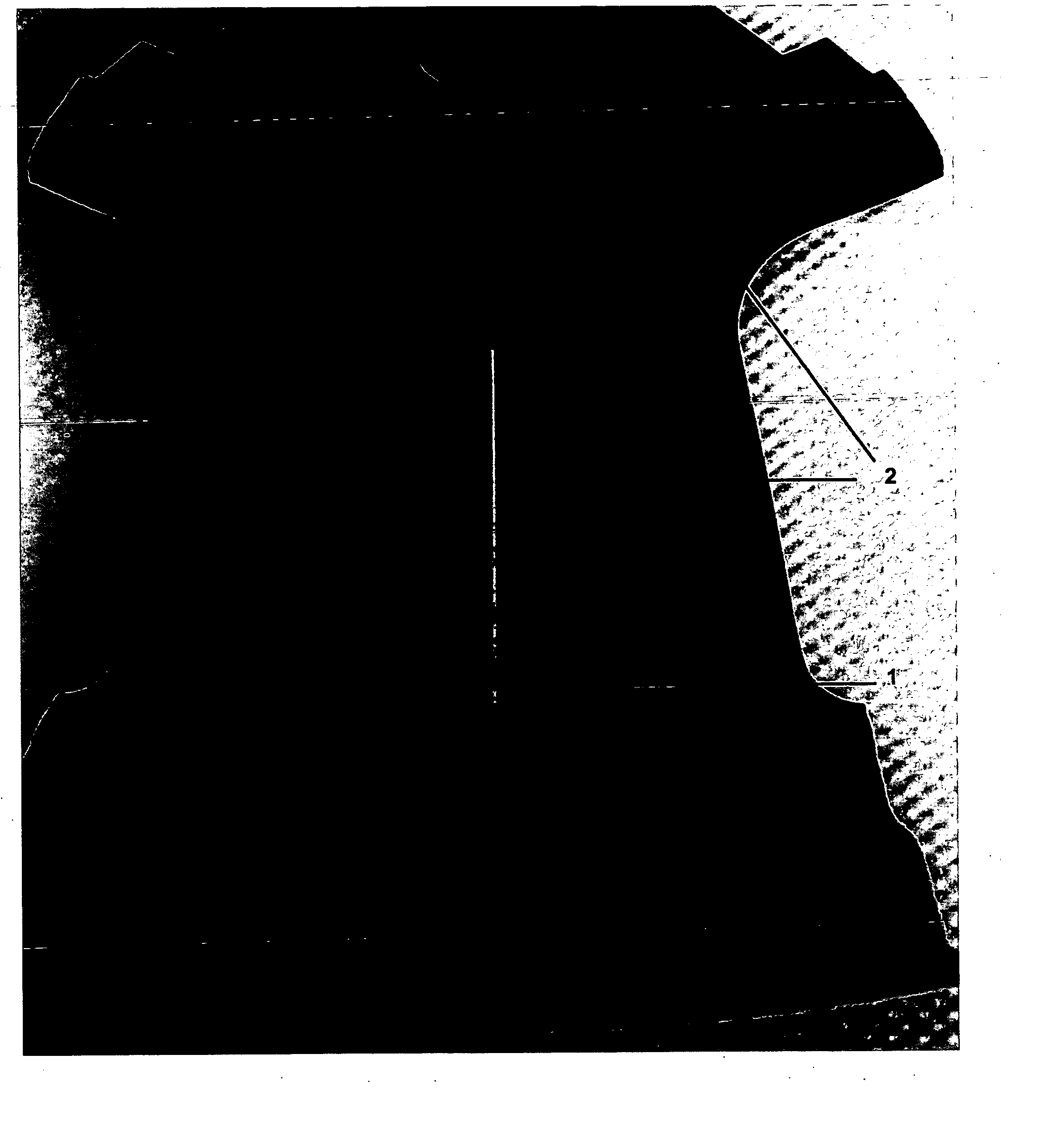
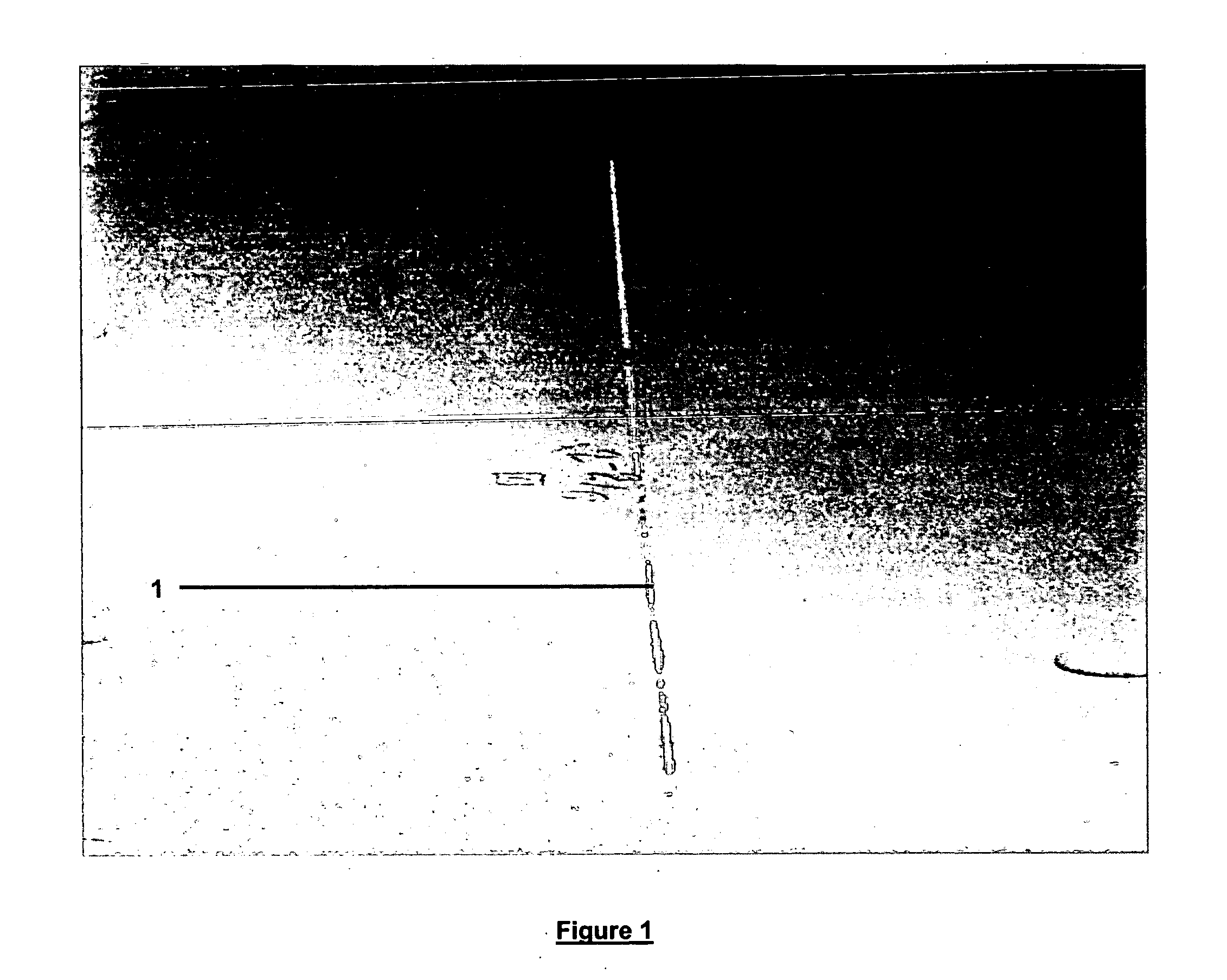
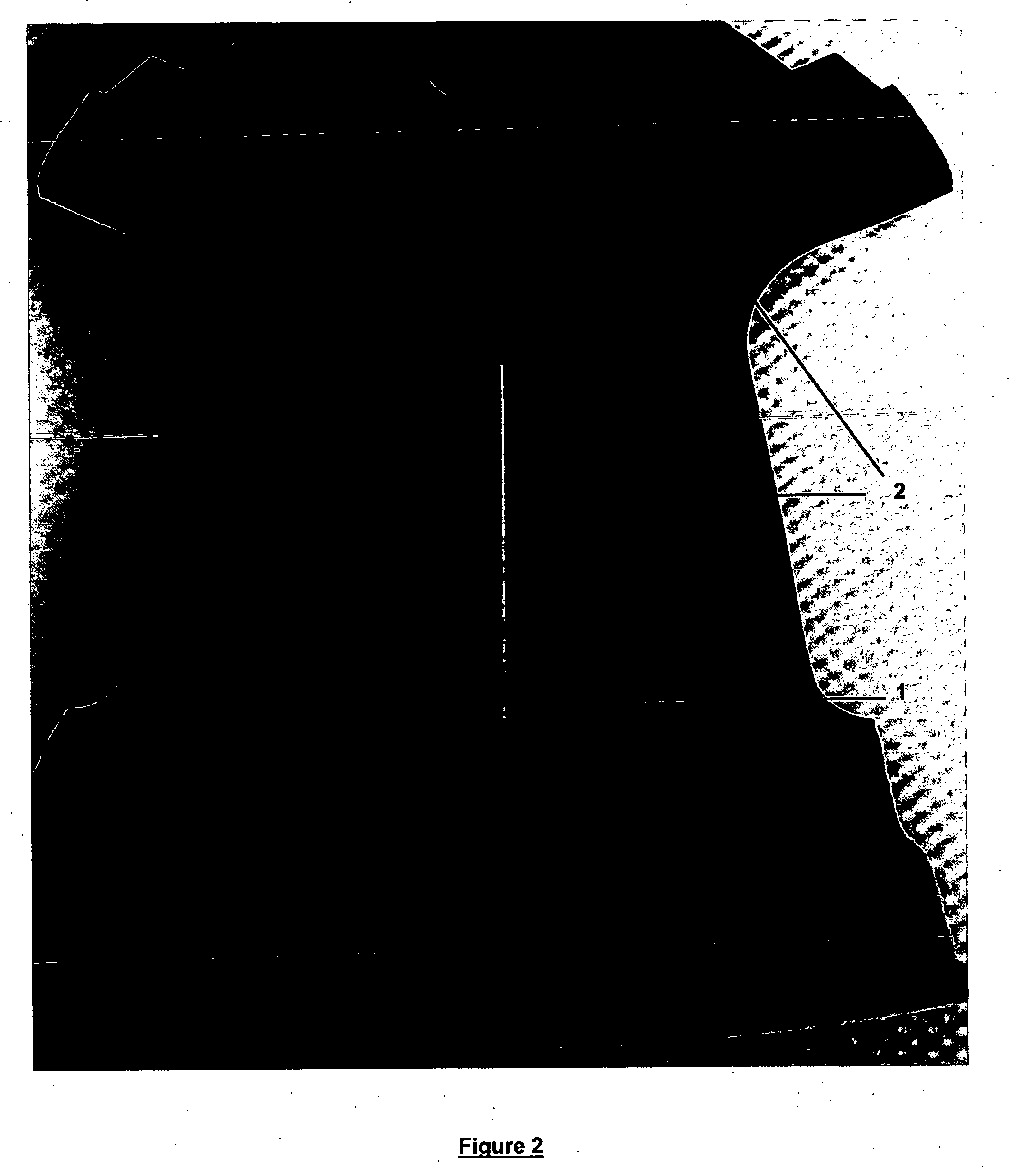
- Anodizing aluminum, titanium, or their alloys in solutions containing complex fluorides and/or oxyfluorides, along with phosphorus-containing acids or salts, to form uniform, protective oxide coatings that are resistant to corrosion and abrasion, using direct or alternating current to deposit ceramic oxide films comprising titanium or zirconium oxides.

Conversion coating for aluminum and its alloys and articles thereof
PatentInactiveUS20110120876A1
Innovation
- A non-toxic, environmentally friendly protein-based conversion coating composition that reacts in-situ with aluminum and its alloys to form a thin, corrosion-resistant and conductive layer, using proteins like casein, dried egg white, or gelatin, which can accept secondary coatings and withstand high temperatures without blistering or adhesion failure.
Environmental Regulations Impact on Coating Selection
Environmental regulations have significantly transformed the landscape of metal coating technologies, particularly in the comparison between anodized aluminum and chromate conversion coatings. The implementation of stringent regulations such as the European Union's Restriction of Hazardous Substances (RoHS) Directive and Registration, Evaluation, Authorization, and Restriction of Chemicals (REACH) has placed considerable pressure on industries to transition away from hexavalent chromium-based coatings due to their carcinogenic properties and environmental persistence.
The regulatory timeline reveals an accelerating trend toward stricter controls. In 2003, the EU introduced the End-of-Life Vehicles (ELV) Directive, limiting hexavalent chromium in automotive applications. This was followed by RoHS in 2006, which further restricted its use in electrical and electronic equipment. By 2017, REACH regulations effectively mandated authorization for continued use of hexavalent chromium compounds in industrial processes, creating substantial compliance costs and administrative burdens.
These regulatory frameworks have catalyzed a market shift favoring anodized aluminum solutions, which utilize sulfuric acid electrolytic processes rather than chromium compounds. While traditional chromate conversion coatings offered superior corrosion resistance and electrical conductivity, their environmental and health impacts have rendered them increasingly untenable from both regulatory and corporate sustainability perspectives.
Regional variations in regulatory implementation have created complex global supply chain challenges. North American regulations, including the U.S. EPA's National Emission Standards for Hazardous Air Pollutants (NESHAP), have established strict emission limits for chromium compounds. Meanwhile, Asian markets demonstrate varying levels of regulatory enforcement, creating potential competitive imbalances in global manufacturing.
Industry adaptation strategies have emerged in response to these regulatory pressures. Many manufacturers have invested in developing trivalent chromium alternatives, which offer reduced toxicity while maintaining some performance characteristics of hexavalent systems. Others have pivoted toward entirely chromium-free technologies, including advanced anodizing processes with sealed surfaces that approach the performance of traditional chromate coatings.
The economic impact of these regulatory changes has been substantial, with estimates suggesting industry-wide conversion costs exceeding $500 million globally. However, these investments have stimulated innovation in coating technologies, leading to improved environmental performance and worker safety across the metal finishing sector. The regulatory landscape continues to evolve, with increasing focus on circular economy principles that may further influence coating selection criteria beyond mere compliance considerations.
The regulatory timeline reveals an accelerating trend toward stricter controls. In 2003, the EU introduced the End-of-Life Vehicles (ELV) Directive, limiting hexavalent chromium in automotive applications. This was followed by RoHS in 2006, which further restricted its use in electrical and electronic equipment. By 2017, REACH regulations effectively mandated authorization for continued use of hexavalent chromium compounds in industrial processes, creating substantial compliance costs and administrative burdens.
These regulatory frameworks have catalyzed a market shift favoring anodized aluminum solutions, which utilize sulfuric acid electrolytic processes rather than chromium compounds. While traditional chromate conversion coatings offered superior corrosion resistance and electrical conductivity, their environmental and health impacts have rendered them increasingly untenable from both regulatory and corporate sustainability perspectives.
Regional variations in regulatory implementation have created complex global supply chain challenges. North American regulations, including the U.S. EPA's National Emission Standards for Hazardous Air Pollutants (NESHAP), have established strict emission limits for chromium compounds. Meanwhile, Asian markets demonstrate varying levels of regulatory enforcement, creating potential competitive imbalances in global manufacturing.
Industry adaptation strategies have emerged in response to these regulatory pressures. Many manufacturers have invested in developing trivalent chromium alternatives, which offer reduced toxicity while maintaining some performance characteristics of hexavalent systems. Others have pivoted toward entirely chromium-free technologies, including advanced anodizing processes with sealed surfaces that approach the performance of traditional chromate coatings.
The economic impact of these regulatory changes has been substantial, with estimates suggesting industry-wide conversion costs exceeding $500 million globally. However, these investments have stimulated innovation in coating technologies, leading to improved environmental performance and worker safety across the metal finishing sector. The regulatory landscape continues to evolve, with increasing focus on circular economy principles that may further influence coating selection criteria beyond mere compliance considerations.
Performance Metrics and Testing Methodologies
The evaluation of protective coatings for aluminum surfaces requires standardized performance metrics and rigorous testing methodologies to ensure reliable comparison between anodized aluminum and chromate conversion coatings. These assessment frameworks enable engineers and materials scientists to make informed decisions based on quantifiable data rather than subjective observations.
Corrosion resistance testing stands as the primary performance metric, typically conducted through salt spray testing (ASTM B117), electrochemical impedance spectroscopy (EIS), and potentiodynamic polarization. Salt spray testing exposes coated samples to a controlled saline environment for periods ranging from 168 to 3000 hours, with performance evaluated based on the time until visible corrosion appears. EIS provides deeper insights into coating degradation mechanisms by measuring impedance changes over time.
Adhesion testing represents another critical performance parameter, commonly assessed through cross-hatch testing (ASTM D3359), pull-off adhesion testing (ASTM D4541), and impact resistance testing. These methods quantify the coating's ability to maintain surface contact under mechanical stress, with results typically reported in MPa for pull-off tests or as pass/fail criteria for cross-hatch evaluations.
Wear resistance metrics include Taber abrasion testing (ASTM D4060), scratch resistance testing, and hardness measurements. The Taber test quantifies material loss after a specified number of abrasion cycles, while scratch resistance evaluates coating durability under controlled scratching forces. Hardness measurements using pencil hardness tests (ASTM D3363) or microhardness testing provide complementary data on coating strength.
Environmental performance testing has gained prominence with increasing regulatory scrutiny. Accelerated weathering tests (ASTM G154) simulate UV exposure, temperature cycling, and humidity variations to predict long-term performance. Chemical resistance testing exposes coatings to various solvents, acids, and bases to evaluate their stability in different chemical environments.
Electrical properties testing, particularly for anodized coatings, measures breakdown voltage, surface resistivity, and dielectric strength. These parameters are crucial for applications where electrical insulation properties are required alongside corrosion protection.
Thickness measurement techniques include eddy current testing (ASTM B244), microscopic cross-section analysis, and X-ray fluorescence spectroscopy. Accurate thickness measurement is fundamental as it directly correlates with many performance characteristics including corrosion resistance and wear durability.
Standardization of these testing methodologies enables meaningful comparison between different coating technologies and ensures reproducibility across different testing facilities. The selection of appropriate performance metrics depends on the specific application requirements, environmental exposure conditions, and regulatory compliance needs.
Corrosion resistance testing stands as the primary performance metric, typically conducted through salt spray testing (ASTM B117), electrochemical impedance spectroscopy (EIS), and potentiodynamic polarization. Salt spray testing exposes coated samples to a controlled saline environment for periods ranging from 168 to 3000 hours, with performance evaluated based on the time until visible corrosion appears. EIS provides deeper insights into coating degradation mechanisms by measuring impedance changes over time.
Adhesion testing represents another critical performance parameter, commonly assessed through cross-hatch testing (ASTM D3359), pull-off adhesion testing (ASTM D4541), and impact resistance testing. These methods quantify the coating's ability to maintain surface contact under mechanical stress, with results typically reported in MPa for pull-off tests or as pass/fail criteria for cross-hatch evaluations.
Wear resistance metrics include Taber abrasion testing (ASTM D4060), scratch resistance testing, and hardness measurements. The Taber test quantifies material loss after a specified number of abrasion cycles, while scratch resistance evaluates coating durability under controlled scratching forces. Hardness measurements using pencil hardness tests (ASTM D3363) or microhardness testing provide complementary data on coating strength.
Environmental performance testing has gained prominence with increasing regulatory scrutiny. Accelerated weathering tests (ASTM G154) simulate UV exposure, temperature cycling, and humidity variations to predict long-term performance. Chemical resistance testing exposes coatings to various solvents, acids, and bases to evaluate their stability in different chemical environments.
Electrical properties testing, particularly for anodized coatings, measures breakdown voltage, surface resistivity, and dielectric strength. These parameters are crucial for applications where electrical insulation properties are required alongside corrosion protection.
Thickness measurement techniques include eddy current testing (ASTM B244), microscopic cross-section analysis, and X-ray fluorescence spectroscopy. Accurate thickness measurement is fundamental as it directly correlates with many performance characteristics including corrosion resistance and wear durability.
Standardization of these testing methodologies enables meaningful comparison between different coating technologies and ensures reproducibility across different testing facilities. The selection of appropriate performance metrics depends on the specific application requirements, environmental exposure conditions, and regulatory compliance needs.
Unlock deeper insights with Patsnap Eureka Quick Research — get a full tech report to explore trends and direct your research. Try now!
Generate Your Research Report Instantly with AI Agent
Supercharge your innovation with Patsnap Eureka AI Agent Platform!