

Compare PCM vs Advanced Phase Materials: Utility
FEB 26, 20269 MIN READ
Generate Your Research Report Instantly with AI Agent
PatSnap Eureka helps you evaluate technical feasibility & market potential.
PCM vs Advanced Phase Materials Background and Objectives
Phase change materials have emerged as critical components in thermal energy storage and management systems, representing a fundamental shift from traditional thermal regulation approaches. PCMs leverage latent heat storage during phase transitions, typically solid-liquid transformations, to absorb and release substantial amounts of thermal energy at relatively constant temperatures. This technology has gained significant traction across diverse applications including building energy efficiency, electronics cooling, and renewable energy systems.
The evolution of phase change materials began with simple paraffin waxes and salt hydrates in the mid-20th century, primarily serving basic thermal buffering applications. However, the limitations of conventional PCMs, including low thermal conductivity, phase separation, supercooling, and corrosion issues, have driven intensive research toward advanced phase change materials. These next-generation materials incorporate sophisticated engineering approaches such as microencapsulation, composite matrix integration, and molecular-level modifications to overcome traditional constraints.
Advanced phase change materials represent a paradigm shift in thermal management technology, encompassing microencapsulated PCMs, shape-stabilized composites, and hybrid organic-inorganic systems. These materials maintain the fundamental phase change principle while addressing critical performance limitations through innovative material science approaches. The integration of high thermal conductivity additives, protective encapsulation systems, and enhanced chemical stability has expanded their utility across demanding industrial applications.
The primary objective of comparing PCM versus advanced phase materials centers on evaluating their relative utility across key performance metrics including thermal storage capacity, heat transfer efficiency, operational stability, and economic viability. This comparative analysis aims to establish clear application boundaries where each technology demonstrates optimal performance characteristics.
Contemporary research focuses on quantifying the trade-offs between enhanced performance and increased complexity in advanced phase materials. The evaluation encompasses thermal cycling durability, manufacturing scalability, and long-term reliability under varying operational conditions. Understanding these comparative advantages enables strategic technology selection for specific thermal management applications.
The ultimate goal involves developing comprehensive selection criteria that guide engineers and researchers in choosing appropriate phase change technologies based on application requirements, performance specifications, and economic constraints. This analysis will illuminate the technological trajectory toward next-generation thermal energy storage solutions.
The evolution of phase change materials began with simple paraffin waxes and salt hydrates in the mid-20th century, primarily serving basic thermal buffering applications. However, the limitations of conventional PCMs, including low thermal conductivity, phase separation, supercooling, and corrosion issues, have driven intensive research toward advanced phase change materials. These next-generation materials incorporate sophisticated engineering approaches such as microencapsulation, composite matrix integration, and molecular-level modifications to overcome traditional constraints.
Advanced phase change materials represent a paradigm shift in thermal management technology, encompassing microencapsulated PCMs, shape-stabilized composites, and hybrid organic-inorganic systems. These materials maintain the fundamental phase change principle while addressing critical performance limitations through innovative material science approaches. The integration of high thermal conductivity additives, protective encapsulation systems, and enhanced chemical stability has expanded their utility across demanding industrial applications.
The primary objective of comparing PCM versus advanced phase materials centers on evaluating their relative utility across key performance metrics including thermal storage capacity, heat transfer efficiency, operational stability, and economic viability. This comparative analysis aims to establish clear application boundaries where each technology demonstrates optimal performance characteristics.
Contemporary research focuses on quantifying the trade-offs between enhanced performance and increased complexity in advanced phase materials. The evaluation encompasses thermal cycling durability, manufacturing scalability, and long-term reliability under varying operational conditions. Understanding these comparative advantages enables strategic technology selection for specific thermal management applications.
The ultimate goal involves developing comprehensive selection criteria that guide engineers and researchers in choosing appropriate phase change technologies based on application requirements, performance specifications, and economic constraints. This analysis will illuminate the technological trajectory toward next-generation thermal energy storage solutions.
Market Demand Analysis for Thermal Energy Storage Solutions
The global thermal energy storage market is experiencing unprecedented growth driven by the urgent need for energy efficiency and renewable energy integration. Traditional phase change materials (PCMs) have established a solid foundation in this sector, primarily serving building thermal management, solar thermal systems, and industrial waste heat recovery applications. The market demand for PCM-based solutions has been steadily increasing as governments worldwide implement stricter energy efficiency regulations and building codes that mandate improved thermal performance.
Advanced phase change materials represent an emerging segment with significantly higher performance potential and broader application scope. These materials address critical limitations of conventional PCMs, including thermal conductivity constraints, phase separation issues, and limited operating temperature ranges. The demand for advanced phase materials is particularly strong in high-performance applications such as electronics cooling, electric vehicle battery thermal management, and concentrated solar power systems where traditional PCMs cannot meet stringent performance requirements.
The renewable energy sector constitutes the largest demand driver for both material categories. Solar thermal power plants require reliable thermal storage solutions to maintain energy output during non-peak hours, creating substantial market opportunities. Wind and solar intermittency challenges have intensified the need for grid-scale thermal storage systems, where advanced phase materials offer superior energy density and cycling stability compared to conventional alternatives.
Industrial applications represent another significant demand segment, particularly in manufacturing processes requiring precise temperature control. The automotive industry's transition toward electric vehicles has created new market dynamics, with advanced phase materials becoming essential for battery thermal management systems that ensure safety and performance optimization.
Building and construction sectors continue to drive steady demand for traditional PCM solutions, while simultaneously showing increasing interest in advanced materials for high-performance building applications. Smart building technologies and net-zero energy building requirements are pushing the market toward more sophisticated thermal storage solutions.
Geographic demand patterns reveal strong growth in Asia-Pacific regions, driven by rapid industrialization and renewable energy adoption. European markets emphasize regulatory compliance and sustainability, while North American demand focuses on grid modernization and energy security applications. The market trajectory indicates accelerating adoption of advanced phase materials as manufacturing costs decrease and performance advantages become more pronounced across diverse application sectors.
Advanced phase change materials represent an emerging segment with significantly higher performance potential and broader application scope. These materials address critical limitations of conventional PCMs, including thermal conductivity constraints, phase separation issues, and limited operating temperature ranges. The demand for advanced phase materials is particularly strong in high-performance applications such as electronics cooling, electric vehicle battery thermal management, and concentrated solar power systems where traditional PCMs cannot meet stringent performance requirements.
The renewable energy sector constitutes the largest demand driver for both material categories. Solar thermal power plants require reliable thermal storage solutions to maintain energy output during non-peak hours, creating substantial market opportunities. Wind and solar intermittency challenges have intensified the need for grid-scale thermal storage systems, where advanced phase materials offer superior energy density and cycling stability compared to conventional alternatives.
Industrial applications represent another significant demand segment, particularly in manufacturing processes requiring precise temperature control. The automotive industry's transition toward electric vehicles has created new market dynamics, with advanced phase materials becoming essential for battery thermal management systems that ensure safety and performance optimization.
Building and construction sectors continue to drive steady demand for traditional PCM solutions, while simultaneously showing increasing interest in advanced materials for high-performance building applications. Smart building technologies and net-zero energy building requirements are pushing the market toward more sophisticated thermal storage solutions.
Geographic demand patterns reveal strong growth in Asia-Pacific regions, driven by rapid industrialization and renewable energy adoption. European markets emphasize regulatory compliance and sustainability, while North American demand focuses on grid modernization and energy security applications. The market trajectory indicates accelerating adoption of advanced phase materials as manufacturing costs decrease and performance advantages become more pronounced across diverse application sectors.
Current Status and Challenges in Phase Change Materials
Phase change materials currently encompass a diverse range of substances, from traditional paraffin waxes and salt hydrates to emerging advanced materials like shape-stabilized composites and microencapsulated systems. Traditional PCMs, including organic compounds such as fatty acids and inorganic materials like salt hydrates, have been extensively studied and commercialized for thermal energy storage applications. These materials typically offer latent heat storage capacities ranging from 100-300 kJ/kg, with melting points spanning from sub-zero temperatures to over 800°C depending on the specific application requirements.
The geographical distribution of PCM research and development shows significant concentration in Europe, North America, and Asia-Pacific regions. European countries lead in building integration applications, while Asian markets, particularly China and Japan, dominate manufacturing and cost optimization efforts. North American research focuses heavily on advanced material synthesis and hybrid systems development.
Current PCM technology faces several critical challenges that limit widespread adoption. Thermal cycling stability remains a primary concern, as many traditional PCMs experience degradation after repeated melting and solidification cycles, leading to reduced heat storage capacity and altered phase transition temperatures. Supercooling phenomena in salt hydrates and some organic PCMs create unpredictable thermal behavior, making system design and control complex.
Corrosion compatibility presents another significant obstacle, particularly with metallic containment systems. Many PCMs exhibit chemical reactivity that can compromise system integrity over extended operational periods. Additionally, thermal conductivity limitations in most organic PCMs necessitate enhancement strategies, adding complexity and cost to practical implementations.
Advanced phase change materials attempt to address these limitations through innovative approaches. Shape-stabilized PCMs incorporate supporting matrices to prevent leakage while maintaining phase change properties. Microencapsulation techniques protect the core PCM from environmental interactions while enabling integration into various host materials. Composite PCMs combine multiple materials to optimize thermal properties and overcome individual component limitations.
Despite these advances, manufacturing scalability and cost-effectiveness remain significant barriers. Advanced PCMs often require sophisticated production processes that increase material costs substantially compared to traditional alternatives. Quality control and standardization across different production batches present ongoing challenges for commercial viability.
The integration of PCMs into practical systems also faces technical hurdles including heat transfer optimization, system design complexity, and long-term performance prediction. These challenges collectively influence the utility comparison between conventional and advanced phase change materials across different application domains.
The geographical distribution of PCM research and development shows significant concentration in Europe, North America, and Asia-Pacific regions. European countries lead in building integration applications, while Asian markets, particularly China and Japan, dominate manufacturing and cost optimization efforts. North American research focuses heavily on advanced material synthesis and hybrid systems development.
Current PCM technology faces several critical challenges that limit widespread adoption. Thermal cycling stability remains a primary concern, as many traditional PCMs experience degradation after repeated melting and solidification cycles, leading to reduced heat storage capacity and altered phase transition temperatures. Supercooling phenomena in salt hydrates and some organic PCMs create unpredictable thermal behavior, making system design and control complex.
Corrosion compatibility presents another significant obstacle, particularly with metallic containment systems. Many PCMs exhibit chemical reactivity that can compromise system integrity over extended operational periods. Additionally, thermal conductivity limitations in most organic PCMs necessitate enhancement strategies, adding complexity and cost to practical implementations.
Advanced phase change materials attempt to address these limitations through innovative approaches. Shape-stabilized PCMs incorporate supporting matrices to prevent leakage while maintaining phase change properties. Microencapsulation techniques protect the core PCM from environmental interactions while enabling integration into various host materials. Composite PCMs combine multiple materials to optimize thermal properties and overcome individual component limitations.
Despite these advances, manufacturing scalability and cost-effectiveness remain significant barriers. Advanced PCMs often require sophisticated production processes that increase material costs substantially compared to traditional alternatives. Quality control and standardization across different production batches present ongoing challenges for commercial viability.
The integration of PCMs into practical systems also faces technical hurdles including heat transfer optimization, system design complexity, and long-term performance prediction. These challenges collectively influence the utility comparison between conventional and advanced phase change materials across different application domains.
Current Technical Solutions for Phase Change Materials
01 Thermal energy storage applications
Phase change materials are utilized for storing thermal energy by absorbing or releasing heat during phase transitions. These materials can maintain relatively constant temperatures during the phase change process, making them ideal for thermal management systems. Applications include building temperature regulation, solar energy storage, and waste heat recovery systems where efficient energy storage and release are critical.- Thermal energy storage applications: Phase change materials are utilized for storing thermal energy by absorbing or releasing heat during phase transitions. These materials can maintain relatively constant temperatures during the phase change process, making them ideal for thermal management systems. Applications include building temperature regulation, solar energy storage, and waste heat recovery systems where efficient energy storage and release are critical.
- Temperature regulation in textiles and fabrics: Phase change materials can be incorporated into textiles and fabric structures to provide temperature regulation and thermal comfort. The materials absorb excess heat when the temperature rises and release it when the temperature drops, creating a self-regulating thermal environment. This technology is particularly useful in clothing, bedding, and protective gear where maintaining optimal body temperature is essential.
- Electronic device thermal management: Phase change materials serve as effective thermal management solutions for electronic devices and components. They help dissipate heat generated during operation by absorbing thermal energy through phase transition, preventing overheating and maintaining optimal operating temperatures. This application is crucial for improving the reliability and performance of electronic systems, particularly in high-power devices and compact electronic assemblies.
- Building materials and construction applications: Phase change materials are integrated into building materials and construction elements to enhance energy efficiency and indoor climate control. These materials can be incorporated into walls, ceilings, floors, and other structural components to reduce temperature fluctuations and decrease heating and cooling energy consumption. The technology contributes to sustainable building design by improving thermal mass and reducing reliance on active climate control systems.
- Packaging and transportation temperature control: Phase change materials are employed in packaging and transportation systems to maintain specific temperature ranges for temperature-sensitive products. These materials provide passive temperature control without requiring external power sources, making them ideal for shipping pharmaceuticals, food products, and other perishable goods. The technology ensures product integrity during transit by buffering against temperature variations and maintaining stable thermal conditions.
02 Temperature regulation in textiles and fabrics
Phase change materials are incorporated into textile products to provide thermal comfort and temperature regulation. The materials absorb excess body heat when the temperature rises and release it when the temperature drops, creating a self-regulating thermal environment. This technology is particularly useful in clothing, bedding, and protective gear where maintaining optimal body temperature is essential.Expand Specific Solutions03 Electronic device thermal management
Phase change materials are employed in electronic devices and components to manage heat dissipation and prevent overheating. These materials absorb heat generated by electronic components during operation and release it gradually, helping to maintain optimal operating temperatures. This application is crucial for improving the reliability and longevity of electronic devices, particularly in high-performance computing and mobile devices.Expand Specific Solutions04 Building and construction materials
Phase change materials are integrated into building materials such as wallboards, concrete, and insulation to enhance energy efficiency. These materials help regulate indoor temperatures by storing excess heat during the day and releasing it at night, reducing heating and cooling costs. The technology contributes to sustainable building design and improved thermal comfort while minimizing energy consumption.Expand Specific Solutions05 Packaging and transportation applications
Phase change materials are used in packaging solutions for temperature-sensitive products during storage and transportation. These materials maintain specific temperature ranges to protect perishable goods, pharmaceuticals, and biological samples from temperature fluctuations. The technology provides passive thermal protection without requiring external power sources, making it ideal for cold chain logistics and medical supply transport.Expand Specific Solutions
Major Players in PCM and Advanced Phase Materials Industry
The phase change materials (PCM) versus advanced phase materials comparison represents a rapidly evolving thermal management sector experiencing significant growth driven by energy storage and electronics cooling demands. The industry is in a transitional phase from traditional PCMs to sophisticated engineered materials, with market expansion fueled by renewable energy integration and semiconductor thermal challenges. Technology maturity varies considerably across players, with established semiconductor giants like Intel, Taiwan Semiconductor Manufacturing, and STMicroelectronics leading advanced material integration, while specialized companies such as Sunamp and Ovonyx focus on innovative PCM applications. Research institutions including Texas A&M University and various Chinese universities are advancing fundamental material science, while chemical companies like DuPont and Arkema provide material supply chains. The competitive landscape shows convergence between traditional thermal solutions and next-generation phase change technologies, indicating strong commercial viability and technological advancement potential.
Sunamp Ltd.
Technical Solution: Sunamp has developed innovative phase change material technology focused on thermal energy storage systems for residential and commercial applications. Their proprietary PCM formulations utilize salt hydrate-based materials that offer higher energy density compared to traditional paraffin-based systems. The company's advanced phase change materials demonstrate excellent thermal cycling stability with minimal degradation over thousands of charge-discharge cycles. Sunamp's technology incorporates specialized heat exchanger designs that optimize heat transfer rates while maintaining compact system footprints. Their PCM solutions provide precise temperature control for heating and cooling applications, enabling efficient thermal energy storage that can shift energy consumption patterns and reduce peak demand loads.
Strengths: Specialized focus on thermal energy storage, proven commercial deployment, innovative system integration approach. Weaknesses: Limited market presence compared to larger competitors, relatively narrow application focus primarily in building systems.
DuPont de Nemours, Inc.
Technical Solution: DuPont has developed advanced phase change materials (PCMs) that offer superior thermal management capabilities compared to traditional paraffin-based PCMs. Their proprietary formulations include microencapsulated PCMs with enhanced thermal conductivity and stability. These materials demonstrate improved phase transition efficiency with reduced supercooling effects and extended cycling durability. DuPont's PCMs are engineered for applications ranging from building thermal regulation to electronics cooling, offering precise temperature control within narrow operating ranges. The company has also developed hybrid PCM composites that combine organic and inorganic materials to optimize both latent heat storage capacity and thermal response characteristics.
Strengths: Extensive material science expertise, proven industrial scalability, robust intellectual property portfolio. Weaknesses: Higher material costs compared to conventional PCMs, limited customization for specialized applications.
Key Innovations in Advanced Phase Change Material Patents
Phase change material, phase change memory cell and preparation method therefor
PatentPendingUS20220328761A1
Innovation
- A phase change material composed of tantalum, antimony, and tellurium with a chemical formula TaxSbyTez, where x, y, and z represent atomic ratios, offering high phase change speed, thermal stability, and data retention capability, with adjustable crystallization temperatures and resistivity, and a small grain size for improved device performance.


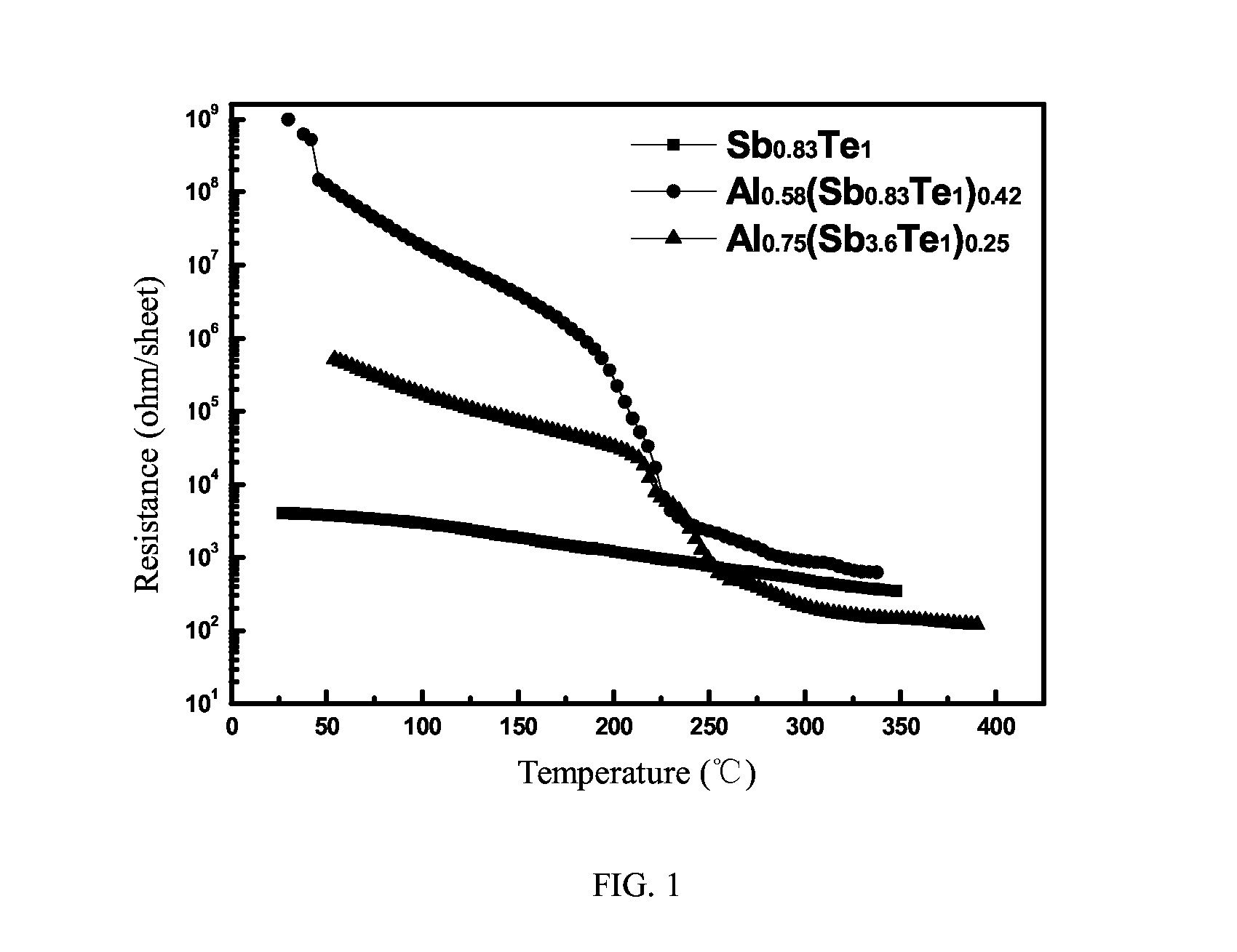
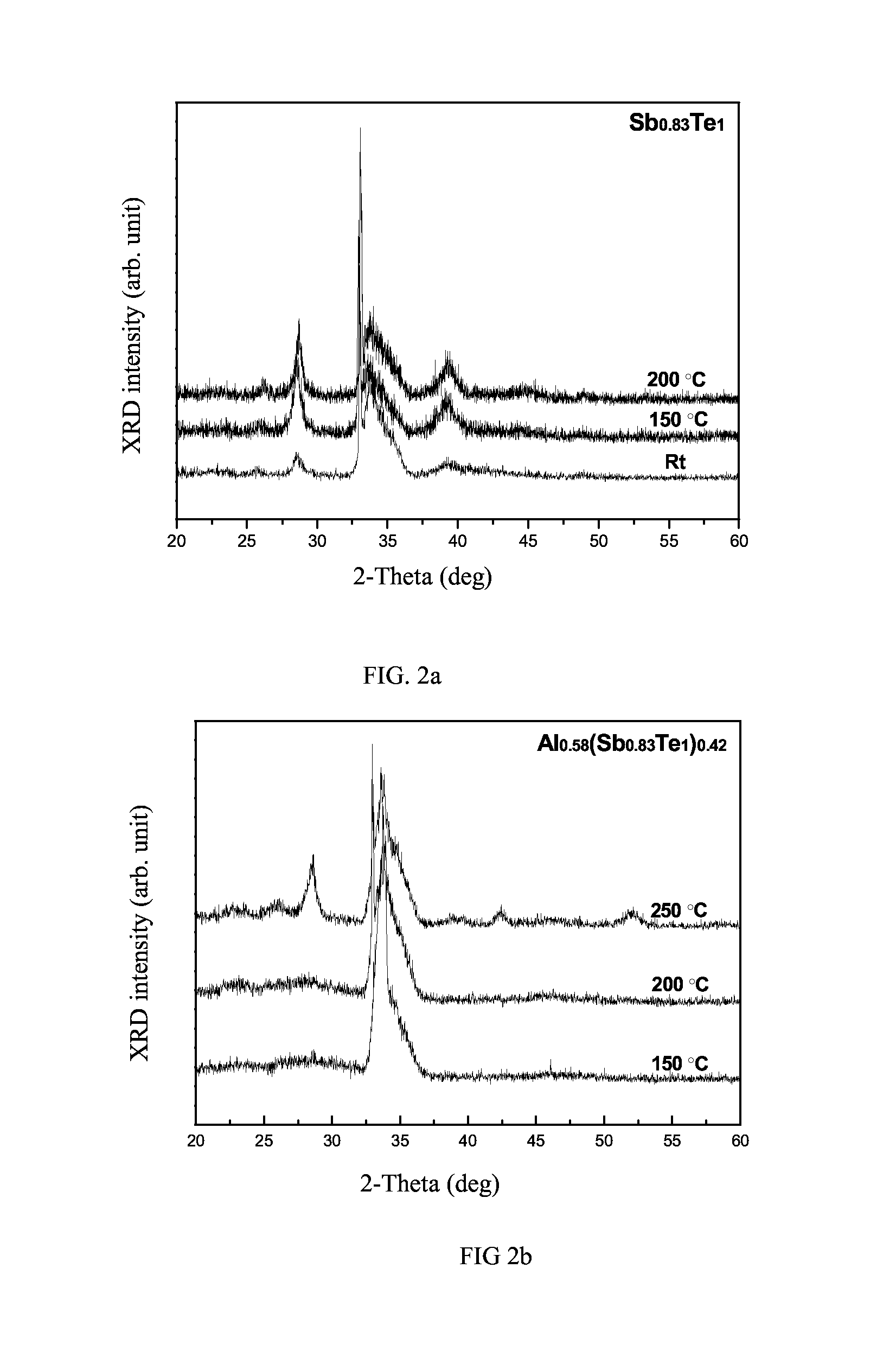
Al-Sb-Te phase change material used for phase change memory and fabrication method thereof
PatentActiveUS8920684B2
Innovation
- A phase change material composed of a mixture of aluminum (Al), antimony (Sb), and tellurium (Te) with a general formula Alx(SbyTe1-x), which exhibits high crystallization speed, thermal stability, and low power consumption, and is fabricated using methods like physical vapor deposition, enabling reversible resistivity changes for data storage.
Energy Efficiency Standards and Environmental Regulations
Energy efficiency standards and environmental regulations are increasingly shaping the adoption and development of phase change materials (PCMs) and advanced phase materials across global markets. Traditional PCMs, primarily paraffin-based and salt hydrate systems, face mounting regulatory scrutiny due to their environmental impact profiles and energy performance characteristics. Current energy efficiency standards, such as ASHRAE 90.1 in North America and the EU Energy Performance of Buildings Directive, establish minimum thermal performance requirements that directly influence material selection criteria for building applications.
Advanced phase materials, including bio-based PCMs and engineered composite systems, demonstrate superior compliance with emerging environmental regulations. These materials typically exhibit lower volatile organic compound emissions, reduced toxicity profiles, and enhanced biodegradability compared to conventional PCMs. The European Union's REACH regulation particularly impacts traditional PCM formulations containing potentially hazardous substances, creating market advantages for advanced alternatives that meet stringent chemical safety requirements.
Carbon footprint regulations are driving significant shifts in material preferences within the thermal energy storage sector. Advanced phase materials often demonstrate lower lifecycle carbon emissions through renewable feedstock utilization and improved manufacturing processes. The implementation of carbon pricing mechanisms and mandatory environmental reporting requirements further incentivizes the adoption of these next-generation materials over traditional PCM solutions.
Building energy codes increasingly incorporate dynamic thermal performance metrics that favor advanced phase materials' superior thermal cycling stability and enhanced heat transfer characteristics. These regulatory frameworks recognize the long-term energy savings potential of materials that maintain consistent performance over extended operational periods, addressing traditional PCM limitations such as phase separation and thermal degradation.
Future regulatory trends indicate stricter environmental compliance requirements and more comprehensive lifecycle assessment mandates. Advanced phase materials are positioned to benefit from these evolving standards through their inherently sustainable design principles and superior environmental performance profiles, while traditional PCMs may require significant reformulation to maintain market viability under increasingly stringent regulatory frameworks.
Advanced phase materials, including bio-based PCMs and engineered composite systems, demonstrate superior compliance with emerging environmental regulations. These materials typically exhibit lower volatile organic compound emissions, reduced toxicity profiles, and enhanced biodegradability compared to conventional PCMs. The European Union's REACH regulation particularly impacts traditional PCM formulations containing potentially hazardous substances, creating market advantages for advanced alternatives that meet stringent chemical safety requirements.
Carbon footprint regulations are driving significant shifts in material preferences within the thermal energy storage sector. Advanced phase materials often demonstrate lower lifecycle carbon emissions through renewable feedstock utilization and improved manufacturing processes. The implementation of carbon pricing mechanisms and mandatory environmental reporting requirements further incentivizes the adoption of these next-generation materials over traditional PCM solutions.
Building energy codes increasingly incorporate dynamic thermal performance metrics that favor advanced phase materials' superior thermal cycling stability and enhanced heat transfer characteristics. These regulatory frameworks recognize the long-term energy savings potential of materials that maintain consistent performance over extended operational periods, addressing traditional PCM limitations such as phase separation and thermal degradation.
Future regulatory trends indicate stricter environmental compliance requirements and more comprehensive lifecycle assessment mandates. Advanced phase materials are positioned to benefit from these evolving standards through their inherently sustainable design principles and superior environmental performance profiles, while traditional PCMs may require significant reformulation to maintain market viability under increasingly stringent regulatory frameworks.
Cost-Benefit Analysis of PCM Implementation Strategies
The economic viability of PCM implementation strategies requires comprehensive evaluation across multiple cost dimensions and benefit categories. Initial capital expenditure represents the most significant financial barrier, encompassing material procurement, system integration, and installation costs. Traditional PCMs like paraffin wax typically range from $2-5 per kilogram, while advanced phase change materials can command prices of $15-50 per kilogram depending on their thermal properties and purity levels.
Operational cost considerations extend beyond material expenses to include maintenance requirements, system monitoring, and periodic replacement cycles. PCM systems generally demonstrate lower maintenance costs compared to conventional HVAC systems due to their passive operation characteristics. However, advanced phase change materials may require specialized handling procedures and environmental controls that increase operational complexity and associated costs.
The benefit analysis reveals substantial long-term value creation through energy consumption reduction. PCM implementation typically achieves 15-30% reduction in heating and cooling energy demands, translating to significant utility cost savings over the system lifecycle. Advanced materials often deliver superior performance metrics, with some formulations achieving 40-50% energy savings in optimal applications, justifying their higher initial investment through accelerated payback periods.
Return on investment calculations demonstrate varying payback periods depending on implementation scale and material selection. Residential PCM applications typically achieve payback within 5-8 years, while commercial installations with advanced materials can realize returns within 3-5 years due to higher energy consumption baselines and utility rate structures.
Risk assessment factors include material degradation rates, thermal cycling stability, and potential performance degradation over time. Advanced phase change materials often provide enhanced durability and thermal stability, reducing long-term replacement costs and maintaining consistent performance throughout extended operational periods. This reliability factor significantly impacts total cost of ownership calculations and overall economic attractiveness of different implementation strategies.
Operational cost considerations extend beyond material expenses to include maintenance requirements, system monitoring, and periodic replacement cycles. PCM systems generally demonstrate lower maintenance costs compared to conventional HVAC systems due to their passive operation characteristics. However, advanced phase change materials may require specialized handling procedures and environmental controls that increase operational complexity and associated costs.
The benefit analysis reveals substantial long-term value creation through energy consumption reduction. PCM implementation typically achieves 15-30% reduction in heating and cooling energy demands, translating to significant utility cost savings over the system lifecycle. Advanced materials often deliver superior performance metrics, with some formulations achieving 40-50% energy savings in optimal applications, justifying their higher initial investment through accelerated payback periods.
Return on investment calculations demonstrate varying payback periods depending on implementation scale and material selection. Residential PCM applications typically achieve payback within 5-8 years, while commercial installations with advanced materials can realize returns within 3-5 years due to higher energy consumption baselines and utility rate structures.
Risk assessment factors include material degradation rates, thermal cycling stability, and potential performance degradation over time. Advanced phase change materials often provide enhanced durability and thermal stability, reducing long-term replacement costs and maintaining consistent performance throughout extended operational periods. This reliability factor significantly impacts total cost of ownership calculations and overall economic attractiveness of different implementation strategies.
Unlock deeper insights with PatSnap Eureka Quick Research — get a full tech report to explore trends and direct your research. Try now!
Generate Your Research Report Instantly with AI Agent
Supercharge your innovation with PatSnap Eureka AI Agent Platform!