

Comparing Cost Reduction Strategies in Distributed Control Systems vs Proprietary Systems
APR 28, 20269 MIN READ
Generate Your Research Report Instantly with AI Agent
PatSnap Eureka helps you evaluate technical feasibility & market potential.
DCS vs Proprietary Systems Cost Evolution Background
The evolution of cost structures in industrial control systems has undergone significant transformation over the past four decades, fundamentally reshaping how organizations approach automation investments. During the 1980s and early 1990s, proprietary control systems dominated the market landscape, with major vendors like Honeywell, Yokogawa, and ABB offering integrated solutions that required substantial upfront capital expenditure. These systems typically demanded investments ranging from $500,000 to several million dollars for medium to large-scale implementations, with additional costs for specialized training, maintenance contracts, and vendor-specific hardware components.
The emergence of Distributed Control Systems marked a pivotal shift in cost paradigms during the mid-1990s. Unlike their proprietary counterparts, DCS architectures introduced modular design principles that enabled more flexible cost distribution across project lifecycles. Initial DCS implementations demonstrated approximately 15-20% lower total cost of ownership compared to traditional proprietary systems, primarily due to reduced integration complexity and standardized communication protocols.
The technological foundation driving these cost differences stems from fundamental architectural approaches. Proprietary systems relied heavily on vendor-specific hardware and software ecosystems, creating inherent cost premiums through limited supplier options and specialized component requirements. Conversely, DCS platforms leveraged open standards and distributed processing capabilities, enabling organizations to optimize hardware utilization and reduce redundancy costs.
Market dynamics further accelerated cost evolution patterns throughout the 2000s. The proliferation of Ethernet-based communication standards and commercial off-the-shelf hardware components significantly reduced DCS implementation costs. Industry data indicates that average DCS project costs decreased by approximately 30-40% between 2000 and 2010, while proprietary system costs remained relatively stable due to continued reliance on specialized components.
Contemporary cost structures reflect this evolutionary trajectory, with DCS solutions typically offering 25-35% lower total cost of ownership compared to equivalent proprietary implementations. This cost advantage encompasses reduced hardware expenses, simplified maintenance procedures, enhanced scalability options, and improved integration capabilities with enterprise systems. The ongoing digital transformation initiatives across industrial sectors continue to amplify these cost differentials, establishing DCS architectures as increasingly attractive alternatives for organizations seeking to optimize automation investments while maintaining operational flexibility.
The emergence of Distributed Control Systems marked a pivotal shift in cost paradigms during the mid-1990s. Unlike their proprietary counterparts, DCS architectures introduced modular design principles that enabled more flexible cost distribution across project lifecycles. Initial DCS implementations demonstrated approximately 15-20% lower total cost of ownership compared to traditional proprietary systems, primarily due to reduced integration complexity and standardized communication protocols.
The technological foundation driving these cost differences stems from fundamental architectural approaches. Proprietary systems relied heavily on vendor-specific hardware and software ecosystems, creating inherent cost premiums through limited supplier options and specialized component requirements. Conversely, DCS platforms leveraged open standards and distributed processing capabilities, enabling organizations to optimize hardware utilization and reduce redundancy costs.
Market dynamics further accelerated cost evolution patterns throughout the 2000s. The proliferation of Ethernet-based communication standards and commercial off-the-shelf hardware components significantly reduced DCS implementation costs. Industry data indicates that average DCS project costs decreased by approximately 30-40% between 2000 and 2010, while proprietary system costs remained relatively stable due to continued reliance on specialized components.
Contemporary cost structures reflect this evolutionary trajectory, with DCS solutions typically offering 25-35% lower total cost of ownership compared to equivalent proprietary implementations. This cost advantage encompasses reduced hardware expenses, simplified maintenance procedures, enhanced scalability options, and improved integration capabilities with enterprise systems. The ongoing digital transformation initiatives across industrial sectors continue to amplify these cost differentials, establishing DCS architectures as increasingly attractive alternatives for organizations seeking to optimize automation investments while maintaining operational flexibility.
Market Demand for Cost-Effective Control Solutions
The global control systems market is experiencing unprecedented demand for cost-effective solutions as industries face mounting pressure to optimize operational expenses while maintaining performance standards. Manufacturing sectors, particularly automotive, pharmaceuticals, and process industries, are actively seeking control architectures that deliver substantial cost reductions without compromising system reliability or functionality.
Industrial automation spending patterns reveal a significant shift toward solutions that offer lower total cost of ownership. Organizations are increasingly evaluating control systems based on comprehensive cost models that encompass initial capital expenditure, implementation costs, ongoing maintenance expenses, and system lifecycle management. This holistic approach to cost assessment has intensified demand for transparent pricing structures and predictable operational expenses.
The emergence of Industry 4.0 initiatives has amplified market interest in distributed control architectures that leverage standardized protocols and open-source technologies. Companies are recognizing that proprietary systems, while offering certain performance advantages, often create vendor lock-in scenarios that limit cost optimization opportunities. This realization has driven substantial market demand for interoperable solutions that provide greater flexibility in supplier selection and system expansion.
Small and medium-sized enterprises represent a particularly dynamic segment of this market, as they seek control solutions that deliver enterprise-grade capabilities at accessible price points. These organizations typically lack the resources for extensive customization and prefer standardized, cost-effective platforms that can be rapidly deployed and easily maintained by internal teams.
Energy efficiency requirements and sustainability mandates are further shaping market demand, as organizations seek control systems that not only reduce direct operational costs but also minimize energy consumption and environmental impact. This dual focus on economic and environmental performance has created opportunities for innovative control architectures that optimize both cost and sustainability metrics.
The growing complexity of modern manufacturing processes has increased demand for scalable control solutions that can accommodate future expansion without requiring complete system overhauls. Market participants are prioritizing modular architectures that enable incremental capacity additions and technology upgrades, thereby spreading capital investments over extended periods while maintaining cost predictability.
Industrial automation spending patterns reveal a significant shift toward solutions that offer lower total cost of ownership. Organizations are increasingly evaluating control systems based on comprehensive cost models that encompass initial capital expenditure, implementation costs, ongoing maintenance expenses, and system lifecycle management. This holistic approach to cost assessment has intensified demand for transparent pricing structures and predictable operational expenses.
The emergence of Industry 4.0 initiatives has amplified market interest in distributed control architectures that leverage standardized protocols and open-source technologies. Companies are recognizing that proprietary systems, while offering certain performance advantages, often create vendor lock-in scenarios that limit cost optimization opportunities. This realization has driven substantial market demand for interoperable solutions that provide greater flexibility in supplier selection and system expansion.
Small and medium-sized enterprises represent a particularly dynamic segment of this market, as they seek control solutions that deliver enterprise-grade capabilities at accessible price points. These organizations typically lack the resources for extensive customization and prefer standardized, cost-effective platforms that can be rapidly deployed and easily maintained by internal teams.
Energy efficiency requirements and sustainability mandates are further shaping market demand, as organizations seek control systems that not only reduce direct operational costs but also minimize energy consumption and environmental impact. This dual focus on economic and environmental performance has created opportunities for innovative control architectures that optimize both cost and sustainability metrics.
The growing complexity of modern manufacturing processes has increased demand for scalable control solutions that can accommodate future expansion without requiring complete system overhauls. Market participants are prioritizing modular architectures that enable incremental capacity additions and technology upgrades, thereby spreading capital investments over extended periods while maintaining cost predictability.
Current Cost Challenges in DCS and Proprietary Architectures
Distributed Control Systems and proprietary architectures face significant cost challenges that impact their adoption and operational efficiency across industrial sectors. The initial capital expenditure represents one of the most substantial barriers, with DCS implementations typically requiring investments ranging from hundreds of thousands to millions of dollars depending on system complexity and scale. These costs encompass hardware procurement, software licensing, system integration, and extensive commissioning processes.
Hardware costs constitute a major portion of total system expenses, particularly in proprietary systems where vendors maintain exclusive control over component specifications and pricing. Legacy proprietary architectures often require specialized controllers, I/O modules, and communication interfaces that command premium prices due to limited supplier options. DCS implementations, while offering more standardized components, still face substantial hardware costs when deploying redundant systems and high-availability configurations required for critical industrial processes.
Software licensing presents an ongoing financial burden that significantly impacts total cost of ownership. Proprietary systems typically employ restrictive licensing models that charge per tag, per node, or per functionality module, creating escalating costs as system complexity increases. Annual maintenance fees for software updates and technical support often represent 15-20% of initial license costs, creating substantial recurring expenses over system lifecycles.
Integration complexity drives additional cost challenges, particularly when interfacing with existing legacy systems or third-party equipment. Proprietary architectures frequently require custom gateways, protocol converters, and specialized engineering services to achieve interoperability. These integration efforts demand highly skilled personnel and extended project timelines, substantially increasing implementation costs beyond initial hardware and software investments.
Maintenance and support costs represent long-term financial challenges that often exceed initial capital investments over system lifecycles. Proprietary systems create vendor lock-in situations where organizations depend on single suppliers for spare parts, technical support, and system modifications. This dependency enables vendors to maintain high service margins and limits competitive pricing options for ongoing support services.
Skilled personnel requirements contribute significantly to operational costs, as both DCS and proprietary systems demand specialized knowledge for configuration, maintenance, and troubleshooting. The limited availability of qualified technicians and engineers drives up labor costs and creates operational risks when key personnel are unavailable. Training costs for new technologies and system updates further compound these human resource challenges.
Scalability limitations in existing architectures create additional cost pressures when organizations need to expand or modify their control systems. Proprietary systems often require complete subsystem replacements rather than incremental upgrades, forcing organizations to make substantial reinvestments to accommodate changing operational requirements.
Hardware costs constitute a major portion of total system expenses, particularly in proprietary systems where vendors maintain exclusive control over component specifications and pricing. Legacy proprietary architectures often require specialized controllers, I/O modules, and communication interfaces that command premium prices due to limited supplier options. DCS implementations, while offering more standardized components, still face substantial hardware costs when deploying redundant systems and high-availability configurations required for critical industrial processes.
Software licensing presents an ongoing financial burden that significantly impacts total cost of ownership. Proprietary systems typically employ restrictive licensing models that charge per tag, per node, or per functionality module, creating escalating costs as system complexity increases. Annual maintenance fees for software updates and technical support often represent 15-20% of initial license costs, creating substantial recurring expenses over system lifecycles.
Integration complexity drives additional cost challenges, particularly when interfacing with existing legacy systems or third-party equipment. Proprietary architectures frequently require custom gateways, protocol converters, and specialized engineering services to achieve interoperability. These integration efforts demand highly skilled personnel and extended project timelines, substantially increasing implementation costs beyond initial hardware and software investments.
Maintenance and support costs represent long-term financial challenges that often exceed initial capital investments over system lifecycles. Proprietary systems create vendor lock-in situations where organizations depend on single suppliers for spare parts, technical support, and system modifications. This dependency enables vendors to maintain high service margins and limits competitive pricing options for ongoing support services.
Skilled personnel requirements contribute significantly to operational costs, as both DCS and proprietary systems demand specialized knowledge for configuration, maintenance, and troubleshooting. The limited availability of qualified technicians and engineers drives up labor costs and creates operational risks when key personnel are unavailable. Training costs for new technologies and system updates further compound these human resource challenges.
Scalability limitations in existing architectures create additional cost pressures when organizations need to expand or modify their control systems. Proprietary systems often require complete subsystem replacements rather than incremental upgrades, forcing organizations to make substantial reinvestments to accommodate changing operational requirements.
Existing Cost Optimization Solutions and Methods
01 Cost optimization through modular control system design
Modular control system architectures enable cost reduction by allowing standardized components to be reused across different applications. This approach reduces development costs, simplifies maintenance, and enables economies of scale in manufacturing. Modular designs also facilitate easier upgrades and replacements of individual components without requiring complete system overhauls.- Cost optimization through modular control system design: Modular control system architectures enable cost reduction by allowing standardized components to be reused across different applications. This approach reduces development costs, simplifies maintenance, and enables economies of scale in manufacturing. Modular designs also facilitate easier upgrades and replacements of individual components without requiring complete system overhauls.
- Integration of cost-effective sensor technologies: Implementation of low-cost sensor solutions and smart sensing technologies helps reduce overall control system expenses while maintaining performance standards. Advanced sensor fusion techniques and wireless sensor networks can eliminate expensive wiring infrastructure and reduce installation costs. These technologies enable distributed control architectures that are more cost-effective than centralized systems.
- Software-based control solutions for hardware cost reduction: Software-defined control systems reduce dependency on expensive specialized hardware by implementing control functions in programmable platforms. Virtual control systems and cloud-based solutions minimize the need for dedicated control hardware, reducing both initial investment and ongoing maintenance costs. These approaches leverage commercial off-the-shelf computing platforms to achieve cost savings.
- Energy-efficient control strategies for operational cost savings: Advanced control algorithms that optimize energy consumption help reduce operational costs over the system lifecycle. Predictive control methods and adaptive algorithms minimize energy waste while maintaining system performance. These strategies focus on reducing power consumption of control components and optimizing the energy efficiency of controlled processes.
- Standardization and interoperability for cost management: Implementation of industry-standard communication protocols and interfaces reduces integration costs and vendor lock-in situations. Open architecture designs enable competition among suppliers, driving down component costs. Standardized control platforms facilitate easier system expansion and modification, reducing long-term ownership costs through improved flexibility and reduced engineering effort.
02 Integration of cost-effective sensor technologies
Implementation of low-cost sensor solutions and smart sensing technologies helps reduce overall control system expenses while maintaining performance standards. Advanced sensor fusion techniques and wireless sensor networks can eliminate expensive wiring infrastructure and reduce installation costs. These technologies enable distributed control architectures that are more economical to deploy and maintain.Expand Specific Solutions03 Energy-efficient control algorithms for operational cost reduction
Advanced control algorithms that optimize energy consumption can significantly reduce operational costs over the system lifecycle. These algorithms include predictive control strategies, adaptive control methods, and machine learning-based optimization techniques that minimize power consumption while maintaining system performance. Energy-aware control systems can achieve substantial cost savings through reduced utility expenses.Expand Specific Solutions04 Standardized communication protocols for cost reduction
Adoption of standardized communication protocols and interfaces reduces integration costs and improves interoperability between different system components. Open-source protocols and industry-standard communication methods eliminate proprietary licensing fees and enable competitive sourcing of components. Standardization also reduces training costs and simplifies system maintenance and troubleshooting.Expand Specific Solutions05 Cloud-based and distributed control architectures
Cloud computing and distributed control architectures offer cost advantages through reduced hardware requirements, scalable computing resources, and centralized maintenance capabilities. These systems enable pay-as-you-use models, reduce on-site infrastructure costs, and provide access to advanced computational capabilities without significant capital investment. Remote monitoring and control capabilities also reduce operational and maintenance expenses.Expand Specific Solutions
Major Control System Vendors and Cost Strategies
The distributed control systems market is experiencing a mature growth phase, driven by increasing industrial digitalization and cost optimization demands. The market demonstrates significant scale with established players like ABB Ltd., Siemens AG, and Rockwell Automation Technologies dominating through comprehensive automation portfolios. Technology maturity varies across segments, with traditional industrial automation companies like Yokogawa Electric Corp., Schneider Electric, and Hitachi Ltd. offering proven distributed architectures, while tech giants Microsoft Corp., Google LLC, and IBM Corp. are advancing cloud-based distributed solutions. The competitive landscape shows convergence between proprietary legacy systems and open distributed platforms, as companies like Phoenix Contact and Fisher-Rosemount Systems adapt their offerings. Academic institutions including Chongqing University and North China Electric Power University contribute to advancing cost-effective distributed methodologies, while Asian manufacturers like ZTE Corp. and NEC Corp. provide competitive alternatives, intensifying price competition and accelerating the shift toward standardized, interoperable distributed control architectures.
ABB Ltd.
Technical Solution: ABB's cost reduction strategy centers on their System 800xA distributed control platform, which employs a single engineering environment to reduce design and maintenance costs by 20-35%. The system utilizes aspect objects and control modules that can be reused across multiple applications, significantly reducing engineering hours. ABB implements edge computing capabilities to minimize data transmission costs and reduce latency-related issues. Their approach includes standardized hardware platforms that can be mass-produced, lowering per-unit costs compared to custom proprietary solutions. The company's collaborative operations management enables remote monitoring and diagnostics, reducing on-site maintenance requirements by up to 50%. ABB also leverages artificial intelligence for process optimization, achieving energy savings of 10-15% in typical industrial applications.
Strengths: Mature technology platform, strong process industry focus, excellent remote capabilities. Weaknesses: Limited flexibility in highly customized applications, dependency on ABB ecosystem.
Rockwell Automation Technologies, Inc.
Technical Solution: Rockwell Automation implements cost reduction through their FactoryTalk distributed architecture, focusing on common services and shared infrastructure to reduce redundancy costs. Their strategy emphasizes controller virtualization and software-based control functions, reducing hardware requirements by 30-45% compared to traditional distributed control systems. The company utilizes standard Ethernet networks and commercial off-the-shelf servers, significantly lowering infrastructure costs. Their approach includes modular software licensing that allows customers to pay only for required functionality, reducing upfront software costs. Rockwell's integrated safety systems eliminate the need for separate safety controllers, reducing both hardware and engineering costs. The platform supports remote access and cloud-based analytics, reducing operational expenses through predictive maintenance and remote troubleshooting capabilities.
Strengths: Strong manufacturing focus, excellent safety integration, proven virtualization technology. Weaknesses: Primarily focused on discrete manufacturing, limited process industry applications.
Key Cost Reduction Patents and Technical Innovations
Control system and method of automatic tow spreading machine for composite material
PatentActiveCN104570955A
Innovation
- Using a distributed control system, the main control unit module and sub-control unit module group are combined with the PLC controller to realize independent control and coordinated control of the laying head, motion mechanism and feeding system. The same clock signal is used to coordinate the process parameters and reduce the cost. The computing and processing capabilities of the master control unit are required, and constant tension conveying is achieved through the negative feedback system.


Server structure-based power plant integrated control system
PatentActiveCN105467966A
Innovation
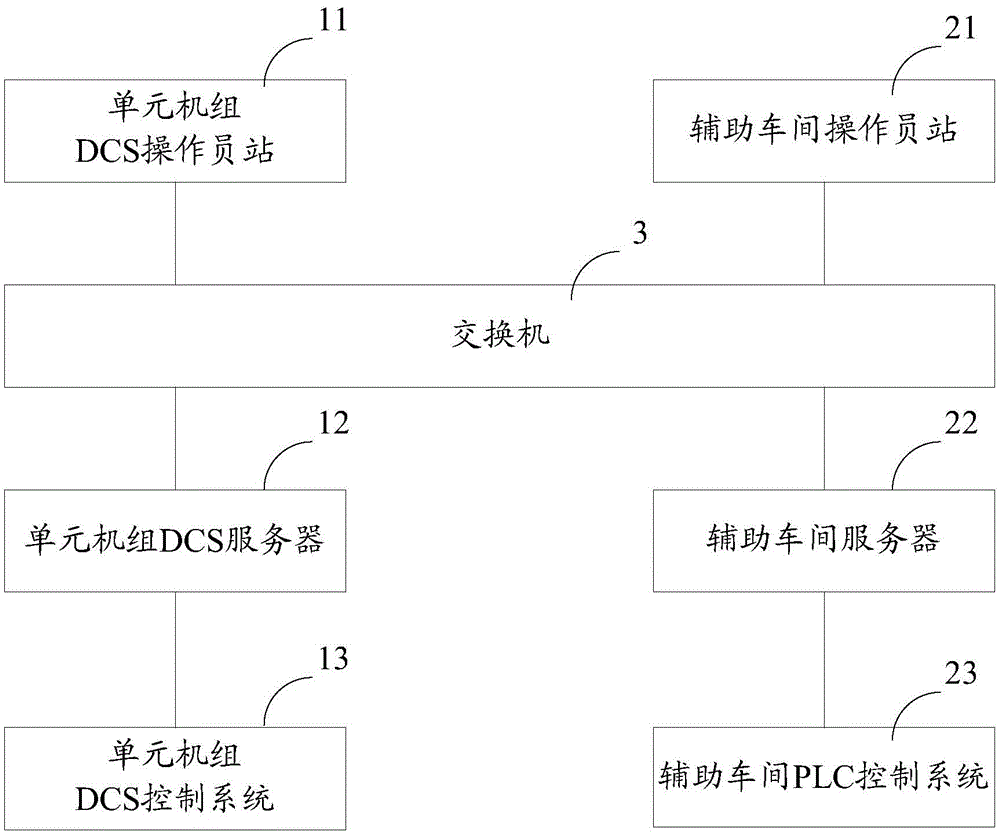
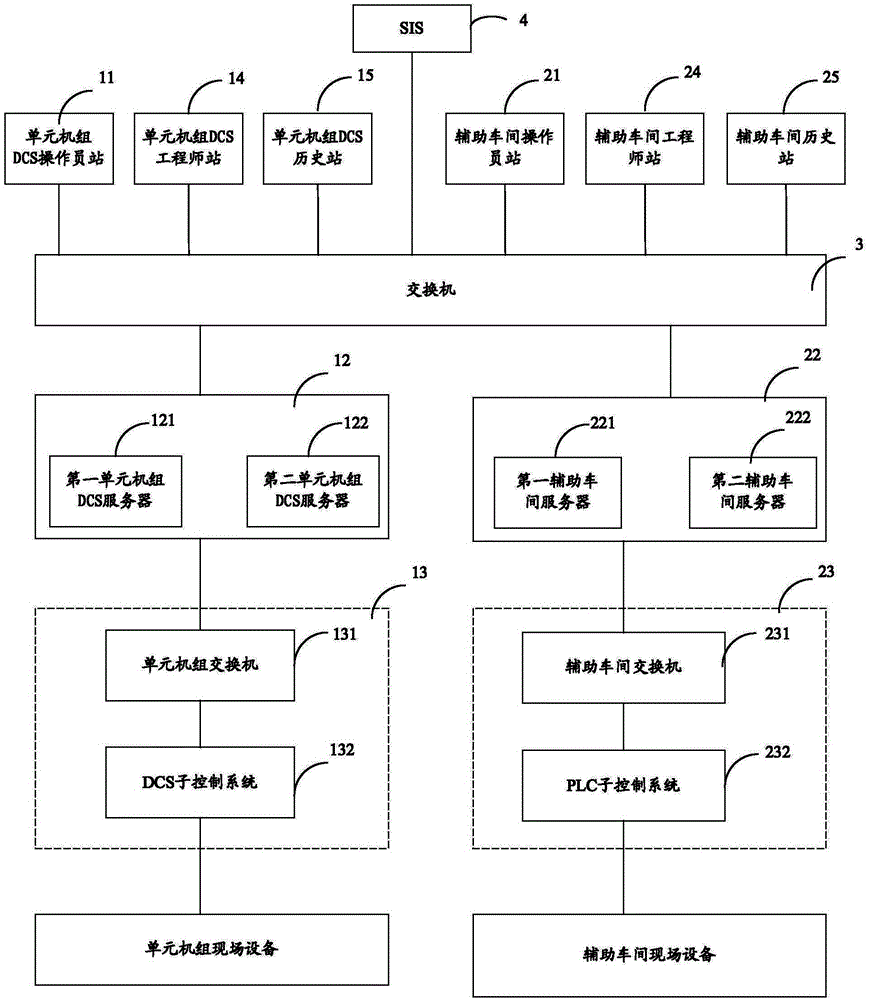
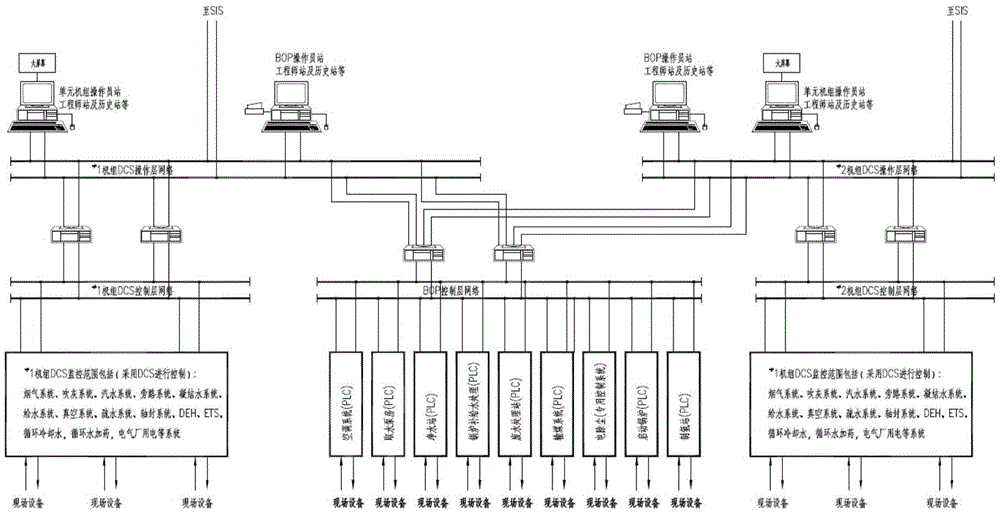
- An integrated power plant control system based on a server structure is adopted. The configuration and monitoring system of the unit unit DCS operator station, unit unit DCS server, auxiliary workshop PLC control system and unit unit DCS control system are consistent, and the switch is used to realize the control information of the whole plant. sharing, and use PLC control systems in auxiliary workshops to reduce costs.
Industry Standards Impact on Control System Costs
Industry standards play a pivotal role in shaping the cost structure of control systems, creating distinct economic implications for distributed and proprietary architectures. The adoption of standardized protocols and interfaces fundamentally alters the total cost of ownership equation by influencing procurement, integration, maintenance, and lifecycle management expenses.
Open standards such as IEC 61131, OPC UA, and Ethernet/IP have significantly reduced barriers to entry in the distributed control systems market. These standards enable interoperability between components from different vendors, fostering competitive pricing through increased supplier options. Organizations implementing standards-compliant distributed systems typically experience 15-25% lower initial procurement costs compared to proprietary alternatives, as competitive bidding processes become more viable when vendor lock-in is minimized.
The standardization impact extends beyond initial acquisition costs to operational expenses. Standards-based systems require less specialized training for maintenance personnel, as technicians can apply common knowledge across multiple vendor platforms. This translates to reduced training costs and improved resource utilization, with organizations reporting 20-30% savings in maintenance labor costs when transitioning from proprietary to standards-based architectures.
However, proprietary systems maintain cost advantages in specific scenarios where standards compliance introduces overhead. Custom protocols optimized for particular applications can achieve superior performance with lower hardware requirements, potentially offsetting higher software licensing costs. Additionally, proprietary vendors often provide comprehensive support packages that, while expensive, can reduce internal resource requirements for system management.
The emergence of cybersecurity standards like IEC 62443 has introduced new cost considerations. Compliance with these standards requires additional security infrastructure and ongoing monitoring capabilities, adding 10-15% to system implementation costs regardless of architecture choice. However, standards-compliant security implementations typically offer better long-term cost predictability compared to proprietary security solutions.
Standards evolution also creates migration costs that affect both architectures differently. Distributed systems generally adapt more readily to new standards through modular upgrades, while proprietary systems may require complete platform migrations. This dynamic increasingly favors distributed architectures as standards continue evolving rapidly in response to Industry 4.0 requirements.
Open standards such as IEC 61131, OPC UA, and Ethernet/IP have significantly reduced barriers to entry in the distributed control systems market. These standards enable interoperability between components from different vendors, fostering competitive pricing through increased supplier options. Organizations implementing standards-compliant distributed systems typically experience 15-25% lower initial procurement costs compared to proprietary alternatives, as competitive bidding processes become more viable when vendor lock-in is minimized.
The standardization impact extends beyond initial acquisition costs to operational expenses. Standards-based systems require less specialized training for maintenance personnel, as technicians can apply common knowledge across multiple vendor platforms. This translates to reduced training costs and improved resource utilization, with organizations reporting 20-30% savings in maintenance labor costs when transitioning from proprietary to standards-based architectures.
However, proprietary systems maintain cost advantages in specific scenarios where standards compliance introduces overhead. Custom protocols optimized for particular applications can achieve superior performance with lower hardware requirements, potentially offsetting higher software licensing costs. Additionally, proprietary vendors often provide comprehensive support packages that, while expensive, can reduce internal resource requirements for system management.
The emergence of cybersecurity standards like IEC 62443 has introduced new cost considerations. Compliance with these standards requires additional security infrastructure and ongoing monitoring capabilities, adding 10-15% to system implementation costs regardless of architecture choice. However, standards-compliant security implementations typically offer better long-term cost predictability compared to proprietary security solutions.
Standards evolution also creates migration costs that affect both architectures differently. Distributed systems generally adapt more readily to new standards through modular upgrades, while proprietary systems may require complete platform migrations. This dynamic increasingly favors distributed architectures as standards continue evolving rapidly in response to Industry 4.0 requirements.
Total Cost of Ownership Analysis Framework
The Total Cost of Ownership (TCO) analysis framework provides a comprehensive methodology for evaluating the complete financial impact of distributed control systems versus proprietary systems throughout their operational lifecycle. This framework extends beyond initial capital expenditure to encompass all direct and indirect costs associated with system deployment, operation, maintenance, and eventual decommissioning.
The framework establishes five primary cost categories for systematic evaluation. Capital costs include hardware procurement, software licensing, system integration, and infrastructure modifications required for implementation. Operational costs encompass energy consumption, personnel training, routine maintenance, and system administration overhead. Support costs involve technical assistance, warranty services, spare parts inventory, and emergency response capabilities.
Lifecycle maintenance represents a critical component, covering preventive maintenance schedules, corrective repairs, system upgrades, and performance optimization activities. End-of-life costs include system migration, data preservation, equipment disposal, and regulatory compliance requirements during decommissioning phases.
The framework incorporates temporal analysis methodologies to account for cost variations across different operational phases. Initial deployment phases typically exhibit higher training and integration costs, while mature operational phases demonstrate more predictable maintenance patterns. The analysis considers depreciation schedules, technology refresh cycles, and scalability requirements that influence long-term financial commitments.
Risk-adjusted cost modeling forms an essential element of the framework, incorporating probability assessments for system failures, security breaches, and obsolescence scenarios. This approach enables organizations to quantify potential financial exposure and develop appropriate contingency strategies for both distributed and proprietary system architectures.
The framework also establishes standardized metrics for cross-system comparison, including cost per control point, annual operational cost ratios, and return on investment calculations. These metrics facilitate objective evaluation of competing system architectures while accounting for organizational-specific factors such as existing infrastructure, technical expertise availability, and strategic technology alignment requirements.
The framework establishes five primary cost categories for systematic evaluation. Capital costs include hardware procurement, software licensing, system integration, and infrastructure modifications required for implementation. Operational costs encompass energy consumption, personnel training, routine maintenance, and system administration overhead. Support costs involve technical assistance, warranty services, spare parts inventory, and emergency response capabilities.
Lifecycle maintenance represents a critical component, covering preventive maintenance schedules, corrective repairs, system upgrades, and performance optimization activities. End-of-life costs include system migration, data preservation, equipment disposal, and regulatory compliance requirements during decommissioning phases.
The framework incorporates temporal analysis methodologies to account for cost variations across different operational phases. Initial deployment phases typically exhibit higher training and integration costs, while mature operational phases demonstrate more predictable maintenance patterns. The analysis considers depreciation schedules, technology refresh cycles, and scalability requirements that influence long-term financial commitments.
Risk-adjusted cost modeling forms an essential element of the framework, incorporating probability assessments for system failures, security breaches, and obsolescence scenarios. This approach enables organizations to quantify potential financial exposure and develop appropriate contingency strategies for both distributed and proprietary system architectures.
The framework also establishes standardized metrics for cross-system comparison, including cost per control point, annual operational cost ratios, and return on investment calculations. These metrics facilitate objective evaluation of competing system architectures while accounting for organizational-specific factors such as existing infrastructure, technical expertise availability, and strategic technology alignment requirements.
Unlock deeper insights with PatSnap Eureka Quick Research — get a full tech report to explore trends and direct your research. Try now!
Generate Your Research Report Instantly with AI Agent
Supercharge your innovation with PatSnap Eureka AI Agent Platform!