

How to Manage Data Exchange in Distributed Control Systems for IoT Integration
APR 28, 20269 MIN READ
Generate Your Research Report Instantly with AI Agent
PatSnap Eureka helps you evaluate technical feasibility & market potential.
Distributed Control Systems IoT Integration Background and Objectives
Distributed Control Systems (DCS) have evolved significantly since their inception in the 1970s, transitioning from centralized architectures to sophisticated distributed networks capable of managing complex industrial processes. The integration of Internet of Things (IoT) technologies represents the next evolutionary leap, fundamentally transforming how industrial systems collect, process, and exchange data across interconnected devices and platforms.
The convergence of DCS and IoT technologies addresses the growing demand for intelligent automation, predictive maintenance, and real-time decision-making in industrial environments. Traditional DCS architectures, while robust and reliable, face limitations in scalability, flexibility, and data accessibility when confronted with the exponential growth of connected devices and sensors characteristic of Industry 4.0 initiatives.
Modern industrial facilities require seamless integration between legacy control systems and emerging IoT ecosystems to achieve operational excellence. This integration enables enhanced visibility into production processes, improved asset utilization, and the implementation of advanced analytics for predictive maintenance and quality optimization. The challenge lies in establishing efficient data exchange mechanisms that maintain system reliability while accommodating diverse communication protocols and data formats.
The primary objective of integrating IoT capabilities into distributed control systems centers on creating a unified data ecosystem that enables bidirectional communication between field devices, control nodes, and enterprise-level applications. This integration aims to preserve the deterministic behavior and safety-critical functions of traditional DCS while incorporating the flexibility and connectivity advantages of IoT technologies.
Key technical objectives include establishing standardized communication protocols that support both real-time control data and historical information exchange, implementing robust cybersecurity measures to protect critical infrastructure, and developing scalable architectures that accommodate future expansion of connected devices. Additionally, the integration must ensure minimal latency for time-critical control functions while enabling efficient data aggregation for analytics and reporting purposes.
The ultimate goal involves creating intelligent industrial ecosystems where distributed control systems leverage IoT-generated insights to optimize performance, reduce operational costs, and enhance overall system reliability through proactive maintenance strategies and adaptive control algorithms.
The convergence of DCS and IoT technologies addresses the growing demand for intelligent automation, predictive maintenance, and real-time decision-making in industrial environments. Traditional DCS architectures, while robust and reliable, face limitations in scalability, flexibility, and data accessibility when confronted with the exponential growth of connected devices and sensors characteristic of Industry 4.0 initiatives.
Modern industrial facilities require seamless integration between legacy control systems and emerging IoT ecosystems to achieve operational excellence. This integration enables enhanced visibility into production processes, improved asset utilization, and the implementation of advanced analytics for predictive maintenance and quality optimization. The challenge lies in establishing efficient data exchange mechanisms that maintain system reliability while accommodating diverse communication protocols and data formats.
The primary objective of integrating IoT capabilities into distributed control systems centers on creating a unified data ecosystem that enables bidirectional communication between field devices, control nodes, and enterprise-level applications. This integration aims to preserve the deterministic behavior and safety-critical functions of traditional DCS while incorporating the flexibility and connectivity advantages of IoT technologies.
Key technical objectives include establishing standardized communication protocols that support both real-time control data and historical information exchange, implementing robust cybersecurity measures to protect critical infrastructure, and developing scalable architectures that accommodate future expansion of connected devices. Additionally, the integration must ensure minimal latency for time-critical control functions while enabling efficient data aggregation for analytics and reporting purposes.
The ultimate goal involves creating intelligent industrial ecosystems where distributed control systems leverage IoT-generated insights to optimize performance, reduce operational costs, and enhance overall system reliability through proactive maintenance strategies and adaptive control algorithms.
Market Demand for IoT-Enabled Distributed Control Solutions
The global market for IoT-enabled distributed control solutions is experiencing unprecedented growth driven by the convergence of industrial automation, digital transformation initiatives, and the proliferation of connected devices across various sectors. Manufacturing industries are increasingly adopting these solutions to achieve real-time monitoring, predictive maintenance, and enhanced operational efficiency. The automotive, pharmaceutical, food and beverage, and chemical processing industries represent the largest demand segments, where precise control and seamless data exchange are critical for maintaining product quality and regulatory compliance.
Smart city initiatives worldwide are creating substantial demand for distributed control systems that can manage complex infrastructure networks including traffic management, energy distribution, water treatment facilities, and waste management systems. These applications require robust data exchange mechanisms capable of handling massive volumes of sensor data while ensuring reliable communication between distributed control nodes. Municipal governments and utility companies are investing heavily in IoT-enabled solutions to optimize resource utilization and improve service delivery to citizens.
The energy sector, particularly renewable energy installations and smart grid implementations, represents another significant growth driver. Wind farms, solar installations, and distributed energy resources require sophisticated control systems that can coordinate operations across geographically dispersed assets. The integration of energy storage systems and electric vehicle charging infrastructure further amplifies the need for advanced data exchange capabilities in distributed control environments.
Industrial Internet of Things adoption is accelerating demand for edge computing solutions that can process control data locally while maintaining connectivity to centralized management systems. This trend is particularly pronounced in remote monitoring applications such as oil and gas pipeline management, mining operations, and agricultural automation systems where reliable communication infrastructure may be limited.
The healthcare sector is emerging as a promising market segment, with hospitals and medical facilities implementing IoT-enabled building management systems, patient monitoring networks, and medical equipment coordination platforms. These applications demand high reliability and security standards for data exchange, driving innovation in distributed control architectures.
Market growth is further supported by regulatory requirements for environmental monitoring, energy efficiency reporting, and safety compliance across multiple industries. Organizations are seeking integrated solutions that can consolidate data from diverse control systems while maintaining operational independence and fault tolerance.
Smart city initiatives worldwide are creating substantial demand for distributed control systems that can manage complex infrastructure networks including traffic management, energy distribution, water treatment facilities, and waste management systems. These applications require robust data exchange mechanisms capable of handling massive volumes of sensor data while ensuring reliable communication between distributed control nodes. Municipal governments and utility companies are investing heavily in IoT-enabled solutions to optimize resource utilization and improve service delivery to citizens.
The energy sector, particularly renewable energy installations and smart grid implementations, represents another significant growth driver. Wind farms, solar installations, and distributed energy resources require sophisticated control systems that can coordinate operations across geographically dispersed assets. The integration of energy storage systems and electric vehicle charging infrastructure further amplifies the need for advanced data exchange capabilities in distributed control environments.
Industrial Internet of Things adoption is accelerating demand for edge computing solutions that can process control data locally while maintaining connectivity to centralized management systems. This trend is particularly pronounced in remote monitoring applications such as oil and gas pipeline management, mining operations, and agricultural automation systems where reliable communication infrastructure may be limited.
The healthcare sector is emerging as a promising market segment, with hospitals and medical facilities implementing IoT-enabled building management systems, patient monitoring networks, and medical equipment coordination platforms. These applications demand high reliability and security standards for data exchange, driving innovation in distributed control architectures.
Market growth is further supported by regulatory requirements for environmental monitoring, energy efficiency reporting, and safety compliance across multiple industries. Organizations are seeking integrated solutions that can consolidate data from diverse control systems while maintaining operational independence and fault tolerance.
Current State and Data Exchange Challenges in DCS IoT Integration
Distributed Control Systems (DCS) have traditionally operated within closed, proprietary environments with well-defined communication protocols and centralized architectures. However, the integration of Internet of Things (IoT) technologies has fundamentally disrupted this paradigm, creating unprecedented challenges in data exchange management. Current DCS implementations struggle to accommodate the heterogeneous nature of IoT devices, which often utilize diverse communication protocols, data formats, and security mechanisms.
The proliferation of IoT sensors and actuators in industrial environments has exponentially increased the volume and variety of data that must be processed and exchanged. Traditional DCS architectures, designed for predictable data flows and standardized industrial protocols like Modbus, Profibus, and Foundation Fieldbus, are now confronted with managing real-time streams from thousands of IoT endpoints using protocols such as MQTT, CoAP, and HTTP/REST APIs.
Interoperability remains one of the most significant technical barriers in current DCS-IoT integration scenarios. Legacy control systems often lack native support for modern IoT communication standards, necessitating complex gateway solutions and protocol translation layers. These intermediary components introduce latency, potential points of failure, and additional complexity in system maintenance and troubleshooting.
Data consistency and synchronization present critical challenges when integrating distributed IoT devices with centralized DCS architectures. The asynchronous nature of IoT communications conflicts with the deterministic timing requirements of industrial control processes. Network latency variations, packet loss, and intermittent connectivity issues can compromise the reliability of control loops and safety-critical operations.
Security vulnerabilities have emerged as paramount concerns in DCS-IoT integration. Traditional DCS networks operated under the assumption of physical isolation and trusted internal communications. IoT integration introduces multiple attack vectors through wireless communications, cloud connectivity, and diverse device authentication mechanisms. Current implementations often struggle to maintain the security standards required for critical infrastructure while enabling the flexibility demanded by IoT applications.
Scalability limitations in existing DCS architectures become apparent when attempting to integrate large-scale IoT deployments. Traditional centralized processing models cannot efficiently handle the distributed nature of IoT data generation and the need for edge computing capabilities. This mismatch creates bottlenecks in data processing and limits the real-time responsiveness essential for effective control system operation.
The proliferation of IoT sensors and actuators in industrial environments has exponentially increased the volume and variety of data that must be processed and exchanged. Traditional DCS architectures, designed for predictable data flows and standardized industrial protocols like Modbus, Profibus, and Foundation Fieldbus, are now confronted with managing real-time streams from thousands of IoT endpoints using protocols such as MQTT, CoAP, and HTTP/REST APIs.
Interoperability remains one of the most significant technical barriers in current DCS-IoT integration scenarios. Legacy control systems often lack native support for modern IoT communication standards, necessitating complex gateway solutions and protocol translation layers. These intermediary components introduce latency, potential points of failure, and additional complexity in system maintenance and troubleshooting.
Data consistency and synchronization present critical challenges when integrating distributed IoT devices with centralized DCS architectures. The asynchronous nature of IoT communications conflicts with the deterministic timing requirements of industrial control processes. Network latency variations, packet loss, and intermittent connectivity issues can compromise the reliability of control loops and safety-critical operations.
Security vulnerabilities have emerged as paramount concerns in DCS-IoT integration. Traditional DCS networks operated under the assumption of physical isolation and trusted internal communications. IoT integration introduces multiple attack vectors through wireless communications, cloud connectivity, and diverse device authentication mechanisms. Current implementations often struggle to maintain the security standards required for critical infrastructure while enabling the flexibility demanded by IoT applications.
Scalability limitations in existing DCS architectures become apparent when attempting to integrate large-scale IoT deployments. Traditional centralized processing models cannot efficiently handle the distributed nature of IoT data generation and the need for edge computing capabilities. This mismatch creates bottlenecks in data processing and limits the real-time responsiveness essential for effective control system operation.
Existing Data Exchange Solutions for DCS IoT Integration
01 Communication protocols and data transmission methods in distributed control systems
Various communication protocols and data transmission methods are employed to enable efficient data exchange between distributed control system components. These methods include standardized protocols for real-time data communication, message formatting, and network architectures that ensure reliable information transfer across different system nodes and control units.- Communication protocols and data transmission methods: Various communication protocols and data transmission methods are employed in distributed control systems to enable efficient data exchange between different components. These protocols ensure reliable and secure transmission of control data, sensor readings, and system status information across the network. The methods include both wired and wireless communication technologies that support real-time data exchange requirements.
- Network architecture and topology design: The network architecture and topology design plays a crucial role in distributed control systems data exchange. This involves the structural arrangement of network nodes, communication pathways, and data routing mechanisms. The design considerations include redundancy, fault tolerance, scalability, and performance optimization to ensure robust data exchange capabilities across the distributed system.
- Data synchronization and coordination mechanisms: Data synchronization and coordination mechanisms are essential for maintaining consistency and coherence across distributed control systems. These mechanisms handle timing synchronization, data consistency protocols, and coordination algorithms that ensure all system components operate with synchronized information. The approaches address challenges related to distributed timing, data conflicts, and system-wide coordination.
- Security and authentication frameworks: Security and authentication frameworks provide protection for data exchange in distributed control systems against unauthorized access and cyber threats. These frameworks implement encryption methods, access control mechanisms, authentication protocols, and intrusion detection systems. The security measures ensure data integrity, confidentiality, and system availability while maintaining operational efficiency.
- Real-time data processing and management: Real-time data processing and management capabilities enable distributed control systems to handle time-critical operations and maintain system responsiveness. This includes data buffering, priority-based processing, real-time scheduling algorithms, and efficient data storage mechanisms. The systems are designed to process large volumes of control data while meeting strict timing requirements and maintaining system stability.
02 Network architecture and topology for distributed control systems
The network architecture and topology design plays a crucial role in distributed control systems data exchange. This includes hierarchical network structures, mesh topologies, and redundant communication paths that provide fault tolerance and scalability. The architecture ensures seamless connectivity between various control nodes and maintains system integrity during data exchange operations.Expand Specific Solutions03 Real-time data synchronization and coordination mechanisms
Real-time data synchronization mechanisms ensure coordinated operation across distributed control system components. These systems implement time-stamping, clock synchronization, and event-driven communication to maintain temporal consistency. The coordination mechanisms handle concurrent data access, conflict resolution, and maintain system-wide coherence during distributed operations.Expand Specific Solutions04 Security and authentication frameworks for data exchange
Security frameworks protect data integrity and authenticity during exchange operations in distributed control systems. These include encryption protocols, authentication mechanisms, access control systems, and secure communication channels. The frameworks prevent unauthorized access, ensure data confidentiality, and maintain system security against various cyber threats.Expand Specific Solutions05 Data processing and management systems for distributed control
Advanced data processing and management systems handle the collection, storage, and analysis of information in distributed control environments. These systems implement distributed databases, data warehousing solutions, and analytics platforms that support decision-making processes. The management systems ensure data quality, provide historical data access, and support predictive maintenance capabilities.Expand Specific Solutions
Key Players in DCS and IoT Integration Market
The distributed control systems market for IoT integration is experiencing rapid evolution, driven by the convergence of operational technology and information technology. The industry is in a mature growth phase with significant market expansion, particularly in industrial automation and smart infrastructure sectors. Technology maturity varies considerably across market players, with established industrial giants like Siemens AG, Rockwell Automation Technologies, and Honeywell International Technologies leading in traditional control systems, while telecommunications leaders such as Huawei Technologies, ZTE Corp., and NEC Corp. drive IoT connectivity innovations. Emerging specialists like Xage Security focus on security solutions, and cloud infrastructure providers including Nutanix and Equinix enable scalable data management architectures. The competitive landscape reflects a fragmented ecosystem where traditional automation companies are integrating IoT capabilities, while technology firms are expanding into industrial applications, creating both collaboration opportunities and competitive tensions in this rapidly digitalizing market.
Rockwell Automation Technologies, Inc.
Technical Solution: Rockwell Automation's FactoryTalk system provides distributed control capabilities through their Integrated Architecture platform, featuring EtherNet/IP communication for real-time data exchange with IoT devices. The solution incorporates predictive analytics engines that process distributed sensor data locally while maintaining centralized coordination. Their approach includes adaptive data filtering mechanisms that prioritize critical control information and implements secure tunneling protocols for remote IoT device management across geographically distributed industrial facilities.
Strengths: Deep industrial domain expertise with strong integration capabilities for existing automation infrastructure. Weaknesses: Primarily focused on manufacturing sector, limiting applicability to other IoT domains.
Honeywell International Technologies Ltd.
Technical Solution: Honeywell's Experion PKS distributed control system incorporates advanced data exchange management through their Connected Plant architecture, featuring secure industrial internet gateways for IoT integration. The solution implements hierarchical data management with local control loops maintaining autonomy while participating in system-wide optimization algorithms. Their platform utilizes adaptive communication protocols that automatically adjust data transmission rates based on network conditions and criticality levels, ensuring reliable operation across diverse industrial IoT environments with varying connectivity requirements.
Strengths: Extensive experience in process industries with safety-critical system expertise and regulatory compliance capabilities. Weaknesses: Traditional approach may lack agility compared to modern cloud-native IoT platforms.
Core Technologies in Distributed Data Management Protocols
SYSTEM FOR MEDIATING HETEROGENEOUS DATA EXCHANGE SCHEMES BETWEEN IoT DEVICES
PatentInactiveUS20150296022A1
Innovation
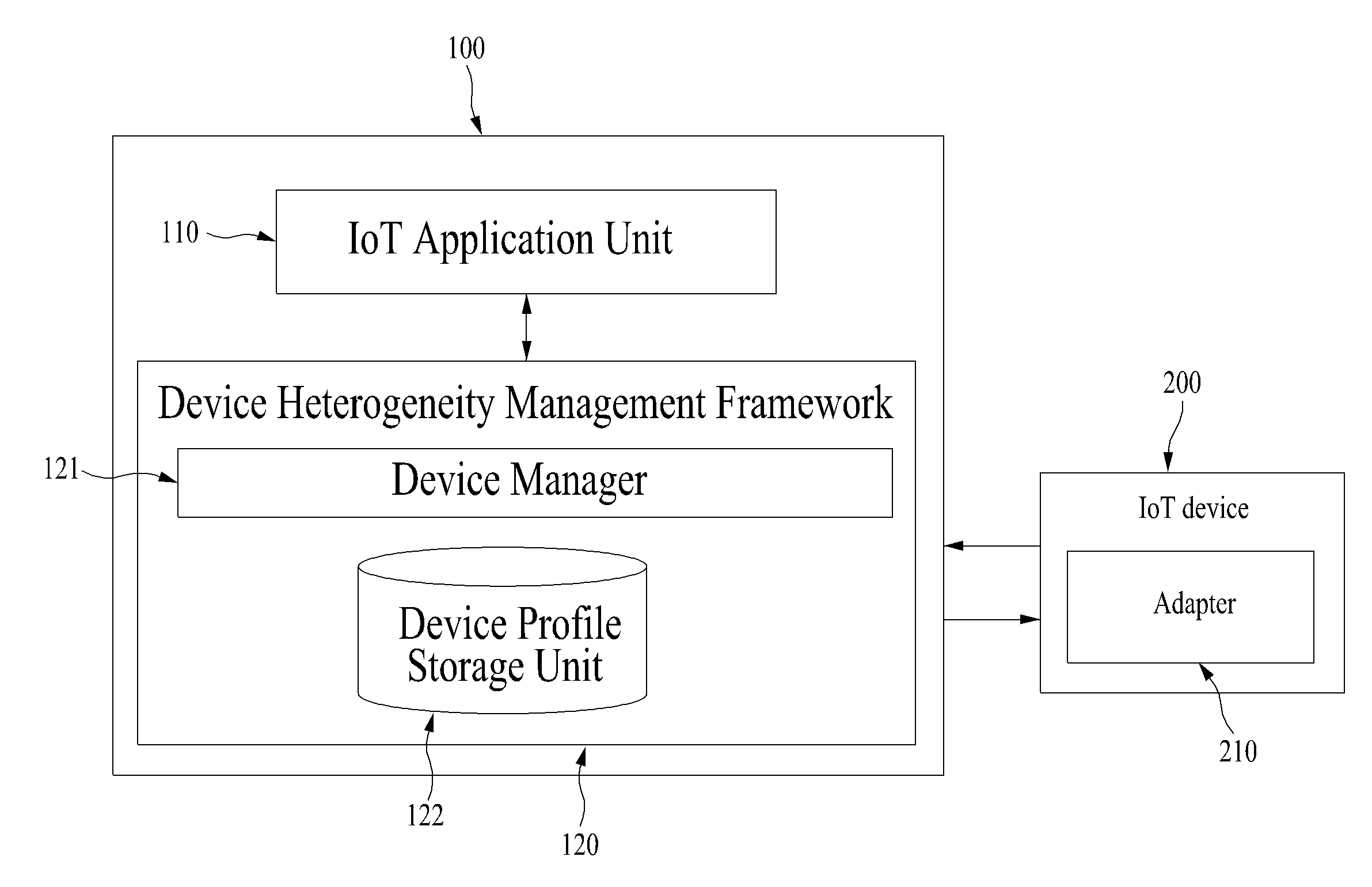
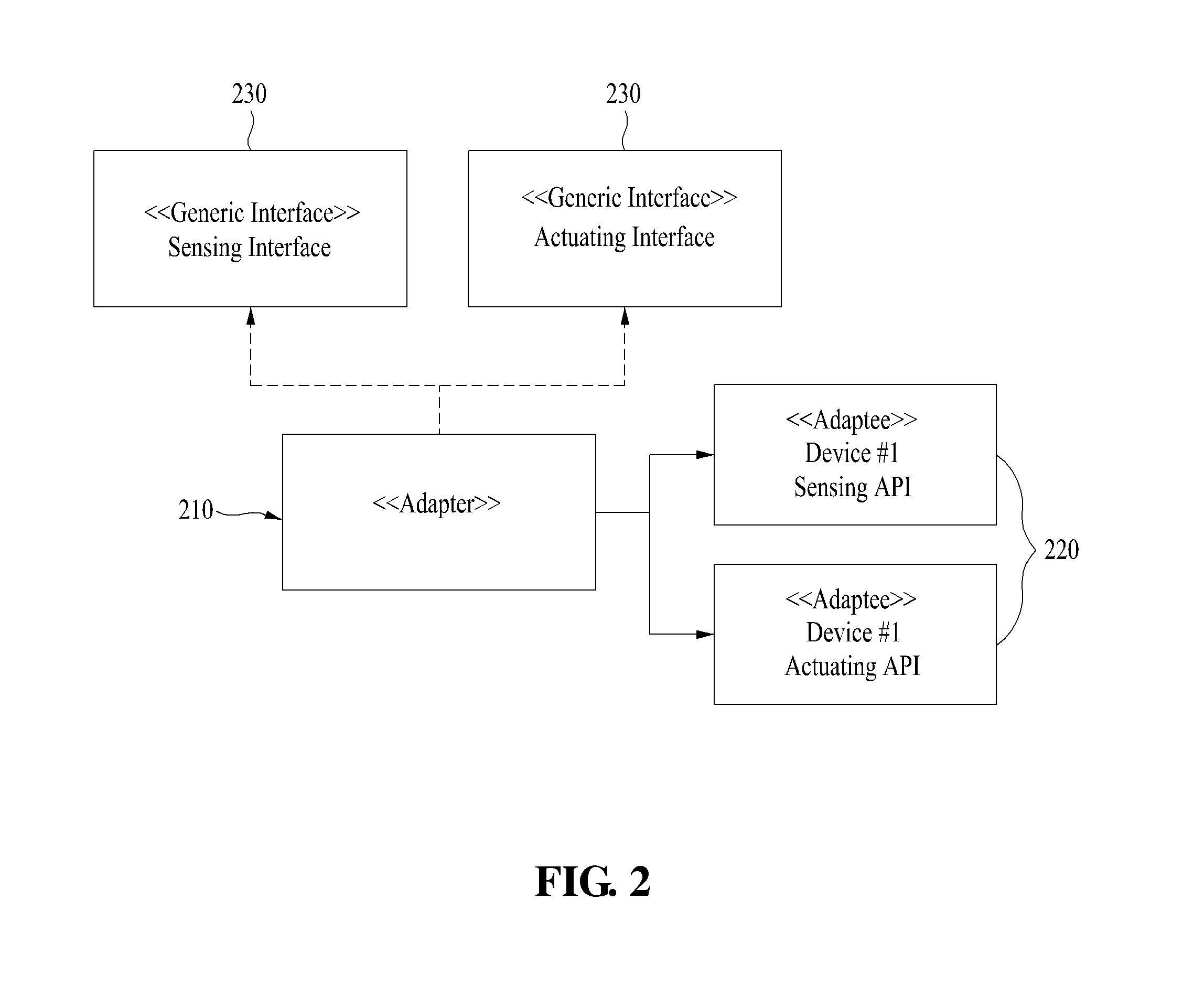
- A system utilizing an adapter pattern to unify interfaces and data exchange schemes through a generic interface, supporting both polling and publish/subscribe schemes, and managing device heterogeneity via a framework that converts different interfaces into a unified format, enabling seamless data exchange and device management.

Distributed communication between internet of things devices
PatentActiveUS20210367947A1
Innovation
- A distributed IoT system where each device acts as an independent agent, using reasoning algorithms and machine-learning-based algorithms to process inputs and communicate directly with other devices through a universal bus, eliminating the need for a central server and enhancing data privacy and security.


Cybersecurity Framework for Distributed IoT Data Exchange
The cybersecurity framework for distributed IoT data exchange represents a critical architectural component that addresses the inherent vulnerabilities in interconnected control systems. As IoT devices proliferate across industrial environments, the attack surface expands exponentially, creating unprecedented security challenges that traditional centralized security models cannot adequately address.
A comprehensive cybersecurity framework must establish multiple layers of protection, beginning with device-level authentication and encryption protocols. Each IoT endpoint requires robust identity verification mechanisms, typically implemented through digital certificates or hardware security modules. These authentication systems ensure that only authorized devices can participate in data exchange processes, preventing unauthorized access to critical control systems.
Network segmentation forms another fundamental pillar of the security architecture. By implementing micro-segmentation strategies, organizations can isolate different IoT device clusters and control system components, limiting the potential impact of security breaches. This approach creates secure communication channels between trusted devices while maintaining strict access controls for inter-segment data flows.
Real-time threat detection and response capabilities are essential for maintaining security in dynamic IoT environments. Advanced monitoring systems must continuously analyze data exchange patterns, identifying anomalous behaviors that could indicate cyberattacks or system compromises. Machine learning algorithms can enhance these detection capabilities by establishing baseline communication patterns and flagging deviations that warrant investigation.
Data integrity verification mechanisms ensure that information exchanged between distributed control systems remains unaltered during transmission. Cryptographic hash functions and digital signatures provide mathematical proof of data authenticity, enabling receiving systems to verify that control commands and sensor data have not been tampered with during network transit.
The framework must also incorporate secure key management systems to handle the complex cryptographic requirements of large-scale IoT deployments. Automated key rotation, secure key distribution, and certificate lifecycle management become critical operational requirements as the number of connected devices scales into thousands or millions of endpoints across distributed control infrastructure.
A comprehensive cybersecurity framework must establish multiple layers of protection, beginning with device-level authentication and encryption protocols. Each IoT endpoint requires robust identity verification mechanisms, typically implemented through digital certificates or hardware security modules. These authentication systems ensure that only authorized devices can participate in data exchange processes, preventing unauthorized access to critical control systems.
Network segmentation forms another fundamental pillar of the security architecture. By implementing micro-segmentation strategies, organizations can isolate different IoT device clusters and control system components, limiting the potential impact of security breaches. This approach creates secure communication channels between trusted devices while maintaining strict access controls for inter-segment data flows.
Real-time threat detection and response capabilities are essential for maintaining security in dynamic IoT environments. Advanced monitoring systems must continuously analyze data exchange patterns, identifying anomalous behaviors that could indicate cyberattacks or system compromises. Machine learning algorithms can enhance these detection capabilities by establishing baseline communication patterns and flagging deviations that warrant investigation.
Data integrity verification mechanisms ensure that information exchanged between distributed control systems remains unaltered during transmission. Cryptographic hash functions and digital signatures provide mathematical proof of data authenticity, enabling receiving systems to verify that control commands and sensor data have not been tampered with during network transit.
The framework must also incorporate secure key management systems to handle the complex cryptographic requirements of large-scale IoT deployments. Automated key rotation, secure key distribution, and certificate lifecycle management become critical operational requirements as the number of connected devices scales into thousands or millions of endpoints across distributed control infrastructure.
Interoperability Standards for Cross-Platform DCS Integration
The integration of distributed control systems with IoT platforms necessitates robust interoperability standards that enable seamless cross-platform communication and data exchange. Current interoperability frameworks are built upon several foundational protocols and standards that address the heterogeneous nature of industrial control environments and emerging IoT ecosystems.
OPC UA (Open Platform Communications Unified Architecture) serves as the cornerstone standard for industrial interoperability, providing a platform-independent service-oriented architecture that facilitates secure and reliable data exchange between diverse control systems. This standard offers comprehensive information modeling capabilities, enabling semantic interoperability across different vendor platforms and supporting both real-time and historical data access patterns essential for IoT integration scenarios.
The Industrial Internet Consortium's Industrial Internet Reference Architecture provides a comprehensive framework for cross-platform integration, establishing guidelines for connectivity, data management, and security layers. This architecture emphasizes the importance of edge-to-cloud connectivity patterns and defines standardized interfaces that enable DCS components to interact with cloud-based IoT platforms while maintaining operational integrity and performance requirements.
MQTT and CoAP protocols have emerged as critical enablers for lightweight communication between DCS edge devices and IoT platforms. These protocols address the specific requirements of resource-constrained environments while providing reliable message delivery mechanisms. The integration of these protocols with traditional DCS communication standards like Modbus and DNP3 creates hybrid communication architectures that support both legacy system compatibility and modern IoT connectivity requirements.
Time-Sensitive Networking standards are becoming increasingly important for maintaining deterministic communication performance across heterogeneous networks. These standards ensure that critical control data maintains its timing requirements even when sharing network infrastructure with IoT traffic, addressing one of the fundamental challenges in cross-platform integration scenarios.
The convergence of IT and OT security standards, particularly the adoption of IEC 62443 security frameworks alongside IoT security protocols, establishes comprehensive security architectures that protect data integrity across platform boundaries while enabling the flexible connectivity patterns required for modern industrial IoT implementations.
OPC UA (Open Platform Communications Unified Architecture) serves as the cornerstone standard for industrial interoperability, providing a platform-independent service-oriented architecture that facilitates secure and reliable data exchange between diverse control systems. This standard offers comprehensive information modeling capabilities, enabling semantic interoperability across different vendor platforms and supporting both real-time and historical data access patterns essential for IoT integration scenarios.
The Industrial Internet Consortium's Industrial Internet Reference Architecture provides a comprehensive framework for cross-platform integration, establishing guidelines for connectivity, data management, and security layers. This architecture emphasizes the importance of edge-to-cloud connectivity patterns and defines standardized interfaces that enable DCS components to interact with cloud-based IoT platforms while maintaining operational integrity and performance requirements.
MQTT and CoAP protocols have emerged as critical enablers for lightweight communication between DCS edge devices and IoT platforms. These protocols address the specific requirements of resource-constrained environments while providing reliable message delivery mechanisms. The integration of these protocols with traditional DCS communication standards like Modbus and DNP3 creates hybrid communication architectures that support both legacy system compatibility and modern IoT connectivity requirements.
Time-Sensitive Networking standards are becoming increasingly important for maintaining deterministic communication performance across heterogeneous networks. These standards ensure that critical control data maintains its timing requirements even when sharing network infrastructure with IoT traffic, addressing one of the fundamental challenges in cross-platform integration scenarios.
The convergence of IT and OT security standards, particularly the adoption of IEC 62443 security frameworks alongside IoT security protocols, establishes comprehensive security architectures that protect data integrity across platform boundaries while enabling the flexible connectivity patterns required for modern industrial IoT implementations.
Unlock deeper insights with PatSnap Eureka Quick Research — get a full tech report to explore trends and direct your research. Try now!
Generate Your Research Report Instantly with AI Agent
Supercharge your innovation with PatSnap Eureka AI Agent Platform!