

Distributed Control Systems for Proactive Environmental Safety Management
APR 28, 20269 MIN READ
Generate Your Research Report Instantly with AI Agent
PatSnap Eureka helps you evaluate technical feasibility & market potential.
DCS Environmental Safety Background and Objectives
The evolution of industrial automation has witnessed a paradigm shift from reactive to proactive environmental safety management, driven by increasing regulatory pressures, environmental consciousness, and the need for sustainable operations. Traditional safety systems primarily focused on responding to incidents after they occurred, often resulting in significant environmental damage, regulatory penalties, and operational disruptions. The emergence of distributed control systems represents a fundamental transformation in how industries approach environmental safety challenges.
Environmental safety management in industrial settings encompasses multiple dimensions including air quality monitoring, water resource protection, waste management, emissions control, and hazardous material handling. The complexity of modern industrial processes, coupled with stringent environmental regulations such as the Clean Air Act, Water Protection Acts, and various international environmental standards, necessitates sophisticated control mechanisms that can anticipate and prevent environmental incidents before they manifest.
Distributed Control Systems have emerged as a critical technological solution for addressing these challenges through their inherent capabilities of real-time monitoring, predictive analytics, and automated response mechanisms. Unlike centralized control architectures, DCS platforms distribute intelligence across multiple nodes, enabling localized decision-making while maintaining system-wide coordination. This distributed approach proves particularly valuable in environmental safety applications where rapid response times and fault tolerance are paramount.
The primary objective of implementing DCS for proactive environmental safety management centers on establishing predictive capabilities that can identify potential environmental risks before they escalate into actual incidents. This involves integrating advanced sensor networks, machine learning algorithms, and automated control mechanisms to create a comprehensive safety ecosystem. The system aims to continuously monitor environmental parameters, analyze trends, and execute preventive measures autonomously.
Another crucial objective involves achieving regulatory compliance through automated documentation, real-time reporting, and continuous monitoring of environmental parameters. Modern environmental regulations require detailed tracking of emissions, waste generation, and resource consumption, demanding systems capable of maintaining comprehensive audit trails and generating compliance reports automatically.
The technological framework also seeks to optimize resource utilization while maintaining environmental safety standards. This dual objective requires sophisticated algorithms that can balance operational efficiency with environmental protection, ensuring that safety measures do not compromise productivity unnecessarily. The integration of economic optimization models with environmental constraints represents a key innovation area within this domain.
Furthermore, the system objectives include establishing resilient communication networks that can maintain operational integrity even under adverse conditions. Environmental safety systems must remain functional during emergencies, natural disasters, or cyber-attacks, requiring robust distributed architectures with redundant communication pathways and fail-safe mechanisms.
Environmental safety management in industrial settings encompasses multiple dimensions including air quality monitoring, water resource protection, waste management, emissions control, and hazardous material handling. The complexity of modern industrial processes, coupled with stringent environmental regulations such as the Clean Air Act, Water Protection Acts, and various international environmental standards, necessitates sophisticated control mechanisms that can anticipate and prevent environmental incidents before they manifest.
Distributed Control Systems have emerged as a critical technological solution for addressing these challenges through their inherent capabilities of real-time monitoring, predictive analytics, and automated response mechanisms. Unlike centralized control architectures, DCS platforms distribute intelligence across multiple nodes, enabling localized decision-making while maintaining system-wide coordination. This distributed approach proves particularly valuable in environmental safety applications where rapid response times and fault tolerance are paramount.
The primary objective of implementing DCS for proactive environmental safety management centers on establishing predictive capabilities that can identify potential environmental risks before they escalate into actual incidents. This involves integrating advanced sensor networks, machine learning algorithms, and automated control mechanisms to create a comprehensive safety ecosystem. The system aims to continuously monitor environmental parameters, analyze trends, and execute preventive measures autonomously.
Another crucial objective involves achieving regulatory compliance through automated documentation, real-time reporting, and continuous monitoring of environmental parameters. Modern environmental regulations require detailed tracking of emissions, waste generation, and resource consumption, demanding systems capable of maintaining comprehensive audit trails and generating compliance reports automatically.
The technological framework also seeks to optimize resource utilization while maintaining environmental safety standards. This dual objective requires sophisticated algorithms that can balance operational efficiency with environmental protection, ensuring that safety measures do not compromise productivity unnecessarily. The integration of economic optimization models with environmental constraints represents a key innovation area within this domain.
Furthermore, the system objectives include establishing resilient communication networks that can maintain operational integrity even under adverse conditions. Environmental safety systems must remain functional during emergencies, natural disasters, or cyber-attacks, requiring robust distributed architectures with redundant communication pathways and fail-safe mechanisms.
Market Demand for Proactive Environmental Safety Systems
The global market for proactive environmental safety systems is experiencing unprecedented growth driven by increasingly stringent environmental regulations and heightened corporate sustainability commitments. Industries across manufacturing, chemical processing, oil and gas, and power generation are actively seeking advanced solutions that can predict and prevent environmental incidents before they occur, rather than merely responding to them after the fact.
Regulatory frameworks worldwide are evolving to mandate more sophisticated environmental monitoring and control capabilities. The European Union's Industrial Emissions Directive and similar regulations in North America and Asia-Pacific regions are pushing organizations toward predictive environmental management approaches. These regulatory pressures create substantial market demand for distributed control systems capable of real-time environmental parameter monitoring and automated response mechanisms.
Corporate sustainability initiatives represent another significant demand driver. Organizations are recognizing that proactive environmental safety management not only ensures regulatory compliance but also delivers substantial cost savings through reduced waste, optimized resource utilization, and prevention of costly environmental incidents. The financial implications of environmental violations, including fines, remediation costs, and reputational damage, are motivating companies to invest in advanced preventive technologies.
The industrial Internet of Things revolution has created new possibilities for comprehensive environmental monitoring across distributed facilities. Organizations now demand integrated systems that can collect data from numerous sensors, analyze environmental trends, and automatically implement corrective actions across multiple sites simultaneously. This technological capability aligns perfectly with the operational needs of multinational corporations managing complex environmental compliance requirements.
Market demand is particularly strong in sectors with high environmental risk profiles. Chemical manufacturing facilities require systems capable of detecting and responding to potential emissions before they reach critical thresholds. Power generation plants need integrated solutions for managing air quality, water discharge parameters, and waste heat recovery. Mining operations demand comprehensive monitoring of dust levels, water contamination risks, and ecosystem impacts.
The emergence of environmental, social, and governance investment criteria has further amplified market demand. Institutional investors increasingly evaluate companies based on their environmental performance metrics, creating additional pressure for sophisticated environmental management systems. Organizations are seeking solutions that not only ensure compliance but also generate comprehensive reporting capabilities for stakeholder transparency.
Small and medium enterprises represent an emerging market segment as technology costs decrease and regulatory requirements expand to cover smaller operations. Cloud-based distributed control systems are making advanced environmental safety management accessible to organizations that previously could not justify the investment in comprehensive monitoring infrastructure.
Regulatory frameworks worldwide are evolving to mandate more sophisticated environmental monitoring and control capabilities. The European Union's Industrial Emissions Directive and similar regulations in North America and Asia-Pacific regions are pushing organizations toward predictive environmental management approaches. These regulatory pressures create substantial market demand for distributed control systems capable of real-time environmental parameter monitoring and automated response mechanisms.
Corporate sustainability initiatives represent another significant demand driver. Organizations are recognizing that proactive environmental safety management not only ensures regulatory compliance but also delivers substantial cost savings through reduced waste, optimized resource utilization, and prevention of costly environmental incidents. The financial implications of environmental violations, including fines, remediation costs, and reputational damage, are motivating companies to invest in advanced preventive technologies.
The industrial Internet of Things revolution has created new possibilities for comprehensive environmental monitoring across distributed facilities. Organizations now demand integrated systems that can collect data from numerous sensors, analyze environmental trends, and automatically implement corrective actions across multiple sites simultaneously. This technological capability aligns perfectly with the operational needs of multinational corporations managing complex environmental compliance requirements.
Market demand is particularly strong in sectors with high environmental risk profiles. Chemical manufacturing facilities require systems capable of detecting and responding to potential emissions before they reach critical thresholds. Power generation plants need integrated solutions for managing air quality, water discharge parameters, and waste heat recovery. Mining operations demand comprehensive monitoring of dust levels, water contamination risks, and ecosystem impacts.
The emergence of environmental, social, and governance investment criteria has further amplified market demand. Institutional investors increasingly evaluate companies based on their environmental performance metrics, creating additional pressure for sophisticated environmental management systems. Organizations are seeking solutions that not only ensure compliance but also generate comprehensive reporting capabilities for stakeholder transparency.
Small and medium enterprises represent an emerging market segment as technology costs decrease and regulatory requirements expand to cover smaller operations. Cloud-based distributed control systems are making advanced environmental safety management accessible to organizations that previously could not justify the investment in comprehensive monitoring infrastructure.
Current DCS Environmental Monitoring Challenges
Current distributed control systems face significant limitations in their environmental monitoring capabilities, primarily stemming from legacy architectures designed for operational control rather than comprehensive environmental oversight. Traditional DCS platforms typically operate with centralized data processing models that create bottlenecks when handling the massive volumes of environmental data required for proactive safety management. These systems often struggle with real-time processing of diverse sensor inputs, including air quality monitors, emission detectors, and meteorological instruments.
Integration challenges represent another critical barrier, as most existing DCS installations lack standardized protocols for incorporating advanced environmental sensors and IoT devices. The heterogeneous nature of environmental monitoring equipment from different manufacturers creates compatibility issues, forcing organizations to rely on custom interfaces and middleware solutions that increase system complexity and maintenance overhead.
Data quality and reliability issues plague current environmental monitoring implementations within DCS frameworks. Sensor drift, calibration inconsistencies, and communication failures frequently compromise data integrity, leading to false alarms or missed critical events. The absence of robust data validation algorithms and redundancy mechanisms further exacerbates these reliability concerns, particularly in harsh industrial environments where sensors are exposed to extreme conditions.
Scalability limitations become apparent when organizations attempt to expand their environmental monitoring coverage. Traditional DCS architectures struggle to accommodate the dynamic addition of new monitoring points without significant system reconfiguration. This inflexibility hinders the implementation of comprehensive environmental safety networks that can adapt to changing regulatory requirements and operational needs.
Real-time decision-making capabilities remain constrained by processing delays and limited analytical functionality within current DCS platforms. Most systems lack advanced algorithms for predictive environmental modeling and risk assessment, relying instead on simple threshold-based alarms that provide reactive rather than proactive responses to environmental threats.
Cybersecurity vulnerabilities in environmental monitoring components pose additional challenges, as many sensor networks lack adequate encryption and authentication mechanisms. The increasing connectivity requirements for comprehensive environmental monitoring expand the attack surface, creating potential entry points for malicious actors to compromise both environmental safety systems and core industrial operations.
Integration challenges represent another critical barrier, as most existing DCS installations lack standardized protocols for incorporating advanced environmental sensors and IoT devices. The heterogeneous nature of environmental monitoring equipment from different manufacturers creates compatibility issues, forcing organizations to rely on custom interfaces and middleware solutions that increase system complexity and maintenance overhead.
Data quality and reliability issues plague current environmental monitoring implementations within DCS frameworks. Sensor drift, calibration inconsistencies, and communication failures frequently compromise data integrity, leading to false alarms or missed critical events. The absence of robust data validation algorithms and redundancy mechanisms further exacerbates these reliability concerns, particularly in harsh industrial environments where sensors are exposed to extreme conditions.
Scalability limitations become apparent when organizations attempt to expand their environmental monitoring coverage. Traditional DCS architectures struggle to accommodate the dynamic addition of new monitoring points without significant system reconfiguration. This inflexibility hinders the implementation of comprehensive environmental safety networks that can adapt to changing regulatory requirements and operational needs.
Real-time decision-making capabilities remain constrained by processing delays and limited analytical functionality within current DCS platforms. Most systems lack advanced algorithms for predictive environmental modeling and risk assessment, relying instead on simple threshold-based alarms that provide reactive rather than proactive responses to environmental threats.
Cybersecurity vulnerabilities in environmental monitoring components pose additional challenges, as many sensor networks lack adequate encryption and authentication mechanisms. The increasing connectivity requirements for comprehensive environmental monitoring expand the attack surface, creating potential entry points for malicious actors to compromise both environmental safety systems and core industrial operations.
Existing Proactive Environmental Management Approaches
01 Environmental monitoring and control systems
Systems designed to monitor environmental parameters such as air quality, temperature, humidity, and pollutant levels in distributed control environments. These systems provide real-time data collection and analysis to ensure environmental safety standards are maintained across multiple control points and locations.- Environmental monitoring and control systems for industrial processes: Distributed control systems incorporate environmental monitoring capabilities to track and control various environmental parameters in industrial settings. These systems utilize sensors and automated control mechanisms to maintain optimal environmental conditions while ensuring safety compliance. The technology enables real-time monitoring of air quality, temperature, humidity, and other critical environmental factors that could impact both operational efficiency and worker safety.
- Safety interlocks and emergency response systems: Advanced safety interlock mechanisms are integrated into distributed control architectures to provide immediate response to environmental hazards. These systems feature automated shutdown procedures, emergency ventilation controls, and fail-safe mechanisms that activate when environmental conditions exceed predetermined safety thresholds. The technology ensures rapid containment of potential environmental risks and protects both personnel and equipment from hazardous conditions.
- Emission control and pollution prevention systems: Distributed control systems implement sophisticated emission monitoring and control technologies to minimize environmental impact. These systems actively manage waste streams, control pollutant discharge, and optimize process parameters to reduce environmental footprint. The technology includes predictive algorithms that anticipate potential emission events and automatically adjust operational parameters to prevent environmental violations.
- Environmental data analytics and compliance reporting: Modern distributed control systems incorporate advanced data analytics capabilities for environmental compliance management. These systems collect, process, and analyze vast amounts of environmental data to ensure regulatory compliance and optimize environmental performance. The technology provides automated reporting functions, trend analysis, and predictive modeling to support environmental management decisions and maintain compliance with environmental regulations.
- Integrated environmental risk assessment and mitigation: Comprehensive risk assessment modules within distributed control systems evaluate environmental hazards and implement appropriate mitigation strategies. These systems utilize machine learning algorithms and historical data analysis to identify potential environmental risks before they materialize. The technology enables proactive environmental management through continuous risk evaluation, automated corrective actions, and adaptive control strategies that respond to changing environmental conditions.
02 Safety protocols and emergency response mechanisms
Implementation of automated safety protocols and emergency response systems within distributed control networks. These mechanisms include fail-safe operations, emergency shutdown procedures, and automated alert systems that activate when environmental hazards are detected to protect both equipment and personnel.Expand Specific Solutions03 Hazardous material detection and containment
Advanced detection systems for identifying and containing hazardous materials in industrial environments. These systems utilize sensors and automated containment protocols to prevent environmental contamination and ensure worker safety through early detection and rapid response capabilities.Expand Specific Solutions04 Distributed sensor networks for environmental compliance
Networks of interconnected sensors deployed across industrial facilities to ensure compliance with environmental regulations. These systems continuously monitor emissions, waste discharge, and other environmental factors while providing centralized data management and reporting capabilities for regulatory compliance.Expand Specific Solutions05 Risk assessment and predictive safety analytics
Advanced analytics systems that assess environmental risks and predict potential safety hazards in distributed control environments. These systems use machine learning algorithms and historical data to identify patterns and provide early warnings for environmental safety threats before they become critical issues.Expand Specific Solutions
Key Players in DCS Environmental Safety Solutions
The distributed control systems market for proactive environmental safety management is experiencing significant growth, driven by increasing regulatory requirements and industrial digitalization initiatives. The industry is in a mature expansion phase, with established players like ABB Ltd., Siemens AG, and Schneider Electric Systems USA dominating through comprehensive automation portfolios. Technology maturity varies across segments, with companies like Honeywell International Technologies and Fisher-Rosemount Systems leading in process safety integration, while emerging players such as FORT Robotics focus on wireless safety innovations. Asian manufacturers including State Grid Corp. of China and Hainan Jinpan Smart Technology are rapidly advancing smart grid integration capabilities. The competitive landscape shows consolidation around integrated platforms combining traditional DCS functionality with AI-driven predictive safety analytics, positioning the market for substantial growth as environmental compliance becomes increasingly critical across industrial sectors.
ABB Ltd.
Technical Solution: ABB's distributed control system integrates advanced environmental monitoring capabilities through their System 800xA platform, featuring real-time data acquisition from multiple environmental sensors, predictive analytics for early hazard detection, and automated response mechanisms. The system employs machine learning algorithms to analyze environmental patterns and predict potential safety risks before they occur. Their solution includes distributed field devices that continuously monitor air quality, temperature, humidity, and chemical emissions across industrial facilities. The platform provides centralized visualization and control while maintaining distributed processing capabilities for enhanced reliability and reduced latency in critical safety responses.
Strengths: Proven industrial automation expertise, comprehensive sensor integration, robust predictive analytics. Weaknesses: High implementation costs, complex system integration requirements.
Schneider Electric Systems USA, Inc.
Technical Solution: Schneider Electric's EcoStruxure platform provides distributed environmental safety management through their AVEVA System Platform and Wonderware software suite. The system features distributed control nodes that monitor environmental conditions across multiple sites, utilizing cloud-based analytics for predictive environmental risk assessment. Their solution includes wireless sensor networks for comprehensive environmental monitoring, automated alarm management systems, and integration with enterprise resource planning systems for holistic safety management. The platform employs artificial intelligence to optimize environmental control strategies and provides mobile accessibility for remote monitoring and control of environmental safety parameters.
Strengths: Cloud-native architecture, excellent scalability, strong mobile and remote access capabilities. Weaknesses: Dependency on internet connectivity, potential cybersecurity vulnerabilities in cloud-based systems.
Core DCS Technologies for Environmental Prediction
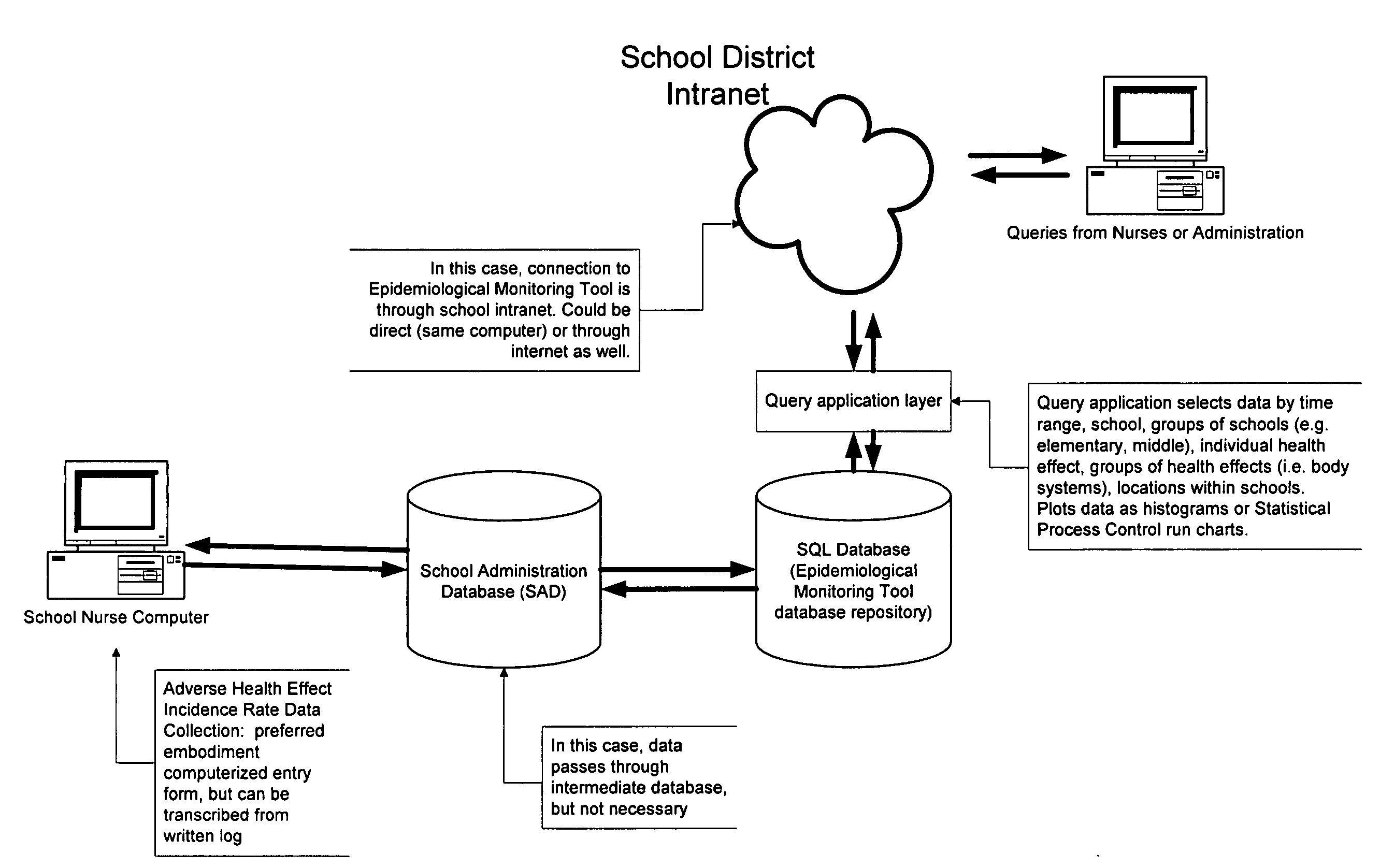
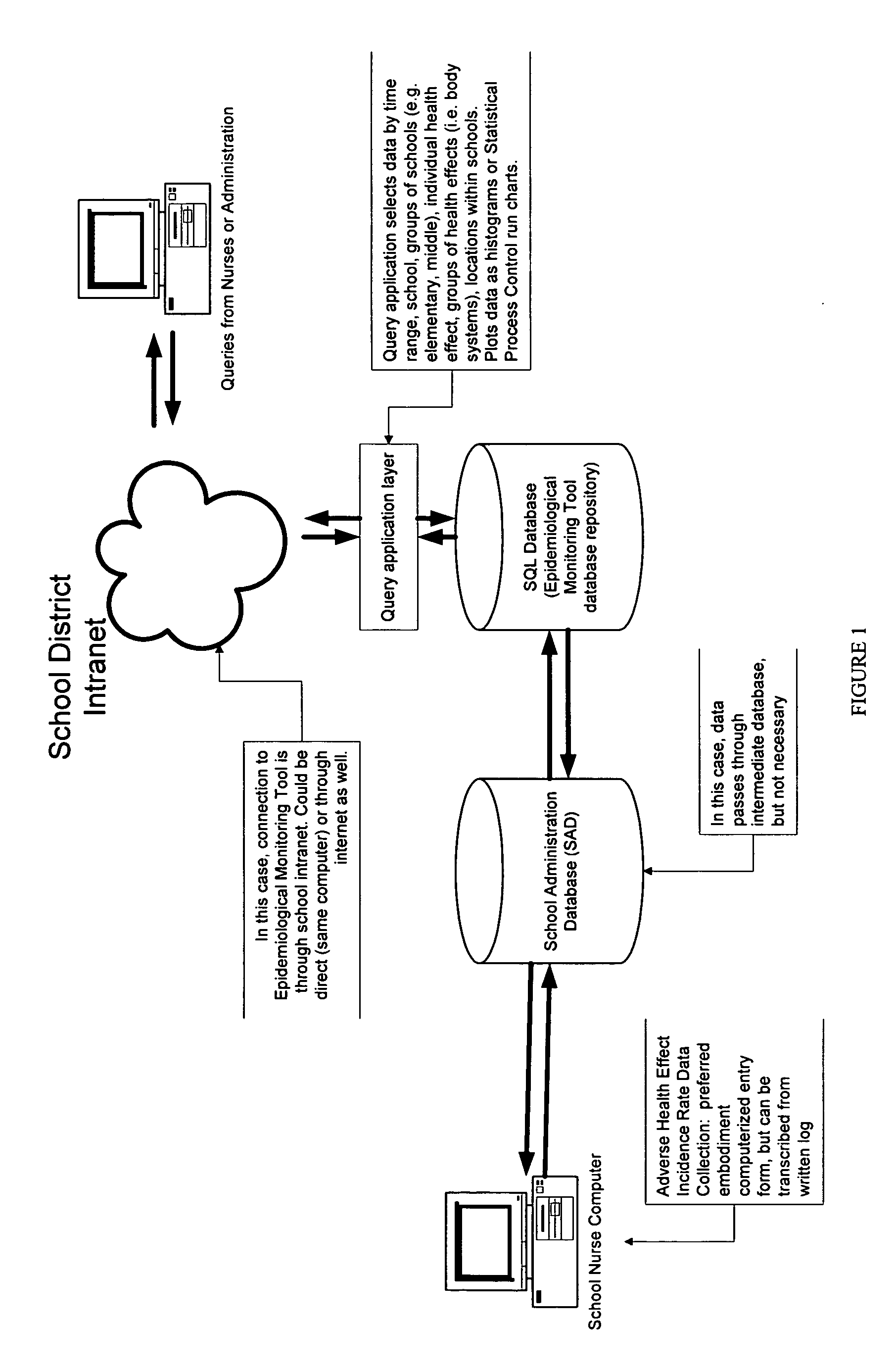
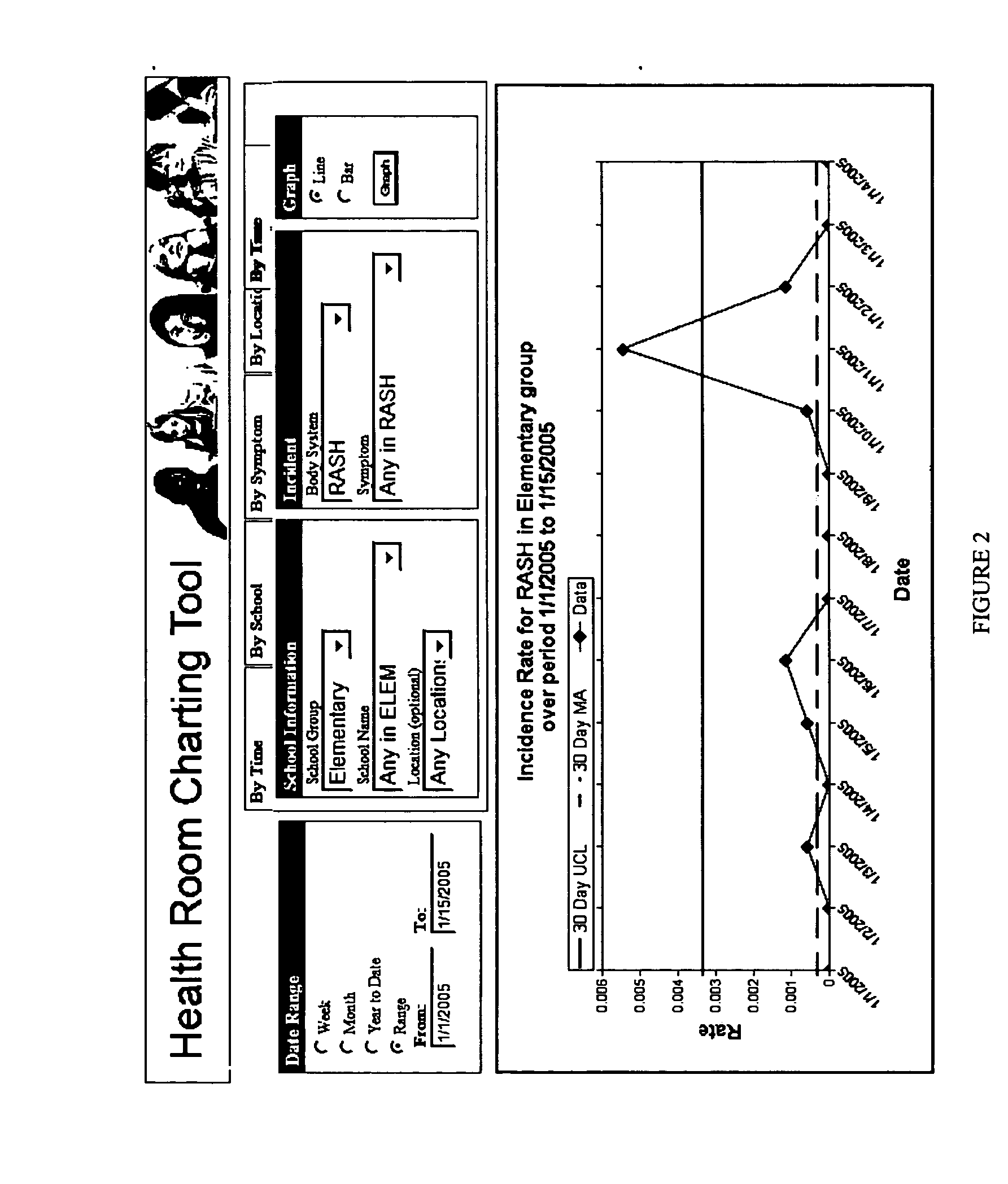
System and method for proactive health and environmental management and assessment
PatentInactiveUS20060000257A1
Innovation
- A system and method for proactive health and environmental monitoring that continuously collects health-related and environmental data from building occupants, using statistical process control and epidemiological methods to identify trends, correlations, and potential health hazards, allowing for both proactive and reactive interventions.

Method for operating a distributed safety-relevant system
PatentInactiveEP1370914A1
Innovation
- The method involves transferring the monitoring tasks from dedicated hardware units to other process computers connected via a communication system, utilizing the communication protocol to ensure secure message transmission, multicasting, and subscriber services to enable secure shutdown and control of faulty process computers, eliminating the need for additional monitoring units.
Environmental Regulations and Compliance Framework
Environmental regulations and compliance frameworks form the foundational legal architecture governing distributed control systems for proactive environmental safety management. The regulatory landscape encompasses multiple jurisdictional levels, from international protocols to local ordinances, creating a complex web of requirements that organizations must navigate when implementing environmental monitoring and control technologies.
International frameworks such as the Paris Climate Agreement and ISO 14001 environmental management standards establish overarching principles for environmental protection and corporate responsibility. These global accords influence national legislation and create harmonized approaches to environmental data collection, reporting, and response protocols. The integration of distributed control systems must align with these international commitments, particularly regarding greenhouse gas monitoring, emissions reporting, and environmental impact assessment procedures.
National environmental protection agencies, including the EPA in the United States and similar bodies worldwide, have developed comprehensive regulatory frameworks that directly impact distributed control system deployment. These regulations mandate specific monitoring requirements for air quality, water pollution, soil contamination, and hazardous waste management. Compliance necessitates real-time data collection capabilities, automated reporting mechanisms, and rapid response protocols that distributed systems are uniquely positioned to provide.
Industry-specific regulations add another layer of complexity, with sectors such as chemical manufacturing, oil and gas, pharmaceuticals, and power generation facing tailored compliance requirements. The Chemical Facility Anti-Terrorism Standards, OSHA Process Safety Management regulations, and Clean Air Act provisions establish specific technical standards for monitoring equipment, data accuracy, and system reliability that influence distributed control system design and implementation.
Emerging regulatory trends focus increasingly on predictive and preventive approaches rather than reactive compliance measures. Recent legislative developments emphasize continuous monitoring, predictive analytics, and proactive risk mitigation strategies. This shift toward anticipatory regulation creates opportunities for advanced distributed control systems that can demonstrate compliance through sophisticated modeling, trend analysis, and automated intervention capabilities, positioning these technologies as essential tools for meeting evolving environmental safety requirements.
International frameworks such as the Paris Climate Agreement and ISO 14001 environmental management standards establish overarching principles for environmental protection and corporate responsibility. These global accords influence national legislation and create harmonized approaches to environmental data collection, reporting, and response protocols. The integration of distributed control systems must align with these international commitments, particularly regarding greenhouse gas monitoring, emissions reporting, and environmental impact assessment procedures.
National environmental protection agencies, including the EPA in the United States and similar bodies worldwide, have developed comprehensive regulatory frameworks that directly impact distributed control system deployment. These regulations mandate specific monitoring requirements for air quality, water pollution, soil contamination, and hazardous waste management. Compliance necessitates real-time data collection capabilities, automated reporting mechanisms, and rapid response protocols that distributed systems are uniquely positioned to provide.
Industry-specific regulations add another layer of complexity, with sectors such as chemical manufacturing, oil and gas, pharmaceuticals, and power generation facing tailored compliance requirements. The Chemical Facility Anti-Terrorism Standards, OSHA Process Safety Management regulations, and Clean Air Act provisions establish specific technical standards for monitoring equipment, data accuracy, and system reliability that influence distributed control system design and implementation.
Emerging regulatory trends focus increasingly on predictive and preventive approaches rather than reactive compliance measures. Recent legislative developments emphasize continuous monitoring, predictive analytics, and proactive risk mitigation strategies. This shift toward anticipatory regulation creates opportunities for advanced distributed control systems that can demonstrate compliance through sophisticated modeling, trend analysis, and automated intervention capabilities, positioning these technologies as essential tools for meeting evolving environmental safety requirements.
Risk Assessment and Emergency Response Integration
Risk assessment and emergency response integration represents a critical convergence point in distributed control systems for environmental safety management. This integration enables real-time hazard identification, dynamic risk quantification, and automated emergency protocol activation across distributed industrial networks. The seamless coordination between predictive risk models and responsive emergency systems creates a comprehensive safety framework that can anticipate, evaluate, and mitigate environmental threats before they escalate into critical incidents.
Modern distributed control architectures employ sophisticated risk assessment algorithms that continuously monitor environmental parameters, equipment performance indicators, and operational variables. These systems utilize machine learning models to identify patterns indicative of potential environmental hazards, calculating probability matrices and impact assessments in real-time. The integration framework ensures that risk evaluation results are immediately accessible to emergency response modules, enabling rapid decision-making and automated safety protocol deployment.
Emergency response integration within distributed systems requires standardized communication protocols and interoperable data formats to ensure consistent information flow across multiple control nodes. Advanced systems implement hierarchical response structures where local controllers can initiate immediate containment measures while simultaneously alerting regional coordination centers. This multi-layered approach ensures that emergency responses are both rapid and appropriately scaled to the assessed risk level.
The integration architecture typically incorporates redundant communication pathways and fail-safe mechanisms to maintain operational integrity during crisis situations. Distributed systems leverage edge computing capabilities to process risk assessments locally, reducing response latency while maintaining connectivity with centralized emergency management platforms. This hybrid approach ensures that critical safety functions remain operational even when network connectivity is compromised.
Contemporary implementations utilize digital twin technologies to simulate emergency scenarios and validate response protocols before deployment. These virtual environments enable continuous refinement of risk assessment parameters and emergency response procedures, ensuring optimal system performance under various environmental conditions. The integration of predictive analytics with automated response systems creates a proactive safety management paradigm that significantly reduces environmental incident probability and severity.
Modern distributed control architectures employ sophisticated risk assessment algorithms that continuously monitor environmental parameters, equipment performance indicators, and operational variables. These systems utilize machine learning models to identify patterns indicative of potential environmental hazards, calculating probability matrices and impact assessments in real-time. The integration framework ensures that risk evaluation results are immediately accessible to emergency response modules, enabling rapid decision-making and automated safety protocol deployment.
Emergency response integration within distributed systems requires standardized communication protocols and interoperable data formats to ensure consistent information flow across multiple control nodes. Advanced systems implement hierarchical response structures where local controllers can initiate immediate containment measures while simultaneously alerting regional coordination centers. This multi-layered approach ensures that emergency responses are both rapid and appropriately scaled to the assessed risk level.
The integration architecture typically incorporates redundant communication pathways and fail-safe mechanisms to maintain operational integrity during crisis situations. Distributed systems leverage edge computing capabilities to process risk assessments locally, reducing response latency while maintaining connectivity with centralized emergency management platforms. This hybrid approach ensures that critical safety functions remain operational even when network connectivity is compromised.
Contemporary implementations utilize digital twin technologies to simulate emergency scenarios and validate response protocols before deployment. These virtual environments enable continuous refinement of risk assessment parameters and emergency response procedures, ensuring optimal system performance under various environmental conditions. The integration of predictive analytics with automated response systems creates a proactive safety management paradigm that significantly reduces environmental incident probability and severity.
Unlock deeper insights with PatSnap Eureka Quick Research — get a full tech report to explore trends and direct your research. Try now!
Generate Your Research Report Instantly with AI Agent
Supercharge your innovation with PatSnap Eureka AI Agent Platform!