
How to Diagnose Network Issues in Distributed Control Systems
APR 28, 20269 MIN READ
Generate Your Research Report Instantly with AI Agent
Patsnap Eureka helps you evaluate technical feasibility & market potential.
Network Diagnostics in DCS Background and Objectives
Distributed Control Systems have evolved from centralized architectures to complex networked infrastructures that span multiple geographical locations and integrate diverse industrial protocols. The historical development traces back to the 1970s when process industries began transitioning from analog control systems to digital distributed architectures. This evolution was driven by the need for improved reliability, scalability, and operational efficiency in industrial automation.
The technological progression has witnessed significant milestones, including the introduction of fieldbus protocols in the 1980s, Ethernet-based industrial networks in the 1990s, and the recent integration of wireless technologies and Industrial Internet of Things capabilities. Modern DCS architectures incorporate multiple network layers, from field-level sensor networks to enterprise-level management systems, creating unprecedented complexity in network topology and communication protocols.
Current trends indicate a shift toward hybrid cloud-edge architectures, where traditional on-premises DCS infrastructure integrates with cloud-based analytics and remote monitoring capabilities. This transformation introduces new networking paradigms, including software-defined networking, network virtualization, and edge computing integration. The convergence of operational technology and information technology networks has created additional complexity layers that require sophisticated diagnostic approaches.
The primary objective of network diagnostics in DCS environments is to ensure continuous operational availability while maintaining deterministic communication performance. Unlike traditional IT networks, DCS networks must guarantee real-time response characteristics, with latency requirements often measured in milliseconds. Network diagnostic systems must therefore provide proactive fault detection, rapid root cause analysis, and predictive maintenance capabilities to prevent operational disruptions.
Secondary objectives include optimizing network performance to support increasing data volumes from advanced sensors and analytics applications. Modern DCS implementations generate exponentially growing data streams that challenge traditional network capacity planning approaches. Diagnostic systems must therefore incorporate bandwidth optimization, traffic prioritization, and quality of service management capabilities.
The strategic goal encompasses developing comprehensive visibility into multi-vendor, multi-protocol network environments while ensuring cybersecurity compliance and regulatory adherence. This requires diagnostic solutions that can seamlessly integrate with existing industrial protocols while providing standardized monitoring interfaces for operational teams.
The technological progression has witnessed significant milestones, including the introduction of fieldbus protocols in the 1980s, Ethernet-based industrial networks in the 1990s, and the recent integration of wireless technologies and Industrial Internet of Things capabilities. Modern DCS architectures incorporate multiple network layers, from field-level sensor networks to enterprise-level management systems, creating unprecedented complexity in network topology and communication protocols.
Current trends indicate a shift toward hybrid cloud-edge architectures, where traditional on-premises DCS infrastructure integrates with cloud-based analytics and remote monitoring capabilities. This transformation introduces new networking paradigms, including software-defined networking, network virtualization, and edge computing integration. The convergence of operational technology and information technology networks has created additional complexity layers that require sophisticated diagnostic approaches.
The primary objective of network diagnostics in DCS environments is to ensure continuous operational availability while maintaining deterministic communication performance. Unlike traditional IT networks, DCS networks must guarantee real-time response characteristics, with latency requirements often measured in milliseconds. Network diagnostic systems must therefore provide proactive fault detection, rapid root cause analysis, and predictive maintenance capabilities to prevent operational disruptions.
Secondary objectives include optimizing network performance to support increasing data volumes from advanced sensors and analytics applications. Modern DCS implementations generate exponentially growing data streams that challenge traditional network capacity planning approaches. Diagnostic systems must therefore incorporate bandwidth optimization, traffic prioritization, and quality of service management capabilities.
The strategic goal encompasses developing comprehensive visibility into multi-vendor, multi-protocol network environments while ensuring cybersecurity compliance and regulatory adherence. This requires diagnostic solutions that can seamlessly integrate with existing industrial protocols while providing standardized monitoring interfaces for operational teams.
Market Demand for DCS Network Reliability Solutions
The global distributed control systems market is experiencing unprecedented growth driven by increasing industrial automation and the critical need for reliable network infrastructure. Manufacturing industries, particularly in oil and gas, chemical processing, power generation, and water treatment sectors, are demanding robust network diagnostic solutions to minimize costly downtime and ensure operational continuity.
Industrial facilities are increasingly recognizing that network failures in DCS environments can result in production losses, safety incidents, and regulatory compliance issues. This awareness has created substantial market demand for proactive network monitoring and diagnostic tools that can identify potential issues before they escalate into system-wide failures. The complexity of modern industrial networks, which often integrate legacy systems with contemporary digital technologies, has amplified the need for sophisticated diagnostic capabilities.
The market demand is particularly strong for solutions that provide real-time network health monitoring, predictive failure analysis, and automated troubleshooting capabilities. Organizations are seeking comprehensive diagnostic platforms that can handle diverse communication protocols commonly used in industrial environments, including Ethernet/IP, Profinet, Modbus, and Foundation Fieldbus. The ability to diagnose issues across heterogeneous network architectures has become a critical requirement.
Energy sector companies are driving significant demand due to their mission-critical operations where network failures can have catastrophic consequences. Similarly, pharmaceutical and food processing industries require reliable DCS networks to maintain product quality and regulatory compliance, creating additional market opportunities for network diagnostic solutions.
The emergence of Industry 4.0 initiatives and digital transformation projects has further accelerated demand for advanced network diagnostic capabilities. Companies implementing smart manufacturing concepts require robust network infrastructure monitoring to support increased data flows and real-time analytics. This trend has created opportunities for diagnostic solutions that integrate with broader industrial IoT platforms and provide comprehensive visibility into network performance metrics.
Market demand is also being shaped by the growing adoption of cybersecurity frameworks in industrial environments. Organizations require diagnostic tools that can identify not only traditional network performance issues but also potential security vulnerabilities and anomalous network behavior that might indicate cyber threats.
Industrial facilities are increasingly recognizing that network failures in DCS environments can result in production losses, safety incidents, and regulatory compliance issues. This awareness has created substantial market demand for proactive network monitoring and diagnostic tools that can identify potential issues before they escalate into system-wide failures. The complexity of modern industrial networks, which often integrate legacy systems with contemporary digital technologies, has amplified the need for sophisticated diagnostic capabilities.
The market demand is particularly strong for solutions that provide real-time network health monitoring, predictive failure analysis, and automated troubleshooting capabilities. Organizations are seeking comprehensive diagnostic platforms that can handle diverse communication protocols commonly used in industrial environments, including Ethernet/IP, Profinet, Modbus, and Foundation Fieldbus. The ability to diagnose issues across heterogeneous network architectures has become a critical requirement.
Energy sector companies are driving significant demand due to their mission-critical operations where network failures can have catastrophic consequences. Similarly, pharmaceutical and food processing industries require reliable DCS networks to maintain product quality and regulatory compliance, creating additional market opportunities for network diagnostic solutions.
The emergence of Industry 4.0 initiatives and digital transformation projects has further accelerated demand for advanced network diagnostic capabilities. Companies implementing smart manufacturing concepts require robust network infrastructure monitoring to support increased data flows and real-time analytics. This trend has created opportunities for diagnostic solutions that integrate with broader industrial IoT platforms and provide comprehensive visibility into network performance metrics.
Market demand is also being shaped by the growing adoption of cybersecurity frameworks in industrial environments. Organizations require diagnostic tools that can identify not only traditional network performance issues but also potential security vulnerabilities and anomalous network behavior that might indicate cyber threats.
Current DCS Network Issues and Diagnostic Challenges
Distributed Control Systems face numerous network-related challenges that significantly impact operational reliability and performance. Network latency represents one of the most critical issues, where communication delays between field devices and control nodes can exceed acceptable thresholds, leading to degraded control loop performance and potential system instability. This problem becomes particularly acute in geographically dispersed installations where physical distance compounds inherent network delays.
Packet loss constitutes another fundamental challenge, occurring when network congestion, hardware failures, or electromagnetic interference cause data transmission failures. In DCS environments, even minimal packet loss can result in missing critical process data, forcing systems to rely on outdated information or default values that may compromise operational safety and efficiency.
Bandwidth limitations create bottlenecks that restrict the volume of data that can be transmitted simultaneously across the network infrastructure. As modern DCS implementations incorporate increasing numbers of intelligent field devices and high-resolution monitoring systems, bandwidth constraints become increasingly problematic, potentially causing communication queues and delayed responses.
Network topology complexity introduces diagnostic difficulties, particularly in systems utilizing redundant pathways and multiple communication protocols. The coexistence of legacy fieldbus networks with modern Ethernet-based communications creates heterogeneous environments where troubleshooting requires specialized knowledge of multiple networking standards and their interactions.
Cybersecurity concerns have emerged as paramount challenges, with network vulnerabilities exposing DCS infrastructure to potential cyber threats. The integration of operational technology networks with enterprise IT systems creates additional attack vectors while complicating network monitoring and anomaly detection processes.
Diagnostic challenges are compounded by the lack of comprehensive network visibility tools specifically designed for industrial control environments. Traditional IT network monitoring solutions often prove inadequate for DCS applications due to their inability to understand industrial protocols and real-time requirements. Additionally, the distributed nature of these systems makes centralized monitoring difficult, while the critical operational requirements limit opportunities for invasive diagnostic procedures that might disrupt ongoing processes.
Packet loss constitutes another fundamental challenge, occurring when network congestion, hardware failures, or electromagnetic interference cause data transmission failures. In DCS environments, even minimal packet loss can result in missing critical process data, forcing systems to rely on outdated information or default values that may compromise operational safety and efficiency.
Bandwidth limitations create bottlenecks that restrict the volume of data that can be transmitted simultaneously across the network infrastructure. As modern DCS implementations incorporate increasing numbers of intelligent field devices and high-resolution monitoring systems, bandwidth constraints become increasingly problematic, potentially causing communication queues and delayed responses.
Network topology complexity introduces diagnostic difficulties, particularly in systems utilizing redundant pathways and multiple communication protocols. The coexistence of legacy fieldbus networks with modern Ethernet-based communications creates heterogeneous environments where troubleshooting requires specialized knowledge of multiple networking standards and their interactions.
Cybersecurity concerns have emerged as paramount challenges, with network vulnerabilities exposing DCS infrastructure to potential cyber threats. The integration of operational technology networks with enterprise IT systems creates additional attack vectors while complicating network monitoring and anomaly detection processes.
Diagnostic challenges are compounded by the lack of comprehensive network visibility tools specifically designed for industrial control environments. Traditional IT network monitoring solutions often prove inadequate for DCS applications due to their inability to understand industrial protocols and real-time requirements. Additionally, the distributed nature of these systems makes centralized monitoring difficult, while the critical operational requirements limit opportunities for invasive diagnostic procedures that might disrupt ongoing processes.
Existing DCS Network Troubleshooting Solutions
01 Network communication protocols and data transmission optimization
Methods and systems for optimizing data transmission in distributed control networks through improved communication protocols. These approaches focus on reducing latency, managing bandwidth efficiently, and ensuring reliable data exchange between distributed nodes. Techniques include adaptive routing algorithms, packet prioritization schemes, and error correction mechanisms to maintain system performance under varying network conditions.- Network communication protocols and data transmission optimization: Methods and systems for optimizing data transmission in distributed control systems through improved communication protocols. These approaches focus on reducing latency, improving bandwidth utilization, and ensuring reliable data exchange between distributed nodes. Techniques include adaptive routing algorithms, packet prioritization schemes, and error correction mechanisms to maintain system performance under varying network conditions.
- Network fault detection and recovery mechanisms: Systems and methods for detecting network failures and implementing automatic recovery procedures in distributed control environments. These solutions provide real-time monitoring of network health, identification of communication breakdowns, and implementation of failover strategies to maintain system continuity. The approaches include redundant communication paths, health monitoring algorithms, and automatic switching mechanisms.
- Security and authentication in distributed network systems: Techniques for securing network communications in distributed control systems against cyber threats and unauthorized access. These methods implement encryption protocols, authentication mechanisms, and intrusion detection systems to protect critical control data. The solutions address vulnerabilities specific to distributed architectures and provide comprehensive security frameworks for industrial control networks.
- Network topology management and configuration: Methods for managing and configuring network topologies in distributed control systems to optimize performance and reliability. These approaches include dynamic network reconfiguration, load balancing across network segments, and adaptive topology adjustment based on system requirements. The solutions enable efficient resource utilization and improved system scalability in complex distributed environments.
- Real-time network performance monitoring and diagnostics: Systems for continuous monitoring and diagnostic analysis of network performance in distributed control applications. These solutions provide real-time visibility into network metrics, identify performance bottlenecks, and generate diagnostic reports for system optimization. The approaches include traffic analysis tools, performance measurement frameworks, and predictive maintenance capabilities for network infrastructure.
02 Network fault detection and diagnostic systems
Advanced diagnostic mechanisms for identifying and analyzing network faults in distributed control environments. These systems employ real-time monitoring techniques, anomaly detection algorithms, and predictive analytics to identify potential network issues before they impact system performance. The approaches include automated fault isolation, network health assessment, and comprehensive logging systems for troubleshooting.Expand Specific Solutions03 Network security and access control mechanisms
Security frameworks designed to protect distributed control networks from unauthorized access and cyber threats. These solutions implement multi-layered security approaches including authentication protocols, encryption methods, and intrusion detection systems. The mechanisms ensure secure communication channels while maintaining system availability and preventing malicious attacks on critical control infrastructure.Expand Specific Solutions04 Network topology management and configuration optimization
Systems for managing and optimizing network topology in distributed control environments. These approaches address dynamic network reconfiguration, load balancing across network segments, and adaptive topology adjustments based on system requirements. The methods include automated network discovery, topology mapping, and intelligent routing decisions to maintain optimal network performance.Expand Specific Solutions05 Network redundancy and failover mechanisms
Redundancy strategies and failover systems designed to ensure continuous operation of distributed control networks during network failures. These solutions implement backup communication paths, automatic switching mechanisms, and distributed backup systems to maintain system availability. The approaches include hot-standby configurations, seamless failover protocols, and recovery procedures to minimize downtime.Expand Specific Solutions
Key Players in DCS and Network Diagnostic Industry
The network diagnostics landscape for distributed control systems is experiencing rapid evolution driven by increasing industrial digitalization and IoT adoption. The market demonstrates significant growth potential as critical infrastructure sectors demand enhanced reliability and real-time monitoring capabilities. Technology maturity varies considerably across market participants, with established technology giants like IBM, Microsoft, and Cisco leveraging advanced AI-driven analytics and cloud-based diagnostic platforms. Industrial automation leaders including ABB, Huawei, and Ericsson contribute specialized expertise in control system architectures and telecommunications infrastructure. Energy sector specialists such as CGN Power, China Nuclear Power Operations, and various power generation companies bring domain-specific knowledge of mission-critical distributed systems. Emerging players like Viavi Solutions and SUPCON Technology focus on specialized diagnostic tools and industrial software solutions. The competitive landscape reflects a convergence of IT, telecommunications, and industrial automation technologies, with companies increasingly integrating machine learning, edge computing, and predictive analytics into their diagnostic offerings to address the complex challenges of modern distributed control environments.
Microsoft Technology Licensing LLC
Technical Solution: Microsoft's approach to network diagnostics in distributed control systems centers on their Azure IoT platform combined with System Center Operations Manager. Their solution provides cloud-based network monitoring capabilities with on-premises diagnostic agents that collect network performance data, analyze communication patterns, and identify potential issues. The platform uses machine learning algorithms to establish network behavior baselines and detect deviations that may indicate problems. Microsoft's solution includes integration with existing Windows-based control systems, automated reporting capabilities, and predictive analytics for proactive network maintenance.
Strengths: Strong cloud integration, familiar Windows ecosystem, comprehensive analytics capabilities. Weaknesses: Dependency on cloud connectivity, potential security concerns with cloud-based diagnostics.
ABB Ltd.
Technical Solution: ABB provides comprehensive network diagnostic solutions for distributed control systems through their System 800xA platform, which incorporates advanced network monitoring capabilities including real-time network traffic analysis, latency measurement, and fault detection algorithms. Their solution utilizes distributed diagnostic agents deployed across network nodes to continuously monitor communication paths, detect packet loss, and identify bottlenecks. The system employs machine learning algorithms to predict potential network failures and provides automated remediation suggestions. ABB's approach includes redundant communication paths with automatic failover mechanisms and comprehensive logging systems for post-incident analysis.
Strengths: Proven industrial automation expertise, integrated hardware-software solutions, robust redundancy mechanisms. Weaknesses: Higher implementation costs, complex configuration requirements for large-scale deployments.
Core Innovations in DCS Network Diagnostic Methods
Network performance analysis and fault diagnosis method of distributed system
PatentActiveCN104270268A
Innovation
- By deploying monitoring services, network topology discovery and node status information collection are performed, combined with network performance detection and status analysis, to identify fault points, reduce administrator intervention, and support fault detection for the entire system and application-specified paths.
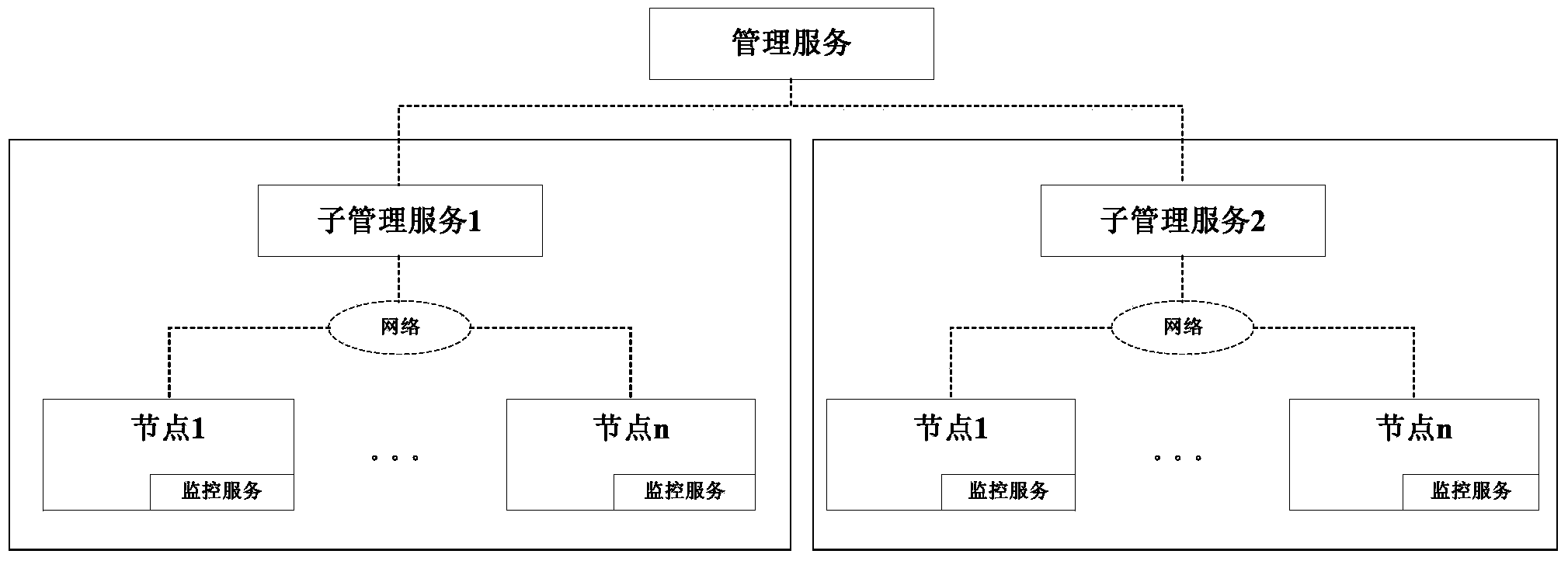
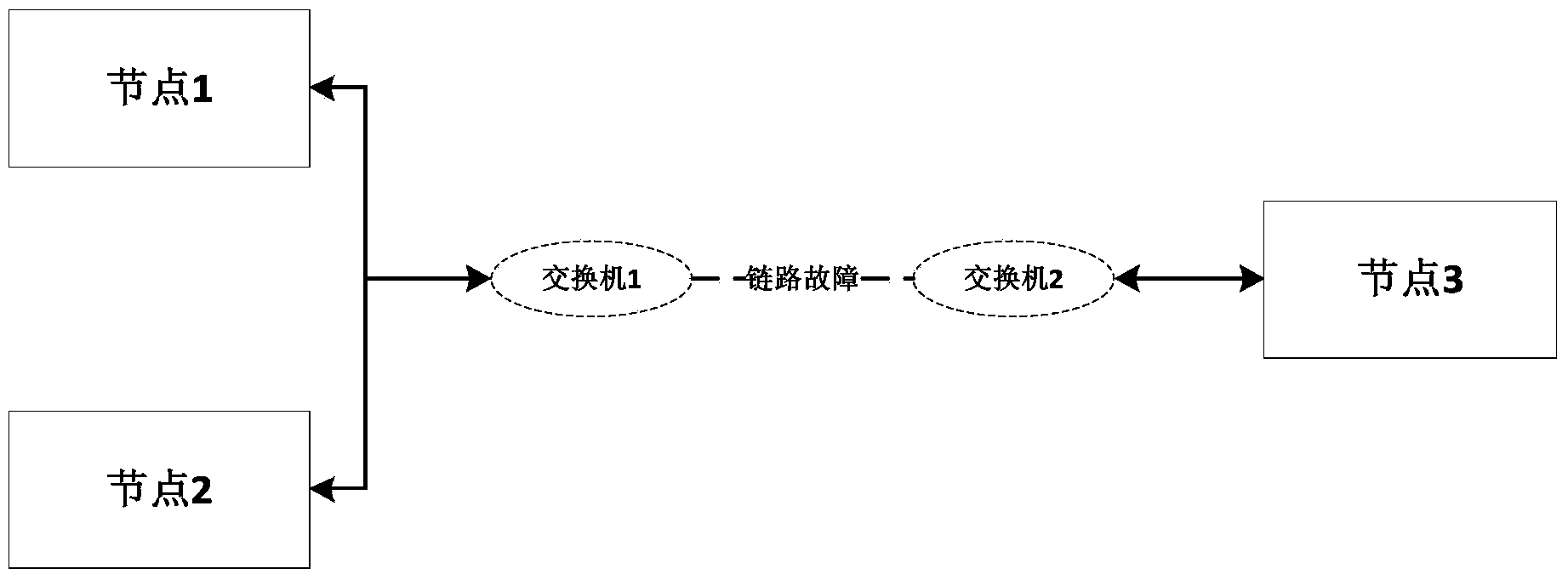
Network state monitoring method and system of distributed control system
PatentPendingCN119544566A
Innovation
- By obtaining multiple device information of each device in the decentralized control system, using Simple Network Management Protocol (SNMP) and Link Layer Discovery Protocol (LLDP) to build a real and accurate network topology structure, combining SNMP polling and trap mechanisms to achieve accurate monitoring and fault location of the network status of the decentralized system.


Industrial Cybersecurity Standards for DCS Networks
Industrial cybersecurity standards for DCS networks have evolved significantly in response to the growing threat landscape and the critical nature of industrial control systems. The foundation of these standards rests on the recognition that traditional IT security approaches are insufficient for operational technology environments, where availability and real-time performance are paramount.
The IEC 62443 series stands as the cornerstone framework for industrial cybersecurity, providing a comprehensive approach to securing industrial automation and control systems. This standard establishes security levels ranging from SL1 to SL4, each corresponding to different threat scenarios and protection requirements. For DCS networks, organizations typically implement SL2 or SL3 depending on their risk assessment outcomes and criticality of operations.
NIST Cybersecurity Framework has gained widespread adoption in industrial settings, offering a risk-based approach that aligns with business objectives. The framework's five core functions - Identify, Protect, Detect, Respond, and Recover - provide a structured methodology for implementing cybersecurity measures across DCS infrastructures. This framework particularly emphasizes continuous monitoring and incident response capabilities essential for network diagnostics.
ISA/IEC 62443-3-3 specifically addresses system security requirements and security levels, defining technical security requirements for industrial automation and control systems. This standard mandates network segmentation, access control, and monitoring capabilities that directly support network issue diagnosis. It requires implementation of security zones and conduits that facilitate both protection and troubleshooting activities.
The NERC CIP standards, while primarily focused on electric utilities, have influenced broader industrial cybersecurity practices. These standards emphasize network monitoring, logging, and incident response procedures that enhance diagnostic capabilities. The requirements for continuous monitoring and forensic analysis capabilities established by NERC CIP have been adopted across various industrial sectors.
ISO 27001 and ISO 27019 provide additional layers of cybersecurity governance and risk management specifically tailored for energy utilities and process industries. These standards establish requirements for security monitoring systems and incident management processes that support effective network diagnostics while maintaining operational security posture.
Emerging standards such as IEC 62859 focus specifically on nuclear power plant instrumentation and control systems, establishing rigorous cybersecurity requirements that include comprehensive network monitoring and diagnostic capabilities. These standards demonstrate the evolution toward sector-specific cybersecurity requirements that address unique operational challenges while maintaining diagnostic effectiveness.
The IEC 62443 series stands as the cornerstone framework for industrial cybersecurity, providing a comprehensive approach to securing industrial automation and control systems. This standard establishes security levels ranging from SL1 to SL4, each corresponding to different threat scenarios and protection requirements. For DCS networks, organizations typically implement SL2 or SL3 depending on their risk assessment outcomes and criticality of operations.
NIST Cybersecurity Framework has gained widespread adoption in industrial settings, offering a risk-based approach that aligns with business objectives. The framework's five core functions - Identify, Protect, Detect, Respond, and Recover - provide a structured methodology for implementing cybersecurity measures across DCS infrastructures. This framework particularly emphasizes continuous monitoring and incident response capabilities essential for network diagnostics.
ISA/IEC 62443-3-3 specifically addresses system security requirements and security levels, defining technical security requirements for industrial automation and control systems. This standard mandates network segmentation, access control, and monitoring capabilities that directly support network issue diagnosis. It requires implementation of security zones and conduits that facilitate both protection and troubleshooting activities.
The NERC CIP standards, while primarily focused on electric utilities, have influenced broader industrial cybersecurity practices. These standards emphasize network monitoring, logging, and incident response procedures that enhance diagnostic capabilities. The requirements for continuous monitoring and forensic analysis capabilities established by NERC CIP have been adopted across various industrial sectors.
ISO 27001 and ISO 27019 provide additional layers of cybersecurity governance and risk management specifically tailored for energy utilities and process industries. These standards establish requirements for security monitoring systems and incident management processes that support effective network diagnostics while maintaining operational security posture.
Emerging standards such as IEC 62859 focus specifically on nuclear power plant instrumentation and control systems, establishing rigorous cybersecurity requirements that include comprehensive network monitoring and diagnostic capabilities. These standards demonstrate the evolution toward sector-specific cybersecurity requirements that address unique operational challenges while maintaining diagnostic effectiveness.
Real-time Monitoring and Predictive Maintenance Strategies
Real-time monitoring represents the cornerstone of effective network diagnostics in distributed control systems, enabling continuous surveillance of network performance parameters such as latency, packet loss, bandwidth utilization, and communication reliability. Advanced monitoring frameworks deploy distributed sensors and intelligent agents across network nodes to capture granular data on traffic patterns, protocol behaviors, and system responses. These monitoring systems utilize sophisticated algorithms to establish baseline performance metrics and detect anomalous patterns that may indicate emerging network issues before they escalate into critical failures.
The integration of machine learning algorithms with real-time monitoring infrastructure creates powerful predictive maintenance capabilities that can forecast potential network failures days or weeks in advance. Predictive models analyze historical performance data, environmental factors, and operational patterns to identify subtle indicators of degrading network health. These systems employ techniques such as time-series analysis, anomaly detection algorithms, and neural networks to recognize patterns associated with specific failure modes, enabling proactive intervention strategies.
Edge computing architectures play a crucial role in implementing effective real-time monitoring by processing diagnostic data locally, reducing network overhead and improving response times. Distributed monitoring agents can perform preliminary analysis and filtering at edge nodes, transmitting only relevant alerts and summarized data to central management systems. This approach minimizes the impact of monitoring activities on network performance while ensuring comprehensive coverage across geographically distributed control systems.
Predictive maintenance strategies leverage continuous monitoring data to optimize maintenance schedules and resource allocation. By correlating network performance trends with equipment lifecycle data, organizations can transition from reactive maintenance approaches to proactive strategies that prevent failures before they occur. These systems generate maintenance recommendations based on predicted failure probabilities, operational criticality, and resource availability, enabling more efficient allocation of technical resources and minimizing unplanned downtime in distributed control environments.
The integration of machine learning algorithms with real-time monitoring infrastructure creates powerful predictive maintenance capabilities that can forecast potential network failures days or weeks in advance. Predictive models analyze historical performance data, environmental factors, and operational patterns to identify subtle indicators of degrading network health. These systems employ techniques such as time-series analysis, anomaly detection algorithms, and neural networks to recognize patterns associated with specific failure modes, enabling proactive intervention strategies.
Edge computing architectures play a crucial role in implementing effective real-time monitoring by processing diagnostic data locally, reducing network overhead and improving response times. Distributed monitoring agents can perform preliminary analysis and filtering at edge nodes, transmitting only relevant alerts and summarized data to central management systems. This approach minimizes the impact of monitoring activities on network performance while ensuring comprehensive coverage across geographically distributed control systems.
Predictive maintenance strategies leverage continuous monitoring data to optimize maintenance schedules and resource allocation. By correlating network performance trends with equipment lifecycle data, organizations can transition from reactive maintenance approaches to proactive strategies that prevent failures before they occur. These systems generate maintenance recommendations based on predicted failure probabilities, operational criticality, and resource availability, enabling more efficient allocation of technical resources and minimizing unplanned downtime in distributed control environments.
Unlock deeper insights with Patsnap Eureka Quick Research — get a full tech report to explore trends and direct your research. Try now!
Generate Your Research Report Instantly with AI Agent
Supercharge your innovation with Patsnap Eureka AI Agent Platform!