

Comparing Distributed Control Systems Deployment Strategies vs Agile Approaches
APR 28, 20269 MIN READ
Generate Your Research Report Instantly with AI Agent
PatSnap Eureka helps you evaluate technical feasibility & market potential.
DCS Evolution and Strategic Deployment Goals
Distributed Control Systems have undergone significant transformation since their inception in the 1970s, evolving from centralized mainframe-based architectures to sophisticated distributed networks capable of managing complex industrial processes. The evolution began with basic supervisory control and data acquisition systems, progressing through programmable logic controllers, and ultimately reaching today's intelligent distributed architectures that integrate advanced analytics, machine learning capabilities, and real-time decision-making frameworks.
The historical trajectory of DCS development reveals three distinct phases: the foundational era focused on replacing analog control systems, the integration period emphasizing network connectivity and standardization, and the current intelligent era characterized by adaptive control algorithms and predictive maintenance capabilities. Each phase has addressed specific industrial challenges while establishing the groundwork for increasingly sophisticated control methodologies.
Contemporary DCS deployment strategies have shifted from traditional waterfall implementation approaches toward more flexible, iterative methodologies that incorporate agile principles. This evolution reflects the growing complexity of industrial environments and the need for rapid adaptation to changing operational requirements. Modern deployment frameworks emphasize modular architecture design, enabling incremental system expansion and continuous improvement cycles.
The strategic objectives driving current DCS evolution center on achieving operational excellence through enhanced system reliability, improved process optimization, and reduced total cost of ownership. Organizations increasingly prioritize deployment strategies that minimize operational disruption while maximizing system performance and maintainability. These goals necessitate careful balance between proven traditional approaches and innovative agile methodologies.
Emerging deployment paradigms integrate cloud-native architectures, edge computing capabilities, and containerized applications to create more resilient and scalable control systems. The convergence of operational technology and information technology domains has fundamentally altered deployment considerations, requiring new strategic frameworks that address cybersecurity, interoperability, and system lifecycle management.
Future DCS deployment strategies will likely emphasize hybrid approaches that combine the reliability of traditional methodologies with the flexibility of agile practices, enabling organizations to achieve both operational stability and rapid innovation cycles in increasingly dynamic industrial environments.
The historical trajectory of DCS development reveals three distinct phases: the foundational era focused on replacing analog control systems, the integration period emphasizing network connectivity and standardization, and the current intelligent era characterized by adaptive control algorithms and predictive maintenance capabilities. Each phase has addressed specific industrial challenges while establishing the groundwork for increasingly sophisticated control methodologies.
Contemporary DCS deployment strategies have shifted from traditional waterfall implementation approaches toward more flexible, iterative methodologies that incorporate agile principles. This evolution reflects the growing complexity of industrial environments and the need for rapid adaptation to changing operational requirements. Modern deployment frameworks emphasize modular architecture design, enabling incremental system expansion and continuous improvement cycles.
The strategic objectives driving current DCS evolution center on achieving operational excellence through enhanced system reliability, improved process optimization, and reduced total cost of ownership. Organizations increasingly prioritize deployment strategies that minimize operational disruption while maximizing system performance and maintainability. These goals necessitate careful balance between proven traditional approaches and innovative agile methodologies.
Emerging deployment paradigms integrate cloud-native architectures, edge computing capabilities, and containerized applications to create more resilient and scalable control systems. The convergence of operational technology and information technology domains has fundamentally altered deployment considerations, requiring new strategic frameworks that address cybersecurity, interoperability, and system lifecycle management.
Future DCS deployment strategies will likely emphasize hybrid approaches that combine the reliability of traditional methodologies with the flexibility of agile practices, enabling organizations to achieve both operational stability and rapid innovation cycles in increasingly dynamic industrial environments.
Market Demand for Advanced DCS Solutions
The global market for advanced Distributed Control Systems demonstrates robust growth driven by increasing industrial automation requirements and digital transformation initiatives across multiple sectors. Manufacturing industries, particularly in chemicals, petrochemicals, oil and gas, power generation, and pharmaceuticals, represent the primary demand drivers for sophisticated DCS solutions. These sectors require enhanced process control capabilities, real-time monitoring, and improved operational efficiency to maintain competitive advantages in increasingly complex operational environments.
Traditional deployment strategies face mounting pressure from organizations seeking faster implementation cycles and greater flexibility in system configuration. The rigid, waterfall-based approaches that characterized historical DCS implementations no longer align with modern business requirements for rapid scalability and adaptive system architectures. This misalignment creates substantial market opportunities for vendors offering more agile deployment methodologies.
Industrial Internet of Things integration and Industry 4.0 initiatives significantly amplify demand for advanced DCS capabilities. Organizations require systems that seamlessly integrate with cloud platforms, support edge computing architectures, and provide comprehensive data analytics capabilities. The convergence of operational technology and information technology creates new market segments focused on hybrid deployment models that combine traditional control system reliability with modern software development practices.
Emerging markets in Asia-Pacific and Latin America contribute substantially to demand growth, driven by rapid industrialization and infrastructure development projects. These regions particularly favor deployment strategies that minimize implementation risks while accelerating time-to-value realization. The preference for modular, iterative implementation approaches reflects broader market trends toward risk mitigation and operational flexibility.
Cybersecurity concerns increasingly influence purchasing decisions, with organizations demanding DCS solutions that incorporate security-by-design principles throughout deployment lifecycles. This requirement drives demand for systems supporting continuous security updates and adaptive threat response mechanisms, characteristics more readily achieved through agile deployment methodologies.
The market also reflects growing demand for vendor-agnostic solutions that support multi-vendor integration and avoid technology lock-in scenarios. Organizations seek deployment strategies that preserve investment flexibility and enable gradual system evolution rather than complete system replacements.
Traditional deployment strategies face mounting pressure from organizations seeking faster implementation cycles and greater flexibility in system configuration. The rigid, waterfall-based approaches that characterized historical DCS implementations no longer align with modern business requirements for rapid scalability and adaptive system architectures. This misalignment creates substantial market opportunities for vendors offering more agile deployment methodologies.
Industrial Internet of Things integration and Industry 4.0 initiatives significantly amplify demand for advanced DCS capabilities. Organizations require systems that seamlessly integrate with cloud platforms, support edge computing architectures, and provide comprehensive data analytics capabilities. The convergence of operational technology and information technology creates new market segments focused on hybrid deployment models that combine traditional control system reliability with modern software development practices.
Emerging markets in Asia-Pacific and Latin America contribute substantially to demand growth, driven by rapid industrialization and infrastructure development projects. These regions particularly favor deployment strategies that minimize implementation risks while accelerating time-to-value realization. The preference for modular, iterative implementation approaches reflects broader market trends toward risk mitigation and operational flexibility.
Cybersecurity concerns increasingly influence purchasing decisions, with organizations demanding DCS solutions that incorporate security-by-design principles throughout deployment lifecycles. This requirement drives demand for systems supporting continuous security updates and adaptive threat response mechanisms, characteristics more readily achieved through agile deployment methodologies.
The market also reflects growing demand for vendor-agnostic solutions that support multi-vendor integration and avoid technology lock-in scenarios. Organizations seek deployment strategies that preserve investment flexibility and enable gradual system evolution rather than complete system replacements.
Current DCS Deployment Challenges and Constraints
Traditional DCS deployment strategies face significant challenges rooted in their inherently rigid and sequential implementation approaches. The conventional waterfall methodology requires extensive upfront planning, detailed system specifications, and comprehensive documentation before any physical implementation begins. This approach often results in deployment timelines extending 18-36 months for large-scale industrial facilities, creating substantial project risks and limiting organizational responsiveness to changing operational requirements.
Resource allocation represents another critical constraint in traditional DCS deployments. These projects typically demand substantial capital investments, often ranging from millions to hundreds of millions of dollars, with limited flexibility for scope adjustments once implementation begins. The requirement for specialized engineering teams, extensive testing facilities, and prolonged commissioning periods creates resource bottlenecks that can delay project completion and increase overall costs significantly.
Integration complexity poses substantial technical challenges, particularly in brownfield installations where new DCS components must interface with legacy systems. Traditional deployment approaches struggle with heterogeneous communication protocols, varying data formats, and incompatible hardware architectures. These integration challenges often require custom engineering solutions, extending project timelines and introducing additional failure points that can compromise system reliability.
Change management difficulties emerge as organizations attempt to adapt traditional DCS deployments to evolving operational requirements. The rigid nature of conventional deployment strategies makes it extremely challenging to incorporate mid-project modifications, whether driven by regulatory changes, process improvements, or technological advances. This inflexibility often results in systems that are outdated by the time they become operational.
Validation and testing constraints further complicate traditional DCS deployments. The sequential nature of conventional approaches requires complete system integration before comprehensive testing can begin, often revealing critical issues late in the deployment cycle when corrections are most expensive and time-consuming. Factory acceptance testing and site acceptance testing phases can extend for months, particularly in safety-critical applications requiring extensive regulatory compliance verification.
Risk mitigation challenges are amplified by the all-or-nothing nature of traditional DCS deployments. Organizations face significant exposure during the extended implementation period, with limited opportunities for incremental validation or early problem detection. This approach concentrates project risks rather than distributing them across manageable phases, potentially resulting in catastrophic failures that impact entire operational facilities.
Resource allocation represents another critical constraint in traditional DCS deployments. These projects typically demand substantial capital investments, often ranging from millions to hundreds of millions of dollars, with limited flexibility for scope adjustments once implementation begins. The requirement for specialized engineering teams, extensive testing facilities, and prolonged commissioning periods creates resource bottlenecks that can delay project completion and increase overall costs significantly.
Integration complexity poses substantial technical challenges, particularly in brownfield installations where new DCS components must interface with legacy systems. Traditional deployment approaches struggle with heterogeneous communication protocols, varying data formats, and incompatible hardware architectures. These integration challenges often require custom engineering solutions, extending project timelines and introducing additional failure points that can compromise system reliability.
Change management difficulties emerge as organizations attempt to adapt traditional DCS deployments to evolving operational requirements. The rigid nature of conventional deployment strategies makes it extremely challenging to incorporate mid-project modifications, whether driven by regulatory changes, process improvements, or technological advances. This inflexibility often results in systems that are outdated by the time they become operational.
Validation and testing constraints further complicate traditional DCS deployments. The sequential nature of conventional approaches requires complete system integration before comprehensive testing can begin, often revealing critical issues late in the deployment cycle when corrections are most expensive and time-consuming. Factory acceptance testing and site acceptance testing phases can extend for months, particularly in safety-critical applications requiring extensive regulatory compliance verification.
Risk mitigation challenges are amplified by the all-or-nothing nature of traditional DCS deployments. Organizations face significant exposure during the extended implementation period, with limited opportunities for incremental validation or early problem detection. This approach concentrates project risks rather than distributing them across manageable phases, potentially resulting in catastrophic failures that impact entire operational facilities.
Traditional vs Agile DCS Implementation Methods
01 Network communication and data transmission in distributed control systems
Technologies for enabling reliable communication between distributed control nodes, including protocols for data exchange, network architectures, and methods for ensuring data integrity across distributed networks. These systems focus on real-time data transmission, fault-tolerant communication channels, and standardized protocols that allow different control components to communicate effectively in industrial environments.- Network architecture and communication protocols for distributed control: Systems that implement various network topologies and communication protocols to enable distributed control across multiple nodes. These architectures facilitate real-time data exchange, command distribution, and coordination between different control elements in a distributed environment. The focus is on establishing reliable communication channels and network structures that support scalable and robust distributed control operations.
- Hierarchical control structures and coordination mechanisms: Implementation of multi-level control hierarchies that organize distributed control systems into coordinated layers. These structures define how control decisions are made at different levels, from local autonomous control to supervisory coordination. The mechanisms ensure proper task distribution, conflict resolution, and synchronized operation across the distributed control network while maintaining system stability and performance.
- Real-time monitoring and data acquisition systems: Technologies for continuous monitoring, data collection, and real-time processing in distributed control environments. These systems provide comprehensive visibility into distributed operations, enabling operators to track system performance, detect anomalies, and make informed control decisions. The focus includes sensor integration, data aggregation, and real-time analytics capabilities across distributed control nodes.
- Fault tolerance and redundancy mechanisms: Design approaches that ensure system reliability and continuous operation despite component failures or network disruptions. These mechanisms include backup systems, failover protocols, and distributed redundancy strategies that maintain control functionality even when individual nodes or communication links fail. The emphasis is on creating resilient distributed control systems that can adapt to various failure scenarios.
- Security and access control for distributed systems: Security frameworks and access control mechanisms designed specifically for distributed control environments. These solutions address authentication, authorization, encryption, and intrusion detection across distributed control networks. The focus includes protecting against cyber threats, ensuring secure communication between control nodes, and maintaining system integrity while preserving operational functionality.
02 Redundancy and fault tolerance mechanisms
Implementation of backup systems and failover mechanisms to ensure continuous operation when individual components fail. These approaches include redundant controllers, automatic switching between primary and backup systems, and distributed processing capabilities that maintain system functionality even during partial system failures or maintenance operations.Expand Specific Solutions03 Real-time monitoring and control algorithms
Advanced algorithms and methodologies for real-time process monitoring, control loop optimization, and automated decision-making in distributed environments. These systems incorporate predictive control strategies, adaptive algorithms that respond to changing conditions, and intelligent monitoring systems that can detect anomalies and optimize performance across multiple control nodes.Expand Specific Solutions04 Integration and interoperability frameworks
Standardized frameworks and architectures that enable seamless integration of diverse control components from different manufacturers and technologies. These solutions address compatibility issues, provide unified interfaces for system management, and establish common standards for device communication and data formatting in heterogeneous distributed control environments.Expand Specific Solutions05 Security and access control in distributed systems
Cybersecurity measures and access control mechanisms specifically designed for distributed control environments. These include authentication protocols, encrypted communication channels, intrusion detection systems, and authorization frameworks that protect critical infrastructure while maintaining operational efficiency and real-time performance requirements.Expand Specific Solutions
Major DCS Vendors and Market Leaders
The distributed control systems deployment landscape is experiencing a transformative phase as traditional centralized approaches compete with agile methodologies. The market demonstrates significant growth potential, driven by digital transformation initiatives across industries. Technology maturity varies considerably among key players: established industrial automation leaders like ABB Ltd., Hitachi Ltd., and Fisher-Rosemount Systems bring decades of proven DCS expertise, while technology giants such as Microsoft Technology Licensing LLC, VMware LLC, and Huawei Technologies are advancing cloud-native and virtualized control solutions. Emerging players like Operant AI Inc. and Agile Worx LLC are pioneering AI-driven and agile-focused approaches. Chinese companies including Tianyi Cloud Technology, Inspur Data Technology, and HollySys Automation are rapidly advancing their capabilities. The competitive landscape reflects a maturing industry where traditional reliability-focused vendors are adapting to agile demands, while software-centric companies are entering with innovative deployment strategies, creating a dynamic ecosystem balancing proven industrial requirements with modern development methodologies.
ABB Ltd.
Technical Solution: ABB implements a hybrid deployment strategy combining distributed control systems with agile methodologies through their System 800xA platform. Their approach integrates traditional DCS architecture with modern DevOps practices, enabling continuous integration and deployment while maintaining industrial-grade reliability. The system supports containerized applications and microservices architecture, allowing for rapid iteration and testing of control algorithms. ABB's strategy emphasizes modular design patterns that enable both centralized oversight and distributed execution, with real-time data analytics capabilities integrated throughout the control hierarchy.
Strengths: Proven industrial reliability, extensive field experience, strong integration capabilities. Weaknesses: Higher implementation costs, complex migration from legacy systems.
VMware LLC
Technical Solution: VMware's approach focuses on virtualized infrastructure for distributed control systems, leveraging their vSphere platform to enable agile deployment strategies. Their solution provides software-defined infrastructure that supports both traditional DCS workloads and modern containerized applications. The platform enables rapid provisioning and scaling of control system components through automated orchestration tools. VMware integrates DevOps pipelines with industrial control requirements, offering features like live migration, high availability clustering, and disaster recovery specifically tailored for mission-critical control applications.
Strengths: Excellent virtualization technology, strong disaster recovery capabilities, flexible resource allocation. Weaknesses: Requires specialized expertise, potential performance overhead in real-time applications.
Core Technologies in Modern DCS Architecture
Distributed control systems and methods
PatentInactiveUS7089066B2
Innovation
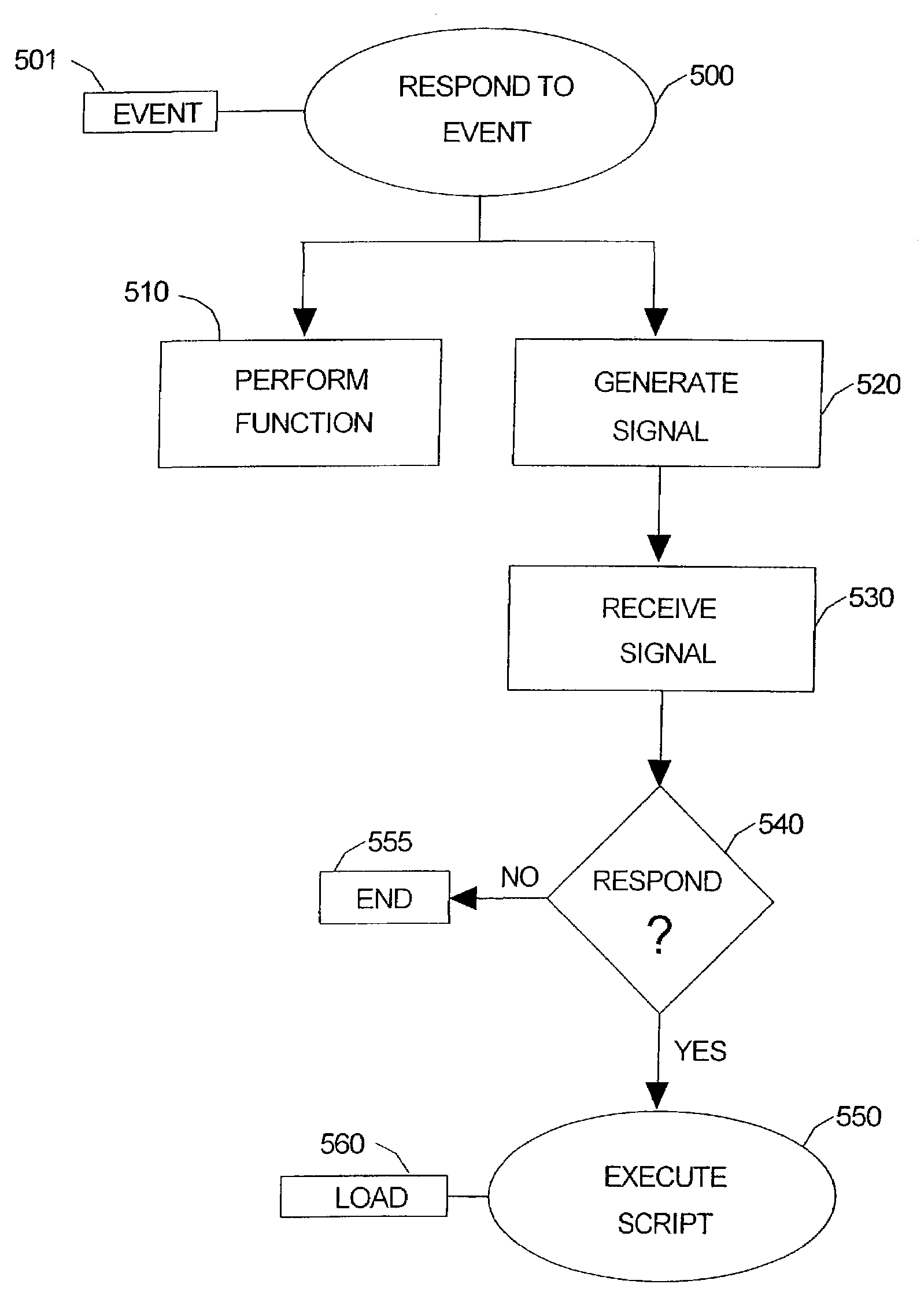
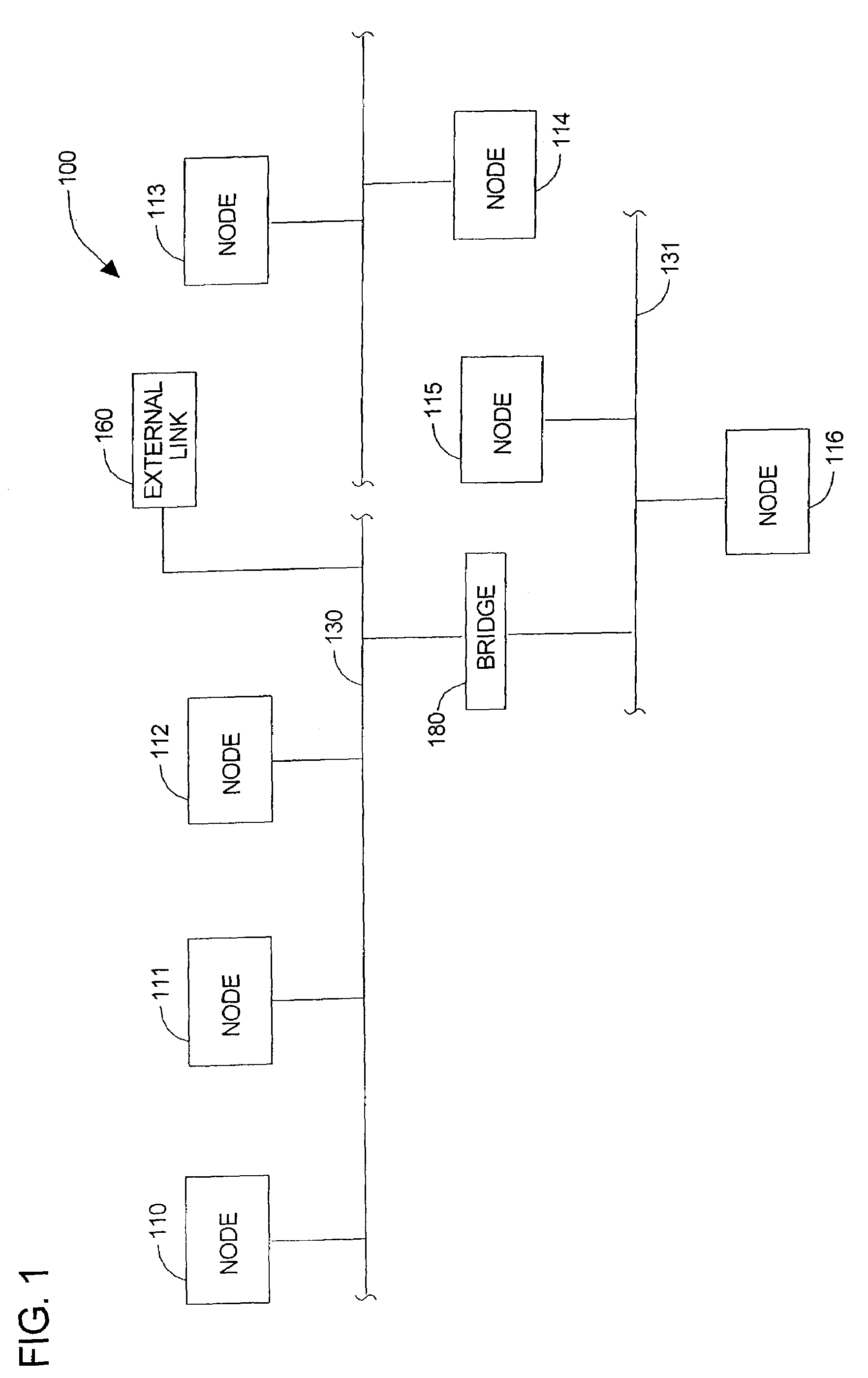
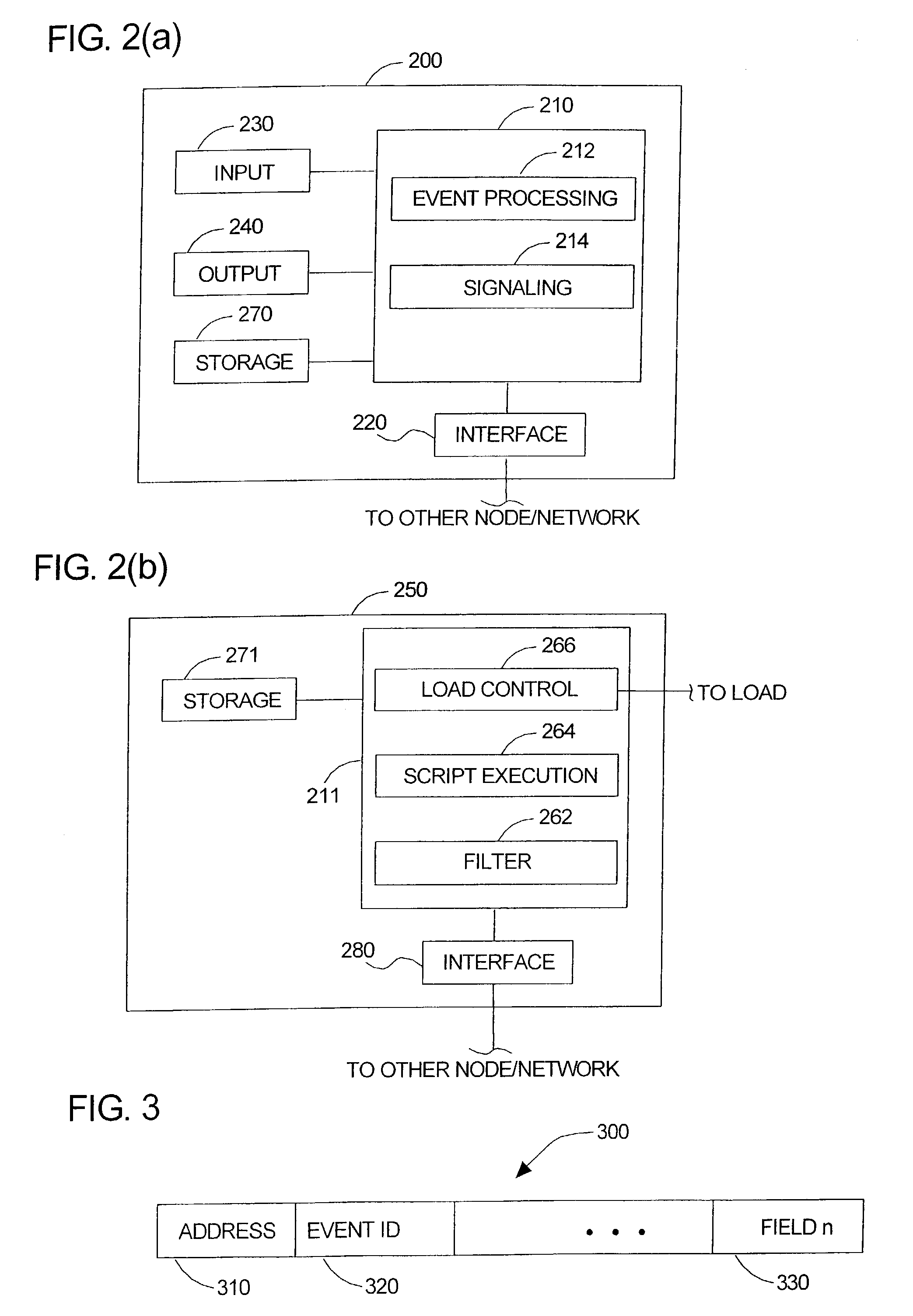
- A distributed control system comprising nodes with distributed controllers that execute scripts to control loads, reducing the need for complex data transmission by issuing signals that trigger specific functions, thereby minimizing network bandwidth consumption and allowing for decentralized operation.

Industrial Safety Standards for DCS Systems
Industrial safety standards for Distributed Control Systems represent a critical framework that governs the deployment and operation of control systems across various industrial sectors. These standards have evolved significantly to address the complex safety requirements inherent in modern industrial automation, particularly as organizations evaluate different deployment strategies including traditional approaches versus agile methodologies.
The foundation of DCS safety standards rests primarily on the IEC 61508 functional safety standard, which establishes Safety Integrity Levels (SIL) ranging from SIL 1 to SIL 4. This standard defines systematic approaches for achieving functional safety in electrical, electronic, and programmable electronic safety-related systems. For DCS implementations, SIL 2 and SIL 3 certifications are typically required, depending on the criticality of the controlled processes and potential consequences of system failures.
ISA-84 (IEC 61511) specifically addresses safety instrumented systems in the process industries, providing detailed guidelines for DCS safety lifecycle management. This standard emphasizes the importance of systematic safety assessment throughout the entire system lifecycle, from initial hazard analysis through decommissioning. The standard mandates rigorous verification and validation procedures that must be maintained regardless of whether traditional waterfall or agile deployment approaches are employed.
The integration of cybersecurity considerations has become increasingly prominent in DCS safety standards, particularly with the adoption of IEC 62443 series standards. These standards address industrial automation and control systems security, establishing security levels and zones that must be maintained during system deployment and operation. The challenge lies in balancing rapid deployment capabilities offered by agile approaches with the comprehensive security validation requirements mandated by these standards.
Compliance verification processes under these safety standards typically require extensive documentation, traceability, and formal approval procedures. Traditional deployment strategies naturally align with these requirements through their structured, phase-gate approaches. However, agile deployment strategies must incorporate additional governance mechanisms to ensure continuous compliance monitoring and documentation throughout iterative development cycles.
The regulatory landscape also encompasses industry-specific standards such as API 556 for fired heaters and boilers, and NFPA 85 for boiler and combustion systems, which impose additional constraints on DCS deployment strategies. These standards often require formal hazard and operability studies, safety requirement specifications, and independent safety assessments that influence the choice between deployment methodologies.
The foundation of DCS safety standards rests primarily on the IEC 61508 functional safety standard, which establishes Safety Integrity Levels (SIL) ranging from SIL 1 to SIL 4. This standard defines systematic approaches for achieving functional safety in electrical, electronic, and programmable electronic safety-related systems. For DCS implementations, SIL 2 and SIL 3 certifications are typically required, depending on the criticality of the controlled processes and potential consequences of system failures.
ISA-84 (IEC 61511) specifically addresses safety instrumented systems in the process industries, providing detailed guidelines for DCS safety lifecycle management. This standard emphasizes the importance of systematic safety assessment throughout the entire system lifecycle, from initial hazard analysis through decommissioning. The standard mandates rigorous verification and validation procedures that must be maintained regardless of whether traditional waterfall or agile deployment approaches are employed.
The integration of cybersecurity considerations has become increasingly prominent in DCS safety standards, particularly with the adoption of IEC 62443 series standards. These standards address industrial automation and control systems security, establishing security levels and zones that must be maintained during system deployment and operation. The challenge lies in balancing rapid deployment capabilities offered by agile approaches with the comprehensive security validation requirements mandated by these standards.
Compliance verification processes under these safety standards typically require extensive documentation, traceability, and formal approval procedures. Traditional deployment strategies naturally align with these requirements through their structured, phase-gate approaches. However, agile deployment strategies must incorporate additional governance mechanisms to ensure continuous compliance monitoring and documentation throughout iterative development cycles.
The regulatory landscape also encompasses industry-specific standards such as API 556 for fired heaters and boilers, and NFPA 85 for boiler and combustion systems, which impose additional constraints on DCS deployment strategies. These standards often require formal hazard and operability studies, safety requirement specifications, and independent safety assessments that influence the choice between deployment methodologies.
Risk Management in DCS Strategy Selection
Risk management represents a critical dimension in selecting between traditional distributed control systems deployment strategies and agile methodologies. The fundamental risk profiles of these approaches differ substantially, requiring comprehensive evaluation frameworks that account for operational, technical, and business continuity factors.
Traditional DCS deployment strategies typically exhibit lower implementation risks due to their structured, sequential approach and extensive pre-deployment testing phases. These methodologies emphasize comprehensive system validation, rigorous documentation, and phased rollouts that minimize the probability of catastrophic failures. However, they introduce significant schedule and budget risks, as extended development cycles increase exposure to scope creep, requirement changes, and market volatility.
Agile approaches present contrasting risk characteristics, featuring reduced time-to-market risks through iterative development cycles and continuous stakeholder feedback integration. The incremental deployment model enables early identification and mitigation of technical issues, reducing the likelihood of major system failures post-implementation. Nevertheless, agile methodologies introduce operational risks related to incomplete system integration testing and potential compatibility issues between rapidly developed components.
Financial risk assessment reveals distinct patterns between deployment strategies. Traditional approaches concentrate financial exposure in extended development phases, creating vulnerability to budget overruns and delayed return on investment. Agile methodologies distribute financial risks across shorter cycles, enabling more responsive budget management but potentially increasing overall costs through frequent system modifications and integration activities.
Safety and compliance risks require particular attention in industrial DCS environments. Traditional deployment strategies typically demonstrate superior compliance with regulatory requirements through comprehensive documentation and validation processes. Agile approaches may struggle with regulatory compliance due to their iterative nature and emphasis on rapid deployment over extensive documentation.
Organizational risk factors significantly influence strategy selection effectiveness. Traditional methodologies align well with established engineering cultures but may create resistance in dynamic operational environments. Agile approaches require substantial organizational change management and cultural adaptation, presenting implementation risks in conservative industrial settings.
Effective risk mitigation strategies should incorporate hybrid approaches that leverage the strengths of both methodologies while addressing their respective vulnerabilities through tailored governance frameworks and adaptive project management practices.
Traditional DCS deployment strategies typically exhibit lower implementation risks due to their structured, sequential approach and extensive pre-deployment testing phases. These methodologies emphasize comprehensive system validation, rigorous documentation, and phased rollouts that minimize the probability of catastrophic failures. However, they introduce significant schedule and budget risks, as extended development cycles increase exposure to scope creep, requirement changes, and market volatility.
Agile approaches present contrasting risk characteristics, featuring reduced time-to-market risks through iterative development cycles and continuous stakeholder feedback integration. The incremental deployment model enables early identification and mitigation of technical issues, reducing the likelihood of major system failures post-implementation. Nevertheless, agile methodologies introduce operational risks related to incomplete system integration testing and potential compatibility issues between rapidly developed components.
Financial risk assessment reveals distinct patterns between deployment strategies. Traditional approaches concentrate financial exposure in extended development phases, creating vulnerability to budget overruns and delayed return on investment. Agile methodologies distribute financial risks across shorter cycles, enabling more responsive budget management but potentially increasing overall costs through frequent system modifications and integration activities.
Safety and compliance risks require particular attention in industrial DCS environments. Traditional deployment strategies typically demonstrate superior compliance with regulatory requirements through comprehensive documentation and validation processes. Agile approaches may struggle with regulatory compliance due to their iterative nature and emphasis on rapid deployment over extensive documentation.
Organizational risk factors significantly influence strategy selection effectiveness. Traditional methodologies align well with established engineering cultures but may create resistance in dynamic operational environments. Agile approaches require substantial organizational change management and cultural adaptation, presenting implementation risks in conservative industrial settings.
Effective risk mitigation strategies should incorporate hybrid approaches that leverage the strengths of both methodologies while addressing their respective vulnerabilities through tailored governance frameworks and adaptive project management practices.
Unlock deeper insights with PatSnap Eureka Quick Research — get a full tech report to explore trends and direct your research. Try now!
Generate Your Research Report Instantly with AI Agent
Supercharge your innovation with PatSnap Eureka AI Agent Platform!