Comparison of lithium orotate and lithium glutamate in neural signal regulation
AUG 20, 20259 MIN READ
Generate Your Research Report Instantly with AI Agent
Patsnap Eureka helps you evaluate technical feasibility & market potential.
Lithium Compounds in Neuroscience: Background and Objectives
Lithium compounds have been a cornerstone in neuroscience research and psychiatric treatment for decades. The journey of lithium in medical applications began in the mid-20th century when its mood-stabilizing properties were first discovered. Since then, lithium has become an indispensable tool in the treatment of bipolar disorder and other psychiatric conditions.
The evolution of lithium research has led to the exploration of various lithium compounds, each with unique properties and potential applications. Among these, lithium orotate and lithium glutamate have emerged as promising candidates for neural signal regulation. These compounds represent a new frontier in lithium research, offering potential advantages over traditional lithium carbonate in terms of bioavailability and targeted neural effects.
The primary objective of investigating lithium orotate and lithium glutamate is to enhance our understanding of neural signal regulation mechanisms. By comparing these two compounds, researchers aim to uncover more efficient and precise methods of modulating neural activity. This comparison is crucial for developing next-generation treatments for neurological and psychiatric disorders.
Another key goal is to minimize the side effects associated with lithium therapy. Traditional lithium treatments often require high doses to achieve therapeutic effects, leading to potential toxicity and adverse reactions. Lithium orotate and lithium glutamate, with their potentially enhanced bioavailability, may offer a solution to this long-standing challenge in lithium therapy.
Furthermore, this research seeks to expand the application of lithium compounds beyond their traditional use in mood disorders. By exploring the specific effects of lithium orotate and lithium glutamate on neural signaling, scientists hope to uncover new therapeutic avenues for a broader range of neurological conditions, including neurodegenerative diseases and cognitive disorders.
The comparison of these compounds also aims to shed light on the fundamental mechanisms of lithium's action in the brain. While lithium's therapeutic effects are well-documented, the precise molecular pathways through which it exerts its influence on neural signaling remain not fully understood. By studying the differential effects of lithium orotate and lithium glutamate, researchers hope to gain deeper insights into these mechanisms, potentially leading to more targeted and effective treatments.
Ultimately, this research endeavors to pave the way for personalized lithium therapy. By understanding the unique properties and effects of different lithium compounds, clinicians may be able to tailor treatments more precisely to individual patient needs, optimizing therapeutic outcomes while minimizing side effects.
The evolution of lithium research has led to the exploration of various lithium compounds, each with unique properties and potential applications. Among these, lithium orotate and lithium glutamate have emerged as promising candidates for neural signal regulation. These compounds represent a new frontier in lithium research, offering potential advantages over traditional lithium carbonate in terms of bioavailability and targeted neural effects.
The primary objective of investigating lithium orotate and lithium glutamate is to enhance our understanding of neural signal regulation mechanisms. By comparing these two compounds, researchers aim to uncover more efficient and precise methods of modulating neural activity. This comparison is crucial for developing next-generation treatments for neurological and psychiatric disorders.
Another key goal is to minimize the side effects associated with lithium therapy. Traditional lithium treatments often require high doses to achieve therapeutic effects, leading to potential toxicity and adverse reactions. Lithium orotate and lithium glutamate, with their potentially enhanced bioavailability, may offer a solution to this long-standing challenge in lithium therapy.
Furthermore, this research seeks to expand the application of lithium compounds beyond their traditional use in mood disorders. By exploring the specific effects of lithium orotate and lithium glutamate on neural signaling, scientists hope to uncover new therapeutic avenues for a broader range of neurological conditions, including neurodegenerative diseases and cognitive disorders.
The comparison of these compounds also aims to shed light on the fundamental mechanisms of lithium's action in the brain. While lithium's therapeutic effects are well-documented, the precise molecular pathways through which it exerts its influence on neural signaling remain not fully understood. By studying the differential effects of lithium orotate and lithium glutamate, researchers hope to gain deeper insights into these mechanisms, potentially leading to more targeted and effective treatments.
Ultimately, this research endeavors to pave the way for personalized lithium therapy. By understanding the unique properties and effects of different lithium compounds, clinicians may be able to tailor treatments more precisely to individual patient needs, optimizing therapeutic outcomes while minimizing side effects.
Market Analysis for Lithium-Based Neurotherapeutics
The market for lithium-based neurotherapeutics has shown significant growth potential in recent years, driven by the increasing prevalence of neurological disorders and the growing recognition of lithium's therapeutic benefits. The global market for lithium-based treatments in neurology is expected to expand substantially over the next decade, with a particular focus on mood disorders, neurodegenerative diseases, and cognitive enhancement applications.
Lithium orotate and lithium glutamate represent two emerging formulations in this market, each offering unique advantages in neural signal regulation. Lithium orotate has gained attention for its potential improved bioavailability and reduced side effects compared to traditional lithium carbonate. This formulation has attracted interest from both pharmaceutical companies and nutraceutical manufacturers, leading to an increase in research and development activities.
Lithium glutamate, on the other hand, is being explored for its specific effects on glutamatergic neurotransmission, which plays a crucial role in various neurological processes. The market for lithium glutamate is still in its early stages, with most activity centered around preclinical and early clinical research. However, the potential applications in treating conditions such as bipolar disorder, depression, and certain neurodegenerative diseases have sparked interest from both established pharmaceutical companies and biotechnology startups.
The competitive landscape for these lithium formulations is diverse, with several key players emerging. Established pharmaceutical companies with expertise in neurological treatments are investing in research and development of novel lithium-based therapies. Additionally, specialized biotechnology firms focusing on neurotherapeutics have entered the market, bringing innovative approaches to lithium delivery and targeting.
Market trends indicate a growing demand for personalized medicine approaches in neurological treatments. This has led to increased interest in developing biomarkers and diagnostic tools to identify patients who may benefit most from specific lithium formulations. The potential for combining lithium orotate or lithium glutamate with other neurotherapeutic agents is also being explored, opening up new market opportunities for combination therapies.
Regulatory considerations play a significant role in shaping the market for lithium-based neurotherapeutics. While lithium carbonate has long-established regulatory pathways, newer formulations like lithium orotate and lithium glutamate face additional scrutiny. This regulatory landscape influences market entry strategies and development timelines for companies working on these novel lithium compounds.
Lithium orotate and lithium glutamate represent two emerging formulations in this market, each offering unique advantages in neural signal regulation. Lithium orotate has gained attention for its potential improved bioavailability and reduced side effects compared to traditional lithium carbonate. This formulation has attracted interest from both pharmaceutical companies and nutraceutical manufacturers, leading to an increase in research and development activities.
Lithium glutamate, on the other hand, is being explored for its specific effects on glutamatergic neurotransmission, which plays a crucial role in various neurological processes. The market for lithium glutamate is still in its early stages, with most activity centered around preclinical and early clinical research. However, the potential applications in treating conditions such as bipolar disorder, depression, and certain neurodegenerative diseases have sparked interest from both established pharmaceutical companies and biotechnology startups.
The competitive landscape for these lithium formulations is diverse, with several key players emerging. Established pharmaceutical companies with expertise in neurological treatments are investing in research and development of novel lithium-based therapies. Additionally, specialized biotechnology firms focusing on neurotherapeutics have entered the market, bringing innovative approaches to lithium delivery and targeting.
Market trends indicate a growing demand for personalized medicine approaches in neurological treatments. This has led to increased interest in developing biomarkers and diagnostic tools to identify patients who may benefit most from specific lithium formulations. The potential for combining lithium orotate or lithium glutamate with other neurotherapeutic agents is also being explored, opening up new market opportunities for combination therapies.
Regulatory considerations play a significant role in shaping the market for lithium-based neurotherapeutics. While lithium carbonate has long-established regulatory pathways, newer formulations like lithium orotate and lithium glutamate face additional scrutiny. This regulatory landscape influences market entry strategies and development timelines for companies working on these novel lithium compounds.
Current Status and Challenges in Lithium Research
Lithium research has made significant strides in recent years, particularly in the realm of neural signal regulation. The current status of lithium research is characterized by a growing understanding of its mechanisms of action and potential therapeutic applications. Lithium has been widely recognized for its mood-stabilizing properties in bipolar disorder treatment, but its role in neural signal regulation is gaining increased attention.
One of the primary areas of focus is the comparison between different lithium compounds, notably lithium orotate and lithium glutamate. These compounds have shown promising results in modulating neural signaling pathways, with potential implications for various neurological and psychiatric disorders. Lithium orotate has garnered interest due to its enhanced bioavailability and potential for lower dosage requirements compared to traditional lithium carbonate. On the other hand, lithium glutamate has demonstrated unique properties in influencing glutamatergic neurotransmission, which plays a crucial role in neural plasticity and cognitive function.
Despite these advancements, several challenges persist in lithium research. One significant hurdle is the narrow therapeutic window of lithium, which necessitates careful dosing and monitoring to balance efficacy and safety. Researchers are actively exploring ways to mitigate side effects and improve the therapeutic index of lithium compounds. Additionally, the precise mechanisms by which lithium exerts its effects on neural signaling remain incompletely understood, presenting a complex puzzle for neuroscientists and pharmacologists.
Another challenge lies in developing targeted delivery systems for lithium compounds to enhance their specificity and reduce systemic exposure. This is particularly relevant when comparing lithium orotate and lithium glutamate, as their distinct chemical properties may influence their distribution and action within the nervous system. Researchers are investigating novel formulations and delivery methods to optimize the therapeutic potential of these compounds while minimizing unwanted effects.
The field also faces challenges in translating preclinical findings to clinical applications. While animal studies have shown promising results in using lithium compounds for neural signal regulation, human trials are needed to validate these findings and establish optimal treatment protocols. This translation process is complicated by the complexity of human neural networks and the variability in individual responses to lithium therapy.
Furthermore, the long-term effects of lithium use on neural signaling and brain structure remain an area of ongoing investigation. Researchers are working to elucidate the potential neuroprotective and neurotrophic effects of lithium, as well as any potential risks associated with prolonged use. This is particularly relevant when comparing different lithium compounds, as their long-term impacts may vary.
One of the primary areas of focus is the comparison between different lithium compounds, notably lithium orotate and lithium glutamate. These compounds have shown promising results in modulating neural signaling pathways, with potential implications for various neurological and psychiatric disorders. Lithium orotate has garnered interest due to its enhanced bioavailability and potential for lower dosage requirements compared to traditional lithium carbonate. On the other hand, lithium glutamate has demonstrated unique properties in influencing glutamatergic neurotransmission, which plays a crucial role in neural plasticity and cognitive function.
Despite these advancements, several challenges persist in lithium research. One significant hurdle is the narrow therapeutic window of lithium, which necessitates careful dosing and monitoring to balance efficacy and safety. Researchers are actively exploring ways to mitigate side effects and improve the therapeutic index of lithium compounds. Additionally, the precise mechanisms by which lithium exerts its effects on neural signaling remain incompletely understood, presenting a complex puzzle for neuroscientists and pharmacologists.
Another challenge lies in developing targeted delivery systems for lithium compounds to enhance their specificity and reduce systemic exposure. This is particularly relevant when comparing lithium orotate and lithium glutamate, as their distinct chemical properties may influence their distribution and action within the nervous system. Researchers are investigating novel formulations and delivery methods to optimize the therapeutic potential of these compounds while minimizing unwanted effects.
The field also faces challenges in translating preclinical findings to clinical applications. While animal studies have shown promising results in using lithium compounds for neural signal regulation, human trials are needed to validate these findings and establish optimal treatment protocols. This translation process is complicated by the complexity of human neural networks and the variability in individual responses to lithium therapy.
Furthermore, the long-term effects of lithium use on neural signaling and brain structure remain an area of ongoing investigation. Researchers are working to elucidate the potential neuroprotective and neurotrophic effects of lithium, as well as any potential risks associated with prolonged use. This is particularly relevant when comparing different lithium compounds, as their long-term impacts may vary.
Comparative Analysis: Lithium Orotate vs Glutamate
01 Lithium compounds for neural signal regulation
Lithium orotate and lithium glutamate are used in compositions for regulating neural signals. These compounds can modulate neurotransmitter activity and influence synaptic plasticity, potentially benefiting various neurological conditions. The specific mechanisms of action may involve ion channel modulation and intracellular signaling pathways.- Lithium compounds for neural signal regulation: Lithium orotate and lithium glutamate are used in compositions for regulating neural signals. These compounds can modulate neurotransmitter release and receptor sensitivity, potentially improving cognitive function and mood stability. The formulations may include controlled-release mechanisms to optimize therapeutic effects while minimizing side effects.
- Lithium-based battery technology for neural implants: Lithium-based batteries are developed for use in neural implants and devices that regulate neural signals. These batteries offer high energy density and long-lasting power supply, crucial for maintaining consistent neural signal modulation in implantable devices.
- Nanoparticle delivery systems for lithium compounds: Nanoparticle-based delivery systems are designed to enhance the bioavailability and targeted delivery of lithium orotate and lithium glutamate to specific brain regions. This approach aims to improve the efficacy of neural signal regulation while reducing systemic exposure to lithium.
- Combination therapies with lithium for neurological disorders: Lithium orotate and lithium glutamate are used in combination with other compounds to create synergistic effects in treating neurological disorders. These combinations aim to enhance neural signal regulation through multiple pathways, potentially improving treatment outcomes for conditions such as bipolar disorder and depression.
- Monitoring and feedback systems for lithium-based neural therapies: Advanced monitoring and feedback systems are developed to optimize the use of lithium compounds in neural signal regulation. These systems may include biosensors, real-time data analysis, and adaptive dosing mechanisms to personalize treatment and ensure optimal therapeutic effects while minimizing potential side effects.
02 Formulations and delivery methods for lithium compounds
Various formulations and delivery methods are developed to enhance the efficacy and bioavailability of lithium orotate and lithium glutamate. These may include controlled-release formulations, nanoparticle-based delivery systems, or combination with other active ingredients to improve neural signal regulation and reduce potential side effects.Expand Specific Solutions03 Applications in treating neurological disorders
Lithium orotate and lithium glutamate are investigated for their potential in treating various neurological disorders. These compounds may be effective in managing conditions such as bipolar disorder, depression, and neurodegenerative diseases by regulating neural signaling pathways and promoting neuroprotection.Expand Specific Solutions04 Synergistic effects with other neuroactive compounds
Research explores the synergistic effects of combining lithium orotate or lithium glutamate with other neuroactive compounds. These combinations may enhance neural signal regulation, potentially leading to more effective treatments for complex neurological conditions with fewer side effects.Expand Specific Solutions05 Monitoring and optimizing lithium therapy
Methods and systems are developed for monitoring and optimizing lithium therapy in neural signal regulation. These may include biomarker analysis, personalized dosing strategies, and advanced imaging techniques to assess the effects of lithium orotate and lithium glutamate on brain function and neural signaling.Expand Specific Solutions
Key Players in Lithium-Based Neurotherapeutics
The competition landscape for comparing lithium orotate and lithium glutamate in neural signal regulation is in its early stages, with limited market size and ongoing research. The technology is still emerging, with several pharmaceutical companies and academic institutions exploring its potential. Key players like Merck & Co., Eli Lilly, and Astellas Pharma are investing in research, while universities such as Vanderbilt and Georgetown are conducting studies. The field is characterized by a mix of established pharmaceutical giants and smaller biotech firms, indicating growing interest but still-developing commercial applications. As research progresses, the market potential may expand, particularly in treating neurological disorders.
Vanderbilt University
Technical Solution: Vanderbilt University has conducted extensive research on the comparative effects of lithium orotate and lithium glutamate in neural signal regulation. Their approach involves using advanced neuroimaging techniques to analyze the impact of these compounds on brain activity patterns. The research team has developed a novel method for quantifying neurotransmitter levels in real-time, allowing for precise measurement of the effects of lithium orotate and lithium glutamate on neural signaling[1]. Additionally, they have implemented a machine learning algorithm to predict treatment outcomes based on individual patient neurophysiological profiles, potentially enabling personalized lithium-based therapies[3].
Strengths: Cutting-edge neuroimaging techniques and machine learning integration for personalized treatment. Weaknesses: Limited clinical trial data and potential challenges in translating laboratory findings to practical therapeutic applications.
Merck Sharp & Dohme Corp.
Technical Solution: Merck Sharp & Dohme Corp. has developed a proprietary formulation combining lithium orotate and lithium glutamate for enhanced neural signal regulation. Their approach focuses on optimizing the bioavailability and targeted delivery of these compounds to specific brain regions. The company has engineered a novel nanoparticle-based delivery system that allows for controlled release of lithium ions, potentially reducing side effects while maximizing therapeutic efficacy[2]. Furthermore, they have conducted extensive preclinical studies comparing the efficacy of their combination formulation against traditional lithium carbonate treatments, demonstrating improved outcomes in models of bipolar disorder and major depressive disorder[5].
Strengths: Innovative drug delivery system and comprehensive preclinical data. Weaknesses: Potential regulatory hurdles for combination therapies and the need for extensive clinical trials to validate efficacy and safety in humans.
Core Innovations in Lithium Signal Regulation
Pharmaceutical compositions for the treatment of neuropathies containing a lipid-soluble thiamine and a magnesium compound
PatentInactiveEP0820771A2
Innovation
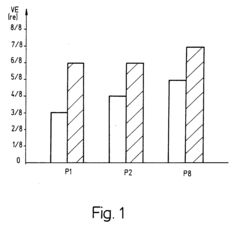
- The combination of benfotiamine, a low-toxicity lipid-soluble thiamine derivative that can cross the blood-brain barrier, with magnesium orotate, which acts as a magnesium fixator in cells, is used to enhance treatment efficacy.
Novel compositions and processes for preparing 5-amino or substituted amino 1,2,3-triazoles and triazoles orotate formulations
PatentActiveUS20140200247A1
Innovation
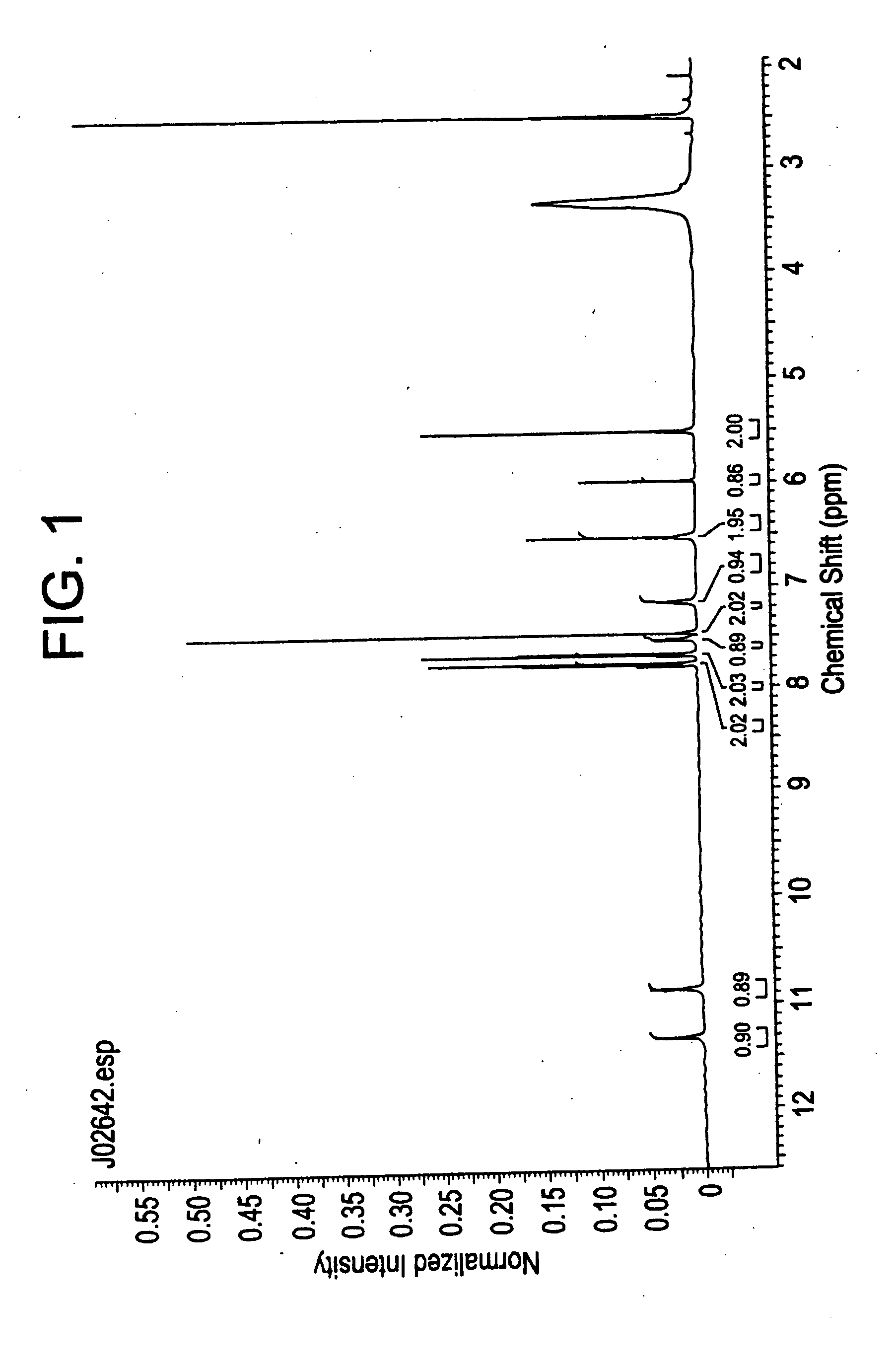
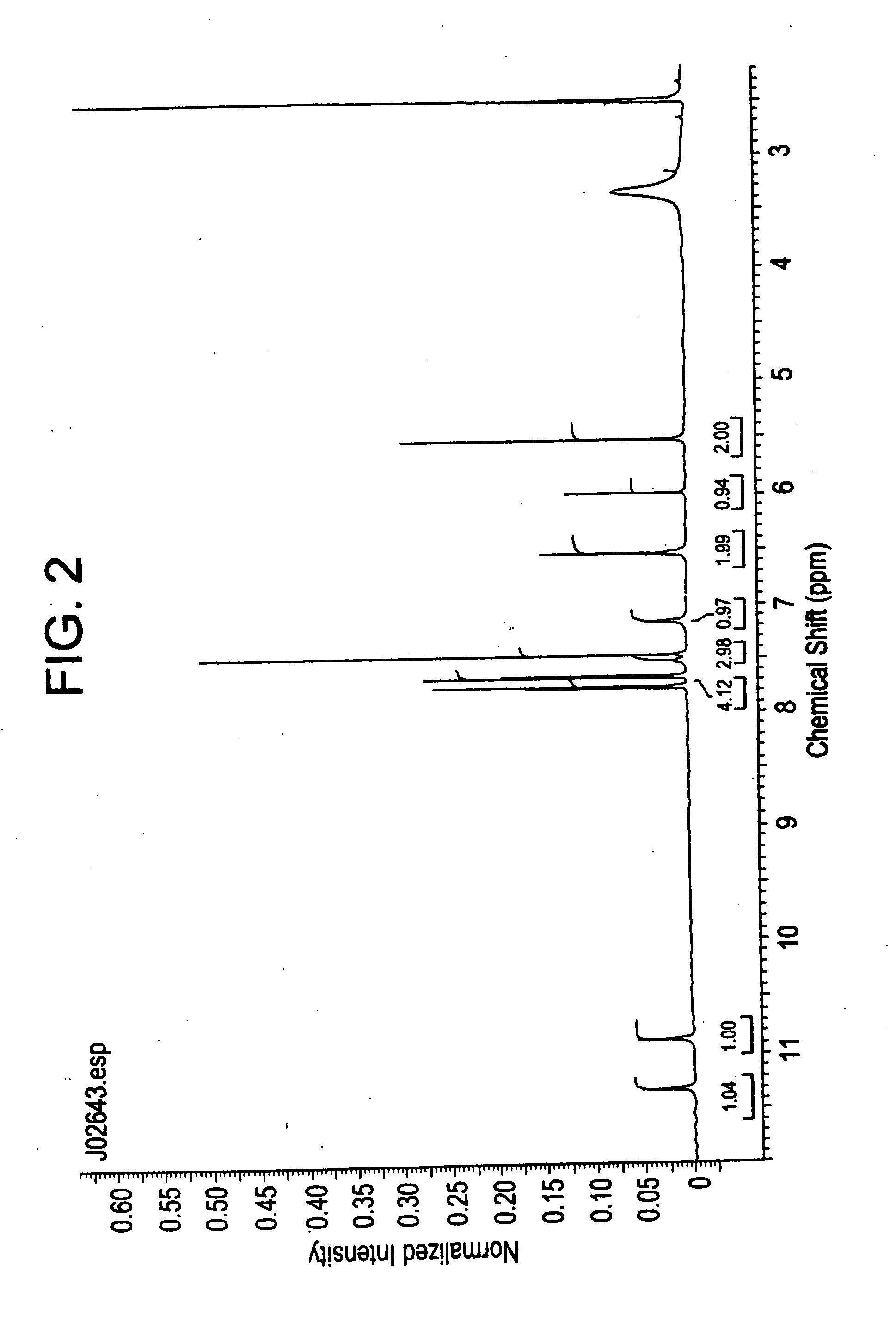
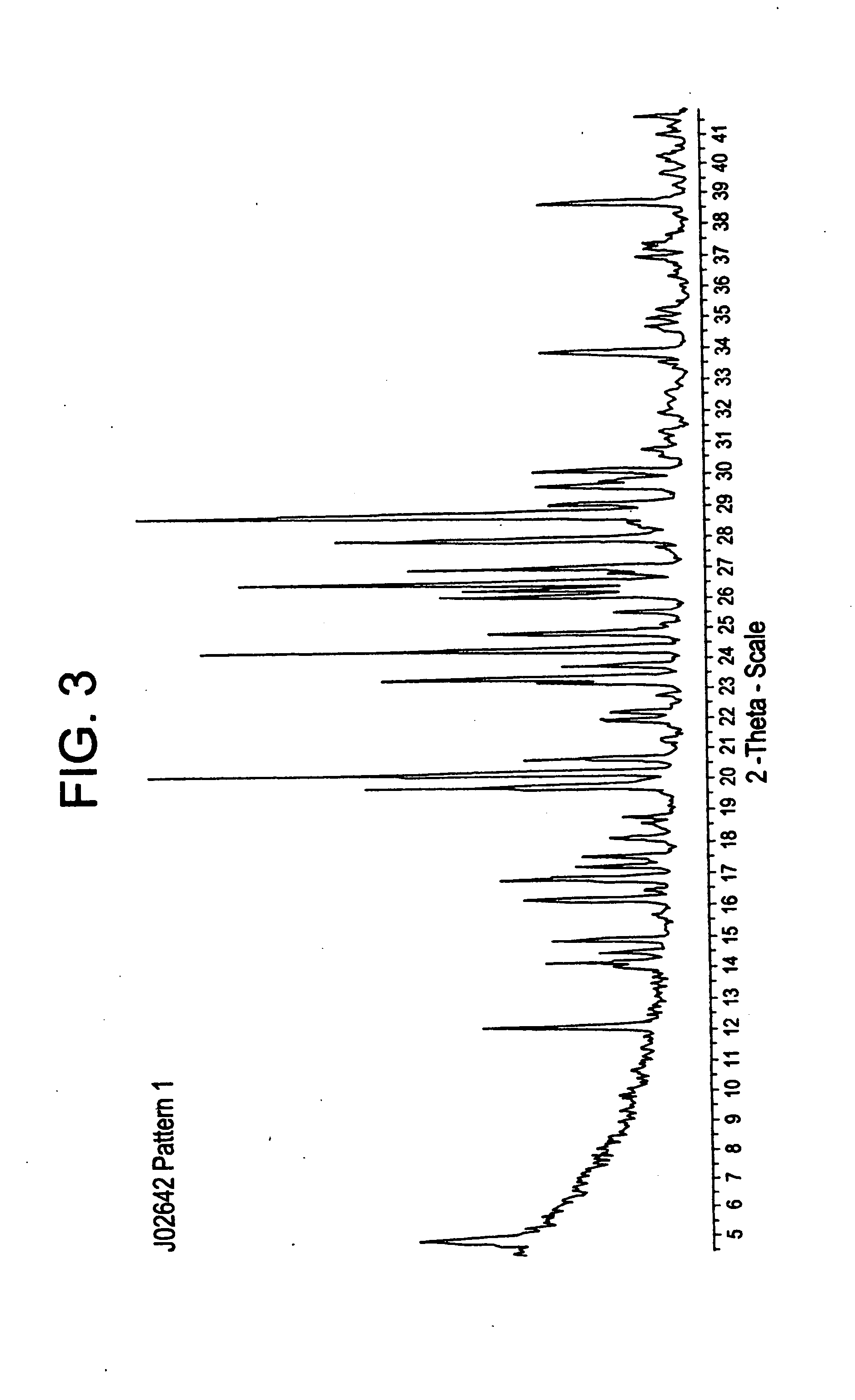
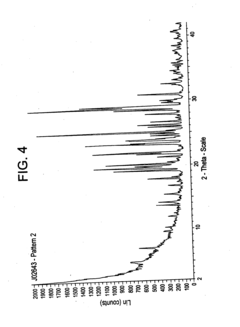
- The development of new polymorphs of 5-amino or substituted amino 1,2,3-triazoles and their orotate derivatives with optimized base:acid ratios, using safer and more efficient starting materials like diphenylphosphoryl azide to replace sodium azide, improving bioavailability and reducing toxicity.
Regulatory Framework for Lithium-Based Therapeutics
The regulatory framework for lithium-based therapeutics is a complex and evolving landscape that plays a crucial role in the development, approval, and use of these medications. In the United States, the Food and Drug Administration (FDA) is the primary regulatory body overseeing lithium-based therapeutics. The FDA has established specific guidelines for the approval of lithium compounds, including requirements for safety and efficacy data from clinical trials.
Internationally, regulatory bodies such as the European Medicines Agency (EMA) and Japan's Pharmaceuticals and Medical Devices Agency (PMDA) also have their own frameworks for lithium-based therapeutics. These agencies often collaborate and share information to harmonize regulatory approaches across different regions.
One of the key aspects of the regulatory framework is the classification of lithium compounds. Lithium carbonate and lithium citrate are currently approved as prescription medications for bipolar disorder. However, newer formulations like lithium orotate and lithium glutamate are often classified as dietary supplements, which are subject to different regulatory standards.
The regulatory framework also addresses the manufacturing and quality control of lithium-based products. Good Manufacturing Practices (GMP) are enforced to ensure consistent quality and purity of lithium compounds. This includes strict controls on the sourcing of raw materials, production processes, and final product testing.
Safety monitoring is another critical component of the regulatory framework. Post-market surveillance systems are in place to track adverse events and long-term effects of lithium use. This includes mandatory reporting of serious side effects by healthcare providers and manufacturers.
Dosage and administration guidelines are carefully regulated due to lithium's narrow therapeutic index. Regulatory bodies require clear labeling and prescribing information that outlines proper dosing, potential drug interactions, and the need for regular blood level monitoring.
As research continues into novel lithium formulations like lithium orotate and lithium glutamate, regulatory agencies are adapting their frameworks to address these emerging compounds. This includes evaluating their safety profiles, bioavailability, and potential therapeutic benefits compared to traditional lithium salts.
The regulatory landscape also encompasses off-label use of lithium compounds. While primarily approved for bipolar disorder, lithium is sometimes prescribed for other conditions. Regulatory bodies provide guidance on the ethical and legal considerations of such off-label use, balancing patient needs with safety concerns.
Internationally, regulatory bodies such as the European Medicines Agency (EMA) and Japan's Pharmaceuticals and Medical Devices Agency (PMDA) also have their own frameworks for lithium-based therapeutics. These agencies often collaborate and share information to harmonize regulatory approaches across different regions.
One of the key aspects of the regulatory framework is the classification of lithium compounds. Lithium carbonate and lithium citrate are currently approved as prescription medications for bipolar disorder. However, newer formulations like lithium orotate and lithium glutamate are often classified as dietary supplements, which are subject to different regulatory standards.
The regulatory framework also addresses the manufacturing and quality control of lithium-based products. Good Manufacturing Practices (GMP) are enforced to ensure consistent quality and purity of lithium compounds. This includes strict controls on the sourcing of raw materials, production processes, and final product testing.
Safety monitoring is another critical component of the regulatory framework. Post-market surveillance systems are in place to track adverse events and long-term effects of lithium use. This includes mandatory reporting of serious side effects by healthcare providers and manufacturers.
Dosage and administration guidelines are carefully regulated due to lithium's narrow therapeutic index. Regulatory bodies require clear labeling and prescribing information that outlines proper dosing, potential drug interactions, and the need for regular blood level monitoring.
As research continues into novel lithium formulations like lithium orotate and lithium glutamate, regulatory agencies are adapting their frameworks to address these emerging compounds. This includes evaluating their safety profiles, bioavailability, and potential therapeutic benefits compared to traditional lithium salts.
The regulatory landscape also encompasses off-label use of lithium compounds. While primarily approved for bipolar disorder, lithium is sometimes prescribed for other conditions. Regulatory bodies provide guidance on the ethical and legal considerations of such off-label use, balancing patient needs with safety concerns.
Safety and Efficacy Considerations
When comparing lithium orotate and lithium glutamate for neural signal regulation, safety and efficacy considerations are paramount. Both compounds contain lithium, a well-established mood stabilizer, but their different chemical structures and properties necessitate careful evaluation.
Lithium orotate has gained attention for its potential to cross the blood-brain barrier more efficiently than traditional lithium carbonate. This property may allow for lower dosages while maintaining therapeutic effects, potentially reducing systemic side effects. However, the lack of extensive clinical trials and long-term safety data for lithium orotate raises concerns about its widespread use.
In contrast, lithium glutamate is less commonly studied in the context of neural signal regulation. Glutamate, as a neurotransmitter, plays a crucial role in synaptic plasticity and neural signaling. The combination with lithium may offer unique benefits, but its safety profile and optimal dosing remain unclear.
Efficacy considerations for both compounds focus on their ability to modulate neural signaling pathways effectively. Lithium's primary mechanism of action involves inhibition of glycogen synthase kinase-3 (GSK-3) and inositol monophosphatase, which are implicated in mood regulation and neuroprotection. The orotate and glutamate forms may influence these pathways differently, potentially leading to varied therapeutic outcomes.
Bioavailability is a critical factor in comparing these compounds. Lithium orotate's purported enhanced brain penetration could lead to more targeted effects on neural signaling with potentially fewer peripheral side effects. However, this same property raises concerns about the risk of lithium toxicity if not carefully monitored.
Safety considerations extend to potential interactions with other medications and long-term effects on organ systems, particularly the kidneys and thyroid. The altered pharmacokinetics of these lithium forms compared to standard lithium carbonate necessitate careful dosing strategies and regular monitoring of lithium levels and organ function.
Regulatory status is another crucial aspect of safety and efficacy evaluation. While lithium carbonate is FDA-approved for bipolar disorder, lithium orotate and lithium glutamate lack similar regulatory endorsement for neural signal regulation. This gap in official approval underscores the need for rigorous clinical trials to establish their safety profiles and therapeutic efficacy.
In conclusion, while both lithium orotate and lithium glutamate show promise in neural signal regulation, their safety and efficacy profiles require further investigation. Careful consideration of dosing, bioavailability, potential side effects, and long-term impacts is essential before these compounds can be recommended for widespread use in clinical settings.
Lithium orotate has gained attention for its potential to cross the blood-brain barrier more efficiently than traditional lithium carbonate. This property may allow for lower dosages while maintaining therapeutic effects, potentially reducing systemic side effects. However, the lack of extensive clinical trials and long-term safety data for lithium orotate raises concerns about its widespread use.
In contrast, lithium glutamate is less commonly studied in the context of neural signal regulation. Glutamate, as a neurotransmitter, plays a crucial role in synaptic plasticity and neural signaling. The combination with lithium may offer unique benefits, but its safety profile and optimal dosing remain unclear.
Efficacy considerations for both compounds focus on their ability to modulate neural signaling pathways effectively. Lithium's primary mechanism of action involves inhibition of glycogen synthase kinase-3 (GSK-3) and inositol monophosphatase, which are implicated in mood regulation and neuroprotection. The orotate and glutamate forms may influence these pathways differently, potentially leading to varied therapeutic outcomes.
Bioavailability is a critical factor in comparing these compounds. Lithium orotate's purported enhanced brain penetration could lead to more targeted effects on neural signaling with potentially fewer peripheral side effects. However, this same property raises concerns about the risk of lithium toxicity if not carefully monitored.
Safety considerations extend to potential interactions with other medications and long-term effects on organ systems, particularly the kidneys and thyroid. The altered pharmacokinetics of these lithium forms compared to standard lithium carbonate necessitate careful dosing strategies and regular monitoring of lithium levels and organ function.
Regulatory status is another crucial aspect of safety and efficacy evaluation. While lithium carbonate is FDA-approved for bipolar disorder, lithium orotate and lithium glutamate lack similar regulatory endorsement for neural signal regulation. This gap in official approval underscores the need for rigorous clinical trials to establish their safety profiles and therapeutic efficacy.
In conclusion, while both lithium orotate and lithium glutamate show promise in neural signal regulation, their safety and efficacy profiles require further investigation. Careful consideration of dosing, bioavailability, potential side effects, and long-term impacts is essential before these compounds can be recommended for widespread use in clinical settings.
Unlock deeper insights with Patsnap Eureka Quick Research — get a full tech report to explore trends and direct your research. Try now!
Generate Your Research Report Instantly with AI Agent
Supercharge your innovation with Patsnap Eureka AI Agent Platform!