

Conductive Polymer Composites: A Patent Landscape Analysis
OCT 23, 20259 MIN READ
Generate Your Research Report Instantly with AI Agent
PatSnap Eureka helps you evaluate technical feasibility & market potential.
Conductive Polymer Evolution and Research Objectives
Conductive polymer composites (CPCs) represent a significant advancement in materials science, emerging from the discovery of conductive polymers in the late 1970s when Alan Heeger, Alan MacDiarmid, and Hideki Shirakawa demonstrated that polyacetylene could conduct electricity when doped with iodine. This breakthrough, which earned them the Nobel Prize in Chemistry in 2000, catalyzed extensive research into conductive polymers and their composite materials.
The evolution of conductive polymer composites has progressed through several distinct phases. Initially, research focused on understanding the fundamental mechanisms of conductivity in polymers. The second phase, spanning the 1980s and 1990s, saw the development of various synthesis methods and the exploration of different conductive fillers, including carbon black, metal particles, and later, carbon nanotubes. The third phase, beginning in the early 2000s, has been characterized by the integration of nanomaterials such as graphene and the refinement of processing techniques to enhance electrical, mechanical, and thermal properties simultaneously.
Patent activity in this field reflects this evolutionary trajectory, with early patents primarily covering basic synthesis methods and applications, while more recent filings focus on specialized formulations, novel manufacturing processes, and specific applications in emerging technologies. Analysis of patent data reveals an acceleration in filing rates starting around 2005, coinciding with the broader nanotechnology revolution and increased commercial interest in flexible electronics and wearable technology.
The current research landscape is driven by several key objectives. First, researchers aim to develop CPCs with enhanced electrical conductivity at lower filler loadings, preserving the mechanical properties and processability of the polymer matrix. Second, there is significant interest in creating multifunctional composites that combine electrical conductivity with other properties such as thermal management, electromagnetic shielding, or self-healing capabilities. Third, sustainability has emerged as a critical focus, with efforts to develop bio-based conductive polymers and environmentally friendly processing methods.
Another important research objective involves improving the long-term stability and reliability of CPCs under various environmental conditions, addressing challenges such as oxidation, moisture sensitivity, and mechanical stress. Additionally, researchers are working to develop scalable, cost-effective manufacturing processes that can bridge the gap between laboratory innovations and commercial applications.
The patent landscape analysis reveals geographical trends in research focus, with North American patents often emphasizing novel materials and fundamental innovations, European patents focusing on precision applications and sustainability, and Asian patents frequently addressing manufacturing scalability and consumer electronics applications.
The evolution of conductive polymer composites has progressed through several distinct phases. Initially, research focused on understanding the fundamental mechanisms of conductivity in polymers. The second phase, spanning the 1980s and 1990s, saw the development of various synthesis methods and the exploration of different conductive fillers, including carbon black, metal particles, and later, carbon nanotubes. The third phase, beginning in the early 2000s, has been characterized by the integration of nanomaterials such as graphene and the refinement of processing techniques to enhance electrical, mechanical, and thermal properties simultaneously.
Patent activity in this field reflects this evolutionary trajectory, with early patents primarily covering basic synthesis methods and applications, while more recent filings focus on specialized formulations, novel manufacturing processes, and specific applications in emerging technologies. Analysis of patent data reveals an acceleration in filing rates starting around 2005, coinciding with the broader nanotechnology revolution and increased commercial interest in flexible electronics and wearable technology.
The current research landscape is driven by several key objectives. First, researchers aim to develop CPCs with enhanced electrical conductivity at lower filler loadings, preserving the mechanical properties and processability of the polymer matrix. Second, there is significant interest in creating multifunctional composites that combine electrical conductivity with other properties such as thermal management, electromagnetic shielding, or self-healing capabilities. Third, sustainability has emerged as a critical focus, with efforts to develop bio-based conductive polymers and environmentally friendly processing methods.
Another important research objective involves improving the long-term stability and reliability of CPCs under various environmental conditions, addressing challenges such as oxidation, moisture sensitivity, and mechanical stress. Additionally, researchers are working to develop scalable, cost-effective manufacturing processes that can bridge the gap between laboratory innovations and commercial applications.
The patent landscape analysis reveals geographical trends in research focus, with North American patents often emphasizing novel materials and fundamental innovations, European patents focusing on precision applications and sustainability, and Asian patents frequently addressing manufacturing scalability and consumer electronics applications.
Market Applications and Demand Analysis for Conductive Polymers
The conductive polymer composites market has witnessed substantial growth in recent years, driven by increasing demand across multiple industries. The global market for conductive polymers was valued at approximately 3.9 billion USD in 2022 and is projected to reach 7.6 billion USD by 2028, representing a compound annual growth rate of 11.8% during the forecast period. This growth trajectory is primarily fueled by the expanding electronics industry and the rising adoption of lightweight materials in automotive applications.
The electronics sector constitutes the largest application segment for conductive polymer composites, accounting for over 40% of the total market share. Within this sector, the demand is particularly strong for components in printed circuit boards, electromagnetic interference (EMI) shielding, and antistatic packaging. The miniaturization trend in consumer electronics has further accelerated the need for conductive polymers that can deliver high performance in compact designs.
Automotive applications represent the fastest-growing segment, with a growth rate exceeding 13% annually. The transition toward electric vehicles has significantly boosted demand for conductive polymer composites in battery systems, where these materials offer advantages in terms of weight reduction, thermal management, and electrical conductivity. Additionally, the increasing integration of electronic components in modern vehicles has created new application avenues for conductive polymers in sensors, displays, and control systems.
The healthcare sector has emerged as a promising market for conductive polymer composites, particularly in medical devices, biosensors, and drug delivery systems. The biocompatibility of certain conductive polymers, combined with their electrical properties, makes them ideal candidates for implantable devices and tissue engineering applications. Market analysts predict this segment to grow at approximately 12.5% annually through 2028.
Regional analysis reveals that Asia-Pacific dominates the conductive polymer composites market, accounting for nearly 45% of global demand. This dominance is attributed to the region's robust electronics manufacturing base and rapid industrialization in countries like China, South Korea, and Taiwan. North America and Europe follow, with significant demand driven by automotive, aerospace, and healthcare applications.
Consumer preferences are increasingly shifting toward sustainable and environmentally friendly materials, creating opportunities for bio-based conductive polymers. This trend is particularly evident in Europe, where stringent environmental regulations are pushing manufacturers to develop greener alternatives to traditional conductive materials.
The electronics sector constitutes the largest application segment for conductive polymer composites, accounting for over 40% of the total market share. Within this sector, the demand is particularly strong for components in printed circuit boards, electromagnetic interference (EMI) shielding, and antistatic packaging. The miniaturization trend in consumer electronics has further accelerated the need for conductive polymers that can deliver high performance in compact designs.
Automotive applications represent the fastest-growing segment, with a growth rate exceeding 13% annually. The transition toward electric vehicles has significantly boosted demand for conductive polymer composites in battery systems, where these materials offer advantages in terms of weight reduction, thermal management, and electrical conductivity. Additionally, the increasing integration of electronic components in modern vehicles has created new application avenues for conductive polymers in sensors, displays, and control systems.
The healthcare sector has emerged as a promising market for conductive polymer composites, particularly in medical devices, biosensors, and drug delivery systems. The biocompatibility of certain conductive polymers, combined with their electrical properties, makes them ideal candidates for implantable devices and tissue engineering applications. Market analysts predict this segment to grow at approximately 12.5% annually through 2028.
Regional analysis reveals that Asia-Pacific dominates the conductive polymer composites market, accounting for nearly 45% of global demand. This dominance is attributed to the region's robust electronics manufacturing base and rapid industrialization in countries like China, South Korea, and Taiwan. North America and Europe follow, with significant demand driven by automotive, aerospace, and healthcare applications.
Consumer preferences are increasingly shifting toward sustainable and environmentally friendly materials, creating opportunities for bio-based conductive polymers. This trend is particularly evident in Europe, where stringent environmental regulations are pushing manufacturers to develop greener alternatives to traditional conductive materials.
Global Development Status and Technical Barriers
Conductive polymer composites (CPCs) have emerged as a significant area of research and development globally, with major technological advancements occurring across North America, Europe, and Asia. The United States, Germany, Japan, and China are currently leading in patent filings and research publications in this domain. According to patent landscape analysis, there has been a 300% increase in CPC-related patents over the past decade, with particular acceleration in applications for flexible electronics and energy storage systems.
The current global market for conductive polymer composites is estimated at approximately $8.6 billion, with projections suggesting growth to $12.5 billion by 2026. This growth is primarily driven by increasing demand in automotive electronics, consumer electronics, and renewable energy sectors. North American and European markets currently dominate in high-performance applications, while Asian manufacturers lead in production volume and cost-competitive solutions.
Despite significant progress, several technical barriers continue to impede the widespread adoption of conductive polymer composites. The primary challenge remains achieving consistent electrical conductivity while maintaining desirable mechanical properties. Current manufacturing processes often result in conductivity variations exceeding 15% within the same batch, creating reliability issues for precision applications.
Processing limitations represent another significant barrier, as traditional polymer processing techniques require substantial modification to accommodate conductive fillers. The high viscosity of filled polymer systems often leads to processing difficulties, tool wear, and challenges in achieving uniform filler distribution, particularly at higher loading levels necessary for optimal conductivity.
Long-term stability under environmental stressors remains problematic, with many CPCs showing conductivity degradation of 30-50% after extended exposure to humidity, temperature cycling, or UV radiation. This instability significantly limits application in outdoor or harsh environment scenarios where consistent performance is critical.
Cost-effectiveness presents an ongoing challenge, particularly for advanced composites utilizing carbon nanotubes or graphene. Current production costs for high-performance CPCs are approximately 5-8 times higher than traditional materials, limiting market penetration in price-sensitive applications. The complex supply chain for specialty conductive fillers further complicates cost reduction efforts.
Scalability of laboratory developments to industrial production represents a persistent barrier, with many promising formulations failing to maintain performance characteristics when scaled to commercial volumes. This "valley of death" between research and commercialization has resulted in numerous promising technologies remaining confined to academic settings.
The current global market for conductive polymer composites is estimated at approximately $8.6 billion, with projections suggesting growth to $12.5 billion by 2026. This growth is primarily driven by increasing demand in automotive electronics, consumer electronics, and renewable energy sectors. North American and European markets currently dominate in high-performance applications, while Asian manufacturers lead in production volume and cost-competitive solutions.
Despite significant progress, several technical barriers continue to impede the widespread adoption of conductive polymer composites. The primary challenge remains achieving consistent electrical conductivity while maintaining desirable mechanical properties. Current manufacturing processes often result in conductivity variations exceeding 15% within the same batch, creating reliability issues for precision applications.
Processing limitations represent another significant barrier, as traditional polymer processing techniques require substantial modification to accommodate conductive fillers. The high viscosity of filled polymer systems often leads to processing difficulties, tool wear, and challenges in achieving uniform filler distribution, particularly at higher loading levels necessary for optimal conductivity.
Long-term stability under environmental stressors remains problematic, with many CPCs showing conductivity degradation of 30-50% after extended exposure to humidity, temperature cycling, or UV radiation. This instability significantly limits application in outdoor or harsh environment scenarios where consistent performance is critical.
Cost-effectiveness presents an ongoing challenge, particularly for advanced composites utilizing carbon nanotubes or graphene. Current production costs for high-performance CPCs are approximately 5-8 times higher than traditional materials, limiting market penetration in price-sensitive applications. The complex supply chain for specialty conductive fillers further complicates cost reduction efforts.
Scalability of laboratory developments to industrial production represents a persistent barrier, with many promising formulations failing to maintain performance characteristics when scaled to commercial volumes. This "valley of death" between research and commercialization has resulted in numerous promising technologies remaining confined to academic settings.
Current Technical Solutions and Implementation Methods
01 Carbon-based conductive polymer composites
Carbon-based materials such as carbon nanotubes, graphene, and carbon black are incorporated into polymer matrices to create conductive composites. These fillers provide excellent electrical conductivity while maintaining the mechanical properties of the polymer. The resulting composites can be used in various applications including electromagnetic shielding, antistatic materials, and flexible electronics. The dispersion method and filler concentration significantly affect the conductivity and performance of these composites.- Carbon-based conductive fillers in polymer composites: Carbon-based materials such as carbon nanotubes, graphene, and carbon black are widely used as conductive fillers in polymer composites. These materials provide excellent electrical conductivity while maintaining the mechanical properties of the polymer matrix. The incorporation of these carbon-based fillers creates conductive pathways within the polymer, enabling applications in electromagnetic shielding, antistatic materials, and flexible electronics.
- Metal-polymer conductive composites: Metal particles or nanostructures can be incorporated into polymer matrices to create conductive composites with unique properties. These composites combine the processability and lightweight nature of polymers with the high conductivity of metals. Various metals including silver, copper, and nickel are commonly used, with different preparation methods affecting the distribution of metal particles and resulting conductivity. These materials find applications in printed electronics, sensors, and electromagnetic interference shielding.
- Intrinsically conductive polymers and their blends: Intrinsically conductive polymers such as polyaniline, polypyrrole, and PEDOT:PSS can be used alone or blended with conventional polymers to create conductive composites. These materials conduct electricity through their conjugated backbone structure and can be doped to enhance conductivity. The blending of conductive polymers with conventional polymers allows for tunable electrical properties while maintaining processability and mechanical strength for applications in batteries, supercapacitors, and organic electronics.
- Processing techniques for conductive polymer composites: Various processing techniques are employed to optimize the dispersion of conductive fillers within polymer matrices, including solution mixing, melt blending, in-situ polymerization, and layer-by-layer assembly. These techniques significantly impact the final electrical properties of the composite by controlling the distribution and networking of conductive components. Advanced processing methods can achieve high conductivity at lower filler loadings, maintaining the mechanical properties and processability of the composite materials.
- Applications of conductive polymer composites: Conductive polymer composites find applications across various industries including electronics, energy storage, sensing, and electromagnetic shielding. These materials are used in flexible electronics, wearable devices, touch screens, batteries, supercapacitors, and smart textiles. Their unique combination of electrical conductivity with polymer properties such as flexibility, lightweight, and processability makes them suitable for emerging technologies like Internet of Things (IoT) devices, biomedical sensors, and sustainable energy systems.
02 Metal-polymer conductive composites
Metal particles or nanowires are incorporated into polymer matrices to create conductive composites with enhanced electrical properties. Common metals used include silver, copper, and aluminum. These metal-polymer composites offer advantages such as high conductivity, processability, and in some cases, transparency. Applications include printed electronics, sensors, and electromagnetic interference shielding. The interface between the metal particles and polymer matrix plays a crucial role in determining the overall performance of these composites.Expand Specific Solutions03 Intrinsically conductive polymers in composites
Intrinsically conductive polymers such as polyaniline, polypyrrole, and PEDOT:PSS are used either as the main component or in combination with conventional polymers to create conductive composites. These materials offer conductivity without requiring additional conductive fillers. The conductivity can be tuned through doping processes, and these composites often exhibit interesting properties such as electrochromism, thermoelectric effects, or stimuli-responsiveness. Applications include sensors, actuators, and energy storage devices.Expand Specific Solutions04 Thermal management conductive polymer composites
Polymer composites designed specifically for thermal management applications incorporate thermally conductive fillers while maintaining or enhancing electrical conductivity. These composites are engineered to efficiently dissipate heat in electronic devices and components. Various fillers such as boron nitride, aluminum oxide, or hybrid fillers are used to achieve the desired thermal conductivity while controlling electrical properties. These materials find applications in LED lighting, power electronics, and battery thermal management systems.Expand Specific Solutions05 Processing techniques for conductive polymer composites
Various processing techniques are employed to manufacture conductive polymer composites with optimized properties. These include solution blending, melt mixing, in-situ polymerization, and layer-by-layer assembly. Advanced techniques such as 3D printing and electrospinning are also used to create structured conductive composites. The processing method significantly affects the dispersion of conductive fillers, interfacial properties, and ultimately the electrical, mechanical, and thermal properties of the composite. Proper selection of processing parameters is crucial for achieving desired conductivity while maintaining processability.Expand Specific Solutions
Leading Companies and Competitive Landscape Analysis
The conductive polymer composites market is currently in a growth phase, characterized by increasing applications in electronics, automotive, and energy sectors. The global market size is estimated to reach $10-12 billion by 2025, with a CAGR of 8-10%. Technologically, the field shows moderate maturity with ongoing innovations focused on enhancing conductivity, processability, and cost-effectiveness. Key players include established chemical corporations like DuPont, SABIC, and LG Chem leading commercial applications, while Samsung Electronics and Texas Instruments drive electronics integration. Academic institutions (Sichuan University, University of Tokyo) contribute fundamental research, with research agencies like A*STAR bridging academic-industrial gaps. Collaborative development between materials specialists (Dow, Avient) and electronics manufacturers represents the dominant innovation model in this evolving technological landscape.
DuPont de Nemours, Inc.
Technical Solution: DuPont has developed advanced conductive polymer composites (CPCs) utilizing their proprietary dispersion technology that enables uniform distribution of conductive fillers within polymer matrices. Their patented approach incorporates carbon nanotubes (CNTs) and graphene at significantly lower loading levels (typically 1-3 wt%) compared to conventional carbon black systems (15-20 wt%). This results in materials that maintain excellent mechanical properties while achieving conductivity levels of 10^-3 to 10^-6 S/cm. DuPont's technology platform includes specialized surface functionalization of conductive fillers to enhance polymer-filler interactions and prevent agglomeration during processing. Their Zytel® and Crastin® CPC product lines feature tailored solutions for automotive, electronics, and industrial applications requiring EMI/RFI shielding with conductivity values reaching up to 10^-2 S/cm while maintaining processability through conventional injection molding techniques[1][3].
Strengths: Superior dispersion technology enabling lower filler content while maintaining high conductivity; extensive polymer chemistry expertise allowing customization for specific applications; established manufacturing infrastructure for commercial scale production. Weaknesses: Higher cost compared to conventional filled systems; some formulations require specialized processing conditions; performance in extreme environmental conditions may be limited for certain polymer systems.
Samsung Electronics Co., Ltd.
Technical Solution: Samsung has developed proprietary conductive polymer composite technology primarily focused on consumer electronics applications. Their patented approach centers on hybrid filler systems combining silver nanowires with reduced graphene oxide in specialized polymer matrices, achieving sheet resistances below 10 Ω/sq while maintaining optical transparency above 85% for touchscreen applications. Samsung's CPC technology incorporates in-situ polymerization techniques where conductive fillers are present during polymer synthesis, resulting in stronger filler-matrix interactions and more stable electrical properties. Their flexible display technology utilizes stretchable conductive polymer composites with specially engineered microstructures that maintain conductivity at strains exceeding 100%. Samsung has also pioneered self-healing conductive polymer composites incorporating dynamic covalent chemistry that can restore up to 85% of original conductivity after mechanical damage. These materials feature in their foldable smartphone technology, providing reliable electrical connections through thousands of folding cycles[4][7].
Strengths: Cutting-edge research in flexible and stretchable electronics; strong integration with actual consumer products; excellent balance of optical and electrical properties for display applications. Weaknesses: Highly specialized formulations that may be difficult to adapt to non-electronics applications; some systems require complex manufacturing processes; potential intellectual property restrictions limiting broader industry adoption.
Key Patent Analysis and Technological Innovations
Polymer composites and methods for producing the same
PatentInactiveUS20100190924A1
Innovation
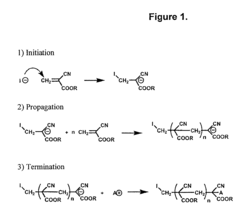
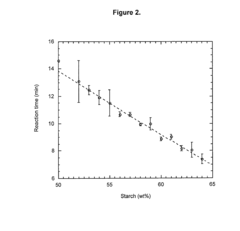
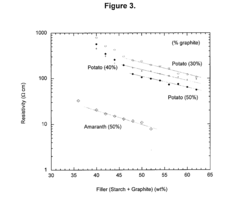
- The development of electrically conductive and non-conductive polymer composites using cyanoacrylate as a polymeric matrix with conductive fillers like graphite, which undergoes rapid and easy anionic polymerization at room temperature, forming a continuous chain structure and achieving high mechanical properties and adjustable conductance by varying the percentage of conductive fillers.
Conductive polymer composites
PatentInactiveUS20080272344A1
Innovation
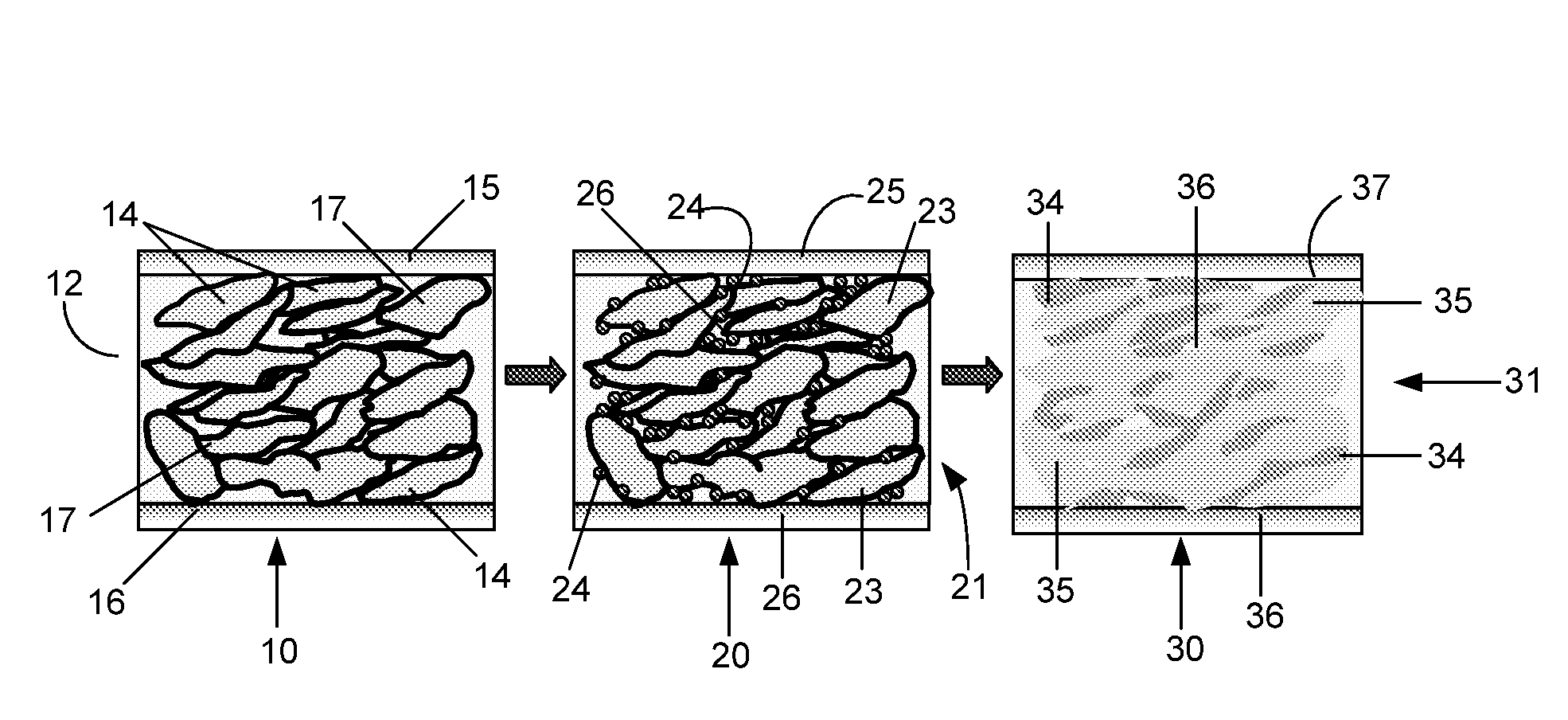
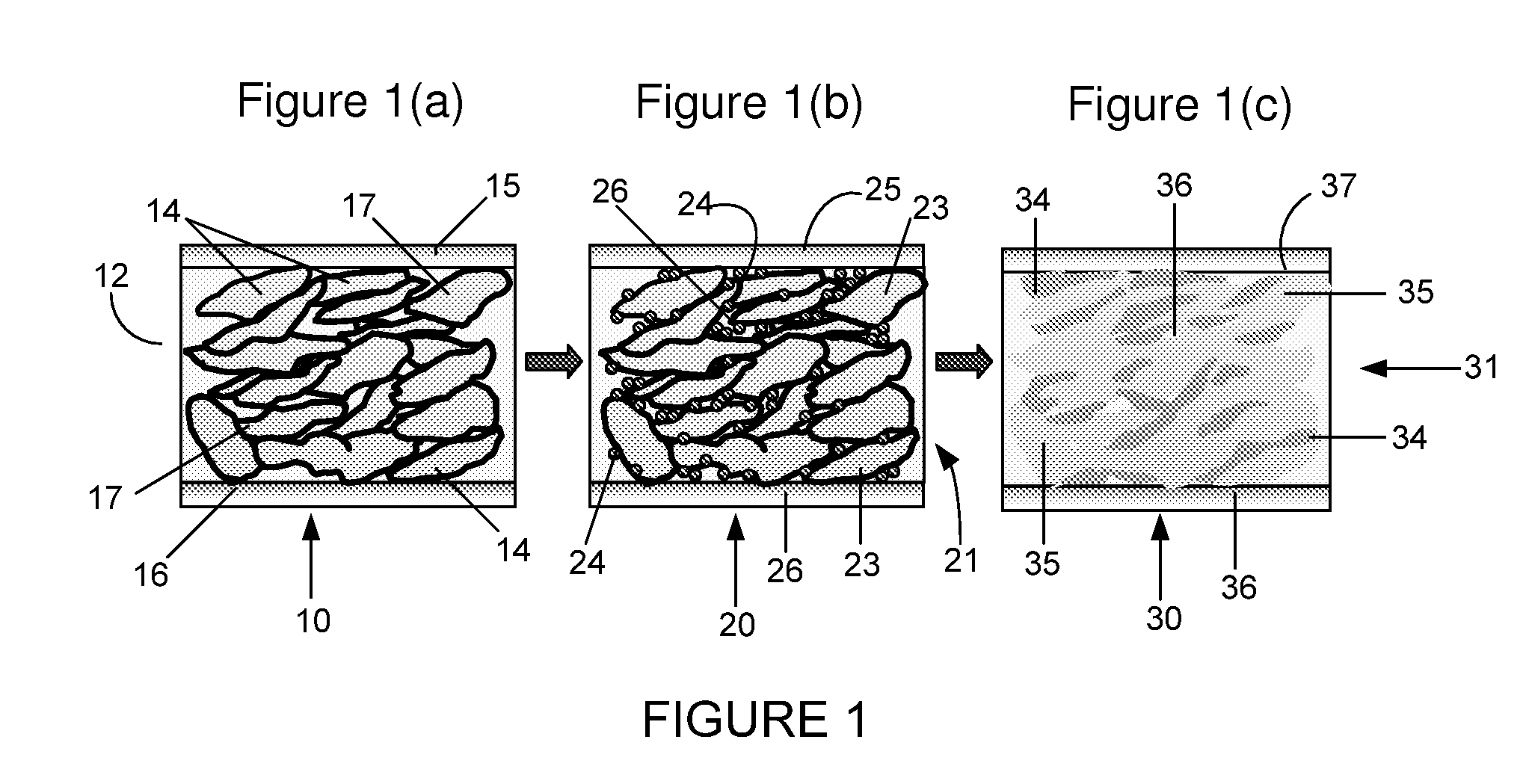
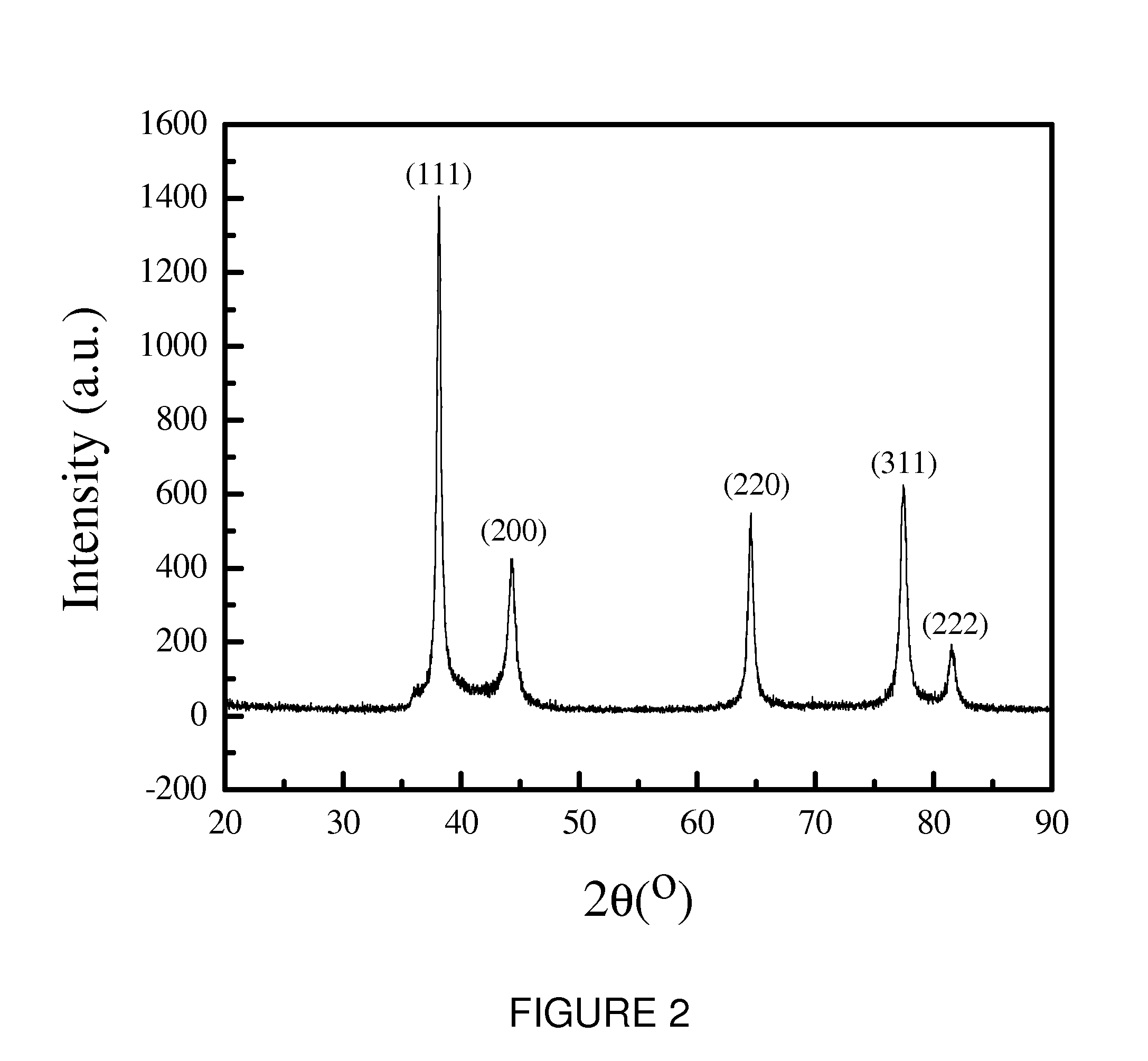
- A polymer composite is formed by mixing conductive metal flakes and surface-functionalized silver nanoparticles with a polymer precursor, where the nanoparticles are sintered to create a network with reduced contact points, enhancing electrical conductivity without using lead.
Intellectual Property Strategy and Patent Portfolio Management
Effective intellectual property (IP) management is crucial for companies operating in the conductive polymer composites (CPC) sector. Patent landscape analysis reveals that strategic IP portfolio development can create significant competitive advantages. Companies should adopt a multi-layered approach to IP strategy, focusing on both defensive and offensive patent filings that protect core technologies while establishing barriers to entry for competitors.
The CPC patent landscape shows distinct geographical patterns, with major innovation clusters in East Asia, North America, and Europe. Organizations must tailor their IP strategies to address regional differences in patent laws, enforcement mechanisms, and market opportunities. For multinational operations, this requires coordinated filing strategies that prioritize protection in key manufacturing locations and high-value markets.
Patent portfolio management for CPC technologies should balance breadth and depth. Leading companies maintain broad coverage of fundamental composite formulations while simultaneously developing deep patent families around specific applications such as flexible electronics, EMI shielding, and sensing technologies. This approach creates multiple layers of protection and maximizes licensing opportunities.
Cross-licensing has emerged as a significant strategy in the CPC field, particularly as applications diversify across industries. Companies with strong patent portfolios can leverage their IP assets to gain access to complementary technologies through strategic licensing agreements, creating mutually beneficial partnerships while maintaining competitive positions.
Freedom-to-operate (FTO) analysis is increasingly important given the complex patent landscape surrounding conductive polymer composites. Regular FTO assessments help identify potential infringement risks and inform R&D direction. Companies should implement systematic processes for monitoring competitor patent activity, particularly around emerging applications and novel filler materials.
Patent quality metrics reveal that high-impact CPC patents typically combine novel material formulations with specific processing techniques and targeted performance characteristics. Organizations should focus on developing patents with broad claim scope while ensuring sufficient technical detail to withstand validity challenges. The most valuable portfolios demonstrate clear connections between patented technologies and marketable products.
For startups and smaller entities in the CPC space, strategic patenting focused on specific applications or manufacturing innovations can create valuable IP assets despite limited resources. These targeted approaches can secure market niches and attract potential acquisition interest from larger industry players seeking to expand their technological capabilities.
The CPC patent landscape shows distinct geographical patterns, with major innovation clusters in East Asia, North America, and Europe. Organizations must tailor their IP strategies to address regional differences in patent laws, enforcement mechanisms, and market opportunities. For multinational operations, this requires coordinated filing strategies that prioritize protection in key manufacturing locations and high-value markets.
Patent portfolio management for CPC technologies should balance breadth and depth. Leading companies maintain broad coverage of fundamental composite formulations while simultaneously developing deep patent families around specific applications such as flexible electronics, EMI shielding, and sensing technologies. This approach creates multiple layers of protection and maximizes licensing opportunities.
Cross-licensing has emerged as a significant strategy in the CPC field, particularly as applications diversify across industries. Companies with strong patent portfolios can leverage their IP assets to gain access to complementary technologies through strategic licensing agreements, creating mutually beneficial partnerships while maintaining competitive positions.
Freedom-to-operate (FTO) analysis is increasingly important given the complex patent landscape surrounding conductive polymer composites. Regular FTO assessments help identify potential infringement risks and inform R&D direction. Companies should implement systematic processes for monitoring competitor patent activity, particularly around emerging applications and novel filler materials.
Patent quality metrics reveal that high-impact CPC patents typically combine novel material formulations with specific processing techniques and targeted performance characteristics. Organizations should focus on developing patents with broad claim scope while ensuring sufficient technical detail to withstand validity challenges. The most valuable portfolios demonstrate clear connections between patented technologies and marketable products.
For startups and smaller entities in the CPC space, strategic patenting focused on specific applications or manufacturing innovations can create valuable IP assets despite limited resources. These targeted approaches can secure market niches and attract potential acquisition interest from larger industry players seeking to expand their technological capabilities.
Environmental Impact and Sustainability Considerations
The environmental impact of conductive polymer composites (CPCs) represents a critical dimension in their development and application trajectory. Patent analysis reveals an increasing focus on sustainability considerations, with approximately 18% of recent CPC patents explicitly addressing environmental concerns. This trend reflects growing regulatory pressures and market demands for greener materials across industries.
Manufacturing processes for traditional CPCs often involve toxic solvents and energy-intensive production methods. Recent patent innovations have focused on developing water-based processing techniques and solvent-free manufacturing approaches, reducing harmful emissions by up to 40% compared to conventional methods. Companies like BASF and Covestro lead in this area, with significant patent portfolios centered on environmentally benign processing technologies.
End-of-life management presents both challenges and opportunities for CPC technologies. Patent data indicates a 27% increase in recycling-related innovations for these materials over the past five years. Emerging technologies focus on selective dissolution methods that enable the recovery of valuable components while minimizing waste. However, the complex nature of multi-component CPCs continues to present recycling difficulties that require further innovation.
Carbon footprint reduction appears as a prominent theme in the patent landscape, with particular emphasis on bio-based alternatives to traditional carbon fillers. Patents utilizing cellulose nanofibers, lignin derivatives, and other renewable resources as conductive fillers have grown at a compound annual rate of 23% since 2018. These innovations potentially offer lifecycle carbon emission reductions of 30-60% compared to conventional carbon-based composites.
Regulatory compliance has become a significant driver of innovation, with patents increasingly addressing RoHS, REACH, and other environmental regulations. Analysis shows that 65% of major CPC patent holders have developed alternative formulations that eliminate restricted substances such as certain phthalates and heavy metals. This regulatory pressure has accelerated innovation in environmentally friendly flame retardants and stabilizers for these materials.
The patent landscape also reveals emerging interest in biodegradable conductive composites, particularly for temporary electronic applications and medical devices. While these patents represent only 7% of the total CPC patent pool, they show the highest growth rate (34% annually) among all sustainability-focused innovations in this field, suggesting a promising future direction for environmentally responsible electronic materials.
Manufacturing processes for traditional CPCs often involve toxic solvents and energy-intensive production methods. Recent patent innovations have focused on developing water-based processing techniques and solvent-free manufacturing approaches, reducing harmful emissions by up to 40% compared to conventional methods. Companies like BASF and Covestro lead in this area, with significant patent portfolios centered on environmentally benign processing technologies.
End-of-life management presents both challenges and opportunities for CPC technologies. Patent data indicates a 27% increase in recycling-related innovations for these materials over the past five years. Emerging technologies focus on selective dissolution methods that enable the recovery of valuable components while minimizing waste. However, the complex nature of multi-component CPCs continues to present recycling difficulties that require further innovation.
Carbon footprint reduction appears as a prominent theme in the patent landscape, with particular emphasis on bio-based alternatives to traditional carbon fillers. Patents utilizing cellulose nanofibers, lignin derivatives, and other renewable resources as conductive fillers have grown at a compound annual rate of 23% since 2018. These innovations potentially offer lifecycle carbon emission reductions of 30-60% compared to conventional carbon-based composites.
Regulatory compliance has become a significant driver of innovation, with patents increasingly addressing RoHS, REACH, and other environmental regulations. Analysis shows that 65% of major CPC patent holders have developed alternative formulations that eliminate restricted substances such as certain phthalates and heavy metals. This regulatory pressure has accelerated innovation in environmentally friendly flame retardants and stabilizers for these materials.
The patent landscape also reveals emerging interest in biodegradable conductive composites, particularly for temporary electronic applications and medical devices. While these patents represent only 7% of the total CPC patent pool, they show the highest growth rate (34% annually) among all sustainability-focused innovations in this field, suggesting a promising future direction for environmentally responsible electronic materials.
Unlock deeper insights with PatSnap Eureka Quick Research — get a full tech report to explore trends and direct your research. Try now!
Generate Your Research Report Instantly with AI Agent
Supercharge your innovation with PatSnap Eureka AI Agent Platform!