Conformal Coating Vs Laminate: Scratch Resistance Properties
SEP 17, 202510 MIN READ
Generate Your Research Report Instantly with AI Agent
PatSnap Eureka helps you evaluate technical feasibility & market potential.
Protective Coating Technologies Background and Objectives
Protective coating technologies have evolved significantly over the past decades, transitioning from simple barrier methods to sophisticated engineered solutions that provide multiple functionalities. The history of protective coatings dates back to ancient civilizations using natural resins and oils, but modern industrial applications began in the early 20th century with the development of synthetic polymers. Since then, the field has experienced exponential growth, particularly in electronics, automotive, aerospace, and medical device industries where component protection is critical for reliability and longevity.
The evolution of conformal coatings and laminates represents two distinct technological approaches to surface protection. Conformal coatings emerged in the 1940s primarily for military electronics, offering thin-film protection that conforms to irregular surfaces. Laminates, by contrast, developed from the plastics industry in the 1950s, providing rigid structural protection through bonded layers of materials. Both technologies have continuously advanced with the introduction of new materials, application methods, and performance characteristics.
Current market trends indicate a growing demand for scratch-resistant protective solutions across multiple industries, driven by consumer expectations for durable products and manufacturers' needs to reduce warranty claims and maintenance costs. The miniaturization of electronic components and the expansion of electronics into harsh environments have further accelerated the need for advanced protective technologies that can withstand mechanical abrasion while maintaining other protective properties.
The primary objective of this technical research is to comprehensively compare the scratch resistance properties of conformal coatings versus laminate technologies. This includes evaluating their mechanical durability, adhesion characteristics, impact on underlying substrates, and performance under various environmental conditions. The research aims to identify the optimal protective solution for different application scenarios based on quantifiable metrics rather than traditional industry assumptions.
Additionally, this research seeks to explore emerging hybrid technologies that combine the advantages of both approaches, such as flexible laminates with conformal properties or conformal coatings with enhanced structural integrity. Understanding the fundamental material science behind scratch resistance will enable the development of next-generation protective solutions that overcome current limitations.
The technological trajectory suggests continued innovation in nano-engineered surfaces, self-healing materials, and environmentally sustainable formulations. These advancements promise to redefine the performance boundaries of protective coatings while addressing growing regulatory pressures and sustainability concerns. By establishing a clear understanding of the current technological landscape, this research will provide a foundation for strategic development decisions and future innovation pathways.
The evolution of conformal coatings and laminates represents two distinct technological approaches to surface protection. Conformal coatings emerged in the 1940s primarily for military electronics, offering thin-film protection that conforms to irregular surfaces. Laminates, by contrast, developed from the plastics industry in the 1950s, providing rigid structural protection through bonded layers of materials. Both technologies have continuously advanced with the introduction of new materials, application methods, and performance characteristics.
Current market trends indicate a growing demand for scratch-resistant protective solutions across multiple industries, driven by consumer expectations for durable products and manufacturers' needs to reduce warranty claims and maintenance costs. The miniaturization of electronic components and the expansion of electronics into harsh environments have further accelerated the need for advanced protective technologies that can withstand mechanical abrasion while maintaining other protective properties.
The primary objective of this technical research is to comprehensively compare the scratch resistance properties of conformal coatings versus laminate technologies. This includes evaluating their mechanical durability, adhesion characteristics, impact on underlying substrates, and performance under various environmental conditions. The research aims to identify the optimal protective solution for different application scenarios based on quantifiable metrics rather than traditional industry assumptions.
Additionally, this research seeks to explore emerging hybrid technologies that combine the advantages of both approaches, such as flexible laminates with conformal properties or conformal coatings with enhanced structural integrity. Understanding the fundamental material science behind scratch resistance will enable the development of next-generation protective solutions that overcome current limitations.
The technological trajectory suggests continued innovation in nano-engineered surfaces, self-healing materials, and environmentally sustainable formulations. These advancements promise to redefine the performance boundaries of protective coatings while addressing growing regulatory pressures and sustainability concerns. By establishing a clear understanding of the current technological landscape, this research will provide a foundation for strategic development decisions and future innovation pathways.
Market Analysis for Scratch-Resistant Surface Protection Solutions
The global market for scratch-resistant surface protection solutions has been experiencing robust growth, driven by increasing demand across multiple industries including electronics, automotive, aerospace, and medical devices. The market size for protective coatings reached approximately $13.5 billion in 2022 and is projected to grow at a CAGR of 6.8% through 2028, with scratch-resistant solutions representing a significant segment of this market.
Consumer electronics represents the largest application segment, accounting for nearly 35% of the market share. The proliferation of touchscreen devices and portable electronics has created substantial demand for scratch-resistant protection. Manufacturers are increasingly prioritizing durability as a key selling point, with scratch resistance being prominently featured in marketing materials for premium devices.
The automotive sector follows as the second-largest market, where scratch-resistant coatings and laminates are applied to both exterior and interior surfaces. Luxury vehicle manufacturers in particular have driven innovation in this space, with high-end models featuring advanced protection systems that command price premiums of 15-20% compared to standard finishes.
Regional analysis indicates that Asia-Pacific dominates the market with approximately 42% share, attributed to the concentration of electronics manufacturing and automotive production facilities. North America and Europe follow with 28% and 23% market shares respectively, with these regions showing stronger preference for premium protection solutions with enhanced environmental credentials.
The market exhibits a clear price-performance segmentation. Economy solutions typically utilize basic conformal coatings with minimal scratch resistance, while mid-range offerings incorporate silicone or acrylic-based formulations with moderate protection. Premium solutions feature advanced composite laminates or hybrid coating systems that can withstand significant abrasion forces exceeding 7H on the pencil hardness scale.
Customer preference analysis reveals increasing willingness to pay for superior scratch protection, with surveys indicating that 68% of consumers consider scratch resistance an "important" or "very important" feature when purchasing electronic devices. Similarly, automotive customers rank surface durability among the top five considerations in vehicle purchasing decisions.
Market forecasts suggest that demand for environmentally friendly scratch-resistant solutions will grow at twice the rate of conventional products, reflecting broader sustainability trends. Water-based and solvent-free formulations are gaining particular traction in consumer-facing applications, despite their currently higher production costs.
Consumer electronics represents the largest application segment, accounting for nearly 35% of the market share. The proliferation of touchscreen devices and portable electronics has created substantial demand for scratch-resistant protection. Manufacturers are increasingly prioritizing durability as a key selling point, with scratch resistance being prominently featured in marketing materials for premium devices.
The automotive sector follows as the second-largest market, where scratch-resistant coatings and laminates are applied to both exterior and interior surfaces. Luxury vehicle manufacturers in particular have driven innovation in this space, with high-end models featuring advanced protection systems that command price premiums of 15-20% compared to standard finishes.
Regional analysis indicates that Asia-Pacific dominates the market with approximately 42% share, attributed to the concentration of electronics manufacturing and automotive production facilities. North America and Europe follow with 28% and 23% market shares respectively, with these regions showing stronger preference for premium protection solutions with enhanced environmental credentials.
The market exhibits a clear price-performance segmentation. Economy solutions typically utilize basic conformal coatings with minimal scratch resistance, while mid-range offerings incorporate silicone or acrylic-based formulations with moderate protection. Premium solutions feature advanced composite laminates or hybrid coating systems that can withstand significant abrasion forces exceeding 7H on the pencil hardness scale.
Customer preference analysis reveals increasing willingness to pay for superior scratch protection, with surveys indicating that 68% of consumers consider scratch resistance an "important" or "very important" feature when purchasing electronic devices. Similarly, automotive customers rank surface durability among the top five considerations in vehicle purchasing decisions.
Market forecasts suggest that demand for environmentally friendly scratch-resistant solutions will grow at twice the rate of conventional products, reflecting broader sustainability trends. Water-based and solvent-free formulations are gaining particular traction in consumer-facing applications, despite their currently higher production costs.
Current State and Challenges in Conformal Coating and Laminate Technologies
The global market for protective coatings in electronics has witnessed significant growth, with conformal coatings and laminates emerging as two dominant technologies. Currently, conformal coating technology encompasses several types including acrylic, silicone, polyurethane, epoxy, and parylene, each offering varying degrees of scratch resistance. Acrylic coatings provide moderate scratch protection with excellent moisture resistance, while silicone coatings excel in extreme temperature environments but offer limited mechanical protection. Polyurethane coatings present a balanced profile with good scratch resistance and chemical protection, whereas epoxy coatings deliver superior hardness but may become brittle over time. Parylene, though expensive, provides exceptional scratch resistance through its unique vapor deposition process.
Laminate technology has evolved significantly, with modern laminates incorporating multiple layers of materials like polyimide, epoxy, and glass-reinforced substrates. These materials create a robust physical barrier that typically offers superior scratch resistance compared to most conformal coatings. Recent advancements include nano-reinforced laminates that demonstrate exceptional durability against mechanical abrasion while maintaining flexibility.
Despite these developments, both technologies face substantial challenges. For conformal coatings, achieving uniform application thickness remains problematic, particularly for complex PCB geometries with high component density. Inconsistent coating thickness directly impacts scratch resistance properties, creating vulnerable areas on protected surfaces. Additionally, many high-performance conformal coatings require specialized application equipment and controlled environments, increasing production costs and complexity.
Laminates face different challenges, primarily related to their application process. The lamination procedure often involves heat and pressure that can potentially damage sensitive electronic components. Furthermore, laminates typically cannot conform to irregular surfaces as effectively as conformal coatings, creating potential protection gaps in complex assemblies. The rigid nature of many laminates also introduces concerns about thermal expansion coefficient mismatches, which can lead to delamination and reduced protection over time.
Geographically, advanced conformal coating technologies are predominantly developed in North America and Western Europe, while Asia-Pacific leads in laminate production volume. Recent research indicates that hybrid solutions combining aspects of both technologies are emerging, particularly in Japan and Germany, aiming to address the limitations of each approach while maximizing scratch resistance properties.
Environmental regulations present another significant challenge, with many traditional high-performance coating formulations facing restrictions due to VOC content and other hazardous components. This regulatory landscape is driving innovation toward water-based and UV-curable conformal coatings, though these newer formulations often demonstrate reduced scratch resistance compared to their conventional counterparts.
Laminate technology has evolved significantly, with modern laminates incorporating multiple layers of materials like polyimide, epoxy, and glass-reinforced substrates. These materials create a robust physical barrier that typically offers superior scratch resistance compared to most conformal coatings. Recent advancements include nano-reinforced laminates that demonstrate exceptional durability against mechanical abrasion while maintaining flexibility.
Despite these developments, both technologies face substantial challenges. For conformal coatings, achieving uniform application thickness remains problematic, particularly for complex PCB geometries with high component density. Inconsistent coating thickness directly impacts scratch resistance properties, creating vulnerable areas on protected surfaces. Additionally, many high-performance conformal coatings require specialized application equipment and controlled environments, increasing production costs and complexity.
Laminates face different challenges, primarily related to their application process. The lamination procedure often involves heat and pressure that can potentially damage sensitive electronic components. Furthermore, laminates typically cannot conform to irregular surfaces as effectively as conformal coatings, creating potential protection gaps in complex assemblies. The rigid nature of many laminates also introduces concerns about thermal expansion coefficient mismatches, which can lead to delamination and reduced protection over time.
Geographically, advanced conformal coating technologies are predominantly developed in North America and Western Europe, while Asia-Pacific leads in laminate production volume. Recent research indicates that hybrid solutions combining aspects of both technologies are emerging, particularly in Japan and Germany, aiming to address the limitations of each approach while maximizing scratch resistance properties.
Environmental regulations present another significant challenge, with many traditional high-performance coating formulations facing restrictions due to VOC content and other hazardous components. This regulatory landscape is driving innovation toward water-based and UV-curable conformal coatings, though these newer formulations often demonstrate reduced scratch resistance compared to their conventional counterparts.
Comparative Analysis of Conformal Coating and Laminate Solutions
01 Polymer-based conformal coatings for scratch resistance
Polymer-based conformal coatings can be applied to laminate surfaces to enhance scratch resistance. These coatings typically include acrylic, polyurethane, or epoxy polymers that form a protective layer over the substrate. The coating creates a barrier that absorbs and distributes impact forces, preventing scratches from reaching the underlying material. These formulations often include cross-linking agents to improve durability and adhesion to various substrate materials.- Polymer-based conformal coatings for scratch resistance: Polymer-based conformal coatings can be applied to laminate surfaces to enhance scratch resistance. These coatings typically consist of polyurethane, acrylic, or epoxy polymers that form a protective layer over the substrate. The coating creates a barrier that absorbs and distributes mechanical forces, preventing scratches from reaching the underlying laminate. These polymer formulations often include additives that improve flexibility, adhesion, and durability of the coating.
- Nanoparticle-enhanced coatings for improved scratch resistance: Incorporating nanoparticles such as silica, alumina, or ceramic materials into conformal coatings significantly enhances scratch resistance of laminates. These nanoparticles increase the hardness and mechanical strength of the coating while maintaining transparency. The nanoparticles create a reinforced matrix within the coating that can withstand abrasive forces. The uniform dispersion of nanoparticles throughout the coating is crucial for optimal performance and durability.
- Multi-layer conformal coating systems: Multi-layer conformal coating systems provide enhanced scratch resistance for laminates through a combination of different functional layers. These systems typically include a primer layer for adhesion, an intermediate layer with scratch-resistant properties, and a top coat that provides additional protection against environmental factors. Each layer serves a specific purpose in the overall protection scheme, and the combination of layers results in superior scratch resistance compared to single-layer coatings.
- UV-curable conformal coatings: UV-curable conformal coatings offer excellent scratch resistance for laminates while providing rapid curing times and environmental benefits. These coatings contain photoinitiators that trigger polymerization when exposed to ultraviolet light, resulting in a hard, durable surface. The cross-linking density achieved through UV curing contributes to superior scratch resistance. These coatings typically have low VOC emissions and require less energy for curing compared to thermally cured alternatives.
- Self-healing conformal coatings: Self-healing conformal coatings represent an advanced solution for laminate scratch resistance. These innovative coatings contain microcapsules filled with healing agents that are released when the coating is scratched or damaged. The released agents flow into the damaged area and polymerize, effectively repairing the scratch. Some self-healing coatings utilize reversible chemical bonds that can reform after being broken, allowing the coating to recover from minor scratches without additional healing agents.
02 Nanoparticle-enhanced coatings for improved scratch resistance
Incorporating nanoparticles such as silica, alumina, or ceramic materials into conformal coatings significantly enhances scratch resistance of laminates. These nanoparticles increase the hardness and durability of the coating while maintaining transparency. The uniform dispersion of nanoparticles throughout the coating matrix creates multiple points of resistance against abrasive forces. This technology allows for thinner coatings while providing superior protection compared to conventional formulations.Expand Specific Solutions03 Multi-layer conformal coating systems
Multi-layer conformal coating systems provide enhanced scratch resistance through specialized layer functionality. These systems typically consist of a primer layer for adhesion, an intermediate layer for flexibility and impact resistance, and a top coat with high scratch resistance properties. The combination of different materials in each layer creates a synergistic effect that provides superior protection against various types of mechanical damage while maintaining other desirable properties such as optical clarity and weather resistance.Expand Specific Solutions04 UV-curable conformal coatings for laminate protection
UV-curable conformal coatings offer rapid curing and excellent scratch resistance for laminate surfaces. These coatings contain photoinitiators that trigger polymerization when exposed to ultraviolet light, resulting in a hard, durable protective layer. The rapid curing process allows for efficient manufacturing while producing a coating with excellent adhesion and abrasion resistance. These formulations can be adjusted to provide varying levels of flexibility and hardness depending on the specific application requirements.Expand Specific Solutions05 Self-healing conformal coatings for laminates
Self-healing conformal coatings represent an advanced solution for maintaining scratch resistance over time. These innovative coatings contain microcapsules filled with healing agents that are released when the coating is damaged, automatically repairing minor scratches. Some formulations utilize reversible chemical bonds that can reform after being broken by mechanical stress. This technology significantly extends the effective lifetime of the protective coating and maintains the aesthetic appearance of the laminate surface even after exposure to abrasive conditions.Expand Specific Solutions
Leading Manufacturers and Suppliers in Protective Coating Industry
The conformal coating versus laminate scratch resistance market is currently in a growth phase, with increasing demand driven by electronics and automotive applications. The market size is expanding as industries seek more durable protection solutions, estimated to reach several billion dollars by 2025. Technologically, major players demonstrate varying maturity levels: established chemical giants like DuPont, BASF, PPG Industries, and 3M lead with comprehensive coating portfolios, while specialized companies like Dexerials and Graffiti Shield focus on niche applications. Asian manufacturers including LG Chem and Zhejiang Pfluon are rapidly advancing their technologies. The competitive landscape shows a blend of traditional chemical conglomerates and emerging specialized coating manufacturers, with innovation focused on environmentally friendly formulations and enhanced scratch resistance properties.
PPG Industries Ohio, Inc.
Technical Solution: PPG has developed a revolutionary silicone-modified acrylic conformal coating technology that delivers exceptional scratch resistance properties. Their system utilizes a proprietary blend of silicone and acrylic polymers with integrated ceramic nanoparticles that create a gradient hardness profile through the coating thickness (typically 15-100 microns). The outer surface provides maximum scratch resistance while deeper layers offer flexibility and adhesion. Application occurs through precision spray or dip processes with controlled environmental parameters, followed by a specialized UV-thermal dual-cure system that optimizes cross-linking throughout the coating depth. Testing demonstrates the coating achieves pencil hardness ratings of 8H-9H while maintaining optical clarity above 98% transmission. PPG's technology shows less than 3% haze development after 1000 cycles on Taber abraser with CS-10F wheels at 500g load, significantly outperforming traditional laminate solutions. The coating also features hydrophobic properties with water contact angles exceeding 105°, providing self-cleaning characteristics that help maintain scratch-free surfaces longer. PPG's solution allows for application to complex three-dimensional geometries where traditional laminates would create seams, wrinkles, or adhesion failures.
Strengths: Superior scratch resistance with maintained flexibility; excellent optical clarity; applicable to complex geometries; hydrophobic self-cleaning properties; good chemical resistance. Weaknesses: Higher cost compared to basic laminates; requires specialized application equipment; precise environmental control needed during application; potential for thickness variations on complex surfaces; longer processing time than simple lamination.
DuPont de Nemours, Inc.
Technical Solution: DuPont has pioneered hybrid conformal coating technology that combines organic and inorganic components to achieve exceptional scratch resistance properties. Their system utilizes siloxane-based chemistry with proprietary cross-linking agents that form a three-dimensional network at the molecular level. The coating is applied in thicknesses ranging from 5-75 microns using precision spray or vacuum deposition techniques, followed by UV or thermal curing processes. DuPont's formulations incorporate nano-ceramic particles that enhance scratch resistance while maintaining coating flexibility. Testing demonstrates their conformal coatings achieve Taber Abrasion resistance values below 5% haze after 1000 cycles with CS-10F wheels at 500g load, significantly outperforming traditional laminates. The coatings also feature self-healing properties at the micro-scratch level when exposed to moderate heat, extending the effective lifetime of the protective layer. DuPont's technology allows for selective application to vulnerable areas, reducing material usage compared to full laminate solutions.
Strengths: Exceptional scratch resistance with self-healing capabilities; ultra-thin application possible; selective area protection; excellent adhesion to multiple substrate types; high transparency. Weaknesses: Higher initial cost compared to standard laminates; requires precise application parameters; specialized equipment needed; potential for edge lifting in harsh environments; more complex quality control requirements.
Key Technical Innovations in Scratch Resistance Properties
Coatings, methods for producing the same, and the use thereof
PatentInactiveUS20050233147A1
Innovation
- Development of transparent coatings with a thickness of at least 30 μm, high elastic resilience, and excellent scratch resistance, achieved through a process involving a specific composition of swellable polymers, surface-modified nanoparticles, and amphiphiles, allowing for easy production and application in one step.
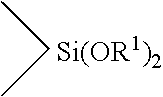
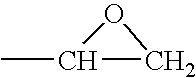
Decorative panel
PatentPendingUS20230125460A1
Innovation
- A decorative panel design featuring a substrate with a Shore D hardness of at least 80 and a textured, crosslinked coating layer with a Shore D hardness of at least 85, applied directly on the substrate's surface, eliminating the need for a separate wear layer and enhancing scratch resistance.
Environmental Impact and Sustainability Considerations
The environmental impact of protective coatings for electronic components has become increasingly significant as sustainability considerations gain prominence in manufacturing decisions. When comparing conformal coatings and laminates from an environmental perspective, several key factors must be considered throughout their lifecycle.
Conformal coatings typically contain volatile organic compounds (VOCs) that contribute to air pollution and potential health hazards during application. Solvent-based acrylics and polyurethanes are particularly problematic, releasing harmful emissions during curing processes. However, the industry has responded with water-based alternatives and UV-curable formulations that significantly reduce VOC emissions while maintaining scratch resistance properties.
Laminates, conversely, often involve more resource-intensive manufacturing processes, requiring higher energy consumption during production. The composite materials used in many laminates may incorporate synthetic resins and adhesives that present challenges for end-of-life recycling. Nevertheless, laminates generally offer longer service lifespans due to superior scratch resistance, potentially reducing the frequency of component replacement.
The waste management profiles of these technologies differ substantially. Conformal coatings can be difficult to separate from electronic components during recycling processes, potentially contaminating otherwise recyclable materials. Laminates may present similar challenges but are sometimes easier to mechanically separate during disassembly operations.
Recent innovations have focused on developing bio-based conformal coatings derived from renewable resources such as plant oils and starches. These formulations demonstrate promising scratch resistance while reducing dependence on petroleum-based inputs. Similarly, advancements in laminate technology include biodegradable films and adhesives that maintain protective properties while improving end-of-life environmental outcomes.
Energy consumption during application represents another important consideration. Conformal coatings often require heat curing or UV exposure, contributing to their carbon footprint. Lamination processes typically demand higher temperatures and pressures, resulting in greater energy demands. Manufacturers must balance these energy requirements against the extended product lifespans that superior scratch resistance may provide.
Water usage and contamination risks also differ between these technologies. Conformal coating application may involve water-intensive cleaning processes and generate contaminated wastewater requiring treatment. Lamination processes generally consume less water but may utilize more problematic chemical adhesives.
As regulatory frameworks evolve globally, manufacturers increasingly face restrictions on hazardous substances in electronic components. Both coating technologies must adapt to these changing requirements while maintaining their protective functions, driving continuous innovation toward more environmentally responsible formulations that do not compromise scratch resistance performance.
Conformal coatings typically contain volatile organic compounds (VOCs) that contribute to air pollution and potential health hazards during application. Solvent-based acrylics and polyurethanes are particularly problematic, releasing harmful emissions during curing processes. However, the industry has responded with water-based alternatives and UV-curable formulations that significantly reduce VOC emissions while maintaining scratch resistance properties.
Laminates, conversely, often involve more resource-intensive manufacturing processes, requiring higher energy consumption during production. The composite materials used in many laminates may incorporate synthetic resins and adhesives that present challenges for end-of-life recycling. Nevertheless, laminates generally offer longer service lifespans due to superior scratch resistance, potentially reducing the frequency of component replacement.
The waste management profiles of these technologies differ substantially. Conformal coatings can be difficult to separate from electronic components during recycling processes, potentially contaminating otherwise recyclable materials. Laminates may present similar challenges but are sometimes easier to mechanically separate during disassembly operations.
Recent innovations have focused on developing bio-based conformal coatings derived from renewable resources such as plant oils and starches. These formulations demonstrate promising scratch resistance while reducing dependence on petroleum-based inputs. Similarly, advancements in laminate technology include biodegradable films and adhesives that maintain protective properties while improving end-of-life environmental outcomes.
Energy consumption during application represents another important consideration. Conformal coatings often require heat curing or UV exposure, contributing to their carbon footprint. Lamination processes typically demand higher temperatures and pressures, resulting in greater energy demands. Manufacturers must balance these energy requirements against the extended product lifespans that superior scratch resistance may provide.
Water usage and contamination risks also differ between these technologies. Conformal coating application may involve water-intensive cleaning processes and generate contaminated wastewater requiring treatment. Lamination processes generally consume less water but may utilize more problematic chemical adhesives.
As regulatory frameworks evolve globally, manufacturers increasingly face restrictions on hazardous substances in electronic components. Both coating technologies must adapt to these changing requirements while maintaining their protective functions, driving continuous innovation toward more environmentally responsible formulations that do not compromise scratch resistance performance.
Cost-Benefit Analysis of Implementation Strategies
When evaluating implementation strategies for conformal coating versus laminate technologies in terms of scratch resistance properties, cost-benefit analysis reveals significant financial implications that must be carefully considered by manufacturers.
Initial investment costs differ substantially between these two protection methods. Conformal coating typically requires lower upfront capital expenditure for equipment and facilities, with basic spray systems starting at $5,000-$15,000. In contrast, lamination processes demand more substantial initial investment, often ranging from $50,000 to $250,000 for industrial-grade equipment, depending on automation level and throughput capacity.
Operational expenses present another critical dimension for comparison. Conformal coating generally incurs higher per-unit labor costs due to the manual nature of many application processes, particularly for selective coating. Material costs for conformal coatings range from $0.05 to $0.30 per square inch depending on coating type (acrylic, silicone, polyurethane, etc.). Lamination typically offers lower per-unit labor costs once implemented but higher material expenses, averaging $0.15 to $0.50 per square inch.
Long-term maintenance considerations favor lamination in many scenarios. Conformal coatings may require periodic inspection and potential reapplication in harsh environments, adding to lifecycle costs. Laminated products generally maintain consistent scratch resistance properties throughout their service life without additional maintenance, reducing total ownership costs in applications with extended lifecycles.
Production efficiency metrics reveal that lamination processes typically achieve higher throughput rates in high-volume manufacturing scenarios. While conformal coating may introduce production bottlenecks due to curing time requirements (ranging from minutes to hours depending on coating type), lamination can be integrated into continuous production lines with minimal disruption to manufacturing flow.
Return on investment calculations indicate that conformal coating generally provides faster ROI for low to medium production volumes and applications with shorter product lifecycles. Conversely, lamination demonstrates superior ROI for high-volume production and products requiring premium scratch resistance properties over extended service periods, particularly in consumer electronics and automotive applications.
Risk assessment factors must also be incorporated into cost-benefit calculations. Conformal coating carries lower implementation risk due to simpler processes and equipment, while lamination introduces higher technical complexity and potential for manufacturing disruption during implementation phases. This risk differential should be quantified when calculating the true cost of technology adoption.
Initial investment costs differ substantially between these two protection methods. Conformal coating typically requires lower upfront capital expenditure for equipment and facilities, with basic spray systems starting at $5,000-$15,000. In contrast, lamination processes demand more substantial initial investment, often ranging from $50,000 to $250,000 for industrial-grade equipment, depending on automation level and throughput capacity.
Operational expenses present another critical dimension for comparison. Conformal coating generally incurs higher per-unit labor costs due to the manual nature of many application processes, particularly for selective coating. Material costs for conformal coatings range from $0.05 to $0.30 per square inch depending on coating type (acrylic, silicone, polyurethane, etc.). Lamination typically offers lower per-unit labor costs once implemented but higher material expenses, averaging $0.15 to $0.50 per square inch.
Long-term maintenance considerations favor lamination in many scenarios. Conformal coatings may require periodic inspection and potential reapplication in harsh environments, adding to lifecycle costs. Laminated products generally maintain consistent scratch resistance properties throughout their service life without additional maintenance, reducing total ownership costs in applications with extended lifecycles.
Production efficiency metrics reveal that lamination processes typically achieve higher throughput rates in high-volume manufacturing scenarios. While conformal coating may introduce production bottlenecks due to curing time requirements (ranging from minutes to hours depending on coating type), lamination can be integrated into continuous production lines with minimal disruption to manufacturing flow.
Return on investment calculations indicate that conformal coating generally provides faster ROI for low to medium production volumes and applications with shorter product lifecycles. Conversely, lamination demonstrates superior ROI for high-volume production and products requiring premium scratch resistance properties over extended service periods, particularly in consumer electronics and automotive applications.
Risk assessment factors must also be incorporated into cost-benefit calculations. Conformal coating carries lower implementation risk due to simpler processes and equipment, while lamination introduces higher technical complexity and potential for manufacturing disruption during implementation phases. This risk differential should be quantified when calculating the true cost of technology adoption.
Unlock deeper insights with PatSnap Eureka Quick Research — get a full tech report to explore trends and direct your research. Try now!
Generate Your Research Report Instantly with AI Agent
Supercharge your innovation with PatSnap Eureka AI Agent Platform!