Enabling HEV Expansion with Modern Infrastructure Solutions
AUG 14, 20259 MIN READ
Generate Your Research Report Instantly with AI Agent
Patsnap Eureka helps you evaluate technical feasibility & market potential.
HEV Technology Evolution
Hybrid Electric Vehicle (HEV) technology has undergone significant evolution since its inception in the late 20th century. The journey began with simple parallel hybrid systems, where an electric motor assisted the internal combustion engine (ICE) primarily during acceleration. This early stage focused on improving fuel efficiency and reducing emissions without drastically altering the traditional vehicle architecture.
As battery technology advanced, the next phase saw the introduction of more sophisticated power-split hybrid systems. These allowed for greater flexibility in power distribution between the ICE and electric motor, enabling vehicles to operate in electric-only mode for short distances. This marked a crucial step towards increased electrification and set the stage for plug-in hybrid electric vehicles (PHEVs).
The development of lithium-ion batteries in the early 2000s revolutionized HEV technology. These batteries offered higher energy density, longer lifespan, and faster charging capabilities compared to their nickel-metal hydride predecessors. This breakthrough enabled the creation of PHEVs with extended electric-only ranges, bridging the gap between conventional hybrids and fully electric vehicles.
Recent years have witnessed a focus on optimizing power electronics and control systems. Advanced power inverters and DC-DC converters have improved energy conversion efficiency, while sophisticated energy management systems have enhanced the synergy between electric and combustion powertrains. These developments have led to smoother power delivery, improved fuel economy, and reduced emissions across various driving conditions.
The integration of regenerative braking systems has become more refined, capturing a higher percentage of kinetic energy during deceleration and converting it into electrical energy for battery recharging. This has significantly extended the electric range of HEVs and improved overall energy efficiency.
Current HEV technology is exploring the potential of 48-volt mild hybrid systems. These offer many of the benefits of full hybrids at a lower cost and with less complexity, making hybrid technology more accessible to a broader range of vehicles and market segments. The 48-volt architecture allows for the integration of electric superchargers and advanced start-stop systems, further improving performance and efficiency.
Looking ahead, the evolution of HEV technology is likely to focus on further electrification, with the development of more powerful electric motors and higher-capacity batteries. This trend aligns with the gradual transition towards fully electric vehicles while addressing range anxiety and charging infrastructure limitations. Additionally, the integration of artificial intelligence and machine learning algorithms is expected to optimize energy management and adapt to individual driving patterns, further enhancing efficiency and performance.
As battery technology advanced, the next phase saw the introduction of more sophisticated power-split hybrid systems. These allowed for greater flexibility in power distribution between the ICE and electric motor, enabling vehicles to operate in electric-only mode for short distances. This marked a crucial step towards increased electrification and set the stage for plug-in hybrid electric vehicles (PHEVs).
The development of lithium-ion batteries in the early 2000s revolutionized HEV technology. These batteries offered higher energy density, longer lifespan, and faster charging capabilities compared to their nickel-metal hydride predecessors. This breakthrough enabled the creation of PHEVs with extended electric-only ranges, bridging the gap between conventional hybrids and fully electric vehicles.
Recent years have witnessed a focus on optimizing power electronics and control systems. Advanced power inverters and DC-DC converters have improved energy conversion efficiency, while sophisticated energy management systems have enhanced the synergy between electric and combustion powertrains. These developments have led to smoother power delivery, improved fuel economy, and reduced emissions across various driving conditions.
The integration of regenerative braking systems has become more refined, capturing a higher percentage of kinetic energy during deceleration and converting it into electrical energy for battery recharging. This has significantly extended the electric range of HEVs and improved overall energy efficiency.
Current HEV technology is exploring the potential of 48-volt mild hybrid systems. These offer many of the benefits of full hybrids at a lower cost and with less complexity, making hybrid technology more accessible to a broader range of vehicles and market segments. The 48-volt architecture allows for the integration of electric superchargers and advanced start-stop systems, further improving performance and efficiency.
Looking ahead, the evolution of HEV technology is likely to focus on further electrification, with the development of more powerful electric motors and higher-capacity batteries. This trend aligns with the gradual transition towards fully electric vehicles while addressing range anxiety and charging infrastructure limitations. Additionally, the integration of artificial intelligence and machine learning algorithms is expected to optimize energy management and adapt to individual driving patterns, further enhancing efficiency and performance.
Market Demand Analysis
The market demand for Hybrid Electric Vehicles (HEVs) and their supporting infrastructure has been steadily growing, driven by increasing environmental concerns, government regulations, and consumer awareness. As countries worldwide set ambitious targets to reduce carbon emissions and phase out traditional internal combustion engine vehicles, the demand for HEVs has surged.
In recent years, the global HEV market has experienced significant growth, with major automotive manufacturers expanding their hybrid vehicle lineups. This growth is expected to continue, with projections indicating a compound annual growth rate (CAGR) of over 8% for the HEV market in the coming years. The increasing adoption of HEVs is not only limited to passenger vehicles but also extends to commercial vehicles and public transportation sectors.
The market demand for HEVs is closely tied to the availability and accessibility of charging infrastructure. As more consumers consider switching to hybrid vehicles, the need for a robust and widespread charging network becomes crucial. This has led to a parallel growth in the market for charging infrastructure solutions, including both public and private charging stations.
The demand for modern infrastructure solutions to support HEV expansion is multifaceted. Consumers are looking for convenient and fast charging options, both at home and in public spaces. This has created opportunities for innovative charging technologies, such as wireless charging and ultra-fast charging systems. Additionally, there is a growing demand for smart charging solutions that can integrate with the power grid and optimize energy consumption.
Urban planners and local governments are also driving the demand for HEV infrastructure as they seek to create sustainable and eco-friendly cities. This includes the integration of charging stations in parking lots, shopping centers, and residential areas. The concept of "smart cities" has further amplified the need for advanced HEV infrastructure that can communicate with vehicles and the grid to manage energy flow efficiently.
The market demand extends beyond just charging stations. There is a growing need for software solutions to manage charging networks, payment systems for easy access to charging services, and energy management systems to balance the load on the electrical grid. This has opened up opportunities for technology companies and startups to enter the HEV ecosystem, offering innovative solutions to address these challenges.
As the HEV market continues to expand, there is also an increasing demand for standardization in charging technologies and protocols. This is crucial for ensuring interoperability between different vehicle models and charging stations, which is essential for widespread adoption. Governments and industry consortiums are working towards establishing common standards, further driving the need for adaptable and future-proof infrastructure solutions.
In recent years, the global HEV market has experienced significant growth, with major automotive manufacturers expanding their hybrid vehicle lineups. This growth is expected to continue, with projections indicating a compound annual growth rate (CAGR) of over 8% for the HEV market in the coming years. The increasing adoption of HEVs is not only limited to passenger vehicles but also extends to commercial vehicles and public transportation sectors.
The market demand for HEVs is closely tied to the availability and accessibility of charging infrastructure. As more consumers consider switching to hybrid vehicles, the need for a robust and widespread charging network becomes crucial. This has led to a parallel growth in the market for charging infrastructure solutions, including both public and private charging stations.
The demand for modern infrastructure solutions to support HEV expansion is multifaceted. Consumers are looking for convenient and fast charging options, both at home and in public spaces. This has created opportunities for innovative charging technologies, such as wireless charging and ultra-fast charging systems. Additionally, there is a growing demand for smart charging solutions that can integrate with the power grid and optimize energy consumption.
Urban planners and local governments are also driving the demand for HEV infrastructure as they seek to create sustainable and eco-friendly cities. This includes the integration of charging stations in parking lots, shopping centers, and residential areas. The concept of "smart cities" has further amplified the need for advanced HEV infrastructure that can communicate with vehicles and the grid to manage energy flow efficiently.
The market demand extends beyond just charging stations. There is a growing need for software solutions to manage charging networks, payment systems for easy access to charging services, and energy management systems to balance the load on the electrical grid. This has opened up opportunities for technology companies and startups to enter the HEV ecosystem, offering innovative solutions to address these challenges.
As the HEV market continues to expand, there is also an increasing demand for standardization in charging technologies and protocols. This is crucial for ensuring interoperability between different vehicle models and charging stations, which is essential for widespread adoption. Governments and industry consortiums are working towards establishing common standards, further driving the need for adaptable and future-proof infrastructure solutions.
Infrastructure Challenges
The expansion of Hybrid Electric Vehicles (HEVs) faces significant infrastructure challenges that must be addressed to support widespread adoption. One of the primary obstacles is the limited availability of charging stations, particularly in urban areas where space is at a premium. The current infrastructure struggles to meet the growing demand for charging points, leading to long wait times and inconvenience for HEV owners.
Another critical challenge is the strain on the existing power grid. As more HEVs enter the market, the increased electricity demand for charging could potentially overload local power systems, especially during peak hours. This issue is particularly pronounced in older neighborhoods with aging electrical infrastructure that may not be equipped to handle the additional load.
The integration of smart charging technologies presents both an opportunity and a challenge. While these systems can optimize charging schedules and reduce grid strain, their implementation requires significant upgrades to existing infrastructure and the development of standardized communication protocols between vehicles, charging stations, and power utilities.
Parking infrastructure also poses a substantial hurdle. Many existing parking facilities lack the necessary electrical capacity and wiring to support widespread HEV charging. Retrofitting these structures is often costly and logistically complex, particularly in densely populated urban centers.
The diversity of charging standards and connectors across different HEV manufacturers further complicates infrastructure development. The lack of a universal charging standard necessitates the installation of multiple types of charging equipment, increasing costs and complexity for infrastructure providers.
Rural and remote areas face unique challenges in HEV infrastructure development. The lower population density and greater distances between charging points make it economically challenging to establish a comprehensive charging network, potentially limiting HEV adoption in these regions.
Lastly, the time required for charging remains a significant barrier. Even with fast-charging technologies, HEVs typically require more time to "refuel" compared to traditional gasoline vehicles. This necessitates the development of infrastructure that can accommodate longer vehicle dwell times at charging locations, potentially impacting traffic flow and parking availability in high-traffic areas.
Addressing these infrastructure challenges will require coordinated efforts from government agencies, utility companies, automotive manufacturers, and technology providers. Innovative solutions, such as wireless charging systems, battery swapping stations, and vehicle-to-grid technologies, may play crucial roles in overcoming these obstacles and enabling the widespread adoption of HEVs.
Another critical challenge is the strain on the existing power grid. As more HEVs enter the market, the increased electricity demand for charging could potentially overload local power systems, especially during peak hours. This issue is particularly pronounced in older neighborhoods with aging electrical infrastructure that may not be equipped to handle the additional load.
The integration of smart charging technologies presents both an opportunity and a challenge. While these systems can optimize charging schedules and reduce grid strain, their implementation requires significant upgrades to existing infrastructure and the development of standardized communication protocols between vehicles, charging stations, and power utilities.
Parking infrastructure also poses a substantial hurdle. Many existing parking facilities lack the necessary electrical capacity and wiring to support widespread HEV charging. Retrofitting these structures is often costly and logistically complex, particularly in densely populated urban centers.
The diversity of charging standards and connectors across different HEV manufacturers further complicates infrastructure development. The lack of a universal charging standard necessitates the installation of multiple types of charging equipment, increasing costs and complexity for infrastructure providers.
Rural and remote areas face unique challenges in HEV infrastructure development. The lower population density and greater distances between charging points make it economically challenging to establish a comprehensive charging network, potentially limiting HEV adoption in these regions.
Lastly, the time required for charging remains a significant barrier. Even with fast-charging technologies, HEVs typically require more time to "refuel" compared to traditional gasoline vehicles. This necessitates the development of infrastructure that can accommodate longer vehicle dwell times at charging locations, potentially impacting traffic flow and parking availability in high-traffic areas.
Addressing these infrastructure challenges will require coordinated efforts from government agencies, utility companies, automotive manufacturers, and technology providers. Innovative solutions, such as wireless charging systems, battery swapping stations, and vehicle-to-grid technologies, may play crucial roles in overcoming these obstacles and enabling the widespread adoption of HEVs.
Current Infrastructure
01 Cloud-based infrastructure solutions
Modern infrastructure solutions increasingly rely on cloud technologies for scalability, flexibility, and cost-effectiveness. These solutions enable organizations to deploy and manage resources dynamically, reducing the need for on-premises hardware and allowing for rapid scaling of services. Cloud-based infrastructures also facilitate remote access, collaboration, and disaster recovery capabilities.- Cloud-based Infrastructure Solutions: Modern infrastructure solutions increasingly rely on cloud-based technologies for scalability, flexibility, and cost-effectiveness. These solutions enable organizations to deploy and manage resources dynamically, reducing the need for on-premises hardware and allowing for rapid scaling of services. Cloud infrastructure also facilitates remote access, collaboration, and integration with various software-as-a-service (SaaS) offerings.
- Software-Defined Networking (SDN): Software-defined networking represents a significant advancement in modern infrastructure, allowing for programmable network configurations and centralized management. SDN separates the control plane from the data plane, enabling more efficient network resource allocation, improved security, and easier implementation of network policies across diverse hardware.
- Containerization and Microservices Architecture: Containerization technologies, such as Docker, and microservices architectures have revolutionized application deployment and scalability in modern infrastructure. These approaches allow for more efficient resource utilization, easier application updates, and improved fault isolation. They also enable consistent development, testing, and production environments across different platforms.
- Infrastructure as Code (IaC): Infrastructure as Code is a key concept in modern infrastructure solutions, allowing for the management and provisioning of computing resources through machine-readable definition files. This approach enables version control, automated deployment, and consistent infrastructure configurations across different environments, reducing manual errors and improving overall system reliability.
- Edge Computing and Distributed Infrastructure: Edge computing represents a shift in modern infrastructure design, bringing computation and data storage closer to the sources of data. This approach reduces latency, improves response times, and enables more efficient use of network bandwidth. Distributed infrastructure solutions incorporate edge computing to enhance performance and reliability, particularly for IoT applications and content delivery networks.
02 Software-defined networking (SDN)
Software-defined networking represents a significant advancement in modern infrastructure solutions. SDN separates the network's control plane from the data plane, allowing for more efficient network management and configuration. This approach enables greater network flexibility, improved security, and easier implementation of network policies across diverse hardware.Expand Specific Solutions03 Containerization and microservices architecture
Containerization technologies and microservices architecture are key components of modern infrastructure solutions. These approaches allow for the development and deployment of applications in isolated, portable environments, improving scalability, resource utilization, and application lifecycle management. Containerization also facilitates easier updates and maintenance of complex systems.Expand Specific Solutions04 Infrastructure as Code (IaC)
Infrastructure as Code is a modern approach to managing and provisioning computing infrastructure through machine-readable definition files, rather than physical hardware configuration or interactive configuration tools. This method enables consistent, repeatable, and version-controlled infrastructure deployments, reducing human error and improving overall system reliability and efficiency.Expand Specific Solutions05 Edge computing and distributed infrastructure
Edge computing and distributed infrastructure solutions are becoming increasingly important in modern IT environments. These approaches involve processing data closer to its source, reducing latency and bandwidth usage while improving response times and reliability. Edge computing is particularly crucial for IoT applications and real-time data processing in various industries.Expand Specific Solutions
Key Industry Players
The market for HEV infrastructure solutions is in a growth phase, driven by increasing demand for sustainable transportation. The global HEV market size is projected to expand significantly in the coming years, with major automotive players like China FAW, Chery Automobile, and Great Wall Motor investing heavily in this technology. The technical maturity of HEV infrastructure varies, with established companies like Toyota and Ford leading in innovation, while newer entrants such as Geely and SAIC Motor are rapidly advancing their capabilities. Universities and research institutions, including Zhejiang University and Jilin University, are contributing to technological advancements, indicating a collaborative ecosystem for HEV infrastructure development.
SAIC Motor Corp. Ltd.
Technical Solution: SAIC Motor has focused on developing an integrated HEV infrastructure solution tailored for the Chinese market. Their approach includes the deployment of smart charging poles equipped with 5G connectivity, enabling real-time monitoring and load balancing[10]. SAIC has also invested in battery swapping technology, particularly for their HEV models, allowing for rapid energy replenishment in urban areas[11]. Furthermore, they are developing a cloud-based platform that integrates charging, battery health monitoring, and predictive maintenance to optimize HEV performance and longevity[12].
Strengths: Innovative battery swapping technology, strong focus on smart grid integration, and tailored solutions for the Chinese market. Weaknesses: Limited global presence, potential scalability issues for battery swapping infrastructure.
Toyota Motor Engineering & Manufacturing North America, Inc.
Technical Solution: Toyota has developed advanced HEV infrastructure solutions focusing on improving charging efficiency and grid integration. Their system utilizes bidirectional charging technology, allowing HEVs to not only draw power from the grid but also feed excess energy back, supporting grid stability[1]. Toyota's smart charging stations are equipped with load balancing capabilities, optimizing charging times based on grid demand and vehicle needs[2]. Additionally, they have implemented a cloud-based energy management system that coordinates charging across multiple locations, reducing strain on local power infrastructure[3].
Strengths: Industry-leading bidirectional charging technology, smart grid integration, and extensive HEV product line. Weaknesses: High implementation costs and potential compatibility issues with non-Toyota vehicles.
Innovative Technologies
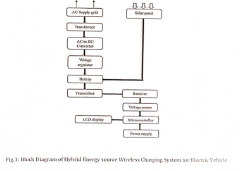
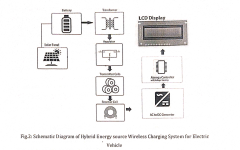
Hybrid energy source wireless charging system for electric vehicle
PatentPendingIN202441014462A
Innovation
- A hybrid energy source wireless charging system that combines solar energy with grid power and uses inductive wireless charging technology to efficiently and conveniently charge electric vehicles, leveraging solar panels, batteries, and copper coils for energy transmission without physical connectors.
Hybrid electric vehicle with electric motor providing strategic power assist to load balance internal combustion engine
PatentPendingIN202441000035A
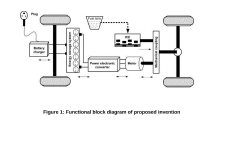
Innovation
- A Hybrid Electric Vehicle (HEV) system with an electric motor providing strategic power assist to the internal combustion engine, optimizing power distribution and energy management through advanced control algorithms.
Policy and Regulations
The expansion of Hybrid Electric Vehicles (HEVs) is significantly influenced by the policy and regulatory landscape. Governments worldwide are implementing various measures to promote the adoption of HEVs as part of their efforts to reduce greenhouse gas emissions and improve air quality. These policies and regulations play a crucial role in shaping the market dynamics and infrastructure development for HEVs.
One of the key policy instruments used to encourage HEV adoption is financial incentives. Many countries offer tax credits, rebates, or subsidies to consumers who purchase HEVs. These incentives help offset the higher initial cost of HEVs compared to conventional vehicles, making them more attractive to potential buyers. Additionally, some governments provide grants or low-interest loans to manufacturers to support the development and production of HEV technologies.
Emissions standards and fuel efficiency regulations are another important aspect of the policy framework. Stricter emissions limits and higher fuel economy requirements are driving automakers to invest in HEV technology as a means to comply with these regulations. For example, the European Union's CO2 emissions targets for new cars have led to a significant increase in HEV offerings from various manufacturers.
Infrastructure-related policies are also critical for HEV expansion. While HEVs do not require the same level of charging infrastructure as fully electric vehicles, policies that support the development of charging networks can still benefit HEV owners. Some governments are mandating the installation of charging stations in public spaces, workplaces, and residential buildings, which can encourage the adoption of plug-in hybrid electric vehicles (PHEVs).
Procurement policies are another tool used by governments to promote HEV adoption. Many countries and cities have implemented green procurement programs that prioritize the purchase of HEVs for government fleets. These programs not only directly increase HEV sales but also serve as a demonstration of the technology's viability to the public.
Regulatory frameworks for vehicle registration and licensing can also impact HEV expansion. Some jurisdictions offer preferential treatment for HEVs, such as reduced registration fees, exemptions from certain taxes, or access to high-occupancy vehicle lanes. These measures can make HEV ownership more appealing to consumers.
As the HEV market continues to grow, policymakers are also addressing the need for standardization in areas such as charging protocols and battery recycling. Harmonized standards can facilitate the development of infrastructure and support the creation of a circular economy for HEV components.
One of the key policy instruments used to encourage HEV adoption is financial incentives. Many countries offer tax credits, rebates, or subsidies to consumers who purchase HEVs. These incentives help offset the higher initial cost of HEVs compared to conventional vehicles, making them more attractive to potential buyers. Additionally, some governments provide grants or low-interest loans to manufacturers to support the development and production of HEV technologies.
Emissions standards and fuel efficiency regulations are another important aspect of the policy framework. Stricter emissions limits and higher fuel economy requirements are driving automakers to invest in HEV technology as a means to comply with these regulations. For example, the European Union's CO2 emissions targets for new cars have led to a significant increase in HEV offerings from various manufacturers.
Infrastructure-related policies are also critical for HEV expansion. While HEVs do not require the same level of charging infrastructure as fully electric vehicles, policies that support the development of charging networks can still benefit HEV owners. Some governments are mandating the installation of charging stations in public spaces, workplaces, and residential buildings, which can encourage the adoption of plug-in hybrid electric vehicles (PHEVs).
Procurement policies are another tool used by governments to promote HEV adoption. Many countries and cities have implemented green procurement programs that prioritize the purchase of HEVs for government fleets. These programs not only directly increase HEV sales but also serve as a demonstration of the technology's viability to the public.
Regulatory frameworks for vehicle registration and licensing can also impact HEV expansion. Some jurisdictions offer preferential treatment for HEVs, such as reduced registration fees, exemptions from certain taxes, or access to high-occupancy vehicle lanes. These measures can make HEV ownership more appealing to consumers.
As the HEV market continues to grow, policymakers are also addressing the need for standardization in areas such as charging protocols and battery recycling. Harmonized standards can facilitate the development of infrastructure and support the creation of a circular economy for HEV components.
Environmental Impact
The environmental impact of expanding Hybrid Electric Vehicle (HEV) infrastructure is a critical consideration in the transition towards more sustainable transportation systems. As HEVs gain popularity, the development of supporting infrastructure must be carefully managed to minimize negative environmental consequences while maximizing the potential benefits of this technology.
One of the primary environmental advantages of HEVs is their potential to reduce greenhouse gas emissions and air pollution compared to conventional internal combustion engine vehicles. However, the environmental impact of HEV infrastructure expansion extends beyond vehicle emissions alone. The production and installation of charging stations, for instance, requires raw materials and energy, which can contribute to carbon emissions and resource depletion if not managed sustainably.
To mitigate these impacts, infrastructure developers are increasingly adopting eco-friendly design principles and materials in the construction of charging stations. This includes the use of recycled materials, energy-efficient lighting, and renewable energy sources to power the stations themselves. Some charging stations are being integrated with solar panels or wind turbines, creating a more sustainable energy ecosystem for HEV charging.
The placement of charging infrastructure also plays a crucial role in its environmental impact. Strategic location planning can help reduce the need for additional construction and minimize disruption to natural habitats. Urban planners are focusing on integrating charging stations into existing structures and parking facilities, reducing the need for new construction and preserving green spaces.
Another important consideration is the impact on local power grids. As HEV adoption increases, so does the demand for electricity. This could potentially lead to increased strain on power generation facilities, particularly during peak charging times. To address this, smart charging technologies are being developed to optimize charging schedules and distribute the load more evenly across the grid. Additionally, vehicle-to-grid (V2G) systems are being explored, which could allow HEVs to act as mobile energy storage units, potentially stabilizing the grid and reducing the need for additional power generation infrastructure.
The lifecycle management of HEV infrastructure components is another critical aspect of environmental impact. As charging stations and related equipment reach the end of their useful life, proper recycling and disposal methods must be implemented to prevent electronic waste and potential soil or water contamination. Manufacturers are increasingly designing components with recyclability in mind, and recycling programs are being established to ensure responsible end-of-life management.
In conclusion, while the expansion of HEV infrastructure presents some environmental challenges, proactive planning and innovative solutions can significantly mitigate these impacts. By focusing on sustainable design, strategic placement, grid integration, and lifecycle management, the development of HEV infrastructure can contribute positively to overall environmental goals and support the transition to cleaner transportation systems.
One of the primary environmental advantages of HEVs is their potential to reduce greenhouse gas emissions and air pollution compared to conventional internal combustion engine vehicles. However, the environmental impact of HEV infrastructure expansion extends beyond vehicle emissions alone. The production and installation of charging stations, for instance, requires raw materials and energy, which can contribute to carbon emissions and resource depletion if not managed sustainably.
To mitigate these impacts, infrastructure developers are increasingly adopting eco-friendly design principles and materials in the construction of charging stations. This includes the use of recycled materials, energy-efficient lighting, and renewable energy sources to power the stations themselves. Some charging stations are being integrated with solar panels or wind turbines, creating a more sustainable energy ecosystem for HEV charging.
The placement of charging infrastructure also plays a crucial role in its environmental impact. Strategic location planning can help reduce the need for additional construction and minimize disruption to natural habitats. Urban planners are focusing on integrating charging stations into existing structures and parking facilities, reducing the need for new construction and preserving green spaces.
Another important consideration is the impact on local power grids. As HEV adoption increases, so does the demand for electricity. This could potentially lead to increased strain on power generation facilities, particularly during peak charging times. To address this, smart charging technologies are being developed to optimize charging schedules and distribute the load more evenly across the grid. Additionally, vehicle-to-grid (V2G) systems are being explored, which could allow HEVs to act as mobile energy storage units, potentially stabilizing the grid and reducing the need for additional power generation infrastructure.
The lifecycle management of HEV infrastructure components is another critical aspect of environmental impact. As charging stations and related equipment reach the end of their useful life, proper recycling and disposal methods must be implemented to prevent electronic waste and potential soil or water contamination. Manufacturers are increasingly designing components with recyclability in mind, and recycling programs are being established to ensure responsible end-of-life management.
In conclusion, while the expansion of HEV infrastructure presents some environmental challenges, proactive planning and innovative solutions can significantly mitigate these impacts. By focusing on sustainable design, strategic placement, grid integration, and lifecycle management, the development of HEV infrastructure can contribute positively to overall environmental goals and support the transition to cleaner transportation systems.
Unlock deeper insights with Patsnap Eureka Quick Research — get a full tech report to explore trends and direct your research. Try now!
Generate Your Research Report Instantly with AI Agent
Supercharge your innovation with Patsnap Eureka AI Agent Platform!