

Evaluating Brain-Computer Interface Use in Elderly Care
MAR 5, 20269 MIN READ
Generate Your Research Report Instantly with AI Agent
PatSnap Eureka helps you evaluate technical feasibility & market potential.
BCI Technology Background and Elderly Care Goals
Brain-Computer Interface technology represents a revolutionary convergence of neuroscience, computer science, and biomedical engineering that has evolved significantly since its conceptual origins in the 1970s. The technology fundamentally enables direct communication pathways between the brain and external devices, bypassing traditional neuromuscular channels. Early BCI systems primarily focused on invasive approaches for severe neurological conditions, but recent decades have witnessed substantial advancement in non-invasive methodologies, making the technology increasingly viable for broader applications.
The evolution of BCI technology has progressed through distinct phases, beginning with basic signal acquisition and processing capabilities in laboratory settings. Initial systems could detect simple binary commands from neural signals, primarily serving research purposes. The 1990s marked a pivotal period with the development of more sophisticated signal processing algorithms and improved electrode technologies. Subsequently, the 2000s introduced machine learning approaches that significantly enhanced signal interpretation accuracy and system responsiveness.
Contemporary BCI systems encompass multiple technological approaches, including electroencephalography-based interfaces, functional near-infrared spectroscopy systems, and hybrid configurations. These systems have demonstrated capabilities ranging from cursor control and communication assistance to motor rehabilitation and cognitive enhancement applications. The integration of artificial intelligence and advanced signal processing has enabled real-time interpretation of complex neural patterns with increasing precision.
The application of BCI technology in elderly care represents a natural evolution driven by demographic trends and healthcare challenges. Global aging populations face increasing prevalence of age-related neurological conditions, cognitive decline, and mobility limitations. Traditional assistive technologies often prove inadequate for individuals with severe motor impairments or communication difficulties, creating substantial gaps in care provision and quality of life maintenance.
Primary objectives for BCI implementation in elderly care encompass multiple domains of functional restoration and enhancement. Communication assistance represents a fundamental goal, particularly for individuals affected by stroke, amyotrophic lateral sclerosis, or other conditions that compromise speech and motor functions. BCI systems can potentially provide alternative communication channels, enabling elderly users to express needs, preferences, and emotions when conventional methods become unavailable.
Cognitive monitoring and enhancement constitute another critical objective, as BCI technology offers unprecedented opportunities for real-time assessment of cognitive states and potential intervention capabilities. Systems can potentially detect early signs of cognitive decline, monitor attention levels, and provide neurofeedback training to maintain or improve cognitive function. This application domain holds particular significance given the increasing prevalence of dementia and mild cognitive impairment in aging populations.
Motor rehabilitation and assistive control represent additional key objectives, where BCI systems can facilitate control of wheelchairs, prosthetic devices, or environmental control systems. These applications aim to restore independence and improve quality of life for elderly individuals with mobility limitations or motor impairments resulting from neurological conditions or age-related decline.
The evolution of BCI technology has progressed through distinct phases, beginning with basic signal acquisition and processing capabilities in laboratory settings. Initial systems could detect simple binary commands from neural signals, primarily serving research purposes. The 1990s marked a pivotal period with the development of more sophisticated signal processing algorithms and improved electrode technologies. Subsequently, the 2000s introduced machine learning approaches that significantly enhanced signal interpretation accuracy and system responsiveness.
Contemporary BCI systems encompass multiple technological approaches, including electroencephalography-based interfaces, functional near-infrared spectroscopy systems, and hybrid configurations. These systems have demonstrated capabilities ranging from cursor control and communication assistance to motor rehabilitation and cognitive enhancement applications. The integration of artificial intelligence and advanced signal processing has enabled real-time interpretation of complex neural patterns with increasing precision.
The application of BCI technology in elderly care represents a natural evolution driven by demographic trends and healthcare challenges. Global aging populations face increasing prevalence of age-related neurological conditions, cognitive decline, and mobility limitations. Traditional assistive technologies often prove inadequate for individuals with severe motor impairments or communication difficulties, creating substantial gaps in care provision and quality of life maintenance.
Primary objectives for BCI implementation in elderly care encompass multiple domains of functional restoration and enhancement. Communication assistance represents a fundamental goal, particularly for individuals affected by stroke, amyotrophic lateral sclerosis, or other conditions that compromise speech and motor functions. BCI systems can potentially provide alternative communication channels, enabling elderly users to express needs, preferences, and emotions when conventional methods become unavailable.
Cognitive monitoring and enhancement constitute another critical objective, as BCI technology offers unprecedented opportunities for real-time assessment of cognitive states and potential intervention capabilities. Systems can potentially detect early signs of cognitive decline, monitor attention levels, and provide neurofeedback training to maintain or improve cognitive function. This application domain holds particular significance given the increasing prevalence of dementia and mild cognitive impairment in aging populations.
Motor rehabilitation and assistive control represent additional key objectives, where BCI systems can facilitate control of wheelchairs, prosthetic devices, or environmental control systems. These applications aim to restore independence and improve quality of life for elderly individuals with mobility limitations or motor impairments resulting from neurological conditions or age-related decline.
Market Demand for BCI Solutions in Aging Population
The global aging population represents one of the most significant demographic shifts of the 21st century, creating unprecedented demand for innovative healthcare solutions. By 2050, the number of people aged 60 and above is projected to reach 2.1 billion worldwide, with many experiencing age-related neurological conditions, mobility limitations, and cognitive decline. This demographic transformation is driving substantial market interest in brain-computer interface technologies specifically designed for elderly care applications.
Traditional assistive technologies often fall short in addressing the complex needs of aging populations, particularly those with neurodegenerative diseases such as Alzheimer's, Parkinson's, and stroke-related impairments. The limitations of conventional approaches have created a significant gap in the market, where BCI solutions can provide direct neural pathway communication, bypassing damaged motor or cognitive functions that typically deteriorate with age.
Healthcare systems globally are experiencing mounting pressure from increasing elderly care costs and resource constraints. BCI technologies offer potential solutions for remote monitoring, cognitive assessment, and therapeutic interventions that could reduce hospitalization rates and enable aging in place. The technology's ability to provide objective neurological assessments and real-time brain activity monitoring addresses critical needs in early diagnosis and continuous care management.
The market demand is particularly strong in developed nations with rapidly aging populations, including Japan, Germany, and South Korea, where government initiatives actively support digital health innovations. These regions demonstrate high healthcare spending per capita and established regulatory frameworks that facilitate medical device adoption, creating favorable conditions for BCI implementation in elderly care settings.
Consumer acceptance studies indicate growing openness among elderly populations toward technology-assisted healthcare, especially when solutions demonstrate clear benefits for independence and quality of life. Family caregivers and healthcare providers increasingly recognize the potential of BCI systems to provide objective health monitoring and early intervention capabilities that traditional methods cannot achieve.
The convergence of aging demographics, healthcare cost pressures, and technological advancement creates a compelling market opportunity for BCI solutions tailored to elderly care needs, positioning this sector as a priority area for continued investment and development.
Traditional assistive technologies often fall short in addressing the complex needs of aging populations, particularly those with neurodegenerative diseases such as Alzheimer's, Parkinson's, and stroke-related impairments. The limitations of conventional approaches have created a significant gap in the market, where BCI solutions can provide direct neural pathway communication, bypassing damaged motor or cognitive functions that typically deteriorate with age.
Healthcare systems globally are experiencing mounting pressure from increasing elderly care costs and resource constraints. BCI technologies offer potential solutions for remote monitoring, cognitive assessment, and therapeutic interventions that could reduce hospitalization rates and enable aging in place. The technology's ability to provide objective neurological assessments and real-time brain activity monitoring addresses critical needs in early diagnosis and continuous care management.
The market demand is particularly strong in developed nations with rapidly aging populations, including Japan, Germany, and South Korea, where government initiatives actively support digital health innovations. These regions demonstrate high healthcare spending per capita and established regulatory frameworks that facilitate medical device adoption, creating favorable conditions for BCI implementation in elderly care settings.
Consumer acceptance studies indicate growing openness among elderly populations toward technology-assisted healthcare, especially when solutions demonstrate clear benefits for independence and quality of life. Family caregivers and healthcare providers increasingly recognize the potential of BCI systems to provide objective health monitoring and early intervention capabilities that traditional methods cannot achieve.
The convergence of aging demographics, healthcare cost pressures, and technological advancement creates a compelling market opportunity for BCI solutions tailored to elderly care needs, positioning this sector as a priority area for continued investment and development.
Current BCI State and Elderly-Specific Challenges
Brain-Computer Interface technology has achieved significant milestones in recent years, with several systems reaching clinical trial stages and commercial deployment. Current BCI systems primarily utilize electroencephalography (EEG), functional near-infrared spectroscopy (fNIRS), and invasive electrode arrays to capture neural signals. Non-invasive EEG-based systems dominate the market due to their safety profile and ease of implementation, though they suffer from limited signal resolution and susceptibility to artifacts.
The technological maturity varies considerably across different BCI applications. Motor imagery-based systems for controlling external devices have demonstrated robust performance in controlled environments, while cognitive state monitoring systems show promise for attention and engagement assessment. However, signal processing algorithms still struggle with real-time adaptation and long-term stability, particularly in naturalistic settings where environmental interference is common.
Elderly populations present unique physiological challenges that significantly impact BCI performance. Age-related changes in brain structure and function, including cortical thinning, reduced neural plasticity, and altered neurotransmitter levels, directly affect signal quality and pattern recognition accuracy. The aging brain exhibits decreased signal-to-noise ratios and modified frequency characteristics, requiring specialized calibration protocols and adaptive algorithms.
Cognitive decline associated with aging introduces additional complexity layers. Conditions such as mild cognitive impairment and early-stage dementia alter neural firing patterns and connectivity, making traditional BCI training paradigms less effective. The heterogeneity of cognitive aging means that standardized BCI protocols often fail to accommodate individual variations in neural response patterns and learning capabilities.
Physical limitations common in elderly users create substantial usability barriers. Reduced fine motor control affects the ability to perform calibration tasks, while visual and auditory impairments complicate user interface interactions. Tremors and involuntary movements introduce motion artifacts that contaminate neural signals, requiring advanced filtering techniques and robust signal processing approaches.
The integration of BCI systems into existing care environments faces significant technical and practical obstacles. Current systems require extensive setup procedures, frequent recalibration, and technical expertise for operation, making them unsuitable for routine care applications. Battery life limitations, device portability constraints, and the need for consistent electrode contact quality further complicate long-term deployment scenarios.
Regulatory and safety considerations specific to elderly care applications remain largely unaddressed. The vulnerability of elderly populations requires enhanced safety protocols and risk assessment frameworks that current BCI development processes have not fully incorporated. Additionally, the lack of standardized evaluation metrics for elderly-specific BCI performance hinders systematic progress assessment and technology comparison across different research initiatives.
The technological maturity varies considerably across different BCI applications. Motor imagery-based systems for controlling external devices have demonstrated robust performance in controlled environments, while cognitive state monitoring systems show promise for attention and engagement assessment. However, signal processing algorithms still struggle with real-time adaptation and long-term stability, particularly in naturalistic settings where environmental interference is common.
Elderly populations present unique physiological challenges that significantly impact BCI performance. Age-related changes in brain structure and function, including cortical thinning, reduced neural plasticity, and altered neurotransmitter levels, directly affect signal quality and pattern recognition accuracy. The aging brain exhibits decreased signal-to-noise ratios and modified frequency characteristics, requiring specialized calibration protocols and adaptive algorithms.
Cognitive decline associated with aging introduces additional complexity layers. Conditions such as mild cognitive impairment and early-stage dementia alter neural firing patterns and connectivity, making traditional BCI training paradigms less effective. The heterogeneity of cognitive aging means that standardized BCI protocols often fail to accommodate individual variations in neural response patterns and learning capabilities.
Physical limitations common in elderly users create substantial usability barriers. Reduced fine motor control affects the ability to perform calibration tasks, while visual and auditory impairments complicate user interface interactions. Tremors and involuntary movements introduce motion artifacts that contaminate neural signals, requiring advanced filtering techniques and robust signal processing approaches.
The integration of BCI systems into existing care environments faces significant technical and practical obstacles. Current systems require extensive setup procedures, frequent recalibration, and technical expertise for operation, making them unsuitable for routine care applications. Battery life limitations, device portability constraints, and the need for consistent electrode contact quality further complicate long-term deployment scenarios.
Regulatory and safety considerations specific to elderly care applications remain largely unaddressed. The vulnerability of elderly populations requires enhanced safety protocols and risk assessment frameworks that current BCI development processes have not fully incorporated. Additionally, the lack of standardized evaluation metrics for elderly-specific BCI performance hinders systematic progress assessment and technology comparison across different research initiatives.
Existing BCI Solutions for Elderly Applications
01 Signal acquisition and processing systems for brain-computer interfaces
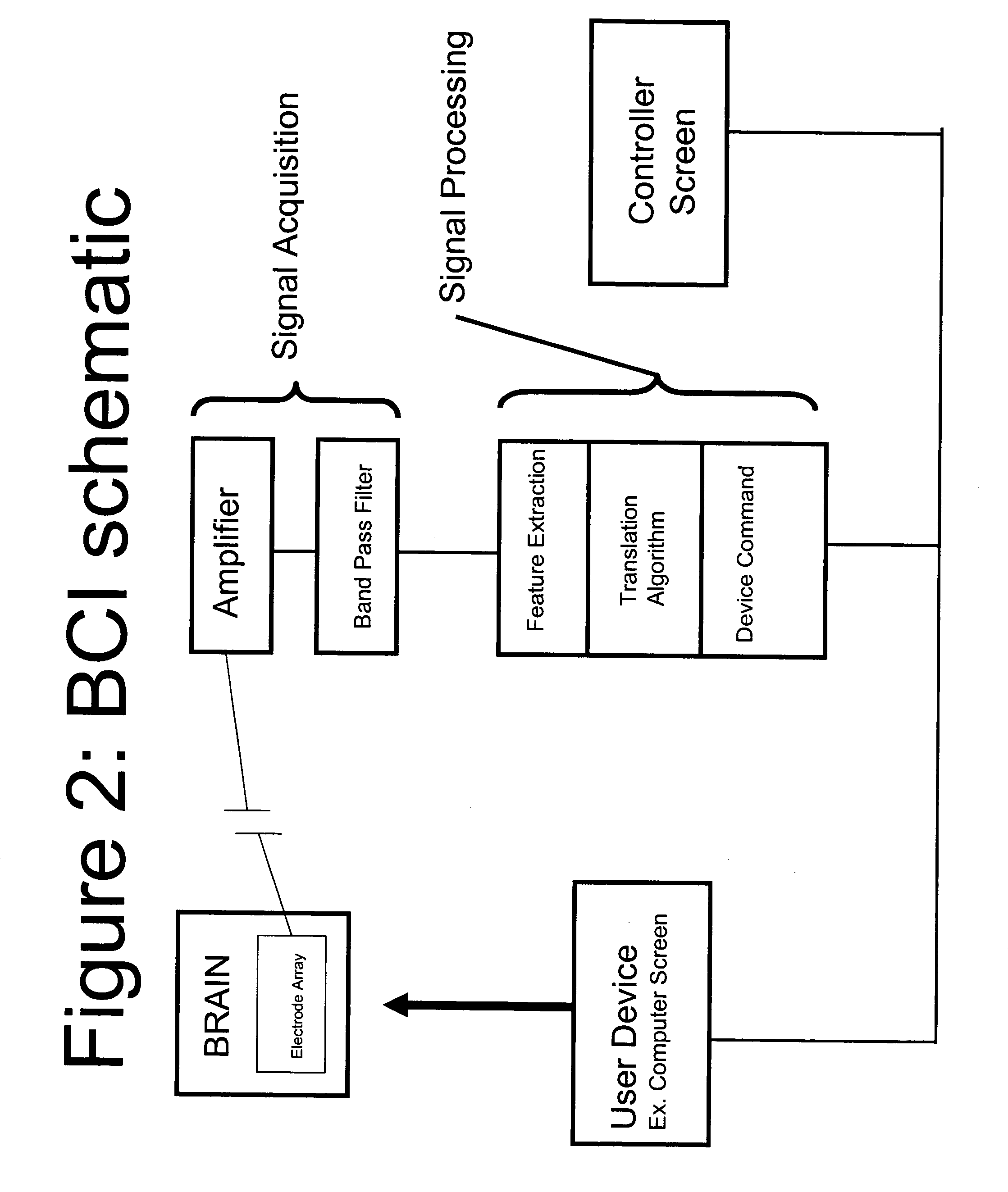
Brain-computer interface systems utilize specialized signal acquisition hardware and processing algorithms to capture and interpret neural signals. These systems employ electrodes, sensors, and amplifiers to detect brain activity, followed by signal processing techniques including filtering, feature extraction, and pattern recognition to convert neural signals into meaningful commands. Advanced processing methods enable real-time interpretation of brain signals for various applications.- Signal acquisition and processing systems for brain-computer interfaces: Brain-computer interface systems utilize specialized signal acquisition hardware and processing algorithms to capture and interpret neural signals. These systems employ electrodes, sensors, and amplifiers to detect brain activity, followed by signal processing techniques including filtering, feature extraction, and pattern recognition to convert neural signals into meaningful commands. Advanced processing methods enable real-time interpretation of brain signals for various applications.
- Neural signal classification and machine learning algorithms: Machine learning and artificial intelligence algorithms are employed to classify and decode neural signals in brain-computer interfaces. These methods include deep learning networks, support vector machines, and other classification techniques that learn to recognize patterns in brain activity associated with specific intentions or mental states. The algorithms are trained on neural data to improve accuracy and enable adaptive systems that can personalize to individual users over time.
- Electrode design and placement for optimal signal detection: The design and positioning of electrodes are critical for effective brain signal acquisition. Innovations include non-invasive electrode arrays, flexible electrode materials, and optimized placement strategies that maximize signal quality while ensuring user comfort. Various electrode configurations are developed for different brain regions and applications, including dry electrodes that eliminate the need for conductive gels and multi-channel arrays for comprehensive brain activity monitoring.
- Application-specific brain-computer interface systems: Brain-computer interfaces are designed for specific applications including medical rehabilitation, assistive technology for disabled individuals, gaming, and cognitive enhancement. These specialized systems are optimized for particular use cases such as controlling prosthetic devices, enabling communication for patients with motor disabilities, or providing neurofeedback for cognitive training. Each application requires tailored signal processing, user interfaces, and control mechanisms to meet specific functional requirements.
- Wireless and portable brain-computer interface devices: Portable and wireless brain-computer interface systems enable untethered operation and increased mobility for users. These devices incorporate wireless communication protocols, compact form factors, and efficient power management to allow brain-computer interface use outside laboratory settings. Innovations include wearable headsets, miniaturized electronics, and battery optimization techniques that support extended operation while maintaining signal quality and processing capabilities.
02 Neural signal classification and machine learning algorithms
Machine learning and artificial intelligence algorithms are employed to classify and decode neural signals in brain-computer interfaces. These methods include deep learning networks, support vector machines, and other classification techniques that learn patterns from brain activity data. The algorithms enable accurate interpretation of user intentions and improve system performance through adaptive learning and training protocols.Expand Specific Solutions03 Electrode design and placement optimization
The design and positioning of electrodes are critical for effective brain signal acquisition. Innovations include non-invasive electrode arrays, flexible electrode materials, and optimized placement strategies based on brain anatomy and target applications. These developments focus on improving signal quality, user comfort, and long-term stability of the interface while minimizing invasiveness.Expand Specific Solutions04 Feedback and control mechanisms for brain-computer interaction
Brain-computer interfaces incorporate feedback systems that provide users with information about their neural control performance. These mechanisms include visual, auditory, or haptic feedback that helps users learn to modulate their brain activity effectively. Control systems translate decoded neural signals into commands for external devices, enabling applications in communication, mobility assistance, and device control.Expand Specific Solutions05 Clinical and rehabilitation applications of brain-computer interfaces
Brain-computer interfaces are applied in medical and rehabilitation contexts to assist patients with neurological conditions or disabilities. These applications include motor function restoration, communication aids for patients with speech impairments, cognitive training, and neurorehabilitation protocols. The technology enables direct neural control of assistive devices and therapeutic interventions based on brain activity monitoring.Expand Specific Solutions
Key Players in BCI and Elderly Care Industry
The brain-computer interface (BCI) market for elderly care is in an emerging growth phase, characterized by significant technological advancement and expanding market opportunities. The global BCI market is projected to reach substantial valuations, driven by aging populations and increasing demand for assistive technologies. Technology maturity varies significantly across players, with established healthcare technology companies like Koninklijke Philips NV and Huawei Technologies Co., Ltd. leveraging their existing infrastructure to integrate BCI solutions. Academic institutions including Tianjin University, Zhejiang University, and Washington University in St. Louis are advancing fundamental research, while specialized companies like Neurolutions, Inc. and SmartStent Pty Ltd. focus on clinical applications. The competitive landscape spans from early-stage research entities to companies with FDA-approved devices, indicating a maturing ecosystem with diverse technological approaches and varying levels of commercial readiness for elderly care applications.
Koninklijke Philips NV
Technical Solution: Philips has developed comprehensive BCI solutions for elderly care through their HealthSuite digital platform, integrating EEG-based monitoring systems with AI-powered analytics for cognitive assessment and early dementia detection. Their approach combines non-invasive neural signal acquisition with cloud-based processing to enable continuous monitoring of elderly patients' neurological status. The system utilizes advanced signal processing algorithms to filter noise and extract meaningful brain activity patterns, particularly focusing on detecting changes in cognitive function that may indicate declining mental health. Philips' BCI technology is designed to work seamlessly with existing healthcare infrastructure, providing real-time alerts to caregivers when abnormal brain activity patterns are detected.
Strengths: Strong healthcare ecosystem integration, proven medical device expertise, comprehensive data analytics platform. Weaknesses: High implementation costs, requires specialized training for healthcare staff, limited real-time processing capabilities.
Huawei Technologies Co., Ltd.
Technical Solution: Huawei has developed BCI solutions leveraging their 5G network infrastructure and AI chipsets to create low-latency brain-computer interfaces for elderly monitoring applications. Their approach utilizes edge computing capabilities to process neural signals locally, reducing data transmission delays and ensuring privacy protection for sensitive medical data. The system incorporates machine learning algorithms optimized for their Kirin processors to analyze EEG patterns and detect early signs of cognitive decline in elderly patients. Huawei's BCI platform integrates with their cloud services to provide comprehensive health monitoring dashboards for caregivers and family members, enabling remote monitoring of elderly individuals' neurological status.
Strengths: Advanced 5G connectivity, powerful AI processing capabilities, strong edge computing infrastructure. Weaknesses: Limited medical device regulatory approvals, concerns about data privacy and security, restricted market access in some regions.
Core BCI Innovations for Geriatric Implementation
Brain computer interface
PatentInactiveUS7120486B2
Innovation
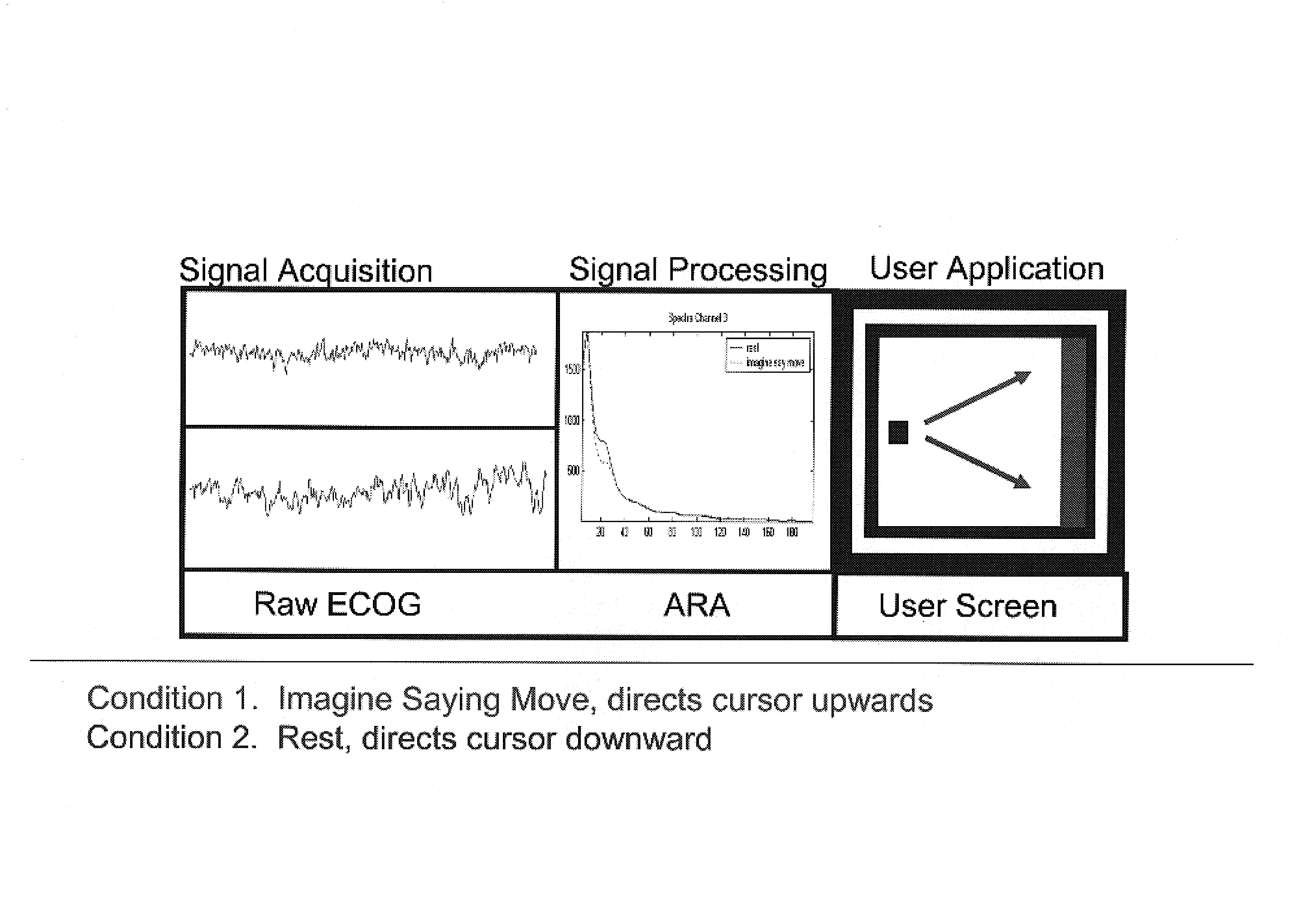
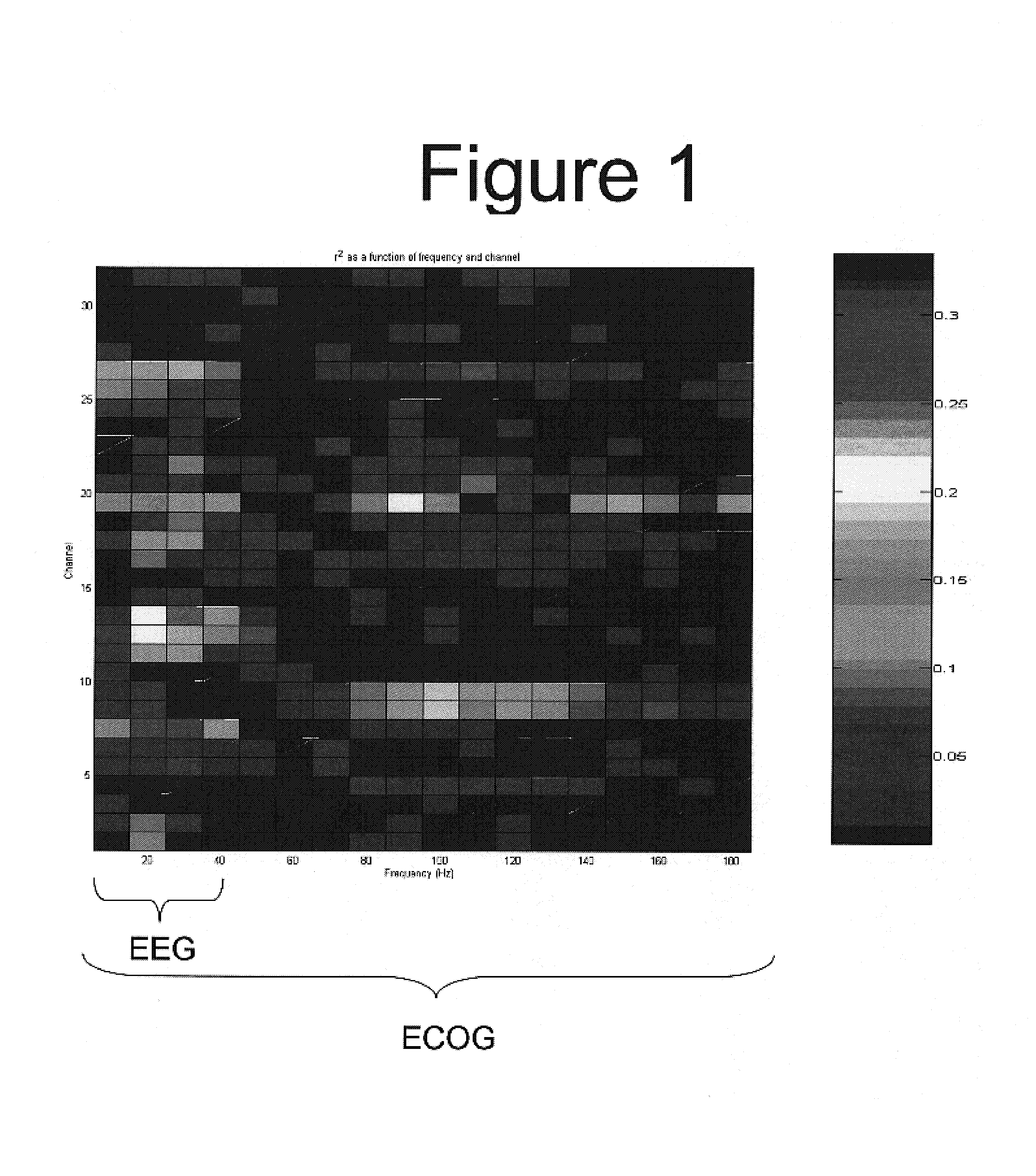
- The use of electrocorticography (ECoG) signals, which offer higher spatial and temporal resolution, and a broader frequency range, enabling more precise control of external devices with less clinical risk and faster learning curves compared to EEG-based systems.

Regulatory Framework for Medical BCI Devices
The regulatory landscape for medical BCI devices in elderly care represents a complex intersection of medical device regulations, data privacy laws, and age-specific healthcare considerations. Current frameworks primarily rely on existing medical device classification systems, with most therapeutic BCIs falling under Class II or Class III categories depending on their invasiveness and risk profile. The FDA's breakthrough device designation has accelerated approval pathways for innovative BCI technologies, while the European Union's Medical Device Regulation (MDR) emphasizes clinical evidence and post-market surveillance requirements.
Regulatory agencies face unique challenges when evaluating BCI devices for elderly populations due to age-related physiological changes that may affect device performance and safety profiles. The cognitive decline associated with aging raises questions about informed consent procedures and the need for specialized assessment protocols. Current guidelines require extensive clinical trials demonstrating both efficacy and safety in target demographics, with particular attention to long-term effects and device reliability over extended periods.
Data protection regulations add another layer of complexity, as BCIs generate highly sensitive neural data that requires stringent privacy safeguards. The intersection of HIPAA, GDPR, and emerging neurorights legislation creates a multifaceted compliance environment. Regulatory bodies are developing specific guidelines for neural data handling, storage, and sharing, with emphasis on user control and data minimization principles.
International harmonization efforts are underway to establish consistent standards for BCI medical devices across different jurisdictions. The International Organization for Standardization (ISO) and International Electrotechnical Commission (IEC) are developing specific standards for neural interface devices, addressing safety, performance, and interoperability requirements.
Future regulatory evolution will likely incorporate adaptive approval mechanisms that allow for iterative device improvements based on real-world evidence collection. This approach acknowledges the rapidly evolving nature of BCI technology while maintaining appropriate safety oversight for vulnerable elderly populations.
Regulatory agencies face unique challenges when evaluating BCI devices for elderly populations due to age-related physiological changes that may affect device performance and safety profiles. The cognitive decline associated with aging raises questions about informed consent procedures and the need for specialized assessment protocols. Current guidelines require extensive clinical trials demonstrating both efficacy and safety in target demographics, with particular attention to long-term effects and device reliability over extended periods.
Data protection regulations add another layer of complexity, as BCIs generate highly sensitive neural data that requires stringent privacy safeguards. The intersection of HIPAA, GDPR, and emerging neurorights legislation creates a multifaceted compliance environment. Regulatory bodies are developing specific guidelines for neural data handling, storage, and sharing, with emphasis on user control and data minimization principles.
International harmonization efforts are underway to establish consistent standards for BCI medical devices across different jurisdictions. The International Organization for Standardization (ISO) and International Electrotechnical Commission (IEC) are developing specific standards for neural interface devices, addressing safety, performance, and interoperability requirements.
Future regulatory evolution will likely incorporate adaptive approval mechanisms that allow for iterative device improvements based on real-world evidence collection. This approach acknowledges the rapidly evolving nature of BCI technology while maintaining appropriate safety oversight for vulnerable elderly populations.
Ethical Considerations in Elderly BCI Deployment
The deployment of brain-computer interfaces in elderly care settings raises profound ethical considerations that must be carefully addressed to ensure responsible implementation. These considerations span multiple dimensions, from fundamental principles of autonomy and dignity to practical concerns about privacy and equitable access.
Informed consent represents one of the most critical ethical challenges in elderly BCI deployment. Cognitive decline, dementia, and other age-related conditions can significantly impact an elderly person's capacity to understand complex technological interventions. Healthcare providers must develop specialized consent processes that account for varying levels of cognitive function, potentially involving family members or legal guardians while still respecting the individual's autonomy wherever possible.
Privacy and data security concerns are particularly acute in elderly BCI applications. Neural data represents the most intimate form of personal information, containing thoughts, emotions, and cognitive patterns. Elderly users may be more vulnerable to exploitation or may not fully comprehend the implications of neural data collection. Robust data protection frameworks must be established, including strict limitations on data sharing, secure storage protocols, and clear policies regarding data ownership and deletion.
The principle of beneficence requires that BCI interventions genuinely improve quality of life for elderly users rather than serving primarily institutional or caregiver convenience. There is risk that BCIs could be used to manage rather than empower elderly individuals, potentially reducing human interaction or substituting technological solutions for compassionate care. Careful evaluation must ensure that BCI implementations enhance rather than diminish human dignity and social connection.
Equity and accessibility present additional ethical challenges. Advanced BCI technologies may initially be expensive and available only to affluent elderly populations, potentially exacerbating existing healthcare disparities. Deployment strategies must consider how to ensure fair access across socioeconomic groups and prevent the creation of a two-tiered system of elderly care.
Finally, the potential for coercion or subtle pressure to adopt BCI technology must be addressed. Elderly individuals in care facilities may feel compelled to accept interventions to avoid being perceived as difficult or to maintain their living arrangements. Ethical frameworks must protect against such pressures while preserving genuine choice and the right to refuse technological interventions without penalty.
Informed consent represents one of the most critical ethical challenges in elderly BCI deployment. Cognitive decline, dementia, and other age-related conditions can significantly impact an elderly person's capacity to understand complex technological interventions. Healthcare providers must develop specialized consent processes that account for varying levels of cognitive function, potentially involving family members or legal guardians while still respecting the individual's autonomy wherever possible.
Privacy and data security concerns are particularly acute in elderly BCI applications. Neural data represents the most intimate form of personal information, containing thoughts, emotions, and cognitive patterns. Elderly users may be more vulnerable to exploitation or may not fully comprehend the implications of neural data collection. Robust data protection frameworks must be established, including strict limitations on data sharing, secure storage protocols, and clear policies regarding data ownership and deletion.
The principle of beneficence requires that BCI interventions genuinely improve quality of life for elderly users rather than serving primarily institutional or caregiver convenience. There is risk that BCIs could be used to manage rather than empower elderly individuals, potentially reducing human interaction or substituting technological solutions for compassionate care. Careful evaluation must ensure that BCI implementations enhance rather than diminish human dignity and social connection.
Equity and accessibility present additional ethical challenges. Advanced BCI technologies may initially be expensive and available only to affluent elderly populations, potentially exacerbating existing healthcare disparities. Deployment strategies must consider how to ensure fair access across socioeconomic groups and prevent the creation of a two-tiered system of elderly care.
Finally, the potential for coercion or subtle pressure to adopt BCI technology must be addressed. Elderly individuals in care facilities may feel compelled to accept interventions to avoid being perceived as difficult or to maintain their living arrangements. Ethical frameworks must protect against such pressures while preserving genuine choice and the right to refuse technological interventions without penalty.
Unlock deeper insights with PatSnap Eureka Quick Research — get a full tech report to explore trends and direct your research. Try now!
Generate Your Research Report Instantly with AI Agent
Supercharge your innovation with PatSnap Eureka AI Agent Platform!