

Evaluating Brain-Computer Interface Use in Military Applications
MAR 5, 20269 MIN READ
Generate Your Research Report Instantly with AI Agent
PatSnap Eureka helps you evaluate technical feasibility & market potential.
Military BCI Background and Strategic Objectives
Brain-Computer Interface technology has emerged as a transformative frontier in military applications, representing a convergence of neuroscience, engineering, and defense capabilities. The historical development of BCI technology traces back to the 1970s with early experiments in neural signal detection, evolving through decades of academic research into practical applications. Military interest intensified in the 2000s as computational power advanced and miniaturization enabled portable neural interfaces.
The evolution of military BCI applications has progressed through distinct phases. Initial research focused on basic neural signal acquisition and interpretation, primarily for medical rehabilitation purposes. The second phase introduced real-time neural control of external devices, demonstrating potential for military equipment operation. Current developments emphasize bidirectional communication systems that can both read neural signals and provide sensory feedback to operators.
Contemporary military BCI research encompasses multiple technological approaches. Non-invasive systems utilizing electroencephalography (EEG) offer immediate deployment potential with minimal risk to personnel. Semi-invasive approaches using electrocorticography (ECoG) provide enhanced signal quality while maintaining acceptable safety profiles. Fully invasive systems with implanted electrodes deliver superior performance but require surgical procedures and long-term biocompatibility considerations.
Strategic objectives for military BCI implementation center on force multiplication and operational advantage. Primary goals include enhancing human-machine teaming capabilities, enabling direct neural control of unmanned systems, and improving situational awareness through augmented cognitive processing. Secondary objectives focus on reducing operator workload, accelerating decision-making processes, and maintaining operational effectiveness under extreme stress conditions.
The technology aims to address critical military challenges including information overload, reaction time limitations, and communication vulnerabilities in contested environments. BCI systems promise to enable silent communication between team members, direct neural control of multiple platforms simultaneously, and enhanced threat detection through subconscious pattern recognition. These capabilities align with broader military modernization efforts emphasizing human-machine integration and cognitive warfare preparedness.
Future strategic targets encompass developing robust, field-deployable BCI systems capable of operating in harsh military environments while maintaining cybersecurity standards and ensuring operator safety throughout extended missions.
The evolution of military BCI applications has progressed through distinct phases. Initial research focused on basic neural signal acquisition and interpretation, primarily for medical rehabilitation purposes. The second phase introduced real-time neural control of external devices, demonstrating potential for military equipment operation. Current developments emphasize bidirectional communication systems that can both read neural signals and provide sensory feedback to operators.
Contemporary military BCI research encompasses multiple technological approaches. Non-invasive systems utilizing electroencephalography (EEG) offer immediate deployment potential with minimal risk to personnel. Semi-invasive approaches using electrocorticography (ECoG) provide enhanced signal quality while maintaining acceptable safety profiles. Fully invasive systems with implanted electrodes deliver superior performance but require surgical procedures and long-term biocompatibility considerations.
Strategic objectives for military BCI implementation center on force multiplication and operational advantage. Primary goals include enhancing human-machine teaming capabilities, enabling direct neural control of unmanned systems, and improving situational awareness through augmented cognitive processing. Secondary objectives focus on reducing operator workload, accelerating decision-making processes, and maintaining operational effectiveness under extreme stress conditions.
The technology aims to address critical military challenges including information overload, reaction time limitations, and communication vulnerabilities in contested environments. BCI systems promise to enable silent communication between team members, direct neural control of multiple platforms simultaneously, and enhanced threat detection through subconscious pattern recognition. These capabilities align with broader military modernization efforts emphasizing human-machine integration and cognitive warfare preparedness.
Future strategic targets encompass developing robust, field-deployable BCI systems capable of operating in harsh military environments while maintaining cybersecurity standards and ensuring operator safety throughout extended missions.
Defense Market Demand for Brain-Computer Interfaces
The defense sector's demand for brain-computer interface technology represents a rapidly expanding market segment driven by the imperative to enhance soldier performance, operational efficiency, and mission success rates. Military organizations worldwide are increasingly recognizing the transformative potential of direct neural interfaces to address complex battlefield challenges and maintain strategic advantages in modern warfare environments.
Current defense market interest centers on several critical application areas where BCIs demonstrate significant operational value. Cognitive load management systems are being pursued to help soldiers process multiple information streams simultaneously while maintaining decision-making accuracy under extreme stress conditions. Enhanced situational awareness platforms utilizing neural interfaces promise to integrate real-time battlefield data directly into operator consciousness, reducing response times and improving tactical coordination.
The unmanned systems control market represents another substantial demand driver, as military forces seek more intuitive and efficient methods for operating drones, robotic platforms, and autonomous vehicles. Traditional control interfaces create bottlenecks in multi-platform operations, while neural interfaces offer the potential for seamless, thought-based command and control capabilities that could revolutionize remote warfare strategies.
Rehabilitation and medical applications within military healthcare systems constitute a growing market segment, particularly for treating combat-related neurological injuries and prosthetic control systems for wounded veterans. The defense establishment's commitment to supporting injured personnel has created sustained funding streams for BCI research focused on restoring lost functionality and improving quality of life outcomes.
Market demand is further amplified by the competitive landscape among global military powers, where technological superiority in human-machine integration could determine future conflict outcomes. Defense procurement agencies are actively seeking solutions that can provide measurable advantages in reaction times, information processing capabilities, and operational endurance compared to conventional human-machine interfaces.
The specialized requirements of military applications, including ruggedization, security protocols, and integration with existing defense systems, have created a distinct market niche that differs significantly from civilian BCI applications. This specialization drives premium pricing models and sustained research investment, making the defense sector an attractive target market for BCI technology developers seeking stable, long-term partnerships with substantial funding commitments.
Current defense market interest centers on several critical application areas where BCIs demonstrate significant operational value. Cognitive load management systems are being pursued to help soldiers process multiple information streams simultaneously while maintaining decision-making accuracy under extreme stress conditions. Enhanced situational awareness platforms utilizing neural interfaces promise to integrate real-time battlefield data directly into operator consciousness, reducing response times and improving tactical coordination.
The unmanned systems control market represents another substantial demand driver, as military forces seek more intuitive and efficient methods for operating drones, robotic platforms, and autonomous vehicles. Traditional control interfaces create bottlenecks in multi-platform operations, while neural interfaces offer the potential for seamless, thought-based command and control capabilities that could revolutionize remote warfare strategies.
Rehabilitation and medical applications within military healthcare systems constitute a growing market segment, particularly for treating combat-related neurological injuries and prosthetic control systems for wounded veterans. The defense establishment's commitment to supporting injured personnel has created sustained funding streams for BCI research focused on restoring lost functionality and improving quality of life outcomes.
Market demand is further amplified by the competitive landscape among global military powers, where technological superiority in human-machine integration could determine future conflict outcomes. Defense procurement agencies are actively seeking solutions that can provide measurable advantages in reaction times, information processing capabilities, and operational endurance compared to conventional human-machine interfaces.
The specialized requirements of military applications, including ruggedization, security protocols, and integration with existing defense systems, have created a distinct market niche that differs significantly from civilian BCI applications. This specialization drives premium pricing models and sustained research investment, making the defense sector an attractive target market for BCI technology developers seeking stable, long-term partnerships with substantial funding commitments.
Current BCI State and Military Implementation Challenges
Brain-Computer Interface technology has reached a critical juncture where laboratory achievements are transitioning toward practical applications, yet significant gaps remain between current capabilities and military operational requirements. Contemporary BCI systems demonstrate remarkable progress in controlled environments, with invasive neural implants achieving data transfer rates exceeding 40 bits per second and non-invasive EEG-based systems enabling basic command recognition with 85-95% accuracy under optimal conditions.
The current technological landscape reveals substantial disparities in BCI maturity across different implementation approaches. Invasive systems, while offering superior signal quality and bandwidth, require complex surgical procedures and pose long-term biocompatibility concerns that conflict with military deployment scenarios. Non-invasive alternatives, though safer and more deployable, suffer from limited signal resolution, susceptibility to environmental interference, and reduced functionality that may not meet mission-critical requirements.
Military implementation faces unprecedented challenges stemming from the harsh operational environments characteristic of defense applications. Electromagnetic interference from communication systems, weapons platforms, and electronic warfare equipment significantly degrades BCI signal quality. Temperature extremes, vibration, and physical stress encountered in combat scenarios exceed the operational parameters of current BCI hardware, while the need for rapid deployment and field maintenance conflicts with the delicate nature of existing neural interface systems.
Security vulnerabilities represent perhaps the most critical implementation barrier, as BCI systems create novel attack vectors that could compromise both individual operators and broader military networks. The potential for neural signal interception, manipulation, or jamming introduces unprecedented cybersecurity risks that current military information assurance frameworks are not equipped to address. Additionally, the bidirectional nature of advanced BCIs raises concerns about adversarial neural manipulation and cognitive warfare applications.
Regulatory and ethical frameworks governing BCI deployment in military contexts remain largely undeveloped, creating legal uncertainties that impede systematic implementation. The intersection of human enhancement technologies with military applications raises complex questions about soldier consent, cognitive liberty, and the long-term neurological effects of sustained BCI usage that current military medical protocols cannot adequately address.
Training and integration challenges further complicate military BCI adoption, as effective neural interface operation requires extensive user conditioning and calibration periods that may be incompatible with rapid military training cycles. The highly individualized nature of neural signals necessitates personalized system configurations that conflict with standardized military equipment protocols and interoperability requirements across different units and operational contexts.
The current technological landscape reveals substantial disparities in BCI maturity across different implementation approaches. Invasive systems, while offering superior signal quality and bandwidth, require complex surgical procedures and pose long-term biocompatibility concerns that conflict with military deployment scenarios. Non-invasive alternatives, though safer and more deployable, suffer from limited signal resolution, susceptibility to environmental interference, and reduced functionality that may not meet mission-critical requirements.
Military implementation faces unprecedented challenges stemming from the harsh operational environments characteristic of defense applications. Electromagnetic interference from communication systems, weapons platforms, and electronic warfare equipment significantly degrades BCI signal quality. Temperature extremes, vibration, and physical stress encountered in combat scenarios exceed the operational parameters of current BCI hardware, while the need for rapid deployment and field maintenance conflicts with the delicate nature of existing neural interface systems.
Security vulnerabilities represent perhaps the most critical implementation barrier, as BCI systems create novel attack vectors that could compromise both individual operators and broader military networks. The potential for neural signal interception, manipulation, or jamming introduces unprecedented cybersecurity risks that current military information assurance frameworks are not equipped to address. Additionally, the bidirectional nature of advanced BCIs raises concerns about adversarial neural manipulation and cognitive warfare applications.
Regulatory and ethical frameworks governing BCI deployment in military contexts remain largely undeveloped, creating legal uncertainties that impede systematic implementation. The intersection of human enhancement technologies with military applications raises complex questions about soldier consent, cognitive liberty, and the long-term neurological effects of sustained BCI usage that current military medical protocols cannot adequately address.
Training and integration challenges further complicate military BCI adoption, as effective neural interface operation requires extensive user conditioning and calibration periods that may be incompatible with rapid military training cycles. The highly individualized nature of neural signals necessitates personalized system configurations that conflict with standardized military equipment protocols and interoperability requirements across different units and operational contexts.
Existing Military BCI Solutions and Applications
01 Signal acquisition and processing systems for brain-computer interfaces
Brain-computer interface systems utilize specialized signal acquisition hardware and processing algorithms to capture and interpret neural signals. These systems employ electrodes, sensors, and amplification circuits to detect brain activity patterns. Advanced signal processing techniques including filtering, feature extraction, and noise reduction are applied to enhance signal quality and extract meaningful information from raw neural data for subsequent interpretation and control applications.- Signal acquisition and processing systems for brain-computer interfaces: Brain-computer interface systems utilize specialized signal acquisition hardware and processing algorithms to capture and interpret neural signals. These systems employ electrodes, sensors, and amplification circuits to detect brain activity patterns. Advanced signal processing techniques including filtering, feature extraction, and noise reduction are applied to enhance signal quality and extract meaningful information from raw neural data for subsequent interpretation and control applications.
- Machine learning and artificial intelligence algorithms for neural signal decoding: Advanced computational methods are employed to decode neural signals and translate brain activity into control commands. These approaches utilize deep learning networks, pattern recognition algorithms, and adaptive classification systems to interpret complex brain signals. The algorithms are trained to recognize specific neural patterns associated with user intentions, enabling accurate and real-time translation of thoughts into actionable outputs for various applications.
- Non-invasive electrode and sensor technologies: Non-invasive brain-computer interfaces employ surface electrodes and advanced sensor technologies that do not require surgical implantation. These systems utilize dry electrodes, conductive materials, and optimized contact designs to capture brain signals through the scalp. The technologies focus on improving signal quality, user comfort, and ease of use while maintaining reliable performance for extended periods of operation.
- Invasive and implantable brain-computer interface devices: Implantable brain-computer interface systems involve surgically placed electrodes or electrode arrays that directly interface with neural tissue. These devices provide high-resolution signal acquisition and long-term stability for chronic applications. The technologies address biocompatibility, miniaturization, wireless communication, and power management to enable permanent or semi-permanent neural interfaces for medical and assistive applications.
- Application-specific brain-computer interface systems: Brain-computer interfaces are designed for specific applications including rehabilitation, communication assistance, prosthetic control, and cognitive enhancement. These systems integrate neural signal processing with application-specific output devices and feedback mechanisms. The implementations are tailored to meet the unique requirements of different use cases, incorporating user training protocols, adaptive interfaces, and real-time performance optimization to achieve practical functionality.
02 Machine learning and artificial intelligence algorithms for neural signal decoding
Advanced computational methods are employed to decode neural signals and translate brain activity into control commands. These approaches utilize deep learning networks, pattern recognition algorithms, and adaptive classification systems to interpret complex neural patterns. The algorithms are trained to recognize specific brain states, intentions, or cognitive processes, enabling accurate and real-time translation of neural activity into actionable outputs for various applications.Expand Specific Solutions03 Non-invasive electrode and sensor technologies
Non-invasive brain-computer interfaces employ external sensors and electrodes that do not require surgical implantation. These technologies include dry electrodes, gel-based sensors, and advanced headset designs that can capture neural signals from the scalp surface. The systems focus on user comfort, ease of use, and portability while maintaining adequate signal quality for various applications including communication, rehabilitation, and entertainment.Expand Specific Solutions04 Invasive and implantable neural interface devices
Implantable brain-computer interface systems involve surgically placed electrodes or electrode arrays that directly interface with neural tissue. These devices provide high-resolution signal acquisition and can record from specific brain regions with greater precision. The technology includes biocompatible materials, wireless transmission capabilities, and long-term stability features to enable chronic neural recording and stimulation for medical and research applications.Expand Specific Solutions05 Application-specific brain-computer interface systems
Specialized brain-computer interface implementations are designed for specific use cases such as assistive communication for paralyzed patients, prosthetic control, cognitive assessment, gaming, and virtual reality interaction. These systems integrate domain-specific features, user interfaces, and control paradigms tailored to particular applications. The implementations consider user requirements, task complexity, and performance metrics specific to each application domain to optimize usability and effectiveness.Expand Specific Solutions
Key Players in Military BCI and Defense Technology
The brain-computer interface (BCI) technology for military applications represents an emerging sector in the early development stage, characterized by significant research investment but limited operational deployment. The market remains nascent with substantial growth potential, driven by defense modernization initiatives globally. Technology maturity varies considerably across the competitive landscape, with established technology giants like Huawei Technologies and Koninklijke Philips NV leveraging their existing neural interface capabilities, while specialized firms such as Clearpoint Neuro and Inclusive Brains focus on targeted BCI solutions. Academic institutions including Tsinghua University, Columbia University, and University of Washington contribute foundational research, while defense contractors like Raytheon Co. integrate these technologies into military systems. The sector shows a hybrid ecosystem where traditional defense companies, technology corporations, research institutions, and specialized startups collaborate to advance BCI applications for military use, though widespread adoption remains years away due to technical, ethical, and regulatory challenges.
Koninklijke Philips NV
Technical Solution: Philips has developed comprehensive neurological monitoring systems that can be adapted for military BCI applications, focusing on continuous brain state assessment and cognitive performance monitoring. Their technology incorporates advanced signal processing algorithms for artifact removal and real-time neural pattern recognition, enabling reliable BCI operation in noisy military environments. The company's integrated approach combines EEG monitoring with physiological sensors to provide comprehensive soldier health and performance metrics through brain-computer interfaces.
Strengths: Established medical device expertise, comprehensive monitoring capabilities, proven reliability in clinical settings. Weaknesses: Limited direct military BCI experience, primarily focused on medical rather than performance enhancement applications.
Huawei Technologies Co., Ltd.
Technical Solution: Huawei has developed advanced neural processing units (NPUs) and AI chips specifically designed for brain signal processing applications. Their Ascend series processors incorporate specialized architectures for real-time EEG and neural signal analysis, enabling low-latency brain-computer interface implementations. The company's distributed computing framework allows for parallel processing of multiple neural channels simultaneously, supporting military applications requiring rapid decision-making and situational awareness enhancement through direct neural control interfaces.
Strengths: Advanced AI chip technology, low-latency processing capabilities, robust distributed computing infrastructure. Weaknesses: Limited proven military deployment experience, potential security concerns in defense applications.
Core BCI Innovations for Defense Applications
Brain- computer interface system and method
PatentWO2011123059A1
Innovation
- A non-invasive EEG-based BCI system that processes EEG signals using a trained classification algorithm to detect motor imagery and movement, providing both visual and tactile feedback through a stimulation element, allowing for personalized rehabilitation and improved detection of motor intent in a home environment.


Brain-computer interface device, operation method therefor, and brain-computer interface system
PatentWO2025156995A1
Innovation
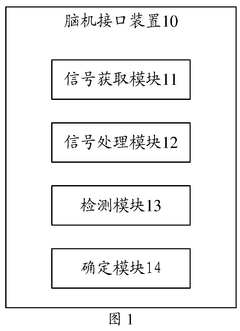
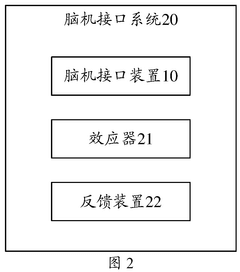
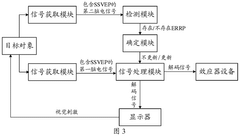
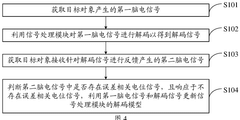
- By introducing signal acquisition modules, signal processing modules, detection modules and determination modules into the brain-computer interface device, the decoding model is realized using the memristor array, and error-related potential signals are detected during the interaction process, the decoding model parameters are updated, and the electroencephalopathy and memristor conductance drift phenomenon are overcome.
Military Ethics and BCI Warfare Regulations
The integration of brain-computer interfaces into military operations presents unprecedented ethical challenges that demand comprehensive regulatory frameworks. Current international humanitarian law, including the Geneva Conventions and their Additional Protocols, lacks specific provisions addressing neurotechnology in warfare, creating significant regulatory gaps that must be addressed through new international agreements and military codes of conduct.
The principle of distinction, fundamental to the laws of armed conflict, faces particular challenges with BCI technology. Military personnel equipped with neural interfaces may experience altered cognitive states or enhanced capabilities that blur the traditional boundaries between combatant and civilian populations. Regulatory frameworks must establish clear guidelines for identifying and protecting individuals with neural implants, particularly regarding their status under international humanitarian law.
Consent and autonomy represent critical ethical considerations requiring immediate regulatory attention. Military BCI applications raise questions about voluntary participation, informed consent procedures, and the right to cognitive liberty. Regulations must address scenarios where neural interfaces might influence decision-making processes, potentially compromising the autonomous judgment essential for ethical military conduct and adherence to rules of engagement.
The weaponization potential of BCI technology necessitates strict regulatory controls similar to those governing chemical and biological weapons. International bodies must develop specific protocols addressing neural weapons, cognitive manipulation devices, and technologies capable of causing psychological harm. These regulations should establish clear prohibitions on certain applications while defining acceptable defensive and therapeutic uses within military contexts.
Data protection and neural privacy emerge as paramount concerns requiring specialized regulatory approaches. Military BCI systems generate unprecedented amounts of sensitive neurological data, necessitating robust frameworks for data collection, storage, and sharing. Regulations must address cross-border data transfers, third-party access rights, and long-term data retention policies while balancing operational security requirements with individual privacy rights.
Accountability mechanisms represent another crucial regulatory dimension, particularly regarding autonomous or semi-autonomous systems controlled through neural interfaces. Clear chains of responsibility must be established for actions taken by BCI-enhanced personnel or systems, addressing questions of legal liability when human cognitive processes are augmented or modified through technological intervention.
Human enhancement ethics within military contexts require careful regulatory balance between operational advantages and fundamental human dignity. Regulations must address enhancement limits, reversibility requirements, and long-term health monitoring obligations while ensuring that neural modifications do not create unfair advantages or compromise the humanity of military personnel in accordance with the Martens Clause principles.
The principle of distinction, fundamental to the laws of armed conflict, faces particular challenges with BCI technology. Military personnel equipped with neural interfaces may experience altered cognitive states or enhanced capabilities that blur the traditional boundaries between combatant and civilian populations. Regulatory frameworks must establish clear guidelines for identifying and protecting individuals with neural implants, particularly regarding their status under international humanitarian law.
Consent and autonomy represent critical ethical considerations requiring immediate regulatory attention. Military BCI applications raise questions about voluntary participation, informed consent procedures, and the right to cognitive liberty. Regulations must address scenarios where neural interfaces might influence decision-making processes, potentially compromising the autonomous judgment essential for ethical military conduct and adherence to rules of engagement.
The weaponization potential of BCI technology necessitates strict regulatory controls similar to those governing chemical and biological weapons. International bodies must develop specific protocols addressing neural weapons, cognitive manipulation devices, and technologies capable of causing psychological harm. These regulations should establish clear prohibitions on certain applications while defining acceptable defensive and therapeutic uses within military contexts.
Data protection and neural privacy emerge as paramount concerns requiring specialized regulatory approaches. Military BCI systems generate unprecedented amounts of sensitive neurological data, necessitating robust frameworks for data collection, storage, and sharing. Regulations must address cross-border data transfers, third-party access rights, and long-term data retention policies while balancing operational security requirements with individual privacy rights.
Accountability mechanisms represent another crucial regulatory dimension, particularly regarding autonomous or semi-autonomous systems controlled through neural interfaces. Clear chains of responsibility must be established for actions taken by BCI-enhanced personnel or systems, addressing questions of legal liability when human cognitive processes are augmented or modified through technological intervention.
Human enhancement ethics within military contexts require careful regulatory balance between operational advantages and fundamental human dignity. Regulations must address enhancement limits, reversibility requirements, and long-term health monitoring obligations while ensuring that neural modifications do not create unfair advantages or compromise the humanity of military personnel in accordance with the Martens Clause principles.
Soldier Safety and Neural Interface Security
Soldier safety represents the paramount concern in military brain-computer interface deployment, as neural interfaces introduce unprecedented vulnerabilities that extend beyond traditional battlefield risks. The direct connection between external devices and neural tissue creates potential pathways for both physical harm and cognitive manipulation, necessitating comprehensive safety protocols that address biocompatibility, signal integrity, and long-term neurological health impacts.
Physical safety considerations encompass the surgical implantation procedures, device durability under combat conditions, and potential complications from electromagnetic interference. Military environments expose neural interfaces to extreme temperatures, vibrations, and electromagnetic pulses that could disrupt device functionality or cause tissue damage. The miniaturization requirements for covert operations further complicate safety assurance, as smaller devices may have limited redundancy and error correction capabilities.
Neural interface security presents multifaceted challenges spanning cybersecurity, data protection, and cognitive integrity. The bidirectional nature of advanced BCIs creates attack vectors where adversaries could potentially inject false signals, extract classified information directly from neural patterns, or manipulate decision-making processes. Traditional cybersecurity frameworks prove inadequate for protecting neural data streams, which contain highly sensitive biometric and cognitive information that cannot be changed if compromised.
Authentication mechanisms for neural interfaces must balance security with operational efficiency, as soldiers cannot afford lengthy verification procedures during critical missions. Biometric authentication using neural signatures offers promise but requires robust encryption to prevent spoofing attacks. The distributed nature of military networks compounds security challenges, as neural interface data must traverse multiple communication channels while maintaining end-to-end encryption.
Privacy concerns extend beyond individual soldiers to encompass unit-level tactical information embedded within collective neural patterns. The potential for adversaries to decode strategic intentions, emotional states, or physical conditions from intercepted neural signals poses significant operational security risks. Establishing secure neural communication protocols requires novel cryptographic approaches specifically designed for the unique characteristics of brain signal transmission and processing.
Physical safety considerations encompass the surgical implantation procedures, device durability under combat conditions, and potential complications from electromagnetic interference. Military environments expose neural interfaces to extreme temperatures, vibrations, and electromagnetic pulses that could disrupt device functionality or cause tissue damage. The miniaturization requirements for covert operations further complicate safety assurance, as smaller devices may have limited redundancy and error correction capabilities.
Neural interface security presents multifaceted challenges spanning cybersecurity, data protection, and cognitive integrity. The bidirectional nature of advanced BCIs creates attack vectors where adversaries could potentially inject false signals, extract classified information directly from neural patterns, or manipulate decision-making processes. Traditional cybersecurity frameworks prove inadequate for protecting neural data streams, which contain highly sensitive biometric and cognitive information that cannot be changed if compromised.
Authentication mechanisms for neural interfaces must balance security with operational efficiency, as soldiers cannot afford lengthy verification procedures during critical missions. Biometric authentication using neural signatures offers promise but requires robust encryption to prevent spoofing attacks. The distributed nature of military networks compounds security challenges, as neural interface data must traverse multiple communication channels while maintaining end-to-end encryption.
Privacy concerns extend beyond individual soldiers to encompass unit-level tactical information embedded within collective neural patterns. The potential for adversaries to decode strategic intentions, emotional states, or physical conditions from intercepted neural signals poses significant operational security risks. Establishing secure neural communication protocols requires novel cryptographic approaches specifically designed for the unique characteristics of brain signal transmission and processing.
Unlock deeper insights with PatSnap Eureka Quick Research — get a full tech report to explore trends and direct your research. Try now!
Generate Your Research Report Instantly with AI Agent
Supercharge your innovation with PatSnap Eureka AI Agent Platform!