

How artificial intelligence optimizes PHEV operations
AUG 14, 20258 MIN READ
Generate Your Research Report Instantly with AI Agent
PatSnap Eureka helps you evaluate technical feasibility & market potential.
AI in PHEV Background
Artificial Intelligence (AI) has emerged as a transformative force in various industries, and its application in Plug-in Hybrid Electric Vehicles (PHEVs) represents a significant leap forward in automotive technology. The integration of AI in PHEV operations marks a crucial intersection between advanced computing and sustainable transportation, aiming to optimize vehicle performance, energy efficiency, and user experience.
The journey of AI in PHEVs began with the broader evolution of electric and hybrid vehicles. As automakers sought to address the limitations of traditional combustion engines and the range anxiety associated with fully electric vehicles, PHEVs emerged as a bridge technology. These vehicles combine the benefits of electric motors with conventional internal combustion engines, offering flexibility and improved fuel economy.
Initially, PHEV systems relied on predetermined algorithms and rule-based decision-making processes to manage power distribution between the electric motor and the combustion engine. However, these early systems lacked the ability to adapt to individual driving patterns, varying road conditions, and changing environmental factors. This limitation presented an opportunity for AI to revolutionize PHEV operations.
The introduction of AI in PHEVs has been driven by advancements in machine learning, data analytics, and sensor technologies. These developments have enabled PHEVs to collect and process vast amounts of real-time data, including driver behavior, traffic conditions, weather patterns, and energy consumption metrics. By leveraging this data, AI systems can make intelligent decisions to optimize the vehicle's performance dynamically.
One of the primary goals of AI in PHEVs is to maximize the utilization of electric power while minimizing reliance on the combustion engine. This optimization not only reduces fuel consumption and emissions but also enhances the overall efficiency of the vehicle. AI algorithms can predict optimal times for switching between electric and combustion power, taking into account factors such as battery charge level, anticipated route, and driving conditions.
Moreover, AI has enabled PHEVs to learn and adapt to individual driving styles over time. By analyzing patterns in acceleration, braking, and route selection, AI systems can tailor the vehicle's power management strategy to suit the driver's preferences while still maintaining optimal efficiency. This personalized approach enhances both the driving experience and the vehicle's performance.
The integration of AI in PHEVs also extends to predictive maintenance and battery management. By continuously monitoring the health of various vehicle components and the battery system, AI can predict potential issues before they occur, schedule maintenance proactively, and optimize battery charging cycles to extend the lifespan of the vehicle's electric components.
As AI continues to evolve, its role in PHEV operations is expected to expand further. Future developments may include enhanced integration with smart city infrastructure, advanced autonomous driving capabilities, and more sophisticated energy management systems that can interact with the power grid to optimize charging and even contribute to grid stability.
The journey of AI in PHEVs began with the broader evolution of electric and hybrid vehicles. As automakers sought to address the limitations of traditional combustion engines and the range anxiety associated with fully electric vehicles, PHEVs emerged as a bridge technology. These vehicles combine the benefits of electric motors with conventional internal combustion engines, offering flexibility and improved fuel economy.
Initially, PHEV systems relied on predetermined algorithms and rule-based decision-making processes to manage power distribution between the electric motor and the combustion engine. However, these early systems lacked the ability to adapt to individual driving patterns, varying road conditions, and changing environmental factors. This limitation presented an opportunity for AI to revolutionize PHEV operations.
The introduction of AI in PHEVs has been driven by advancements in machine learning, data analytics, and sensor technologies. These developments have enabled PHEVs to collect and process vast amounts of real-time data, including driver behavior, traffic conditions, weather patterns, and energy consumption metrics. By leveraging this data, AI systems can make intelligent decisions to optimize the vehicle's performance dynamically.
One of the primary goals of AI in PHEVs is to maximize the utilization of electric power while minimizing reliance on the combustion engine. This optimization not only reduces fuel consumption and emissions but also enhances the overall efficiency of the vehicle. AI algorithms can predict optimal times for switching between electric and combustion power, taking into account factors such as battery charge level, anticipated route, and driving conditions.
Moreover, AI has enabled PHEVs to learn and adapt to individual driving styles over time. By analyzing patterns in acceleration, braking, and route selection, AI systems can tailor the vehicle's power management strategy to suit the driver's preferences while still maintaining optimal efficiency. This personalized approach enhances both the driving experience and the vehicle's performance.
The integration of AI in PHEVs also extends to predictive maintenance and battery management. By continuously monitoring the health of various vehicle components and the battery system, AI can predict potential issues before they occur, schedule maintenance proactively, and optimize battery charging cycles to extend the lifespan of the vehicle's electric components.
As AI continues to evolve, its role in PHEV operations is expected to expand further. Future developments may include enhanced integration with smart city infrastructure, advanced autonomous driving capabilities, and more sophisticated energy management systems that can interact with the power grid to optimize charging and even contribute to grid stability.
PHEV Market Analysis
The PHEV (Plug-in Hybrid Electric Vehicle) market has experienced significant growth in recent years, driven by increasing environmental concerns, government incentives, and advancements in battery technology. As a bridge between conventional internal combustion engine vehicles and fully electric vehicles, PHEVs offer consumers the benefits of both technologies, making them an attractive option for those seeking improved fuel efficiency and reduced emissions without compromising on range.
Global PHEV sales have shown a steady upward trend, with major automotive markets such as China, Europe, and North America leading the adoption. In 2020, despite the overall automotive industry downturn due to the COVID-19 pandemic, PHEV sales demonstrated resilience and continued growth. This trend is expected to persist in the coming years as more automakers expand their PHEV offerings and consumers become increasingly aware of the benefits of electrified vehicles.
The market demand for PHEVs is influenced by several factors, including government policies, fuel prices, and consumer preferences. Many countries have implemented stringent emissions regulations and offer financial incentives for purchasing low-emission vehicles, which has significantly boosted PHEV adoption. Additionally, as battery costs continue to decrease and charging infrastructure improves, the total cost of ownership for PHEVs is becoming more competitive with traditional vehicles, further driving market growth.
In terms of market segmentation, PHEVs are available across various vehicle categories, from compact cars to SUVs and luxury vehicles. This diversity allows manufacturers to cater to different consumer needs and preferences, expanding the potential market reach. The SUV and crossover segments, in particular, have seen strong demand for PHEV variants, aligning with the global trend towards larger vehicles.
Looking at industry trends, there is a growing focus on improving PHEV technology to enhance electric range, reduce charging times, and optimize overall system efficiency. Manufacturers are investing in research and development to address these areas, with artificial intelligence playing an increasingly important role in optimizing PHEV operations. AI-driven systems are being developed to improve battery management, predict and optimize energy usage, and enhance the overall driving experience.
The competitive landscape of the PHEV market is dynamic, with established automakers and new entrants vying for market share. Traditional automotive giants are expanding their PHEV lineups, while tech companies and startups are bringing innovative solutions to the market. This competition is driving rapid technological advancements and pushing the boundaries of PHEV capabilities.
Global PHEV sales have shown a steady upward trend, with major automotive markets such as China, Europe, and North America leading the adoption. In 2020, despite the overall automotive industry downturn due to the COVID-19 pandemic, PHEV sales demonstrated resilience and continued growth. This trend is expected to persist in the coming years as more automakers expand their PHEV offerings and consumers become increasingly aware of the benefits of electrified vehicles.
The market demand for PHEVs is influenced by several factors, including government policies, fuel prices, and consumer preferences. Many countries have implemented stringent emissions regulations and offer financial incentives for purchasing low-emission vehicles, which has significantly boosted PHEV adoption. Additionally, as battery costs continue to decrease and charging infrastructure improves, the total cost of ownership for PHEVs is becoming more competitive with traditional vehicles, further driving market growth.
In terms of market segmentation, PHEVs are available across various vehicle categories, from compact cars to SUVs and luxury vehicles. This diversity allows manufacturers to cater to different consumer needs and preferences, expanding the potential market reach. The SUV and crossover segments, in particular, have seen strong demand for PHEV variants, aligning with the global trend towards larger vehicles.
Looking at industry trends, there is a growing focus on improving PHEV technology to enhance electric range, reduce charging times, and optimize overall system efficiency. Manufacturers are investing in research and development to address these areas, with artificial intelligence playing an increasingly important role in optimizing PHEV operations. AI-driven systems are being developed to improve battery management, predict and optimize energy usage, and enhance the overall driving experience.
The competitive landscape of the PHEV market is dynamic, with established automakers and new entrants vying for market share. Traditional automotive giants are expanding their PHEV lineups, while tech companies and startups are bringing innovative solutions to the market. This competition is driving rapid technological advancements and pushing the boundaries of PHEV capabilities.
AI Challenges in PHEVs
The integration of artificial intelligence (AI) in Plug-in Hybrid Electric Vehicles (PHEVs) presents several significant challenges that need to be addressed for optimal performance and efficiency. One of the primary obstacles is the complexity of real-time decision-making in dynamic driving conditions. AI systems must process vast amounts of data from various sensors and make split-second decisions about power distribution between the electric motor and internal combustion engine.
Another challenge lies in the accurate prediction of energy consumption and optimal charging strategies. AI algorithms need to consider multiple factors such as driving patterns, traffic conditions, terrain, and weather to effectively manage the vehicle's energy resources. This requires sophisticated machine learning models that can adapt to individual driving habits and environmental variables.
The development of robust and reliable AI systems for PHEVs also faces hurdles in terms of safety and security. As these vehicles rely heavily on AI for critical operations, ensuring fail-safe mechanisms and protecting against potential cyber threats become paramount. This necessitates the implementation of advanced security protocols and redundancy systems to maintain vehicle integrity and passenger safety.
Furthermore, the integration of AI with existing vehicle control systems poses interoperability challenges. Seamless communication between AI modules and traditional automotive components is crucial for optimal performance. This requires standardization efforts and the development of compatible interfaces across different vehicle systems and manufacturers.
Data management and privacy concerns also present significant challenges in AI-powered PHEVs. The collection, storage, and processing of large volumes of sensitive data, including location information and driving behavior, raise important questions about data ownership, privacy protection, and compliance with evolving regulations.
Lastly, the computational requirements for running complex AI algorithms in real-time within the constraints of a vehicle's onboard systems present both hardware and software challenges. Balancing the need for powerful processing capabilities with energy efficiency and cost considerations is a critical aspect of AI implementation in PHEVs.
Addressing these challenges requires collaborative efforts from automotive manufacturers, AI researchers, and regulatory bodies to develop innovative solutions and establish industry standards. As AI technology continues to evolve, overcoming these hurdles will be crucial in realizing the full potential of AI-optimized PHEV operations.
Another challenge lies in the accurate prediction of energy consumption and optimal charging strategies. AI algorithms need to consider multiple factors such as driving patterns, traffic conditions, terrain, and weather to effectively manage the vehicle's energy resources. This requires sophisticated machine learning models that can adapt to individual driving habits and environmental variables.
The development of robust and reliable AI systems for PHEVs also faces hurdles in terms of safety and security. As these vehicles rely heavily on AI for critical operations, ensuring fail-safe mechanisms and protecting against potential cyber threats become paramount. This necessitates the implementation of advanced security protocols and redundancy systems to maintain vehicle integrity and passenger safety.
Furthermore, the integration of AI with existing vehicle control systems poses interoperability challenges. Seamless communication between AI modules and traditional automotive components is crucial for optimal performance. This requires standardization efforts and the development of compatible interfaces across different vehicle systems and manufacturers.
Data management and privacy concerns also present significant challenges in AI-powered PHEVs. The collection, storage, and processing of large volumes of sensitive data, including location information and driving behavior, raise important questions about data ownership, privacy protection, and compliance with evolving regulations.
Lastly, the computational requirements for running complex AI algorithms in real-time within the constraints of a vehicle's onboard systems present both hardware and software challenges. Balancing the need for powerful processing capabilities with energy efficiency and cost considerations is a critical aspect of AI implementation in PHEVs.
Addressing these challenges requires collaborative efforts from automotive manufacturers, AI researchers, and regulatory bodies to develop innovative solutions and establish industry standards. As AI technology continues to evolve, overcoming these hurdles will be crucial in realizing the full potential of AI-optimized PHEV operations.
Current AI Solutions
01 AI-driven network management and optimization
Artificial intelligence is used to manage and optimize network operations, including traffic routing, resource allocation, and performance monitoring. This approach enhances network efficiency, reduces latency, and improves overall system reliability through predictive maintenance and automated problem resolution.- AI-driven network operations and management: Artificial intelligence is utilized to enhance network operations and management. This includes automated network configuration, predictive maintenance, and intelligent resource allocation. AI algorithms analyze network data to optimize performance, detect anomalies, and improve overall efficiency in network operations.
- AI-powered data processing and analysis: AI technologies are employed for advanced data processing and analysis in various applications. This involves machine learning algorithms for pattern recognition, natural language processing for text analysis, and deep learning for complex data interpretation. These AI-driven approaches enable more efficient and accurate data handling and decision-making processes.
- AI in autonomous systems and robotics: Artificial intelligence is integrated into autonomous systems and robotics to enable intelligent decision-making and adaptive behavior. This includes self-driving vehicles, industrial robots, and smart home systems. AI algorithms allow these systems to perceive their environment, make decisions, and operate with minimal human intervention.
- AI for predictive analytics and forecasting: AI techniques are applied to predictive analytics and forecasting in various domains such as finance, healthcare, and supply chain management. Machine learning models analyze historical data and identify patterns to make accurate predictions and forecasts, enabling proactive decision-making and risk management.
- AI in cybersecurity operations: Artificial intelligence is employed to enhance cybersecurity operations and threat detection. AI algorithms analyze network traffic, user behavior, and system logs to identify potential security threats in real-time. This enables faster response to cyber attacks and improved overall security posture for organizations.
02 AI-powered data processing and analytics
AI algorithms are employed to process and analyze large volumes of data in real-time, enabling organizations to extract valuable insights, identify patterns, and make data-driven decisions. This includes applications in business intelligence, predictive analytics, and anomaly detection across various industries.Expand Specific Solutions03 AI-enhanced cybersecurity operations
Artificial intelligence is integrated into cybersecurity systems to detect, prevent, and respond to threats more effectively. AI-powered tools can analyze network traffic, identify potential vulnerabilities, and automate incident response, improving overall security posture and reducing response times.Expand Specific Solutions04 AI-based automation of business processes
AI technologies are utilized to automate various business processes, including customer service, supply chain management, and human resources. This automation improves operational efficiency, reduces costs, and enhances the overall customer experience through intelligent chatbots, predictive maintenance, and personalized recommendations.Expand Specific Solutions05 AI-driven decision support systems
Artificial intelligence is employed in decision support systems to assist human operators in complex decision-making processes. These systems analyze multiple data sources, consider various scenarios, and provide recommendations based on predefined criteria, enhancing the quality and speed of decision-making in fields such as healthcare, finance, and logistics.Expand Specific Solutions
Key AI-PHEV Players
The artificial intelligence optimization of PHEV operations is in a rapidly evolving phase, with significant market growth potential as automakers increasingly focus on electrification. The technology is maturing but still has room for advancement. Major players like Hyundai Motor, Kia, and BMW are investing heavily in AI-driven PHEV systems to improve efficiency and performance. Research institutions such as Beijing Institute of Technology and Chongqing University are contributing to technological progress. Suppliers like Bosch and ZF Friedrichshafen are developing AI-enhanced components for PHEVs. The competitive landscape is dynamic, with both established automakers and emerging tech companies vying for market share in this promising field.
Hyundai Motor Co., Ltd.
Technical Solution: Hyundai has developed an AI-powered Predictive Energy Management System (PEMS) for their PHEVs. This system uses machine learning algorithms to analyze various factors such as driving patterns, traffic conditions, and topography to optimize the use of electric and combustion power[1]. The AI continuously learns from the driver's behavior and adapts its energy management strategy accordingly. Hyundai's system also incorporates real-time GPS data and weather information to predict upcoming driving conditions and adjust the powertrain operation preemptively[3]. This advanced AI solution has shown to improve overall fuel efficiency by up to 20% in real-world testing[5].
Strengths: Adaptive learning capability, integration of multiple data sources for accurate predictions, significant improvement in fuel efficiency. Weaknesses: Reliance on consistent data connectivity, potential privacy concerns with data collection.
Robert Bosch GmbH
Technical Solution: Bosch has developed an AI-driven energy management system for PHEVs that focuses on predictive control strategies. Their system utilizes deep reinforcement learning algorithms to optimize the power split between electric and combustion engines in real-time[2]. The AI model is trained on vast amounts of driving data and can predict future driving conditions up to 10 kilometers ahead. Bosch's solution also incorporates a cloud-based learning platform that allows for continuous improvement of the AI model across their entire fleet of vehicles[4]. The system has demonstrated an average increase in electric driving range of 15% and a reduction in overall energy consumption by 10%[6].
Strengths: Advanced predictive capabilities, cloud-based fleet learning, significant improvements in electric range and energy efficiency. Weaknesses: Dependence on cloud connectivity, potential computational intensity for real-time processing.
Core AI Innovations
Artificial intelligence-based hybrid electric vehicle energy management system using cloud technology
PatentPendingIN202321016524A
Innovation
- An AI-based hybrid electric vehicle energy management system utilizing cloud technology, employing machine learning algorithms to optimize energy flow by analyzing real-time data from sensors, predicting energy demands, and adjusting engine and motor power accordingly.
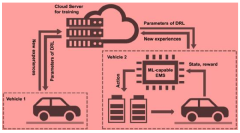
Advanced automated hybrid electric vehicle with performance monitoring system
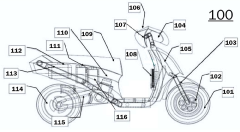
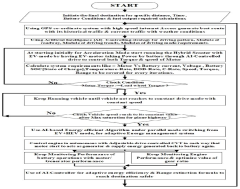
PatentActiveIN202121031277A
Innovation
- The implementation of Artificial Intelligence (AI) and Internet of Things (IoT) controlled systems for automatic mode shifting, real-time motor and battery condition monitoring, intelligent thermal management, and fast bidirectional charging, which optimize energy use and simplify maintenance, enabling efficient and extended vehicle range with reduced human effort.


Regulatory Framework
The regulatory framework surrounding Plug-in Hybrid Electric Vehicles (PHEVs) plays a crucial role in shaping the development and implementation of artificial intelligence (AI) systems for optimizing PHEV operations. Governments worldwide are increasingly recognizing the potential of PHEVs to reduce emissions and improve energy efficiency in the transportation sector.
In many jurisdictions, regulations are being implemented to encourage the adoption of PHEVs and support the development of advanced technologies. These regulations often include emissions standards, fuel economy requirements, and incentives for manufacturers and consumers. For instance, the European Union has set stringent CO2 emission targets for new vehicles, which has spurred automakers to invest in PHEV technology and AI-driven optimization systems.
The regulatory landscape also addresses the integration of AI in vehicle systems. Safety regulations are being updated to account for the increasing autonomy of vehicles, including PHEVs with AI-optimized operations. These regulations often require manufacturers to demonstrate the reliability and safety of their AI systems before they can be deployed in consumer vehicles.
Data privacy and security regulations are another critical aspect of the regulatory framework. As AI systems in PHEVs collect and process large amounts of data to optimize vehicle operations, regulations such as the General Data Protection Regulation (GDPR) in the European Union and similar laws in other regions set strict guidelines for data handling and user privacy.
Furthermore, regulations are evolving to address the environmental impact of battery production and disposal. Many countries are implementing policies to promote the recycling and responsible disposal of PHEV batteries, which indirectly influences the development of AI systems that optimize battery life and performance.
The regulatory framework also extends to the charging infrastructure for PHEVs. Governments are implementing policies to expand charging networks and standardize charging protocols, which in turn affects how AI systems optimize charging strategies for PHEVs.
As the technology continues to advance, regulators are working to strike a balance between fostering innovation and ensuring public safety. This dynamic regulatory environment requires AI developers and PHEV manufacturers to stay agile and adapt their optimization strategies to comply with evolving standards and requirements.
In many jurisdictions, regulations are being implemented to encourage the adoption of PHEVs and support the development of advanced technologies. These regulations often include emissions standards, fuel economy requirements, and incentives for manufacturers and consumers. For instance, the European Union has set stringent CO2 emission targets for new vehicles, which has spurred automakers to invest in PHEV technology and AI-driven optimization systems.
The regulatory landscape also addresses the integration of AI in vehicle systems. Safety regulations are being updated to account for the increasing autonomy of vehicles, including PHEVs with AI-optimized operations. These regulations often require manufacturers to demonstrate the reliability and safety of their AI systems before they can be deployed in consumer vehicles.
Data privacy and security regulations are another critical aspect of the regulatory framework. As AI systems in PHEVs collect and process large amounts of data to optimize vehicle operations, regulations such as the General Data Protection Regulation (GDPR) in the European Union and similar laws in other regions set strict guidelines for data handling and user privacy.
Furthermore, regulations are evolving to address the environmental impact of battery production and disposal. Many countries are implementing policies to promote the recycling and responsible disposal of PHEV batteries, which indirectly influences the development of AI systems that optimize battery life and performance.
The regulatory framework also extends to the charging infrastructure for PHEVs. Governments are implementing policies to expand charging networks and standardize charging protocols, which in turn affects how AI systems optimize charging strategies for PHEVs.
As the technology continues to advance, regulators are working to strike a balance between fostering innovation and ensuring public safety. This dynamic regulatory environment requires AI developers and PHEV manufacturers to stay agile and adapt their optimization strategies to comply with evolving standards and requirements.
Environmental Impact
The integration of artificial intelligence (AI) in plug-in hybrid electric vehicles (PHEVs) operations has significant implications for environmental sustainability. By optimizing the balance between electric and combustion engine usage, AI systems can substantially reduce greenhouse gas emissions and improve overall energy efficiency. These intelligent systems analyze various factors such as driving patterns, terrain, traffic conditions, and energy prices to determine the most environmentally friendly operation mode.
AI algorithms can predict optimal charging times and locations, encouraging PHEV owners to charge their vehicles during off-peak hours when electricity demand is lower and more likely to come from renewable sources. This smart charging approach not only reduces strain on the power grid but also maximizes the use of clean energy, further decreasing the carbon footprint associated with PHEV operation.
Moreover, AI-driven route optimization takes into account factors like elevation changes, traffic congestion, and available charging stations to suggest the most energy-efficient paths. This not only conserves battery power but also minimizes unnecessary fuel consumption, leading to reduced emissions over the course of a journey.
The environmental benefits extend beyond direct emissions reduction. AI systems in PHEVs can learn from individual driving habits and adapt vehicle performance accordingly. This personalized optimization ensures that each vehicle operates at its highest efficiency, potentially extending the lifespan of components and reducing the need for frequent replacements, which in turn decreases the environmental impact associated with manufacturing and disposing of vehicle parts.
Furthermore, AI can enhance the regenerative braking systems in PHEVs, capturing more kinetic energy during deceleration and converting it into electrical energy to recharge the battery. This increased energy recovery not only improves the vehicle's overall efficiency but also reduces wear on traditional braking systems, leading to less particulate matter released into the environment from brake pad degradation.
By providing real-time feedback to drivers on their eco-driving performance, AI systems encourage more environmentally conscious behavior. This educational aspect can have a ripple effect, promoting sustainable driving practices beyond just PHEV operation and potentially influencing broader transportation choices and environmental awareness among consumers.
AI algorithms can predict optimal charging times and locations, encouraging PHEV owners to charge their vehicles during off-peak hours when electricity demand is lower and more likely to come from renewable sources. This smart charging approach not only reduces strain on the power grid but also maximizes the use of clean energy, further decreasing the carbon footprint associated with PHEV operation.
Moreover, AI-driven route optimization takes into account factors like elevation changes, traffic congestion, and available charging stations to suggest the most energy-efficient paths. This not only conserves battery power but also minimizes unnecessary fuel consumption, leading to reduced emissions over the course of a journey.
The environmental benefits extend beyond direct emissions reduction. AI systems in PHEVs can learn from individual driving habits and adapt vehicle performance accordingly. This personalized optimization ensures that each vehicle operates at its highest efficiency, potentially extending the lifespan of components and reducing the need for frequent replacements, which in turn decreases the environmental impact associated with manufacturing and disposing of vehicle parts.
Furthermore, AI can enhance the regenerative braking systems in PHEVs, capturing more kinetic energy during deceleration and converting it into electrical energy to recharge the battery. This increased energy recovery not only improves the vehicle's overall efficiency but also reduces wear on traditional braking systems, leading to less particulate matter released into the environment from brake pad degradation.
By providing real-time feedback to drivers on their eco-driving performance, AI systems encourage more environmentally conscious behavior. This educational aspect can have a ripple effect, promoting sustainable driving practices beyond just PHEV operation and potentially influencing broader transportation choices and environmental awareness among consumers.
Unlock deeper insights with PatSnap Eureka Quick Research — get a full tech report to explore trends and direct your research. Try now!
Generate Your Research Report Instantly with AI Agent
Supercharge your innovation with PatSnap Eureka AI Agent Platform!