How blockchain technology enhances PHEV applications
AUG 14, 20259 MIN READ
Generate Your Research Report Instantly with AI Agent
Patsnap Eureka helps you evaluate technical feasibility & market potential.
Blockchain in PHEV: Background and Objectives
Blockchain technology has emerged as a transformative force across various industries, and its potential applications in Plug-in Hybrid Electric Vehicles (PHEVs) are gaining significant attention. The integration of blockchain with PHEVs represents a convergence of two cutting-edge technologies that have the potential to revolutionize the automotive industry and contribute to sustainable transportation solutions.
The development of blockchain technology can be traced back to 2008 when Satoshi Nakamoto introduced Bitcoin, the first decentralized cryptocurrency. Since then, blockchain has evolved beyond its initial application in digital currencies, finding use cases in diverse sectors, including supply chain management, healthcare, and now, the automotive industry.
PHEVs, on the other hand, have been in development since the late 1990s, with commercial models becoming widely available in the 2010s. These vehicles combine the benefits of both internal combustion engines and electric powertrains, offering improved fuel efficiency and reduced emissions compared to conventional vehicles.
The integration of blockchain technology into PHEV applications aims to address several key challenges faced by the automotive industry, particularly in the areas of energy management, vehicle-to-grid (V2G) interactions, and secure data sharing. By leveraging the decentralized and immutable nature of blockchain, PHEV systems can potentially achieve enhanced security, transparency, and efficiency in various operations.
One of the primary objectives of incorporating blockchain in PHEV applications is to optimize energy distribution and consumption. Blockchain can facilitate secure and transparent peer-to-peer energy trading between PHEVs and the power grid, enabling more efficient utilization of renewable energy sources and reducing the strain on centralized power infrastructure.
Another crucial goal is to improve the reliability and security of data exchange between PHEVs, charging stations, and other stakeholders in the ecosystem. Blockchain's cryptographic features can help protect sensitive vehicle and user data from unauthorized access or tampering, thereby enhancing trust and privacy in the PHEV network.
Furthermore, the integration of blockchain technology in PHEVs aims to streamline various processes such as vehicle maintenance, charging, and payments. By creating a tamper-proof record of vehicle history, maintenance schedules, and charging transactions, blockchain can simplify fleet management and enhance the overall user experience for PHEV owners.
As the automotive industry continues to evolve towards more sustainable and connected solutions, the synergy between blockchain and PHEVs presents a promising avenue for innovation. The successful implementation of blockchain in PHEV applications has the potential to accelerate the adoption of electric vehicles, optimize energy consumption, and contribute to the development of smart cities and intelligent transportation systems.
The development of blockchain technology can be traced back to 2008 when Satoshi Nakamoto introduced Bitcoin, the first decentralized cryptocurrency. Since then, blockchain has evolved beyond its initial application in digital currencies, finding use cases in diverse sectors, including supply chain management, healthcare, and now, the automotive industry.
PHEVs, on the other hand, have been in development since the late 1990s, with commercial models becoming widely available in the 2010s. These vehicles combine the benefits of both internal combustion engines and electric powertrains, offering improved fuel efficiency and reduced emissions compared to conventional vehicles.
The integration of blockchain technology into PHEV applications aims to address several key challenges faced by the automotive industry, particularly in the areas of energy management, vehicle-to-grid (V2G) interactions, and secure data sharing. By leveraging the decentralized and immutable nature of blockchain, PHEV systems can potentially achieve enhanced security, transparency, and efficiency in various operations.
One of the primary objectives of incorporating blockchain in PHEV applications is to optimize energy distribution and consumption. Blockchain can facilitate secure and transparent peer-to-peer energy trading between PHEVs and the power grid, enabling more efficient utilization of renewable energy sources and reducing the strain on centralized power infrastructure.
Another crucial goal is to improve the reliability and security of data exchange between PHEVs, charging stations, and other stakeholders in the ecosystem. Blockchain's cryptographic features can help protect sensitive vehicle and user data from unauthorized access or tampering, thereby enhancing trust and privacy in the PHEV network.
Furthermore, the integration of blockchain technology in PHEVs aims to streamline various processes such as vehicle maintenance, charging, and payments. By creating a tamper-proof record of vehicle history, maintenance schedules, and charging transactions, blockchain can simplify fleet management and enhance the overall user experience for PHEV owners.
As the automotive industry continues to evolve towards more sustainable and connected solutions, the synergy between blockchain and PHEVs presents a promising avenue for innovation. The successful implementation of blockchain in PHEV applications has the potential to accelerate the adoption of electric vehicles, optimize energy consumption, and contribute to the development of smart cities and intelligent transportation systems.
Market Analysis for Blockchain-Enhanced PHEVs
The market for blockchain-enhanced Plug-in Hybrid Electric Vehicles (PHEVs) is experiencing significant growth and transformation. As environmental concerns and energy efficiency become increasingly important, the integration of blockchain technology with PHEVs offers a promising solution to address various challenges in the automotive industry.
The global PHEV market has been expanding rapidly, with sales reaching 2.4 million units in 2021, representing a 70% increase from the previous year. This growth is driven by factors such as government incentives, improved battery technology, and increasing consumer awareness of environmental issues. The addition of blockchain technology to PHEVs is expected to further accelerate market growth by addressing key concerns such as range anxiety, charging infrastructure, and energy management.
Blockchain-enhanced PHEVs offer several advantages that are likely to drive market demand. One of the primary benefits is improved transparency and security in vehicle-to-grid (V2G) transactions. By leveraging blockchain's distributed ledger technology, energy exchanges between PHEVs and the power grid can be recorded securely and transparently, enabling more efficient energy management and potentially reducing electricity costs for consumers.
Another significant market driver is the potential for blockchain to enhance the reliability and efficiency of charging infrastructure. By implementing smart contracts and decentralized payment systems, blockchain can streamline the charging process, reduce transaction costs, and improve the overall user experience. This could lead to increased adoption of PHEVs, particularly in urban areas where charging infrastructure is crucial.
The market for blockchain-enhanced PHEVs is also influenced by the growing interest in sustainable transportation solutions. As governments worldwide implement stricter emissions regulations, automakers are increasingly focusing on electric and hybrid vehicles. The integration of blockchain technology can provide additional environmental benefits by optimizing energy consumption and reducing carbon footprints through more efficient routing and charging strategies.
From a geographical perspective, the market for blockchain-enhanced PHEVs is expected to see strong growth in regions with advanced automotive and technology sectors. North America, Europe, and parts of Asia, particularly China and Japan, are likely to be at the forefront of this market. These regions have well-established electric vehicle markets and are actively investing in blockchain technology across various industries.
However, the market also faces challenges that could impact its growth trajectory. These include the need for standardization in blockchain protocols for automotive applications, concerns about data privacy and security, and the requirement for significant infrastructure investments. Overcoming these hurdles will be crucial for the widespread adoption of blockchain-enhanced PHEVs.
In conclusion, the market for blockchain-enhanced PHEVs shows considerable promise, driven by the convergence of environmental concerns, technological advancements, and the need for more efficient transportation solutions. As the technology matures and infrastructure improves, this market segment is poised for substantial growth in the coming years, potentially reshaping the automotive industry and contributing to a more sustainable future.
The global PHEV market has been expanding rapidly, with sales reaching 2.4 million units in 2021, representing a 70% increase from the previous year. This growth is driven by factors such as government incentives, improved battery technology, and increasing consumer awareness of environmental issues. The addition of blockchain technology to PHEVs is expected to further accelerate market growth by addressing key concerns such as range anxiety, charging infrastructure, and energy management.
Blockchain-enhanced PHEVs offer several advantages that are likely to drive market demand. One of the primary benefits is improved transparency and security in vehicle-to-grid (V2G) transactions. By leveraging blockchain's distributed ledger technology, energy exchanges between PHEVs and the power grid can be recorded securely and transparently, enabling more efficient energy management and potentially reducing electricity costs for consumers.
Another significant market driver is the potential for blockchain to enhance the reliability and efficiency of charging infrastructure. By implementing smart contracts and decentralized payment systems, blockchain can streamline the charging process, reduce transaction costs, and improve the overall user experience. This could lead to increased adoption of PHEVs, particularly in urban areas where charging infrastructure is crucial.
The market for blockchain-enhanced PHEVs is also influenced by the growing interest in sustainable transportation solutions. As governments worldwide implement stricter emissions regulations, automakers are increasingly focusing on electric and hybrid vehicles. The integration of blockchain technology can provide additional environmental benefits by optimizing energy consumption and reducing carbon footprints through more efficient routing and charging strategies.
From a geographical perspective, the market for blockchain-enhanced PHEVs is expected to see strong growth in regions with advanced automotive and technology sectors. North America, Europe, and parts of Asia, particularly China and Japan, are likely to be at the forefront of this market. These regions have well-established electric vehicle markets and are actively investing in blockchain technology across various industries.
However, the market also faces challenges that could impact its growth trajectory. These include the need for standardization in blockchain protocols for automotive applications, concerns about data privacy and security, and the requirement for significant infrastructure investments. Overcoming these hurdles will be crucial for the widespread adoption of blockchain-enhanced PHEVs.
In conclusion, the market for blockchain-enhanced PHEVs shows considerable promise, driven by the convergence of environmental concerns, technological advancements, and the need for more efficient transportation solutions. As the technology matures and infrastructure improves, this market segment is poised for substantial growth in the coming years, potentially reshaping the automotive industry and contributing to a more sustainable future.
Current Challenges in PHEV Blockchain Integration
The integration of blockchain technology into Plug-in Hybrid Electric Vehicles (PHEVs) faces several significant challenges that need to be addressed for successful implementation. One of the primary obstacles is the scalability of blockchain networks to handle the vast amount of data generated by PHEVs. As the number of vehicles increases, the blockchain network must be capable of processing and storing large volumes of transactions efficiently without compromising speed or security.
Another critical challenge is the energy consumption associated with blockchain operations, particularly in proof-of-work consensus mechanisms. PHEVs are designed to be energy-efficient, and implementing an energy-intensive blockchain system could potentially negate some of the environmental benefits of these vehicles. This necessitates the development of more energy-efficient consensus algorithms tailored for PHEV applications.
Data privacy and security pose significant concerns in PHEV blockchain integration. While blockchain offers enhanced security through its distributed nature, protecting sensitive vehicle and user data from unauthorized access remains a challenge. Implementing robust encryption methods and access control mechanisms is crucial to ensure the privacy of PHEV users and prevent potential cyber-attacks.
Interoperability between different blockchain platforms and existing PHEV systems presents another hurdle. The automotive industry often relies on proprietary systems, and ensuring seamless communication between various blockchain networks and PHEV infrastructure requires standardization efforts and the development of interoperable protocols.
The regulatory landscape surrounding blockchain technology in the automotive sector is still evolving. The lack of clear guidelines and standards for blockchain implementation in PHEVs creates uncertainty for manufacturers and service providers. Compliance with data protection regulations, such as GDPR, adds another layer of complexity to blockchain integration.
The cost of implementing and maintaining blockchain infrastructure for PHEVs is a significant consideration. Initial setup costs, ongoing maintenance, and the need for specialized hardware and software can be substantial. Balancing these costs with the potential benefits of blockchain technology is crucial for widespread adoption in the PHEV industry.
Lastly, the technical complexity of blockchain systems poses challenges in terms of user experience and adoption. Ensuring that PHEV users can interact with blockchain-based services seamlessly, without requiring in-depth technical knowledge, is essential for the technology's success in this domain. Developing user-friendly interfaces and educating consumers about the benefits of blockchain in PHEVs will be crucial in overcoming this challenge.
Another critical challenge is the energy consumption associated with blockchain operations, particularly in proof-of-work consensus mechanisms. PHEVs are designed to be energy-efficient, and implementing an energy-intensive blockchain system could potentially negate some of the environmental benefits of these vehicles. This necessitates the development of more energy-efficient consensus algorithms tailored for PHEV applications.
Data privacy and security pose significant concerns in PHEV blockchain integration. While blockchain offers enhanced security through its distributed nature, protecting sensitive vehicle and user data from unauthorized access remains a challenge. Implementing robust encryption methods and access control mechanisms is crucial to ensure the privacy of PHEV users and prevent potential cyber-attacks.
Interoperability between different blockchain platforms and existing PHEV systems presents another hurdle. The automotive industry often relies on proprietary systems, and ensuring seamless communication between various blockchain networks and PHEV infrastructure requires standardization efforts and the development of interoperable protocols.
The regulatory landscape surrounding blockchain technology in the automotive sector is still evolving. The lack of clear guidelines and standards for blockchain implementation in PHEVs creates uncertainty for manufacturers and service providers. Compliance with data protection regulations, such as GDPR, adds another layer of complexity to blockchain integration.
The cost of implementing and maintaining blockchain infrastructure for PHEVs is a significant consideration. Initial setup costs, ongoing maintenance, and the need for specialized hardware and software can be substantial. Balancing these costs with the potential benefits of blockchain technology is crucial for widespread adoption in the PHEV industry.
Lastly, the technical complexity of blockchain systems poses challenges in terms of user experience and adoption. Ensuring that PHEV users can interact with blockchain-based services seamlessly, without requiring in-depth technical knowledge, is essential for the technology's success in this domain. Developing user-friendly interfaces and educating consumers about the benefits of blockchain in PHEVs will be crucial in overcoming this challenge.
Existing Blockchain Solutions for PHEVs
01 Blockchain-based data management systems
These systems utilize blockchain technology to securely store, manage, and share data across various industries. They offer enhanced data integrity, transparency, and traceability, making them suitable for applications in finance, healthcare, supply chain management, and more.- Blockchain-based data management and security: Blockchain technology is utilized for secure and efficient data management across various sectors. It provides a decentralized and tamper-resistant ledger for storing and sharing information, enhancing data integrity and transparency. This approach is particularly useful in industries requiring high levels of security and traceability.
- Smart contracts and automated transactions: Blockchain enables the implementation of smart contracts, which are self-executing agreements with predefined rules. These contracts automate transactions and processes, reducing the need for intermediaries and increasing efficiency. Smart contracts find applications in various fields, including finance, supply chain management, and real estate.
- Decentralized finance (DeFi) applications: Blockchain technology is revolutionizing the financial sector through decentralized finance applications. These systems enable peer-to-peer lending, decentralized exchanges, and other financial services without traditional intermediaries. DeFi applications aim to increase accessibility, reduce costs, and improve transparency in financial transactions.
- Supply chain and logistics management: Blockchain is employed to enhance transparency and traceability in supply chain and logistics operations. It allows for real-time tracking of goods, verification of product authenticity, and streamlined documentation processes. This technology helps reduce fraud, improve efficiency, and increase trust among stakeholders in the supply chain.
- Identity management and verification: Blockchain technology offers innovative solutions for digital identity management and verification. It provides a secure and decentralized method for storing and sharing personal information, giving individuals greater control over their data. This approach can be applied to various sectors, including healthcare, government services, and online platforms.
02 Blockchain-enabled financial transactions
This category focuses on the use of blockchain technology for secure and efficient financial transactions. It includes innovations in cryptocurrency systems, peer-to-peer payments, smart contracts for financial agreements, and decentralized finance (DeFi) applications.Expand Specific Solutions03 Blockchain for supply chain management
Blockchain technology is applied to improve transparency, traceability, and efficiency in supply chain management. These innovations help track products from origin to destination, verify authenticity, and streamline logistics processes across various industries.Expand Specific Solutions04 Blockchain-based identity verification and authentication
This category includes innovations that leverage blockchain technology for secure and decentralized identity management. These systems can be used for digital identity verification, access control, and privacy-preserving authentication in various applications.Expand Specific Solutions05 Integration of blockchain with other emerging technologies
This category focuses on the convergence of blockchain technology with other cutting-edge technologies such as artificial intelligence, Internet of Things (IoT), and cloud computing. These integrations aim to create more powerful and versatile solutions for various industries and applications.Expand Specific Solutions
Key Players in Blockchain-PHEV Ecosystem
The blockchain technology for PHEV applications is in an early development stage, with a growing market potential as the automotive industry shifts towards electrification and digitalization. The market size is expanding, driven by increasing demand for efficient and sustainable transportation solutions. Technologically, it's still evolving, with varying levels of maturity among key players. Companies like Ford, Hyundai, Kia, and Toyota are leading in integrating blockchain into PHEVs, while others such as Geely, FAW, and BAIC are actively developing their capabilities. Universities and research institutions are also contributing to advancing the technology, indicating a collaborative ecosystem for innovation in this space.
Ford Global Technologies LLC
Technical Solution: Ford's blockchain technology for PHEVs focuses on enhancing energy management and user experience. Their system utilizes smart contracts to optimize charging schedules based on grid demand and electricity prices[1]. The technology also enables secure vehicle-to-grid (V2G) communications, allowing PHEVs to participate in demand response programs[2]. Ford's blockchain solution incorporates a distributed ledger for transparent and immutable recording of energy transactions, enhancing trust between vehicle owners, charging stations, and utility companies[3]. Additionally, the system facilitates seamless integration with smart home ecosystems, enabling users to manage their PHEV charging in conjunction with home energy consumption[4].
Strengths: Improved energy efficiency, enhanced user control, and integration with smart grid systems. Weaknesses: Potential scalability issues and the need for widespread adoption of compatible infrastructure.
Zhejiang Geely Holding Group Co., Ltd.
Technical Solution: Geely's blockchain approach for PHEVs centers on creating a comprehensive ecosystem that connects vehicles, charging infrastructure, and energy providers. Their system employs a consortium blockchain to facilitate secure data sharing among stakeholders[5]. Geely's technology enables real-time tracking of vehicle performance and energy consumption, allowing for predictive maintenance and optimized battery life[6]. The blockchain also supports a tokenized reward system, incentivizing eco-friendly driving behaviors and efficient energy use[7]. Furthermore, Geely's solution incorporates smart contracts for automated billing and settlement processes, streamlining transactions between PHEV owners and charging service providers[8].
Strengths: Comprehensive ecosystem approach, incentivization of sustainable practices, and improved operational efficiency. Weaknesses: Complexity of implementation and potential privacy concerns.
Core Blockchain Innovations for PHEVs
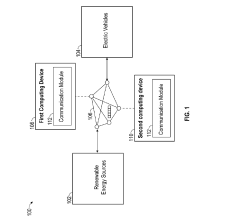
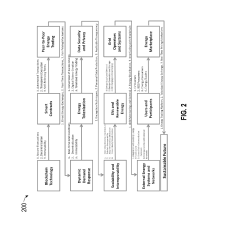
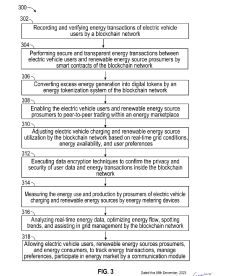
System and method for blockchain-based integration of renewable energy sources and electric vehicles
PatentPendingIN202341083301A
Innovation
- A blockchain-based system that enables decentralized energy trading through a Decentralized Energy Nexus (DEN) platform, utilizing smart contracts for secure and transparent peer-to-peer energy transfers, energy tokenization, and dynamic demand response to optimize energy flow and user participation, ensuring grid stability and equitable access to renewable energy.
Utilizing block chain and internet of things (IOT) technology for managing batteries in smart electric vehicles
PatentPendingIN202321057248A
Innovation
- A blockchain-based decentralized network for electric vehicles and charging stations that enables continuous monitoring and sharing of battery data, utilizing Ethereum for smart contracts and IOTA for feeless transactions, ensuring data immutability and confidentiality.


Regulatory Framework for Blockchain in Automotive
The regulatory framework for blockchain in automotive applications, particularly for Plug-in Hybrid Electric Vehicles (PHEVs), is evolving rapidly as governments and industry bodies recognize the potential of this technology. Currently, there is no unified global regulatory approach, with different jurisdictions adopting varied stances on blockchain implementation in the automotive sector.
In the United States, the National Highway Traffic Safety Administration (NHTSA) has shown interest in blockchain's potential for enhancing vehicle safety and data security. The agency is exploring how blockchain can be used to securely store and share vehicle data, including information related to PHEV charging and energy consumption. Similarly, the European Union has been proactive in developing regulations that support blockchain adoption in various sectors, including automotive.
The EU's Blockchain Strategy, launched in 2021, aims to create a harmonized approach to blockchain regulation across member states. This strategy includes provisions for the automotive industry, focusing on areas such as supply chain management, vehicle lifecycle tracking, and energy grid integration for electric vehicles, including PHEVs.
In Asia, countries like China and Japan are leading the way in blockchain adoption for automotive applications. China's Ministry of Industry and Information Technology has released guidelines for blockchain implementation in various industries, including automotive. These guidelines emphasize the use of blockchain for improving supply chain transparency, vehicle data management, and energy consumption tracking for new energy vehicles, including PHEVs.
Regulatory bodies are particularly focused on addressing key concerns related to data privacy, security, and interoperability. For PHEVs, regulations are being developed to ensure that blockchain-based systems for managing charging infrastructure, energy transactions, and vehicle-to-grid (V2G) interactions comply with existing data protection laws, such as the General Data Protection Regulation (GDPR) in Europe.
Furthermore, standardization efforts are underway to ensure interoperability between different blockchain platforms used in the automotive industry. Organizations like the International Organization for Standardization (ISO) and the Society of Automotive Engineers (SAE) are working on developing standards for blockchain implementation in automotive applications, including those specific to PHEVs.
As the regulatory landscape continues to evolve, it is crucial for automotive manufacturers, technology providers, and other stakeholders to actively engage with policymakers and regulatory bodies. This collaboration will help shape regulations that foster innovation while addressing potential risks and challenges associated with blockchain technology in PHEV applications.
In the United States, the National Highway Traffic Safety Administration (NHTSA) has shown interest in blockchain's potential for enhancing vehicle safety and data security. The agency is exploring how blockchain can be used to securely store and share vehicle data, including information related to PHEV charging and energy consumption. Similarly, the European Union has been proactive in developing regulations that support blockchain adoption in various sectors, including automotive.
The EU's Blockchain Strategy, launched in 2021, aims to create a harmonized approach to blockchain regulation across member states. This strategy includes provisions for the automotive industry, focusing on areas such as supply chain management, vehicle lifecycle tracking, and energy grid integration for electric vehicles, including PHEVs.
In Asia, countries like China and Japan are leading the way in blockchain adoption for automotive applications. China's Ministry of Industry and Information Technology has released guidelines for blockchain implementation in various industries, including automotive. These guidelines emphasize the use of blockchain for improving supply chain transparency, vehicle data management, and energy consumption tracking for new energy vehicles, including PHEVs.
Regulatory bodies are particularly focused on addressing key concerns related to data privacy, security, and interoperability. For PHEVs, regulations are being developed to ensure that blockchain-based systems for managing charging infrastructure, energy transactions, and vehicle-to-grid (V2G) interactions comply with existing data protection laws, such as the General Data Protection Regulation (GDPR) in Europe.
Furthermore, standardization efforts are underway to ensure interoperability between different blockchain platforms used in the automotive industry. Organizations like the International Organization for Standardization (ISO) and the Society of Automotive Engineers (SAE) are working on developing standards for blockchain implementation in automotive applications, including those specific to PHEVs.
As the regulatory landscape continues to evolve, it is crucial for automotive manufacturers, technology providers, and other stakeholders to actively engage with policymakers and regulatory bodies. This collaboration will help shape regulations that foster innovation while addressing potential risks and challenges associated with blockchain technology in PHEV applications.
Environmental Impact of Blockchain-Enhanced PHEVs
The integration of blockchain technology with Plug-in Hybrid Electric Vehicles (PHEVs) has the potential to significantly reduce the environmental impact of transportation. By leveraging the decentralized and transparent nature of blockchain, PHEVs can optimize their energy consumption and contribute to a more sustainable transportation ecosystem.
One of the primary environmental benefits of blockchain-enhanced PHEVs is the improved efficiency in energy management. Blockchain enables real-time tracking and verification of energy consumption and generation, allowing for more accurate carbon footprint calculations. This transparency encourages PHEV users to make environmentally conscious decisions about their driving habits and charging patterns.
Furthermore, blockchain technology facilitates the implementation of smart charging systems. These systems can automatically schedule charging during off-peak hours when renewable energy sources are more abundant, reducing reliance on fossil fuel-based electricity generation. This shift towards cleaner energy sources directly contributes to lowering greenhouse gas emissions associated with PHEV charging.
The use of blockchain in PHEVs also promotes the development of peer-to-peer energy trading networks. Excess energy generated by PHEVs can be sold back to the grid or directly to other users, creating a more distributed and resilient energy ecosystem. This not only reduces waste but also incentivizes the adoption of renewable energy sources, further decreasing the overall carbon footprint of the transportation sector.
Blockchain technology enables the creation of verifiable carbon credits for PHEV users. By accurately tracking and recording the reduction in emissions compared to traditional vehicles, these credits can be tokenized and traded on blockchain-based platforms. This system provides additional incentives for environmentally friendly driving behaviors and supports the broader goal of carbon neutrality.
Moreover, the implementation of blockchain in PHEVs can lead to more efficient supply chain management for vehicle components and batteries. This improved traceability ensures that materials are sourced responsibly and that end-of-life recycling processes are optimized, reducing the environmental impact of PHEV manufacturing and disposal.
Lastly, blockchain-enhanced PHEVs contribute to the development of smart cities and intelligent transportation systems. By securely sharing data on traffic patterns, charging station availability, and energy consumption, these vehicles help optimize urban planning and reduce overall congestion and emissions in metropolitan areas.
One of the primary environmental benefits of blockchain-enhanced PHEVs is the improved efficiency in energy management. Blockchain enables real-time tracking and verification of energy consumption and generation, allowing for more accurate carbon footprint calculations. This transparency encourages PHEV users to make environmentally conscious decisions about their driving habits and charging patterns.
Furthermore, blockchain technology facilitates the implementation of smart charging systems. These systems can automatically schedule charging during off-peak hours when renewable energy sources are more abundant, reducing reliance on fossil fuel-based electricity generation. This shift towards cleaner energy sources directly contributes to lowering greenhouse gas emissions associated with PHEV charging.
The use of blockchain in PHEVs also promotes the development of peer-to-peer energy trading networks. Excess energy generated by PHEVs can be sold back to the grid or directly to other users, creating a more distributed and resilient energy ecosystem. This not only reduces waste but also incentivizes the adoption of renewable energy sources, further decreasing the overall carbon footprint of the transportation sector.
Blockchain technology enables the creation of verifiable carbon credits for PHEV users. By accurately tracking and recording the reduction in emissions compared to traditional vehicles, these credits can be tokenized and traded on blockchain-based platforms. This system provides additional incentives for environmentally friendly driving behaviors and supports the broader goal of carbon neutrality.
Moreover, the implementation of blockchain in PHEVs can lead to more efficient supply chain management for vehicle components and batteries. This improved traceability ensures that materials are sourced responsibly and that end-of-life recycling processes are optimized, reducing the environmental impact of PHEV manufacturing and disposal.
Lastly, blockchain-enhanced PHEVs contribute to the development of smart cities and intelligent transportation systems. By securely sharing data on traffic patterns, charging station availability, and energy consumption, these vehicles help optimize urban planning and reduce overall congestion and emissions in metropolitan areas.
Unlock deeper insights with Patsnap Eureka Quick Research — get a full tech report to explore trends and direct your research. Try now!
Generate Your Research Report Instantly with AI Agent
Supercharge your innovation with Patsnap Eureka AI Agent Platform!