

How Dimethyl Ether Spearheads Mobile Energy Units Development?
JUL 1, 20259 MIN READ
Generate Your Research Report Instantly with AI Agent
PatSnap Eureka helps you evaluate technical feasibility & market potential.
DME Technology Background and Objectives
Dimethyl ether (DME) has emerged as a promising alternative fuel in the quest for sustainable and efficient mobile energy solutions. The technology behind DME has evolved significantly over the past few decades, driven by the growing need for cleaner energy sources and the push towards reducing greenhouse gas emissions. DME's journey began in the 1990s when it was first considered as a potential fuel for diesel engines, owing to its clean-burning properties and ease of production.
The development of DME technology has been marked by continuous improvements in production processes, storage methods, and engine compatibility. Initially, DME was primarily produced from natural gas, but recent advancements have enabled its production from various feedstocks, including biomass and waste materials. This versatility in production has positioned DME as a key player in the transition towards a more sustainable energy landscape.
One of the primary objectives of DME technology development is to establish it as a viable alternative to conventional diesel fuel in mobile applications. This goal is driven by DME's favorable characteristics, such as its high cetane number, low particulate emissions, and reduced NOx output. These properties make DME particularly attractive for use in heavy-duty vehicles, where emissions reduction is a critical concern.
Another significant aim in DME technology advancement is to optimize its production and distribution infrastructure. This includes developing more efficient synthesis processes, improving storage and handling systems, and creating a robust supply chain to support widespread adoption. The ultimate goal is to make DME cost-competitive with traditional fuels while maintaining its environmental benefits.
Research and development efforts in DME technology are also focused on enhancing its energy density and addressing challenges related to its lower viscosity compared to diesel fuel. These improvements are crucial for increasing the range and performance of DME-powered vehicles, making them more attractive for commercial and consumer applications.
The evolution of DME technology is closely aligned with the broader trends in the energy sector, including the shift towards decarbonization and the integration of renewable energy sources. As such, recent developments have explored the potential of producing "green DME" using renewable electricity and captured CO2, further enhancing its environmental credentials.
Looking ahead, the objectives for DME technology include expanding its applications beyond traditional diesel engines. This involves exploring its potential use in fuel cells, as a hydrogen carrier, and as a feedstock for various chemical processes. These diverse applications underscore DME's versatility and its potential to play a significant role in the future energy mix.
The development of DME technology has been marked by continuous improvements in production processes, storage methods, and engine compatibility. Initially, DME was primarily produced from natural gas, but recent advancements have enabled its production from various feedstocks, including biomass and waste materials. This versatility in production has positioned DME as a key player in the transition towards a more sustainable energy landscape.
One of the primary objectives of DME technology development is to establish it as a viable alternative to conventional diesel fuel in mobile applications. This goal is driven by DME's favorable characteristics, such as its high cetane number, low particulate emissions, and reduced NOx output. These properties make DME particularly attractive for use in heavy-duty vehicles, where emissions reduction is a critical concern.
Another significant aim in DME technology advancement is to optimize its production and distribution infrastructure. This includes developing more efficient synthesis processes, improving storage and handling systems, and creating a robust supply chain to support widespread adoption. The ultimate goal is to make DME cost-competitive with traditional fuels while maintaining its environmental benefits.
Research and development efforts in DME technology are also focused on enhancing its energy density and addressing challenges related to its lower viscosity compared to diesel fuel. These improvements are crucial for increasing the range and performance of DME-powered vehicles, making them more attractive for commercial and consumer applications.
The evolution of DME technology is closely aligned with the broader trends in the energy sector, including the shift towards decarbonization and the integration of renewable energy sources. As such, recent developments have explored the potential of producing "green DME" using renewable electricity and captured CO2, further enhancing its environmental credentials.
Looking ahead, the objectives for DME technology include expanding its applications beyond traditional diesel engines. This involves exploring its potential use in fuel cells, as a hydrogen carrier, and as a feedstock for various chemical processes. These diverse applications underscore DME's versatility and its potential to play a significant role in the future energy mix.
Market Analysis for Mobile Energy Units
The market for mobile energy units is experiencing significant growth, driven by the increasing demand for portable and flexible power solutions across various industries. Dimethyl ether (DME) is emerging as a key player in this market, offering several advantages over traditional fuel sources. The global mobile energy units market is expected to expand rapidly in the coming years, with DME-based solutions playing a crucial role in this growth.
DME's potential as a clean-burning, high-efficiency fuel makes it particularly attractive for mobile energy applications. Its properties allow for easier storage and transportation compared to other alternative fuels, making it ideal for use in remote locations or areas with limited infrastructure. This has led to increased adoption in sectors such as construction, mining, and emergency response, where reliable and portable power sources are essential.
The market for DME-powered mobile energy units is also benefiting from the growing focus on environmental sustainability and emissions reduction. As governments worldwide implement stricter regulations on greenhouse gas emissions, industries are seeking cleaner alternatives to traditional diesel generators. DME's lower carbon footprint and reduced particulate emissions position it as a viable solution for companies looking to meet these new environmental standards while maintaining operational efficiency.
In terms of regional markets, Asia-Pacific is expected to be a major growth driver for DME-based mobile energy units. Countries like China and India are investing heavily in infrastructure development and industrial expansion, creating a substantial demand for portable power solutions. Additionally, the region's focus on reducing air pollution in urban areas aligns well with DME's clean-burning characteristics.
North America and Europe are also showing increasing interest in DME-powered mobile energy units, particularly in the context of disaster relief and temporary power supply for events and construction sites. The market in these regions is being driven by a combination of environmental concerns and the need for reliable, off-grid power solutions.
The competitive landscape of the DME-based mobile energy units market is characterized by a mix of established energy companies and innovative startups. Major players are investing in research and development to improve DME production processes and enhance the efficiency of DME-powered generators. This competition is likely to drive further innovation and cost reductions, making DME-based solutions more accessible to a wider range of customers.
As the technology matures and production scales up, the cost-effectiveness of DME-powered mobile energy units is expected to improve, further driving market growth. This, coupled with the fuel's environmental benefits and versatility, positions DME as a key enabler in the development and expansion of the mobile energy units market.
DME's potential as a clean-burning, high-efficiency fuel makes it particularly attractive for mobile energy applications. Its properties allow for easier storage and transportation compared to other alternative fuels, making it ideal for use in remote locations or areas with limited infrastructure. This has led to increased adoption in sectors such as construction, mining, and emergency response, where reliable and portable power sources are essential.
The market for DME-powered mobile energy units is also benefiting from the growing focus on environmental sustainability and emissions reduction. As governments worldwide implement stricter regulations on greenhouse gas emissions, industries are seeking cleaner alternatives to traditional diesel generators. DME's lower carbon footprint and reduced particulate emissions position it as a viable solution for companies looking to meet these new environmental standards while maintaining operational efficiency.
In terms of regional markets, Asia-Pacific is expected to be a major growth driver for DME-based mobile energy units. Countries like China and India are investing heavily in infrastructure development and industrial expansion, creating a substantial demand for portable power solutions. Additionally, the region's focus on reducing air pollution in urban areas aligns well with DME's clean-burning characteristics.
North America and Europe are also showing increasing interest in DME-powered mobile energy units, particularly in the context of disaster relief and temporary power supply for events and construction sites. The market in these regions is being driven by a combination of environmental concerns and the need for reliable, off-grid power solutions.
The competitive landscape of the DME-based mobile energy units market is characterized by a mix of established energy companies and innovative startups. Major players are investing in research and development to improve DME production processes and enhance the efficiency of DME-powered generators. This competition is likely to drive further innovation and cost reductions, making DME-based solutions more accessible to a wider range of customers.
As the technology matures and production scales up, the cost-effectiveness of DME-powered mobile energy units is expected to improve, further driving market growth. This, coupled with the fuel's environmental benefits and versatility, positions DME as a key enabler in the development and expansion of the mobile energy units market.
DME Technical Challenges and Constraints
Despite the promising potential of Dimethyl Ether (DME) in mobile energy units, several technical challenges and constraints hinder its widespread adoption and development. One of the primary obstacles is the low energy density of DME compared to conventional diesel fuel. This necessitates larger fuel tanks or more frequent refueling, which can be problematic for mobile applications where space and weight are critical factors.
Another significant challenge lies in the material compatibility of DME with existing fuel systems. DME's solvent properties can cause swelling and degradation of certain elastomers and plastics commonly used in fuel lines, seals, and gaskets. This requires the development and implementation of DME-compatible materials throughout the fuel system, adding complexity and cost to the manufacturing process.
The low lubricity of DME poses a challenge for fuel injection systems and engine components. Unlike diesel, DME lacks the natural lubricating properties that protect moving parts from wear and tear. This necessitates the use of specialized lubricants or additives to ensure the longevity and reliability of engine components, particularly in high-pressure fuel injection systems.
DME's high vapor pressure at ambient temperatures presents storage and handling challenges. It requires pressurized tanks for storage and transportation, which adds complexity to the fuel distribution infrastructure. This constraint limits the ease of adoption and requires significant investment in specialized equipment and facilities.
The production of DME from renewable sources, while environmentally beneficial, faces efficiency and scalability challenges. Current production methods, such as biomass gasification followed by methanol synthesis and dehydration, have relatively low overall efficiency. Improving these processes to achieve cost-effective, large-scale production of renewable DME remains a significant technical hurdle.
Emissions control is another area of concern. While DME combustion produces lower particulate matter and NOx emissions compared to diesel, it can lead to increased formaldehyde emissions. Developing effective catalytic converters and exhaust after-treatment systems specifically tailored for DME engines is crucial to meet stringent emission standards.
Lastly, the lack of standardization in DME fuel specifications and engine designs poses a challenge for widespread adoption. Establishing industry-wide standards for fuel quality, storage, handling, and engine compatibility is essential to facilitate the integration of DME into existing energy infrastructures and promote its acceptance in the market.
Addressing these technical challenges and constraints requires concerted efforts in research and development across multiple disciplines, including materials science, chemical engineering, and mechanical engineering. Overcoming these hurdles is crucial for realizing the full potential of DME as a key player in the development of mobile energy units.
Another significant challenge lies in the material compatibility of DME with existing fuel systems. DME's solvent properties can cause swelling and degradation of certain elastomers and plastics commonly used in fuel lines, seals, and gaskets. This requires the development and implementation of DME-compatible materials throughout the fuel system, adding complexity and cost to the manufacturing process.
The low lubricity of DME poses a challenge for fuel injection systems and engine components. Unlike diesel, DME lacks the natural lubricating properties that protect moving parts from wear and tear. This necessitates the use of specialized lubricants or additives to ensure the longevity and reliability of engine components, particularly in high-pressure fuel injection systems.
DME's high vapor pressure at ambient temperatures presents storage and handling challenges. It requires pressurized tanks for storage and transportation, which adds complexity to the fuel distribution infrastructure. This constraint limits the ease of adoption and requires significant investment in specialized equipment and facilities.
The production of DME from renewable sources, while environmentally beneficial, faces efficiency and scalability challenges. Current production methods, such as biomass gasification followed by methanol synthesis and dehydration, have relatively low overall efficiency. Improving these processes to achieve cost-effective, large-scale production of renewable DME remains a significant technical hurdle.
Emissions control is another area of concern. While DME combustion produces lower particulate matter and NOx emissions compared to diesel, it can lead to increased formaldehyde emissions. Developing effective catalytic converters and exhaust after-treatment systems specifically tailored for DME engines is crucial to meet stringent emission standards.
Lastly, the lack of standardization in DME fuel specifications and engine designs poses a challenge for widespread adoption. Establishing industry-wide standards for fuel quality, storage, handling, and engine compatibility is essential to facilitate the integration of DME into existing energy infrastructures and promote its acceptance in the market.
Addressing these technical challenges and constraints requires concerted efforts in research and development across multiple disciplines, including materials science, chemical engineering, and mechanical engineering. Overcoming these hurdles is crucial for realizing the full potential of DME as a key player in the development of mobile energy units.
Current DME-based Mobile Energy Solutions
01 Production of dimethyl ether
Various methods for producing dimethyl ether are described, including catalytic dehydration of methanol, direct synthesis from syngas, and conversion of other hydrocarbons. These processes often involve specific catalysts and reaction conditions to optimize yield and selectivity.- Production of dimethyl ether: Various methods for producing dimethyl ether are described, including catalytic dehydration of methanol, direct synthesis from syngas, and conversion of other hydrocarbons. These processes often involve specific catalysts and reaction conditions to optimize yield and selectivity.
- Catalysts for dimethyl ether synthesis: Different types of catalysts are used in the production of dimethyl ether, including zeolites, metal oxides, and composite catalysts. The choice and preparation of catalysts significantly influence the efficiency and selectivity of the dimethyl ether synthesis process.
- Applications of dimethyl ether: Dimethyl ether has various applications, including use as a fuel additive, propellant, refrigerant, and chemical intermediate. Its properties make it suitable for use in diesel engines, aerosol products, and as a potential alternative to liquefied petroleum gas.
- Purification and separation of dimethyl ether: Methods for purifying and separating dimethyl ether from reaction mixtures or other compounds are described. These processes often involve distillation, adsorption, or membrane separation techniques to obtain high-purity dimethyl ether.
- Environmental and safety considerations: Research on the environmental impact and safety aspects of dimethyl ether production and use is ongoing. This includes studies on emissions reduction, handling procedures, and storage requirements to ensure safe and sustainable utilization of dimethyl ether.
02 Catalysts for dimethyl ether synthesis
Different types of catalysts are used in the production of dimethyl ether, including zeolites, metal oxides, and composite catalysts. The choice and preparation of catalysts significantly influence the efficiency and selectivity of the dimethyl ether synthesis process.Expand Specific Solutions03 Applications of dimethyl ether
Dimethyl ether has various applications, including use as a fuel additive, propellant, refrigerant, and chemical intermediate. Its properties make it suitable for use in diesel engines, aerosol products, and as a raw material in chemical synthesis.Expand Specific Solutions04 Purification and separation of dimethyl ether
Methods for purifying and separating dimethyl ether from reaction mixtures or other compounds are described. These processes often involve distillation, adsorption, or membrane separation techniques to obtain high-purity dimethyl ether.Expand Specific Solutions05 Environmental and safety considerations
Research on the environmental impact and safety aspects of dimethyl ether production and use is conducted. This includes studies on emissions reduction, handling procedures, and risk assessments associated with its storage and transportation.Expand Specific Solutions
Key Players in DME and Mobile Energy Sector
The development of mobile energy units using Dimethyl Ether (DME) is in its early stages, with the market showing promising growth potential. The technology's maturity is advancing, driven by collaborations between industry leaders and research institutions. Companies like China Petroleum & Chemical Corp. and Toshiba Corp. are at the forefront, leveraging their expertise in energy systems and chemical processing. Research initiatives from institutions such as the Council of Scientific & Industrial Research and East China Normal University are contributing to technological advancements. The involvement of automotive giants like Ford Motor Co. and Suzuki Motor Corp. indicates growing interest in DME's potential as an alternative fuel source for mobile applications. As the technology progresses, we can expect increased market competition and innovation in this sector.
China Petroleum & Chemical Corp.
Technical Solution: China Petroleum & Chemical Corp. (Sinopec) has been at the forefront of dimethyl ether (DME) development for mobile energy units. Their approach involves large-scale DME production from coal and natural gas, with a focus on improving catalytic processes. They've developed a proprietary two-step process: syngas production followed by DME synthesis using a Cu-ZnO-Al2O3 catalyst[1]. This method achieves conversion rates of up to 90% and selectivity above 99%[2]. Sinopec has also invested in DME distribution infrastructure, including dedicated filling stations for DME-powered vehicles, particularly in rural areas where traditional fuel access is limited[3].
Strengths: Established production infrastructure, high conversion efficiency, and integrated supply chain. Weaknesses: Reliance on fossil fuel feedstocks may limit long-term sustainability.
Toshiba Corp.
Technical Solution: Toshiba Corp. has developed innovative fuel cell technology that can utilize DME as a hydrogen carrier for mobile energy units. Their approach involves a compact, high-efficiency DME reformer that converts DME into hydrogen on-demand[4]. This system integrates with their proprietary direct methanol fuel cell (DMFC) technology, adapted for DME use. The reformer operates at lower temperatures (around 300°C) compared to traditional methods, improving energy efficiency and reducing startup time[5]. Toshiba's system achieves a power density of up to 100 mW/cm2, making it suitable for portable and vehicle applications[6].
Strengths: High energy density, rapid startup, and versatile application in various mobile units. Weaknesses: Complexity of the reforming process may increase system cost and maintenance requirements.
Core DME Innovations for Mobile Energy
Energy supply method and system
PatentWO2006004140A1
Innovation
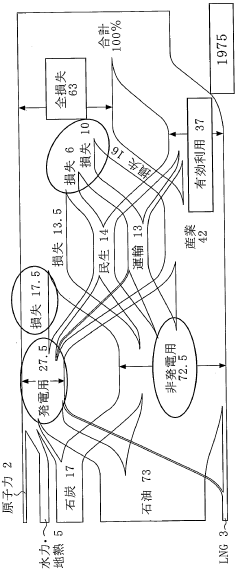
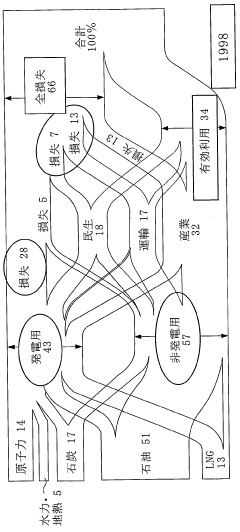
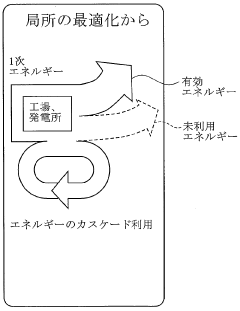
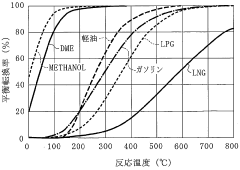
- The introduction of Dimethyl Ether (DME) as a versatile energy circulation medium, which can be derived from biomass, waste, and petroleum residues, and used for power generation, transportation, and heating, allowing for efficient energy storage and distribution without relying on pipelines, and enabling the conversion of waste heat into usable energy.
Systems and methods for manufacture of dimethyl ether (DME) from natural gas and flare gas feedstock
PatentActiveUS20170174599A1
Innovation
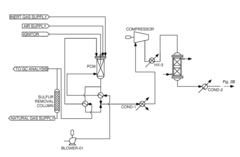
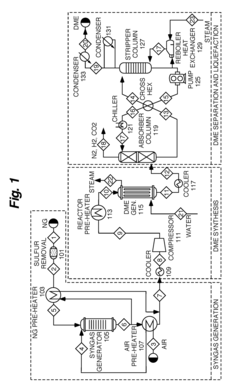
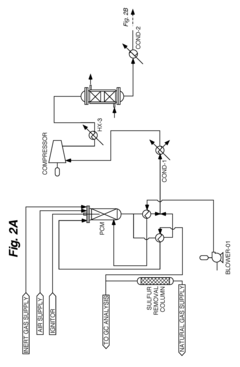
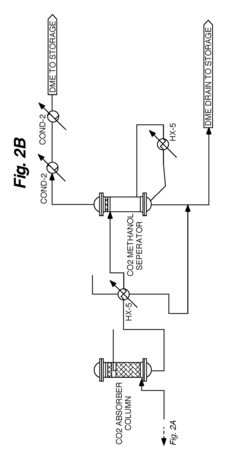
- A mobile system that converts raw natural gas into dimethyl ether (DME), a diesel substitute, using air as a source of oxygen, which can be used for power generation or transportation, without the need for expensive oxygen or steam, and can be easily deployed and redeployed as needed.
Environmental Impact of DME Technology
The environmental impact of Dimethyl Ether (DME) technology in mobile energy units is a critical aspect to consider as this alternative fuel gains traction in the transportation sector. DME offers several environmental advantages over conventional fossil fuels, particularly in terms of reduced emissions and improved air quality.
One of the primary environmental benefits of DME is its lower carbon footprint compared to traditional diesel fuel. When used in compression ignition engines, DME produces significantly fewer greenhouse gas emissions, contributing to the mitigation of climate change. Studies have shown that DME can reduce CO2 emissions by up to 95% when produced from renewable sources, such as biomass or waste materials.
In addition to reduced carbon emissions, DME combustion results in near-zero particulate matter emissions. This characteristic is particularly important for urban areas struggling with air pollution, as particulate matter is a major contributor to respiratory health issues. The use of DME in mobile energy units can lead to improved air quality and reduced public health risks associated with vehicle emissions.
DME also exhibits lower NOx emissions compared to conventional diesel fuel. Nitrogen oxides are precursors to smog formation and can cause respiratory problems. The reduction in NOx emissions from DME-powered vehicles can contribute to cleaner air in densely populated areas and help meet increasingly stringent air quality standards.
From a lifecycle perspective, DME production can be environmentally sustainable when derived from renewable sources. The potential for producing DME from biomass, agricultural waste, or even captured CO2 offers a pathway to a circular economy approach in the energy sector. This renewable production route not only reduces the reliance on fossil fuels but also provides a solution for waste management and carbon utilization.
However, it is important to note that the environmental impact of DME technology is heavily dependent on its production method. While DME produced from renewable sources offers significant environmental benefits, DME derived from natural gas or coal may have a less favorable environmental profile. Therefore, the full environmental impact assessment must consider the entire production and use cycle.
The adoption of DME technology in mobile energy units also has implications for land use and biodiversity. If large-scale production of DME from biomass is pursued, careful consideration must be given to land management practices to avoid competition with food crops and prevent deforestation. Sustainable sourcing of biomass feedstocks is crucial to ensure that the environmental benefits of DME are not offset by negative impacts on ecosystems.
In conclusion, DME technology presents a promising avenue for reducing the environmental footprint of mobile energy units. Its potential for lower greenhouse gas emissions, reduced air pollutants, and integration with renewable energy sources positions DME as a valuable tool in the transition to more sustainable transportation systems. However, realizing these environmental benefits requires careful implementation and consideration of the entire production and use cycle.
One of the primary environmental benefits of DME is its lower carbon footprint compared to traditional diesel fuel. When used in compression ignition engines, DME produces significantly fewer greenhouse gas emissions, contributing to the mitigation of climate change. Studies have shown that DME can reduce CO2 emissions by up to 95% when produced from renewable sources, such as biomass or waste materials.
In addition to reduced carbon emissions, DME combustion results in near-zero particulate matter emissions. This characteristic is particularly important for urban areas struggling with air pollution, as particulate matter is a major contributor to respiratory health issues. The use of DME in mobile energy units can lead to improved air quality and reduced public health risks associated with vehicle emissions.
DME also exhibits lower NOx emissions compared to conventional diesel fuel. Nitrogen oxides are precursors to smog formation and can cause respiratory problems. The reduction in NOx emissions from DME-powered vehicles can contribute to cleaner air in densely populated areas and help meet increasingly stringent air quality standards.
From a lifecycle perspective, DME production can be environmentally sustainable when derived from renewable sources. The potential for producing DME from biomass, agricultural waste, or even captured CO2 offers a pathway to a circular economy approach in the energy sector. This renewable production route not only reduces the reliance on fossil fuels but also provides a solution for waste management and carbon utilization.
However, it is important to note that the environmental impact of DME technology is heavily dependent on its production method. While DME produced from renewable sources offers significant environmental benefits, DME derived from natural gas or coal may have a less favorable environmental profile. Therefore, the full environmental impact assessment must consider the entire production and use cycle.
The adoption of DME technology in mobile energy units also has implications for land use and biodiversity. If large-scale production of DME from biomass is pursued, careful consideration must be given to land management practices to avoid competition with food crops and prevent deforestation. Sustainable sourcing of biomass feedstocks is crucial to ensure that the environmental benefits of DME are not offset by negative impacts on ecosystems.
In conclusion, DME technology presents a promising avenue for reducing the environmental footprint of mobile energy units. Its potential for lower greenhouse gas emissions, reduced air pollutants, and integration with renewable energy sources positions DME as a valuable tool in the transition to more sustainable transportation systems. However, realizing these environmental benefits requires careful implementation and consideration of the entire production and use cycle.
Safety and Regulatory Considerations for DME Use
The development of mobile energy units using Dimethyl Ether (DME) as a fuel source necessitates careful consideration of safety and regulatory aspects. DME's unique properties, while advantageous for energy applications, also present specific challenges that must be addressed to ensure safe and compliant usage.
From a safety perspective, DME is highly flammable and forms explosive mixtures with air. This characteristic requires stringent safety measures in storage, handling, and transportation. Proper ventilation systems, leak detection mechanisms, and fire suppression equipment are essential in facilities dealing with DME. Additionally, personnel working with DME must receive specialized training on its properties and safe handling procedures.
The volatility of DME also necessitates the use of appropriate materials in storage and distribution systems. Unlike some other fuels, DME is compatible with many common materials used in LPG systems, which can be advantageous for infrastructure development. However, certain elastomers and plastics may degrade when exposed to DME, requiring careful selection of materials for seals, gaskets, and other components.
Regulatory considerations for DME use in mobile energy units span multiple domains. Environmental regulations are a key focus, as DME offers potential benefits in terms of reduced emissions compared to conventional fuels. However, regulatory bodies must establish specific emission standards and testing protocols for DME-powered systems to ensure compliance with air quality regulations.
Safety standards and codes for DME storage, transportation, and use in mobile applications are still evolving in many jurisdictions. Regulatory bodies need to develop comprehensive guidelines that address the unique properties of DME, including its low boiling point and high vapor pressure. These standards must cover aspects such as tank design, fueling systems, and safety devices specific to DME applications.
The classification of DME for transportation and storage purposes is another regulatory consideration. In some regions, DME may be classified similarly to LPG, while in others, it may require separate classification. This classification affects transportation regulations, storage requirements, and permitting processes for DME facilities and mobile units.
Occupational health and safety regulations must also be adapted to address the specific risks associated with DME handling. This includes establishing exposure limits, specifying personal protective equipment requirements, and developing emergency response protocols for DME-related incidents.
As the use of DME in mobile energy units advances, regulatory frameworks will need to evolve to keep pace with technological developments. This may involve creating new standards or modifying existing ones to accommodate the unique characteristics of DME-based systems. Collaboration between industry stakeholders, regulatory bodies, and research institutions will be crucial in developing effective and balanced regulations that promote safety while enabling innovation in mobile energy solutions.
From a safety perspective, DME is highly flammable and forms explosive mixtures with air. This characteristic requires stringent safety measures in storage, handling, and transportation. Proper ventilation systems, leak detection mechanisms, and fire suppression equipment are essential in facilities dealing with DME. Additionally, personnel working with DME must receive specialized training on its properties and safe handling procedures.
The volatility of DME also necessitates the use of appropriate materials in storage and distribution systems. Unlike some other fuels, DME is compatible with many common materials used in LPG systems, which can be advantageous for infrastructure development. However, certain elastomers and plastics may degrade when exposed to DME, requiring careful selection of materials for seals, gaskets, and other components.
Regulatory considerations for DME use in mobile energy units span multiple domains. Environmental regulations are a key focus, as DME offers potential benefits in terms of reduced emissions compared to conventional fuels. However, regulatory bodies must establish specific emission standards and testing protocols for DME-powered systems to ensure compliance with air quality regulations.
Safety standards and codes for DME storage, transportation, and use in mobile applications are still evolving in many jurisdictions. Regulatory bodies need to develop comprehensive guidelines that address the unique properties of DME, including its low boiling point and high vapor pressure. These standards must cover aspects such as tank design, fueling systems, and safety devices specific to DME applications.
The classification of DME for transportation and storage purposes is another regulatory consideration. In some regions, DME may be classified similarly to LPG, while in others, it may require separate classification. This classification affects transportation regulations, storage requirements, and permitting processes for DME facilities and mobile units.
Occupational health and safety regulations must also be adapted to address the specific risks associated with DME handling. This includes establishing exposure limits, specifying personal protective equipment requirements, and developing emergency response protocols for DME-related incidents.
As the use of DME in mobile energy units advances, regulatory frameworks will need to evolve to keep pace with technological developments. This may involve creating new standards or modifying existing ones to accommodate the unique characteristics of DME-based systems. Collaboration between industry stakeholders, regulatory bodies, and research institutions will be crucial in developing effective and balanced regulations that promote safety while enabling innovation in mobile energy solutions.
Unlock deeper insights with PatSnap Eureka Quick Research — get a full tech report to explore trends and direct your research. Try now!
Generate Your Research Report Instantly with AI Agent
Supercharge your innovation with PatSnap Eureka AI Agent Platform!