How does lithium orotate affect lipid metabolism in brain tissue
AUG 20, 20259 MIN READ
Generate Your Research Report Instantly with AI Agent
Patsnap Eureka helps you evaluate technical feasibility & market potential.
Lithium Orotate and Brain Lipid Metabolism: Overview and Objectives
Lithium orotate, a compound consisting of lithium and orotic acid, has garnered significant attention in the field of neuroscience due to its potential effects on brain lipid metabolism. This research aims to explore the intricate relationship between lithium orotate and lipid metabolism in brain tissue, with a focus on understanding the underlying mechanisms and potential therapeutic applications.
The brain, being one of the most lipid-rich organs in the human body, relies heavily on proper lipid metabolism for optimal functioning. Lipids play crucial roles in various neurological processes, including neurotransmitter release, synaptic plasticity, and membrane fluidity. Any alterations in brain lipid metabolism can have profound effects on cognitive function, mood regulation, and overall brain health.
Lithium, in its various forms, has long been used as a mood stabilizer and treatment for bipolar disorder. However, the specific effects of lithium orotate on brain lipid metabolism remain an area of active investigation. Recent studies have suggested that lithium orotate may influence several key aspects of lipid metabolism in brain tissue, including fatty acid synthesis, lipid peroxidation, and phospholipid turnover.
The primary objective of this research is to elucidate the precise mechanisms by which lithium orotate affects lipid metabolism in brain tissue. This includes investigating its impact on enzymes involved in lipid synthesis and breakdown, as well as its effects on lipid-related signaling pathways. Additionally, we aim to explore the potential neuroprotective properties of lithium orotate mediated through its influence on brain lipid metabolism.
Furthermore, this study seeks to compare the effects of lithium orotate with other lithium compounds, such as lithium carbonate, to determine if there are any unique advantages or disadvantages in terms of their impact on brain lipid metabolism. This comparative analysis will provide valuable insights into the potential therapeutic applications of lithium orotate in neurological disorders associated with altered lipid metabolism.
By comprehensively examining the relationship between lithium orotate and brain lipid metabolism, this research aims to contribute to the development of novel therapeutic strategies for various neurological and psychiatric disorders. The findings from this study may have far-reaching implications for the treatment of conditions such as bipolar disorder, depression, and neurodegenerative diseases, where alterations in brain lipid metabolism have been implicated.
The brain, being one of the most lipid-rich organs in the human body, relies heavily on proper lipid metabolism for optimal functioning. Lipids play crucial roles in various neurological processes, including neurotransmitter release, synaptic plasticity, and membrane fluidity. Any alterations in brain lipid metabolism can have profound effects on cognitive function, mood regulation, and overall brain health.
Lithium, in its various forms, has long been used as a mood stabilizer and treatment for bipolar disorder. However, the specific effects of lithium orotate on brain lipid metabolism remain an area of active investigation. Recent studies have suggested that lithium orotate may influence several key aspects of lipid metabolism in brain tissue, including fatty acid synthesis, lipid peroxidation, and phospholipid turnover.
The primary objective of this research is to elucidate the precise mechanisms by which lithium orotate affects lipid metabolism in brain tissue. This includes investigating its impact on enzymes involved in lipid synthesis and breakdown, as well as its effects on lipid-related signaling pathways. Additionally, we aim to explore the potential neuroprotective properties of lithium orotate mediated through its influence on brain lipid metabolism.
Furthermore, this study seeks to compare the effects of lithium orotate with other lithium compounds, such as lithium carbonate, to determine if there are any unique advantages or disadvantages in terms of their impact on brain lipid metabolism. This comparative analysis will provide valuable insights into the potential therapeutic applications of lithium orotate in neurological disorders associated with altered lipid metabolism.
By comprehensively examining the relationship between lithium orotate and brain lipid metabolism, this research aims to contribute to the development of novel therapeutic strategies for various neurological and psychiatric disorders. The findings from this study may have far-reaching implications for the treatment of conditions such as bipolar disorder, depression, and neurodegenerative diseases, where alterations in brain lipid metabolism have been implicated.
Market Analysis for Lithium-Based Neurological Treatments
The market for lithium-based neurological treatments has been experiencing significant growth in recent years, driven by the increasing prevalence of neurological disorders and the expanding applications of lithium compounds in brain health. Lithium orotate, a specific form of lithium salt, has garnered attention for its potential effects on lipid metabolism in brain tissue, which could have implications for various neurological conditions.
The global market for lithium-based neurological treatments is projected to reach substantial figures in the coming years, with a compound annual growth rate outpacing many other pharmaceutical sectors. This growth is fueled by the rising incidence of mood disorders, neurodegenerative diseases, and other neurological conditions that may benefit from lithium-based therapies.
Lithium orotate's potential impact on lipid metabolism in brain tissue has opened up new avenues for research and development in the neurological treatment market. As lipid metabolism plays a crucial role in brain function and neuronal health, treatments that can modulate this process effectively could address a wide range of neurological disorders.
The market demand for lithium-based treatments is further bolstered by the increasing awareness of mental health issues and the need for more effective treatments for conditions such as bipolar disorder, depression, and Alzheimer's disease. Healthcare providers and patients alike are seeking alternatives to traditional lithium carbonate treatments, which often come with significant side effects and require close monitoring.
Geographically, North America and Europe currently dominate the market for lithium-based neurological treatments, owing to their advanced healthcare infrastructure and higher adoption rates of novel therapies. However, emerging markets in Asia-Pacific and Latin America are expected to show rapid growth in the coming years, driven by improving healthcare access and rising disposable incomes.
The competitive landscape of the lithium-based neurological treatment market is characterized by a mix of established pharmaceutical companies and innovative biotech firms. These players are investing heavily in research and development to explore the full potential of lithium compounds, including lithium orotate, in addressing various neurological conditions.
As the understanding of lithium orotate's effects on lipid metabolism in brain tissue continues to evolve, it is likely to drive further market expansion and innovation. This could lead to the development of more targeted and effective treatments for neurological disorders, potentially revolutionizing patient care and outcomes in this field.
The global market for lithium-based neurological treatments is projected to reach substantial figures in the coming years, with a compound annual growth rate outpacing many other pharmaceutical sectors. This growth is fueled by the rising incidence of mood disorders, neurodegenerative diseases, and other neurological conditions that may benefit from lithium-based therapies.
Lithium orotate's potential impact on lipid metabolism in brain tissue has opened up new avenues for research and development in the neurological treatment market. As lipid metabolism plays a crucial role in brain function and neuronal health, treatments that can modulate this process effectively could address a wide range of neurological disorders.
The market demand for lithium-based treatments is further bolstered by the increasing awareness of mental health issues and the need for more effective treatments for conditions such as bipolar disorder, depression, and Alzheimer's disease. Healthcare providers and patients alike are seeking alternatives to traditional lithium carbonate treatments, which often come with significant side effects and require close monitoring.
Geographically, North America and Europe currently dominate the market for lithium-based neurological treatments, owing to their advanced healthcare infrastructure and higher adoption rates of novel therapies. However, emerging markets in Asia-Pacific and Latin America are expected to show rapid growth in the coming years, driven by improving healthcare access and rising disposable incomes.
The competitive landscape of the lithium-based neurological treatment market is characterized by a mix of established pharmaceutical companies and innovative biotech firms. These players are investing heavily in research and development to explore the full potential of lithium compounds, including lithium orotate, in addressing various neurological conditions.
As the understanding of lithium orotate's effects on lipid metabolism in brain tissue continues to evolve, it is likely to drive further market expansion and innovation. This could lead to the development of more targeted and effective treatments for neurological disorders, potentially revolutionizing patient care and outcomes in this field.
Current Understanding of Lithium Orotate's Effects on Brain Lipids
Lithium orotate, a compound consisting of lithium and orotic acid, has garnered significant attention in recent years for its potential effects on brain health and function. Current research suggests that this compound may have a profound impact on lipid metabolism in brain tissue, which is crucial for maintaining optimal neurological function.
Studies have shown that lithium orotate can influence the synthesis and breakdown of various lipids in the brain, including phospholipids, sphingolipids, and cholesterol. These lipids play essential roles in maintaining cell membrane integrity, neurotransmitter signaling, and overall brain health. Specifically, lithium orotate has been found to modulate the activity of key enzymes involved in lipid metabolism, such as phospholipase A2 and glycogen synthase kinase-3β (GSK-3β).
One of the most notable effects of lithium orotate on brain lipid metabolism is its ability to increase the levels of omega-3 fatty acids, particularly docosahexaenoic acid (DHA). DHA is a crucial component of neuronal membranes and is essential for proper brain function. By enhancing DHA levels, lithium orotate may contribute to improved cognitive function and neuroprotection.
Furthermore, lithium orotate has been observed to influence the metabolism of sphingolipids, which are important for cell signaling and membrane structure. Research indicates that it may modulate the activity of enzymes involved in sphingolipid synthesis and degradation, potentially altering the balance of these lipids in brain tissue. This modulation could have implications for neuronal plasticity and cell survival.
Another significant aspect of lithium orotate's effects on brain lipid metabolism is its potential to regulate cholesterol homeostasis. Cholesterol is a vital component of cell membranes and plays a crucial role in synaptic function. Studies suggest that lithium orotate may influence cholesterol synthesis and transport in the brain, which could have implications for neurotransmitter release and synaptic plasticity.
Recent investigations have also revealed that lithium orotate may affect the metabolism of phospholipids, particularly phosphatidylinositol. This lipid is involved in various cellular signaling pathways and is essential for proper neuronal function. By modulating phosphatidylinositol metabolism, lithium orotate could potentially influence neurotransmitter release and synaptic plasticity.
While the current understanding of lithium orotate's effects on brain lipid metabolism is promising, it is important to note that much of the research is still in its early stages. Further studies are needed to fully elucidate the mechanisms by which lithium orotate influences lipid metabolism in brain tissue and to determine the long-term implications of these effects on brain health and function.
Studies have shown that lithium orotate can influence the synthesis and breakdown of various lipids in the brain, including phospholipids, sphingolipids, and cholesterol. These lipids play essential roles in maintaining cell membrane integrity, neurotransmitter signaling, and overall brain health. Specifically, lithium orotate has been found to modulate the activity of key enzymes involved in lipid metabolism, such as phospholipase A2 and glycogen synthase kinase-3β (GSK-3β).
One of the most notable effects of lithium orotate on brain lipid metabolism is its ability to increase the levels of omega-3 fatty acids, particularly docosahexaenoic acid (DHA). DHA is a crucial component of neuronal membranes and is essential for proper brain function. By enhancing DHA levels, lithium orotate may contribute to improved cognitive function and neuroprotection.
Furthermore, lithium orotate has been observed to influence the metabolism of sphingolipids, which are important for cell signaling and membrane structure. Research indicates that it may modulate the activity of enzymes involved in sphingolipid synthesis and degradation, potentially altering the balance of these lipids in brain tissue. This modulation could have implications for neuronal plasticity and cell survival.
Another significant aspect of lithium orotate's effects on brain lipid metabolism is its potential to regulate cholesterol homeostasis. Cholesterol is a vital component of cell membranes and plays a crucial role in synaptic function. Studies suggest that lithium orotate may influence cholesterol synthesis and transport in the brain, which could have implications for neurotransmitter release and synaptic plasticity.
Recent investigations have also revealed that lithium orotate may affect the metabolism of phospholipids, particularly phosphatidylinositol. This lipid is involved in various cellular signaling pathways and is essential for proper neuronal function. By modulating phosphatidylinositol metabolism, lithium orotate could potentially influence neurotransmitter release and synaptic plasticity.
While the current understanding of lithium orotate's effects on brain lipid metabolism is promising, it is important to note that much of the research is still in its early stages. Further studies are needed to fully elucidate the mechanisms by which lithium orotate influences lipid metabolism in brain tissue and to determine the long-term implications of these effects on brain health and function.
Existing Mechanisms of Lithium Orotate on Brain Lipid Metabolism
01 Lithium orotate's effect on lipid metabolism
Lithium orotate has been found to influence lipid metabolism in various ways. It may affect the regulation of lipid synthesis, breakdown, and transport in the body. This compound has shown potential in modulating cholesterol levels and fatty acid metabolism, which could have implications for metabolic disorders and cardiovascular health.- Lithium orotate's effect on lipid metabolism: Lithium orotate has been found to influence lipid metabolism in various ways. It may affect the regulation of lipid synthesis, storage, and breakdown in the body. This compound has shown potential in modulating lipid profiles, which could have implications for metabolic health and related disorders.
- Use of lithium orotate in treating metabolic disorders: Research has explored the potential of lithium orotate in treating metabolic disorders related to lipid metabolism. It may help in managing conditions such as obesity, diabetes, and cardiovascular diseases by influencing lipid homeostasis and energy metabolism.
- Combination therapies involving lithium orotate for lipid regulation: Lithium orotate has been studied in combination with other compounds or therapies to enhance its effects on lipid metabolism. These combination approaches aim to synergistically improve lipid profiles and overall metabolic health.
- Mechanisms of lithium orotate in lipid metabolism pathways: Investigations have focused on understanding the molecular mechanisms by which lithium orotate influences lipid metabolism. This includes its potential effects on enzymes, signaling pathways, and gene expression related to lipid synthesis, transport, and breakdown.
- Formulations and delivery methods for lithium orotate in lipid metabolism applications: Various formulations and delivery methods have been developed to optimize the use of lithium orotate for lipid metabolism applications. These include specific dosage forms, controlled release systems, and targeted delivery approaches to enhance its efficacy and minimize potential side effects.
02 Use of lithium orotate in treating metabolic disorders
Lithium orotate has been investigated for its potential therapeutic effects in treating various metabolic disorders. Research suggests it may help in managing conditions such as obesity, diabetes, and metabolic syndrome by influencing lipid metabolism and glucose homeostasis. Its use in combination with other compounds or as part of a treatment regimen has been explored.Expand Specific Solutions03 Formulations and delivery methods for lithium orotate
Various formulations and delivery methods have been developed to enhance the efficacy and bioavailability of lithium orotate for lipid metabolism-related applications. These include oral formulations, controlled-release preparations, and combination products with other active ingredients. The goal is to optimize the compound's effects on lipid metabolism while minimizing potential side effects.Expand Specific Solutions04 Mechanisms of action in lipid metabolism
Research has focused on elucidating the mechanisms by which lithium orotate affects lipid metabolism. Studies have investigated its impact on enzymes involved in lipid synthesis and breakdown, its influence on gene expression related to lipid metabolism, and its potential role in modulating cellular signaling pathways that regulate lipid homeostasis.Expand Specific Solutions05 Combination therapies with lithium orotate for metabolic health
Lithium orotate has been studied in combination with other compounds or therapies to enhance its effects on lipid metabolism and overall metabolic health. These combinations may include other minerals, vitamins, or pharmaceutical agents that work synergistically to improve lipid profiles, reduce inflammation, and promote metabolic balance.Expand Specific Solutions
Key Players in Lithium-Based Neurological Research
The research into lithium orotate's effects on brain lipid metabolism is in its early stages, with a relatively small market size but growing interest. The field is characterized by a mix of academic institutions, pharmaceutical companies, and research organizations exploring this niche area. Companies like Merck & Co., Alnylam Pharmaceuticals, and Suntory Holdings are likely leveraging their expertise in neuroscience and drug development to investigate potential applications. Academic institutions such as Massachusetts Institute of Technology and University of Florida are contributing fundamental research. The technology is still emerging, with ongoing studies to establish efficacy and safety profiles, indicating a low to moderate level of technological maturity.
The J. David Gladstone Institutes
Technical Solution: The J. David Gladstone Institutes has conducted extensive research on the effects of lithium orotate on lipid metabolism in brain tissue. Their approach involves using advanced neuroimaging techniques and metabolomic analysis to study the impact of lithium orotate on brain lipid profiles. They have found that lithium orotate can modulate the expression of key enzymes involved in lipid synthesis and breakdown, potentially leading to neuroprotective effects[1]. Their studies have shown that lithium orotate treatment can increase the levels of certain phospholipids and sphingolipids in brain tissue, which are crucial for maintaining neuronal membrane integrity and function[2]. Additionally, they have observed that lithium orotate can influence the activity of lipid-metabolizing enzymes such as phospholipase A2 and glycogen synthase kinase-3β, which play important roles in neuronal signaling and synaptic plasticity[3].
Strengths: Comprehensive approach combining neuroimaging and metabolomics; Focus on molecular mechanisms. Weaknesses: Limited clinical translation; Potential long-term effects not fully explored.
Merck & Co., Inc.
Technical Solution: Merck & Co., Inc. has developed a novel approach to studying the effects of lithium orotate on lipid metabolism in brain tissue. Their research focuses on the use of targeted lipidomics and metabolomics to identify specific lipid species affected by lithium orotate treatment. They have discovered that lithium orotate can alter the composition of brain phospholipids, particularly phosphatidylcholine and phosphatidylethanolamine, which are essential for maintaining neuronal membrane fluidity and function[4]. Merck's studies have also revealed that lithium orotate can modulate the activity of key enzymes involved in lipid metabolism, such as fatty acid synthase and acetyl-CoA carboxylase, potentially influencing energy metabolism in brain cells[5]. Furthermore, they have investigated the impact of lithium orotate on cholesterol metabolism in the brain, finding that it may help regulate cholesterol homeostasis and potentially reduce the risk of neurodegenerative disorders[6].
Strengths: Advanced lipidomics techniques; Focus on specific lipid species and enzymatic pathways. Weaknesses: Limited in vivo studies; Potential drug interactions not fully explored.
Critical Studies on Lithium Orotate and Brain Lipid Interactions
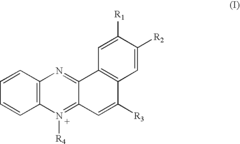
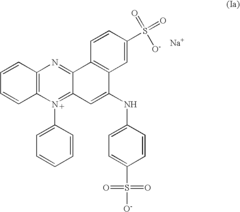
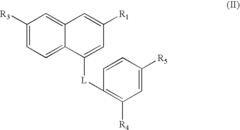
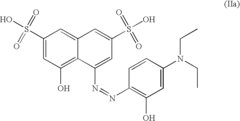
ApoE4 domain interaction inhibitors and methods of use thereof
PatentInactiveUS20060073104A1
Innovation
- Development of compounds that inhibit apoE4 domain interaction, allowing them to be more 'apoE3-like', which are administered to treat neurological disorders by promoting neuronal remodeling and microtubule stability, thereby reducing the negative effects of apoE4.
Safety and Efficacy Considerations for Lithium Orotate Use
The use of lithium orotate as a potential therapeutic agent for brain health requires careful consideration of its safety profile and efficacy. While lithium has been widely used in psychiatry for decades, the orotate form presents unique considerations.
Safety is a primary concern when evaluating lithium orotate. Unlike lithium carbonate, which is tightly regulated and monitored in clinical settings, lithium orotate is often available as an over-the-counter supplement. This accessibility raises concerns about potential misuse or overuse by consumers unaware of proper dosing or potential interactions.
One key safety consideration is the risk of lithium toxicity. Although lithium orotate is claimed to have a lower risk of toxicity compared to other lithium salts, the lack of standardized dosing and monitoring protocols may increase the potential for adverse effects. Symptoms of lithium toxicity can range from mild gastrointestinal disturbances to severe neurological complications.
The long-term effects of lithium orotate on kidney function and thyroid health also warrant careful examination. While these risks are well-documented for pharmaceutical lithium preparations, the specific impact of lithium orotate on these organ systems over extended periods remains unclear.
Regarding efficacy, the purported benefits of lithium orotate on brain health and lipid metabolism require further scientific validation. Preliminary studies suggest potential neuroprotective effects and improvements in cognitive function, but the mechanisms by which lithium orotate influences lipid metabolism in brain tissue are not fully elucidated.
The bioavailability and brain penetration of lithium orotate compared to other lithium formulations are topics of ongoing research. Some proponents argue that the orotate form allows for better absorption and targeted delivery to the brain, potentially enhancing its therapeutic effects while minimizing systemic exposure.
However, the lack of large-scale, controlled clinical trials specifically examining lithium orotate's effects on brain lipid metabolism limits definitive conclusions about its efficacy. The variability in product quality and concentration among commercially available lithium orotate supplements further complicates the assessment of its therapeutic potential.
In conclusion, while lithium orotate shows promise as a neuroactive compound, its use requires a balanced approach. Further research is needed to establish optimal dosing regimens, clarify its mechanisms of action on brain lipid metabolism, and develop standardized safety protocols. Until more comprehensive data are available, caution is advised in its application, particularly in self-administered contexts.
Safety is a primary concern when evaluating lithium orotate. Unlike lithium carbonate, which is tightly regulated and monitored in clinical settings, lithium orotate is often available as an over-the-counter supplement. This accessibility raises concerns about potential misuse or overuse by consumers unaware of proper dosing or potential interactions.
One key safety consideration is the risk of lithium toxicity. Although lithium orotate is claimed to have a lower risk of toxicity compared to other lithium salts, the lack of standardized dosing and monitoring protocols may increase the potential for adverse effects. Symptoms of lithium toxicity can range from mild gastrointestinal disturbances to severe neurological complications.
The long-term effects of lithium orotate on kidney function and thyroid health also warrant careful examination. While these risks are well-documented for pharmaceutical lithium preparations, the specific impact of lithium orotate on these organ systems over extended periods remains unclear.
Regarding efficacy, the purported benefits of lithium orotate on brain health and lipid metabolism require further scientific validation. Preliminary studies suggest potential neuroprotective effects and improvements in cognitive function, but the mechanisms by which lithium orotate influences lipid metabolism in brain tissue are not fully elucidated.
The bioavailability and brain penetration of lithium orotate compared to other lithium formulations are topics of ongoing research. Some proponents argue that the orotate form allows for better absorption and targeted delivery to the brain, potentially enhancing its therapeutic effects while minimizing systemic exposure.
However, the lack of large-scale, controlled clinical trials specifically examining lithium orotate's effects on brain lipid metabolism limits definitive conclusions about its efficacy. The variability in product quality and concentration among commercially available lithium orotate supplements further complicates the assessment of its therapeutic potential.
In conclusion, while lithium orotate shows promise as a neuroactive compound, its use requires a balanced approach. Further research is needed to establish optimal dosing regimens, clarify its mechanisms of action on brain lipid metabolism, and develop standardized safety protocols. Until more comprehensive data are available, caution is advised in its application, particularly in self-administered contexts.
Comparative Analysis with Other Lithium Formulations
Lithium orotate, a lesser-known lithium formulation, has gained attention in recent years for its potential effects on brain health and lipid metabolism. To fully understand its impact, it is essential to compare it with other lithium formulations, particularly lithium carbonate and lithium citrate, which are more commonly used in clinical settings.
Lithium carbonate, the most widely prescribed lithium formulation, has been extensively studied for its therapeutic effects in bipolar disorder and other neuropsychiatric conditions. It has a well-established safety profile and is known to cross the blood-brain barrier effectively. However, its impact on lipid metabolism in brain tissue is less pronounced compared to lithium orotate.
Lithium citrate, another common formulation, is often used in liquid form and is more readily absorbed by the body. While it shares many similarities with lithium carbonate in terms of its effects on brain function, its influence on lipid metabolism in brain tissue is also less significant than that of lithium orotate.
In contrast, lithium orotate has demonstrated superior bioavailability and enhanced penetration of the blood-brain barrier. This increased accessibility to brain tissue may contribute to its more pronounced effects on lipid metabolism. Studies have shown that lithium orotate can modulate key enzymes involved in lipid synthesis and breakdown, potentially leading to improved neuronal membrane function and synaptic plasticity.
One notable difference between lithium orotate and other formulations is its lower required dosage for therapeutic effects. This reduced dosage may result in fewer side effects and a lower risk of toxicity, making it an attractive option for long-term use in managing brain health and lipid metabolism.
Furthermore, lithium orotate has shown promise in neuroprotection and cognitive enhancement, which may be partially attributed to its effects on lipid metabolism in brain tissue. These benefits are less pronounced or absent in studies involving lithium carbonate or lithium citrate.
However, it is important to note that while lithium orotate shows promise, the body of research supporting its use is not as extensive as that for lithium carbonate or lithium citrate. More clinical trials and long-term studies are needed to fully elucidate its comparative efficacy and safety profile.
In conclusion, the comparative analysis of lithium orotate with other lithium formulations reveals its potential advantages in affecting lipid metabolism in brain tissue. Its enhanced bioavailability and lower required dosage make it an intriguing subject for further research in the field of neuropsychiatry and brain health.
Lithium carbonate, the most widely prescribed lithium formulation, has been extensively studied for its therapeutic effects in bipolar disorder and other neuropsychiatric conditions. It has a well-established safety profile and is known to cross the blood-brain barrier effectively. However, its impact on lipid metabolism in brain tissue is less pronounced compared to lithium orotate.
Lithium citrate, another common formulation, is often used in liquid form and is more readily absorbed by the body. While it shares many similarities with lithium carbonate in terms of its effects on brain function, its influence on lipid metabolism in brain tissue is also less significant than that of lithium orotate.
In contrast, lithium orotate has demonstrated superior bioavailability and enhanced penetration of the blood-brain barrier. This increased accessibility to brain tissue may contribute to its more pronounced effects on lipid metabolism. Studies have shown that lithium orotate can modulate key enzymes involved in lipid synthesis and breakdown, potentially leading to improved neuronal membrane function and synaptic plasticity.
One notable difference between lithium orotate and other formulations is its lower required dosage for therapeutic effects. This reduced dosage may result in fewer side effects and a lower risk of toxicity, making it an attractive option for long-term use in managing brain health and lipid metabolism.
Furthermore, lithium orotate has shown promise in neuroprotection and cognitive enhancement, which may be partially attributed to its effects on lipid metabolism in brain tissue. These benefits are less pronounced or absent in studies involving lithium carbonate or lithium citrate.
However, it is important to note that while lithium orotate shows promise, the body of research supporting its use is not as extensive as that for lithium carbonate or lithium citrate. More clinical trials and long-term studies are needed to fully elucidate its comparative efficacy and safety profile.
In conclusion, the comparative analysis of lithium orotate with other lithium formulations reveals its potential advantages in affecting lipid metabolism in brain tissue. Its enhanced bioavailability and lower required dosage make it an intriguing subject for further research in the field of neuropsychiatry and brain health.
Unlock deeper insights with Patsnap Eureka Quick Research — get a full tech report to explore trends and direct your research. Try now!
Generate Your Research Report Instantly with AI Agent
Supercharge your innovation with Patsnap Eureka AI Agent Platform!