

How PHEV technology supports renewable energy integration
AUG 14, 20259 MIN READ
Generate Your Research Report Instantly with AI Agent
PatSnap Eureka helps you evaluate technical feasibility & market potential.
PHEV and Renewables: Background and Objectives
Plug-in Hybrid Electric Vehicles (PHEVs) have emerged as a pivotal technology in the transition towards sustainable transportation and renewable energy integration. This convergence of automotive innovation and clean energy systems represents a significant step in addressing global climate challenges and energy security concerns. The evolution of PHEV technology has been driven by the urgent need to reduce greenhouse gas emissions and dependence on fossil fuels in the transportation sector, which accounts for a substantial portion of global energy consumption and carbon emissions.
The primary objective of integrating PHEV technology with renewable energy sources is to create a synergistic relationship that enhances the efficiency and sustainability of both systems. PHEVs, with their dual power sources - an internal combustion engine and an electric motor - offer a unique opportunity to bridge the gap between conventional vehicles and fully electric alternatives. This hybrid approach allows for the gradual transition of energy infrastructure while providing immediate benefits in terms of reduced emissions and increased energy efficiency.
From a renewable energy perspective, the integration of PHEVs presents an innovative solution to one of the most significant challenges facing the renewable energy sector: the intermittency of power generation. Solar and wind energy, while abundant and clean, are inherently variable in their output. PHEVs, when connected to the grid, can potentially serve as distributed energy storage units, helping to balance supply and demand fluctuations in the power grid.
The technological trajectory of PHEVs has been marked by continuous improvements in battery technology, power electronics, and energy management systems. These advancements have not only increased the electric range and overall efficiency of PHEVs but have also enhanced their potential as grid assets. The development of bidirectional charging capabilities, for instance, opens up new possibilities for vehicle-to-grid (V2G) applications, where PHEVs can feed electricity back into the grid during peak demand periods.
As we look towards the future, the integration of PHEV technology with renewable energy systems aims to create a more resilient, flexible, and sustainable energy ecosystem. This integration is expected to facilitate the transition to a low-carbon economy by providing a practical pathway for increasing the penetration of renewable energy in both the transportation and power sectors. The ultimate goal is to establish a symbiotic relationship between mobile energy consumers (vehicles) and the broader energy infrastructure, paving the way for a more sustainable and efficient use of resources.
The primary objective of integrating PHEV technology with renewable energy sources is to create a synergistic relationship that enhances the efficiency and sustainability of both systems. PHEVs, with their dual power sources - an internal combustion engine and an electric motor - offer a unique opportunity to bridge the gap between conventional vehicles and fully electric alternatives. This hybrid approach allows for the gradual transition of energy infrastructure while providing immediate benefits in terms of reduced emissions and increased energy efficiency.
From a renewable energy perspective, the integration of PHEVs presents an innovative solution to one of the most significant challenges facing the renewable energy sector: the intermittency of power generation. Solar and wind energy, while abundant and clean, are inherently variable in their output. PHEVs, when connected to the grid, can potentially serve as distributed energy storage units, helping to balance supply and demand fluctuations in the power grid.
The technological trajectory of PHEVs has been marked by continuous improvements in battery technology, power electronics, and energy management systems. These advancements have not only increased the electric range and overall efficiency of PHEVs but have also enhanced their potential as grid assets. The development of bidirectional charging capabilities, for instance, opens up new possibilities for vehicle-to-grid (V2G) applications, where PHEVs can feed electricity back into the grid during peak demand periods.
As we look towards the future, the integration of PHEV technology with renewable energy systems aims to create a more resilient, flexible, and sustainable energy ecosystem. This integration is expected to facilitate the transition to a low-carbon economy by providing a practical pathway for increasing the penetration of renewable energy in both the transportation and power sectors. The ultimate goal is to establish a symbiotic relationship between mobile energy consumers (vehicles) and the broader energy infrastructure, paving the way for a more sustainable and efficient use of resources.
Market Analysis for PHEV-Renewable Integration
The market for Plug-in Hybrid Electric Vehicles (PHEVs) in the context of renewable energy integration is experiencing significant growth and transformation. This synergy between PHEVs and renewable energy sources is driven by the increasing global focus on sustainability and the need to reduce carbon emissions in the transportation sector.
The demand for PHEVs has been steadily rising, with major automotive markets showing strong adoption trends. In Europe, PHEV sales have seen double-digit growth rates in recent years, while China and the United States continue to be key players in the PHEV market. This growth is partly attributed to government incentives, improved battery technology, and a wider range of PHEV models available to consumers.
The integration of PHEVs with renewable energy systems presents a unique market opportunity. As power grids incorporate more renewable sources like solar and wind, PHEVs can serve as mobile energy storage units, helping to balance the intermittent nature of these energy sources. This vehicle-to-grid (V2G) technology is gaining traction, with several pilot projects demonstrating its feasibility and potential economic benefits.
The market for smart charging infrastructure is also expanding rapidly. Intelligent charging stations that can communicate with both vehicles and the power grid are becoming more prevalent, enabling optimized charging schedules that align with periods of high renewable energy generation. This creates a new market segment for software and hardware solutions that facilitate this integration.
Energy companies and utilities are increasingly viewing PHEVs as valuable assets in their renewable energy strategies. Some are offering special tariffs for PHEV owners who participate in smart charging programs, creating a new revenue stream for consumers and enhancing grid stability. This trend is expected to accelerate as more utilities recognize the potential of PHEVs in managing peak loads and integrating renewable energy.
The commercial and fleet sectors represent another significant market opportunity. Businesses are increasingly adopting PHEVs for their fleets, driven by both environmental concerns and potential cost savings. When combined with on-site renewable energy generation, such as solar panels on company premises, PHEVs can contribute to a more sustainable and cost-effective energy ecosystem for businesses.
Looking ahead, the market for PHEV-renewable integration is poised for continued growth. Advancements in battery technology, decreasing costs of both PHEVs and renewable energy systems, and supportive government policies are expected to drive further adoption. The development of more sophisticated energy management systems that can seamlessly integrate PHEVs, renewable energy sources, and the power grid will likely open up new market opportunities and business models in the coming years.
The demand for PHEVs has been steadily rising, with major automotive markets showing strong adoption trends. In Europe, PHEV sales have seen double-digit growth rates in recent years, while China and the United States continue to be key players in the PHEV market. This growth is partly attributed to government incentives, improved battery technology, and a wider range of PHEV models available to consumers.
The integration of PHEVs with renewable energy systems presents a unique market opportunity. As power grids incorporate more renewable sources like solar and wind, PHEVs can serve as mobile energy storage units, helping to balance the intermittent nature of these energy sources. This vehicle-to-grid (V2G) technology is gaining traction, with several pilot projects demonstrating its feasibility and potential economic benefits.
The market for smart charging infrastructure is also expanding rapidly. Intelligent charging stations that can communicate with both vehicles and the power grid are becoming more prevalent, enabling optimized charging schedules that align with periods of high renewable energy generation. This creates a new market segment for software and hardware solutions that facilitate this integration.
Energy companies and utilities are increasingly viewing PHEVs as valuable assets in their renewable energy strategies. Some are offering special tariffs for PHEV owners who participate in smart charging programs, creating a new revenue stream for consumers and enhancing grid stability. This trend is expected to accelerate as more utilities recognize the potential of PHEVs in managing peak loads and integrating renewable energy.
The commercial and fleet sectors represent another significant market opportunity. Businesses are increasingly adopting PHEVs for their fleets, driven by both environmental concerns and potential cost savings. When combined with on-site renewable energy generation, such as solar panels on company premises, PHEVs can contribute to a more sustainable and cost-effective energy ecosystem for businesses.
Looking ahead, the market for PHEV-renewable integration is poised for continued growth. Advancements in battery technology, decreasing costs of both PHEVs and renewable energy systems, and supportive government policies are expected to drive further adoption. The development of more sophisticated energy management systems that can seamlessly integrate PHEVs, renewable energy sources, and the power grid will likely open up new market opportunities and business models in the coming years.
Current PHEV Technology and Integration Challenges
Plug-in Hybrid Electric Vehicles (PHEVs) represent a significant advancement in automotive technology, combining the benefits of both internal combustion engines and electric powertrains. However, the integration of PHEVs with renewable energy sources presents several challenges that need to be addressed for optimal performance and environmental impact.
Current PHEV technology typically consists of a gasoline engine, an electric motor, a battery pack, and a power split device. The electric-only range of PHEVs has been steadily improving, with some models now capable of traveling 30-50 miles on electricity alone. This improvement allows for a greater portion of daily commutes to be completed using clean electric power, potentially sourced from renewable energy.
One of the primary integration challenges is the coordination between PHEV charging patterns and renewable energy generation. Solar and wind power, the two most common forms of renewable energy, are inherently intermittent. This variability can lead to mismatches between energy supply and demand, potentially resulting in grid instability or inefficient use of renewable resources.
Smart charging systems are being developed to address this challenge, allowing PHEVs to charge preferentially during periods of high renewable energy generation. However, the widespread implementation of such systems requires significant infrastructure upgrades and standardization efforts across the automotive and energy sectors.
Another critical challenge is the need for improved battery technology. While PHEV batteries have become more efficient and affordable, there is still room for improvement in energy density, charging speed, and longevity. Enhanced battery performance would allow PHEVs to store more renewable energy and provide greater flexibility in managing grid loads.
Grid integration is a further hurdle in PHEV-renewable energy synergy. The potential for large numbers of PHEVs charging simultaneously could strain local power distribution systems, particularly during peak demand periods. This challenge necessitates the development of robust smart grid technologies and load management strategies to ensure grid stability and efficient energy distribution.
The bidirectional charging capability, also known as Vehicle-to-Grid (V2G) technology, presents both an opportunity and a challenge. While V2G could allow PHEVs to act as mobile energy storage units, supporting grid stability and renewable energy integration, its implementation faces technical, regulatory, and economic barriers. These include the need for specialized charging equipment, concerns about battery degradation, and the development of fair compensation models for vehicle owners.
Lastly, consumer behavior and acceptance play a crucial role in the successful integration of PHEVs with renewable energy systems. Encouraging PHEV owners to charge their vehicles at optimal times for renewable energy utilization may require innovative incentive structures and user-friendly interfaces that simplify the process of aligning charging patterns with renewable energy availability.
Current PHEV technology typically consists of a gasoline engine, an electric motor, a battery pack, and a power split device. The electric-only range of PHEVs has been steadily improving, with some models now capable of traveling 30-50 miles on electricity alone. This improvement allows for a greater portion of daily commutes to be completed using clean electric power, potentially sourced from renewable energy.
One of the primary integration challenges is the coordination between PHEV charging patterns and renewable energy generation. Solar and wind power, the two most common forms of renewable energy, are inherently intermittent. This variability can lead to mismatches between energy supply and demand, potentially resulting in grid instability or inefficient use of renewable resources.
Smart charging systems are being developed to address this challenge, allowing PHEVs to charge preferentially during periods of high renewable energy generation. However, the widespread implementation of such systems requires significant infrastructure upgrades and standardization efforts across the automotive and energy sectors.
Another critical challenge is the need for improved battery technology. While PHEV batteries have become more efficient and affordable, there is still room for improvement in energy density, charging speed, and longevity. Enhanced battery performance would allow PHEVs to store more renewable energy and provide greater flexibility in managing grid loads.
Grid integration is a further hurdle in PHEV-renewable energy synergy. The potential for large numbers of PHEVs charging simultaneously could strain local power distribution systems, particularly during peak demand periods. This challenge necessitates the development of robust smart grid technologies and load management strategies to ensure grid stability and efficient energy distribution.
The bidirectional charging capability, also known as Vehicle-to-Grid (V2G) technology, presents both an opportunity and a challenge. While V2G could allow PHEVs to act as mobile energy storage units, supporting grid stability and renewable energy integration, its implementation faces technical, regulatory, and economic barriers. These include the need for specialized charging equipment, concerns about battery degradation, and the development of fair compensation models for vehicle owners.
Lastly, consumer behavior and acceptance play a crucial role in the successful integration of PHEVs with renewable energy systems. Encouraging PHEV owners to charge their vehicles at optimal times for renewable energy utilization may require innovative incentive structures and user-friendly interfaces that simplify the process of aligning charging patterns with renewable energy availability.
Existing PHEV-Renewable Integration Solutions
01 Hybrid powertrain control systems
Advanced control systems for managing power distribution between internal combustion engines and electric motors in PHEVs. These systems optimize fuel efficiency, performance, and emissions by intelligently switching between power sources based on driving conditions and battery state of charge.- Hybrid powertrain control systems: Advanced control systems for managing power distribution between electric motors and internal combustion engines in PHEVs. These systems optimize fuel efficiency, performance, and emissions by intelligently switching between power sources based on driving conditions and battery state of charge.
- Battery management and charging technologies: Innovative battery management systems and charging technologies for PHEVs, including fast charging capabilities, battery health monitoring, and energy recovery systems. These advancements aim to improve battery life, charging efficiency, and overall vehicle range.
- Regenerative braking systems: Enhanced regenerative braking systems that capture and store kinetic energy during deceleration. These systems improve energy efficiency by converting braking energy into electrical energy, which is then stored in the battery for later use in propulsion.
- Thermal management systems: Advanced thermal management solutions for PHEV components, including battery packs, electric motors, and power electronics. These systems regulate temperature to optimize performance, extend component lifespan, and improve overall vehicle efficiency.
- Lightweight materials and aerodynamic design: Integration of lightweight materials and aerodynamic design principles in PHEV construction. These advancements reduce vehicle weight and air resistance, contributing to improved fuel efficiency, increased electric range, and enhanced overall performance.
02 Battery management and charging technologies
Innovative battery management systems and charging technologies for PHEVs, including fast charging capabilities, battery health monitoring, and energy recovery systems. These advancements aim to improve battery life, charging efficiency, and overall vehicle range.Expand Specific Solutions03 Regenerative braking systems
Enhanced regenerative braking systems that capture and store kinetic energy during deceleration, converting it into electrical energy to recharge the battery. These systems improve overall energy efficiency and extend the electric driving range of PHEVs.Expand Specific Solutions04 Thermal management for PHEV components
Advanced thermal management solutions for various PHEV components, including batteries, electric motors, and power electronics. These systems help maintain optimal operating temperatures, improve efficiency, and extend the lifespan of critical components.Expand Specific Solutions05 Integration of renewable energy sources
Innovative technologies for integrating renewable energy sources, such as solar panels, into PHEV charging systems. These advancements aim to reduce reliance on grid electricity and improve the overall environmental impact of PHEVs.Expand Specific Solutions
Key Players in PHEV and Renewable Energy Sectors
The integration of PHEV technology with renewable energy is in a growth phase, with increasing market size and technological advancements. The global PHEV market is expanding rapidly, driven by environmental concerns and supportive policies. Technologically, PHEVs are maturing, with major players like Ford Motor Co., BMW, and Volvo Lastvagnar AB leading innovation. Chinese manufacturers such as Chery Automobile and Guangzhou Automobile Group are also making significant strides. The technology's maturity varies across companies, with established automakers generally having more advanced PHEV systems. However, emerging players are quickly catching up, fostering a competitive and dynamic market landscape.
Ford Motor Co.
Technical Solution: Ford's PHEV technology supports renewable energy integration through its Intelligent Range feature and advanced battery management system. The Intelligent Range uses real-time data and machine learning to accurately predict the vehicle's electric range, considering factors like driving behavior, weather conditions, and traffic [1]. This allows for more efficient use of the electric powertrain, maximizing the utilization of renewable energy. Ford's advanced battery management system includes bidirectional charging capabilities, enabling vehicle-to-grid (V2G) and vehicle-to-home (V2H) functionalities [2]. This allows PHEVs to act as mobile energy storage units, helping to balance the grid during peak demand periods and store excess renewable energy when supply exceeds demand [3].
Strengths: Intelligent Range feature improves electric range prediction, optimizing renewable energy use. Bidirectional charging enables grid support and energy storage. Weaknesses: Limited electric-only range compared to full EVs, potentially reducing renewable energy utilization in longer trips.
Bayerische Motoren Werke AG
Technical Solution: BMW's PHEV technology supports renewable energy integration through its eDrive Zones function and adaptive energy management system. The eDrive Zones use geofencing technology to automatically switch the vehicle to electric-only mode when entering designated low-emission areas [4]. This ensures maximum utilization of clean energy in urban environments. BMW's adaptive energy management system uses real-time traffic data and route information to optimize the use of electric power and combustion engine, prioritizing electric driving in areas with high renewable energy availability [5]. Additionally, BMW has implemented a Green Charging program, which incentivizes customers to charge their PHEVs during off-peak hours when renewable energy generation is typically higher [6].
Strengths: eDrive Zones function ensures electric-only driving in specific areas. Adaptive energy management optimizes powertrain usage based on renewable energy availability. Weaknesses: Reliance on user participation in Green Charging program for optimal renewable energy integration.
Core Innovations in PHEV-Renewable Synergy
Method and Apparatus for Planning an Electric Car Trip
PatentPendingUS20240361137A1
Innovation
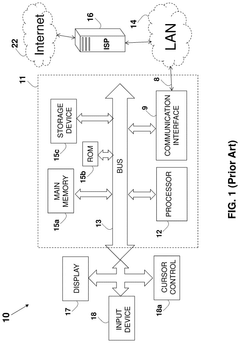
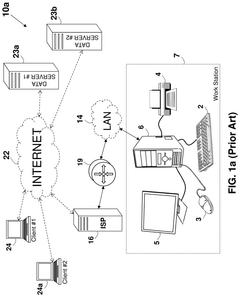
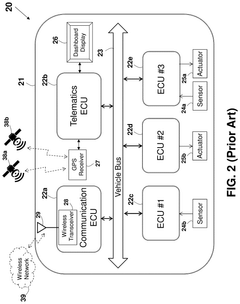
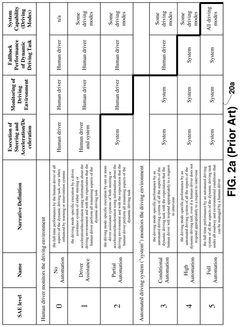
- A system that integrates environmental, car, and driver factors into navigation route planning using a computer system connected to the internet, utilizing sensors and data analytics to optimize routes based on real-time data.
Adaptive Initial Estimation and Dynamic Determination and Update of Distance Until Charge of a Plug-In Hybrid Electric Vehicle
PatentActiveUS20110184600A1
Innovation
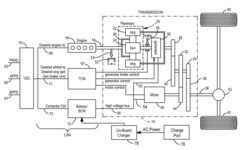
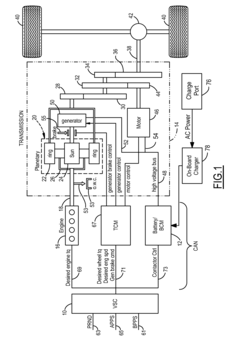
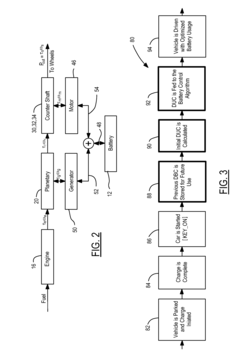
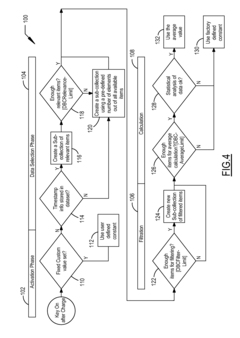
- A method and system that dynamically control battery usage based on the estimated or user-provided 'distance until charge' (DUC) value, utilizing historical data and real-time information from navigation systems to optimize battery depletion and charging strategies.
Policy Landscape for PHEV and Renewable Energy
The policy landscape for Plug-in Hybrid Electric Vehicles (PHEVs) and renewable energy integration is rapidly evolving, reflecting the growing recognition of their synergistic potential in addressing climate change and energy security concerns. Governments worldwide are implementing a range of policies to promote PHEV adoption and renewable energy deployment, creating a complex but increasingly supportive regulatory environment.
At the national level, many countries have established ambitious targets for electric vehicle adoption and renewable energy generation. These targets are often accompanied by financial incentives, such as tax credits, rebates, and grants for PHEV purchases and charging infrastructure development. Simultaneously, renewable portfolio standards and feed-in tariffs are driving the expansion of wind, solar, and other clean energy sources.
Regulatory frameworks are being adapted to accommodate the unique characteristics of PHEVs and their interaction with the power grid. Grid operators are developing new protocols for vehicle-to-grid (V2G) integration, allowing PHEVs to serve as distributed energy resources. This includes establishing standards for bidirectional charging and communication between vehicles and the grid.
Local and regional governments are also playing a crucial role in shaping the policy landscape. Many cities are implementing low-emission zones, preferential parking policies, and access to high-occupancy vehicle lanes for PHEVs. These measures, combined with investments in public charging infrastructure, are creating urban environments that are increasingly conducive to PHEV adoption.
The intersection of PHEV and renewable energy policies is particularly evident in smart grid initiatives. Governments are supporting the development of advanced metering infrastructure and demand response programs that can leverage the flexibility of PHEV charging to balance intermittent renewable energy sources. Time-of-use electricity rates and dynamic pricing schemes are being introduced to incentivize PHEV owners to charge during periods of high renewable energy generation.
International cooperation is also shaping the policy landscape, with agreements like the Paris Climate Accord driving coordinated efforts to reduce transportation emissions and increase renewable energy use. Cross-border initiatives are focusing on harmonizing charging standards and creating interoperable payment systems to facilitate long-distance PHEV travel.
As the technology matures, policymakers are increasingly focusing on the lifecycle environmental impact of PHEVs and renewable energy systems. This includes policies to promote sustainable battery production and recycling, as well as measures to ensure that the increased electricity demand from PHEVs is met with clean energy sources.
At the national level, many countries have established ambitious targets for electric vehicle adoption and renewable energy generation. These targets are often accompanied by financial incentives, such as tax credits, rebates, and grants for PHEV purchases and charging infrastructure development. Simultaneously, renewable portfolio standards and feed-in tariffs are driving the expansion of wind, solar, and other clean energy sources.
Regulatory frameworks are being adapted to accommodate the unique characteristics of PHEVs and their interaction with the power grid. Grid operators are developing new protocols for vehicle-to-grid (V2G) integration, allowing PHEVs to serve as distributed energy resources. This includes establishing standards for bidirectional charging and communication between vehicles and the grid.
Local and regional governments are also playing a crucial role in shaping the policy landscape. Many cities are implementing low-emission zones, preferential parking policies, and access to high-occupancy vehicle lanes for PHEVs. These measures, combined with investments in public charging infrastructure, are creating urban environments that are increasingly conducive to PHEV adoption.
The intersection of PHEV and renewable energy policies is particularly evident in smart grid initiatives. Governments are supporting the development of advanced metering infrastructure and demand response programs that can leverage the flexibility of PHEV charging to balance intermittent renewable energy sources. Time-of-use electricity rates and dynamic pricing schemes are being introduced to incentivize PHEV owners to charge during periods of high renewable energy generation.
International cooperation is also shaping the policy landscape, with agreements like the Paris Climate Accord driving coordinated efforts to reduce transportation emissions and increase renewable energy use. Cross-border initiatives are focusing on harmonizing charging standards and creating interoperable payment systems to facilitate long-distance PHEV travel.
As the technology matures, policymakers are increasingly focusing on the lifecycle environmental impact of PHEVs and renewable energy systems. This includes policies to promote sustainable battery production and recycling, as well as measures to ensure that the increased electricity demand from PHEVs is met with clean energy sources.
Environmental Impact Assessment
The environmental impact assessment of Plug-in Hybrid Electric Vehicle (PHEV) technology in supporting renewable energy integration reveals both positive and negative effects. On the positive side, PHEVs contribute significantly to reducing greenhouse gas emissions and air pollution when compared to conventional internal combustion engine vehicles. By utilizing electricity from renewable sources during charging, PHEVs can effectively decrease their carbon footprint and overall environmental impact.
PHEVs also play a crucial role in supporting the integration of renewable energy into the power grid. Through smart charging strategies, these vehicles can act as flexible loads, helping to balance supply and demand in the electricity network. This capability is particularly valuable for managing the intermittent nature of renewable energy sources like solar and wind power. By charging during periods of excess renewable energy generation, PHEVs can help absorb surplus electricity that might otherwise be curtailed, thereby increasing the overall efficiency of the renewable energy system.
However, the environmental benefits of PHEVs are heavily dependent on the source of electricity used for charging. In regions where the electricity grid relies heavily on fossil fuels, the environmental advantages of PHEVs may be diminished. Additionally, the production of batteries for PHEVs involves energy-intensive processes and the extraction of rare earth materials, which can have localized environmental impacts.
The lifecycle assessment of PHEVs must also consider the end-of-life management of batteries. Proper recycling and disposal procedures are essential to mitigate potential environmental risks associated with battery waste. As battery technology continues to evolve, improvements in energy density and lifespan are expected to enhance the overall environmental performance of PHEVs.
From a broader perspective, the widespread adoption of PHEVs can contribute to reduced urban noise pollution and improved air quality in cities. This can have positive effects on public health and urban livability. Furthermore, as PHEVs become more prevalent, they can serve as distributed energy storage units, potentially enhancing grid resilience and facilitating a higher penetration of renewable energy sources.
In conclusion, while PHEVs offer significant environmental benefits, particularly in supporting renewable energy integration, their overall impact is complex and multifaceted. Maximizing the positive environmental effects of PHEV technology requires a holistic approach that considers the entire lifecycle of the vehicles, the renewable energy infrastructure, and the broader energy ecosystem.
PHEVs also play a crucial role in supporting the integration of renewable energy into the power grid. Through smart charging strategies, these vehicles can act as flexible loads, helping to balance supply and demand in the electricity network. This capability is particularly valuable for managing the intermittent nature of renewable energy sources like solar and wind power. By charging during periods of excess renewable energy generation, PHEVs can help absorb surplus electricity that might otherwise be curtailed, thereby increasing the overall efficiency of the renewable energy system.
However, the environmental benefits of PHEVs are heavily dependent on the source of electricity used for charging. In regions where the electricity grid relies heavily on fossil fuels, the environmental advantages of PHEVs may be diminished. Additionally, the production of batteries for PHEVs involves energy-intensive processes and the extraction of rare earth materials, which can have localized environmental impacts.
The lifecycle assessment of PHEVs must also consider the end-of-life management of batteries. Proper recycling and disposal procedures are essential to mitigate potential environmental risks associated with battery waste. As battery technology continues to evolve, improvements in energy density and lifespan are expected to enhance the overall environmental performance of PHEVs.
From a broader perspective, the widespread adoption of PHEVs can contribute to reduced urban noise pollution and improved air quality in cities. This can have positive effects on public health and urban livability. Furthermore, as PHEVs become more prevalent, they can serve as distributed energy storage units, potentially enhancing grid resilience and facilitating a higher penetration of renewable energy sources.
In conclusion, while PHEVs offer significant environmental benefits, particularly in supporting renewable energy integration, their overall impact is complex and multifaceted. Maximizing the positive environmental effects of PHEV technology requires a holistic approach that considers the entire lifecycle of the vehicles, the renewable energy infrastructure, and the broader energy ecosystem.
Unlock deeper insights with PatSnap Eureka Quick Research — get a full tech report to explore trends and direct your research. Try now!
Generate Your Research Report Instantly with AI Agent
Supercharge your innovation with PatSnap Eureka AI Agent Platform!