How Phospholipids Drive Discovery in Evolutionary Biology?
JUL 16, 20259 MIN READ
Generate Your Research Report Instantly with AI Agent
Patsnap Eureka helps you evaluate technical feasibility & market potential.
Phospholipid Evolution
Phospholipids have played a pivotal role in the evolution of life on Earth, serving as the fundamental building blocks of cellular membranes. The study of phospholipid evolution has provided crucial insights into the origins of life and the development of complex organisms. This evolutionary journey began with simple amphiphilic molecules in primordial soups and progressed to the sophisticated lipid bilayers that form the basis of modern cell membranes.
The earliest precursors of phospholipids likely emerged in the prebiotic world, where simple organic molecules combined to form more complex structures. These primitive lipid-like molecules would have been capable of self-assembly into vesicles, creating rudimentary compartments that could have housed the first proto-cellular structures. As life evolved, so did the complexity and diversity of phospholipids, driven by the need for more stable and functional membranes.
A significant milestone in phospholipid evolution was the development of ester-linked phospholipids, which provided greater stability and flexibility to cellular membranes. This innovation allowed for the emergence of more complex cellular structures and functions, paving the way for the diversification of life forms. The incorporation of different fatty acid chains and head groups further expanded the repertoire of phospholipids, enabling organisms to adapt to various environmental conditions.
The evolution of phospholipids is closely intertwined with the development of cellular metabolism and genetic systems. As cells became more sophisticated, they developed enzymatic pathways for phospholipid biosynthesis, allowing for greater control over membrane composition and properties. This co-evolution of lipids and cellular machinery has been a driving force in the adaptation and diversification of life forms across different ecological niches.
Recent research in evolutionary biology has focused on understanding the role of phospholipids in major evolutionary transitions, such as the emergence of eukaryotic cells and the development of organelles. The acquisition of mitochondria and chloroplasts, for instance, required significant adaptations in phospholipid composition and metabolism to integrate these endosymbiotic organelles into host cells. These events highlight the critical role of phospholipids in shaping the course of evolutionary history.
The study of phospholipid evolution continues to yield new insights into the origins and diversification of life. Advanced analytical techniques, such as lipidomics and molecular phylogenetics, are providing unprecedented views into the evolutionary relationships between different lipid species across diverse organisms. These studies are not only shedding light on the past but also informing our understanding of how lipids contribute to the adaptability and resilience of modern organisms in the face of environmental challenges.
The earliest precursors of phospholipids likely emerged in the prebiotic world, where simple organic molecules combined to form more complex structures. These primitive lipid-like molecules would have been capable of self-assembly into vesicles, creating rudimentary compartments that could have housed the first proto-cellular structures. As life evolved, so did the complexity and diversity of phospholipids, driven by the need for more stable and functional membranes.
A significant milestone in phospholipid evolution was the development of ester-linked phospholipids, which provided greater stability and flexibility to cellular membranes. This innovation allowed for the emergence of more complex cellular structures and functions, paving the way for the diversification of life forms. The incorporation of different fatty acid chains and head groups further expanded the repertoire of phospholipids, enabling organisms to adapt to various environmental conditions.
The evolution of phospholipids is closely intertwined with the development of cellular metabolism and genetic systems. As cells became more sophisticated, they developed enzymatic pathways for phospholipid biosynthesis, allowing for greater control over membrane composition and properties. This co-evolution of lipids and cellular machinery has been a driving force in the adaptation and diversification of life forms across different ecological niches.
Recent research in evolutionary biology has focused on understanding the role of phospholipids in major evolutionary transitions, such as the emergence of eukaryotic cells and the development of organelles. The acquisition of mitochondria and chloroplasts, for instance, required significant adaptations in phospholipid composition and metabolism to integrate these endosymbiotic organelles into host cells. These events highlight the critical role of phospholipids in shaping the course of evolutionary history.
The study of phospholipid evolution continues to yield new insights into the origins and diversification of life. Advanced analytical techniques, such as lipidomics and molecular phylogenetics, are providing unprecedented views into the evolutionary relationships between different lipid species across diverse organisms. These studies are not only shedding light on the past but also informing our understanding of how lipids contribute to the adaptability and resilience of modern organisms in the face of environmental challenges.
Biomembrane Research
Biomembrane research has been a cornerstone in understanding the fundamental processes of life and evolution. Phospholipids, the primary components of cell membranes, play a crucial role in this field, driving discoveries that reshape our understanding of evolutionary biology. These amphipathic molecules form the basis of cellular compartmentalization, a key feature that distinguishes living organisms from non-living matter.
The study of biomembranes has revealed that phospholipid composition and organization are not static but dynamically adapted to environmental conditions. This adaptability has been a significant factor in the evolution of life forms across diverse habitats. Research has shown that organisms living in extreme environments, such as thermophiles or psychrophiles, have unique phospholipid compositions that allow their membranes to maintain functionality under challenging conditions.
Advances in lipidomics and membrane biophysics have enabled researchers to explore the intricate relationships between membrane structure and cellular functions. These studies have uncovered how subtle changes in phospholipid composition can influence membrane properties, such as fluidity, permeability, and curvature. These properties, in turn, affect crucial cellular processes like signal transduction, energy production, and nutrient transport.
The role of phospholipids in evolutionary biology extends beyond their structural functions. Recent research has highlighted their involvement in cell signaling pathways, acting as second messengers or precursors for bioactive lipids. This dual role as both structural components and signaling molecules underscores the importance of phospholipids in cellular evolution and adaptation.
Comparative studies of phospholipid biosynthesis pathways across different species have provided insights into the evolutionary history of membrane formation. These studies have revealed conserved mechanisms as well as species-specific adaptations, shedding light on the divergence and convergence of evolutionary processes. The discovery of archaea with unique ether-linked lipids, for instance, has challenged previous assumptions about the universality of ester-linked phospholipids in biological membranes.
Biomembrane research has also contributed to our understanding of endosymbiotic events in evolution, such as the origin of mitochondria and chloroplasts. The study of membrane fusion and fission processes has elucidated potential mechanisms by which these organelles were incorporated into eukaryotic cells. Furthermore, the investigation of lipid rafts and membrane microdomains has revealed their role in protein organization and cellular signaling, providing new perspectives on the evolution of complex cellular functions.
The integration of biomembrane research with other fields, such as paleobiology and systems biology, is opening new avenues for exploring evolutionary questions. By reconstructing ancient membrane compositions and simulating their properties, researchers are gaining insights into the environmental conditions that shaped early life forms and the subsequent diversification of species.
The study of biomembranes has revealed that phospholipid composition and organization are not static but dynamically adapted to environmental conditions. This adaptability has been a significant factor in the evolution of life forms across diverse habitats. Research has shown that organisms living in extreme environments, such as thermophiles or psychrophiles, have unique phospholipid compositions that allow their membranes to maintain functionality under challenging conditions.
Advances in lipidomics and membrane biophysics have enabled researchers to explore the intricate relationships between membrane structure and cellular functions. These studies have uncovered how subtle changes in phospholipid composition can influence membrane properties, such as fluidity, permeability, and curvature. These properties, in turn, affect crucial cellular processes like signal transduction, energy production, and nutrient transport.
The role of phospholipids in evolutionary biology extends beyond their structural functions. Recent research has highlighted their involvement in cell signaling pathways, acting as second messengers or precursors for bioactive lipids. This dual role as both structural components and signaling molecules underscores the importance of phospholipids in cellular evolution and adaptation.
Comparative studies of phospholipid biosynthesis pathways across different species have provided insights into the evolutionary history of membrane formation. These studies have revealed conserved mechanisms as well as species-specific adaptations, shedding light on the divergence and convergence of evolutionary processes. The discovery of archaea with unique ether-linked lipids, for instance, has challenged previous assumptions about the universality of ester-linked phospholipids in biological membranes.
Biomembrane research has also contributed to our understanding of endosymbiotic events in evolution, such as the origin of mitochondria and chloroplasts. The study of membrane fusion and fission processes has elucidated potential mechanisms by which these organelles were incorporated into eukaryotic cells. Furthermore, the investigation of lipid rafts and membrane microdomains has revealed their role in protein organization and cellular signaling, providing new perspectives on the evolution of complex cellular functions.
The integration of biomembrane research with other fields, such as paleobiology and systems biology, is opening new avenues for exploring evolutionary questions. By reconstructing ancient membrane compositions and simulating their properties, researchers are gaining insights into the environmental conditions that shaped early life forms and the subsequent diversification of species.
Challenges in Lipid
The study of phospholipids in evolutionary biology faces several significant challenges. One of the primary obstacles is the complexity of lipid structures and their diverse functions in biological systems. Phospholipids, as key components of cell membranes, play crucial roles in cellular processes, but their evolutionary history and impact on organismal development remain poorly understood.
A major challenge lies in the reconstruction of ancient lipid compositions and structures. Unlike DNA or proteins, lipids do not leave direct fossil records, making it difficult to trace their evolutionary changes over geological time scales. Researchers must rely on indirect evidence and comparative studies of extant organisms to infer the lipid profiles of ancestral life forms.
The diversity of lipid structures across different taxa presents another hurdle. Phospholipids exhibit remarkable structural variations, with differences in fatty acid chain lengths, degrees of saturation, and head group compositions. This diversity complicates efforts to establish clear evolutionary relationships and patterns among lipid species.
Furthermore, the functional plasticity of phospholipids poses challenges in understanding their evolutionary significance. Lipids can serve multiple roles, from membrane formation to signaling and energy storage. Deciphering how these diverse functions evolved and contributed to the adaptation of organisms in different environments requires integrative approaches that combine molecular biology, biochemistry, and evolutionary theory.
The lack of comprehensive lipid databases and standardized analytical methods also hampers progress in lipid-based evolutionary studies. Unlike genomic or proteomic data, lipidomic information is often fragmented and inconsistently reported across studies, making comparative analyses challenging.
Additionally, the complex interplay between lipids and other biomolecules, such as proteins and carbohydrates, adds another layer of complexity to evolutionary investigations. Understanding how lipid-protein interactions evolved and influenced cellular functions requires sophisticated experimental techniques and computational models that are still in development.
Lastly, the field faces technical challenges in accurately measuring and characterizing lipids in ancient or difficult-to-study organisms. Developing methods to analyze lipid compositions in fossilized remains or extremophiles living in harsh environments is crucial for expanding our understanding of lipid evolution across diverse life forms and geological epochs.
A major challenge lies in the reconstruction of ancient lipid compositions and structures. Unlike DNA or proteins, lipids do not leave direct fossil records, making it difficult to trace their evolutionary changes over geological time scales. Researchers must rely on indirect evidence and comparative studies of extant organisms to infer the lipid profiles of ancestral life forms.
The diversity of lipid structures across different taxa presents another hurdle. Phospholipids exhibit remarkable structural variations, with differences in fatty acid chain lengths, degrees of saturation, and head group compositions. This diversity complicates efforts to establish clear evolutionary relationships and patterns among lipid species.
Furthermore, the functional plasticity of phospholipids poses challenges in understanding their evolutionary significance. Lipids can serve multiple roles, from membrane formation to signaling and energy storage. Deciphering how these diverse functions evolved and contributed to the adaptation of organisms in different environments requires integrative approaches that combine molecular biology, biochemistry, and evolutionary theory.
The lack of comprehensive lipid databases and standardized analytical methods also hampers progress in lipid-based evolutionary studies. Unlike genomic or proteomic data, lipidomic information is often fragmented and inconsistently reported across studies, making comparative analyses challenging.
Additionally, the complex interplay between lipids and other biomolecules, such as proteins and carbohydrates, adds another layer of complexity to evolutionary investigations. Understanding how lipid-protein interactions evolved and influenced cellular functions requires sophisticated experimental techniques and computational models that are still in development.
Lastly, the field faces technical challenges in accurately measuring and characterizing lipids in ancient or difficult-to-study organisms. Developing methods to analyze lipid compositions in fossilized remains or extremophiles living in harsh environments is crucial for expanding our understanding of lipid evolution across diverse life forms and geological epochs.
Current Techniques
01 Phospholipid synthesis and modification
Various methods for synthesizing and modifying phospholipids are described. These include chemical synthesis routes, enzymatic modifications, and novel approaches to create phospholipids with specific properties or functionalities. The processes aim to produce phospholipids for use in pharmaceuticals, cosmetics, and food industries.- Phospholipid synthesis and extraction methods: Various methods for synthesizing and extracting phospholipids from natural sources or through chemical processes. These techniques aim to produce high-quality phospholipids for use in pharmaceuticals, cosmetics, and food industries.
- Phospholipid-based drug delivery systems: Development of drug delivery systems using phospholipids as carriers. These systems enhance drug solubility, stability, and bioavailability, potentially improving therapeutic outcomes for various medical conditions.
- Phospholipid analysis and characterization techniques: Advanced analytical methods for identifying, quantifying, and characterizing phospholipids in biological samples. These techniques are crucial for research in lipidomics and understanding cellular processes.
- Phospholipid applications in cosmetics and personal care: Utilization of phospholipids in cosmetic and personal care products for their emulsifying, moisturizing, and skin-barrier enhancing properties. These applications improve product stability and efficacy.
- Phospholipid-based liposomes for targeted therapy: Design and development of liposomal formulations using phospholipids for targeted drug delivery. These systems aim to improve therapeutic efficacy while reducing side effects in various disease treatments.
02 Phospholipid-based drug delivery systems
Phospholipids are utilized in the development of advanced drug delivery systems. These include liposomes, nanoparticles, and other lipid-based carriers that can encapsulate and deliver therapeutic agents. The phospholipid-based systems enhance drug solubility, stability, and targeted delivery to specific tissues or cells.Expand Specific Solutions03 Phospholipid analysis and characterization
Techniques for analyzing and characterizing phospholipids are described. These include spectroscopic methods, chromatography, mass spectrometry, and other analytical approaches to identify, quantify, and study the properties of various phospholipids. The methods are crucial for quality control and research in pharmaceutical and biotechnology industries.Expand Specific Solutions04 Phospholipid applications in food and nutrition
Phospholipids are used in food and nutritional products for their emulsifying properties and potential health benefits. Applications include improving food texture, stability, and nutritional value. Specific phospholipids, such as those derived from milk or plant sources, are explored for their functional and nutraceutical properties.Expand Specific Solutions05 Phospholipid-based biomaterials and medical devices
Phospholipids are utilized in the development of biomaterials and medical devices. These include biocompatible coatings, artificial cell membranes, and tissue engineering scaffolds. The phospholipid-based materials mimic natural cellular environments and can enhance the biocompatibility and functionality of medical implants and devices.Expand Specific Solutions
Key Research Groups
The phospholipid research field is in a dynamic growth phase, with increasing market size and technological advancements. The competitive landscape is characterized by a mix of established pharmaceutical companies, biotechnology firms, and academic institutions. Key players like DSM IP Assets BV, Vascular Biogenics Ltd., and Incyte Corp. are driving innovation in drug discovery and development. Universities such as Zhejiang University and Swiss Federal Institute of Technology are contributing significant research. The technology is maturing rapidly, with companies like Applied Biosystems LLC and Fermentalg SA developing advanced tools and techniques. As the field evolves, collaborations between industry and academia are becoming increasingly important, fostering a rich ecosystem for phospholipid-based evolutionary biology discoveries.
Swiss Federal Institute of Technology
Technical Solution: The Swiss Federal Institute of Technology has been at the forefront of phospholipid research in evolutionary biology. Their approach involves using advanced lipidomics techniques to study the evolution of membrane composition across different species[1]. They have developed a high-throughput method for analyzing phospholipid profiles in various organisms, allowing for comparative studies across evolutionary timescales[2]. This method has led to insights into how phospholipid composition has adapted to different environmental pressures, providing evidence for the role of lipid membranes in driving evolutionary processes[3]. Their research has also explored the potential of synthetic phospholipids in creating artificial cells, which serves as a model for understanding early life evolution[4].
Strengths: Advanced lipidomics techniques, high-throughput analysis capabilities, and interdisciplinary approach combining biology and chemistry. Weaknesses: Limited to laboratory-based studies, potential challenges in translating findings to real-world evolutionary scenarios.
McGill University
Technical Solution: McGill University's research on phospholipids in evolutionary biology focuses on the role of lipid membranes in the origin and evolution of life. Their team has developed innovative models to simulate primitive cell membranes using various phospholipid compositions[5]. They have demonstrated how changes in environmental conditions, such as temperature and pH, can drive the selection of specific phospholipid structures, providing insights into how early life forms may have adapted and evolved[6]. Additionally, their research extends to studying the co-evolution of phospholipids and membrane proteins, offering a comprehensive view of cellular evolution[7]. McGill's work also includes investigating the potential of phospholipids in astrobiology, exploring how these molecules could have facilitated life in extreme environments on early Earth or other planets[8].
Strengths: Comprehensive approach linking phospholipid evolution to broader questions in origin of life and astrobiology. Strong focus on experimental models simulating early Earth conditions. Weaknesses: Challenges in verifying hypotheses about early Earth conditions and potential overreliance on laboratory simulations.
Breakthrough Studies
Variant polypeptides containing plekstrin homology domains and uses therefor
PatentInactiveUS20050142610A1
Innovation
- Development of variant PH domains with altered affinity and specificity for phosphatidylinositides, achieved through specific amino acid substitutions and insertions, such as those in the β1/β2 loop, allowing for increased or decreased binding to specific phosphatidylinositides like PI-3,4,5P3 or PI-4,5P2, and the use of these variants to selectively detect phosphatidylinositides.


Phospholipases, nucleic acids encoding them and methods for making and using them
PatentInactiveUS7226771B2
Innovation
- The development of phospholipases that can catalyze the hydrolysis of glycerolphosphate ester linkages in vegetable oils, converting non-hydratable phospholipids to a hydratable form, thereby facilitating efficient degumming without the need for harsh chemical treatments.
Ecological Impacts
Phospholipids play a crucial role in shaping ecological systems and driving evolutionary processes across various ecosystems. Their impact on ecological dynamics is multifaceted, influencing both micro and macro-level interactions within and between species.
At the microbial level, phospholipids are essential components of cell membranes, affecting the survival and adaptation of microorganisms in diverse environmental conditions. The composition and structure of phospholipids in microbial membranes can significantly influence their ability to thrive in specific habitats, such as extreme temperatures or pH levels. This adaptability drives microbial evolution and contributes to the overall biodiversity of ecosystems.
In aquatic environments, phospholipids serve as important biomarkers for assessing ecosystem health and productivity. Their presence and composition in marine and freshwater systems can indicate the abundance and diversity of phytoplankton communities, which form the base of aquatic food webs. Changes in phospholipid profiles can signal shifts in ecosystem dynamics, potentially impacting higher trophic levels and overall ecosystem stability.
Terrestrial ecosystems are also influenced by phospholipids, particularly in plant-soil interactions. The rhizosphere, the area surrounding plant roots, is rich in phospholipids derived from both plants and soil microorganisms. These compounds play a vital role in facilitating nutrient uptake, enhancing plant growth, and mediating symbiotic relationships between plants and beneficial microbes. The co-evolution of plants and soil microorganisms, driven in part by phospholipid-mediated interactions, has significant implications for terrestrial ecosystem functioning and resilience.
Furthermore, phospholipids contribute to the chemical communication between organisms, influencing ecological interactions such as predator-prey relationships, symbiotic associations, and competitive behaviors. For instance, some marine organisms use phospholipid-derived compounds as chemical cues for predator avoidance or mate selection, highlighting the role of these molecules in shaping ecological communities and driving evolutionary adaptations.
The study of phospholipids in ecological contexts also provides insights into the impacts of environmental stressors, such as climate change and pollution, on ecosystem functioning. Changes in temperature, pH, or the presence of contaminants can alter phospholipid composition and metabolism in organisms, potentially disrupting ecological processes and driving evolutionary responses to these pressures.
In conclusion, phospholipids are integral to the ecological fabric of diverse ecosystems, influencing microbial adaptations, plant-soil interactions, aquatic food webs, and species communications. Their study offers valuable insights into ecosystem dynamics, evolutionary processes, and the potential impacts of environmental changes on ecological systems.
At the microbial level, phospholipids are essential components of cell membranes, affecting the survival and adaptation of microorganisms in diverse environmental conditions. The composition and structure of phospholipids in microbial membranes can significantly influence their ability to thrive in specific habitats, such as extreme temperatures or pH levels. This adaptability drives microbial evolution and contributes to the overall biodiversity of ecosystems.
In aquatic environments, phospholipids serve as important biomarkers for assessing ecosystem health and productivity. Their presence and composition in marine and freshwater systems can indicate the abundance and diversity of phytoplankton communities, which form the base of aquatic food webs. Changes in phospholipid profiles can signal shifts in ecosystem dynamics, potentially impacting higher trophic levels and overall ecosystem stability.
Terrestrial ecosystems are also influenced by phospholipids, particularly in plant-soil interactions. The rhizosphere, the area surrounding plant roots, is rich in phospholipids derived from both plants and soil microorganisms. These compounds play a vital role in facilitating nutrient uptake, enhancing plant growth, and mediating symbiotic relationships between plants and beneficial microbes. The co-evolution of plants and soil microorganisms, driven in part by phospholipid-mediated interactions, has significant implications for terrestrial ecosystem functioning and resilience.
Furthermore, phospholipids contribute to the chemical communication between organisms, influencing ecological interactions such as predator-prey relationships, symbiotic associations, and competitive behaviors. For instance, some marine organisms use phospholipid-derived compounds as chemical cues for predator avoidance or mate selection, highlighting the role of these molecules in shaping ecological communities and driving evolutionary adaptations.
The study of phospholipids in ecological contexts also provides insights into the impacts of environmental stressors, such as climate change and pollution, on ecosystem functioning. Changes in temperature, pH, or the presence of contaminants can alter phospholipid composition and metabolism in organisms, potentially disrupting ecological processes and driving evolutionary responses to these pressures.
In conclusion, phospholipids are integral to the ecological fabric of diverse ecosystems, influencing microbial adaptations, plant-soil interactions, aquatic food webs, and species communications. Their study offers valuable insights into ecosystem dynamics, evolutionary processes, and the potential impacts of environmental changes on ecological systems.
Bioinformatics Tools
Bioinformatics tools play a crucial role in unraveling the complex relationships between phospholipids and evolutionary biology. These computational methods enable researchers to analyze vast amounts of genomic and lipidomic data, providing insights into the evolutionary significance of phospholipids across diverse species.
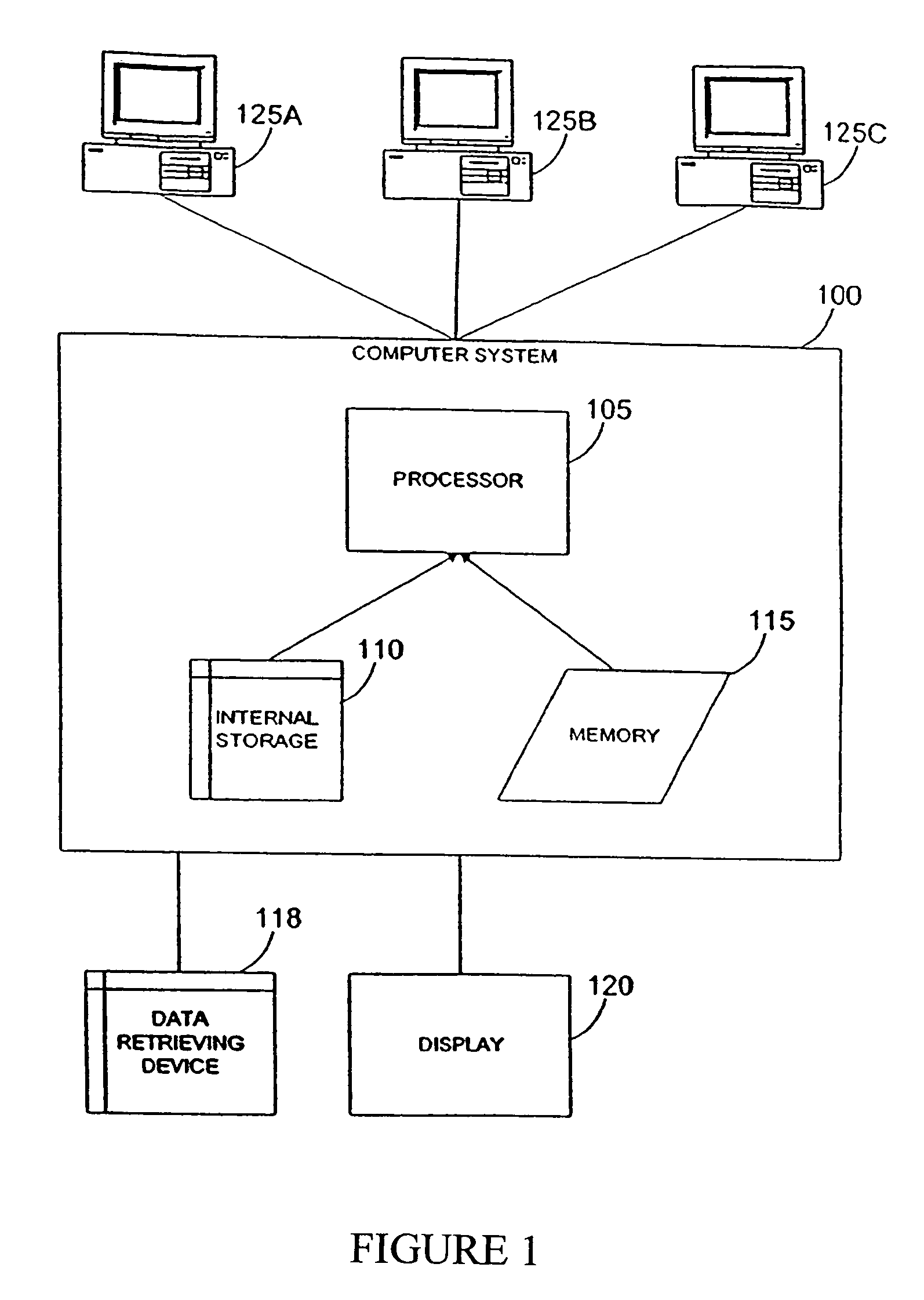
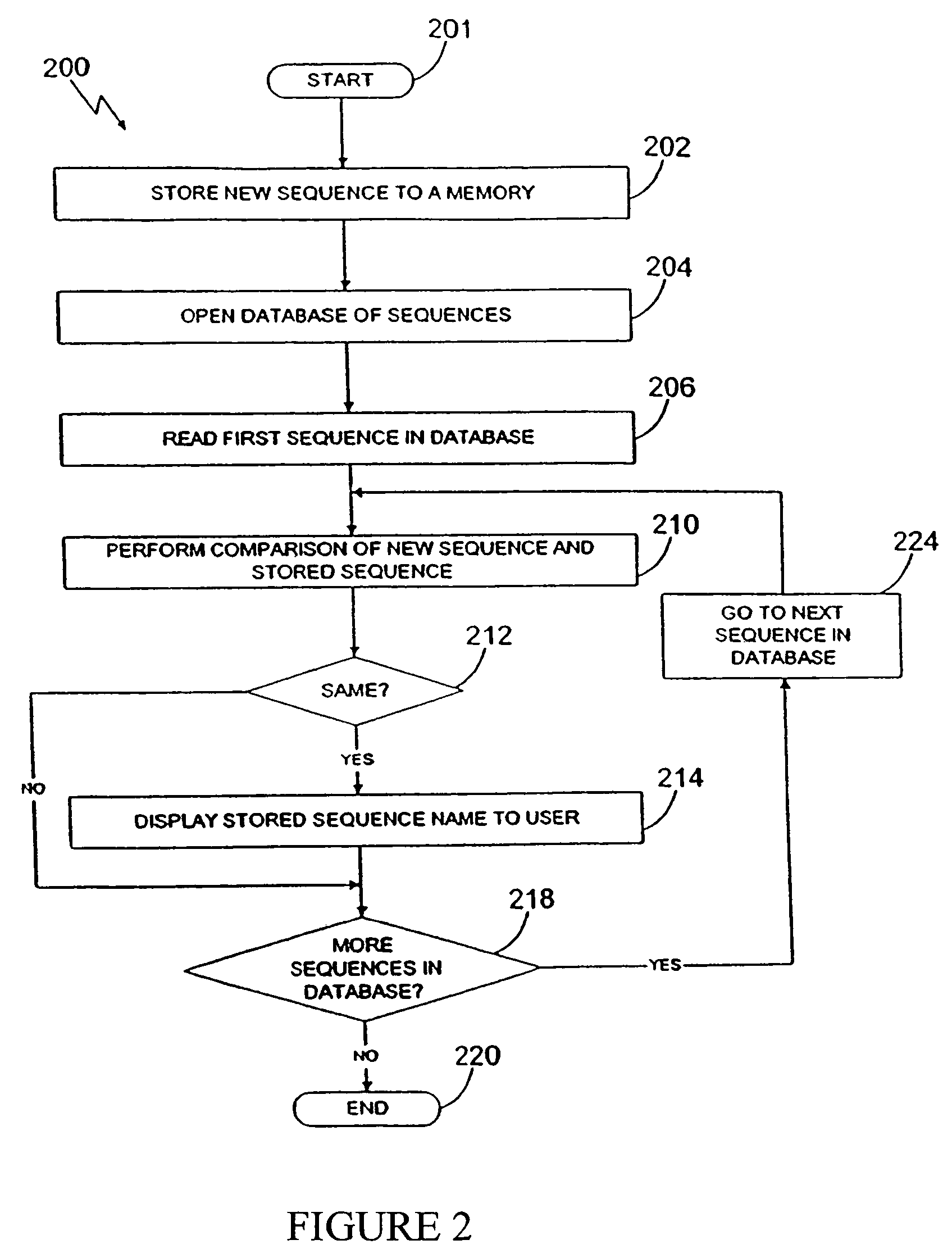
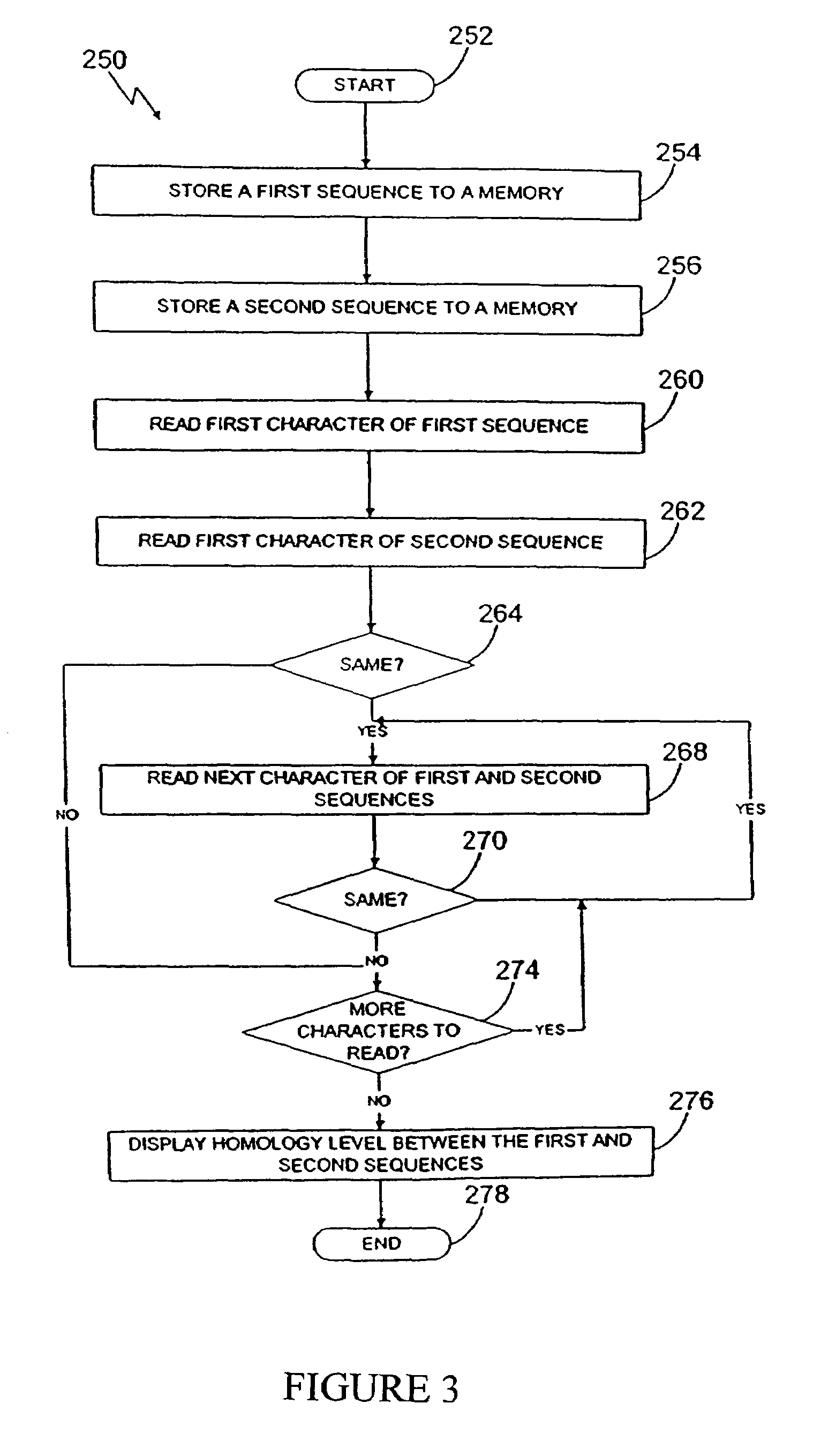
One of the primary applications of bioinformatics in this field is the analysis of genomic sequences related to phospholipid biosynthesis and metabolism. Sequence alignment tools, such as BLAST and MUSCLE, allow researchers to compare genes involved in phospholipid pathways across different organisms. This comparative analysis helps identify conserved regions and evolutionary patterns, shedding light on the functional importance of specific phospholipid-related genes throughout evolutionary history.
Phylogenetic analysis tools, including MEGA and RAxML, are essential for constructing evolutionary trees based on phospholipid-related gene sequences. These trees provide a visual representation of the evolutionary relationships between species, highlighting how phospholipid metabolism has evolved over time. By integrating molecular clock models, researchers can estimate the timing of key evolutionary events related to phospholipid function.
Structural bioinformatics tools, such as MODELLER and I-TASSER, enable the prediction and analysis of three-dimensional structures of proteins involved in phospholipid metabolism. These tools help researchers understand how changes in protein structure may have influenced phospholipid function throughout evolution, providing insights into adaptive mechanisms and functional diversification.
Metabolic pathway analysis tools, like KEGG and MetaCyc, allow scientists to explore the intricate networks of biochemical reactions involving phospholipids. By comparing these pathways across different species, researchers can identify conserved and divergent metabolic routes, offering clues about the evolutionary pressures that have shaped phospholipid metabolism in various organisms.
Machine learning algorithms and data mining techniques are increasingly being applied to analyze large-scale lipidomic datasets. These tools can identify patterns and correlations in phospholipid profiles across species, potentially revealing novel insights into the role of these molecules in evolutionary processes. Advanced statistical methods, such as principal component analysis and clustering algorithms, help researchers visualize and interpret complex lipidomic data in an evolutionary context.
Integrative bioinformatics platforms, like Galaxy and Cytoscape, provide researchers with comprehensive toolsets for analyzing and visualizing phospholipid-related data from multiple perspectives. These platforms facilitate the integration of genomic, proteomic, and lipidomic data, enabling a holistic approach to understanding the evolutionary significance of phospholipids.
One of the primary applications of bioinformatics in this field is the analysis of genomic sequences related to phospholipid biosynthesis and metabolism. Sequence alignment tools, such as BLAST and MUSCLE, allow researchers to compare genes involved in phospholipid pathways across different organisms. This comparative analysis helps identify conserved regions and evolutionary patterns, shedding light on the functional importance of specific phospholipid-related genes throughout evolutionary history.
Phylogenetic analysis tools, including MEGA and RAxML, are essential for constructing evolutionary trees based on phospholipid-related gene sequences. These trees provide a visual representation of the evolutionary relationships between species, highlighting how phospholipid metabolism has evolved over time. By integrating molecular clock models, researchers can estimate the timing of key evolutionary events related to phospholipid function.
Structural bioinformatics tools, such as MODELLER and I-TASSER, enable the prediction and analysis of three-dimensional structures of proteins involved in phospholipid metabolism. These tools help researchers understand how changes in protein structure may have influenced phospholipid function throughout evolution, providing insights into adaptive mechanisms and functional diversification.
Metabolic pathway analysis tools, like KEGG and MetaCyc, allow scientists to explore the intricate networks of biochemical reactions involving phospholipids. By comparing these pathways across different species, researchers can identify conserved and divergent metabolic routes, offering clues about the evolutionary pressures that have shaped phospholipid metabolism in various organisms.
Machine learning algorithms and data mining techniques are increasingly being applied to analyze large-scale lipidomic datasets. These tools can identify patterns and correlations in phospholipid profiles across species, potentially revealing novel insights into the role of these molecules in evolutionary processes. Advanced statistical methods, such as principal component analysis and clustering algorithms, help researchers visualize and interpret complex lipidomic data in an evolutionary context.
Integrative bioinformatics platforms, like Galaxy and Cytoscape, provide researchers with comprehensive toolsets for analyzing and visualizing phospholipid-related data from multiple perspectives. These platforms facilitate the integration of genomic, proteomic, and lipidomic data, enabling a holistic approach to understanding the evolutionary significance of phospholipids.
Unlock deeper insights with Patsnap Eureka Quick Research — get a full tech report to explore trends and direct your research. Try now!
Generate Your Research Report Instantly with AI Agent
Supercharge your innovation with Patsnap Eureka AI Agent Platform!