

How Silicone Rubber Powers Renewable Infrastructure Development?
JUL 8, 20259 MIN READ
Generate Your Research Report Instantly with AI Agent
PatSnap Eureka helps you evaluate technical feasibility & market potential.
Silicone Rubber in Renewables: Background and Objectives
Silicone rubber has emerged as a crucial material in the development of renewable energy infrastructure, playing a pivotal role in advancing sustainable technologies. The evolution of silicone rubber applications in this sector can be traced back to the mid-20th century, with significant advancements occurring in recent decades. As global efforts to combat climate change intensify, the demand for reliable and efficient renewable energy systems has surged, propelling silicone rubber to the forefront of material science innovation.
The primary objective of utilizing silicone rubber in renewable infrastructure is to enhance the performance, durability, and cost-effectiveness of various components across wind, solar, and hydroelectric power generation systems. Silicone rubber's unique properties, including excellent thermal stability, electrical insulation, and weather resistance, make it an ideal candidate for addressing the challenges faced in harsh environmental conditions often encountered in renewable energy installations.
In the wind energy sector, silicone rubber has found extensive use in blade coatings, seals, and electrical insulation components. These applications aim to improve turbine efficiency, reduce maintenance requirements, and extend the operational lifespan of wind farms. For solar energy, silicone-based materials are integral to the development of advanced photovoltaic modules, contributing to increased energy conversion efficiency and improved panel longevity.
The hydroelectric power industry has also benefited from silicone rubber innovations, particularly in the design of dam seals, turbine components, and underwater cable insulation. These applications focus on enhancing the reliability and performance of hydroelectric systems while minimizing environmental impact.
As the renewable energy landscape continues to evolve, the technical goals for silicone rubber in this field are multifaceted. Researchers and engineers are striving to develop new formulations with enhanced UV resistance, improved thermal management capabilities, and increased mechanical strength. Additionally, there is a growing emphasis on creating silicone rubber compounds that are more environmentally friendly and recyclable, aligning with the broader sustainability objectives of the renewable energy sector.
The trajectory of silicone rubber in renewable infrastructure is closely tied to the global push for clean energy solutions. As countries worldwide set ambitious targets for renewable energy adoption, the demand for advanced materials like silicone rubber is expected to grow exponentially. This trend is driving significant investment in research and development, with a focus on pushing the boundaries of material science to meet the evolving needs of the renewable energy industry.
The primary objective of utilizing silicone rubber in renewable infrastructure is to enhance the performance, durability, and cost-effectiveness of various components across wind, solar, and hydroelectric power generation systems. Silicone rubber's unique properties, including excellent thermal stability, electrical insulation, and weather resistance, make it an ideal candidate for addressing the challenges faced in harsh environmental conditions often encountered in renewable energy installations.
In the wind energy sector, silicone rubber has found extensive use in blade coatings, seals, and electrical insulation components. These applications aim to improve turbine efficiency, reduce maintenance requirements, and extend the operational lifespan of wind farms. For solar energy, silicone-based materials are integral to the development of advanced photovoltaic modules, contributing to increased energy conversion efficiency and improved panel longevity.
The hydroelectric power industry has also benefited from silicone rubber innovations, particularly in the design of dam seals, turbine components, and underwater cable insulation. These applications focus on enhancing the reliability and performance of hydroelectric systems while minimizing environmental impact.
As the renewable energy landscape continues to evolve, the technical goals for silicone rubber in this field are multifaceted. Researchers and engineers are striving to develop new formulations with enhanced UV resistance, improved thermal management capabilities, and increased mechanical strength. Additionally, there is a growing emphasis on creating silicone rubber compounds that are more environmentally friendly and recyclable, aligning with the broader sustainability objectives of the renewable energy sector.
The trajectory of silicone rubber in renewable infrastructure is closely tied to the global push for clean energy solutions. As countries worldwide set ambitious targets for renewable energy adoption, the demand for advanced materials like silicone rubber is expected to grow exponentially. This trend is driving significant investment in research and development, with a focus on pushing the boundaries of material science to meet the evolving needs of the renewable energy industry.
Market Demand for Silicone in Green Energy
The global shift towards renewable energy has significantly boosted the demand for silicone rubber in green infrastructure development. As countries worldwide commit to reducing carbon emissions and transitioning to sustainable energy sources, the market for silicone-based products in renewable energy applications has experienced substantial growth.
Silicone rubber plays a crucial role in various aspects of renewable energy infrastructure, particularly in solar and wind power generation. In the solar energy sector, silicone is extensively used for encapsulation and protection of photovoltaic cells, ensuring their longevity and efficiency in harsh environmental conditions. The material's excellent weather resistance, UV stability, and thermal management properties make it ideal for solar panel manufacturing, contributing to increased energy output and extended lifespan of solar installations.
Wind energy infrastructure also heavily relies on silicone rubber components. Wind turbine blades utilize silicone-based coatings and adhesives to enhance aerodynamics, reduce friction, and protect against erosion caused by environmental factors. Additionally, silicone rubber gaskets and seals are essential for maintaining the integrity of turbine nacelles and electrical systems, preventing water ingress and ensuring optimal performance in challenging offshore and onshore environments.
The growing adoption of electric vehicles (EVs) and energy storage systems has further amplified the demand for silicone in the green energy sector. Silicone-based thermal management solutions are critical for EV battery packs, power electronics, and charging infrastructure. These applications require materials that can withstand high temperatures, provide excellent electrical insulation, and maintain performance over extended periods.
Market analysts project a compound annual growth rate (CAGR) of over 6% for the silicone rubber market in renewable energy applications over the next five years. This growth is driven by increasing investments in solar and wind energy projects, government initiatives promoting clean energy adoption, and the expanding electric vehicle market. The Asia-Pacific region, particularly China and India, is expected to lead this growth due to ambitious renewable energy targets and rapid industrialization.
As the renewable energy sector continues to evolve, new applications for silicone rubber are emerging. Advanced energy storage technologies, such as flow batteries and hydrogen fuel cells, are creating additional demand for silicone-based components. The material's versatility, durability, and performance characteristics position it as a key enabler in the ongoing transition to a more sustainable energy landscape.
Silicone rubber plays a crucial role in various aspects of renewable energy infrastructure, particularly in solar and wind power generation. In the solar energy sector, silicone is extensively used for encapsulation and protection of photovoltaic cells, ensuring their longevity and efficiency in harsh environmental conditions. The material's excellent weather resistance, UV stability, and thermal management properties make it ideal for solar panel manufacturing, contributing to increased energy output and extended lifespan of solar installations.
Wind energy infrastructure also heavily relies on silicone rubber components. Wind turbine blades utilize silicone-based coatings and adhesives to enhance aerodynamics, reduce friction, and protect against erosion caused by environmental factors. Additionally, silicone rubber gaskets and seals are essential for maintaining the integrity of turbine nacelles and electrical systems, preventing water ingress and ensuring optimal performance in challenging offshore and onshore environments.
The growing adoption of electric vehicles (EVs) and energy storage systems has further amplified the demand for silicone in the green energy sector. Silicone-based thermal management solutions are critical for EV battery packs, power electronics, and charging infrastructure. These applications require materials that can withstand high temperatures, provide excellent electrical insulation, and maintain performance over extended periods.
Market analysts project a compound annual growth rate (CAGR) of over 6% for the silicone rubber market in renewable energy applications over the next five years. This growth is driven by increasing investments in solar and wind energy projects, government initiatives promoting clean energy adoption, and the expanding electric vehicle market. The Asia-Pacific region, particularly China and India, is expected to lead this growth due to ambitious renewable energy targets and rapid industrialization.
As the renewable energy sector continues to evolve, new applications for silicone rubber are emerging. Advanced energy storage technologies, such as flow batteries and hydrogen fuel cells, are creating additional demand for silicone-based components. The material's versatility, durability, and performance characteristics position it as a key enabler in the ongoing transition to a more sustainable energy landscape.
Current Challenges in Silicone Rubber Applications
Despite the widespread use of silicone rubber in renewable infrastructure development, several challenges persist in its applications. One of the primary issues is the material's susceptibility to environmental degradation. Prolonged exposure to UV radiation, extreme temperatures, and harsh weather conditions can lead to deterioration of silicone rubber's physical properties, potentially compromising its performance and longevity in outdoor applications such as solar panel seals and wind turbine components.
Another significant challenge is the optimization of silicone rubber formulations for specific renewable energy applications. Different sectors within the renewable infrastructure industry have varying requirements for properties such as thermal conductivity, electrical insulation, and mechanical strength. Developing tailored silicone rubber compounds that meet these diverse needs while maintaining cost-effectiveness remains an ongoing challenge for manufacturers and researchers.
The scalability of silicone rubber production for large-scale renewable infrastructure projects also presents difficulties. As the demand for renewable energy solutions grows, ensuring a consistent supply of high-quality silicone rubber materials becomes increasingly important. This challenge is compounded by the need to maintain strict quality control standards across large production volumes, which can be particularly demanding for specialized formulations.
Furthermore, the integration of silicone rubber with other materials in composite structures poses technical challenges. Achieving strong and durable bonds between silicone rubber and materials such as metals, plastics, or ceramics is crucial for many renewable energy applications. Developing effective bonding techniques and ensuring long-term adhesion under various environmental conditions remains an area of ongoing research and development.
Recycling and end-of-life management of silicone rubber components in renewable infrastructure also present significant challenges. As the lifespan of renewable energy installations comes to an end, the proper disposal or recycling of silicone rubber materials becomes a concern. Current recycling technologies for silicone rubber are limited, and finding economically viable and environmentally friendly methods for processing these materials at the end of their useful life is an area that requires further innovation.
Lastly, the cost of high-performance silicone rubber formulations remains a challenge for widespread adoption in some renewable energy applications. While silicone rubber offers excellent properties, its production costs can be higher compared to some alternative materials. Balancing the superior performance characteristics of silicone rubber with cost considerations is an ongoing challenge for manufacturers and project developers in the renewable infrastructure sector.
Another significant challenge is the optimization of silicone rubber formulations for specific renewable energy applications. Different sectors within the renewable infrastructure industry have varying requirements for properties such as thermal conductivity, electrical insulation, and mechanical strength. Developing tailored silicone rubber compounds that meet these diverse needs while maintaining cost-effectiveness remains an ongoing challenge for manufacturers and researchers.
The scalability of silicone rubber production for large-scale renewable infrastructure projects also presents difficulties. As the demand for renewable energy solutions grows, ensuring a consistent supply of high-quality silicone rubber materials becomes increasingly important. This challenge is compounded by the need to maintain strict quality control standards across large production volumes, which can be particularly demanding for specialized formulations.
Furthermore, the integration of silicone rubber with other materials in composite structures poses technical challenges. Achieving strong and durable bonds between silicone rubber and materials such as metals, plastics, or ceramics is crucial for many renewable energy applications. Developing effective bonding techniques and ensuring long-term adhesion under various environmental conditions remains an area of ongoing research and development.
Recycling and end-of-life management of silicone rubber components in renewable infrastructure also present significant challenges. As the lifespan of renewable energy installations comes to an end, the proper disposal or recycling of silicone rubber materials becomes a concern. Current recycling technologies for silicone rubber are limited, and finding economically viable and environmentally friendly methods for processing these materials at the end of their useful life is an area that requires further innovation.
Lastly, the cost of high-performance silicone rubber formulations remains a challenge for widespread adoption in some renewable energy applications. While silicone rubber offers excellent properties, its production costs can be higher compared to some alternative materials. Balancing the superior performance characteristics of silicone rubber with cost considerations is an ongoing challenge for manufacturers and project developers in the renewable infrastructure sector.
Existing Silicone Solutions for Renewable Infrastructure
01 Composition and formulation of silicone rubber
Silicone rubber compositions typically consist of silicone polymers, fillers, and curing agents. The formulation can be adjusted to achieve specific properties such as hardness, elasticity, and heat resistance. Various additives may be incorporated to enhance performance characteristics or provide additional functionalities.- Composition and preparation of silicone rubber: Silicone rubber is typically composed of silicone polymers, fillers, and curing agents. The preparation process often involves mixing these components, shaping the mixture, and then curing it to form the final rubber product. Various additives can be incorporated to enhance specific properties such as strength, flexibility, or heat resistance.
- Modification of silicone rubber properties: The properties of silicone rubber can be modified through the addition of specific compounds or by altering the molecular structure. This can include improving thermal stability, increasing electrical conductivity, enhancing mechanical strength, or modifying surface characteristics. Such modifications allow for the tailoring of silicone rubber to specific applications.
- Silicone rubber in medical and healthcare applications: Silicone rubber is widely used in medical and healthcare applications due to its biocompatibility, flexibility, and durability. It is used in various medical devices, implants, and prosthetics. The material can be formulated to meet specific requirements such as antimicrobial properties or drug delivery capabilities.
- Silicone rubber composites and blends: Silicone rubber can be combined with other materials to create composites or blends with enhanced properties. This includes mixing with other polymers, incorporating nanoparticles, or creating hybrid materials. These composites often exhibit improved mechanical, thermal, or electrical properties compared to pure silicone rubber.
- Processing and manufacturing techniques for silicone rubber: Various processing and manufacturing techniques are employed for silicone rubber products. These include injection molding, extrusion, compression molding, and 3D printing. Advanced techniques may involve the use of specialized equipment or processes to achieve specific product characteristics or to improve production efficiency.
02 Manufacturing processes for silicone rubber products
Different manufacturing techniques are employed to produce silicone rubber products, including molding, extrusion, and calendering. These processes involve mixing the raw materials, shaping the compound, and curing it to achieve the final product. Specific methods may be used for creating complex shapes or incorporating reinforcements.Expand Specific Solutions03 Modifications and improvements to silicone rubber properties
Researchers continually work on enhancing silicone rubber properties through various modifications. This includes developing new polymer structures, incorporating novel fillers or additives, and optimizing curing processes. These improvements aim to expand the application range of silicone rubber in different industries.Expand Specific Solutions04 Applications of silicone rubber in various industries
Silicone rubber finds extensive use across multiple industries due to its unique properties. It is utilized in medical devices, automotive parts, electrical insulation, consumer products, and construction materials. The material's versatility allows for customization to meet specific requirements in each application area.Expand Specific Solutions05 Environmental and safety considerations in silicone rubber production
The production and use of silicone rubber involve considerations for environmental impact and safety. This includes developing eco-friendly formulations, implementing sustainable manufacturing processes, and ensuring the final products meet safety standards for various applications, particularly in sensitive areas like medical and food-contact uses.Expand Specific Solutions
Key Players in Silicone and Renewable Energy Sectors
The silicone rubber industry for renewable infrastructure is in a growth phase, driven by increasing demand for sustainable energy solutions. The market size is expanding rapidly, with projections indicating significant growth in the coming years. Technologically, silicone rubber applications are advancing, with companies like Dow Silicones Corp., Shin-Etsu Chemical Co., Ltd., and Momentive Performance Materials, Inc. leading innovation. These firms are developing high-performance silicone materials tailored for renewable energy applications, such as improved weatherability for solar panels and enhanced durability for wind turbine components. The competitive landscape is characterized by a mix of established chemical giants and specialized silicone manufacturers, all vying to capture market share in this burgeoning sector.
Dow Silicones Corp.
Technical Solution: Dow Silicones Corp. has developed advanced silicone rubber formulations specifically tailored for renewable infrastructure. Their SILASTIC™ brand of silicone elastomers offers excellent weatherability and UV resistance, crucial for outdoor applications in solar and wind energy systems[1]. The company's silicone technologies provide enhanced durability and performance in extreme temperatures, ranging from -40°C to 150°C, making them ideal for various climatic conditions[2]. Dow's silicone rubber solutions also feature improved electrical insulation properties, critical for protecting sensitive components in renewable energy installations[3]. Their materials demonstrate superior flexibility and stress-relaxation characteristics, allowing for the design of more efficient and longer-lasting renewable energy structures[4].
Strengths: Exceptional weatherability, wide temperature resistance, and electrical insulation properties. Weaknesses: Potentially higher initial costs compared to traditional materials, and limited load-bearing capacity in certain structural applications.
Dow Global Technologies LLC
Technical Solution: Dow Global Technologies LLC has pioneered innovative silicone rubber technologies for renewable infrastructure development. Their DOWSIL™ branded products offer a range of solutions, including highly durable sealants and adhesives designed specifically for solar panel assembly and wind turbine blade manufacturing[5]. These advanced materials provide excellent adhesion to various substrates, ensuring long-term reliability in harsh environmental conditions[6]. Dow's silicone technologies also incorporate self-cleaning properties, reducing maintenance requirements and improving the overall efficiency of renewable energy systems[7]. Additionally, their silicone rubber formulations offer enhanced fire resistance and low smoke emission, contributing to the safety and sustainability of renewable energy installations[8].
Strengths: Versatile application in various renewable energy sectors, self-cleaning properties, and enhanced safety features. Weaknesses: May require specialized application techniques and potentially higher material costs compared to conventional alternatives.
Innovative Silicone Formulations for Green Energy
Tire tread rubber composition comprising rice husk ash silica
PatentPendingUS20230174743A1
Innovation
- Rice husk ash silica is used as a bio-renewable reinforcing filler in tire tread rubber formulations, combined with solution styrene-butadiene rubber and high cis-1,4-polybutadiene rubber, and treated with a silica coupling agent, utilizing carbon dioxide for precipitation to achieve exceptional properties.


Rubber composition for tires, and tire
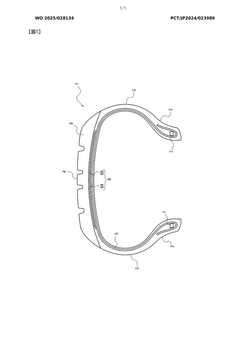
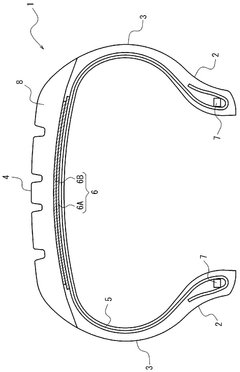
PatentWO2025028134A1
Innovation
- A tire rubber composition incorporating plant-derived silica as a filler with a content of 45% or more by mass, combined with isoprene skeleton rubber and a hydrogenated resin, to improve the sustainability ratio and maintain performance such as wet grip and low fuel consumption.
Environmental Impact of Silicone in Green Energy
The environmental impact of silicone in green energy infrastructure is a critical consideration as renewable energy technologies continue to expand globally. Silicone rubber, a key component in many renewable energy systems, offers both advantages and challenges from an environmental perspective.
One of the primary environmental benefits of silicone rubber in green energy applications is its durability and longevity. Silicone-based components in solar panels, wind turbines, and other renewable energy systems can withstand harsh environmental conditions for extended periods, reducing the need for frequent replacements. This longevity translates to reduced waste generation and lower resource consumption over the lifecycle of renewable energy installations.
Furthermore, silicone rubber's resistance to extreme temperatures, UV radiation, and moisture contributes to the overall efficiency and reliability of renewable energy systems. By maintaining optimal performance under various environmental stresses, silicone-based components help maximize energy output and minimize energy losses, thereby enhancing the environmental benefits of renewable energy sources.
However, the production of silicone rubber does have environmental implications. The manufacturing process involves energy-intensive steps and the use of chemical precursors, which can contribute to greenhouse gas emissions and potential chemical pollution if not properly managed. Additionally, the mining of silica, the primary raw material for silicone production, can have localized environmental impacts, including habitat disruption and water usage concerns.
End-of-life considerations for silicone rubber in renewable energy infrastructure also present environmental challenges. While silicone is generally inert and non-toxic, its disposal or recycling can be problematic due to its durability and resistance to degradation. Developing effective recycling methods for silicone-based components in renewable energy systems is an ongoing area of research and development.
Despite these challenges, the net environmental impact of silicone rubber in green energy applications is generally positive when considering its role in enabling and enhancing renewable energy technologies. The long-term environmental benefits of increased renewable energy adoption, facilitated by silicone-based components, often outweigh the environmental costs associated with silicone production and disposal.
As the renewable energy sector continues to grow, ongoing efforts to improve the sustainability of silicone production and develop more efficient recycling methods will be crucial in further minimizing the environmental footprint of silicone rubber in green energy infrastructure. These efforts, combined with the continued advancement of renewable energy technologies, will play a vital role in the transition towards a more sustainable and environmentally friendly energy landscape.
One of the primary environmental benefits of silicone rubber in green energy applications is its durability and longevity. Silicone-based components in solar panels, wind turbines, and other renewable energy systems can withstand harsh environmental conditions for extended periods, reducing the need for frequent replacements. This longevity translates to reduced waste generation and lower resource consumption over the lifecycle of renewable energy installations.
Furthermore, silicone rubber's resistance to extreme temperatures, UV radiation, and moisture contributes to the overall efficiency and reliability of renewable energy systems. By maintaining optimal performance under various environmental stresses, silicone-based components help maximize energy output and minimize energy losses, thereby enhancing the environmental benefits of renewable energy sources.
However, the production of silicone rubber does have environmental implications. The manufacturing process involves energy-intensive steps and the use of chemical precursors, which can contribute to greenhouse gas emissions and potential chemical pollution if not properly managed. Additionally, the mining of silica, the primary raw material for silicone production, can have localized environmental impacts, including habitat disruption and water usage concerns.
End-of-life considerations for silicone rubber in renewable energy infrastructure also present environmental challenges. While silicone is generally inert and non-toxic, its disposal or recycling can be problematic due to its durability and resistance to degradation. Developing effective recycling methods for silicone-based components in renewable energy systems is an ongoing area of research and development.
Despite these challenges, the net environmental impact of silicone rubber in green energy applications is generally positive when considering its role in enabling and enhancing renewable energy technologies. The long-term environmental benefits of increased renewable energy adoption, facilitated by silicone-based components, often outweigh the environmental costs associated with silicone production and disposal.
As the renewable energy sector continues to grow, ongoing efforts to improve the sustainability of silicone production and develop more efficient recycling methods will be crucial in further minimizing the environmental footprint of silicone rubber in green energy infrastructure. These efforts, combined with the continued advancement of renewable energy technologies, will play a vital role in the transition towards a more sustainable and environmentally friendly energy landscape.
Regulatory Framework for Silicone in Renewable Energy
The regulatory framework for silicone in renewable energy is a complex and evolving landscape that plays a crucial role in shaping the development and implementation of silicone-based technologies in the renewable infrastructure sector. As governments worldwide increasingly prioritize sustainable energy solutions, the regulations surrounding silicone materials have become more stringent and comprehensive.
At the international level, organizations such as the International Electrotechnical Commission (IEC) and the International Organization for Standardization (ISO) have established guidelines and standards for silicone materials used in renewable energy applications. These standards focus on ensuring the safety, reliability, and performance of silicone components in various renewable energy systems, including solar panels, wind turbines, and energy storage devices.
In the United States, the Environmental Protection Agency (EPA) and the Occupational Safety and Health Administration (OSHA) oversee the use of silicone materials in renewable energy infrastructure. The EPA's Toxic Substances Control Act (TSCA) regulates the manufacture, import, and use of silicone compounds, while OSHA sets safety standards for workers handling these materials during installation and maintenance of renewable energy systems.
The European Union has implemented the Registration, Evaluation, Authorization, and Restriction of Chemicals (REACH) regulation, which applies to silicone materials used in renewable energy applications. This comprehensive framework requires manufacturers and importers to assess and manage the risks associated with silicone compounds, ensuring their safe use throughout the supply chain.
In Asia, countries like China and Japan have developed their own regulatory frameworks for silicone materials in renewable energy. China's Ministry of Ecology and Environment has established guidelines for the production and use of silicone in renewable infrastructure, while Japan's Ministry of Economy, Trade, and Industry has implemented standards for silicone materials in solar and wind energy applications.
As the renewable energy sector continues to grow, regulatory bodies are increasingly focusing on the lifecycle management of silicone materials. This includes regulations governing the recycling and disposal of silicone components from decommissioned renewable energy systems, as well as guidelines for the development of more sustainable and environmentally friendly silicone formulations.
The regulatory landscape also addresses the specific performance requirements of silicone materials in renewable energy applications. For instance, regulations may specify the UV resistance, thermal stability, and electrical insulation properties required for silicone components used in solar panels or wind turbine blades. These performance standards ensure the longevity and efficiency of renewable energy infrastructure, contributing to the overall sustainability of the sector.
At the international level, organizations such as the International Electrotechnical Commission (IEC) and the International Organization for Standardization (ISO) have established guidelines and standards for silicone materials used in renewable energy applications. These standards focus on ensuring the safety, reliability, and performance of silicone components in various renewable energy systems, including solar panels, wind turbines, and energy storage devices.
In the United States, the Environmental Protection Agency (EPA) and the Occupational Safety and Health Administration (OSHA) oversee the use of silicone materials in renewable energy infrastructure. The EPA's Toxic Substances Control Act (TSCA) regulates the manufacture, import, and use of silicone compounds, while OSHA sets safety standards for workers handling these materials during installation and maintenance of renewable energy systems.
The European Union has implemented the Registration, Evaluation, Authorization, and Restriction of Chemicals (REACH) regulation, which applies to silicone materials used in renewable energy applications. This comprehensive framework requires manufacturers and importers to assess and manage the risks associated with silicone compounds, ensuring their safe use throughout the supply chain.
In Asia, countries like China and Japan have developed their own regulatory frameworks for silicone materials in renewable energy. China's Ministry of Ecology and Environment has established guidelines for the production and use of silicone in renewable infrastructure, while Japan's Ministry of Economy, Trade, and Industry has implemented standards for silicone materials in solar and wind energy applications.
As the renewable energy sector continues to grow, regulatory bodies are increasingly focusing on the lifecycle management of silicone materials. This includes regulations governing the recycling and disposal of silicone components from decommissioned renewable energy systems, as well as guidelines for the development of more sustainable and environmentally friendly silicone formulations.
The regulatory landscape also addresses the specific performance requirements of silicone materials in renewable energy applications. For instance, regulations may specify the UV resistance, thermal stability, and electrical insulation properties required for silicone components used in solar panels or wind turbine blades. These performance standards ensure the longevity and efficiency of renewable energy infrastructure, contributing to the overall sustainability of the sector.
Unlock deeper insights with PatSnap Eureka Quick Research — get a full tech report to explore trends and direct your research. Try now!
Generate Your Research Report Instantly with AI Agent
Supercharge your innovation with PatSnap Eureka AI Agent Platform!