How Silicone Rubber Shapes Future Environmental Tech Devices?
JUL 8, 20259 MIN READ
Generate Your Research Report Instantly with AI Agent
PatSnap Eureka helps you evaluate technical feasibility & market potential.
Silicone Rubber in Environmental Tech: Background and Objectives
Silicone rubber has emerged as a pivotal material in the development of environmental technology devices, offering unique properties that address the challenges of sustainability and eco-friendly innovation. The evolution of silicone rubber in this field can be traced back to its initial applications in industrial settings, where its resistance to extreme temperatures and chemical inertness proved invaluable.
As environmental concerns gained prominence, the versatility of silicone rubber became increasingly apparent in the context of green technologies. Its durability, flexibility, and ability to withstand harsh environmental conditions made it an ideal candidate for various applications in renewable energy systems, water treatment technologies, and air quality monitoring devices.
The primary objective in utilizing silicone rubber for environmental tech devices is to enhance the efficiency, longevity, and reliability of these systems while minimizing their environmental impact. This aligns with the global push towards sustainable development and the reduction of carbon footprints across industries.
One of the key trends driving the adoption of silicone rubber in environmental technologies is the growing demand for weather-resistant and long-lasting components in outdoor applications. Solar panels, wind turbines, and other renewable energy installations benefit significantly from silicone rubber's ability to maintain its properties under prolonged exposure to UV radiation, moisture, and temperature fluctuations.
In the realm of water treatment and conservation, silicone rubber plays a crucial role in developing advanced filtration systems and water-saving devices. Its non-toxic nature and resistance to microbial growth make it an excellent choice for components that come into direct contact with water, ensuring both efficiency and safety in purification processes.
The future trajectory of silicone rubber in environmental tech devices points towards even more innovative applications. Research is underway to explore its potential in energy storage solutions, such as advanced battery technologies and flexible solar cells. Additionally, the development of bio-based silicone rubbers promises to further reduce the environmental impact of production processes.
As we look ahead, the integration of smart technologies with silicone rubber components is expected to revolutionize environmental monitoring and control systems. This convergence will likely lead to the creation of more responsive, adaptive, and efficient devices capable of real-time environmental data collection and analysis.
As environmental concerns gained prominence, the versatility of silicone rubber became increasingly apparent in the context of green technologies. Its durability, flexibility, and ability to withstand harsh environmental conditions made it an ideal candidate for various applications in renewable energy systems, water treatment technologies, and air quality monitoring devices.
The primary objective in utilizing silicone rubber for environmental tech devices is to enhance the efficiency, longevity, and reliability of these systems while minimizing their environmental impact. This aligns with the global push towards sustainable development and the reduction of carbon footprints across industries.
One of the key trends driving the adoption of silicone rubber in environmental technologies is the growing demand for weather-resistant and long-lasting components in outdoor applications. Solar panels, wind turbines, and other renewable energy installations benefit significantly from silicone rubber's ability to maintain its properties under prolonged exposure to UV radiation, moisture, and temperature fluctuations.
In the realm of water treatment and conservation, silicone rubber plays a crucial role in developing advanced filtration systems and water-saving devices. Its non-toxic nature and resistance to microbial growth make it an excellent choice for components that come into direct contact with water, ensuring both efficiency and safety in purification processes.
The future trajectory of silicone rubber in environmental tech devices points towards even more innovative applications. Research is underway to explore its potential in energy storage solutions, such as advanced battery technologies and flexible solar cells. Additionally, the development of bio-based silicone rubbers promises to further reduce the environmental impact of production processes.
As we look ahead, the integration of smart technologies with silicone rubber components is expected to revolutionize environmental monitoring and control systems. This convergence will likely lead to the creation of more responsive, adaptive, and efficient devices capable of real-time environmental data collection and analysis.
Market Demand for Eco-Friendly Materials in Tech Devices
The demand for eco-friendly materials in tech devices has been steadily increasing in recent years, driven by growing environmental awareness and stricter regulations. Silicone rubber, with its unique properties and versatility, is emerging as a key player in this market shift towards sustainable technology.
Consumer preferences are evolving, with a significant portion of buyers now prioritizing environmentally friendly products. This trend is particularly pronounced in the tech sector, where consumers are increasingly seeking devices that minimize their ecological footprint. Silicone rubber aligns well with these preferences due to its durability, recyclability, and potential for biodegradability.
The market for eco-friendly materials in tech devices is expanding across various segments, including consumer electronics, wearables, and IoT devices. Silicone rubber's applications in these areas range from protective casings and waterproof seals to flexible displays and energy-efficient components. Its ability to withstand extreme temperatures and resist degradation makes it an attractive option for outdoor and rugged devices.
In the consumer electronics segment, there's a growing demand for sustainable packaging and accessories. Silicone rubber cases, screen protectors, and cable organizers are gaining popularity as alternatives to traditional plastic products. The material's non-toxic nature and resistance to bacterial growth also make it suitable for health-focused wearables and medical devices.
The automotive industry is another significant driver of demand for eco-friendly materials. As electric and hybrid vehicles become more prevalent, manufacturers are seeking sustainable materials for interior components, seals, and gaskets. Silicone rubber's heat resistance and electrical insulation properties make it an excellent candidate for these applications.
Environmental regulations and corporate sustainability goals are further propelling the adoption of eco-friendly materials. Many tech companies are setting ambitious targets to reduce their carbon footprint and increase the use of recyclable materials in their products. Silicone rubber's potential for recycling and its long lifespan contribute to meeting these objectives.
The market for silicone rubber in environmental tech devices is expected to grow substantially in the coming years. This growth is supported by ongoing research and development efforts to enhance the material's eco-friendly properties, such as improving its biodegradability and developing more efficient recycling processes.
As the demand for sustainable tech devices continues to rise, silicone rubber is well-positioned to play a crucial role in shaping the future of environmental technology. Its versatility, durability, and eco-friendly characteristics make it a promising material for innovators and manufacturers looking to meet the growing market demand for sustainable solutions in the tech industry.
Consumer preferences are evolving, with a significant portion of buyers now prioritizing environmentally friendly products. This trend is particularly pronounced in the tech sector, where consumers are increasingly seeking devices that minimize their ecological footprint. Silicone rubber aligns well with these preferences due to its durability, recyclability, and potential for biodegradability.
The market for eco-friendly materials in tech devices is expanding across various segments, including consumer electronics, wearables, and IoT devices. Silicone rubber's applications in these areas range from protective casings and waterproof seals to flexible displays and energy-efficient components. Its ability to withstand extreme temperatures and resist degradation makes it an attractive option for outdoor and rugged devices.
In the consumer electronics segment, there's a growing demand for sustainable packaging and accessories. Silicone rubber cases, screen protectors, and cable organizers are gaining popularity as alternatives to traditional plastic products. The material's non-toxic nature and resistance to bacterial growth also make it suitable for health-focused wearables and medical devices.
The automotive industry is another significant driver of demand for eco-friendly materials. As electric and hybrid vehicles become more prevalent, manufacturers are seeking sustainable materials for interior components, seals, and gaskets. Silicone rubber's heat resistance and electrical insulation properties make it an excellent candidate for these applications.
Environmental regulations and corporate sustainability goals are further propelling the adoption of eco-friendly materials. Many tech companies are setting ambitious targets to reduce their carbon footprint and increase the use of recyclable materials in their products. Silicone rubber's potential for recycling and its long lifespan contribute to meeting these objectives.
The market for silicone rubber in environmental tech devices is expected to grow substantially in the coming years. This growth is supported by ongoing research and development efforts to enhance the material's eco-friendly properties, such as improving its biodegradability and developing more efficient recycling processes.
As the demand for sustainable tech devices continues to rise, silicone rubber is well-positioned to play a crucial role in shaping the future of environmental technology. Its versatility, durability, and eco-friendly characteristics make it a promising material for innovators and manufacturers looking to meet the growing market demand for sustainable solutions in the tech industry.
Current State and Challenges of Silicone Rubber in Environmental Applications
Silicone rubber has emerged as a key material in environmental technology devices, offering unique properties that address various challenges in this field. Currently, silicone rubber is widely used in applications such as water treatment systems, air quality monitoring devices, and renewable energy technologies. Its excellent resistance to extreme temperatures, UV radiation, and chemical exposure makes it ideal for outdoor environmental monitoring equipment.
In water treatment applications, silicone rubber membranes and seals play a crucial role in filtration systems and desalination plants. These components offer superior durability and flexibility, enabling efficient water purification processes. However, challenges remain in improving the long-term performance of silicone rubber under continuous exposure to harsh chemicals and high-pressure environments.
Air quality monitoring devices benefit from silicone rubber's gas permeability and stability. Sensors encased in silicone rubber housings can accurately detect and measure various pollutants while being protected from environmental factors. The main challenge in this area is enhancing the selectivity of silicone rubber membranes to specific gases without compromising overall sensitivity.
In renewable energy technologies, silicone rubber is utilized in solar panel sealants and wind turbine components. Its weather resistance and electrical insulation properties contribute to the longevity and efficiency of these systems. However, there is a need to develop silicone rubber formulations with improved thermal conductivity for better heat dissipation in solar applications.
One significant challenge facing the use of silicone rubber in environmental tech devices is its end-of-life management. While durable, silicone rubber products can be difficult to recycle or biodegrade, raising concerns about their long-term environmental impact. Research is ongoing to develop more sustainable silicone rubber formulations and effective recycling methods.
Another area of focus is the enhancement of silicone rubber's antimicrobial properties for use in water treatment and air purification systems. Current efforts aim to incorporate nanoparticles or surface modifications to prevent biofilm formation and improve overall hygiene in environmental applications.
The integration of smart functionalities into silicone rubber components presents both opportunities and challenges. Researchers are exploring ways to incorporate sensors and responsive elements directly into silicone rubber matrices, enabling real-time monitoring and adaptive responses in environmental tech devices. However, maintaining the material's core properties while adding these functionalities remains a complex task.
In water treatment applications, silicone rubber membranes and seals play a crucial role in filtration systems and desalination plants. These components offer superior durability and flexibility, enabling efficient water purification processes. However, challenges remain in improving the long-term performance of silicone rubber under continuous exposure to harsh chemicals and high-pressure environments.
Air quality monitoring devices benefit from silicone rubber's gas permeability and stability. Sensors encased in silicone rubber housings can accurately detect and measure various pollutants while being protected from environmental factors. The main challenge in this area is enhancing the selectivity of silicone rubber membranes to specific gases without compromising overall sensitivity.
In renewable energy technologies, silicone rubber is utilized in solar panel sealants and wind turbine components. Its weather resistance and electrical insulation properties contribute to the longevity and efficiency of these systems. However, there is a need to develop silicone rubber formulations with improved thermal conductivity for better heat dissipation in solar applications.
One significant challenge facing the use of silicone rubber in environmental tech devices is its end-of-life management. While durable, silicone rubber products can be difficult to recycle or biodegrade, raising concerns about their long-term environmental impact. Research is ongoing to develop more sustainable silicone rubber formulations and effective recycling methods.
Another area of focus is the enhancement of silicone rubber's antimicrobial properties for use in water treatment and air purification systems. Current efforts aim to incorporate nanoparticles or surface modifications to prevent biofilm formation and improve overall hygiene in environmental applications.
The integration of smart functionalities into silicone rubber components presents both opportunities and challenges. Researchers are exploring ways to incorporate sensors and responsive elements directly into silicone rubber matrices, enabling real-time monitoring and adaptive responses in environmental tech devices. However, maintaining the material's core properties while adding these functionalities remains a complex task.
Existing Applications of Silicone Rubber in Environmental Tech Devices
01 Composition and preparation of silicone rubber
Silicone rubber is typically composed of silicone polymers, fillers, and curing agents. The preparation process often involves mixing these components, shaping the mixture, and then curing it to form the final rubber product. Various additives can be incorporated to modify properties such as strength, flexibility, and heat resistance.- Composition and formulation of silicone rubber: Silicone rubber compositions typically include silicone polymers, fillers, and curing agents. The formulation can be adjusted to achieve specific properties such as hardness, elasticity, and heat resistance. Various additives may be incorporated to enhance performance characteristics or processing behavior.
- Manufacturing processes for silicone rubber products: Different manufacturing techniques are employed to produce silicone rubber products, including molding, extrusion, and calendering. The choice of process depends on the desired shape, size, and properties of the final product. Curing methods, such as heat curing or room temperature vulcanization, are crucial steps in the production process.
- Modifications and improvements to silicone rubber: Ongoing research focuses on enhancing the properties of silicone rubber through various modifications. This includes the development of new polymer structures, incorporation of nanofillers, and surface treatments. These modifications aim to improve mechanical strength, thermal stability, chemical resistance, or introduce novel functionalities.
- Applications of silicone rubber in various industries: Silicone rubber finds widespread use across multiple industries due to its unique properties. It is commonly used in medical devices, automotive parts, electrical insulation, consumer products, and construction materials. The material's biocompatibility, durability, and resistance to extreme temperatures make it suitable for diverse applications.
- Environmental and sustainability aspects of silicone rubber: There is growing interest in developing more sustainable silicone rubber formulations and manufacturing processes. This includes the use of bio-based raw materials, improving energy efficiency in production, and enhancing the recyclability or biodegradability of silicone rubber products. Research is also focused on reducing the environmental impact of silicone rubber throughout its lifecycle.
02 Modification of silicone rubber properties
The properties of silicone rubber can be modified through the addition of specific compounds or by altering the polymer structure. This can include improving mechanical strength, enhancing thermal stability, or increasing chemical resistance. Techniques may involve blending with other polymers or incorporating nanoparticles.Expand Specific Solutions03 Applications of silicone rubber
Silicone rubber finds wide-ranging applications due to its unique properties. It is used in medical devices, automotive parts, electrical insulation, cookware, and various industrial applications. Its biocompatibility makes it suitable for implants and other medical uses, while its heat resistance and electrical properties make it valuable in electronics and automotive industries.Expand Specific Solutions04 Manufacturing processes for silicone rubber products
Various manufacturing processes are employed to produce silicone rubber products, including injection molding, extrusion, and compression molding. These processes can be optimized for different product types and production scales. Advanced techniques may involve precision molding for complex shapes or multi-component molding for composite products.Expand Specific Solutions05 Innovations in silicone rubber technology
Ongoing research in silicone rubber technology focuses on developing new formulations with enhanced properties. This includes creating self-healing silicone rubbers, improving adhesion to other materials, and developing silicone rubber composites with unique characteristics. Innovations also extend to more environmentally friendly production methods and the incorporation of sustainable materials.Expand Specific Solutions
Key Players in Silicone Rubber and Environmental Tech Industries
The silicone rubber industry for environmental tech devices is in a growth phase, driven by increasing demand for sustainable and eco-friendly solutions. The market size is expanding rapidly, with projections indicating significant growth in the coming years. Technologically, silicone rubber applications are advancing, with companies like Shin-Etsu Chemical, Wacker Chemie, and Momentive Performance Materials leading innovation. These firms are developing high-performance silicone materials with enhanced properties for environmental applications. Emerging players such as Chengdu Kaite Silicone New Material Technology are also contributing to technological advancements, particularly in eco-friendly materials. The competitive landscape is characterized by a mix of established global leaders and innovative startups, fostering a dynamic environment for technological progress and market expansion.
Shin-Etsu Chemical Co., Ltd.
Technical Solution: Shin-Etsu Chemical Co., Ltd. has developed advanced silicone rubber compounds specifically designed for environmental tech devices. Their innovative formulations incorporate nano-sized silica particles, enhancing the material's durability and thermal stability[1]. This allows for the creation of more efficient and longer-lasting environmental sensors and monitoring equipment. The company has also introduced self-healing silicone rubber variants, which can automatically repair minor damage, extending the lifespan of outdoor environmental devices[3]. Additionally, Shin-Etsu has developed highly transparent silicone rubbers with excellent UV resistance, ideal for solar panel encapsulation and outdoor display technologies used in environmental monitoring stations[5].
Strengths: Superior durability, self-healing properties, and excellent UV resistance. Weaknesses: Higher production costs compared to traditional rubber compounds, which may limit widespread adoption in cost-sensitive applications.
Wacker Chemie AG
Technical Solution: Wacker Chemie AG has pioneered the development of eco-friendly silicone rubber formulations for environmental tech devices. Their ELASTOSIL® line includes biodegradable silicone rubbers that maintain high performance while reducing environmental impact[2]. These materials are particularly suitable for temporary environmental monitoring devices and disposable sensors. Wacker has also introduced silicone rubber compounds with enhanced electrical properties, enabling the creation of more sensitive and accurate environmental sensors[4]. Their latest innovation involves silicone rubbers with integrated phase-change materials, allowing for improved thermal management in environmental tech devices operating in extreme conditions[6].
Strengths: Eco-friendly formulations, enhanced electrical properties for sensitive sensors, and advanced thermal management capabilities. Weaknesses: Biodegradable variants may have shorter lifespans compared to traditional silicone rubbers, potentially limiting their use in long-term applications.
Innovative Silicone Rubber Formulations for Environmental Tech
Liquid composition for silicone rubber spherical particles, silicone rubber spherical particles and production method therefor, and silicone composite particles and production method therefor
PatentWO2023276648A1
Innovation
- A liquid composition for producing silicone rubber spherical particles with a crosslinked structure that decomposes under external stimuli such as light, heat, acid, or base, incorporating a polysiloxane with alkenyl groups and an organohydrogenpolysiloxane, along with a hydrosilylation reactive catalyst, to create degradable particles with a volume average particle diameter of 0.5 to 100 μm, and further enhancing biodegradability by introducing a caprolactone skeleton.
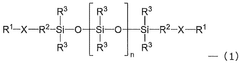
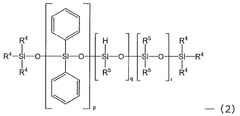
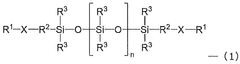
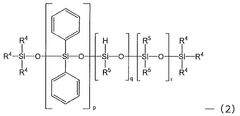
Self-lubricating, organic-silicone rubber material, its preparation, process and use
PatentInactiveUS20090054569A1
Innovation
- A self-lubricating organic-silicone rubber material is developed by mixing organic-silicone rubber with a self-lubricating additive, filler, and a vulcanizing agent, along with optional release agents and pigments, to create a material that reduces friction and enhances durability and processing ease.
Environmental Impact Assessment of Silicone Rubber in Tech Devices
The environmental impact of silicone rubber in tech devices is a critical consideration as the material gains prominence in various applications. Silicone rubber's durability and resistance to extreme temperatures and chemicals make it an attractive option for environmental tech devices. However, its production and disposal processes require careful assessment to ensure overall sustainability.
Silicone rubber production involves the use of fossil fuels and energy-intensive processes, contributing to greenhouse gas emissions. The extraction of silica, a primary raw material, can lead to habitat disruption and soil erosion if not managed responsibly. Additionally, the use of catalysts and additives in the manufacturing process may introduce potentially harmful substances into the environment if not properly controlled.
On the positive side, silicone rubber's longevity and resistance to degradation can significantly extend the lifespan of tech devices, reducing the frequency of replacements and associated waste. This durability also makes silicone rubber products suitable for reuse and repurposing, potentially decreasing the demand for new materials and lowering overall environmental impact.
The material's thermal stability and electrical insulation properties contribute to improved energy efficiency in various applications, such as solar panels and wind turbines. This indirect environmental benefit can offset some of the negative impacts associated with its production.
End-of-life management of silicone rubber presents both challenges and opportunities. While the material is not biodegradable, it can be recycled through specialized processes. However, the current infrastructure for silicone recycling is limited, and many silicone rubber products end up in landfills or incineration facilities. Developing more efficient recycling technologies and establishing comprehensive collection systems are crucial steps in mitigating the environmental impact of silicone rubber waste.
Water pollution is another concern, as microparticles from silicone rubber products can enter aquatic ecosystems. Research is ongoing to understand the long-term effects of these particles on marine life and food chains. Implementing proper filtration systems in manufacturing facilities and improving wastewater treatment processes can help mitigate this risk.
As environmental tech devices increasingly incorporate silicone rubber, it is essential to adopt a lifecycle approach to assess and minimize its environmental impact. This includes optimizing production processes, exploring bio-based alternatives, enhancing recycling capabilities, and designing products for easy disassembly and material recovery. By addressing these aspects, the tech industry can harness the benefits of silicone rubber while minimizing its ecological footprint.
Silicone rubber production involves the use of fossil fuels and energy-intensive processes, contributing to greenhouse gas emissions. The extraction of silica, a primary raw material, can lead to habitat disruption and soil erosion if not managed responsibly. Additionally, the use of catalysts and additives in the manufacturing process may introduce potentially harmful substances into the environment if not properly controlled.
On the positive side, silicone rubber's longevity and resistance to degradation can significantly extend the lifespan of tech devices, reducing the frequency of replacements and associated waste. This durability also makes silicone rubber products suitable for reuse and repurposing, potentially decreasing the demand for new materials and lowering overall environmental impact.
The material's thermal stability and electrical insulation properties contribute to improved energy efficiency in various applications, such as solar panels and wind turbines. This indirect environmental benefit can offset some of the negative impacts associated with its production.
End-of-life management of silicone rubber presents both challenges and opportunities. While the material is not biodegradable, it can be recycled through specialized processes. However, the current infrastructure for silicone recycling is limited, and many silicone rubber products end up in landfills or incineration facilities. Developing more efficient recycling technologies and establishing comprehensive collection systems are crucial steps in mitigating the environmental impact of silicone rubber waste.
Water pollution is another concern, as microparticles from silicone rubber products can enter aquatic ecosystems. Research is ongoing to understand the long-term effects of these particles on marine life and food chains. Implementing proper filtration systems in manufacturing facilities and improving wastewater treatment processes can help mitigate this risk.
As environmental tech devices increasingly incorporate silicone rubber, it is essential to adopt a lifecycle approach to assess and minimize its environmental impact. This includes optimizing production processes, exploring bio-based alternatives, enhancing recycling capabilities, and designing products for easy disassembly and material recovery. By addressing these aspects, the tech industry can harness the benefits of silicone rubber while minimizing its ecological footprint.
Regulatory Landscape for Silicone Rubber in Environmental Applications
The regulatory landscape for silicone rubber in environmental applications is complex and evolving, reflecting the growing importance of sustainable materials in environmental technology. Governments and international bodies are increasingly recognizing the potential of silicone rubber to contribute to environmental solutions, leading to a dynamic regulatory environment.
In many jurisdictions, silicone rubber is subject to chemical regulations that govern its production, use, and disposal. The European Union's REACH (Registration, Evaluation, Authorization, and Restriction of Chemicals) regulation is a prime example, requiring manufacturers and importers to register silicone rubber components and demonstrate their safety for human health and the environment. Similar frameworks exist in other regions, such as the Toxic Substances Control Act (TSCA) in the United States.
Environmental applications of silicone rubber often intersect with regulations specific to the sectors in which they are used. For instance, in water treatment technologies, silicone rubber components must comply with drinking water standards set by agencies like the U.S. Environmental Protection Agency (EPA) or the European Food Safety Authority (EFSA). These standards typically focus on leaching potential and long-term stability of materials in contact with water.
The use of silicone rubber in renewable energy technologies, such as solar panels and wind turbines, is subject to regulations governing the durability and performance of these systems. Standards set by organizations like the International Electrotechnical Commission (IEC) often include specifications for materials used in these applications, indirectly influencing the development and use of silicone rubber formulations.
As environmental concerns gain prominence, regulations are increasingly focusing on the lifecycle impact of materials. This trend is driving the development of standards for biodegradability and recyclability of silicone rubber. While silicone rubber is not biodegradable in the traditional sense, its durability and potential for recycling are being evaluated in the context of circular economy principles.
Regulatory bodies are also addressing the end-of-life management of silicone rubber products. The EU's Waste Electrical and Electronic Equipment (WEEE) Directive, for example, has implications for silicone rubber components used in electronic devices, mandating proper disposal and recycling practices.
The global nature of environmental challenges is leading to increased international cooperation in regulatory approaches. Harmonization efforts, such as those undertaken by the United Nations' Strategic Approach to International Chemicals Management (SAICM), aim to create more consistent global standards for materials like silicone rubber, particularly in environmental applications.
As environmental technology continues to advance, regulators are likely to adopt more nuanced approaches that balance the benefits of silicone rubber in environmental applications with potential risks. This may include incentives for the development of more sustainable silicone rubber formulations and manufacturing processes, as well as stricter controls on disposal and recycling.
In many jurisdictions, silicone rubber is subject to chemical regulations that govern its production, use, and disposal. The European Union's REACH (Registration, Evaluation, Authorization, and Restriction of Chemicals) regulation is a prime example, requiring manufacturers and importers to register silicone rubber components and demonstrate their safety for human health and the environment. Similar frameworks exist in other regions, such as the Toxic Substances Control Act (TSCA) in the United States.
Environmental applications of silicone rubber often intersect with regulations specific to the sectors in which they are used. For instance, in water treatment technologies, silicone rubber components must comply with drinking water standards set by agencies like the U.S. Environmental Protection Agency (EPA) or the European Food Safety Authority (EFSA). These standards typically focus on leaching potential and long-term stability of materials in contact with water.
The use of silicone rubber in renewable energy technologies, such as solar panels and wind turbines, is subject to regulations governing the durability and performance of these systems. Standards set by organizations like the International Electrotechnical Commission (IEC) often include specifications for materials used in these applications, indirectly influencing the development and use of silicone rubber formulations.
As environmental concerns gain prominence, regulations are increasingly focusing on the lifecycle impact of materials. This trend is driving the development of standards for biodegradability and recyclability of silicone rubber. While silicone rubber is not biodegradable in the traditional sense, its durability and potential for recycling are being evaluated in the context of circular economy principles.
Regulatory bodies are also addressing the end-of-life management of silicone rubber products. The EU's Waste Electrical and Electronic Equipment (WEEE) Directive, for example, has implications for silicone rubber components used in electronic devices, mandating proper disposal and recycling practices.
The global nature of environmental challenges is leading to increased international cooperation in regulatory approaches. Harmonization efforts, such as those undertaken by the United Nations' Strategic Approach to International Chemicals Management (SAICM), aim to create more consistent global standards for materials like silicone rubber, particularly in environmental applications.
As environmental technology continues to advance, regulators are likely to adopt more nuanced approaches that balance the benefits of silicone rubber in environmental applications with potential risks. This may include incentives for the development of more sustainable silicone rubber formulations and manufacturing processes, as well as stricter controls on disposal and recycling.
Unlock deeper insights with PatSnap Eureka Quick Research — get a full tech report to explore trends and direct your research. Try now!
Generate Your Research Report Instantly with AI Agent
Supercharge your innovation with PatSnap Eureka AI Agent Platform!