How Silicone Rubber Upholds Long-Term Device Reliability?
JUL 8, 20259 MIN READ
Generate Your Research Report Instantly with AI Agent
PatSnap Eureka helps you evaluate technical feasibility & market potential.
Silicone Rubber Evolution and Objectives
Silicone rubber has undergone a remarkable evolution since its inception in the 1940s, transforming from a niche material to a cornerstone of modern device reliability. Initially developed as an alternative to natural rubber, silicone rubber quickly gained traction due to its unique combination of properties, including thermal stability, electrical insulation, and resistance to environmental factors.
The journey of silicone rubber began with simple formulations, primarily used in aerospace and military applications. As manufacturing techniques improved, the material found its way into consumer electronics, automotive components, and medical devices. Each industry's specific demands drove further refinement of silicone rubber properties, leading to a diverse range of specialized formulations.
A significant milestone in silicone rubber evolution was the development of liquid silicone rubber (LSR) in the 1970s. LSR opened new possibilities for complex molding processes and high-volume production, greatly expanding the material's applicability in various industries. This innovation marked a turning point in silicone rubber's role in enhancing device reliability.
The objectives of silicone rubber in upholding long-term device reliability have evolved alongside technological advancements. Initially, the focus was on basic protection against environmental factors such as moisture and temperature fluctuations. As devices became more sophisticated, the objectives expanded to include maintaining consistent performance over extended periods, withstanding extreme conditions, and providing fail-safe characteristics in critical applications.
Today, the primary objectives of silicone rubber in device reliability include: ensuring prolonged operational lifetimes under diverse environmental conditions; maintaining electrical and thermal properties over time; providing effective sealing and insulation against contaminants; offering flexibility and resilience to mechanical stress; and contributing to overall device miniaturization without compromising performance.
Looking ahead, the evolution of silicone rubber continues to be driven by emerging technologies and sustainability concerns. Objectives now include developing bio-based silicone rubbers, enhancing recyclability, and improving the material's performance in extreme environments such as those encountered in space exploration or deep-sea applications. The ongoing research aims to push the boundaries of silicone rubber's capabilities, ensuring its relevance in future generations of reliable devices.
The journey of silicone rubber began with simple formulations, primarily used in aerospace and military applications. As manufacturing techniques improved, the material found its way into consumer electronics, automotive components, and medical devices. Each industry's specific demands drove further refinement of silicone rubber properties, leading to a diverse range of specialized formulations.
A significant milestone in silicone rubber evolution was the development of liquid silicone rubber (LSR) in the 1970s. LSR opened new possibilities for complex molding processes and high-volume production, greatly expanding the material's applicability in various industries. This innovation marked a turning point in silicone rubber's role in enhancing device reliability.
The objectives of silicone rubber in upholding long-term device reliability have evolved alongside technological advancements. Initially, the focus was on basic protection against environmental factors such as moisture and temperature fluctuations. As devices became more sophisticated, the objectives expanded to include maintaining consistent performance over extended periods, withstanding extreme conditions, and providing fail-safe characteristics in critical applications.
Today, the primary objectives of silicone rubber in device reliability include: ensuring prolonged operational lifetimes under diverse environmental conditions; maintaining electrical and thermal properties over time; providing effective sealing and insulation against contaminants; offering flexibility and resilience to mechanical stress; and contributing to overall device miniaturization without compromising performance.
Looking ahead, the evolution of silicone rubber continues to be driven by emerging technologies and sustainability concerns. Objectives now include developing bio-based silicone rubbers, enhancing recyclability, and improving the material's performance in extreme environments such as those encountered in space exploration or deep-sea applications. The ongoing research aims to push the boundaries of silicone rubber's capabilities, ensuring its relevance in future generations of reliable devices.
Market Demand Analysis
The market demand for silicone rubber in long-term device reliability applications has been steadily increasing across various industries. This growth is primarily driven by the expanding electronics, medical devices, and automotive sectors, where the need for durable and reliable components is paramount.
In the electronics industry, silicone rubber is extensively used in the production of wearable devices, smartphones, and other consumer electronics. The global wearable technology market, a significant consumer of silicone rubber, is projected to grow at a compound annual growth rate (CAGR) of over 15% in the coming years. This growth is fueled by the increasing demand for smartwatches, fitness trackers, and other wearable devices that require materials capable of withstanding daily wear and tear.
The medical device industry is another major driver of silicone rubber demand. With the aging population and the rise of chronic diseases, there is a growing need for long-lasting implantable devices and medical equipment. Silicone rubber's biocompatibility and durability make it an ideal material for these applications. The global medical silicone market is expected to witness substantial growth, with some estimates suggesting a CAGR of around 6% through 2025.
In the automotive sector, the shift towards electric vehicles (EVs) and the increasing focus on vehicle safety and comfort are boosting the demand for silicone rubber components. These materials are used in various applications, including gaskets, seals, and electrical insulation, where long-term reliability is crucial. The global automotive silicone market is anticipated to grow significantly, driven by the increasing production of EVs and the integration of advanced technologies in vehicles.
The aerospace industry also contributes to the growing demand for silicone rubber in long-term reliability applications. With the need for lightweight, durable materials that can withstand extreme conditions, silicone rubber is becoming increasingly important in aircraft and spacecraft manufacturing.
Furthermore, the industrial sector, including oil and gas, chemical processing, and power generation, relies heavily on silicone rubber for its ability to maintain performance under harsh conditions. The demand in these sectors is expected to remain strong as industries continue to prioritize equipment reliability and longevity.
As environmental concerns grow, there is an increasing focus on sustainable and eco-friendly materials. This trend is likely to drive innovation in silicone rubber formulations, potentially expanding its market further. Manufacturers are investing in research and development to enhance the properties of silicone rubber, making it even more suitable for long-term reliability applications across various industries.
In the electronics industry, silicone rubber is extensively used in the production of wearable devices, smartphones, and other consumer electronics. The global wearable technology market, a significant consumer of silicone rubber, is projected to grow at a compound annual growth rate (CAGR) of over 15% in the coming years. This growth is fueled by the increasing demand for smartwatches, fitness trackers, and other wearable devices that require materials capable of withstanding daily wear and tear.
The medical device industry is another major driver of silicone rubber demand. With the aging population and the rise of chronic diseases, there is a growing need for long-lasting implantable devices and medical equipment. Silicone rubber's biocompatibility and durability make it an ideal material for these applications. The global medical silicone market is expected to witness substantial growth, with some estimates suggesting a CAGR of around 6% through 2025.
In the automotive sector, the shift towards electric vehicles (EVs) and the increasing focus on vehicle safety and comfort are boosting the demand for silicone rubber components. These materials are used in various applications, including gaskets, seals, and electrical insulation, where long-term reliability is crucial. The global automotive silicone market is anticipated to grow significantly, driven by the increasing production of EVs and the integration of advanced technologies in vehicles.
The aerospace industry also contributes to the growing demand for silicone rubber in long-term reliability applications. With the need for lightweight, durable materials that can withstand extreme conditions, silicone rubber is becoming increasingly important in aircraft and spacecraft manufacturing.
Furthermore, the industrial sector, including oil and gas, chemical processing, and power generation, relies heavily on silicone rubber for its ability to maintain performance under harsh conditions. The demand in these sectors is expected to remain strong as industries continue to prioritize equipment reliability and longevity.
As environmental concerns grow, there is an increasing focus on sustainable and eco-friendly materials. This trend is likely to drive innovation in silicone rubber formulations, potentially expanding its market further. Manufacturers are investing in research and development to enhance the properties of silicone rubber, making it even more suitable for long-term reliability applications across various industries.
Current Challenges in Silicone Rubber Technology
Silicone rubber technology, while advanced, still faces several challenges in ensuring long-term device reliability. One of the primary issues is the material's susceptibility to environmental degradation. Prolonged exposure to UV radiation, extreme temperatures, and harsh chemicals can lead to changes in the rubber's physical and chemical properties, potentially compromising its performance over time.
Mechanical stress is another significant challenge. Silicone rubber components in devices often undergo repeated deformation, compression, or tension. This continuous stress can result in fatigue, leading to micro-cracks or permanent deformation, which may affect the rubber's sealing properties or electrical insulation capabilities.
The adhesion between silicone rubber and other materials in complex devices presents an ongoing challenge. Ensuring long-lasting, stable bonds between silicone and metals, plastics, or other substrates is crucial for maintaining device integrity. Delamination or bond failure can lead to device malfunction or reduced lifespan.
Contamination control during the manufacturing process remains a persistent issue. Even minute impurities introduced during mixing, molding, or curing can significantly impact the rubber's properties and long-term performance. Achieving consistently high purity levels across large-scale production is an ongoing challenge for manufacturers.
Electrical properties of silicone rubber, while generally favorable, can be affected by various factors over time. Changes in dielectric strength, volume resistivity, or tracking resistance due to aging or environmental factors can compromise the rubber's insulating capabilities in electronic devices.
Thermal management is another area of concern, particularly in high-power electronic applications. While silicone rubber offers good thermal stability, improving its heat dissipation properties without compromising other beneficial characteristics remains a challenge for researchers and engineers.
Lastly, the biocompatibility of silicone rubber in long-term medical implants and devices continues to be an area of research and development. Ensuring that the material remains inert and does not trigger adverse reactions or degradation within the human body over extended periods is crucial for its use in medical applications.
Addressing these challenges requires ongoing research into advanced formulations, improved manufacturing processes, and innovative testing methodologies to predict and enhance the long-term reliability of silicone rubber in various device applications.
Mechanical stress is another significant challenge. Silicone rubber components in devices often undergo repeated deformation, compression, or tension. This continuous stress can result in fatigue, leading to micro-cracks or permanent deformation, which may affect the rubber's sealing properties or electrical insulation capabilities.
The adhesion between silicone rubber and other materials in complex devices presents an ongoing challenge. Ensuring long-lasting, stable bonds between silicone and metals, plastics, or other substrates is crucial for maintaining device integrity. Delamination or bond failure can lead to device malfunction or reduced lifespan.
Contamination control during the manufacturing process remains a persistent issue. Even minute impurities introduced during mixing, molding, or curing can significantly impact the rubber's properties and long-term performance. Achieving consistently high purity levels across large-scale production is an ongoing challenge for manufacturers.
Electrical properties of silicone rubber, while generally favorable, can be affected by various factors over time. Changes in dielectric strength, volume resistivity, or tracking resistance due to aging or environmental factors can compromise the rubber's insulating capabilities in electronic devices.
Thermal management is another area of concern, particularly in high-power electronic applications. While silicone rubber offers good thermal stability, improving its heat dissipation properties without compromising other beneficial characteristics remains a challenge for researchers and engineers.
Lastly, the biocompatibility of silicone rubber in long-term medical implants and devices continues to be an area of research and development. Ensuring that the material remains inert and does not trigger adverse reactions or degradation within the human body over extended periods is crucial for its use in medical applications.
Addressing these challenges requires ongoing research into advanced formulations, improved manufacturing processes, and innovative testing methodologies to predict and enhance the long-term reliability of silicone rubber in various device applications.
Existing Silicone Rubber Solutions
01 Composition and additives for improved reliability
Enhancing the long-term reliability of silicone rubber involves optimizing its composition and incorporating specific additives. This can include the use of reinforcing fillers, antioxidants, and stabilizers to improve mechanical properties, thermal stability, and resistance to environmental factors. The careful selection and balance of these components contribute to the overall durability and performance of silicone rubber products over extended periods.- Composition and additives for improved reliability: Enhancing the long-term reliability of silicone rubber involves optimizing its composition and incorporating specific additives. This can include the use of reinforcing fillers, antioxidants, and stabilizers to improve mechanical properties, thermal stability, and resistance to environmental factors. The careful selection and balance of these components contribute to the overall durability and performance of silicone rubber products over extended periods.
- Testing and evaluation methods: Developing and implementing comprehensive testing and evaluation methods is crucial for assessing the long-term reliability of silicone rubber. This includes accelerated aging tests, thermal cycling, mechanical stress tests, and environmental exposure simulations. Advanced analytical techniques and monitoring systems are employed to predict and verify the performance and lifespan of silicone rubber components under various operating conditions.
- Surface treatment and coating technologies: Surface treatment and coating technologies play a significant role in enhancing the long-term reliability of silicone rubber. These processes can improve adhesion properties, increase resistance to environmental factors, and provide additional protection against degradation. Techniques such as plasma treatment, chemical modification, and application of specialized coatings can significantly extend the service life of silicone rubber products.
- Manufacturing process optimization: Optimizing the manufacturing process is essential for ensuring the long-term reliability of silicone rubber products. This includes precise control of curing conditions, minimizing contamination, and implementing quality control measures throughout the production cycle. Advanced manufacturing techniques, such as injection molding and extrusion processes, are continually refined to produce silicone rubber components with consistent properties and enhanced durability.
- Application-specific formulations: Developing application-specific formulations is key to addressing the long-term reliability requirements of silicone rubber in various industries. This involves tailoring the silicone rubber composition to meet the specific demands of different applications, such as automotive, aerospace, medical devices, and electronics. By focusing on the unique environmental and operational challenges of each application, specialized silicone rubber formulations can be created to ensure optimal performance and longevity.
02 Testing and evaluation methods
Developing and implementing comprehensive testing and evaluation methods is crucial for assessing the long-term reliability of silicone rubber. This includes accelerated aging tests, thermal cycling, and environmental stress testing to simulate real-world conditions and predict long-term performance. Advanced analytical techniques and monitoring systems are employed to detect early signs of degradation and ensure the reliability of silicone rubber components in various applications.Expand Specific Solutions03 Surface treatment and coating technologies
Surface treatment and coating technologies play a significant role in enhancing the long-term reliability of silicone rubber. These processes can improve adhesion properties, increase resistance to environmental factors, and provide additional protection against degradation. Various coating materials and treatment methods are explored to create more durable and stable silicone rubber surfaces for specific applications.Expand Specific Solutions04 Optimization of curing and processing techniques
Improving the long-term reliability of silicone rubber involves optimizing curing and processing techniques. This includes fine-tuning the curing parameters, such as temperature and time, as well as exploring novel processing methods to enhance the cross-linking density and overall structure of the material. Advanced manufacturing processes and quality control measures are implemented to ensure consistent and reliable silicone rubber products.Expand Specific Solutions05 Application-specific reliability enhancements
Tailoring silicone rubber formulations and properties for specific applications is essential for ensuring long-term reliability. This involves developing specialized grades of silicone rubber with enhanced characteristics such as improved electrical insulation, chemical resistance, or biocompatibility. Research focuses on understanding the unique requirements of different industries and creating silicone rubber solutions that maintain their performance and reliability under specific operating conditions.Expand Specific Solutions
Key Industry Players
The competition landscape for silicone rubber in long-term device reliability is characterized by a mature market with steady growth. Major players like Shin-Etsu Chemical, Dow Silicones, and Wacker Chemie dominate the industry, leveraging their extensive R&D capabilities and global presence. The market size is substantial, driven by increasing demand in electronics, medical devices, and automotive sectors. Technological advancements focus on enhancing durability, thermal stability, and electrical properties. Emerging companies like Momentive Performance Materials and Sumitomo Bakelite are also making significant contributions, particularly in specialized applications and niche markets.
Shin-Etsu Chemical Co., Ltd.
Technical Solution: Shin-Etsu Chemical has developed advanced silicone rubber compounds specifically designed for long-term device reliability. Their approach involves the use of proprietary cross-linking technologies and optimized filler systems to enhance the material's resistance to thermal degradation, oxidation, and mechanical stress [1]. The company's silicone rubber formulations incorporate antioxidants and UV stabilizers to maintain performance over extended periods, even in harsh environments. Shin-Etsu's products also feature self-healing properties, allowing the material to recover from minor damage and maintain its protective qualities [3]. Their silicone rubber solutions are engineered to provide excellent electrical insulation and thermal management, crucial for the longevity of electronic devices [5].
Strengths: Superior thermal stability, excellent electrical properties, and self-healing capabilities. Weaknesses: Potentially higher cost compared to conventional rubbers, and may require specialized processing techniques.
Dow Silicones Corp.
Technical Solution: Dow Silicones Corp. has developed a range of silicone rubber solutions tailored for long-term device reliability. Their approach focuses on molecular engineering to create silicone polymers with enhanced resistance to environmental stressors. Dow's silicone rubbers incorporate advanced cross-linking technologies that maintain flexibility while improving tear strength and compression set resistance [2]. The company has also introduced self-lubricating silicone formulations that reduce friction and wear in moving parts, extending the operational life of devices [4]. Dow's silicone rubbers feature low volatility and minimal outgassing, making them suitable for sensitive electronic applications where contamination must be minimized [6]. Additionally, they have developed specialty grades with improved adhesion to various substrates, ensuring long-lasting seals and bonds in complex device assemblies.
Strengths: Excellent environmental resistance, low outgassing properties, and versatile adhesion capabilities. Weaknesses: May have limitations in extreme high-temperature applications compared to some specialized elastomers.
Core Innovations in Silicone Rubber
Addition reaction-curable liquid silicone rubber compositions and process of preparing same
PatentActiveUS20050277725A1
Innovation
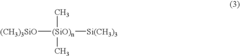
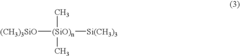
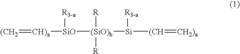
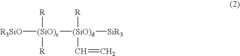
- An addition reaction-curable liquid silicone rubber composition comprising specific organopolysiloxanes, finely divided silica, hexamethyldisilazane, water, and an organohydrogenpolysiloxane, along with a hydrosilation catalyst, is developed, allowing for a cured product with a hardness of at least 75 and an elongation at break of at least 200%, enabling broader application beyond insulation potting.
Flexibility-controlled composite material and method of manufacture
PatentWO2015065460A1
Innovation
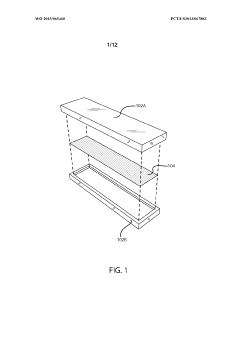
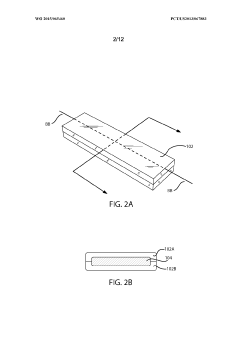
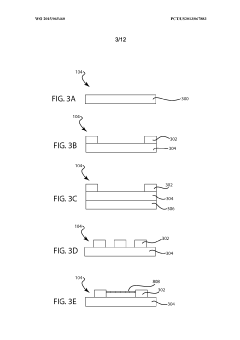
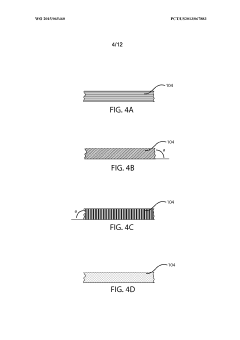
- A composite material is created by combining a flexible silicone rubber with a second material that resists elongation, such as fiber strands or woven fabric, which is encapsulated within the silicone rubber, allowing for controlled modification of flexibility characteristics through the orientation and configuration of the second material.
Environmental Impact Assessment
Silicone rubber, widely used in various devices and applications, has significant environmental implications throughout its lifecycle. The production of silicone rubber involves the use of silica and methyl chloride, which can have environmental impacts if not properly managed. However, the long-term durability and stability of silicone rubber contribute to reduced waste and resource consumption over time.
During the manufacturing process, energy consumption and emissions are key environmental considerations. Advanced production techniques and energy-efficient equipment can help mitigate these impacts. Additionally, the use of recycled or bio-based materials in silicone rubber formulations is an emerging trend that can further reduce the environmental footprint of production.
In terms of product use, silicone rubber's resistance to extreme temperatures, UV radiation, and chemical exposure contributes to extended device lifespans. This longevity reduces the frequency of replacements and, consequently, the overall environmental impact associated with device manufacturing and disposal. The material's low toxicity and inertness also minimize potential harm to ecosystems during use.
End-of-life considerations for silicone rubber products are crucial. While silicone rubber is not biodegradable, it can be recycled through specialized processes. Mechanical recycling methods can grind and repurpose silicone rubber for use in new products, while chemical recycling techniques can break down the material into its constituent components for reuse. Implementing effective recycling programs can significantly reduce the environmental burden of silicone rubber waste.
The water resistance and impermeability of silicone rubber play a dual role in environmental impact. On one hand, these properties prevent the leaching of harmful substances into water systems, protecting aquatic ecosystems. On the other hand, they can contribute to the persistence of silicone rubber in the environment if not properly disposed of or recycled.
Climate change resilience is another aspect where silicone rubber demonstrates positive environmental attributes. Its ability to withstand extreme weather conditions and maintain performance under varying temperatures can contribute to the longevity of infrastructure and devices in a changing climate, potentially reducing the need for frequent replacements and associated resource consumption.
In conclusion, while the production of silicone rubber has environmental implications, its long-term reliability and potential for recycling offer opportunities for reducing overall environmental impact. Continued research into sustainable production methods, improved recycling technologies, and the development of bio-based alternatives will be crucial in further enhancing the environmental profile of silicone rubber in device applications.
During the manufacturing process, energy consumption and emissions are key environmental considerations. Advanced production techniques and energy-efficient equipment can help mitigate these impacts. Additionally, the use of recycled or bio-based materials in silicone rubber formulations is an emerging trend that can further reduce the environmental footprint of production.
In terms of product use, silicone rubber's resistance to extreme temperatures, UV radiation, and chemical exposure contributes to extended device lifespans. This longevity reduces the frequency of replacements and, consequently, the overall environmental impact associated with device manufacturing and disposal. The material's low toxicity and inertness also minimize potential harm to ecosystems during use.
End-of-life considerations for silicone rubber products are crucial. While silicone rubber is not biodegradable, it can be recycled through specialized processes. Mechanical recycling methods can grind and repurpose silicone rubber for use in new products, while chemical recycling techniques can break down the material into its constituent components for reuse. Implementing effective recycling programs can significantly reduce the environmental burden of silicone rubber waste.
The water resistance and impermeability of silicone rubber play a dual role in environmental impact. On one hand, these properties prevent the leaching of harmful substances into water systems, protecting aquatic ecosystems. On the other hand, they can contribute to the persistence of silicone rubber in the environment if not properly disposed of or recycled.
Climate change resilience is another aspect where silicone rubber demonstrates positive environmental attributes. Its ability to withstand extreme weather conditions and maintain performance under varying temperatures can contribute to the longevity of infrastructure and devices in a changing climate, potentially reducing the need for frequent replacements and associated resource consumption.
In conclusion, while the production of silicone rubber has environmental implications, its long-term reliability and potential for recycling offer opportunities for reducing overall environmental impact. Continued research into sustainable production methods, improved recycling technologies, and the development of bio-based alternatives will be crucial in further enhancing the environmental profile of silicone rubber in device applications.
Silicone Rubber Testing Methods
Silicone rubber testing methods play a crucial role in evaluating and ensuring the long-term reliability of devices that incorporate this versatile material. These methods encompass a wide range of techniques designed to assess various properties and performance characteristics of silicone rubber under different conditions.
One of the primary testing methods is tensile strength testing, which measures the material's ability to withstand stretching forces without breaking. This test involves applying a controlled force to a standardized sample of silicone rubber until it reaches its breaking point. The results provide valuable insights into the material's durability and its capacity to maintain structural integrity over time.
Elongation testing is often conducted in conjunction with tensile strength testing. This method measures the extent to which silicone rubber can be stretched before failure occurs. The elongation at break is expressed as a percentage of the original length, offering important information about the material's flexibility and elasticity, which are critical factors in many applications.
Compression set testing is another essential method used to evaluate silicone rubber's ability to recover its original shape after prolonged compression. In this test, a sample is compressed to a specific percentage of its original thickness for a predetermined period and temperature. The material's recovery is then measured, providing insights into its resilience and long-term performance under compressive loads.
Thermal stability testing is crucial for assessing silicone rubber's ability to maintain its properties across a wide range of temperatures. This involves subjecting samples to various temperature cycles and measuring changes in physical and chemical properties. Such tests are particularly important for applications in extreme environments or those requiring consistent performance across temperature fluctuations.
Chemical resistance testing evaluates the material's ability to withstand exposure to various chemicals and solvents. Samples are immersed in specific substances for set periods, after which changes in weight, dimensions, and mechanical properties are measured. This testing is critical for applications where the silicone rubber may come into contact with potentially corrosive or degrading substances.
Weathering and aging tests simulate long-term exposure to environmental factors such as UV radiation, humidity, and temperature fluctuations. These tests often utilize accelerated aging chambers to replicate years of exposure in a shorter timeframe. The results help predict the material's long-term performance and durability in real-world conditions.
Electrical property testing is essential for silicone rubber used in electrical applications. This includes measuring dielectric strength, volume resistivity, and surface resistivity. These tests ensure the material's ability to provide adequate electrical insulation and maintain its electrical properties over time.
By employing these comprehensive testing methods, manufacturers and engineers can accurately assess the performance and reliability of silicone rubber in various applications. This rigorous approach to testing contributes significantly to the development of durable, long-lasting devices and components that can withstand the demands of their intended use environments.
One of the primary testing methods is tensile strength testing, which measures the material's ability to withstand stretching forces without breaking. This test involves applying a controlled force to a standardized sample of silicone rubber until it reaches its breaking point. The results provide valuable insights into the material's durability and its capacity to maintain structural integrity over time.
Elongation testing is often conducted in conjunction with tensile strength testing. This method measures the extent to which silicone rubber can be stretched before failure occurs. The elongation at break is expressed as a percentage of the original length, offering important information about the material's flexibility and elasticity, which are critical factors in many applications.
Compression set testing is another essential method used to evaluate silicone rubber's ability to recover its original shape after prolonged compression. In this test, a sample is compressed to a specific percentage of its original thickness for a predetermined period and temperature. The material's recovery is then measured, providing insights into its resilience and long-term performance under compressive loads.
Thermal stability testing is crucial for assessing silicone rubber's ability to maintain its properties across a wide range of temperatures. This involves subjecting samples to various temperature cycles and measuring changes in physical and chemical properties. Such tests are particularly important for applications in extreme environments or those requiring consistent performance across temperature fluctuations.
Chemical resistance testing evaluates the material's ability to withstand exposure to various chemicals and solvents. Samples are immersed in specific substances for set periods, after which changes in weight, dimensions, and mechanical properties are measured. This testing is critical for applications where the silicone rubber may come into contact with potentially corrosive or degrading substances.
Weathering and aging tests simulate long-term exposure to environmental factors such as UV radiation, humidity, and temperature fluctuations. These tests often utilize accelerated aging chambers to replicate years of exposure in a shorter timeframe. The results help predict the material's long-term performance and durability in real-world conditions.
Electrical property testing is essential for silicone rubber used in electrical applications. This includes measuring dielectric strength, volume resistivity, and surface resistivity. These tests ensure the material's ability to provide adequate electrical insulation and maintain its electrical properties over time.
By employing these comprehensive testing methods, manufacturers and engineers can accurately assess the performance and reliability of silicone rubber in various applications. This rigorous approach to testing contributes significantly to the development of durable, long-lasting devices and components that can withstand the demands of their intended use environments.
Unlock deeper insights with PatSnap Eureka Quick Research — get a full tech report to explore trends and direct your research. Try now!
Generate Your Research Report Instantly with AI Agent
Supercharge your innovation with PatSnap Eureka AI Agent Platform!