How smart contracts could revolutionize PHEV distribution
AUG 15, 20259 MIN READ
Generate Your Research Report Instantly with AI Agent
Patsnap Eureka helps you evaluate technical feasibility & market potential.
Smart Contract PHEV Evolution
The evolution of smart contracts in the context of Plug-in Hybrid Electric Vehicle (PHEV) distribution has been marked by significant technological advancements and shifting market dynamics. Initially, smart contracts were primarily used for basic transaction management in PHEV sales, focusing on automating payment processes and ownership transfers.
As the technology matured, smart contracts began to incorporate more sophisticated features tailored to the unique needs of PHEV distribution. This included the integration of real-time data from vehicles, charging stations, and energy grids to optimize distribution strategies. Smart contracts started to facilitate dynamic pricing models based on factors such as battery charge levels, energy demand, and grid capacity.
The next phase saw the emergence of blockchain-based platforms specifically designed for PHEV ecosystems. These platforms enabled seamless coordination between manufacturers, dealers, charging infrastructure providers, and end-users. Smart contracts on these platforms began to manage complex multi-party agreements, handling aspects such as warranty management, maintenance scheduling, and battery lifecycle tracking.
A significant milestone in the evolution was the introduction of tokenization for PHEVs. This allowed for fractional ownership and novel leasing models, making PHEVs more accessible to a broader range of consumers. Smart contracts played a crucial role in managing these tokenized assets, automating revenue distribution among stakeholders, and ensuring compliance with regulatory requirements.
Recent developments have focused on integrating smart contracts with Internet of Things (IoT) devices and artificial intelligence. This convergence has led to predictive maintenance systems, where smart contracts automatically schedule service appointments based on vehicle performance data. Additionally, AI-powered smart contracts now optimize charging schedules and energy trading between PHEVs and the grid, maximizing efficiency and reducing costs.
The latest frontier in smart contract evolution for PHEV distribution involves the concept of "smart cities." Here, smart contracts orchestrate complex interactions between PHEVs, urban infrastructure, and energy systems. This includes automated parking allocation, dynamic road pricing, and seamless integration with public transportation systems, all managed through interconnected smart contracts.
Looking ahead, the evolution of smart contracts in PHEV distribution is likely to focus on enhanced interoperability across different blockchain networks, improved scalability to handle millions of vehicles, and increased privacy features to protect sensitive user data while maintaining transparency where necessary. These advancements will further revolutionize PHEV distribution, creating more efficient, sustainable, and user-centric mobility ecosystems.
As the technology matured, smart contracts began to incorporate more sophisticated features tailored to the unique needs of PHEV distribution. This included the integration of real-time data from vehicles, charging stations, and energy grids to optimize distribution strategies. Smart contracts started to facilitate dynamic pricing models based on factors such as battery charge levels, energy demand, and grid capacity.
The next phase saw the emergence of blockchain-based platforms specifically designed for PHEV ecosystems. These platforms enabled seamless coordination between manufacturers, dealers, charging infrastructure providers, and end-users. Smart contracts on these platforms began to manage complex multi-party agreements, handling aspects such as warranty management, maintenance scheduling, and battery lifecycle tracking.
A significant milestone in the evolution was the introduction of tokenization for PHEVs. This allowed for fractional ownership and novel leasing models, making PHEVs more accessible to a broader range of consumers. Smart contracts played a crucial role in managing these tokenized assets, automating revenue distribution among stakeholders, and ensuring compliance with regulatory requirements.
Recent developments have focused on integrating smart contracts with Internet of Things (IoT) devices and artificial intelligence. This convergence has led to predictive maintenance systems, where smart contracts automatically schedule service appointments based on vehicle performance data. Additionally, AI-powered smart contracts now optimize charging schedules and energy trading between PHEVs and the grid, maximizing efficiency and reducing costs.
The latest frontier in smart contract evolution for PHEV distribution involves the concept of "smart cities." Here, smart contracts orchestrate complex interactions between PHEVs, urban infrastructure, and energy systems. This includes automated parking allocation, dynamic road pricing, and seamless integration with public transportation systems, all managed through interconnected smart contracts.
Looking ahead, the evolution of smart contracts in PHEV distribution is likely to focus on enhanced interoperability across different blockchain networks, improved scalability to handle millions of vehicles, and increased privacy features to protect sensitive user data while maintaining transparency where necessary. These advancements will further revolutionize PHEV distribution, creating more efficient, sustainable, and user-centric mobility ecosystems.
PHEV Market Demand Analysis
The market demand for Plug-in Hybrid Electric Vehicles (PHEVs) has been steadily growing in recent years, driven by increasing environmental awareness, government incentives, and advancements in battery technology. As consumers seek more fuel-efficient and environmentally friendly transportation options, PHEVs have emerged as a compelling compromise between traditional internal combustion engine vehicles and fully electric vehicles.
Global PHEV sales have shown a consistent upward trend, with major automotive markets such as China, Europe, and North America leading the adoption. In 2020, despite the overall automotive industry downturn due to the COVID-19 pandemic, PHEV sales demonstrated resilience and continued growth. This trend is expected to accelerate in the coming years as more automakers expand their PHEV offerings and charging infrastructure improves.
The PHEV market is influenced by several key factors. Firstly, government policies and regulations play a crucial role in shaping demand. Many countries have implemented stringent emissions standards and offer financial incentives for PHEV purchases, driving consumer interest. Secondly, advancements in battery technology have led to improved electric range and overall performance, making PHEVs more attractive to a broader range of consumers.
Consumer preferences are also shifting towards PHEVs as they offer the flexibility of both electric and gasoline powertrains. This dual-mode capability addresses range anxiety concerns associated with fully electric vehicles while still providing significant fuel economy benefits. Additionally, as charging infrastructure expands, the practicality of PHEVs for daily commutes and longer trips increases, further boosting their appeal.
The integration of smart contracts in PHEV distribution has the potential to revolutionize the market by streamlining processes, enhancing transparency, and improving efficiency. Smart contracts could automate various aspects of PHEV distribution, including inventory management, order processing, and delivery tracking. This automation would reduce administrative overhead, minimize errors, and potentially lower costs for both manufacturers and consumers.
Furthermore, smart contracts could enable new business models in PHEV distribution. For instance, they could facilitate peer-to-peer PHEV sharing or leasing programs, allowing for more flexible and accessible ownership options. This could expand the PHEV market to consumers who may not have considered ownership due to high upfront costs or long-term commitments.
The use of smart contracts in PHEV distribution could also enhance the overall customer experience. By providing real-time updates on vehicle availability, delivery status, and maintenance schedules, smart contracts could increase transparency and build trust between manufacturers, dealers, and consumers. This improved communication and reliability could lead to higher customer satisfaction and loyalty, potentially driving repeat purchases and positive word-of-mouth recommendations.
Global PHEV sales have shown a consistent upward trend, with major automotive markets such as China, Europe, and North America leading the adoption. In 2020, despite the overall automotive industry downturn due to the COVID-19 pandemic, PHEV sales demonstrated resilience and continued growth. This trend is expected to accelerate in the coming years as more automakers expand their PHEV offerings and charging infrastructure improves.
The PHEV market is influenced by several key factors. Firstly, government policies and regulations play a crucial role in shaping demand. Many countries have implemented stringent emissions standards and offer financial incentives for PHEV purchases, driving consumer interest. Secondly, advancements in battery technology have led to improved electric range and overall performance, making PHEVs more attractive to a broader range of consumers.
Consumer preferences are also shifting towards PHEVs as they offer the flexibility of both electric and gasoline powertrains. This dual-mode capability addresses range anxiety concerns associated with fully electric vehicles while still providing significant fuel economy benefits. Additionally, as charging infrastructure expands, the practicality of PHEVs for daily commutes and longer trips increases, further boosting their appeal.
The integration of smart contracts in PHEV distribution has the potential to revolutionize the market by streamlining processes, enhancing transparency, and improving efficiency. Smart contracts could automate various aspects of PHEV distribution, including inventory management, order processing, and delivery tracking. This automation would reduce administrative overhead, minimize errors, and potentially lower costs for both manufacturers and consumers.
Furthermore, smart contracts could enable new business models in PHEV distribution. For instance, they could facilitate peer-to-peer PHEV sharing or leasing programs, allowing for more flexible and accessible ownership options. This could expand the PHEV market to consumers who may not have considered ownership due to high upfront costs or long-term commitments.
The use of smart contracts in PHEV distribution could also enhance the overall customer experience. By providing real-time updates on vehicle availability, delivery status, and maintenance schedules, smart contracts could increase transparency and build trust between manufacturers, dealers, and consumers. This improved communication and reliability could lead to higher customer satisfaction and loyalty, potentially driving repeat purchases and positive word-of-mouth recommendations.
Smart Contract Tech Challenges
Smart contracts face several technical challenges in revolutionizing PHEV distribution. One of the primary issues is scalability. As the number of transactions and users increases, blockchain networks can become congested, leading to slower processing times and higher transaction costs. This is particularly problematic for PHEV distribution, which requires real-time updates and efficient management of large-scale vehicle fleets.
Security vulnerabilities pose another significant challenge. While blockchain technology is inherently secure, smart contracts can still be susceptible to coding errors and malicious attacks. In the context of PHEV distribution, any security breach could potentially compromise sensitive data, disrupt vehicle operations, or lead to financial losses for stakeholders.
Interoperability between different blockchain platforms and existing systems is a crucial hurdle. PHEV distribution involves multiple parties, including manufacturers, dealers, charging station operators, and end-users. Ensuring seamless communication and data exchange between various blockchain networks and legacy systems is essential for widespread adoption and efficient operation.
The complexity of smart contract development and deployment presents another challenge. Writing secure and efficient smart contracts requires specialized skills and thorough testing. For PHEV distribution, contracts need to handle complex scenarios such as dynamic pricing, energy management, and maintenance scheduling, which can be difficult to implement without introducing errors or inefficiencies.
Oracle dependency is a significant concern in smart contract implementation for PHEV distribution. Smart contracts often rely on external data sources (oracles) to execute their functions. In the case of PHEV distribution, this could include real-time information on vehicle location, battery status, and energy prices. Ensuring the reliability and security of these data feeds is crucial to maintain the integrity of the smart contract system.
Regulatory compliance and legal frameworks pose additional challenges. The use of smart contracts in PHEV distribution may encounter regulatory hurdles, particularly in areas such as data privacy, consumer protection, and energy sector regulations. Navigating these legal complexities and ensuring compliance across different jurisdictions can be a significant obstacle to widespread adoption.
Lastly, the issue of immutability, while generally a strength of blockchain technology, can be a double-edged sword for smart contracts in PHEV distribution. Once deployed, smart contracts are difficult to modify or upgrade. This lack of flexibility can be problematic when dealing with evolving business models, changing regulations, or the need to fix unforeseen issues in the contract logic.
Security vulnerabilities pose another significant challenge. While blockchain technology is inherently secure, smart contracts can still be susceptible to coding errors and malicious attacks. In the context of PHEV distribution, any security breach could potentially compromise sensitive data, disrupt vehicle operations, or lead to financial losses for stakeholders.
Interoperability between different blockchain platforms and existing systems is a crucial hurdle. PHEV distribution involves multiple parties, including manufacturers, dealers, charging station operators, and end-users. Ensuring seamless communication and data exchange between various blockchain networks and legacy systems is essential for widespread adoption and efficient operation.
The complexity of smart contract development and deployment presents another challenge. Writing secure and efficient smart contracts requires specialized skills and thorough testing. For PHEV distribution, contracts need to handle complex scenarios such as dynamic pricing, energy management, and maintenance scheduling, which can be difficult to implement without introducing errors or inefficiencies.
Oracle dependency is a significant concern in smart contract implementation for PHEV distribution. Smart contracts often rely on external data sources (oracles) to execute their functions. In the case of PHEV distribution, this could include real-time information on vehicle location, battery status, and energy prices. Ensuring the reliability and security of these data feeds is crucial to maintain the integrity of the smart contract system.
Regulatory compliance and legal frameworks pose additional challenges. The use of smart contracts in PHEV distribution may encounter regulatory hurdles, particularly in areas such as data privacy, consumer protection, and energy sector regulations. Navigating these legal complexities and ensuring compliance across different jurisdictions can be a significant obstacle to widespread adoption.
Lastly, the issue of immutability, while generally a strength of blockchain technology, can be a double-edged sword for smart contracts in PHEV distribution. Once deployed, smart contracts are difficult to modify or upgrade. This lack of flexibility can be problematic when dealing with evolving business models, changing regulations, or the need to fix unforeseen issues in the contract logic.
Current Smart Contract Solutions
01 Implementation of smart contracts on blockchain
Smart contracts are self-executing agreements with terms directly written into code. They are implemented on blockchain platforms, allowing for automated and trustless execution of contractual terms. This technology enables secure, transparent, and efficient transactions without intermediaries.- Implementation of smart contracts on blockchain: Smart contracts are self-executing agreements with terms directly written into code. They are implemented on blockchain platforms, allowing for automated and trustless execution of contractual terms. This technology enables secure, transparent, and efficient transactions without intermediaries.
- Smart contract management and optimization: Systems and methods for managing and optimizing smart contracts, including tools for creation, deployment, and monitoring. These solutions aim to improve the efficiency, security, and scalability of smart contract operations, addressing challenges in complex contract interactions and large-scale implementations.
- Integration of smart contracts with financial systems: Incorporation of smart contracts into existing financial infrastructures, enabling automated financial transactions, asset management, and regulatory compliance. This integration aims to streamline processes in banking, insurance, and other financial services while enhancing security and reducing operational costs.
- Smart contracts for supply chain and logistics: Application of smart contracts in supply chain management and logistics to improve traceability, transparency, and efficiency. These solutions automate processes such as inventory management, payment settlements, and quality control, reducing errors and enhancing trust among stakeholders.
- Privacy and security enhancements for smart contracts: Development of techniques to enhance privacy and security in smart contract execution. This includes methods for confidential transactions, secure multi-party computations, and advanced encryption schemes to protect sensitive data while maintaining the benefits of blockchain transparency.
02 Smart contract management and optimization
Various systems and methods are developed for managing and optimizing smart contracts. These include tools for creating, deploying, and monitoring smart contracts, as well as techniques for improving their performance, security, and scalability. Such advancements enhance the overall functionality and reliability of smart contract ecosystems.Expand Specific Solutions03 Integration of smart contracts with financial systems
Smart contracts are increasingly integrated with traditional financial systems and processes. This integration enables automated financial transactions, streamlined payment processes, and enhanced security in financial operations. It also facilitates the development of new financial products and services based on blockchain technology.Expand Specific Solutions04 Smart contracts in supply chain and logistics
The application of smart contracts in supply chain and logistics operations improves transparency, traceability, and efficiency. These contracts automate various processes such as inventory management, shipment tracking, and payment settlements, reducing errors and enhancing overall supply chain performance.Expand Specific Solutions05 Legal and regulatory aspects of smart contracts
As smart contracts gain wider adoption, legal and regulatory frameworks are evolving to address their unique characteristics. This includes developing standards for smart contract validity, enforceability, and dispute resolution. Additionally, efforts are being made to ensure compliance with existing laws and regulations while leveraging the benefits of this technology.Expand Specific Solutions
Key Players in PHEV Smart Contracts
The smart contract technology for PHEV distribution is in its early development stage, with the market poised for significant growth. The automotive industry is gradually embracing this innovation, though widespread adoption is still emerging. Key players like Zhejiang Geely, Honda, and Toyota are exploring smart contract applications, leveraging their established market positions. Tech giants such as IBM and Siemens are also entering this space, bringing expertise in blockchain and IoT integration. The technology's maturity varies, with some companies in pilot phases while others are developing more advanced implementations. As the market evolves, collaboration between automotive manufacturers and technology providers is likely to accelerate the development and deployment of smart contract solutions in PHEV distribution.
International Business Machines Corp.
Technical Solution: IBM is leveraging blockchain technology to revolutionize PHEV distribution through smart contracts. Their solution utilizes Hyperledger Fabric to create a decentralized network for managing the entire PHEV supply chain. Smart contracts automate processes such as vehicle tracking, battery lifecycle management, and energy transactions. The system enables real-time monitoring of vehicle location, battery health, and charging status[1]. It also facilitates seamless integration with charging infrastructure, allowing for automated payments and optimized energy distribution. IBM's platform incorporates AI algorithms to predict maintenance needs and optimize vehicle performance based on usage patterns and environmental factors[2]. Additionally, the system enables tokenization of carbon credits, incentivizing eco-friendly driving behaviors and creating a new market for emissions reduction[3].
Strengths: Robust blockchain infrastructure, integration with AI for predictive analytics, and creation of new value streams through tokenization. Weaknesses: Potential scalability issues in high-volume transactions and dependency on widespread adoption for maximum effectiveness.
Siemens AG
Technical Solution: Siemens is developing a comprehensive smart contract solution for PHEV distribution that integrates with their existing energy management systems. Their approach focuses on creating a seamless ecosystem that connects PHEVs, charging stations, and the power grid. Smart contracts are used to automate charging processes, manage grid load balancing, and facilitate peer-to-peer energy trading between PHEV owners[4]. The system employs advanced forecasting algorithms to predict energy demand and optimize charging schedules, reducing strain on the grid during peak hours. Siemens' solution also incorporates vehicle-to-grid (V2G) technology, allowing PHEVs to serve as mobile energy storage units[5]. This enables dynamic pricing models based on real-time energy supply and demand, incentivizing PHEV owners to participate in grid stabilization efforts.
Strengths: Strong integration with existing energy infrastructure, advanced load balancing capabilities, and innovative V2G implementation. Weaknesses: May require significant infrastructure upgrades for full functionality, potentially limiting adoption in less developed regions.
Blockchain Innovations for PHEV
Method for detection of plug-in electric vehicle charging via interrogation of smart meter data
PatentActiveUS20120123709A1
Innovation
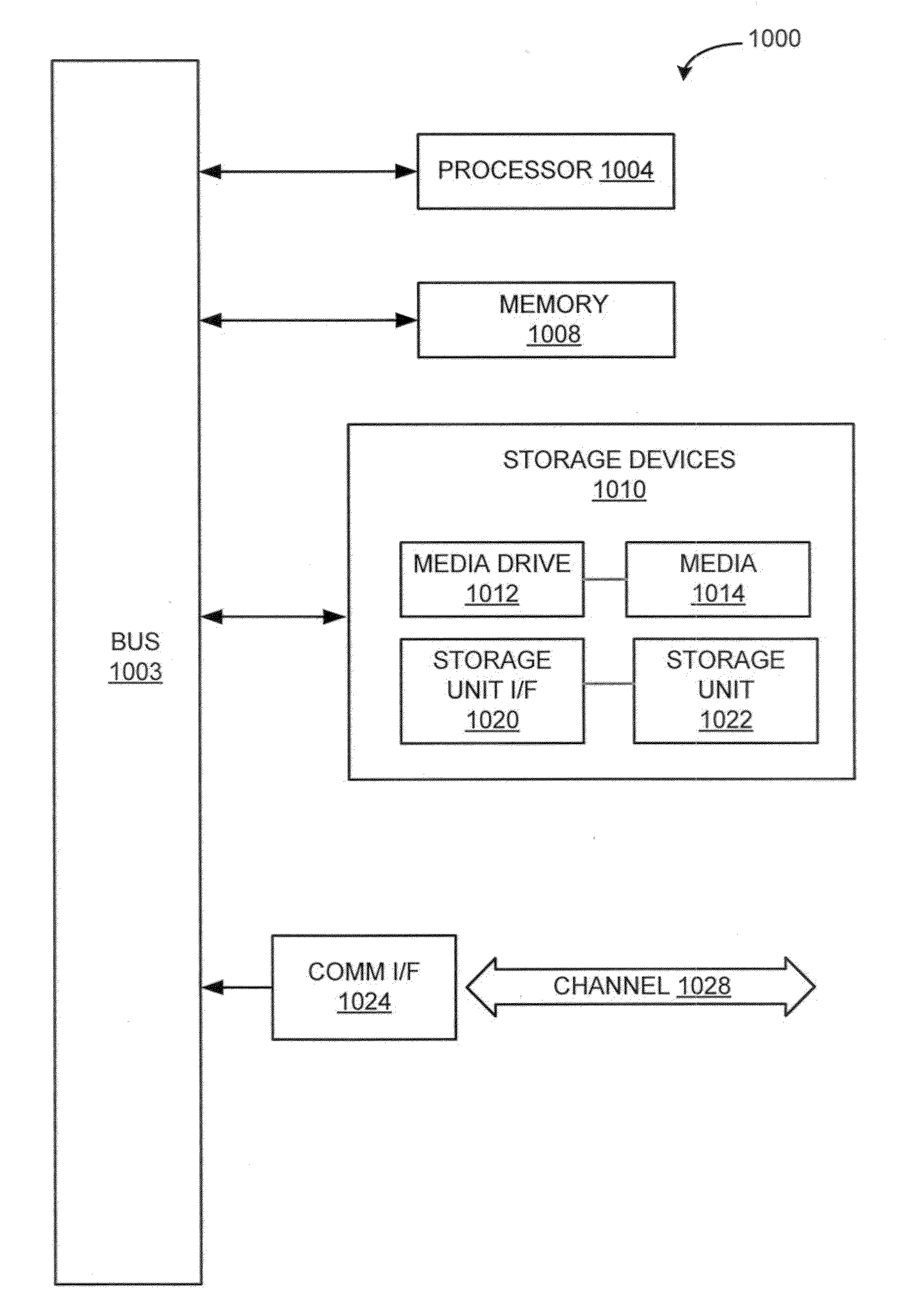
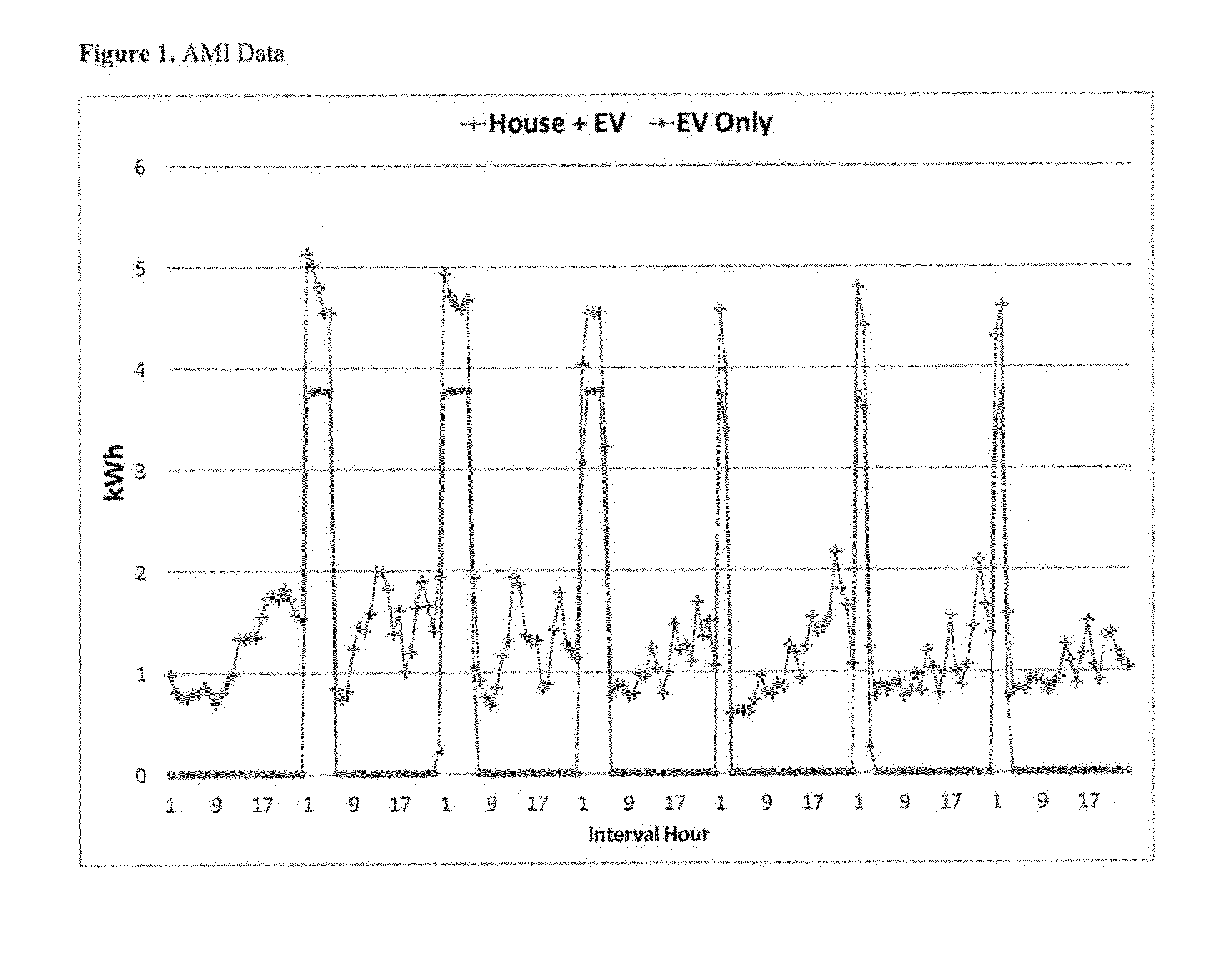
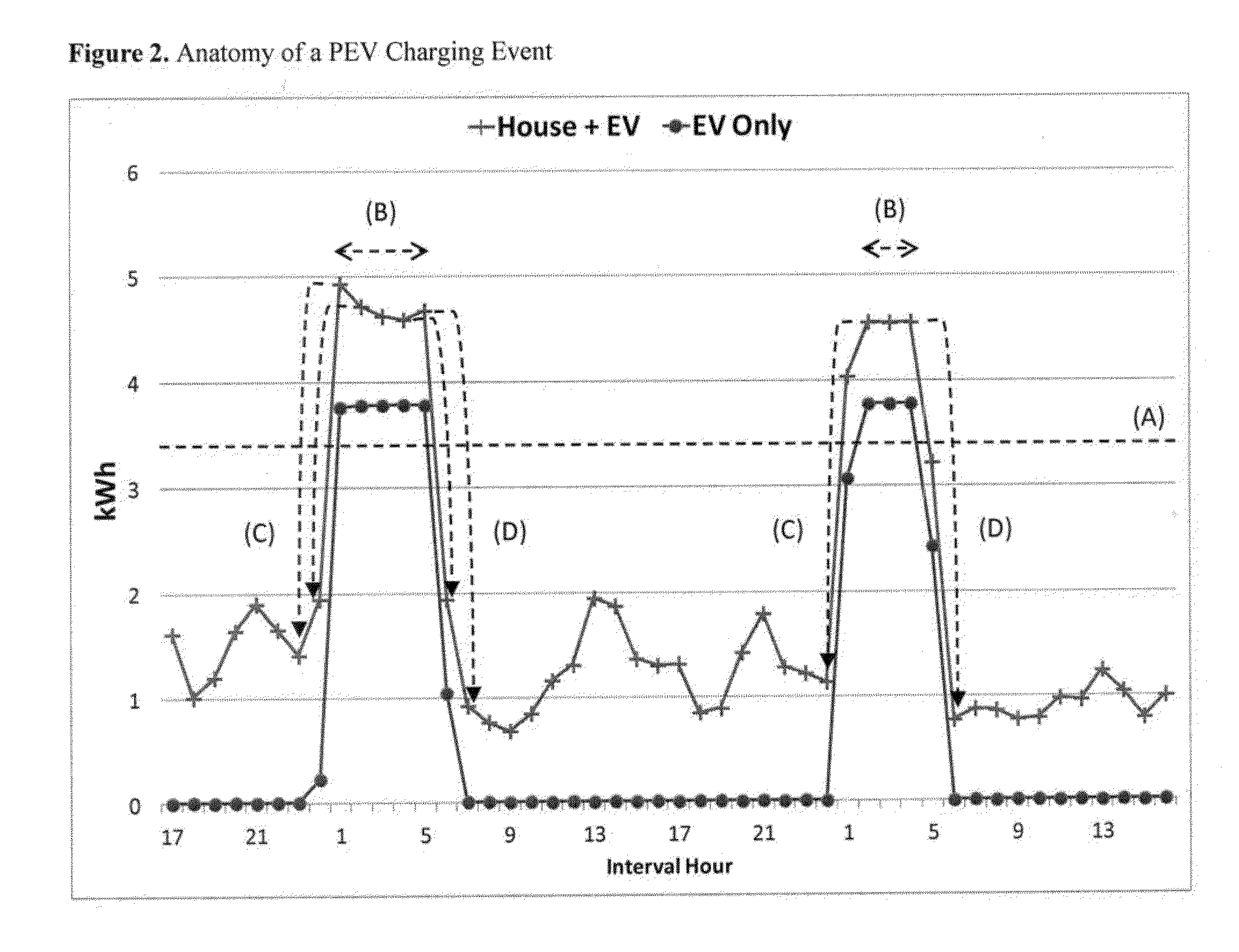
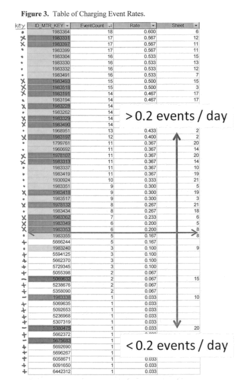
- An algorithm that interrogates interval consumption data using four parameters (threshold level, duration, leading edge increase, and lagging edge decrease) to identify PEV charging events, allowing for real-time monitoring and discrimination between PEV charging and other loads, and is adaptable to different vehicle types and charging behaviors.
Cost based method for optimizing external PHEV (Plug-in Hybrid Electric Vehicle) power assembly and application thereof
PatentInactiveCN102180169A
Innovation
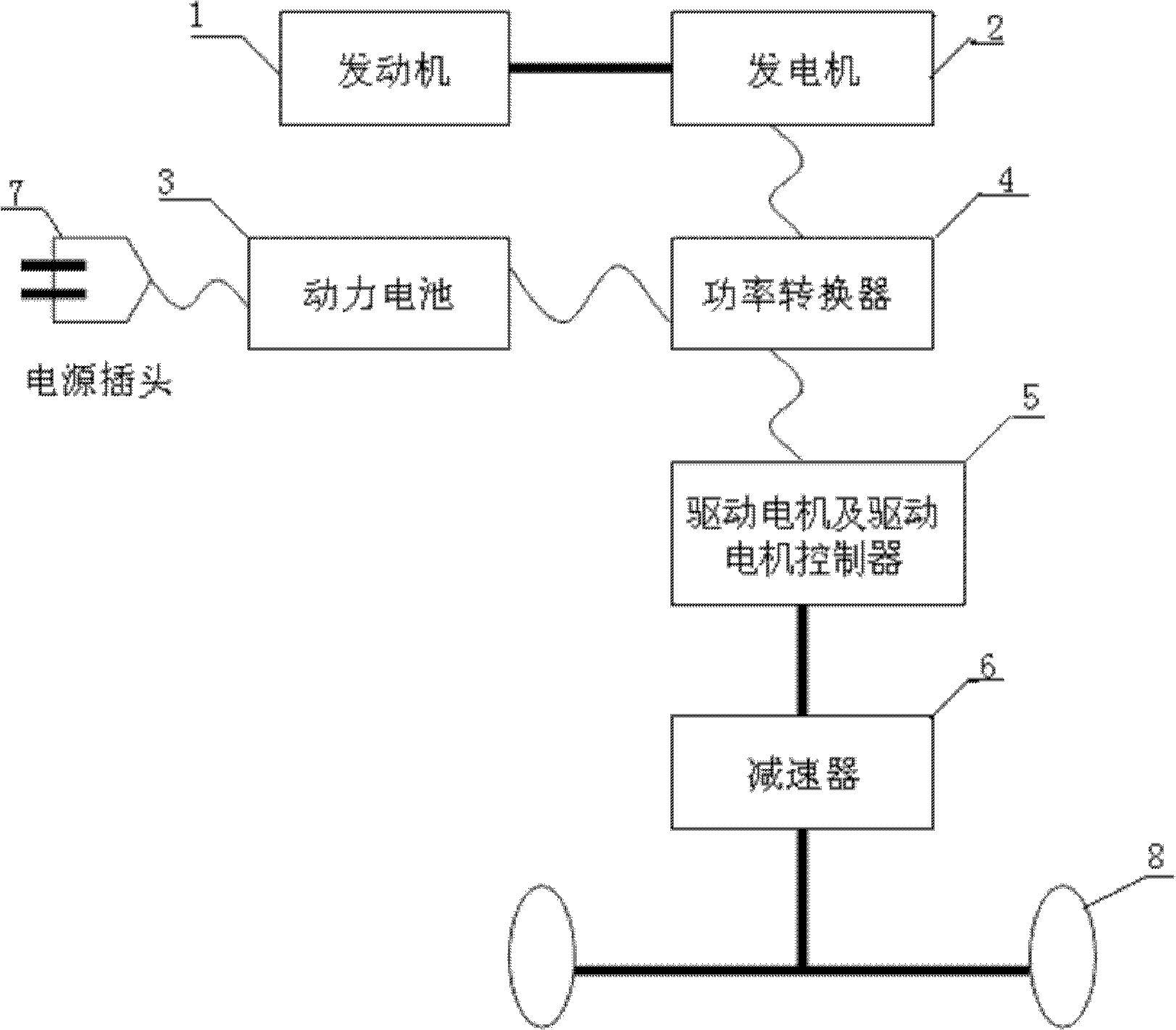
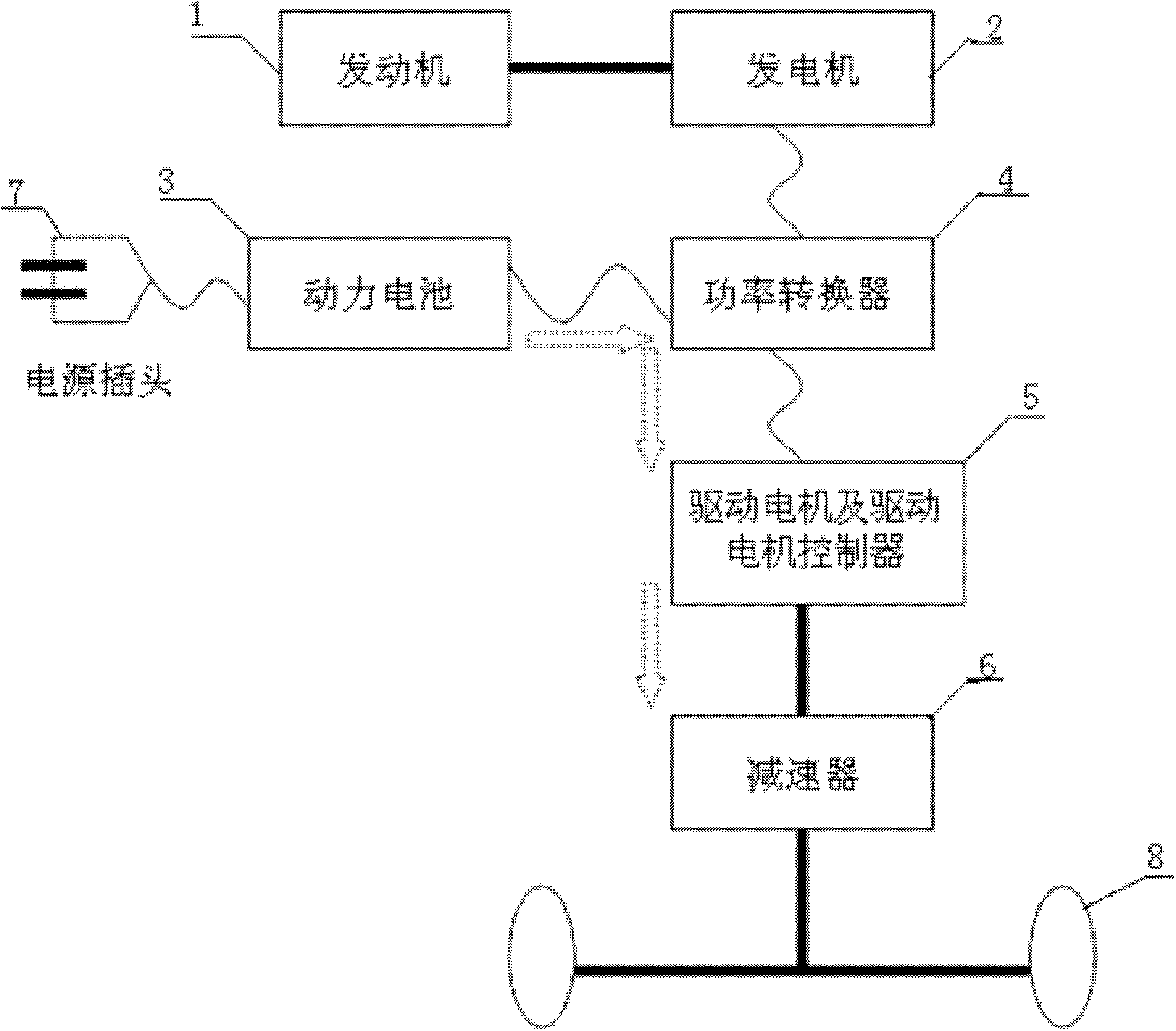
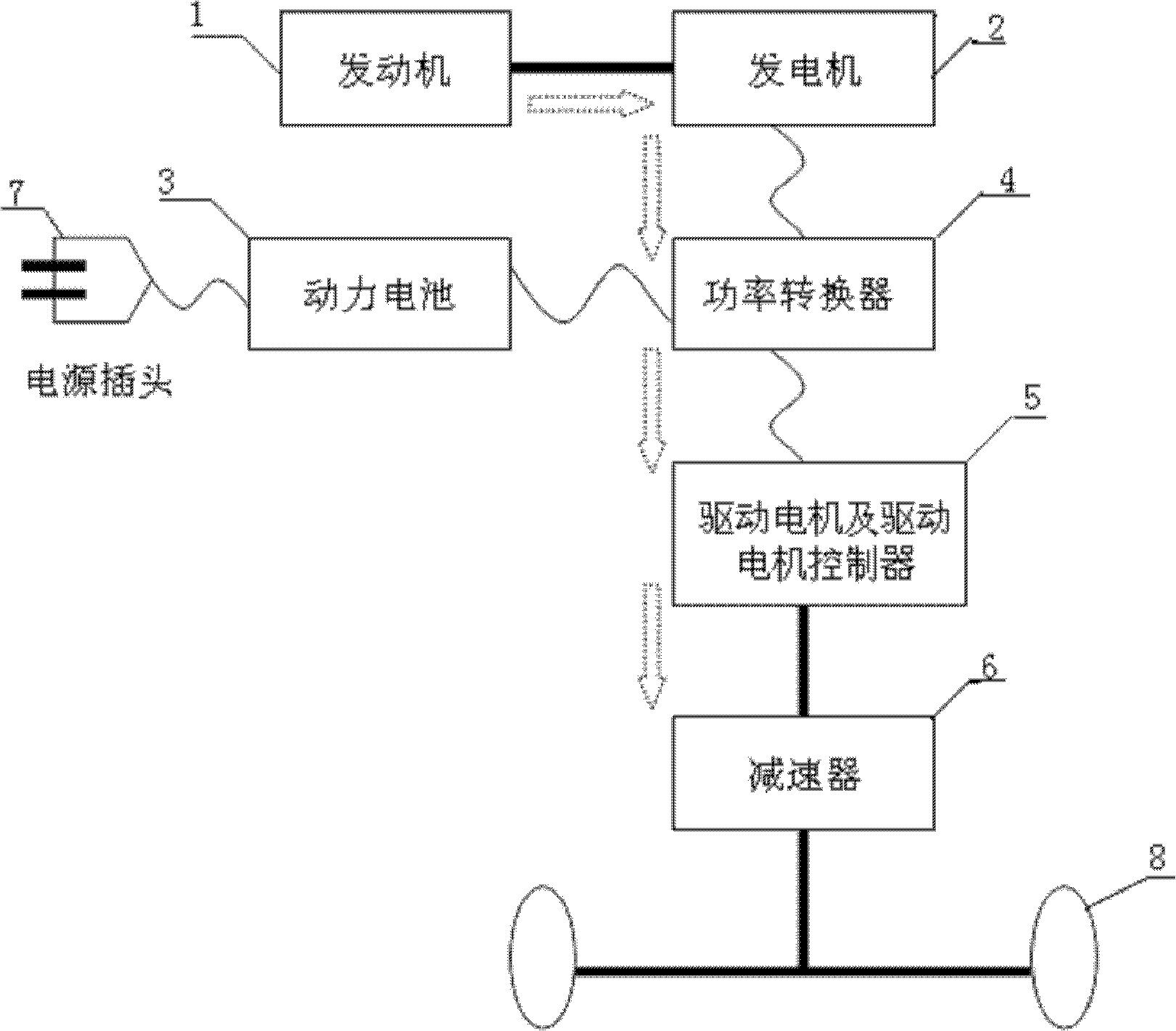
- By establishing a cost-based optimization method, determine the variables to be optimized and construct a cost objective function equation, and use quadratic programming or matrix partitioning optimization algorithms to optimize the maximum output power of the engine, the maximum output power of the drive motor, the output power of the power battery and the capacity of the power battery pack. , to achieve the lowest cost powertrain design.
Regulatory Framework for PHEV Smart Contracts
The regulatory framework for PHEV smart contracts is a critical aspect that will shape the implementation and adoption of this innovative technology in the automotive industry. As smart contracts aim to revolutionize PHEV distribution, it is essential to establish a comprehensive and adaptable regulatory environment that addresses the unique challenges and opportunities presented by this technology.
At the core of the regulatory framework is the need to ensure consumer protection while fostering innovation. Regulators must strike a delicate balance between safeguarding the interests of PHEV buyers and allowing for the flexibility required to leverage the full potential of smart contracts. This includes developing guidelines for contract transparency, data privacy, and dispute resolution mechanisms specifically tailored to the PHEV smart contract ecosystem.
One key area of focus within the regulatory framework is the standardization of smart contract protocols for PHEV distribution. This standardization will facilitate interoperability between different manufacturers, dealers, and service providers, ensuring a seamless experience for consumers. Regulatory bodies may need to work closely with industry stakeholders to develop and enforce these standards, potentially through the creation of a dedicated task force or working group.
The regulatory framework must also address the legal status of smart contracts in PHEV transactions. This involves clarifying how existing contract law applies to these digital agreements and potentially developing new legislation to accommodate their unique characteristics. Regulators will need to consider issues such as the enforceability of smart contracts, the admissibility of blockchain-based evidence in legal proceedings, and the allocation of liability in case of technical failures or disputes.
Another crucial aspect of the regulatory framework is the integration of smart contracts with existing automotive regulations. This includes aligning smart contract-based PHEV distribution with emissions standards, safety requirements, and consumer protection laws. Regulators may need to update existing regulations or create new ones to ensure that smart contracts comply with all relevant automotive industry standards and practices.
Data protection and cybersecurity are paramount concerns that the regulatory framework must address. As smart contracts involve the collection and processing of sensitive consumer and vehicle data, robust regulations are needed to protect this information from unauthorized access or misuse. This may include mandating specific encryption standards, data storage practices, and regular security audits for smart contract platforms used in PHEV distribution.
The regulatory framework should also consider the environmental impact of PHEV smart contracts. This could involve incentivizing the use of smart contracts that promote sustainable practices, such as optimizing charging schedules or facilitating the integration of PHEVs with renewable energy sources. Regulators may need to develop guidelines for measuring and reporting the environmental benefits achieved through smart contract-enabled PHEV distribution.
At the core of the regulatory framework is the need to ensure consumer protection while fostering innovation. Regulators must strike a delicate balance between safeguarding the interests of PHEV buyers and allowing for the flexibility required to leverage the full potential of smart contracts. This includes developing guidelines for contract transparency, data privacy, and dispute resolution mechanisms specifically tailored to the PHEV smart contract ecosystem.
One key area of focus within the regulatory framework is the standardization of smart contract protocols for PHEV distribution. This standardization will facilitate interoperability between different manufacturers, dealers, and service providers, ensuring a seamless experience for consumers. Regulatory bodies may need to work closely with industry stakeholders to develop and enforce these standards, potentially through the creation of a dedicated task force or working group.
The regulatory framework must also address the legal status of smart contracts in PHEV transactions. This involves clarifying how existing contract law applies to these digital agreements and potentially developing new legislation to accommodate their unique characteristics. Regulators will need to consider issues such as the enforceability of smart contracts, the admissibility of blockchain-based evidence in legal proceedings, and the allocation of liability in case of technical failures or disputes.
Another crucial aspect of the regulatory framework is the integration of smart contracts with existing automotive regulations. This includes aligning smart contract-based PHEV distribution with emissions standards, safety requirements, and consumer protection laws. Regulators may need to update existing regulations or create new ones to ensure that smart contracts comply with all relevant automotive industry standards and practices.
Data protection and cybersecurity are paramount concerns that the regulatory framework must address. As smart contracts involve the collection and processing of sensitive consumer and vehicle data, robust regulations are needed to protect this information from unauthorized access or misuse. This may include mandating specific encryption standards, data storage practices, and regular security audits for smart contract platforms used in PHEV distribution.
The regulatory framework should also consider the environmental impact of PHEV smart contracts. This could involve incentivizing the use of smart contracts that promote sustainable practices, such as optimizing charging schedules or facilitating the integration of PHEVs with renewable energy sources. Regulators may need to develop guidelines for measuring and reporting the environmental benefits achieved through smart contract-enabled PHEV distribution.
Environmental Impact Assessment
The integration of smart contracts in Plug-in Hybrid Electric Vehicle (PHEV) distribution has the potential to significantly reduce the environmental impact of automotive manufacturing and distribution processes. By leveraging blockchain technology, smart contracts can optimize supply chain management, leading to more efficient resource allocation and reduced waste.
Smart contracts can automate and streamline the tracking of components and materials used in PHEV production, ensuring that environmentally friendly and sustainably sourced materials are prioritized. This increased transparency and traceability can help manufacturers adhere to stricter environmental standards and reduce their carbon footprint throughout the production cycle.
Furthermore, smart contracts can facilitate more efficient energy management in PHEV distribution centers and dealerships. By automating the monitoring and control of energy consumption, these facilities can optimize their power usage, potentially reducing overall energy consumption and associated greenhouse gas emissions.
The implementation of smart contracts in PHEV distribution can also lead to more accurate and real-time monitoring of vehicle emissions and performance. This data can be used to improve vehicle design and efficiency, ultimately resulting in PHEVs with lower environmental impact during their operational lifetime.
Smart contracts could revolutionize the way PHEVs are maintained and serviced, ensuring that vehicles operate at peak efficiency throughout their lifecycle. By automating maintenance schedules and providing real-time diagnostics, smart contracts can help prevent unnecessary wear and tear, reducing the need for replacement parts and minimizing waste.
In terms of end-of-life management, smart contracts can play a crucial role in improving the recycling and disposal processes for PHEVs. By securely storing and managing vehicle lifecycle data, these contracts can facilitate more efficient and environmentally friendly recycling practices, ensuring that valuable materials are recovered and reused.
The use of smart contracts in PHEV distribution can also promote the adoption of more sustainable transportation models. For instance, they can enable seamless integration with car-sharing platforms and public transportation systems, potentially reducing the overall number of vehicles on the road and associated environmental impacts.
Smart contracts can automate and streamline the tracking of components and materials used in PHEV production, ensuring that environmentally friendly and sustainably sourced materials are prioritized. This increased transparency and traceability can help manufacturers adhere to stricter environmental standards and reduce their carbon footprint throughout the production cycle.
Furthermore, smart contracts can facilitate more efficient energy management in PHEV distribution centers and dealerships. By automating the monitoring and control of energy consumption, these facilities can optimize their power usage, potentially reducing overall energy consumption and associated greenhouse gas emissions.
The implementation of smart contracts in PHEV distribution can also lead to more accurate and real-time monitoring of vehicle emissions and performance. This data can be used to improve vehicle design and efficiency, ultimately resulting in PHEVs with lower environmental impact during their operational lifetime.
Smart contracts could revolutionize the way PHEVs are maintained and serviced, ensuring that vehicles operate at peak efficiency throughout their lifecycle. By automating maintenance schedules and providing real-time diagnostics, smart contracts can help prevent unnecessary wear and tear, reducing the need for replacement parts and minimizing waste.
In terms of end-of-life management, smart contracts can play a crucial role in improving the recycling and disposal processes for PHEVs. By securely storing and managing vehicle lifecycle data, these contracts can facilitate more efficient and environmentally friendly recycling practices, ensuring that valuable materials are recovered and reused.
The use of smart contracts in PHEV distribution can also promote the adoption of more sustainable transportation models. For instance, they can enable seamless integration with car-sharing platforms and public transportation systems, potentially reducing the overall number of vehicles on the road and associated environmental impacts.
Unlock deeper insights with Patsnap Eureka Quick Research — get a full tech report to explore trends and direct your research. Try now!
Generate Your Research Report Instantly with AI Agent
Supercharge your innovation with Patsnap Eureka AI Agent Platform!