

How to Design User‑Centric Solutions with QLED Technology?
JUN 19, 20259 MIN READ
Generate Your Research Report Instantly with AI Agent
PatSnap Eureka helps you evaluate technical feasibility & market potential.
QLED Tech Evolution
QLED technology has undergone significant evolution since its inception, driven by the pursuit of enhanced visual experiences and user-centric design. The journey began with the development of quantum dots, nanoscale semiconductor particles that emit light of specific wavelengths when excited. These quantum dots were initially incorporated into LED backlights, marking the first generation of QLED displays.
As research progressed, the focus shifted towards improving color accuracy and brightness. This led to the development of more efficient quantum dot materials and refined manufacturing processes. The second generation of QLED technology saw the introduction of color filters combined with quantum dots, resulting in displays with wider color gamuts and improved color volume.
The next significant milestone in QLED evolution was the implementation of local dimming technologies. This advancement allowed for better contrast ratios and deeper blacks, addressing one of the primary criticisms of early QLED displays. Manufacturers began incorporating hundreds or even thousands of individually controlled dimming zones, dramatically enhancing picture quality and viewer immersion.
Recent years have witnessed a push towards higher refresh rates and lower latency, catering to the growing demands of gamers and sports enthusiasts. QLED displays now commonly offer refresh rates of 120Hz or higher, with some models reaching 240Hz. This improvement has significantly reduced motion blur and enhanced the overall smoothness of on-screen movement.
The latest frontier in QLED technology focuses on energy efficiency and environmental sustainability. Researchers are developing quantum dots that require less energy to excite, resulting in displays that consume less power while maintaining exceptional picture quality. Additionally, efforts are being made to create quantum dots from more environmentally friendly materials, reducing the reliance on heavy metals and other potentially harmful substances.
User-centric design has been a driving force throughout the evolution of QLED technology. Manufacturers have consistently sought to improve viewing angles, reduce glare, and enhance overall visual comfort. This has led to innovations such as anti-reflective coatings and advanced light management systems that optimize the viewing experience in various ambient lighting conditions.
As QLED technology continues to evolve, we can expect further advancements in areas such as pixel density, color accuracy, and energy efficiency. The integration of artificial intelligence and machine learning algorithms is likely to play a crucial role in future developments, enabling displays to adapt dynamically to user preferences and viewing conditions. This ongoing evolution underscores the commitment to creating increasingly immersive and user-friendly visual experiences through QLED technology.
As research progressed, the focus shifted towards improving color accuracy and brightness. This led to the development of more efficient quantum dot materials and refined manufacturing processes. The second generation of QLED technology saw the introduction of color filters combined with quantum dots, resulting in displays with wider color gamuts and improved color volume.
The next significant milestone in QLED evolution was the implementation of local dimming technologies. This advancement allowed for better contrast ratios and deeper blacks, addressing one of the primary criticisms of early QLED displays. Manufacturers began incorporating hundreds or even thousands of individually controlled dimming zones, dramatically enhancing picture quality and viewer immersion.
Recent years have witnessed a push towards higher refresh rates and lower latency, catering to the growing demands of gamers and sports enthusiasts. QLED displays now commonly offer refresh rates of 120Hz or higher, with some models reaching 240Hz. This improvement has significantly reduced motion blur and enhanced the overall smoothness of on-screen movement.
The latest frontier in QLED technology focuses on energy efficiency and environmental sustainability. Researchers are developing quantum dots that require less energy to excite, resulting in displays that consume less power while maintaining exceptional picture quality. Additionally, efforts are being made to create quantum dots from more environmentally friendly materials, reducing the reliance on heavy metals and other potentially harmful substances.
User-centric design has been a driving force throughout the evolution of QLED technology. Manufacturers have consistently sought to improve viewing angles, reduce glare, and enhance overall visual comfort. This has led to innovations such as anti-reflective coatings and advanced light management systems that optimize the viewing experience in various ambient lighting conditions.
As QLED technology continues to evolve, we can expect further advancements in areas such as pixel density, color accuracy, and energy efficiency. The integration of artificial intelligence and machine learning algorithms is likely to play a crucial role in future developments, enabling displays to adapt dynamically to user preferences and viewing conditions. This ongoing evolution underscores the commitment to creating increasingly immersive and user-friendly visual experiences through QLED technology.
User-Centric Demand
QLED technology has revolutionized the display industry, offering vibrant colors, deep blacks, and enhanced brightness. However, to truly harness its potential, it is crucial to understand and address user-centric demands. The market for QLED displays is rapidly expanding, driven by consumer preferences for high-quality visual experiences across various applications, including home entertainment, gaming, and professional use.
User research indicates that consumers prioritize image quality, energy efficiency, and seamless integration with their existing devices and ecosystems. QLED technology's ability to deliver superior color accuracy and brightness aligns well with these preferences. However, users also demand intuitive interfaces, customizable settings, and adaptive features that cater to individual viewing habits and environments.
In the home entertainment sector, there is a growing demand for larger screens with minimal bezels, offering an immersive viewing experience. Users seek displays that can automatically adjust brightness and color temperature based on ambient lighting conditions, enhancing comfort during extended viewing sessions. Additionally, there is an increasing interest in smart features that allow voice control and integration with home automation systems.
For gamers, QLED technology's fast response times and high refresh rates are particularly appealing. However, user feedback suggests a need for more gaming-specific features, such as variable refresh rates, low input lag, and HDR optimization for gaming content. Gamers also express interest in customizable display profiles that can be easily switched based on the genre of game being played.
In professional settings, such as graphic design and video editing, users demand color accuracy and consistency across different viewing angles. There is a growing need for displays that can accurately represent a wide color gamut and support industry-standard color spaces. Professionals also seek features like built-in calibration tools and the ability to create and save custom color profiles.
Accessibility is another critical aspect of user-centric design. There is an increasing demand for features that cater to users with visual impairments, such as high-contrast modes, text-to-speech capabilities, and customizable color filters. These features not only make QLED displays more inclusive but also enhance usability for all users in various lighting conditions.
Energy efficiency remains a top concern for consumers. While QLED technology is inherently more energy-efficient than some alternatives, users are looking for even more power-saving features, such as intelligent dimming and the ability to adjust power consumption based on content and ambient light levels.
To meet these diverse user demands, QLED technology solutions must focus on adaptability, personalization, and seamless integration with other technologies. This includes developing advanced AI algorithms for content optimization, creating more intuitive user interfaces, and ensuring compatibility with a wide range of devices and smart home ecosystems.
User research indicates that consumers prioritize image quality, energy efficiency, and seamless integration with their existing devices and ecosystems. QLED technology's ability to deliver superior color accuracy and brightness aligns well with these preferences. However, users also demand intuitive interfaces, customizable settings, and adaptive features that cater to individual viewing habits and environments.
In the home entertainment sector, there is a growing demand for larger screens with minimal bezels, offering an immersive viewing experience. Users seek displays that can automatically adjust brightness and color temperature based on ambient lighting conditions, enhancing comfort during extended viewing sessions. Additionally, there is an increasing interest in smart features that allow voice control and integration with home automation systems.
For gamers, QLED technology's fast response times and high refresh rates are particularly appealing. However, user feedback suggests a need for more gaming-specific features, such as variable refresh rates, low input lag, and HDR optimization for gaming content. Gamers also express interest in customizable display profiles that can be easily switched based on the genre of game being played.
In professional settings, such as graphic design and video editing, users demand color accuracy and consistency across different viewing angles. There is a growing need for displays that can accurately represent a wide color gamut and support industry-standard color spaces. Professionals also seek features like built-in calibration tools and the ability to create and save custom color profiles.
Accessibility is another critical aspect of user-centric design. There is an increasing demand for features that cater to users with visual impairments, such as high-contrast modes, text-to-speech capabilities, and customizable color filters. These features not only make QLED displays more inclusive but also enhance usability for all users in various lighting conditions.
Energy efficiency remains a top concern for consumers. While QLED technology is inherently more energy-efficient than some alternatives, users are looking for even more power-saving features, such as intelligent dimming and the ability to adjust power consumption based on content and ambient light levels.
To meet these diverse user demands, QLED technology solutions must focus on adaptability, personalization, and seamless integration with other technologies. This includes developing advanced AI algorithms for content optimization, creating more intuitive user interfaces, and ensuring compatibility with a wide range of devices and smart home ecosystems.
QLED Challenges
QLED technology, while promising, faces several significant challenges in its journey towards becoming a user-centric solution. One of the primary obstacles is the complexity of quantum dot synthesis and integration. The process of creating uniform, high-quality quantum dots with precise size control and consistent emission properties remains a technical hurdle. This complexity directly impacts the manufacturing process, potentially leading to higher production costs and reduced yield rates.
Another challenge lies in the color accuracy and stability of QLED displays. While QLEDs offer a wider color gamut compared to traditional LED displays, maintaining color consistency over time and under various environmental conditions is crucial for user satisfaction. The quantum dots' sensitivity to temperature and humidity can lead to degradation in performance, affecting the longevity and reliability of QLED devices.
Power efficiency is also a significant concern in QLED technology. Although QLEDs are more energy-efficient than some competing technologies, there is still room for improvement, especially in mobile and portable devices where battery life is critical. Balancing brightness, color accuracy, and power consumption remains a challenge that requires innovative solutions.
The issue of blue light emission is another area of concern. While QLEDs can produce vibrant colors, the blue light emitted by these displays may have potential health implications for users, particularly regarding eye strain and sleep disturbances. Developing solutions that mitigate these effects without compromising display quality is essential for user-centric design.
Scalability and cost-effectiveness present additional challenges. As QLED technology aims to penetrate various market segments, from high-end televisions to mobile devices, scaling production while maintaining quality and reducing costs is crucial. This challenge is particularly evident in the competition with established technologies like OLED, which have already achieved economies of scale in certain markets.
Furthermore, the environmental impact of quantum dot production and disposal needs careful consideration. As consumer awareness of sustainability grows, developing eco-friendly manufacturing processes and ensuring the safe disposal or recycling of QLED components becomes increasingly important.
Lastly, the integration of QLED technology with other emerging technologies, such as flexible displays or augmented reality, presents both opportunities and challenges. Adapting QLED technology to these new form factors and use cases requires significant research and development efforts to ensure seamless integration and optimal user experience.
Another challenge lies in the color accuracy and stability of QLED displays. While QLEDs offer a wider color gamut compared to traditional LED displays, maintaining color consistency over time and under various environmental conditions is crucial for user satisfaction. The quantum dots' sensitivity to temperature and humidity can lead to degradation in performance, affecting the longevity and reliability of QLED devices.
Power efficiency is also a significant concern in QLED technology. Although QLEDs are more energy-efficient than some competing technologies, there is still room for improvement, especially in mobile and portable devices where battery life is critical. Balancing brightness, color accuracy, and power consumption remains a challenge that requires innovative solutions.
The issue of blue light emission is another area of concern. While QLEDs can produce vibrant colors, the blue light emitted by these displays may have potential health implications for users, particularly regarding eye strain and sleep disturbances. Developing solutions that mitigate these effects without compromising display quality is essential for user-centric design.
Scalability and cost-effectiveness present additional challenges. As QLED technology aims to penetrate various market segments, from high-end televisions to mobile devices, scaling production while maintaining quality and reducing costs is crucial. This challenge is particularly evident in the competition with established technologies like OLED, which have already achieved economies of scale in certain markets.
Furthermore, the environmental impact of quantum dot production and disposal needs careful consideration. As consumer awareness of sustainability grows, developing eco-friendly manufacturing processes and ensuring the safe disposal or recycling of QLED components becomes increasingly important.
Lastly, the integration of QLED technology with other emerging technologies, such as flexible displays or augmented reality, presents both opportunities and challenges. Adapting QLED technology to these new form factors and use cases requires significant research and development efforts to ensure seamless integration and optimal user experience.
User-Centric QLED
01 QLED structure and materials
QLED technology involves the use of quantum dots as light-emitting materials. The structure typically includes layers of quantum dots sandwiched between electron and hole transport layers. Various materials and compositions are used to optimize the performance of QLEDs, including different types of quantum dots and charge transport materials.- QLED structure and materials: QLED technology involves the use of quantum dots as light-emitting materials. The structure typically includes layers of quantum dots sandwiched between electron and hole transport layers. Various materials and compositions are used to optimize the performance of QLEDs, including different types of quantum dots and charge transport materials.
- Quantum dot synthesis and processing: The synthesis and processing of quantum dots are crucial for QLED performance. This includes methods for producing quantum dots with specific sizes and compositions, as well as techniques for incorporating them into device structures. Surface treatments and ligand exchange processes are often employed to enhance the properties of quantum dots for QLED applications.
- QLED device fabrication techniques: Various fabrication techniques are used in QLED manufacturing, including solution processing, inkjet printing, and vacuum deposition methods. These techniques aim to create uniform and defect-free quantum dot layers, as well as optimize the overall device structure for improved performance and longevity.
- QLED color tuning and light management: QLED technology allows for precise color tuning through the control of quantum dot size and composition. Advanced light management techniques, such as the use of optical microcavities and photonic structures, are employed to enhance color purity and efficiency. This includes strategies for improving color gamut and reducing energy loss in QLED displays.
- QLED efficiency and stability improvements: Ongoing research focuses on improving the efficiency and stability of QLED devices. This includes developing new materials and device architectures to enhance charge injection and transport, reduce non-radiative recombination, and mitigate degradation mechanisms. Strategies such as multi-layer structures, doping, and encapsulation techniques are explored to extend QLED lifetime and maintain performance over time.
02 Quantum dot synthesis and processing
The synthesis and processing of quantum dots are crucial for QLED performance. This includes methods for producing quantum dots with specific sizes and compositions, as well as techniques for incorporating them into device structures. Surface treatments and ligand exchange processes are often employed to enhance the stability and efficiency of quantum dots in QLEDs.Expand Specific Solutions03 QLED device fabrication techniques
Various fabrication techniques are used in QLED production, including solution processing, inkjet printing, and vacuum deposition methods. These techniques aim to create uniform and defect-free layers of quantum dots and other materials. Innovations in manufacturing processes focus on improving yield, reducing costs, and enabling large-scale production of QLED displays.Expand Specific Solutions04 Color tuning and light management in QLEDs
QLED technology allows for precise color tuning through the control of quantum dot size and composition. Advanced light management techniques, such as the use of optical microcavities and photonic crystals, are employed to enhance color purity and efficiency. Methods for achieving wide color gamut and high color accuracy in QLED displays are continually being developed.Expand Specific Solutions05 QLED efficiency and lifetime improvement
Ongoing research focuses on improving the efficiency and operational lifetime of QLEDs. This includes developing new quantum dot materials with higher quantum yields, optimizing device architectures to reduce energy losses, and implementing strategies to mitigate degradation mechanisms. Encapsulation techniques and the use of barrier layers are also explored to enhance device stability and longevity.Expand Specific Solutions
QLED Market Leaders
The QLED technology market for user-centric solutions is in a growth phase, with increasing adoption across consumer electronics. The market size is expanding rapidly, driven by demand for high-quality displays in TVs, smartphones, and other devices. Technologically, QLED is maturing, with major players like Samsung Display, BOE Technology, and TCL China Star Optoelectronics leading innovation. Companies such as Sharp, Sony, and LG Display are also making significant advancements. Research institutions like Zhejiang University and The Hong Kong University of Science & Technology contribute to technological progress. The competitive landscape is intense, with firms focusing on enhancing color accuracy, energy efficiency, and user experience to gain market share.
BOE Technology Group Co., Ltd.
Technical Solution: BOE has developed a proprietary QLED technology called ART (Advanced Reflective Technology) that enhances color performance and viewing angles. Their user-centric approach focuses on eye protection, incorporating low blue light and flicker-free features. BOE's QLED displays use quantum dot technology to achieve a wider color gamut and higher brightness, while also implementing AI-driven local dimming for improved contrast and energy efficiency. The company has also integrated touch functionality directly into their QLED panels, creating a more seamless and responsive user experience.
Strengths: Wide color gamut, high brightness, and advanced eye protection features. Weaknesses: Higher production costs compared to traditional LCD technology, and potential for image retention in static content scenarios.
TCL China Star Optoelectronics Technology Co., Ltd.
Technical Solution: TCL CSOT has developed a user-centric QLED solution called Q-Light, which combines quantum dot technology with mini-LED backlighting. This approach allows for precise local dimming, resulting in improved contrast and HDR performance. The company has also implemented an AI-powered image processing engine that optimizes picture quality based on content and ambient lighting conditions. TCL CSOT's QLED displays feature a wide color gamut covering over 100% of the DCI-P3 color space, ensuring vibrant and accurate color reproduction. Additionally, they have incorporated low blue light technology and adaptive brightness control to enhance user comfort during extended viewing sessions.
Strengths: Excellent HDR performance, wide color gamut, and AI-enhanced picture quality. Weaknesses: Potential for blooming effects in high-contrast scenes and higher power consumption compared to OLED technology.
QLED Innovations
QLED and Method for Manufacturing Quantum Dot
PatentActiveUS20210380878A1
Innovation
- The use of electrochemically inert ligands, such as amine, alkylphosphine, and metal carboxylate ligands, which have a reduction potential greater than the quantum dot's conduction band and an oxidation potential less than its valence band, accounting for at least 80% of the surface ligands, to prevent carrier consumption and ligand detachment under electrical excitation, thereby enhancing stability and efficiency.
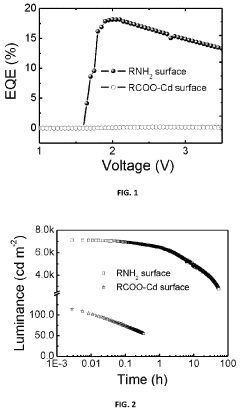
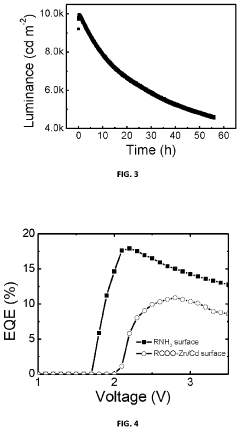
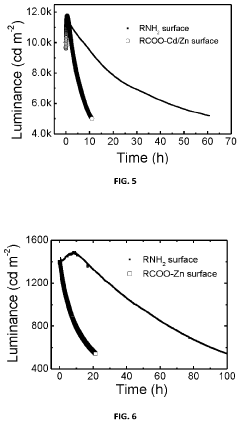
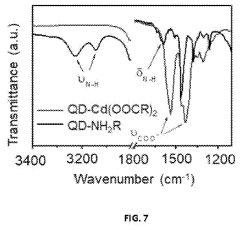
QLED and manufacturing method thereof
PatentActiveUS20220081313A1
Innovation
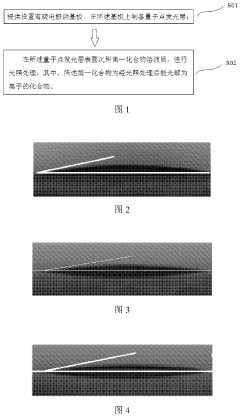
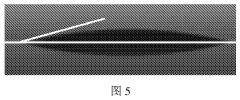
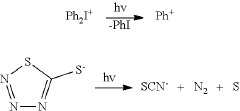
- A QLED manufacturing method involving the use of a first compound solution that photodegrades into ions under illumination, applied to the quantum dot light emitting layer, which reduces the contact angle and improves the compatibility between layers, enhancing the flatness and luminous efficiency of the QLED.
QLED Sustainability
QLED technology, while offering significant advancements in display quality and energy efficiency, also presents unique challenges and opportunities in terms of sustainability. The production of QLED displays involves the use of quantum dots, which are typically made from rare earth materials. This raises concerns about the long-term availability and environmental impact of these resources. However, recent research has shown promising developments in the creation of quantum dots from more abundant and eco-friendly materials, such as carbon-based nanoparticles.
The manufacturing process of QLED displays has been optimized to reduce energy consumption and waste production. Compared to traditional LCD and OLED technologies, QLED production requires fewer steps and consumes less energy, resulting in a lower carbon footprint. Additionally, the longer lifespan of QLED displays contributes to reduced electronic waste, as consumers are less likely to replace their devices frequently.
End-of-life considerations for QLED displays are becoming increasingly important. The industry is developing recycling techniques specifically tailored for quantum dot materials, aiming to recover and reuse these valuable components. This not only reduces the environmental impact but also helps to address concerns about the scarcity of materials used in quantum dots.
User-centric design principles are being applied to enhance the sustainability of QLED technology. For instance, power-saving features are being integrated into QLED displays, allowing users to customize their viewing experience while minimizing energy consumption. Adaptive brightness controls and intelligent power management systems are examples of such user-friendly, eco-conscious features.
The durability of QLED displays is another key factor in their sustainability profile. These displays are resistant to image retention and burn-in, which extends their usable life and reduces the need for premature replacement. Manufacturers are also focusing on modular design approaches, making it easier to repair and upgrade QLED displays, further extending their lifecycle and reducing electronic waste.
As the technology continues to evolve, researchers are exploring ways to make QLED displays even more sustainable. This includes the development of flexible and foldable QLED displays, which could lead to more versatile and resource-efficient device designs. Additionally, efforts are being made to improve the color gamut and brightness of QLED displays while maintaining or reducing power consumption, ensuring that sustainability does not come at the cost of performance.
The manufacturing process of QLED displays has been optimized to reduce energy consumption and waste production. Compared to traditional LCD and OLED technologies, QLED production requires fewer steps and consumes less energy, resulting in a lower carbon footprint. Additionally, the longer lifespan of QLED displays contributes to reduced electronic waste, as consumers are less likely to replace their devices frequently.
End-of-life considerations for QLED displays are becoming increasingly important. The industry is developing recycling techniques specifically tailored for quantum dot materials, aiming to recover and reuse these valuable components. This not only reduces the environmental impact but also helps to address concerns about the scarcity of materials used in quantum dots.
User-centric design principles are being applied to enhance the sustainability of QLED technology. For instance, power-saving features are being integrated into QLED displays, allowing users to customize their viewing experience while minimizing energy consumption. Adaptive brightness controls and intelligent power management systems are examples of such user-friendly, eco-conscious features.
The durability of QLED displays is another key factor in their sustainability profile. These displays are resistant to image retention and burn-in, which extends their usable life and reduces the need for premature replacement. Manufacturers are also focusing on modular design approaches, making it easier to repair and upgrade QLED displays, further extending their lifecycle and reducing electronic waste.
As the technology continues to evolve, researchers are exploring ways to make QLED displays even more sustainable. This includes the development of flexible and foldable QLED displays, which could lead to more versatile and resource-efficient device designs. Additionally, efforts are being made to improve the color gamut and brightness of QLED displays while maintaining or reducing power consumption, ensuring that sustainability does not come at the cost of performance.
QLED Accessibility
QLED technology offers significant potential for enhancing accessibility in user-centric design solutions. The high contrast ratio and wide color gamut of QLED displays provide improved visibility for users with visual impairments. This technology allows for better color differentiation and sharper text rendering, making it easier for individuals with color blindness or low vision to navigate interfaces and consume content.
One key advantage of QLED in accessibility is its ability to produce deeper blacks and brighter whites, creating a more defined visual hierarchy. This contrast enhancement is particularly beneficial for users with reduced visual acuity, as it helps in distinguishing between different elements on the screen. Additionally, the increased brightness capabilities of QLED displays enable better visibility in various lighting conditions, addressing the needs of users who may struggle with glare or low-light environments.
The energy efficiency of QLED technology also contributes to accessibility by allowing for longer battery life in portable devices. This extended usage time is crucial for users who rely heavily on assistive technologies and may not have frequent access to charging points. Furthermore, the reduced power consumption can lead to cooler-running devices, enhancing comfort for users with sensory sensitivities.
QLED's ability to render a wider range of colors accurately opens up new possibilities in designing color-coded interfaces that are more inclusive. By leveraging this expanded color palette, designers can create schemes that are discernible to a broader spectrum of users, including those with various forms of color vision deficiency. This capability allows for more nuanced and effective use of color in conveying information and guiding user interactions.
The technology's fast response times and reduced motion blur can benefit users with cognitive processing difficulties or attention disorders. Clearer motion representation and smoother transitions between frames can help reduce visual fatigue and improve focus, making it easier for these users to track moving elements and process dynamic content on screen.
Incorporating QLED technology into user-centric design also presents opportunities for customization. The precise control over color and brightness levels allows for the development of personalized display settings that can be tailored to individual user needs. This adaptability is particularly valuable in creating inclusive digital environments that can accommodate a wide range of visual and cognitive abilities.
One key advantage of QLED in accessibility is its ability to produce deeper blacks and brighter whites, creating a more defined visual hierarchy. This contrast enhancement is particularly beneficial for users with reduced visual acuity, as it helps in distinguishing between different elements on the screen. Additionally, the increased brightness capabilities of QLED displays enable better visibility in various lighting conditions, addressing the needs of users who may struggle with glare or low-light environments.
The energy efficiency of QLED technology also contributes to accessibility by allowing for longer battery life in portable devices. This extended usage time is crucial for users who rely heavily on assistive technologies and may not have frequent access to charging points. Furthermore, the reduced power consumption can lead to cooler-running devices, enhancing comfort for users with sensory sensitivities.
QLED's ability to render a wider range of colors accurately opens up new possibilities in designing color-coded interfaces that are more inclusive. By leveraging this expanded color palette, designers can create schemes that are discernible to a broader spectrum of users, including those with various forms of color vision deficiency. This capability allows for more nuanced and effective use of color in conveying information and guiding user interactions.
The technology's fast response times and reduced motion blur can benefit users with cognitive processing difficulties or attention disorders. Clearer motion representation and smoother transitions between frames can help reduce visual fatigue and improve focus, making it easier for these users to track moving elements and process dynamic content on screen.
Incorporating QLED technology into user-centric design also presents opportunities for customization. The precise control over color and brightness levels allows for the development of personalized display settings that can be tailored to individual user needs. This adaptability is particularly valuable in creating inclusive digital environments that can accommodate a wide range of visual and cognitive abilities.
Unlock deeper insights with PatSnap Eureka Quick Research — get a full tech report to explore trends and direct your research. Try now!
Generate Your Research Report Instantly with AI Agent
Supercharge your innovation with PatSnap Eureka AI Agent Platform!