How to Develop Prototyping Using Laser Welding Technology
SEP 16, 20259 MIN READ
Generate Your Research Report Instantly with AI Agent
Patsnap Eureka helps you evaluate technical feasibility & market potential.
Laser Welding Technology Background and Objectives
Laser welding technology has evolved significantly since its inception in the 1960s, transforming from a niche industrial process to a versatile manufacturing technique widely adopted across multiple sectors. The fundamental principle of laser welding involves focusing a high-energy laser beam onto materials to create localized melting and subsequent fusion upon solidification. This technology has progressed through several generations, from early CO2 lasers to modern fiber and diode lasers, each iteration bringing improvements in efficiency, precision, and application versatility.
The current technological trajectory shows a clear movement toward higher power densities, improved beam quality, and enhanced process control systems. Industry trends indicate growing integration with automation and Industry 4.0 principles, where real-time monitoring and adaptive control mechanisms are becoming standard features rather than premium additions. The miniaturization of laser systems has also expanded the technology's applicability in precision manufacturing and prototyping scenarios.
The primary objective of developing prototyping capabilities using laser welding technology is to establish rapid, flexible, and cost-effective manufacturing processes that can accelerate product development cycles while maintaining high quality standards. This involves creating scalable welding solutions that can transition seamlessly from prototype to production, reducing the traditional gap between these phases that often necessitates significant process redesign.
Technical goals include developing parameter libraries for diverse material combinations, implementing adaptive control systems that can compensate for material variations common in prototyping environments, and creating modular fixturing solutions that accommodate the frequent design changes inherent to prototype development. Additionally, there is a focus on integrating laser welding with complementary technologies such as 3D printing and CNC machining to create comprehensive prototyping ecosystems.
The environmental and economic context cannot be overlooked, with increasing pressure to develop energy-efficient processes that minimize material waste. Modern laser welding systems offer significant advantages in this regard, with high energy transfer efficiency and precise energy deposition that minimizes the heat-affected zone and associated material distortion.
From a strategic perspective, mastering laser welding for prototyping represents a critical capability for manufacturers seeking to maintain competitiveness in industries where product lifecycles are shortening and customization demands are increasing. The technology enables rapid iteration of designs with production-equivalent joining quality, allowing for more thorough validation before committing to full-scale manufacturing investments.
The current technological trajectory shows a clear movement toward higher power densities, improved beam quality, and enhanced process control systems. Industry trends indicate growing integration with automation and Industry 4.0 principles, where real-time monitoring and adaptive control mechanisms are becoming standard features rather than premium additions. The miniaturization of laser systems has also expanded the technology's applicability in precision manufacturing and prototyping scenarios.
The primary objective of developing prototyping capabilities using laser welding technology is to establish rapid, flexible, and cost-effective manufacturing processes that can accelerate product development cycles while maintaining high quality standards. This involves creating scalable welding solutions that can transition seamlessly from prototype to production, reducing the traditional gap between these phases that often necessitates significant process redesign.
Technical goals include developing parameter libraries for diverse material combinations, implementing adaptive control systems that can compensate for material variations common in prototyping environments, and creating modular fixturing solutions that accommodate the frequent design changes inherent to prototype development. Additionally, there is a focus on integrating laser welding with complementary technologies such as 3D printing and CNC machining to create comprehensive prototyping ecosystems.
The environmental and economic context cannot be overlooked, with increasing pressure to develop energy-efficient processes that minimize material waste. Modern laser welding systems offer significant advantages in this regard, with high energy transfer efficiency and precise energy deposition that minimizes the heat-affected zone and associated material distortion.
From a strategic perspective, mastering laser welding for prototyping represents a critical capability for manufacturers seeking to maintain competitiveness in industries where product lifecycles are shortening and customization demands are increasing. The technology enables rapid iteration of designs with production-equivalent joining quality, allowing for more thorough validation before committing to full-scale manufacturing investments.
Market Demand Analysis for Laser Welding Prototyping
The global market for laser welding technology in prototyping applications has experienced significant growth over the past decade, driven primarily by increasing demand for rapid, precise, and cost-effective manufacturing solutions. Current market assessments indicate that the laser welding prototyping sector is expanding at a compound annual growth rate of approximately 7-8%, outpacing traditional welding technologies.
Manufacturing industries, particularly automotive, aerospace, electronics, and medical device sectors, represent the primary demand drivers for laser welding prototyping. These industries require high-precision joining solutions that can handle complex geometries and diverse materials while maintaining structural integrity. The automotive sector alone accounts for nearly 30% of the total market demand, as manufacturers seek lightweight construction methods to improve fuel efficiency and reduce emissions.
Consumer electronics manufacturers have emerged as significant adopters of laser welding prototyping, particularly for developing miniaturized components and ensuring hermetic sealing of sensitive electronic assemblies. This segment shows the fastest growth rate within the market, reflecting the accelerating product development cycles in consumer technology.
Market research reveals a notable shift in customer requirements, with increasing emphasis on flexibility and adaptability in prototyping systems. End-users now prioritize laser welding solutions that can seamlessly transition from prototype development to small-batch production, effectively bridging the gap between R&D and manufacturing operations. This trend is particularly pronounced among small to medium enterprises seeking to minimize capital investment while maximizing production versatility.
Regional analysis indicates that while North America and Europe currently dominate the market in terms of technology adoption and revenue generation, the Asia-Pacific region is witnessing the most rapid expansion. China, South Korea, and India are emerging as key growth markets, driven by robust manufacturing sectors and increasing technological sophistication in production processes.
The demand for environmentally sustainable manufacturing solutions has created a distinct market segment for energy-efficient laser welding systems. Companies are increasingly willing to invest in advanced prototyping technologies that reduce material waste, minimize energy consumption, and eliminate the need for additional finishing processes – all advantages offered by precision laser welding.
Service-based business models are gaining traction within this market, with specialized prototyping service providers offering laser welding capabilities to clients without the resources to invest in in-house systems. This trend is democratizing access to advanced prototyping technologies and expanding the overall market reach beyond traditional manufacturing sectors.
Manufacturing industries, particularly automotive, aerospace, electronics, and medical device sectors, represent the primary demand drivers for laser welding prototyping. These industries require high-precision joining solutions that can handle complex geometries and diverse materials while maintaining structural integrity. The automotive sector alone accounts for nearly 30% of the total market demand, as manufacturers seek lightweight construction methods to improve fuel efficiency and reduce emissions.
Consumer electronics manufacturers have emerged as significant adopters of laser welding prototyping, particularly for developing miniaturized components and ensuring hermetic sealing of sensitive electronic assemblies. This segment shows the fastest growth rate within the market, reflecting the accelerating product development cycles in consumer technology.
Market research reveals a notable shift in customer requirements, with increasing emphasis on flexibility and adaptability in prototyping systems. End-users now prioritize laser welding solutions that can seamlessly transition from prototype development to small-batch production, effectively bridging the gap between R&D and manufacturing operations. This trend is particularly pronounced among small to medium enterprises seeking to minimize capital investment while maximizing production versatility.
Regional analysis indicates that while North America and Europe currently dominate the market in terms of technology adoption and revenue generation, the Asia-Pacific region is witnessing the most rapid expansion. China, South Korea, and India are emerging as key growth markets, driven by robust manufacturing sectors and increasing technological sophistication in production processes.
The demand for environmentally sustainable manufacturing solutions has created a distinct market segment for energy-efficient laser welding systems. Companies are increasingly willing to invest in advanced prototyping technologies that reduce material waste, minimize energy consumption, and eliminate the need for additional finishing processes – all advantages offered by precision laser welding.
Service-based business models are gaining traction within this market, with specialized prototyping service providers offering laser welding capabilities to clients without the resources to invest in in-house systems. This trend is democratizing access to advanced prototyping technologies and expanding the overall market reach beyond traditional manufacturing sectors.
Current State and Challenges in Laser Welding Prototyping
Laser welding technology has evolved significantly over the past decade, establishing itself as a critical manufacturing process across various industries. Currently, the global adoption of laser welding for prototyping applications is experiencing rapid growth, with an estimated market value of $2.5 billion in 2023 and projected annual growth rates of 8-10%. The technology has matured considerably in terms of precision, speed, and material compatibility, making it increasingly viable for prototyping applications.
In the current landscape, fiber lasers dominate the market with approximately 65% share due to their superior beam quality and energy efficiency. CO2 lasers account for about 20% of applications, while newer technologies like disk and diode lasers are gaining traction in specialized prototyping scenarios. Geographically, the technology development centers are concentrated in Germany, Japan, the United States, and increasingly China, with each region developing distinct technological approaches and application expertise.
Despite significant advancements, laser welding prototyping faces several critical challenges. Material compatibility remains a primary concern, particularly when joining dissimilar metals or advanced alloys. The heat-affected zone (HAZ) can lead to microstructural changes that compromise mechanical properties, especially problematic in prototype development where material integrity is crucial. Additionally, the high initial investment costs—ranging from $150,000 to over $1 million for comprehensive systems—create significant barriers to entry for smaller enterprises and research institutions.
Process monitoring and quality control represent another major challenge. Real-time monitoring systems are still evolving, with current technologies achieving only 85-90% defect detection rates. This limitation is particularly problematic for prototyping applications where each component may have unique specifications and requirements. The lack of standardized parameters for diverse materials and geometries further complicates the development of reliable prototyping methodologies.
Skill gaps present a significant constraint, with industry surveys indicating that over 70% of manufacturing companies report difficulties finding technicians with adequate laser welding expertise. This shortage is more pronounced in prototyping contexts, where adaptability and problem-solving skills are essential. The rapid pace of technological advancement exacerbates this issue, as training programs struggle to keep pace with evolving equipment and methodologies.
Energy consumption and sustainability concerns are emerging challenges, with typical industrial laser welding systems consuming between 10-30 kW of power. As environmental regulations tighten globally, developing energy-efficient prototyping processes has become increasingly important. Current systems typically operate at 20-30% energy efficiency, leaving substantial room for improvement in sustainable prototyping applications.
In the current landscape, fiber lasers dominate the market with approximately 65% share due to their superior beam quality and energy efficiency. CO2 lasers account for about 20% of applications, while newer technologies like disk and diode lasers are gaining traction in specialized prototyping scenarios. Geographically, the technology development centers are concentrated in Germany, Japan, the United States, and increasingly China, with each region developing distinct technological approaches and application expertise.
Despite significant advancements, laser welding prototyping faces several critical challenges. Material compatibility remains a primary concern, particularly when joining dissimilar metals or advanced alloys. The heat-affected zone (HAZ) can lead to microstructural changes that compromise mechanical properties, especially problematic in prototype development where material integrity is crucial. Additionally, the high initial investment costs—ranging from $150,000 to over $1 million for comprehensive systems—create significant barriers to entry for smaller enterprises and research institutions.
Process monitoring and quality control represent another major challenge. Real-time monitoring systems are still evolving, with current technologies achieving only 85-90% defect detection rates. This limitation is particularly problematic for prototyping applications where each component may have unique specifications and requirements. The lack of standardized parameters for diverse materials and geometries further complicates the development of reliable prototyping methodologies.
Skill gaps present a significant constraint, with industry surveys indicating that over 70% of manufacturing companies report difficulties finding technicians with adequate laser welding expertise. This shortage is more pronounced in prototyping contexts, where adaptability and problem-solving skills are essential. The rapid pace of technological advancement exacerbates this issue, as training programs struggle to keep pace with evolving equipment and methodologies.
Energy consumption and sustainability concerns are emerging challenges, with typical industrial laser welding systems consuming between 10-30 kW of power. As environmental regulations tighten globally, developing energy-efficient prototyping processes has become increasingly important. Current systems typically operate at 20-30% energy efficiency, leaving substantial room for improvement in sustainable prototyping applications.
Current Prototyping Solutions Using Laser Welding
01 Laser welding systems for rapid prototyping
Advanced laser welding systems specifically designed for rapid prototyping applications enable efficient creation of prototype models. These systems integrate precise laser control mechanisms with automated positioning systems to achieve high accuracy in prototype development. The technology allows for quick iteration of designs and reduces the time from concept to physical prototype, making it valuable for research and development processes.- Laser welding systems for rapid prototyping: Advanced laser welding systems designed specifically for rapid prototyping applications enable efficient creation of prototype parts. These systems integrate precise laser control mechanisms with automated positioning systems to create functional prototypes quickly. The technology allows for joining different materials with minimal heat-affected zones, making it ideal for prototype development where maintaining material properties is crucial.
- Additive manufacturing with laser welding: Combining additive manufacturing techniques with laser welding technology creates a powerful approach for prototyping complex components. This hybrid method allows for building up parts layer by layer while using laser welding to ensure strong bonds between layers or to join separate components. The process enables the creation of intricate geometries with excellent mechanical properties that would be difficult to achieve using traditional manufacturing methods.
- Micro-laser welding for precision prototypes: Micro-laser welding techniques provide exceptional precision for creating small-scale prototypes with high accuracy. These systems utilize finely focused laser beams to join miniature components with minimal thermal distortion. The technology is particularly valuable for prototyping electronic devices, medical instruments, and other applications requiring precise, clean welds at a microscopic scale.
- Automated laser welding fixtures for prototyping: Specialized fixtures and positioning systems designed for prototype development enhance the capabilities of laser welding technology. These automated systems ensure consistent positioning and clamping of components during the welding process, resulting in repeatable, high-quality prototypes. The fixtures can be rapidly reconfigured for different prototype designs, increasing flexibility and reducing setup time in the prototyping process.
- Material-specific laser welding techniques for prototyping: Specialized laser welding techniques have been developed to address the unique challenges of joining different materials during the prototyping phase. These methods involve precise control of laser parameters such as power, pulse shape, and frequency to optimize the weld quality for specific material combinations. The technology enables the creation of multi-material prototypes with strong bonds between dissimilar materials, expanding the design possibilities for prototype development.
02 Materials and processes for laser welding in prototyping
Specialized materials and processes have been developed for laser welding in prototyping applications. These include novel metal alloys, composite materials, and surface preparation techniques that enhance weld quality and strength. The processes involve optimized laser parameters such as power density, pulse duration, and beam focus to achieve consistent results across different material combinations, which is crucial for creating functional prototypes.Expand Specific Solutions03 Automated control systems for prototype laser welding
Automated control systems have been developed to enhance precision and repeatability in laser welding for prototyping. These systems incorporate real-time monitoring of weld parameters, adaptive control algorithms, and feedback mechanisms to maintain consistent weld quality. Advanced software interfaces allow operators to program complex welding patterns and adjust parameters on-the-fly, significantly improving the efficiency and quality of prototype production.Expand Specific Solutions04 Hybrid laser welding techniques for prototype development
Hybrid laser welding techniques combine conventional laser welding with other joining methods to overcome limitations in prototype development. These approaches may integrate laser welding with friction stir welding, arc welding, or ultrasonic assistance to enhance weld properties for specific applications. The hybrid techniques allow for joining dissimilar materials, reducing thermal distortion, and improving the mechanical properties of prototype components.Expand Specific Solutions05 Miniaturized laser welding equipment for small-scale prototyping
Miniaturized laser welding equipment has been developed specifically for small-scale and micro-prototyping applications. These compact systems feature high-precision optics, micro-positioning stages, and specialized beam delivery systems that enable welding of miniature components with sub-millimeter accuracy. The technology is particularly valuable for prototyping in industries such as medical device manufacturing, microelectronics, and jewelry design where small-scale precision is critical.Expand Specific Solutions
Key Industry Players in Laser Welding Equipment
Laser welding technology for prototyping is evolving rapidly in a growing market currently transitioning from early adoption to mainstream implementation. The global market is expanding as industries recognize benefits in precision manufacturing, with projections indicating significant growth over the next decade. Companies like Boeing, Toyota, and Audi are leading automotive and aerospace applications, while specialized firms such as IPG Photonics, Han's Laser, and Dukane IAS focus on equipment development. Research institutions including Fraunhofer-Gesellschaft and Jiangsu University are advancing fundamental technologies. The competitive landscape features established industrial giants (Volkswagen, Nissan) implementing the technology alongside specialized equipment manufacturers and materials science companies (Evonik, Renishaw), indicating moderate technology maturity with significant ongoing innovation.
The Boeing Co.
Technical Solution: Boeing has developed a proprietary laser welding prototyping system called "RapidForm" specifically designed for aerospace applications. Their approach integrates high-power fiber lasers with multi-axis robotic positioning systems capable of creating complex three-dimensional prototypes with aerospace-grade materials including titanium alloys, high-strength aluminum, and specialty steels[7]. A key innovation in their system is the implementation of "adaptive path planning" algorithms that automatically generate optimal welding trajectories based on CAD models, significantly reducing programming time for complex prototypes. Boeing's technology incorporates specialized shielding mechanisms that create controlled atmospheric conditions around the weld zone, enabling high-quality welds of reactive materials like titanium without vacuum chambers[8]. For prototype validation, they've developed non-destructive testing methods that integrate directly with the welding system, including real-time X-ray imaging and ultrasonic inspection capabilities that verify internal weld quality during the prototyping process. Their system also features a digital twin capability that simulates the entire welding process, predicting distortion and residual stresses before physical prototyping begins, allowing engineers to optimize designs for manufacturability.
Strengths: Exceptional capability for handling aerospace materials that are typically challenging to weld. Integrated quality assurance systems ensure prototype parts meet stringent aerospace requirements. Advanced simulation capabilities reduce physical prototype iterations. Weaknesses: System complexity requires significant expertise to operate effectively. High cost structure makes it less suitable for smaller-scale prototyping applications outside aerospace.
Toyota Motor Corp.
Technical Solution: Toyota has developed an integrated laser welding prototyping system called "FlexWeld" specifically optimized for automotive applications. Their approach combines disk lasers with advanced beam manipulation optics that enable rapid switching between different welding modes (conduction, transition, and keyhole) without changing hardware configurations[9]. A distinctive feature is their "hybrid joining" technology that combines laser welding with mechanical joining methods in a single automated process, allowing prototypes to incorporate multiple joining technologies as needed for optimal performance. Toyota's system incorporates specialized clamping fixtures with integrated cooling channels that minimize thermal distortion during prototyping, enabling higher dimensional accuracy in completed prototypes[10]. For materials development, they've implemented a high-throughput parameter testing capability that can rapidly evaluate multiple welding parameter sets on test coupons, generating comprehensive process maps for new materials. Their prototyping workflow includes an automated post-weld inspection system that uses machine vision and mechanical testing to validate prototype quality against predefined criteria. Additionally, Toyota has developed specialized techniques for laser welding of next-generation automotive materials including advanced high-strength steels, aluminum alloys, and multi-material combinations that are increasingly common in lightweight vehicle designs.
Strengths: Specifically optimized for automotive materials and applications, with extensive process knowledge embedded in the system. Hybrid joining capabilities provide flexibility for complex prototype designs. High throughput parameter development accelerates material qualification. Weaknesses: Less adaptable to non-automotive applications and materials. System optimization focuses on thin-gauge materials typical in automotive applications, with less capability for thick sections.
Core Technical Innovations in Laser Welding
Laser welding apparatus and method
PatentInactiveUS8796582B2
Innovation
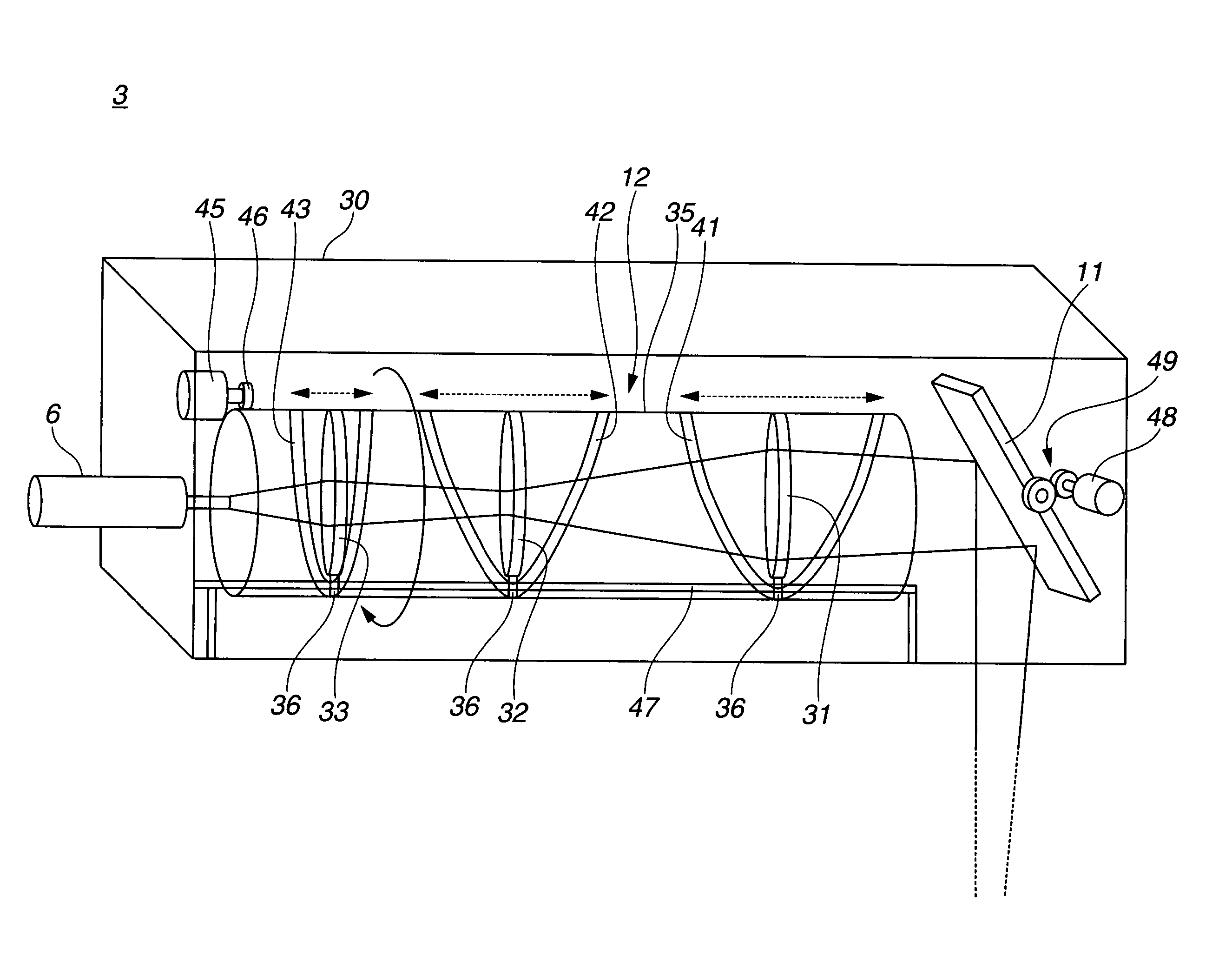
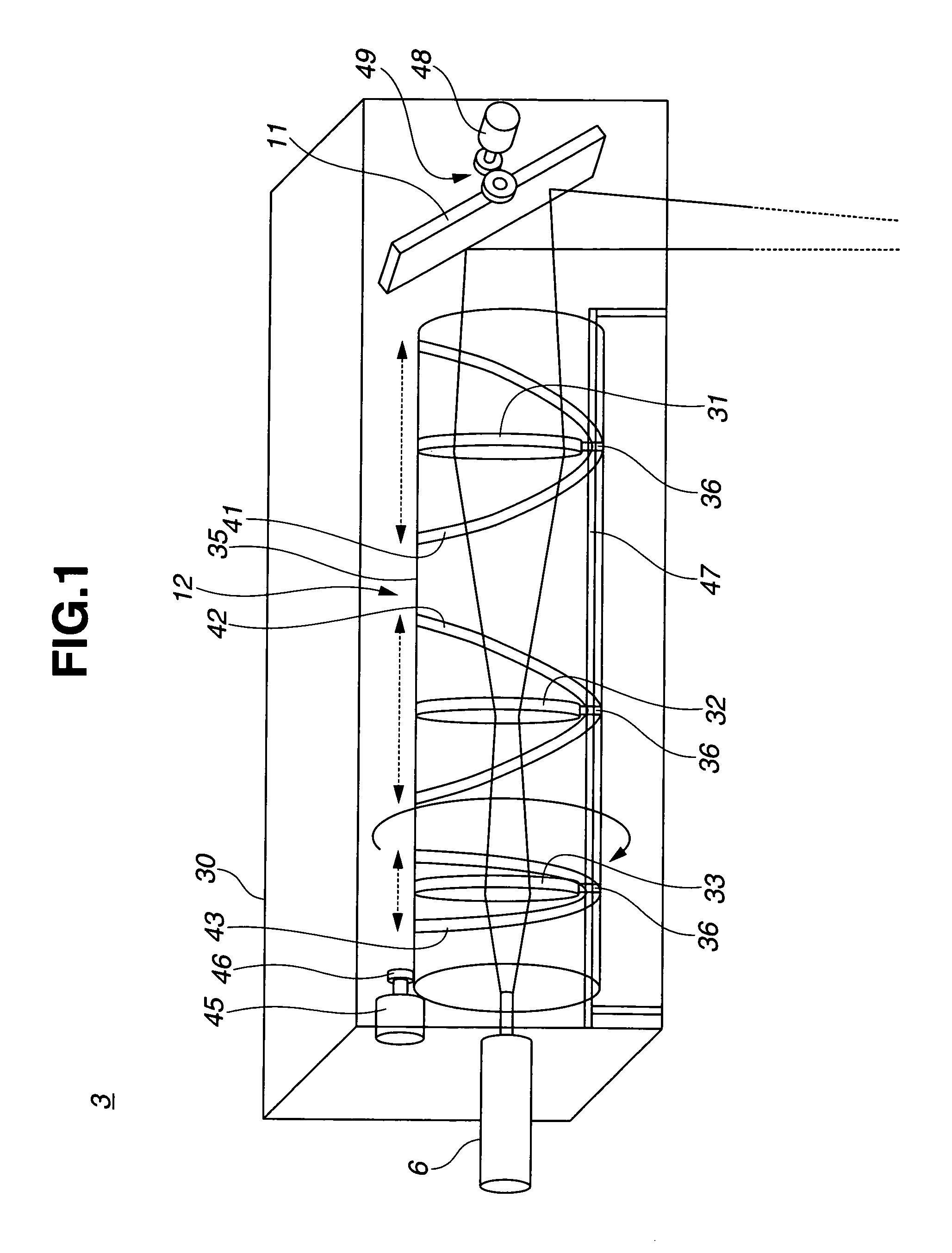
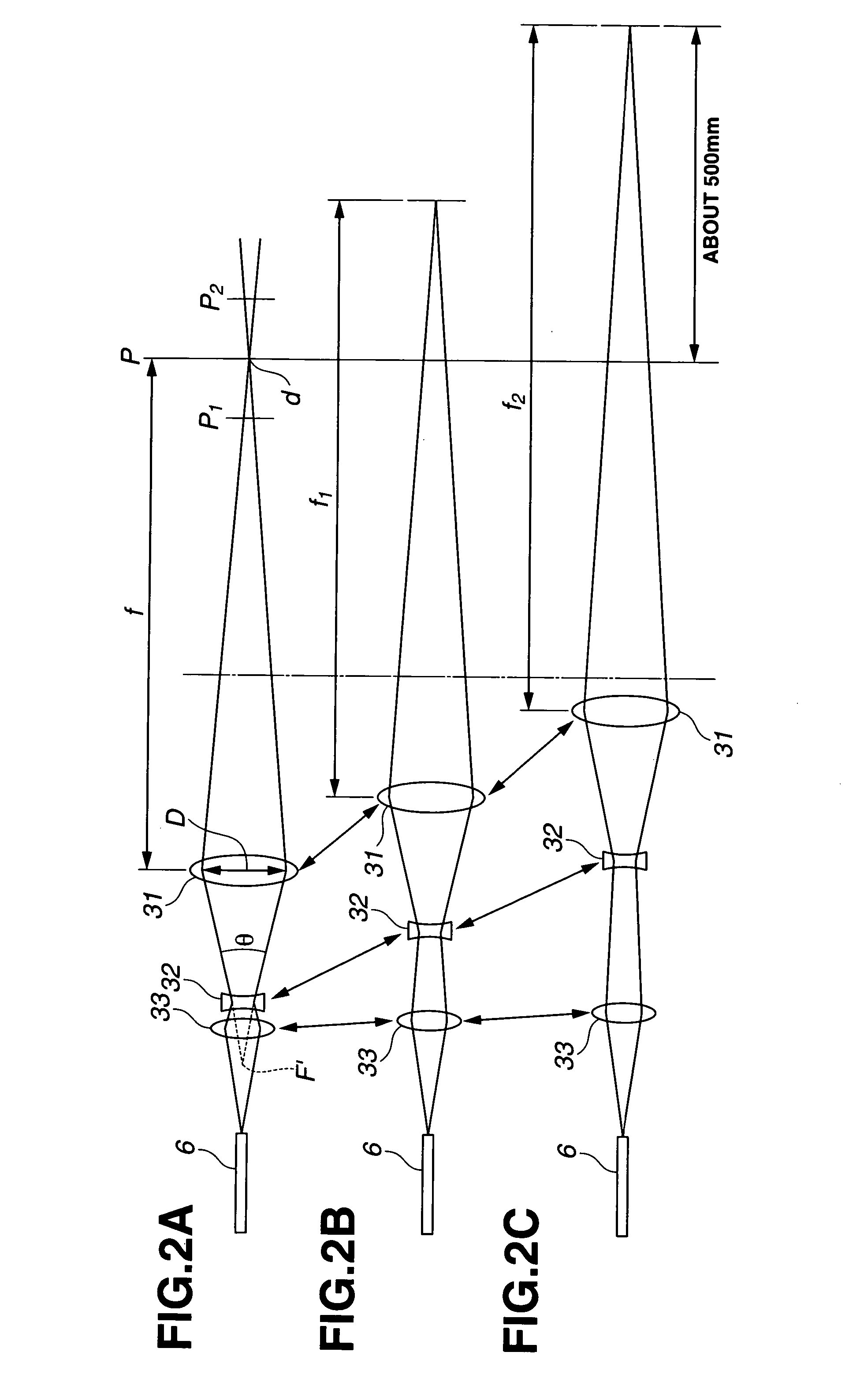
- A laser welding apparatus and method that adjusts the focal length and spot size of the laser beam using a lens system with movable lenses and a reflector, allowing for constant focal spot size maintenance across multiple welding spots, enabling efficient energy distribution without the need for individual irradiation time adjustments.

Method for producing shaped bodies or applying coatings
PatentInactiveEP1230055A1
Innovation
- A method combining plasma build-up welding or inductive heating with laser beam build-up welding, allowing for the use of multiple heat sources that can move in various axes, enabling the production of complex three-dimensional structures and coatings with reduced time and energy expenditure by using different layer thicknesses and track widths depending on the area, and allowing for efficient pre-heating and post-heating of workpieces.
Material Compatibility and Selection Guidelines
Material compatibility is a critical factor in successful laser welding prototyping, as the physical and chemical properties of materials directly influence weld quality and performance. When selecting materials for laser welding applications, engineers must consider thermal conductivity, reflectivity, melting point, and coefficient of thermal expansion. Materials with similar thermal properties generally produce more reliable welds, while significant disparities can lead to thermal stress, cracking, or incomplete fusion.
Common material combinations for laser welding include similar metals (steel-to-steel, aluminum-to-aluminum), dissimilar metals with compatible properties (stainless steel to titanium), and certain metal-to-polymer combinations for specialized applications. The thickness ratio between materials should typically not exceed 3:1 to ensure proper heat distribution and weld formation. Surface preparation also plays a crucial role, with requirements for cleanliness, oxide removal, and consistent gap control between components.
For prototype development specifically, material selection should balance both immediate testing needs and eventual production requirements. Engineers may initially select materials with superior weldability characteristics for proof-of-concept prototypes, then transition to production-grade materials as the design matures. This staged approach allows for optimization of welding parameters while minimizing material waste and development costs.
When working with novel or challenging material combinations, preliminary weldability testing is essential. This involves creating test coupons to evaluate joint strength, microstructure analysis, and potential defect formation. Specialized coatings or intermediate layers may be necessary for joining highly dissimilar materials, serving as thermal or chemical buffers between base materials.
Material certification and traceability are increasingly important considerations, particularly for prototypes intended for regulated industries such as aerospace, medical devices, or automotive applications. Documentation of material properties, batch information, and processing history supports both quality assurance and regulatory compliance efforts throughout the prototype development cycle.
Sustainability considerations are also emerging as selection criteria, with growing emphasis on recyclability, energy consumption during processing, and environmental impact of material production. These factors should be evaluated alongside traditional performance metrics when establishing material selection guidelines for laser welding prototyping operations.
Common material combinations for laser welding include similar metals (steel-to-steel, aluminum-to-aluminum), dissimilar metals with compatible properties (stainless steel to titanium), and certain metal-to-polymer combinations for specialized applications. The thickness ratio between materials should typically not exceed 3:1 to ensure proper heat distribution and weld formation. Surface preparation also plays a crucial role, with requirements for cleanliness, oxide removal, and consistent gap control between components.
For prototype development specifically, material selection should balance both immediate testing needs and eventual production requirements. Engineers may initially select materials with superior weldability characteristics for proof-of-concept prototypes, then transition to production-grade materials as the design matures. This staged approach allows for optimization of welding parameters while minimizing material waste and development costs.
When working with novel or challenging material combinations, preliminary weldability testing is essential. This involves creating test coupons to evaluate joint strength, microstructure analysis, and potential defect formation. Specialized coatings or intermediate layers may be necessary for joining highly dissimilar materials, serving as thermal or chemical buffers between base materials.
Material certification and traceability are increasingly important considerations, particularly for prototypes intended for regulated industries such as aerospace, medical devices, or automotive applications. Documentation of material properties, batch information, and processing history supports both quality assurance and regulatory compliance efforts throughout the prototype development cycle.
Sustainability considerations are also emerging as selection criteria, with growing emphasis on recyclability, energy consumption during processing, and environmental impact of material production. These factors should be evaluated alongside traditional performance metrics when establishing material selection guidelines for laser welding prototyping operations.
Safety Standards and Environmental Considerations
Laser welding technology in prototyping applications must adhere to stringent safety standards and environmental regulations to ensure worker protection and minimize ecological impact. The primary safety standards governing laser welding include ANSI Z136.1 (American National Standard for Safe Use of Lasers), IEC 60825 (International Electrotechnical Commission standards for laser products), and ISO 11553 (Safety of machinery - Laser processing machines). These standards establish requirements for protective equipment, operational procedures, and facility design that manufacturers must implement when developing prototyping systems using laser welding technology.
Personal protective equipment (PPE) represents a critical component of safety protocols, with specialized laser safety eyewear being mandatory to protect against specific wavelengths used in the welding process. Additionally, engineering controls such as interlocked enclosures, beam stops, and automated shutdown systems are essential for preventing accidental exposure to laser radiation during prototyping operations.
Environmental considerations for laser welding in prototyping applications focus primarily on emissions control and energy efficiency. The process generates fumes containing metal particulates and potentially hazardous compounds that require proper ventilation and filtration systems compliant with standards such as EPA regulations in the United States or the EU's Industrial Emissions Directive. Modern laser welding systems increasingly incorporate fume extraction technologies with HEPA filtration to capture particulate matter down to submicron levels.
Energy consumption represents another significant environmental factor, with fiber and diode lasers offering substantially improved efficiency compared to traditional CO2 or Nd:YAG systems. The latest fiber laser technologies can achieve wall-plug efficiencies exceeding 40%, dramatically reducing the carbon footprint of prototyping operations while simultaneously lowering operational costs.
Waste management protocols for laser welding prototyping must address the disposal of consumables, including assist gases, cooling fluids, and replaced components. Many jurisdictions classify these materials as industrial waste requiring specialized handling procedures. Manufacturers are increasingly adopting closed-loop recycling systems for cooling fluids and implementing material recovery programs for high-value components to minimize environmental impact.
Recent regulatory trends indicate movement toward more stringent emissions standards and energy efficiency requirements for industrial laser systems. Organizations developing prototyping capabilities using laser welding technology should implement forward-looking compliance strategies that anticipate these regulatory developments, potentially incorporating real-time emissions monitoring and advanced energy management systems into their prototyping workflows.
Personal protective equipment (PPE) represents a critical component of safety protocols, with specialized laser safety eyewear being mandatory to protect against specific wavelengths used in the welding process. Additionally, engineering controls such as interlocked enclosures, beam stops, and automated shutdown systems are essential for preventing accidental exposure to laser radiation during prototyping operations.
Environmental considerations for laser welding in prototyping applications focus primarily on emissions control and energy efficiency. The process generates fumes containing metal particulates and potentially hazardous compounds that require proper ventilation and filtration systems compliant with standards such as EPA regulations in the United States or the EU's Industrial Emissions Directive. Modern laser welding systems increasingly incorporate fume extraction technologies with HEPA filtration to capture particulate matter down to submicron levels.
Energy consumption represents another significant environmental factor, with fiber and diode lasers offering substantially improved efficiency compared to traditional CO2 or Nd:YAG systems. The latest fiber laser technologies can achieve wall-plug efficiencies exceeding 40%, dramatically reducing the carbon footprint of prototyping operations while simultaneously lowering operational costs.
Waste management protocols for laser welding prototyping must address the disposal of consumables, including assist gases, cooling fluids, and replaced components. Many jurisdictions classify these materials as industrial waste requiring specialized handling procedures. Manufacturers are increasingly adopting closed-loop recycling systems for cooling fluids and implementing material recovery programs for high-value components to minimize environmental impact.
Recent regulatory trends indicate movement toward more stringent emissions standards and energy efficiency requirements for industrial laser systems. Organizations developing prototyping capabilities using laser welding technology should implement forward-looking compliance strategies that anticipate these regulatory developments, potentially incorporating real-time emissions monitoring and advanced energy management systems into their prototyping workflows.
Unlock deeper insights with Patsnap Eureka Quick Research — get a full tech report to explore trends and direct your research. Try now!
Generate Your Research Report Instantly with AI Agent
Supercharge your innovation with Patsnap Eureka AI Agent Platform!