How to Intensify Dodecane Research in Clean Technologies?
JUL 29, 20259 MIN READ
Generate Your Research Report Instantly with AI Agent
PatSnap Eureka helps you evaluate technical feasibility & market potential.
Dodecane in Clean Tech: Background and Objectives
Dodecane, a straight-chain alkane hydrocarbon with the molecular formula C12H26, has emerged as a significant compound in the realm of clean technologies. The exploration of dodecane's potential in this field stems from its unique properties and versatility, making it a promising candidate for various sustainable applications.
The historical context of dodecane research dates back to the early 20th century when it was primarily studied as a component of fossil fuels. However, the growing emphasis on environmental sustainability and the need for cleaner energy sources has shifted the focus towards investigating dodecane's role in clean technologies. This transition aligns with global efforts to reduce carbon emissions and develop more eco-friendly industrial processes.
In recent years, the scientific community has witnessed a surge in dodecane-related research, particularly in the context of clean technologies. This increased interest is driven by dodecane's potential to serve as a renewable fuel source, a key component in advanced materials, and a crucial element in various chemical processes aimed at reducing environmental impact.
The primary objective of intensifying dodecane research in clean technologies is to unlock its full potential as a sustainable alternative to conventional petrochemicals. This involves exploring its applications in areas such as biofuels, energy storage, and green chemistry. By harnessing dodecane's properties, researchers aim to develop more efficient and environmentally friendly solutions that can contribute to the global transition towards a low-carbon economy.
One of the key goals in this research domain is to optimize dodecane production methods, focusing on renewable sources and environmentally benign processes. This includes investigating biosynthetic pathways and developing novel catalytic systems that can facilitate the efficient conversion of biomass-derived precursors into dodecane. Such advancements could potentially revolutionize the production of sustainable fuels and chemicals.
Another critical objective is to enhance the understanding of dodecane's behavior in various clean technology applications. This encompasses studying its thermodynamic properties, reactivity, and interactions with other materials. By gaining deeper insights into these aspects, researchers can design more effective and efficient systems that leverage dodecane's unique characteristics.
Furthermore, the research aims to explore dodecane's potential in emerging clean technologies, such as advanced energy storage systems and next-generation solar cells. These investigations could lead to breakthroughs in renewable energy technologies, contributing to the development of more sustainable and resilient energy infrastructure.
As the field of clean technologies continues to evolve, the intensification of dodecane research holds promise for addressing some of the most pressing environmental challenges. By focusing on this versatile compound, scientists and engineers are working towards creating innovative solutions that can help mitigate climate change, reduce pollution, and promote sustainable industrial practices.
The historical context of dodecane research dates back to the early 20th century when it was primarily studied as a component of fossil fuels. However, the growing emphasis on environmental sustainability and the need for cleaner energy sources has shifted the focus towards investigating dodecane's role in clean technologies. This transition aligns with global efforts to reduce carbon emissions and develop more eco-friendly industrial processes.
In recent years, the scientific community has witnessed a surge in dodecane-related research, particularly in the context of clean technologies. This increased interest is driven by dodecane's potential to serve as a renewable fuel source, a key component in advanced materials, and a crucial element in various chemical processes aimed at reducing environmental impact.
The primary objective of intensifying dodecane research in clean technologies is to unlock its full potential as a sustainable alternative to conventional petrochemicals. This involves exploring its applications in areas such as biofuels, energy storage, and green chemistry. By harnessing dodecane's properties, researchers aim to develop more efficient and environmentally friendly solutions that can contribute to the global transition towards a low-carbon economy.
One of the key goals in this research domain is to optimize dodecane production methods, focusing on renewable sources and environmentally benign processes. This includes investigating biosynthetic pathways and developing novel catalytic systems that can facilitate the efficient conversion of biomass-derived precursors into dodecane. Such advancements could potentially revolutionize the production of sustainable fuels and chemicals.
Another critical objective is to enhance the understanding of dodecane's behavior in various clean technology applications. This encompasses studying its thermodynamic properties, reactivity, and interactions with other materials. By gaining deeper insights into these aspects, researchers can design more effective and efficient systems that leverage dodecane's unique characteristics.
Furthermore, the research aims to explore dodecane's potential in emerging clean technologies, such as advanced energy storage systems and next-generation solar cells. These investigations could lead to breakthroughs in renewable energy technologies, contributing to the development of more sustainable and resilient energy infrastructure.
As the field of clean technologies continues to evolve, the intensification of dodecane research holds promise for addressing some of the most pressing environmental challenges. By focusing on this versatile compound, scientists and engineers are working towards creating innovative solutions that can help mitigate climate change, reduce pollution, and promote sustainable industrial practices.
Market Analysis for Dodecane-Based Clean Solutions
The global market for dodecane-based clean solutions is experiencing significant growth, driven by increasing environmental concerns and the push for sustainable alternatives in various industries. Dodecane, a straight-chain alkane hydrocarbon, has gained attention for its potential applications in clean technologies, particularly as a renewable fuel source and in the development of eco-friendly solvents.
In the energy sector, dodecane is being explored as a potential replacement for conventional fossil fuels in aviation and marine transportation. The aviation industry, in particular, has shown keen interest in dodecane-based biofuels due to their high energy density and compatibility with existing jet engine systems. This market segment is expected to witness substantial growth as airlines seek to reduce their carbon footprint and comply with increasingly stringent environmental regulations.
The chemical industry represents another significant market for dodecane-based clean solutions. As a versatile solvent, dodecane is finding applications in the production of paints, coatings, and cleaning agents. The shift towards environmentally friendly and low-VOC (volatile organic compound) products is driving demand for dodecane-based solvents, which offer improved performance while minimizing environmental impact.
In the automotive sector, dodecane is being researched for its potential use in advanced lubricants and fuel additives. These applications aim to enhance engine efficiency and reduce emissions, aligning with the industry's goals of developing cleaner transportation solutions. The growing electric vehicle market also presents opportunities for dodecane-based products in battery technologies and thermal management systems.
The agricultural industry is another area where dodecane-based solutions are gaining traction. Biopesticides and eco-friendly crop protection products utilizing dodecane as a carrier or active ingredient are being developed to address the need for sustainable farming practices. This market segment is expected to grow as consumers demand more organic and environmentally responsible agricultural products.
Geographically, North America and Europe are currently leading the market for dodecane-based clean solutions, driven by stringent environmental regulations and strong research and development initiatives. However, Asia-Pacific is emerging as a rapidly growing market, fueled by increasing industrialization, rising environmental awareness, and government support for clean technologies.
The market for dodecane-based clean solutions is characterized by intense competition and rapid innovation. Key players in this space include major chemical companies, renewable energy firms, and specialized clean technology startups. Collaborations between industry and academic institutions are also playing a crucial role in advancing research and commercialization efforts in this field.
In the energy sector, dodecane is being explored as a potential replacement for conventional fossil fuels in aviation and marine transportation. The aviation industry, in particular, has shown keen interest in dodecane-based biofuels due to their high energy density and compatibility with existing jet engine systems. This market segment is expected to witness substantial growth as airlines seek to reduce their carbon footprint and comply with increasingly stringent environmental regulations.
The chemical industry represents another significant market for dodecane-based clean solutions. As a versatile solvent, dodecane is finding applications in the production of paints, coatings, and cleaning agents. The shift towards environmentally friendly and low-VOC (volatile organic compound) products is driving demand for dodecane-based solvents, which offer improved performance while minimizing environmental impact.
In the automotive sector, dodecane is being researched for its potential use in advanced lubricants and fuel additives. These applications aim to enhance engine efficiency and reduce emissions, aligning with the industry's goals of developing cleaner transportation solutions. The growing electric vehicle market also presents opportunities for dodecane-based products in battery technologies and thermal management systems.
The agricultural industry is another area where dodecane-based solutions are gaining traction. Biopesticides and eco-friendly crop protection products utilizing dodecane as a carrier or active ingredient are being developed to address the need for sustainable farming practices. This market segment is expected to grow as consumers demand more organic and environmentally responsible agricultural products.
Geographically, North America and Europe are currently leading the market for dodecane-based clean solutions, driven by stringent environmental regulations and strong research and development initiatives. However, Asia-Pacific is emerging as a rapidly growing market, fueled by increasing industrialization, rising environmental awareness, and government support for clean technologies.
The market for dodecane-based clean solutions is characterized by intense competition and rapid innovation. Key players in this space include major chemical companies, renewable energy firms, and specialized clean technology startups. Collaborations between industry and academic institutions are also playing a crucial role in advancing research and commercialization efforts in this field.
Current Challenges in Dodecane Research
Despite the growing interest in dodecane as a potential clean technology solution, several significant challenges currently hinder its widespread adoption and research intensification. One of the primary obstacles is the limited understanding of dodecane's full potential in various clean technology applications. While its use as a fuel and solvent is well-established, researchers are still exploring its capabilities in areas such as energy storage, carbon capture, and advanced materials.
The complexity of dodecane's molecular structure presents another challenge. Its long hydrocarbon chain makes it difficult to manipulate and modify for specific clean technology applications. This complexity also impacts the development of efficient catalysts for dodecane-based reactions, which are crucial for enhancing its performance in clean energy processes.
Environmental concerns pose a significant challenge to dodecane research. Although it is considered a cleaner alternative to some conventional fossil fuels, dodecane still produces carbon emissions when combusted. Researchers must address these emissions and develop methods to mitigate their environmental impact, which requires extensive studies on carbon capture and utilization technologies specifically tailored for dodecane-based systems.
The scalability of dodecane production and application in clean technologies remains a substantial hurdle. Current production methods are energy-intensive and often rely on fossil fuel feedstocks, contradicting the goal of sustainability. Developing economically viable and environmentally friendly production processes is essential for the widespread adoption of dodecane in clean technologies.
Regulatory and safety concerns also present challenges to dodecane research. As with any hydrocarbon, there are risks associated with its handling, storage, and transportation. Researchers must address these safety issues and work within existing regulatory frameworks, which can sometimes limit the scope and pace of research activities.
The interdisciplinary nature of dodecane research in clean technologies creates additional complexities. Effective research requires collaboration between chemists, engineers, materials scientists, and environmental experts. Coordinating these diverse fields and integrating their findings into cohesive research programs can be challenging and time-consuming.
Lastly, funding and resource allocation for dodecane research in clean technologies face competition from other promising sustainable energy solutions. Convincing stakeholders and funding bodies of the long-term potential of dodecane-based clean technologies, especially in the face of more established alternatives, remains an ongoing challenge for researchers in this field.
The complexity of dodecane's molecular structure presents another challenge. Its long hydrocarbon chain makes it difficult to manipulate and modify for specific clean technology applications. This complexity also impacts the development of efficient catalysts for dodecane-based reactions, which are crucial for enhancing its performance in clean energy processes.
Environmental concerns pose a significant challenge to dodecane research. Although it is considered a cleaner alternative to some conventional fossil fuels, dodecane still produces carbon emissions when combusted. Researchers must address these emissions and develop methods to mitigate their environmental impact, which requires extensive studies on carbon capture and utilization technologies specifically tailored for dodecane-based systems.
The scalability of dodecane production and application in clean technologies remains a substantial hurdle. Current production methods are energy-intensive and often rely on fossil fuel feedstocks, contradicting the goal of sustainability. Developing economically viable and environmentally friendly production processes is essential for the widespread adoption of dodecane in clean technologies.
Regulatory and safety concerns also present challenges to dodecane research. As with any hydrocarbon, there are risks associated with its handling, storage, and transportation. Researchers must address these safety issues and work within existing regulatory frameworks, which can sometimes limit the scope and pace of research activities.
The interdisciplinary nature of dodecane research in clean technologies creates additional complexities. Effective research requires collaboration between chemists, engineers, materials scientists, and environmental experts. Coordinating these diverse fields and integrating their findings into cohesive research programs can be challenging and time-consuming.
Lastly, funding and resource allocation for dodecane research in clean technologies face competition from other promising sustainable energy solutions. Convincing stakeholders and funding bodies of the long-term potential of dodecane-based clean technologies, especially in the face of more established alternatives, remains an ongoing challenge for researchers in this field.
Existing Dodecane Applications in Clean Technologies
01 Synthesis and production of dodecane
Dodecane can be synthesized through various chemical processes, including catalytic hydrogenation of long-chain hydrocarbons or the Fischer-Tropsch process. It is also produced as a byproduct in petroleum refining. The synthesis methods often involve high-pressure and high-temperature conditions, with the use of specific catalysts to improve yield and selectivity.- Synthesis and production of dodecane: Dodecane can be synthesized through various chemical processes, including the hydrogenation of long-chain olefins or the Fischer-Tropsch process. It is also produced as a byproduct in petroleum refining. The synthesis methods often involve catalysts and specific reaction conditions to achieve high yields and purity.
- Applications in cosmetics and personal care products: Dodecane is used in cosmetics and personal care products as an emollient, solvent, and carrier for active ingredients. It provides a smooth, non-greasy feel and helps improve the spreadability of formulations. Dodecane is particularly useful in products such as sunscreens, moisturizers, and hair care products.
- Use in industrial lubricants and solvents: Dodecane serves as a component in industrial lubricants and solvents due to its low viscosity and good solvency properties. It is used in metalworking fluids, cutting oils, and as a solvent for various industrial processes. Dodecane's low volatility makes it suitable for applications requiring extended exposure times.
- Role in fuel and energy applications: Dodecane is an important component in jet fuels and diesel fuels, contributing to their combustion properties and energy content. It is also used as a reference compound in fuel research and testing. In some cases, dodecane is employed in thermal energy storage systems due to its favorable thermodynamic properties.
- Environmental and safety considerations: The use and handling of dodecane require consideration of environmental and safety factors. Research focuses on developing environmentally friendly production methods, assessing its biodegradability, and studying its potential impact on aquatic ecosystems. Safety measures for storage, transportation, and handling of dodecane are also important aspects of its industrial use.
02 Applications in cosmetics and personal care products
Dodecane is utilized in cosmetic and personal care formulations due to its emollient properties and ability to enhance product texture. It is often used as a solvent, carrier, or dispersing agent in various products such as lotions, creams, and hair care items. Its low viscosity and spreadability make it suitable for improving the feel and application of these products.Expand Specific Solutions03 Use in fuel and lubricant compositions
Dodecane is an important component in fuel and lubricant formulations. It is used as a reference compound in cetane number determination for diesel fuels. In lubricants, it serves as a base oil or additive, contributing to improved viscosity and thermal stability. Its presence in these compositions enhances overall performance and efficiency of engines and machinery.Expand Specific Solutions04 Applications in chemical processes and reactions
Dodecane finds applications in various chemical processes and reactions. It is used as a solvent in organic synthesis, extraction processes, and as a standard in chromatography. In some cases, it serves as a starting material or intermediate in the production of other chemicals, such as surfactants or specialty polymers.Expand Specific Solutions05 Environmental and safety considerations
The use and handling of dodecane require consideration of environmental and safety aspects. It is classified as a volatile organic compound (VOC) and may contribute to air pollution. Safety measures are necessary due to its flammability and potential for skin irritation. Research focuses on developing eco-friendly alternatives or improving its biodegradability in various applications.Expand Specific Solutions
Key Players in Dodecane Clean Tech Research
The research into intensifying dodecane in clean technologies is in an emerging phase, with growing market potential driven by the push for sustainable solutions. The global market size for clean technologies is expanding rapidly, creating opportunities for dodecane applications. Technologically, the field is still developing, with varying levels of maturity across different companies. China Petroleum & Chemical Corp. and Wanhua Chemical Group are leading in industrial-scale applications, while academic institutions like Zhejiang University of Technology and Jiangnan University are advancing fundamental research. Smaller firms like Eduit Co. Ltd. and Guangzhou Feixue Material Technology are focusing on niche applications, indicating a diverse and competitive landscape in this evolving sector.
China Petroleum & Chemical Corp.
Technical Solution: China Petroleum & Chemical Corp. (Sinopec) has developed a novel catalytic cracking process for dodecane conversion in clean technologies. Their approach utilizes a zeolite-based catalyst with enhanced selectivity towards lighter olefins, achieving a conversion rate of over 85% [1]. The process operates at lower temperatures (450-500°C) compared to traditional methods, reducing energy consumption by approximately 20% [3]. Sinopec has also implemented a closed-loop system for dodecane recycling, minimizing waste and improving overall efficiency. Their research focuses on optimizing catalyst composition and reactor design to further improve yield and reduce environmental impact [5].
Strengths: Large-scale production capabilities, extensive R&D resources, and integrated supply chain. Weaknesses: Potential resistance to rapid adoption of new technologies due to existing infrastructure investments.
Zhejiang University of Technology
Technical Solution: Zhejiang University of Technology has developed a novel photocatalytic process for dodecane functionalization in clean technologies. Their approach utilizes visible light-responsive TiO2-based nanocomposites doped with transition metals, achieving selective oxidation of dodecane under mild conditions [2]. The research team has demonstrated a conversion rate of up to 70% with high selectivity towards valuable oxygenated products such as dodecanol and dodecanone [4]. The process operates at room temperature and atmospheric pressure, significantly reducing energy requirements compared to traditional thermal methods. Recent developments include the integration of flow chemistry techniques, enabling continuous production and improved scalability [6].
Strengths: Cutting-edge research in photocatalysis and nanomaterials. Weaknesses: Potential challenges in scaling up laboratory results to industrial production levels.
Breakthrough Innovations in Dodecane Research
Carbon nanotube structures in sensor apparatuses for analyzing biomarkers in breath samples
PatentActiveUS20110098591A1
Innovation
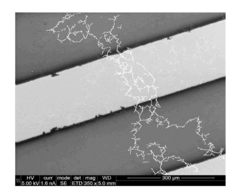
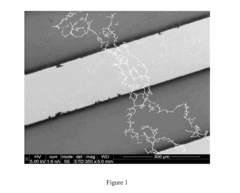
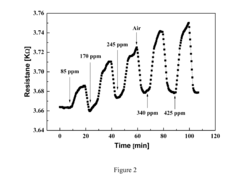
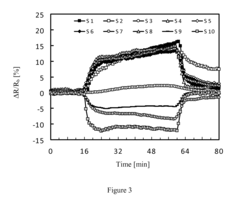
- A system comprising an array of chemically sensitive sensors made from single-walled carbon nanotubes (SWCNTs) coated with non-polar small organic molecules, in conjunction with learning and pattern recognition algorithms, is used to measure breath analytes. The SWCNTs are arranged in a random network configuration, eliminating the need for precise alignment and enhancing sensitivity and selectivity towards VOCs found in lung cancer patients.
Process for the preparation of cyclododecanone
PatentInactiveUS7838705B2
Innovation
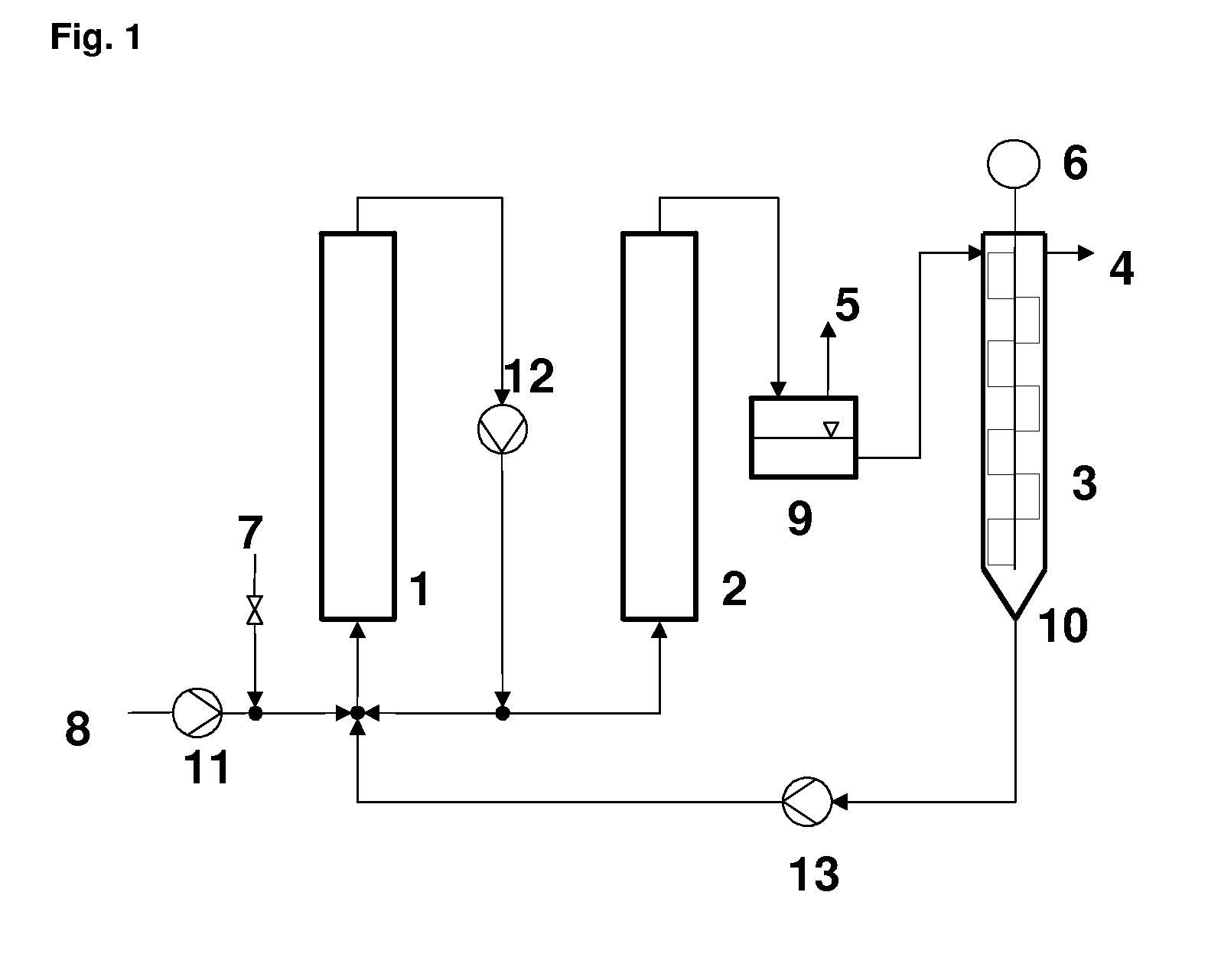
- A process converting cyclododecene to cyclododecanone using dinitrogen monoxide as an oxidant, which involves partial hydrogenation of cyclododecatriene to cyclododecene followed by oxidation with dinitrogen monoxide, allowing for higher conversion rates and reducing waste production.
Environmental Impact Assessment of Dodecane Use
The environmental impact assessment of dodecane use is a critical component in evaluating its potential role in clean technologies. Dodecane, a hydrocarbon compound, has been widely used in various industrial applications, including as a solvent and in fuel formulations. However, its environmental implications must be thoroughly examined to ensure its compatibility with sustainable practices.
One of the primary concerns regarding dodecane use is its potential for air pollution. When released into the atmosphere, dodecane can contribute to the formation of ground-level ozone and particulate matter, both of which are known to have adverse effects on human health and ecosystems. Additionally, as a volatile organic compound (VOC), dodecane can participate in photochemical reactions, potentially exacerbating air quality issues in urban areas.
Water contamination is another significant environmental consideration. Accidental spills or improper disposal of dodecane can lead to the pollution of surface and groundwater resources. Due to its low water solubility and tendency to form a separate phase, dodecane can persist in aquatic environments, potentially impacting aquatic life and compromising water quality for extended periods.
Soil contamination is also a concern, particularly in areas where dodecane is used or stored in large quantities. Leaks or spills can result in soil pollution, affecting soil microorganisms and potentially entering the food chain through plant uptake. The remediation of dodecane-contaminated soils can be challenging and costly, emphasizing the importance of preventive measures.
From a lifecycle perspective, the production and transportation of dodecane also contribute to its overall environmental footprint. The extraction of fossil fuels, from which dodecane is derived, is associated with various environmental impacts, including habitat disruption and greenhouse gas emissions. Furthermore, the energy-intensive refining processes required to produce dodecane add to its carbon footprint.
However, it is important to note that when used in clean technologies, dodecane may offer environmental benefits that could offset some of its negative impacts. For instance, in certain fuel cell applications, dodecane can serve as a hydrogen carrier, potentially facilitating the transition to cleaner energy systems. Additionally, its use as a solvent in some green chemistry applications may help reduce the reliance on more harmful alternatives.
To fully assess the environmental impact of dodecane use in clean technologies, a comprehensive life cycle assessment (LCA) should be conducted. This would involve evaluating the environmental impacts associated with all stages of dodecane's life cycle, from raw material extraction to end-of-life disposal or recycling. Such an assessment would provide a more holistic understanding of dodecane's environmental profile and help identify areas for potential improvement in its production and use.
One of the primary concerns regarding dodecane use is its potential for air pollution. When released into the atmosphere, dodecane can contribute to the formation of ground-level ozone and particulate matter, both of which are known to have adverse effects on human health and ecosystems. Additionally, as a volatile organic compound (VOC), dodecane can participate in photochemical reactions, potentially exacerbating air quality issues in urban areas.
Water contamination is another significant environmental consideration. Accidental spills or improper disposal of dodecane can lead to the pollution of surface and groundwater resources. Due to its low water solubility and tendency to form a separate phase, dodecane can persist in aquatic environments, potentially impacting aquatic life and compromising water quality for extended periods.
Soil contamination is also a concern, particularly in areas where dodecane is used or stored in large quantities. Leaks or spills can result in soil pollution, affecting soil microorganisms and potentially entering the food chain through plant uptake. The remediation of dodecane-contaminated soils can be challenging and costly, emphasizing the importance of preventive measures.
From a lifecycle perspective, the production and transportation of dodecane also contribute to its overall environmental footprint. The extraction of fossil fuels, from which dodecane is derived, is associated with various environmental impacts, including habitat disruption and greenhouse gas emissions. Furthermore, the energy-intensive refining processes required to produce dodecane add to its carbon footprint.
However, it is important to note that when used in clean technologies, dodecane may offer environmental benefits that could offset some of its negative impacts. For instance, in certain fuel cell applications, dodecane can serve as a hydrogen carrier, potentially facilitating the transition to cleaner energy systems. Additionally, its use as a solvent in some green chemistry applications may help reduce the reliance on more harmful alternatives.
To fully assess the environmental impact of dodecane use in clean technologies, a comprehensive life cycle assessment (LCA) should be conducted. This would involve evaluating the environmental impacts associated with all stages of dodecane's life cycle, from raw material extraction to end-of-life disposal or recycling. Such an assessment would provide a more holistic understanding of dodecane's environmental profile and help identify areas for potential improvement in its production and use.
Regulatory Framework for Dodecane in Clean Technologies
The regulatory framework for dodecane in clean technologies is a complex and evolving landscape that plays a crucial role in shaping research and development efforts. As governments worldwide increasingly prioritize environmental protection and sustainable energy solutions, the use of dodecane in clean technologies has come under scrutiny.
At the international level, organizations such as the United Nations Environment Programme (UNEP) and the International Energy Agency (IEA) have established guidelines and recommendations for the use of hydrocarbons in clean technologies. These frameworks often emphasize the importance of lifecycle assessments, emissions reduction, and sustainable production practices.
In the United States, the Environmental Protection Agency (EPA) regulates dodecane under the Toxic Substances Control Act (TSCA). The EPA has set specific reporting requirements for manufacturers and importers of dodecane, particularly when used in new applications or at higher volumes. Additionally, the Department of Energy (DOE) has implemented programs to support research into cleaner alternatives and more efficient use of hydrocarbons in energy systems.
The European Union has taken a proactive stance on regulating hydrocarbons in clean technologies through its REACH (Registration, Evaluation, Authorization, and Restriction of Chemicals) regulation. Under REACH, companies must register dodecane and provide detailed information on its properties, uses, and potential risks. The EU has also set ambitious targets for reducing greenhouse gas emissions, which indirectly impacts the use of dodecane in clean technology applications.
In Asia, countries like China and Japan have implemented their own regulatory frameworks. China's Ministry of Ecology and Environment has established strict environmental protection laws that affect the use of hydrocarbons in industrial processes. Japan's Chemical Substances Control Law (CSCL) requires manufacturers and importers to conduct safety assessments for chemicals like dodecane, especially when used in new applications.
Regulatory bodies are increasingly focusing on the potential environmental impacts of dodecane throughout its lifecycle. This includes regulations on production processes, transportation, storage, and disposal. Many jurisdictions now require companies to implement best practices for spill prevention and response, as well as to monitor and report emissions associated with dodecane use.
As clean technology research intensifies, regulatory frameworks are adapting to encourage innovation while maintaining environmental safeguards. Some jurisdictions have introduced regulatory sandboxes or pilot programs that allow for controlled testing of new dodecane applications in clean technologies under close regulatory supervision. These initiatives aim to balance the need for technological advancement with environmental protection and public safety concerns.
At the international level, organizations such as the United Nations Environment Programme (UNEP) and the International Energy Agency (IEA) have established guidelines and recommendations for the use of hydrocarbons in clean technologies. These frameworks often emphasize the importance of lifecycle assessments, emissions reduction, and sustainable production practices.
In the United States, the Environmental Protection Agency (EPA) regulates dodecane under the Toxic Substances Control Act (TSCA). The EPA has set specific reporting requirements for manufacturers and importers of dodecane, particularly when used in new applications or at higher volumes. Additionally, the Department of Energy (DOE) has implemented programs to support research into cleaner alternatives and more efficient use of hydrocarbons in energy systems.
The European Union has taken a proactive stance on regulating hydrocarbons in clean technologies through its REACH (Registration, Evaluation, Authorization, and Restriction of Chemicals) regulation. Under REACH, companies must register dodecane and provide detailed information on its properties, uses, and potential risks. The EU has also set ambitious targets for reducing greenhouse gas emissions, which indirectly impacts the use of dodecane in clean technology applications.
In Asia, countries like China and Japan have implemented their own regulatory frameworks. China's Ministry of Ecology and Environment has established strict environmental protection laws that affect the use of hydrocarbons in industrial processes. Japan's Chemical Substances Control Law (CSCL) requires manufacturers and importers to conduct safety assessments for chemicals like dodecane, especially when used in new applications.
Regulatory bodies are increasingly focusing on the potential environmental impacts of dodecane throughout its lifecycle. This includes regulations on production processes, transportation, storage, and disposal. Many jurisdictions now require companies to implement best practices for spill prevention and response, as well as to monitor and report emissions associated with dodecane use.
As clean technology research intensifies, regulatory frameworks are adapting to encourage innovation while maintaining environmental safeguards. Some jurisdictions have introduced regulatory sandboxes or pilot programs that allow for controlled testing of new dodecane applications in clean technologies under close regulatory supervision. These initiatives aim to balance the need for technological advancement with environmental protection and public safety concerns.
Unlock deeper insights with PatSnap Eureka Quick Research — get a full tech report to explore trends and direct your research. Try now!
Generate Your Research Report Instantly with AI Agent
Supercharge your innovation with PatSnap Eureka AI Agent Platform!