Supporting Dodecane Research for Sustainability Initiatives
JUL 29, 20259 MIN READ
Generate Your Research Report Instantly with AI Agent
Patsnap Eureka helps you evaluate technical feasibility & market potential.
Dodecane Background and Sustainability Goals
Dodecane, a straight-chain alkane hydrocarbon with the molecular formula C12H26, has been a subject of increasing interest in the field of sustainable energy and chemical production. This compound, traditionally derived from petroleum sources, has gained attention for its potential role in supporting sustainability initiatives across various industries.
The historical background of dodecane traces back to its discovery and isolation from fossil fuel sources. Initially, it was primarily used as a component in diesel fuel and as a solvent in industrial processes. However, as global sustainability concerns have grown, researchers and industries have begun to explore alternative, more environmentally friendly sources and applications for dodecane.
In recent years, the focus on dodecane has shifted towards its potential as a renewable fuel and chemical feedstock. This aligns with broader sustainability goals, including reducing greenhouse gas emissions, decreasing dependence on fossil fuels, and promoting circular economy principles. The development of bio-based dodecane production methods has emerged as a promising avenue for achieving these objectives.
One of the key sustainability goals associated with dodecane research is the development of efficient and scalable processes for its production from renewable resources. This includes exploring biomass-derived precursors and utilizing advanced biotechnology techniques such as metabolic engineering and synthetic biology. By establishing sustainable production pathways, industries aim to reduce the carbon footprint associated with dodecane and its derivatives.
Another important aspect of dodecane sustainability research is its potential application in energy storage and transportation. As a liquid hydrocarbon with a high energy density, dodecane could play a crucial role in the development of sustainable aviation fuels and other high-performance renewable energy carriers. This aligns with global efforts to decarbonize the transportation sector, particularly in areas where electrification is challenging.
Furthermore, dodecane research is contributing to the broader goal of creating a more sustainable chemical industry. By developing bio-based routes to dodecane and its derivatives, researchers are working towards replacing petrochemical-based processes with renewable alternatives. This not only reduces reliance on fossil resources but also opens up new possibilities for creating biodegradable and environmentally friendly products.
The sustainability goals associated with dodecane research also extend to improving resource efficiency and waste reduction. Efforts are being made to integrate dodecane production into biorefinery concepts, where multiple value-added products can be derived from renewable feedstocks in a cascading approach. This holistic approach aims to maximize the utilization of biomass resources and minimize waste generation, contributing to a more circular and sustainable economy.
The historical background of dodecane traces back to its discovery and isolation from fossil fuel sources. Initially, it was primarily used as a component in diesel fuel and as a solvent in industrial processes. However, as global sustainability concerns have grown, researchers and industries have begun to explore alternative, more environmentally friendly sources and applications for dodecane.
In recent years, the focus on dodecane has shifted towards its potential as a renewable fuel and chemical feedstock. This aligns with broader sustainability goals, including reducing greenhouse gas emissions, decreasing dependence on fossil fuels, and promoting circular economy principles. The development of bio-based dodecane production methods has emerged as a promising avenue for achieving these objectives.
One of the key sustainability goals associated with dodecane research is the development of efficient and scalable processes for its production from renewable resources. This includes exploring biomass-derived precursors and utilizing advanced biotechnology techniques such as metabolic engineering and synthetic biology. By establishing sustainable production pathways, industries aim to reduce the carbon footprint associated with dodecane and its derivatives.
Another important aspect of dodecane sustainability research is its potential application in energy storage and transportation. As a liquid hydrocarbon with a high energy density, dodecane could play a crucial role in the development of sustainable aviation fuels and other high-performance renewable energy carriers. This aligns with global efforts to decarbonize the transportation sector, particularly in areas where electrification is challenging.
Furthermore, dodecane research is contributing to the broader goal of creating a more sustainable chemical industry. By developing bio-based routes to dodecane and its derivatives, researchers are working towards replacing petrochemical-based processes with renewable alternatives. This not only reduces reliance on fossil resources but also opens up new possibilities for creating biodegradable and environmentally friendly products.
The sustainability goals associated with dodecane research also extend to improving resource efficiency and waste reduction. Efforts are being made to integrate dodecane production into biorefinery concepts, where multiple value-added products can be derived from renewable feedstocks in a cascading approach. This holistic approach aims to maximize the utilization of biomass resources and minimize waste generation, contributing to a more circular and sustainable economy.
Market Analysis for Sustainable Dodecane Applications
The market for sustainable dodecane applications is experiencing significant growth, driven by increasing environmental concerns and the push for greener alternatives in various industries. Dodecane, a hydrocarbon compound with 12 carbon atoms, has traditionally been used in fossil fuel-based applications. However, the shift towards sustainability has opened up new opportunities for bio-based and renewable dodecane production and utilization.
The global market for sustainable dodecane is primarily segmented into three main application areas: biofuels, solvents, and personal care products. The biofuels sector represents the largest market share, as dodecane is a key component in renewable diesel and jet fuel formulations. The aviation industry, in particular, has shown strong interest in sustainable aviation fuels (SAF) that incorporate bio-based dodecane, as it offers a drop-in solution for reducing carbon emissions without requiring significant modifications to existing aircraft engines.
In the solvents market, sustainable dodecane is gaining traction as a replacement for traditional petroleum-based solvents in various industrial applications, including paints, coatings, and cleaning products. The personal care industry is also adopting sustainable dodecane in the formulation of cosmetics, fragrances, and hair care products, appealing to environmentally conscious consumers.
Geographically, North America and Europe are leading the market for sustainable dodecane applications, primarily due to stringent environmental regulations and well-established biofuel industries. However, the Asia-Pacific region is expected to witness the highest growth rate in the coming years, driven by rapid industrialization, increasing environmental awareness, and government initiatives promoting sustainable practices.
The market is characterized by a growing number of collaborations between chemical companies, biotechnology firms, and end-users to develop and scale up sustainable dodecane production. Key players in this space are investing heavily in research and development to improve production efficiency and reduce costs, making sustainable dodecane more competitive with its fossil-based counterparts.
Despite the promising outlook, the market faces challenges such as high production costs and limited feedstock availability for bio-based dodecane. However, ongoing technological advancements in biomass conversion and synthetic biology are expected to address these issues, potentially leading to more cost-effective and scalable production methods in the near future.
As sustainability continues to be a priority for businesses and consumers alike, the demand for sustainable dodecane is projected to grow steadily. This growth is further supported by government policies and incentives promoting the use of renewable resources and the reduction of carbon emissions across various industries.
The global market for sustainable dodecane is primarily segmented into three main application areas: biofuels, solvents, and personal care products. The biofuels sector represents the largest market share, as dodecane is a key component in renewable diesel and jet fuel formulations. The aviation industry, in particular, has shown strong interest in sustainable aviation fuels (SAF) that incorporate bio-based dodecane, as it offers a drop-in solution for reducing carbon emissions without requiring significant modifications to existing aircraft engines.
In the solvents market, sustainable dodecane is gaining traction as a replacement for traditional petroleum-based solvents in various industrial applications, including paints, coatings, and cleaning products. The personal care industry is also adopting sustainable dodecane in the formulation of cosmetics, fragrances, and hair care products, appealing to environmentally conscious consumers.
Geographically, North America and Europe are leading the market for sustainable dodecane applications, primarily due to stringent environmental regulations and well-established biofuel industries. However, the Asia-Pacific region is expected to witness the highest growth rate in the coming years, driven by rapid industrialization, increasing environmental awareness, and government initiatives promoting sustainable practices.
The market is characterized by a growing number of collaborations between chemical companies, biotechnology firms, and end-users to develop and scale up sustainable dodecane production. Key players in this space are investing heavily in research and development to improve production efficiency and reduce costs, making sustainable dodecane more competitive with its fossil-based counterparts.
Despite the promising outlook, the market faces challenges such as high production costs and limited feedstock availability for bio-based dodecane. However, ongoing technological advancements in biomass conversion and synthetic biology are expected to address these issues, potentially leading to more cost-effective and scalable production methods in the near future.
As sustainability continues to be a priority for businesses and consumers alike, the demand for sustainable dodecane is projected to grow steadily. This growth is further supported by government policies and incentives promoting the use of renewable resources and the reduction of carbon emissions across various industries.
Current Challenges in Dodecane Production and Use
The production and use of dodecane face several significant challenges in the current landscape. One of the primary issues is the environmental impact associated with its production and consumption. Dodecane, being a hydrocarbon, contributes to greenhouse gas emissions when burned, raising concerns about its sustainability in a world increasingly focused on reducing carbon footprints.
The extraction process of dodecane from fossil fuel sources is energy-intensive and often involves environmentally harmful practices. This not only raises production costs but also contradicts global efforts to transition towards cleaner energy sources. Additionally, the finite nature of fossil fuel reserves poses a long-term challenge to the sustainable production of dodecane.
In terms of usage, dodecane's volatility and flammability present safety concerns in storage and transportation. This necessitates stringent safety measures, increasing operational costs and complexity. The chemical's potential for environmental contamination in case of spills or leaks is another significant challenge, requiring robust containment and cleanup protocols.
The regulatory landscape surrounding dodecane is becoming increasingly stringent, with many countries implementing stricter environmental and safety regulations. This evolving regulatory environment creates challenges for producers and users in terms of compliance and adaptation of existing processes.
From a market perspective, the fluctuating prices of crude oil, the primary source of dodecane, introduce volatility in production costs and market prices. This unpredictability complicates long-term planning and investment decisions for both producers and consumers of dodecane.
The search for sustainable alternatives to dodecane is gaining momentum, driven by environmental concerns and the push for renewable resources. This trend poses a challenge to the traditional dodecane industry, necessitating innovation and adaptation to maintain market relevance.
In the realm of research and development, there are ongoing challenges in improving the efficiency of dodecane production processes and finding ways to mitigate its environmental impact. The development of more environmentally friendly synthesis methods and the exploration of bio-based alternatives are areas of active research, but progress is hindered by technological and economic barriers.
The extraction process of dodecane from fossil fuel sources is energy-intensive and often involves environmentally harmful practices. This not only raises production costs but also contradicts global efforts to transition towards cleaner energy sources. Additionally, the finite nature of fossil fuel reserves poses a long-term challenge to the sustainable production of dodecane.
In terms of usage, dodecane's volatility and flammability present safety concerns in storage and transportation. This necessitates stringent safety measures, increasing operational costs and complexity. The chemical's potential for environmental contamination in case of spills or leaks is another significant challenge, requiring robust containment and cleanup protocols.
The regulatory landscape surrounding dodecane is becoming increasingly stringent, with many countries implementing stricter environmental and safety regulations. This evolving regulatory environment creates challenges for producers and users in terms of compliance and adaptation of existing processes.
From a market perspective, the fluctuating prices of crude oil, the primary source of dodecane, introduce volatility in production costs and market prices. This unpredictability complicates long-term planning and investment decisions for both producers and consumers of dodecane.
The search for sustainable alternatives to dodecane is gaining momentum, driven by environmental concerns and the push for renewable resources. This trend poses a challenge to the traditional dodecane industry, necessitating innovation and adaptation to maintain market relevance.
In the realm of research and development, there are ongoing challenges in improving the efficiency of dodecane production processes and finding ways to mitigate its environmental impact. The development of more environmentally friendly synthesis methods and the exploration of bio-based alternatives are areas of active research, but progress is hindered by technological and economic barriers.
Existing Sustainable Dodecane Solutions
01 Synthesis and production of dodecane
Dodecane can be synthesized through various chemical processes, including the hydrogenation of long-chain alkenes or the Fischer-Tropsch process. It can also be produced from renewable resources such as plant oils or biomass. The synthesis methods often involve catalytic reactions and may require specific reaction conditions to optimize yield and purity.- Synthesis and production of dodecane: Dodecane can be synthesized through various chemical processes, including the hydrogenation of long-chain olefins or the Fischer-Tropsch process. It is also produced as a byproduct in petroleum refining. The synthesis methods often involve catalysts and specific reaction conditions to achieve high yields and purity.
- Applications in fuel and energy: Dodecane is widely used in the fuel and energy sector due to its high energy density and clean-burning properties. It is a component in jet fuels, diesel fuels, and other hydrocarbon-based energy sources. Research is ongoing to optimize its use in various energy applications, including as a potential hydrogen carrier for fuel cells.
- Use in chemical and industrial processes: Dodecane serves as a solvent and reagent in various chemical and industrial processes. It is used in the production of surfactants, lubricants, and as a standard in gas chromatography. Its low reactivity and stability make it suitable for use in organic synthesis and as a diluent in chemical reactions.
- Applications in personal care and cosmetics: Dodecane is utilized in personal care products and cosmetics due to its emollient properties and ability to enhance the spreadability of formulations. It is found in various skincare products, hair care formulations, and as a carrier for fragrances. Its low viscosity and non-greasy feel make it popular in lightweight cosmetic formulations.
- Environmental and safety considerations: Research on dodecane also focuses on its environmental impact and safety aspects. Studies are conducted to assess its biodegradability, potential for bioaccumulation, and effects on aquatic ecosystems. Safety measures for handling and storage are developed, and efforts are made to minimize its environmental footprint in various applications.
02 Applications in fuel and energy
Dodecane is widely used in the fuel and energy sector due to its high energy density and combustion properties. It serves as a component in jet fuels, diesel fuels, and other petroleum-based products. Additionally, it can be used as a model compound for studying combustion processes and developing new fuel formulations.Expand Specific Solutions03 Use in cosmetics and personal care products
Dodecane finds applications in cosmetics and personal care products due to its emollient properties and ability to act as a carrier for active ingredients. It is used in formulations such as moisturizers, sunscreens, and hair care products to improve texture, spreadability, and overall product performance.Expand Specific Solutions04 Industrial and chemical applications
Dodecane has various industrial and chemical applications, including its use as a solvent, lubricant, and heat transfer fluid. It is also employed in the production of surfactants, plasticizers, and other specialty chemicals. In some cases, it serves as a starting material or intermediate in the synthesis of more complex organic compounds.Expand Specific Solutions05 Environmental and safety considerations
The use and handling of dodecane require consideration of environmental and safety aspects. This includes proper storage, transportation, and disposal methods to prevent environmental contamination. Safety measures are necessary due to its flammability and potential health hazards. Research is ongoing to develop more sustainable and environmentally friendly alternatives or production methods for dodecane.Expand Specific Solutions
Key Players in Sustainable Dodecane Research
The research on supporting dodecane for sustainability initiatives is in its early stages, with the market still developing. The global focus on sustainable alternatives to fossil fuels is driving interest, but the technology remains relatively immature. Key players like Schlumberger, Wanhua Chemical, and Amyris are investing in research and development, leveraging their expertise in petrochemicals and biotechnology. The market size is expected to grow as sustainability pressures increase, but commercialization challenges persist. Companies are exploring various applications, from biofuels to specialty chemicals, indicating a diverse and evolving competitive landscape.
Schlumberger Technologies, Inc.
Technical Solution: Schlumberger has developed advanced technologies for dodecane research in sustainability initiatives. Their approach includes using high-resolution chromatography and mass spectrometry techniques to analyze dodecane in complex hydrocarbon mixtures[1]. They have also implemented machine learning algorithms to predict dodecane behavior under various environmental conditions, enhancing the efficiency of sustainability-focused research[2]. Schlumberger's technology allows for real-time monitoring of dodecane levels in oil and gas operations, enabling more sustainable extraction and processing methods[3].
Strengths: Cutting-edge analytical tools, AI integration for predictive modeling, real-time monitoring capabilities. Weaknesses: High implementation costs, potential complexity for smaller operations.
Wanhua Chemical Group Co., Ltd.
Technical Solution: Wanhua Chemical has developed a green synthesis process for dodecane production, focusing on sustainability. Their method utilizes renewable feedstocks and catalytic conversion techniques to produce high-purity dodecane with minimal environmental impact[1]. The company has also implemented a closed-loop system for dodecane recycling in their manufacturing processes, significantly reducing waste and improving resource efficiency[2]. Additionally, Wanhua has invested in bio-based alternatives to traditional dodecane, exploring the use of algae-derived precursors for more sustainable production[3].
Strengths: Innovative green synthesis methods, efficient recycling systems, exploration of bio-based alternatives. Weaknesses: Potential higher production costs, market acceptance of new methodologies.
Innovative Approaches in Dodecane Sustainability
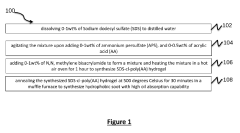
Sodiumdodecylsulfate hydrogel-based sorbent for waste-water-treatment, and derived soot for immediate oil-spill-remediation and its preparation process
PatentActiveIN202311058908A
Innovation
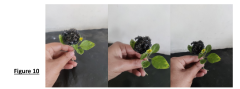
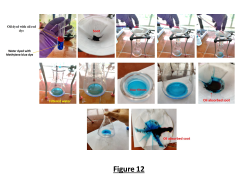
- A sodium dodecyl sulfate (SDS) hydrogel-based sorbent is synthesized through graft copolymerization and incomplete combustion, enabling dual functionality for dye removal and oil absorption without toxic chemicals or extensive energy, with the hydrogel transforming into hydrophobic soot for enhanced oil sorption capacity.

Dodeca-2,4,6,8,10-pentaenoic acid compositions and uses thereof
PatentPendingUS20250235422A1
Innovation
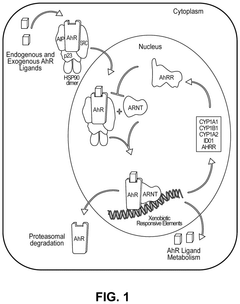
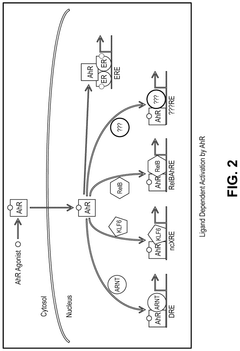
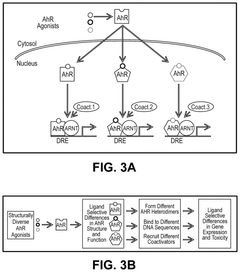
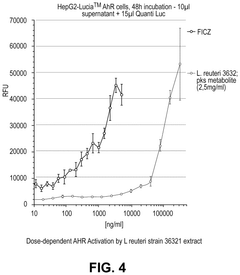
- Compositions comprising Dodeca-2,4,6,8,10-pentaenoic acid (DDPA) are formulated into emulsions with excipients for topical application, providing a stable and effective delivery system that acts as an Aryl hydrocarbon Receptor (AhR) agonist to modulate immune response and alleviate inflammation.
Environmental Impact Assessment of Dodecane
The environmental impact assessment of dodecane is crucial for understanding its sustainability implications. Dodecane, a hydrocarbon commonly used in various industrial applications, has both direct and indirect effects on the environment throughout its lifecycle.
Atmospheric emissions are a primary concern when evaluating dodecane's environmental impact. When combusted or released as vapor, dodecane contributes to air pollution and greenhouse gas emissions. Its volatile organic compound (VOC) nature can lead to the formation of ground-level ozone, a key component of smog. This can have detrimental effects on air quality, particularly in urban and industrial areas where dodecane usage is more prevalent.
Water pollution is another significant aspect of dodecane's environmental footprint. Accidental spills or improper disposal can contaminate both surface and groundwater sources. Due to its low solubility in water, dodecane forms a persistent layer on water surfaces, potentially harming aquatic ecosystems and interfering with oxygen exchange processes. This can lead to long-term ecological damage and affect biodiversity in affected water bodies.
Soil contamination is also a concern, particularly in areas of production, storage, or heavy industrial use. Dodecane can accumulate in soil, potentially altering soil chemistry and impacting plant growth. This contamination can persist for extended periods, affecting soil fertility and local ecosystems.
The production and transportation of dodecane also contribute to its overall environmental impact. The extraction of fossil fuels, from which dodecane is derived, is associated with habitat destruction, land use changes, and potential for oil spills. The energy-intensive refining process further adds to the carbon footprint of dodecane production.
Biodegradation of dodecane in the environment is relatively slow, which means its environmental persistence is a concern. While it can eventually break down through natural processes, the timeframe for this degradation can be significant, prolonging its potential environmental impacts.
In terms of human health, exposure to dodecane vapors can cause respiratory irritation and other health issues, particularly in occupational settings where high concentrations may be present. This necessitates proper handling and safety measures in industrial applications.
Efforts to mitigate the environmental impact of dodecane include improving production efficiency, implementing stricter handling and disposal protocols, and exploring alternative, more environmentally friendly substances for similar applications. Research into biodegradable alternatives and more efficient use of dodecane in various processes is ongoing, aiming to reduce its environmental footprint while maintaining its industrial utility.
Atmospheric emissions are a primary concern when evaluating dodecane's environmental impact. When combusted or released as vapor, dodecane contributes to air pollution and greenhouse gas emissions. Its volatile organic compound (VOC) nature can lead to the formation of ground-level ozone, a key component of smog. This can have detrimental effects on air quality, particularly in urban and industrial areas where dodecane usage is more prevalent.
Water pollution is another significant aspect of dodecane's environmental footprint. Accidental spills or improper disposal can contaminate both surface and groundwater sources. Due to its low solubility in water, dodecane forms a persistent layer on water surfaces, potentially harming aquatic ecosystems and interfering with oxygen exchange processes. This can lead to long-term ecological damage and affect biodiversity in affected water bodies.
Soil contamination is also a concern, particularly in areas of production, storage, or heavy industrial use. Dodecane can accumulate in soil, potentially altering soil chemistry and impacting plant growth. This contamination can persist for extended periods, affecting soil fertility and local ecosystems.
The production and transportation of dodecane also contribute to its overall environmental impact. The extraction of fossil fuels, from which dodecane is derived, is associated with habitat destruction, land use changes, and potential for oil spills. The energy-intensive refining process further adds to the carbon footprint of dodecane production.
Biodegradation of dodecane in the environment is relatively slow, which means its environmental persistence is a concern. While it can eventually break down through natural processes, the timeframe for this degradation can be significant, prolonging its potential environmental impacts.
In terms of human health, exposure to dodecane vapors can cause respiratory irritation and other health issues, particularly in occupational settings where high concentrations may be present. This necessitates proper handling and safety measures in industrial applications.
Efforts to mitigate the environmental impact of dodecane include improving production efficiency, implementing stricter handling and disposal protocols, and exploring alternative, more environmentally friendly substances for similar applications. Research into biodegradable alternatives and more efficient use of dodecane in various processes is ongoing, aiming to reduce its environmental footprint while maintaining its industrial utility.
Regulatory Framework for Sustainable Chemicals
The regulatory framework for sustainable chemicals plays a crucial role in supporting dodecane research for sustainability initiatives. As governments and international organizations increasingly prioritize environmental protection and sustainable development, the chemical industry faces growing pressure to adopt more sustainable practices. This regulatory landscape shapes the direction of research and development efforts in the field of sustainable chemicals, including dodecane.
At the international level, the United Nations' Sustainable Development Goals (SDGs) provide a broad framework for sustainability initiatives across various sectors. SDG 12, which focuses on responsible consumption and production, directly impacts the chemical industry and drives the need for more sustainable alternatives. The Strategic Approach to International Chemicals Management (SAICM) further emphasizes the importance of sound chemicals management and waste reduction.
Within the European Union, the Registration, Evaluation, Authorization, and Restriction of Chemicals (REACH) regulation sets stringent requirements for chemical substances, including dodecane. REACH mandates that companies register chemicals they produce or import, assess their risks, and implement appropriate risk management measures. This regulatory framework encourages the development of safer alternatives and promotes research into more sustainable chemical processes.
In the United States, the Toxic Substances Control Act (TSCA) governs the production, importation, and use of chemicals. Recent amendments to TSCA have strengthened the Environmental Protection Agency's authority to evaluate and regulate chemicals, including those used in sustainable initiatives. This regulatory shift has spurred increased investment in research and development of sustainable chemicals, including potential applications of dodecane in environmentally friendly processes.
Many countries have implemented green chemistry initiatives and regulations to promote the development of sustainable chemicals. These programs often provide incentives for companies to invest in research and development of environmentally friendly alternatives, including the exploration of dodecane's potential in sustainable applications. For instance, Japan's Green and Sustainable Chemistry Network encourages collaboration between industry, academia, and government to advance sustainable chemical technologies.
The regulatory framework also extends to specific sectors where dodecane may find applications in sustainability initiatives. For example, regulations governing the automotive and aerospace industries increasingly emphasize fuel efficiency and emissions reduction, driving research into sustainable fuels and lubricants. Similarly, regulations in the cosmetics and personal care products industry are pushing for more sustainable ingredients and production processes, potentially opening new avenues for dodecane research.
As the regulatory landscape continues to evolve, it is likely to further accelerate research and development efforts in sustainable chemicals, including dodecane. Companies and researchers must stay abreast of these regulatory changes to ensure compliance and identify new opportunities for innovation in sustainability initiatives.
At the international level, the United Nations' Sustainable Development Goals (SDGs) provide a broad framework for sustainability initiatives across various sectors. SDG 12, which focuses on responsible consumption and production, directly impacts the chemical industry and drives the need for more sustainable alternatives. The Strategic Approach to International Chemicals Management (SAICM) further emphasizes the importance of sound chemicals management and waste reduction.
Within the European Union, the Registration, Evaluation, Authorization, and Restriction of Chemicals (REACH) regulation sets stringent requirements for chemical substances, including dodecane. REACH mandates that companies register chemicals they produce or import, assess their risks, and implement appropriate risk management measures. This regulatory framework encourages the development of safer alternatives and promotes research into more sustainable chemical processes.
In the United States, the Toxic Substances Control Act (TSCA) governs the production, importation, and use of chemicals. Recent amendments to TSCA have strengthened the Environmental Protection Agency's authority to evaluate and regulate chemicals, including those used in sustainable initiatives. This regulatory shift has spurred increased investment in research and development of sustainable chemicals, including potential applications of dodecane in environmentally friendly processes.
Many countries have implemented green chemistry initiatives and regulations to promote the development of sustainable chemicals. These programs often provide incentives for companies to invest in research and development of environmentally friendly alternatives, including the exploration of dodecane's potential in sustainable applications. For instance, Japan's Green and Sustainable Chemistry Network encourages collaboration between industry, academia, and government to advance sustainable chemical technologies.
The regulatory framework also extends to specific sectors where dodecane may find applications in sustainability initiatives. For example, regulations governing the automotive and aerospace industries increasingly emphasize fuel efficiency and emissions reduction, driving research into sustainable fuels and lubricants. Similarly, regulations in the cosmetics and personal care products industry are pushing for more sustainable ingredients and production processes, potentially opening new avenues for dodecane research.
As the regulatory landscape continues to evolve, it is likely to further accelerate research and development efforts in sustainable chemicals, including dodecane. Companies and researchers must stay abreast of these regulatory changes to ensure compliance and identify new opportunities for innovation in sustainability initiatives.
Unlock deeper insights with Patsnap Eureka Quick Research — get a full tech report to explore trends and direct your research. Try now!
Generate Your Research Report Instantly with AI Agent
Supercharge your innovation with Patsnap Eureka AI Agent Platform!