

How to Optimize Chemical Processes with PTFE?
JUN 27, 20259 MIN READ
Generate Your Research Report Instantly with AI Agent
PatSnap Eureka helps you evaluate technical feasibility & market potential.
PTFE in Chemical Processes: Background and Objectives
Polytetrafluoroethylene (PTFE), commonly known as Teflon, has been a revolutionary material in chemical processes since its accidental discovery by Roy Plunkett in 1938. This synthetic fluoropolymer has unique properties that make it invaluable in optimizing various chemical processes. Its exceptional chemical resistance, low friction coefficient, and high thermal stability have positioned PTFE as a crucial component in numerous industrial applications.
The evolution of PTFE in chemical processes has been marked by continuous improvements in its synthesis, properties, and application methods. Initially used primarily for its non-stick properties, PTFE's role in chemical processes has expanded significantly over the decades. Today, it is utilized in a wide range of applications, from lining reaction vessels to serving as a key material in advanced membrane technologies.
The primary objective of optimizing chemical processes with PTFE is to enhance efficiency, safety, and product quality while reducing operational costs. This involves leveraging PTFE's unique characteristics to overcome challenges in corrosive environments, high-temperature operations, and situations requiring minimal contamination. By integrating PTFE into various aspects of chemical processing, industries aim to achieve longer equipment lifespans, improved process control, and enhanced product purity.
Recent technological advancements have further expanded the potential of PTFE in chemical process optimization. Innovations in PTFE formulations, such as modified PTFE with improved mechanical properties, have opened up new possibilities for its application in more demanding process conditions. Additionally, the development of PTFE nanocomposites has introduced materials with enhanced thermal conductivity and mechanical strength, addressing some of the traditional limitations of pure PTFE.
The growing focus on sustainability and environmental responsibility in the chemical industry has also influenced the trajectory of PTFE applications. Research efforts are increasingly directed towards developing more eco-friendly production methods for PTFE and exploring ways to incorporate recycled PTFE into high-performance applications. This aligns with the broader industry trend of adopting green chemistry principles and circular economy models.
As we look to the future, the optimization of chemical processes with PTFE is expected to play a crucial role in addressing global challenges. From water treatment and energy production to advanced materials manufacturing, PTFE's unique properties continue to offer innovative solutions. The ongoing research into expanding PTFE's capabilities and finding novel applications promises to further revolutionize chemical process optimization, driving efficiency and sustainability in various industrial sectors.
The evolution of PTFE in chemical processes has been marked by continuous improvements in its synthesis, properties, and application methods. Initially used primarily for its non-stick properties, PTFE's role in chemical processes has expanded significantly over the decades. Today, it is utilized in a wide range of applications, from lining reaction vessels to serving as a key material in advanced membrane technologies.
The primary objective of optimizing chemical processes with PTFE is to enhance efficiency, safety, and product quality while reducing operational costs. This involves leveraging PTFE's unique characteristics to overcome challenges in corrosive environments, high-temperature operations, and situations requiring minimal contamination. By integrating PTFE into various aspects of chemical processing, industries aim to achieve longer equipment lifespans, improved process control, and enhanced product purity.
Recent technological advancements have further expanded the potential of PTFE in chemical process optimization. Innovations in PTFE formulations, such as modified PTFE with improved mechanical properties, have opened up new possibilities for its application in more demanding process conditions. Additionally, the development of PTFE nanocomposites has introduced materials with enhanced thermal conductivity and mechanical strength, addressing some of the traditional limitations of pure PTFE.
The growing focus on sustainability and environmental responsibility in the chemical industry has also influenced the trajectory of PTFE applications. Research efforts are increasingly directed towards developing more eco-friendly production methods for PTFE and exploring ways to incorporate recycled PTFE into high-performance applications. This aligns with the broader industry trend of adopting green chemistry principles and circular economy models.
As we look to the future, the optimization of chemical processes with PTFE is expected to play a crucial role in addressing global challenges. From water treatment and energy production to advanced materials manufacturing, PTFE's unique properties continue to offer innovative solutions. The ongoing research into expanding PTFE's capabilities and finding novel applications promises to further revolutionize chemical process optimization, driving efficiency and sustainability in various industrial sectors.
Market Demand for PTFE-Enhanced Chemical Processes
The market demand for PTFE-enhanced chemical processes has been steadily growing due to the unique properties of polytetrafluoroethylene (PTFE) and its ability to optimize various chemical operations. PTFE's exceptional chemical resistance, low friction coefficient, and high thermal stability make it an invaluable material in the chemical industry, driving the demand for PTFE-enhanced processes across multiple sectors.
In the pharmaceutical industry, PTFE-enhanced chemical processes are increasingly sought after for their ability to maintain product purity and prevent contamination. The non-reactive nature of PTFE ensures that it does not interfere with drug formulations or chemical reactions, making it ideal for use in reactors, piping systems, and storage containers. This has led to a significant uptick in demand from pharmaceutical manufacturers looking to improve their production processes and meet stringent regulatory requirements.
The semiconductor industry has also shown a growing interest in PTFE-enhanced chemical processes. As chip manufacturing becomes more complex and requires higher levels of precision, the demand for ultra-pure chemicals and contamination-free processing environments has surged. PTFE's resistance to aggressive chemicals used in etching and cleaning processes, coupled with its non-stick properties, makes it an essential component in semiconductor fabrication equipment and fluid handling systems.
In the oil and gas sector, PTFE-enhanced processes are gaining traction for their ability to withstand harsh operating conditions. The material's resistance to corrosive chemicals, high temperatures, and abrasive substances has led to increased adoption in offshore drilling operations, refineries, and petrochemical plants. This trend is expected to continue as the industry seeks more durable and efficient solutions for handling aggressive fluids and gases.
The food and beverage industry represents another significant market for PTFE-enhanced chemical processes. With stringent food safety regulations and increasing consumer awareness, manufacturers are turning to PTFE-coated equipment and components to prevent product contamination and improve hygiene standards. The non-stick properties of PTFE also contribute to easier cleaning and maintenance of processing equipment, further driving demand in this sector.
Environmental concerns and sustainability initiatives are also fueling the market for PTFE-enhanced chemical processes. As industries face pressure to reduce their environmental footprint, PTFE's durability and chemical inertness contribute to longer equipment lifespans and reduced waste generation. Additionally, PTFE's low friction properties can lead to energy savings in various chemical processes, aligning with global efforts to improve energy efficiency and reduce carbon emissions.
The global market for PTFE-enhanced chemical processes is projected to experience robust growth in the coming years, driven by technological advancements and increasing applications across diverse industries. As companies continue to seek ways to optimize their chemical processes for improved efficiency, safety, and product quality, the demand for PTFE-based solutions is expected to remain strong, presenting significant opportunities for innovation and market expansion in this specialized field.
In the pharmaceutical industry, PTFE-enhanced chemical processes are increasingly sought after for their ability to maintain product purity and prevent contamination. The non-reactive nature of PTFE ensures that it does not interfere with drug formulations or chemical reactions, making it ideal for use in reactors, piping systems, and storage containers. This has led to a significant uptick in demand from pharmaceutical manufacturers looking to improve their production processes and meet stringent regulatory requirements.
The semiconductor industry has also shown a growing interest in PTFE-enhanced chemical processes. As chip manufacturing becomes more complex and requires higher levels of precision, the demand for ultra-pure chemicals and contamination-free processing environments has surged. PTFE's resistance to aggressive chemicals used in etching and cleaning processes, coupled with its non-stick properties, makes it an essential component in semiconductor fabrication equipment and fluid handling systems.
In the oil and gas sector, PTFE-enhanced processes are gaining traction for their ability to withstand harsh operating conditions. The material's resistance to corrosive chemicals, high temperatures, and abrasive substances has led to increased adoption in offshore drilling operations, refineries, and petrochemical plants. This trend is expected to continue as the industry seeks more durable and efficient solutions for handling aggressive fluids and gases.
The food and beverage industry represents another significant market for PTFE-enhanced chemical processes. With stringent food safety regulations and increasing consumer awareness, manufacturers are turning to PTFE-coated equipment and components to prevent product contamination and improve hygiene standards. The non-stick properties of PTFE also contribute to easier cleaning and maintenance of processing equipment, further driving demand in this sector.
Environmental concerns and sustainability initiatives are also fueling the market for PTFE-enhanced chemical processes. As industries face pressure to reduce their environmental footprint, PTFE's durability and chemical inertness contribute to longer equipment lifespans and reduced waste generation. Additionally, PTFE's low friction properties can lead to energy savings in various chemical processes, aligning with global efforts to improve energy efficiency and reduce carbon emissions.
The global market for PTFE-enhanced chemical processes is projected to experience robust growth in the coming years, driven by technological advancements and increasing applications across diverse industries. As companies continue to seek ways to optimize their chemical processes for improved efficiency, safety, and product quality, the demand for PTFE-based solutions is expected to remain strong, presenting significant opportunities for innovation and market expansion in this specialized field.
Current Challenges in PTFE Application
Despite its exceptional properties, PTFE (Polytetrafluoroethylene) faces several challenges in chemical process optimization. One of the primary issues is its inherent non-stick nature, which, while beneficial in many applications, can complicate bonding and adhesion processes. This characteristic makes it difficult to integrate PTFE components with other materials in chemical systems, potentially limiting its use in certain process designs.
Another significant challenge is PTFE's thermal expansion properties. The material exhibits a high coefficient of thermal expansion, which can lead to dimensional instability in chemical processes that involve temperature fluctuations. This instability can cause sealing issues, affect the precision of equipment, and potentially compromise the integrity of chemical reactions.
The chemical inertness of PTFE, while generally an advantage, can also pose challenges in certain optimization scenarios. Its resistance to chemical attack means that it cannot be easily modified or functionalized to enhance its performance in specific chemical processes. This limitation can restrict the ability to fine-tune PTFE properties for specialized applications within chemical engineering.
PTFE's relatively low thermal conductivity presents another obstacle in process optimization. In heat-sensitive chemical reactions or processes requiring efficient heat transfer, the insulating properties of PTFE can hinder temperature control and energy efficiency. This characteristic may necessitate additional engineering considerations to ensure optimal thermal management in PTFE-based systems.
The manufacturing and processing of PTFE for chemical applications also present challenges. The material's high melting point and unique molecular structure make conventional polymer processing techniques less effective. This can lead to difficulties in producing complex shapes or thin films of PTFE, potentially limiting its application in certain chemical process designs that require intricate geometries or specific form factors.
Furthermore, the cost of high-purity PTFE and its specialized processing requirements can be prohibitive for some chemical process applications, especially in large-scale industrial settings. This economic factor often necessitates a careful cost-benefit analysis when considering PTFE for process optimization.
Lastly, the environmental persistence of PTFE and its precursors has raised concerns in recent years. While chemically inert in most environments, the long-term accumulation of PTFE particles in ecosystems and potential health impacts of its manufacturing byproducts pose challenges for sustainable chemical process design. Balancing the material's exceptional properties with environmental considerations is becoming an increasingly important aspect of PTFE application in chemical process optimization.
Another significant challenge is PTFE's thermal expansion properties. The material exhibits a high coefficient of thermal expansion, which can lead to dimensional instability in chemical processes that involve temperature fluctuations. This instability can cause sealing issues, affect the precision of equipment, and potentially compromise the integrity of chemical reactions.
The chemical inertness of PTFE, while generally an advantage, can also pose challenges in certain optimization scenarios. Its resistance to chemical attack means that it cannot be easily modified or functionalized to enhance its performance in specific chemical processes. This limitation can restrict the ability to fine-tune PTFE properties for specialized applications within chemical engineering.
PTFE's relatively low thermal conductivity presents another obstacle in process optimization. In heat-sensitive chemical reactions or processes requiring efficient heat transfer, the insulating properties of PTFE can hinder temperature control and energy efficiency. This characteristic may necessitate additional engineering considerations to ensure optimal thermal management in PTFE-based systems.
The manufacturing and processing of PTFE for chemical applications also present challenges. The material's high melting point and unique molecular structure make conventional polymer processing techniques less effective. This can lead to difficulties in producing complex shapes or thin films of PTFE, potentially limiting its application in certain chemical process designs that require intricate geometries or specific form factors.
Furthermore, the cost of high-purity PTFE and its specialized processing requirements can be prohibitive for some chemical process applications, especially in large-scale industrial settings. This economic factor often necessitates a careful cost-benefit analysis when considering PTFE for process optimization.
Lastly, the environmental persistence of PTFE and its precursors has raised concerns in recent years. While chemically inert in most environments, the long-term accumulation of PTFE particles in ecosystems and potential health impacts of its manufacturing byproducts pose challenges for sustainable chemical process design. Balancing the material's exceptional properties with environmental considerations is becoming an increasingly important aspect of PTFE application in chemical process optimization.
Existing PTFE-based Solutions for Process Optimization
01 PTFE Modification Techniques
Various techniques are employed to modify PTFE properties, including chemical treatments, irradiation, and blending with other polymers. These modifications aim to enhance specific characteristics such as adhesion, wear resistance, or processability while maintaining the inherent benefits of PTFE.- PTFE Modification Techniques: Various techniques are employed to modify PTFE properties, including chemical treatment, irradiation, and blending with other polymers. These modifications aim to enhance specific characteristics such as adhesion, wear resistance, or thermal stability while maintaining the inherent benefits of PTFE.
- PTFE Composite Formulations: PTFE composites are developed by incorporating fillers, reinforcing agents, or other additives into the PTFE matrix. These formulations can significantly improve mechanical properties, thermal conductivity, or electrical characteristics, expanding the range of applications for PTFE-based materials.
- PTFE Processing Optimization: Optimization of PTFE processing parameters, such as sintering temperature, pressure, and cooling rates, is crucial for achieving desired material properties. Advanced processing techniques, including ram extrusion and compression molding, are developed to enhance PTFE product quality and performance.
- PTFE Surface Treatment: Surface treatment methods for PTFE, including plasma treatment, chemical etching, and grafting, are developed to improve its surface properties. These treatments enhance adhesion, wettability, and compatibility with other materials, expanding PTFE's use in coatings and composite applications.
- PTFE Recycling and Sustainability: Techniques for recycling and reprocessing PTFE waste are developed to improve sustainability and reduce environmental impact. These methods include mechanical recycling, chemical decomposition, and the development of biodegradable PTFE alternatives, addressing the growing demand for eco-friendly fluoropolymer solutions.
02 PTFE Composite Formulations
PTFE composites are developed by incorporating fillers, reinforcing agents, or other additives into the PTFE matrix. These formulations can significantly improve mechanical properties, thermal stability, and electrical characteristics, expanding the range of applications for PTFE-based materials.Expand Specific Solutions03 PTFE Processing Optimization
Optimizing PTFE processing parameters such as sintering temperature, pressure, and cooling rates can lead to improved material properties and manufacturing efficiency. Advanced processing techniques like ram extrusion or compression molding are explored to enhance PTFE product quality and performance.Expand Specific Solutions04 PTFE Surface Treatment
Surface treatment methods for PTFE, including plasma treatment, chemical etching, and grafting, are developed to modify surface properties. These treatments can improve adhesion, wettability, and compatibility with other materials, expanding PTFE's use in coatings and composite applications.Expand Specific Solutions05 PTFE Nanocomposites
Research focuses on developing PTFE nanocomposites by incorporating nanoscale fillers or creating nanostructured PTFE materials. These nanocomposites can exhibit enhanced mechanical, thermal, and tribological properties, opening up new possibilities for high-performance applications.Expand Specific Solutions
Key Players in PTFE Manufacturing and Application
The optimization of chemical processes with PTFE is in a mature stage, with a substantial market size and well-established technologies. Key players like DAIKIN INDUSTRIES, W. L. Gore & Associates, and 3M Innovative Properties dominate the field, leveraging their extensive R&D capabilities and global presence. The industry is characterized by ongoing innovation in PTFE applications, particularly in sectors such as electronics, aerospace, and industrial manufacturing. Chinese companies like Zhonghao Chenguang Research Institute and Juhua Group are also making significant strides, indicating a globally competitive landscape. The technology's maturity is evident in the diverse range of PTFE products and applications offered by these companies, spanning from high-performance fabrics to advanced chemical processing solutions.
DAIKIN INDUSTRIES Ltd.
Technical Solution: DAIKIN has developed advanced PTFE-based solutions for chemical process optimization. Their approach involves using modified PTFE materials with enhanced chemical resistance and thermal stability. They have introduced a novel PTFE-based composite membrane technology that significantly improves separation efficiency in chemical processes[1]. This membrane technology allows for precise control of molecular permeation, enabling more efficient purification and separation of chemical compounds. Additionally, DAIKIN has developed PTFE-coated reactors and vessels that minimize chemical adhesion and fouling, leading to improved process efficiency and reduced downtime for cleaning[3].
Strengths: Superior chemical resistance, high thermal stability, and excellent non-stick properties. Weaknesses: Higher initial cost compared to traditional materials, potential limitations in extreme chemical environments.
W. L. Gore & Associates, Inc.
Technical Solution: W. L. Gore has pioneered the use of expanded PTFE (ePTFE) in chemical process optimization. Their ePTFE membranes offer exceptional chemical resistance and thermal stability, making them ideal for filtration and separation processes in harsh chemical environments[2]. Gore has developed a range of ePTFE-based products, including high-performance filter bags and membrane modules, that significantly enhance process efficiency and product purity in chemical manufacturing. Their ePTFE technology also extends to sealing solutions, providing reliable containment in aggressive chemical processes, thereby reducing leakage risks and improving overall safety[4].
Strengths: Unparalleled chemical resistance, high porosity for efficient filtration, and versatility in application. Weaknesses: Higher cost compared to standard PTFE, potential limitations in extremely high-pressure applications.
Innovative PTFE Technologies for Chemical Processes
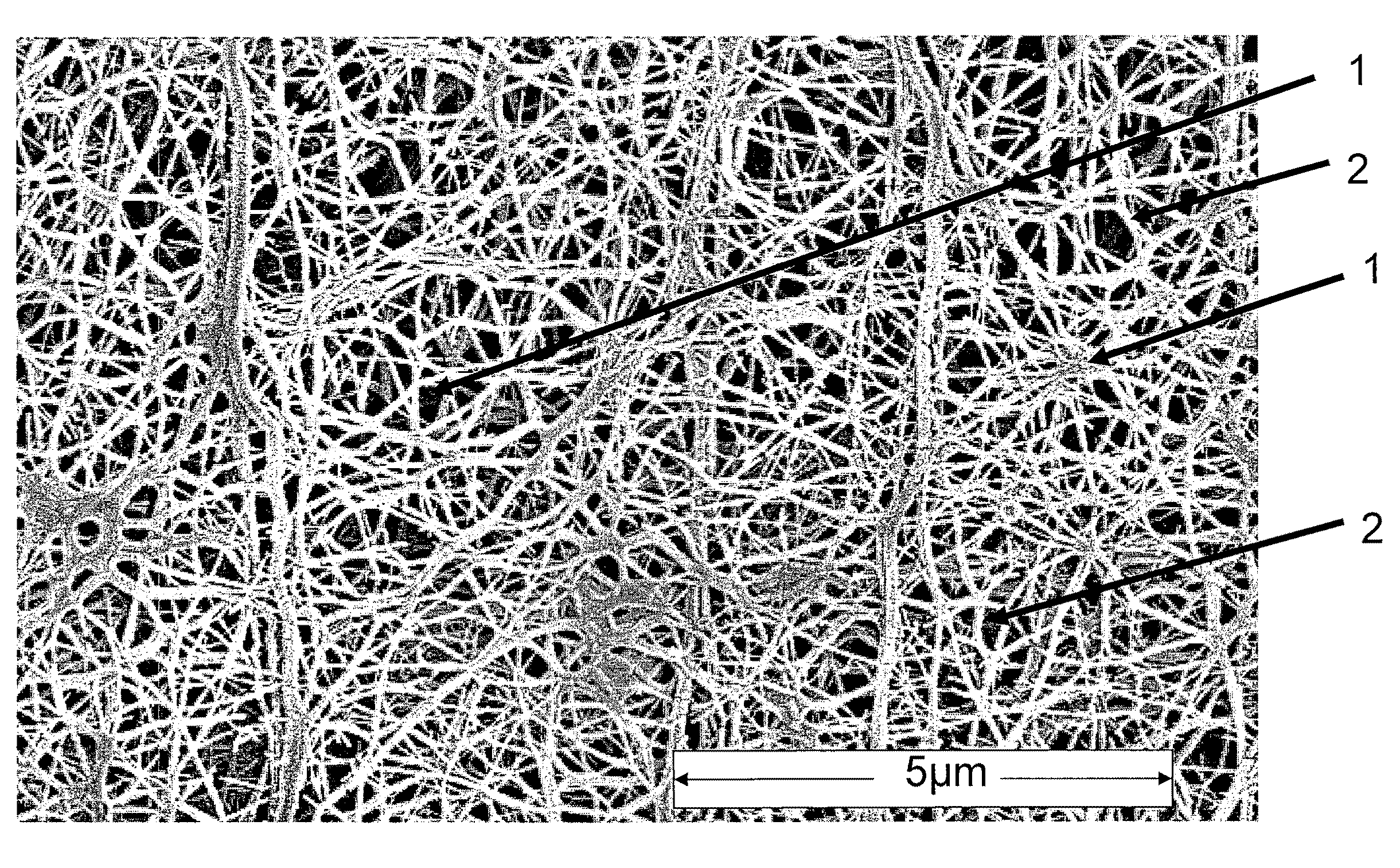
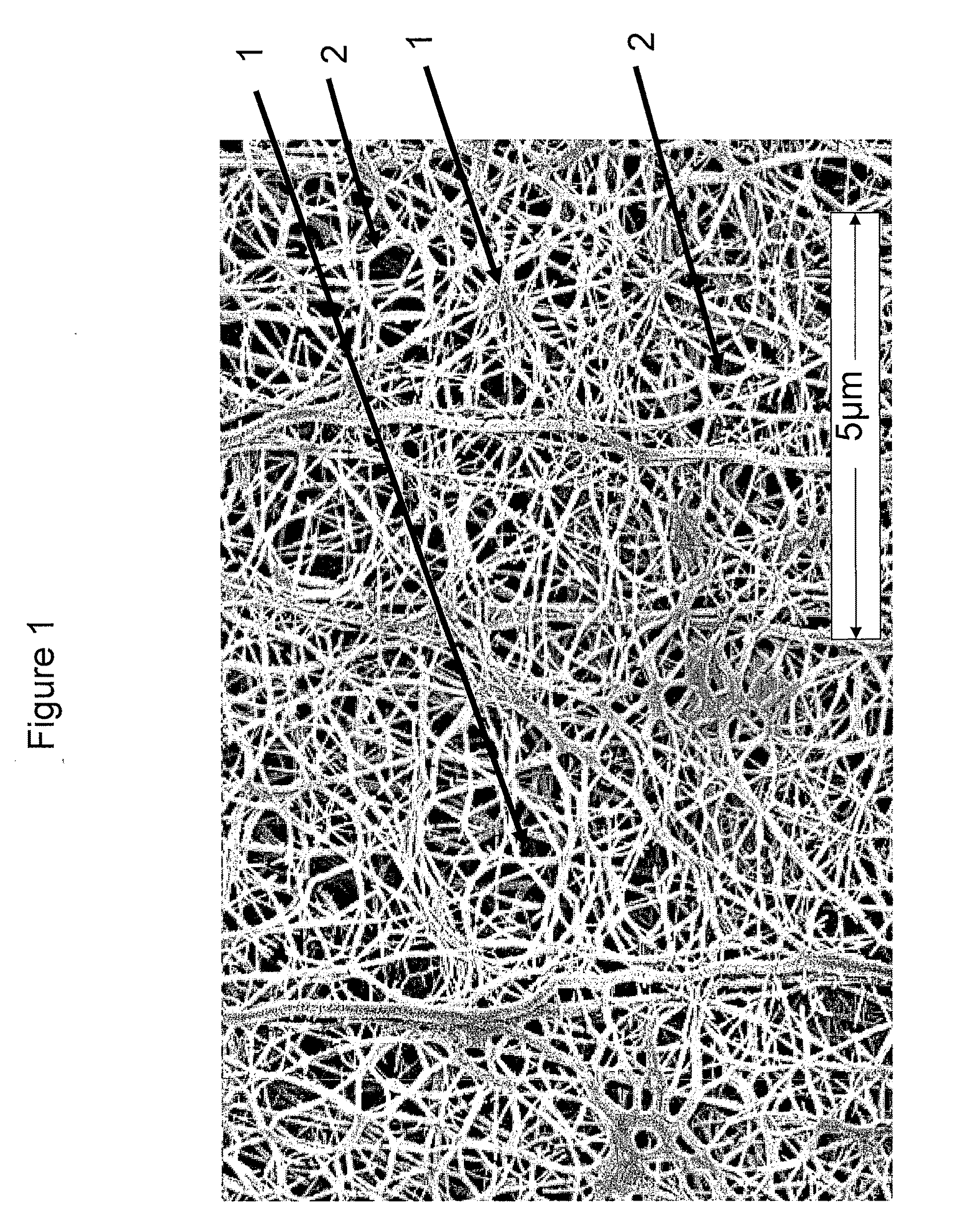
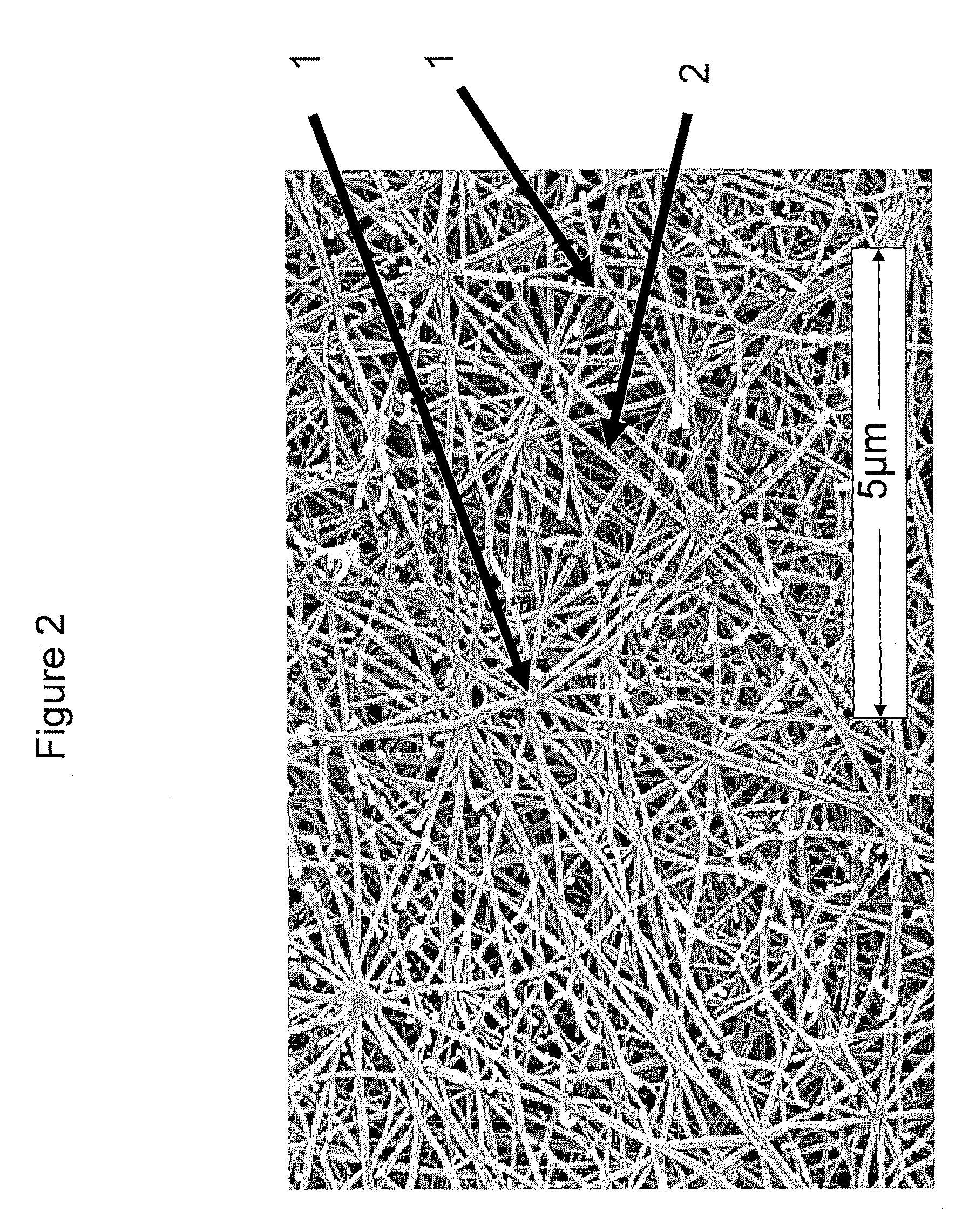
Expandable Functional TFE Copolymer Fine Powder, the Expandable Functional Products Obtained Therefrom and Reaction of the Expanded Products
PatentActiveUS20100248324A1
Innovation
- Functional TFE copolymers are produced through an aqueous dispersion polymerization process, incorporating comonomers with pendant functional groups that are integrated into the polymer chain, enabling expansion into microporous structures with nodes interconnected by fibrils, and subsequent chemical reactions to modify properties.
Method for producing refined polytetrafluoroethylene powder, and low-molecular-weight polytetrafluoroethylene powder
PatentWO2023204125A1
Innovation
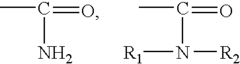
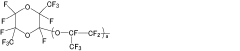
- A method involving radical polymerization, specifically emulsion polymerization using a fluorine-based surfactant other than perfluorooctanoic acid and a hydrocarbon chain transfer agent, followed by heat treatment at 170°C or higher to reduce short-chain fluorine compounds, such as those represented by general formulas (1) and (2), to achieve low concentrations below 179 ppb and 6900 ppb respectively.



Environmental Impact of PTFE in Chemical Processes
The use of Polytetrafluoroethylene (PTFE) in chemical processes has significant environmental implications that must be carefully considered. PTFE's exceptional chemical resistance and non-stick properties make it a valuable material in various industrial applications, but its production and disposal can pose environmental challenges.
During the manufacturing of PTFE, the emission of perfluorooctanoic acid (PFOA) and other perfluorinated compounds has been a major concern. These substances are persistent in the environment and have been linked to various health issues. However, recent advancements in PTFE production have led to the development of PFOA-free manufacturing processes, significantly reducing the environmental impact of PTFE production.
In chemical processes, PTFE's durability and resistance to degradation contribute to its long lifespan, reducing the frequency of replacement and associated waste. This longevity helps minimize the overall environmental footprint of chemical operations. Additionally, PTFE's non-stick properties can improve process efficiency, potentially reducing energy consumption and the use of cleaning chemicals, further benefiting the environment.
However, the disposal of PTFE-containing equipment at the end of its life cycle presents challenges. PTFE is not biodegradable and can persist in landfills for extended periods. Incineration of PTFE can release harmful substances, including hydrogen fluoride and other toxic gases, necessitating specialized disposal methods.
Recycling PTFE has been a focus of recent environmental efforts. Advanced recycling techniques have been developed to recover and reprocess PTFE, reducing waste and conserving resources. These methods include mechanical recycling, where PTFE is ground and reprocessed, and chemical recycling, which breaks down PTFE into its constituent monomers for reuse.
The optimization of chemical processes using PTFE can lead to indirect environmental benefits. By enhancing process efficiency and reducing the need for frequent equipment maintenance or replacement, PTFE contributes to lower energy consumption and reduced waste generation in chemical industries. This optimization can result in a smaller carbon footprint for chemical operations.
As environmental regulations become more stringent, the chemical industry is increasingly focusing on sustainable practices. The use of PTFE in optimized chemical processes aligns with these goals by improving efficiency and reducing overall environmental impact. However, continued research and development are necessary to further mitigate the environmental concerns associated with PTFE throughout its lifecycle.
During the manufacturing of PTFE, the emission of perfluorooctanoic acid (PFOA) and other perfluorinated compounds has been a major concern. These substances are persistent in the environment and have been linked to various health issues. However, recent advancements in PTFE production have led to the development of PFOA-free manufacturing processes, significantly reducing the environmental impact of PTFE production.
In chemical processes, PTFE's durability and resistance to degradation contribute to its long lifespan, reducing the frequency of replacement and associated waste. This longevity helps minimize the overall environmental footprint of chemical operations. Additionally, PTFE's non-stick properties can improve process efficiency, potentially reducing energy consumption and the use of cleaning chemicals, further benefiting the environment.
However, the disposal of PTFE-containing equipment at the end of its life cycle presents challenges. PTFE is not biodegradable and can persist in landfills for extended periods. Incineration of PTFE can release harmful substances, including hydrogen fluoride and other toxic gases, necessitating specialized disposal methods.
Recycling PTFE has been a focus of recent environmental efforts. Advanced recycling techniques have been developed to recover and reprocess PTFE, reducing waste and conserving resources. These methods include mechanical recycling, where PTFE is ground and reprocessed, and chemical recycling, which breaks down PTFE into its constituent monomers for reuse.
The optimization of chemical processes using PTFE can lead to indirect environmental benefits. By enhancing process efficiency and reducing the need for frequent equipment maintenance or replacement, PTFE contributes to lower energy consumption and reduced waste generation in chemical industries. This optimization can result in a smaller carbon footprint for chemical operations.
As environmental regulations become more stringent, the chemical industry is increasingly focusing on sustainable practices. The use of PTFE in optimized chemical processes aligns with these goals by improving efficiency and reducing overall environmental impact. However, continued research and development are necessary to further mitigate the environmental concerns associated with PTFE throughout its lifecycle.
Safety Considerations for PTFE in Chemical Applications
When considering the optimization of chemical processes with PTFE, safety considerations are paramount due to the unique properties and potential hazards associated with this material. PTFE's exceptional chemical resistance and thermal stability make it an attractive option for various chemical applications, but these same properties also present specific safety challenges that must be addressed.
One of the primary safety concerns when working with PTFE in chemical processes is the potential for thermal decomposition. At temperatures exceeding 260°C (500°F), PTFE begins to degrade, releasing toxic fumes that can cause polymer fume fever in humans. This condition, while typically temporary, can lead to severe flu-like symptoms. To mitigate this risk, process engineers must implement strict temperature controls and monitoring systems to ensure that PTFE components are not exposed to excessive heat.
Chemical compatibility is another crucial safety aspect to consider. While PTFE is resistant to most chemicals, it can be affected by certain substances, particularly under high-pressure or high-temperature conditions. Thorough compatibility testing must be conducted to ensure that PTFE components will not degrade or fail when exposed to the specific chemicals involved in the process. This includes considering potential chemical reactions that may occur during normal operations and upset conditions.
The physical properties of PTFE also necessitate specific safety measures. Its low coefficient of friction, while beneficial in many applications, can lead to unexpected movement or slippage of components if not properly secured. This risk is particularly relevant in high-pressure systems or where precise alignment is critical. Proper design and installation techniques, such as the use of appropriate fasteners and sealing methods, are essential to prevent leaks or equipment failures.
Electrostatic discharge (ESD) is another safety consideration when using PTFE in chemical processes. PTFE has excellent insulating properties, which can lead to the accumulation of static electricity. In environments where flammable or explosive materials are present, this static buildup poses a significant ignition risk. Implementing proper grounding and bonding procedures, as well as using static-dissipative additives in PTFE formulations when appropriate, can help mitigate this hazard.
Maintenance and inspection protocols for PTFE components in chemical processes require special attention. Regular inspections for signs of wear, degradation, or contamination are crucial to prevent unexpected failures. Additionally, proper cleaning and handling procedures must be established to avoid introducing contaminants that could compromise the integrity of the PTFE or the chemical process itself.
One of the primary safety concerns when working with PTFE in chemical processes is the potential for thermal decomposition. At temperatures exceeding 260°C (500°F), PTFE begins to degrade, releasing toxic fumes that can cause polymer fume fever in humans. This condition, while typically temporary, can lead to severe flu-like symptoms. To mitigate this risk, process engineers must implement strict temperature controls and monitoring systems to ensure that PTFE components are not exposed to excessive heat.
Chemical compatibility is another crucial safety aspect to consider. While PTFE is resistant to most chemicals, it can be affected by certain substances, particularly under high-pressure or high-temperature conditions. Thorough compatibility testing must be conducted to ensure that PTFE components will not degrade or fail when exposed to the specific chemicals involved in the process. This includes considering potential chemical reactions that may occur during normal operations and upset conditions.
The physical properties of PTFE also necessitate specific safety measures. Its low coefficient of friction, while beneficial in many applications, can lead to unexpected movement or slippage of components if not properly secured. This risk is particularly relevant in high-pressure systems or where precise alignment is critical. Proper design and installation techniques, such as the use of appropriate fasteners and sealing methods, are essential to prevent leaks or equipment failures.
Electrostatic discharge (ESD) is another safety consideration when using PTFE in chemical processes. PTFE has excellent insulating properties, which can lead to the accumulation of static electricity. In environments where flammable or explosive materials are present, this static buildup poses a significant ignition risk. Implementing proper grounding and bonding procedures, as well as using static-dissipative additives in PTFE formulations when appropriate, can help mitigate this hazard.
Maintenance and inspection protocols for PTFE components in chemical processes require special attention. Regular inspections for signs of wear, degradation, or contamination are crucial to prevent unexpected failures. Additionally, proper cleaning and handling procedures must be established to avoid introducing contaminants that could compromise the integrity of the PTFE or the chemical process itself.
Unlock deeper insights with PatSnap Eureka Quick Research — get a full tech report to explore trends and direct your research. Try now!
Generate Your Research Report Instantly with AI Agent
Supercharge your innovation with PatSnap Eureka AI Agent Platform!