How to Optimize PCM for Passive Cooling Applications
FEB 26, 20269 MIN READ
Generate Your Research Report Instantly with AI Agent
Patsnap Eureka helps you evaluate technical feasibility & market potential.
PCM Passive Cooling Background and Objectives
Phase Change Materials (PCMs) have emerged as a critical technology in thermal management systems, representing a paradigm shift from traditional active cooling methods to more sustainable passive cooling solutions. The fundamental principle underlying PCM technology lies in the material's ability to absorb and release substantial amounts of latent heat during phase transitions, typically between solid and liquid states, while maintaining relatively constant temperatures.
The historical development of PCM applications can be traced back to early building thermal regulation systems, where paraffin waxes and salt hydrates were utilized for temperature stabilization. Over the past two decades, the technology has evolved significantly, expanding into electronics cooling, automotive thermal management, and renewable energy storage systems. This evolution has been driven by increasing demands for energy-efficient cooling solutions and the growing awareness of environmental sustainability.
Current market drivers for PCM passive cooling applications stem from multiple converging factors. The exponential growth in electronic device miniaturization has created unprecedented heat density challenges, while simultaneously demanding silent operation that traditional fan-based cooling cannot provide. Additionally, stringent energy efficiency regulations and carbon footprint reduction initiatives have accelerated the adoption of passive thermal management solutions across various industries.
The primary technical objectives for optimizing PCM in passive cooling applications center on enhancing thermal conductivity, which remains the most significant limitation of conventional PCMs. Pure paraffin waxes and organic PCMs typically exhibit thermal conductivities ranging from 0.2 to 0.5 W/mK, substantially lower than required for effective heat dissipation in high-performance applications. Addressing this fundamental constraint requires innovative approaches including thermal conductivity enhancement through composite materials, nanoparticle integration, and structural modifications.
Secondary objectives encompass improving phase change stability and preventing material degradation over extended thermal cycling. Long-term reliability demands PCMs that maintain consistent thermophysical properties through thousands of melting-solidification cycles without phase separation, supercooling, or chemical decomposition. Furthermore, optimizing the temperature range of phase transitions to match specific application requirements represents another critical objective, as standard PCMs often operate outside optimal temperature windows for particular cooling scenarios.
The ultimate goal involves developing PCM systems that can effectively replace or complement traditional cooling methods while providing superior thermal performance, reduced energy consumption, and enhanced system reliability across diverse passive cooling applications.
The historical development of PCM applications can be traced back to early building thermal regulation systems, where paraffin waxes and salt hydrates were utilized for temperature stabilization. Over the past two decades, the technology has evolved significantly, expanding into electronics cooling, automotive thermal management, and renewable energy storage systems. This evolution has been driven by increasing demands for energy-efficient cooling solutions and the growing awareness of environmental sustainability.
Current market drivers for PCM passive cooling applications stem from multiple converging factors. The exponential growth in electronic device miniaturization has created unprecedented heat density challenges, while simultaneously demanding silent operation that traditional fan-based cooling cannot provide. Additionally, stringent energy efficiency regulations and carbon footprint reduction initiatives have accelerated the adoption of passive thermal management solutions across various industries.
The primary technical objectives for optimizing PCM in passive cooling applications center on enhancing thermal conductivity, which remains the most significant limitation of conventional PCMs. Pure paraffin waxes and organic PCMs typically exhibit thermal conductivities ranging from 0.2 to 0.5 W/mK, substantially lower than required for effective heat dissipation in high-performance applications. Addressing this fundamental constraint requires innovative approaches including thermal conductivity enhancement through composite materials, nanoparticle integration, and structural modifications.
Secondary objectives encompass improving phase change stability and preventing material degradation over extended thermal cycling. Long-term reliability demands PCMs that maintain consistent thermophysical properties through thousands of melting-solidification cycles without phase separation, supercooling, or chemical decomposition. Furthermore, optimizing the temperature range of phase transitions to match specific application requirements represents another critical objective, as standard PCMs often operate outside optimal temperature windows for particular cooling scenarios.
The ultimate goal involves developing PCM systems that can effectively replace or complement traditional cooling methods while providing superior thermal performance, reduced energy consumption, and enhanced system reliability across diverse passive cooling applications.
Market Demand for PCM-Based Passive Cooling Solutions
The global demand for PCM-based passive cooling solutions is experiencing unprecedented growth driven by multiple converging factors across various industries. Energy efficiency regulations and sustainability mandates are compelling manufacturers to seek alternatives to traditional active cooling systems, positioning PCM technology as a critical component in next-generation thermal management strategies.
Data centers represent one of the most significant market segments for PCM passive cooling applications. The exponential growth in cloud computing, artificial intelligence, and edge computing infrastructure has created substantial demand for innovative cooling solutions that can reduce energy consumption while maintaining optimal operating temperatures. PCM systems offer the advantage of thermal buffering during peak load conditions without requiring additional electrical power input.
The electronics industry demonstrates strong adoption patterns for PCM-based cooling solutions, particularly in high-performance computing, telecommunications equipment, and consumer electronics. Mobile device manufacturers are increasingly integrating PCM materials to manage thermal spikes during intensive processing tasks, while maintaining slim form factors that preclude traditional cooling methods.
Building and construction sectors show growing interest in PCM passive cooling applications for both residential and commercial structures. Green building certifications and energy efficiency standards are driving architects and engineers to incorporate PCM materials into building envelopes, HVAC systems, and thermal storage applications. The technology enables significant reductions in peak cooling loads and overall energy consumption.
Automotive applications present emerging opportunities as electric vehicle adoption accelerates. Battery thermal management systems utilizing PCM technology address critical challenges related to charging efficiency, battery longevity, and passenger comfort. The automotive industry's transition toward electrification creates substantial market potential for specialized PCM cooling solutions.
Industrial manufacturing processes requiring precise temperature control represent another growing market segment. PCM passive cooling systems provide stable thermal environments for sensitive equipment and processes while reducing operational costs associated with conventional cooling infrastructure.
The renewable energy sector demonstrates increasing demand for PCM solutions in solar panel cooling and energy storage applications. As solar installations expand globally, the need for passive cooling systems that maintain panel efficiency without parasitic energy consumption becomes increasingly critical for project economics and performance optimization.
Data centers represent one of the most significant market segments for PCM passive cooling applications. The exponential growth in cloud computing, artificial intelligence, and edge computing infrastructure has created substantial demand for innovative cooling solutions that can reduce energy consumption while maintaining optimal operating temperatures. PCM systems offer the advantage of thermal buffering during peak load conditions without requiring additional electrical power input.
The electronics industry demonstrates strong adoption patterns for PCM-based cooling solutions, particularly in high-performance computing, telecommunications equipment, and consumer electronics. Mobile device manufacturers are increasingly integrating PCM materials to manage thermal spikes during intensive processing tasks, while maintaining slim form factors that preclude traditional cooling methods.
Building and construction sectors show growing interest in PCM passive cooling applications for both residential and commercial structures. Green building certifications and energy efficiency standards are driving architects and engineers to incorporate PCM materials into building envelopes, HVAC systems, and thermal storage applications. The technology enables significant reductions in peak cooling loads and overall energy consumption.
Automotive applications present emerging opportunities as electric vehicle adoption accelerates. Battery thermal management systems utilizing PCM technology address critical challenges related to charging efficiency, battery longevity, and passenger comfort. The automotive industry's transition toward electrification creates substantial market potential for specialized PCM cooling solutions.
Industrial manufacturing processes requiring precise temperature control represent another growing market segment. PCM passive cooling systems provide stable thermal environments for sensitive equipment and processes while reducing operational costs associated with conventional cooling infrastructure.
The renewable energy sector demonstrates increasing demand for PCM solutions in solar panel cooling and energy storage applications. As solar installations expand globally, the need for passive cooling systems that maintain panel efficiency without parasitic energy consumption becomes increasingly critical for project economics and performance optimization.
Current PCM Performance Challenges in Passive Systems
Phase change materials in passive cooling systems face significant thermal conductivity limitations that fundamentally constrain their heat transfer efficiency. Most organic PCMs exhibit thermal conductivities ranging from 0.1 to 0.3 W/mK, which is substantially lower than conventional heat transfer materials. This poor thermal conductivity creates temperature gradients within the PCM bulk, leading to incomplete phase transitions and reduced cooling capacity. The heat absorption and release processes become severely bottlenecked, particularly in applications requiring rapid thermal response.
Thermal cycling stability presents another critical challenge affecting long-term system reliability. Repeated melting and solidification cycles can cause PCM degradation through phase separation, supercooling phenomena, and changes in thermophysical properties. Many PCMs experience property drift after 1000-5000 thermal cycles, with notable shifts in melting temperature, latent heat capacity, and thermal conductivity. This degradation directly impacts the predictability and consistency of passive cooling performance over extended operational periods.
Containment and leakage issues pose substantial engineering challenges in passive system design. Liquid-phase PCMs require robust encapsulation to prevent material migration, which adds complexity and potential failure points to the cooling system. Traditional containment methods often introduce additional thermal resistance layers that further impede heat transfer efficiency. Micro-encapsulation techniques, while promising, face scalability and cost-effectiveness barriers in large-scale passive cooling applications.
Temperature control precision remains problematic due to the inherent characteristics of phase change processes. Many PCMs exhibit temperature hysteresis between melting and solidification phases, creating uncertainty in thermal management applications requiring precise temperature maintenance. The phase change temperature range, rather than a discrete transition point, complicates system design for applications with narrow operating temperature windows.
Integration challenges with existing passive cooling architectures limit widespread PCM adoption. The volumetric expansion during phase transitions requires accommodation in system design, often compromising space efficiency. Additionally, the relatively low thermal diffusivity of PCMs creates temporal delays in thermal response, which may not align with dynamic cooling requirements in certain applications. These integration complexities necessitate specialized design approaches that increase system complexity and manufacturing costs.
Thermal cycling stability presents another critical challenge affecting long-term system reliability. Repeated melting and solidification cycles can cause PCM degradation through phase separation, supercooling phenomena, and changes in thermophysical properties. Many PCMs experience property drift after 1000-5000 thermal cycles, with notable shifts in melting temperature, latent heat capacity, and thermal conductivity. This degradation directly impacts the predictability and consistency of passive cooling performance over extended operational periods.
Containment and leakage issues pose substantial engineering challenges in passive system design. Liquid-phase PCMs require robust encapsulation to prevent material migration, which adds complexity and potential failure points to the cooling system. Traditional containment methods often introduce additional thermal resistance layers that further impede heat transfer efficiency. Micro-encapsulation techniques, while promising, face scalability and cost-effectiveness barriers in large-scale passive cooling applications.
Temperature control precision remains problematic due to the inherent characteristics of phase change processes. Many PCMs exhibit temperature hysteresis between melting and solidification phases, creating uncertainty in thermal management applications requiring precise temperature maintenance. The phase change temperature range, rather than a discrete transition point, complicates system design for applications with narrow operating temperature windows.
Integration challenges with existing passive cooling architectures limit widespread PCM adoption. The volumetric expansion during phase transitions requires accommodation in system design, often compromising space efficiency. Additionally, the relatively low thermal diffusivity of PCMs creates temporal delays in thermal response, which may not align with dynamic cooling requirements in certain applications. These integration complexities necessitate specialized design approaches that increase system complexity and manufacturing costs.
Existing PCM Enhancement Solutions for Passive Cooling
01 Phase change materials for thermal energy storage
Phase change materials (PCMs) are utilized for thermal energy storage applications by absorbing and releasing heat during phase transitions. These materials can store large amounts of thermal energy at relatively constant temperatures, making them suitable for temperature regulation in buildings, electronics cooling, and thermal management systems. The PCMs undergo solid-liquid or solid-solid phase transitions to provide efficient energy storage and release capabilities.- Phase change materials for thermal energy storage: Phase change materials (PCMs) are utilized for thermal energy storage applications by absorbing and releasing heat during phase transitions. These materials can store large amounts of thermal energy at relatively constant temperatures, making them suitable for temperature regulation and energy management systems. The PCMs can be encapsulated or incorporated into various matrices to enhance their stability and prevent leakage during phase transitions.
- Microencapsulation of phase change materials: Microencapsulation techniques are employed to contain phase change materials within protective shells or capsules. This approach prevents leakage, improves handling properties, and allows for better integration into various substrates such as textiles, building materials, and composites. The encapsulation process enhances the durability and effectiveness of the phase change materials while maintaining their thermal storage capabilities.
- PCM composites with enhanced thermal conductivity: Phase change material composites are developed by incorporating thermally conductive additives or forming composite structures to improve heat transfer rates. These enhanced materials address the inherently low thermal conductivity of many phase change materials, enabling faster charging and discharging cycles. The composites may include carbon-based materials, metal foams, or other conductive fillers to optimize thermal performance.
- Form-stable phase change materials: Form-stable phase change materials are designed to maintain their solid structure even when the phase change material component melts, preventing leakage without requiring encapsulation. These materials typically consist of a supporting matrix that holds the phase change material through physical or chemical interactions. The form-stable approach simplifies manufacturing processes and improves the reliability of phase change material applications in various temperature control systems.
- PCM applications in building materials and textiles: Phase change materials are integrated into building materials and textile products to provide passive temperature regulation and improved thermal comfort. In building applications, they can be incorporated into wallboards, concrete, or insulation materials to reduce energy consumption for heating and cooling. In textiles, they provide thermoregulation properties for clothing and bedding materials, enhancing user comfort across varying environmental conditions.
02 Encapsulation techniques for PCM stability
Encapsulation methods are employed to contain phase change materials and prevent leakage during phase transitions. Various encapsulation techniques including microencapsulation, macroencapsulation, and shape-stabilization are used to improve the structural stability and durability of PCMs. These techniques protect the PCM core material while allowing efficient heat transfer, extending the service life and maintaining consistent thermal performance over multiple cycles.Expand Specific Solutions03 PCM composites with enhanced thermal conductivity
Composite materials incorporating phase change materials with thermally conductive additives are developed to overcome the inherently low thermal conductivity of many PCMs. These composites integrate materials such as carbon-based structures, metal foams, or thermally conductive polymers to enhance heat transfer rates. The improved thermal conductivity enables faster charging and discharging cycles while maintaining the latent heat storage capacity of the phase change material.Expand Specific Solutions04 Form-stable PCM compositions
Form-stable phase change material compositions are designed to maintain their shape and structural integrity during phase transitions without requiring additional containment. These compositions typically involve supporting matrices or frameworks that hold the PCM in place while allowing phase changes to occur. The form-stable nature eliminates leakage issues and simplifies integration into various applications including textiles, building materials, and packaging systems.Expand Specific Solutions05 PCM applications in temperature-controlled systems
Phase change materials are integrated into temperature-controlled systems for passive thermal regulation across diverse applications. These systems utilize the latent heat storage properties of PCMs to maintain desired temperature ranges without active cooling or heating. Applications include thermal comfort in buildings, temperature-sensitive product transportation, electronic device cooling, and energy-efficient climate control systems that reduce energy consumption while providing consistent temperature management.Expand Specific Solutions
Key Players in PCM and Thermal Management Industry
The PCM optimization for passive cooling applications represents an emerging market segment within the broader thermal management industry, currently in its early commercialization phase with significant growth potential driven by increasing demand for energy-efficient cooling solutions across electronics, automotive, and building sectors. The market demonstrates substantial expansion opportunities as traditional cooling methods face efficiency limitations. Technology maturity varies considerably among market participants, with established materials companies like Merck Patent GmbH and BASF subsidiary Cognis IP Management GmbH leveraging advanced chemical expertise for PCM formulations, while specialized firms such as Sunamp Ltd. focus on dedicated thermal storage applications. Major technology corporations including IBM, Huawei Technologies, and LG Electronics are integrating PCM solutions into their thermal management strategies, particularly for electronics cooling. Automotive leaders like Hyundai Motor and TVS Motor are exploring PCM applications for vehicle thermal regulation. The competitive landscape also features research institutions and universities contributing fundamental research, indicating strong academic-industry collaboration driving innovation in phase change material optimization and application development.
International Business Machines Corp.
Technical Solution: IBM has developed innovative PCM optimization techniques specifically for data center cooling applications, focusing on microencapsulated PCMs integrated into server rack cooling systems. Their approach utilizes machine learning algorithms to predict thermal loads and optimize PCM phase transition timing for maximum cooling efficiency. IBM's research includes the development of composite PCMs with enhanced thermal conductivity using carbon nanotube additives, achieving thermal conductivity improvements of up to 300% compared to pure paraffin-based PCMs. The company has also pioneered the use of shape-stabilized PCMs in heat sink applications, where the PCM is embedded within porous metal matrices to maintain structural integrity during phase transitions while maximizing heat absorption capacity.
Strengths: Advanced AI-driven thermal management, high thermal conductivity enhancement, extensive R&D resources. Weaknesses: Technology primarily focused on data center applications, complex integration requirements.
Sunamp Ltd.
Technical Solution: Sunamp has developed advanced phase change material (PCM) technology using proprietary salt-based thermal storage materials that can store 4-8 times more heat than water per unit volume. Their Plentigrade PCM systems operate at temperatures ranging from 58°C to 700°C, making them highly suitable for passive cooling applications. The company's PCM formulations are designed with enhanced thermal conductivity through the incorporation of graphite additives and optimized encapsulation methods to prevent material degradation and leakage. Their modular design allows for scalable deployment in building HVAC systems, data centers, and industrial cooling applications where passive heat management is critical.
Strengths: High energy density storage, wide operating temperature range, proven commercial deployment. Weaknesses: Higher initial cost compared to traditional cooling methods, limited thermal cycling data for long-term reliability.
Core Innovations in PCM Thermal Property Enhancement
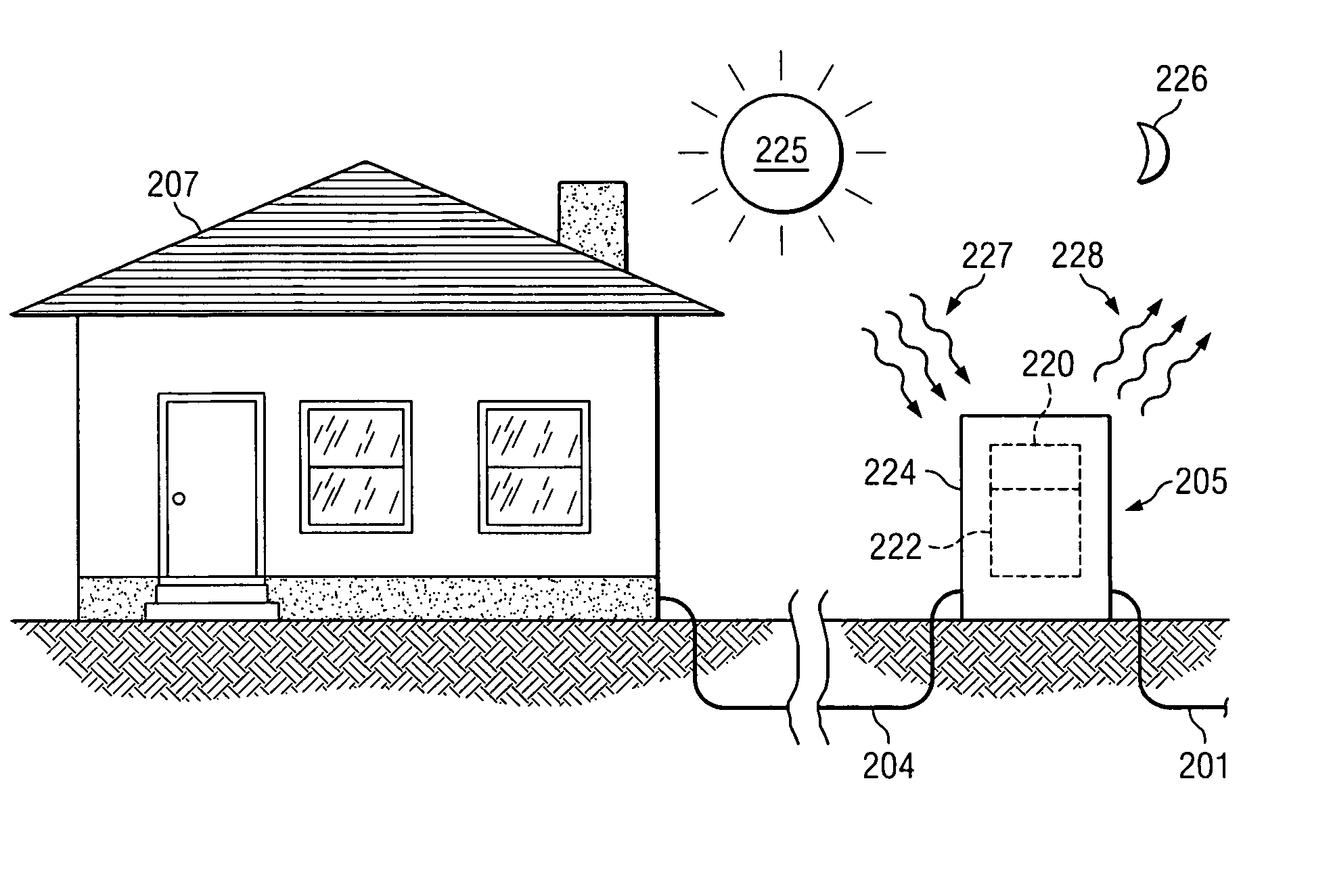
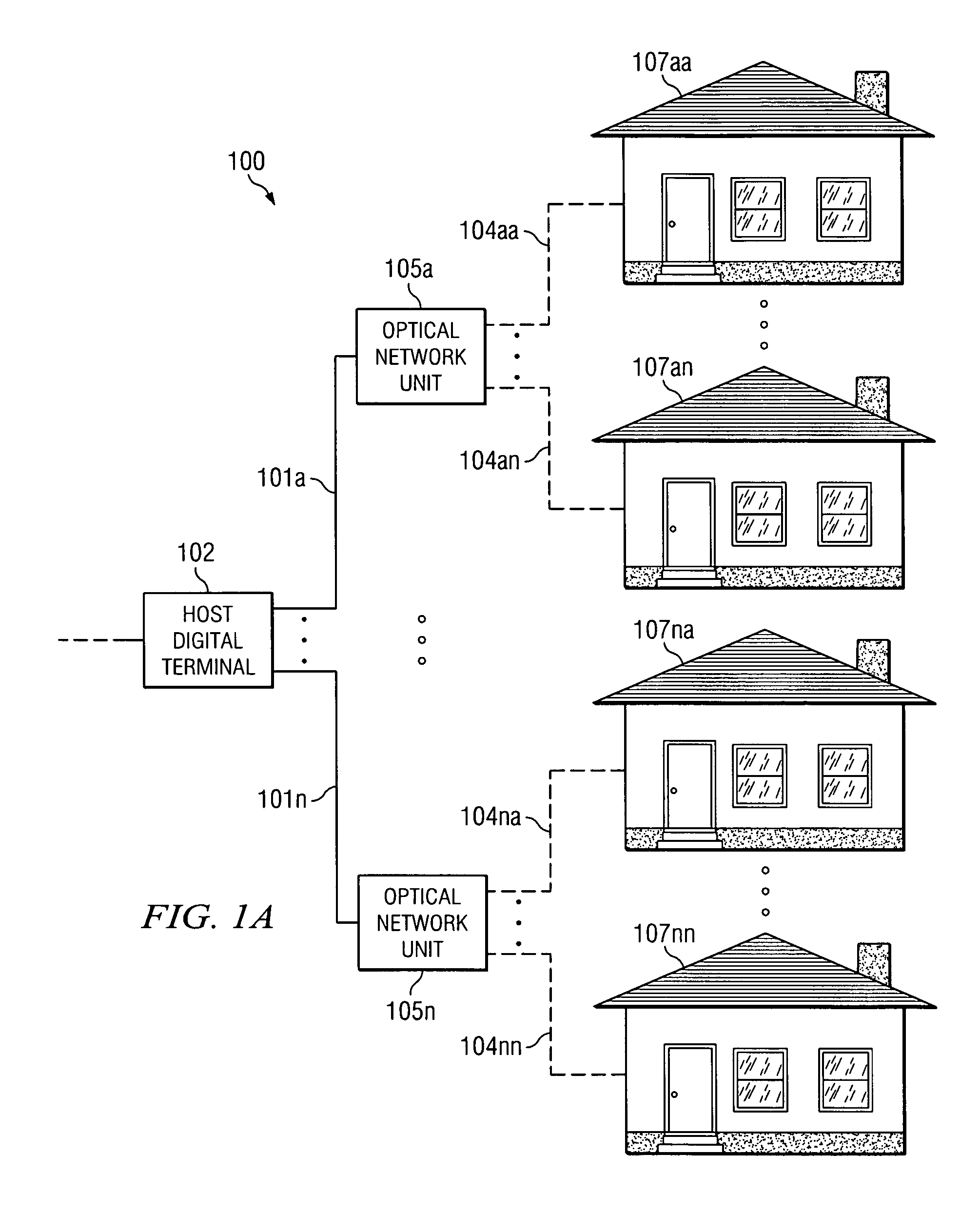
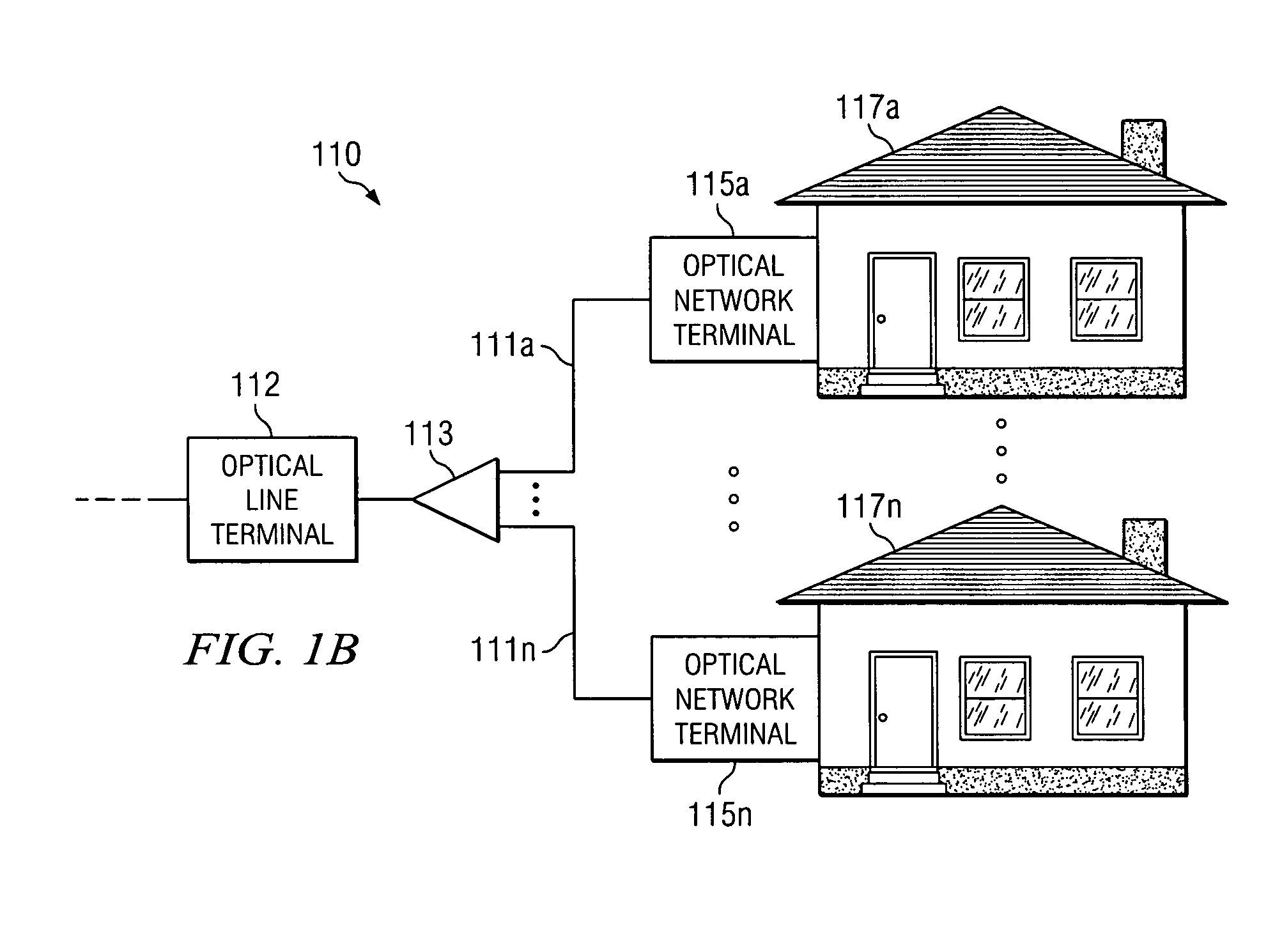
Passive cooling for fiber to the premise (FTTP) electronics
PatentInactiveUS20070115635A1
Innovation
- Incorporating a phase change material within the electronics enclosure that absorbs and releases heat during temperature fluctuations, maintaining the electronics at a desirable temperature without the use of active cooling methods.

Improvements in or relating to temperature control packages
PatentPendingIN202227006967A
Innovation
- A latent heat storage medium comprising water with a cellulose fibre absorbent body, retained within a flexible bag, which prevents supercooling and reduces ballooning, allowing for uniform phase transitions and easy recycling.


Environmental Impact Assessment of PCM Materials
The environmental impact assessment of PCM materials for passive cooling applications encompasses multiple critical dimensions that directly influence their sustainability and long-term viability. Life cycle assessment studies reveal that organic PCMs, particularly paraffin-based materials, demonstrate relatively lower environmental burdens during production phases compared to inorganic salt hydrates, which often require energy-intensive manufacturing processes and specialized chemical treatments.
Carbon footprint analysis indicates that bio-based PCMs derived from renewable sources such as fatty acids and plant oils exhibit significantly reduced greenhouse gas emissions throughout their operational lifetime. These materials typically generate 40-60% lower CO2 equivalent emissions compared to petroleum-derived alternatives, making them increasingly attractive for sustainable building applications and green technology implementations.
Toxicity considerations present varying challenges across different PCM categories. Salt hydrates generally exhibit minimal toxicity risks and demonstrate excellent biocompatibility, while certain organic compounds may release volatile organic compounds during phase transitions. However, encapsulation technologies have effectively mitigated these concerns by preventing direct material contact and controlling vapor emissions within acceptable safety thresholds.
End-of-life disposal and recyclability factors significantly influence the overall environmental profile of PCM systems. Inorganic materials typically offer superior recyclability potential, with salt hydrates being recoverable through standard separation processes. Organic PCMs present more complex disposal challenges, though recent advances in biodegradable formulations have improved their environmental compatibility.
Resource depletion analysis reveals that bio-based PCMs utilize renewable feedstocks, reducing dependency on finite petroleum resources. Manufacturing energy requirements vary considerably, with simple paraffin processing consuming approximately 15-25 MJ/kg, while complex salt hydrate synthesis may require 35-50 MJ/kg, directly impacting their environmental sustainability metrics.
Regulatory compliance frameworks increasingly emphasize environmental performance criteria, with emerging standards requiring comprehensive environmental impact documentation for PCM applications in building systems and industrial cooling solutions.
Carbon footprint analysis indicates that bio-based PCMs derived from renewable sources such as fatty acids and plant oils exhibit significantly reduced greenhouse gas emissions throughout their operational lifetime. These materials typically generate 40-60% lower CO2 equivalent emissions compared to petroleum-derived alternatives, making them increasingly attractive for sustainable building applications and green technology implementations.
Toxicity considerations present varying challenges across different PCM categories. Salt hydrates generally exhibit minimal toxicity risks and demonstrate excellent biocompatibility, while certain organic compounds may release volatile organic compounds during phase transitions. However, encapsulation technologies have effectively mitigated these concerns by preventing direct material contact and controlling vapor emissions within acceptable safety thresholds.
End-of-life disposal and recyclability factors significantly influence the overall environmental profile of PCM systems. Inorganic materials typically offer superior recyclability potential, with salt hydrates being recoverable through standard separation processes. Organic PCMs present more complex disposal challenges, though recent advances in biodegradable formulations have improved their environmental compatibility.
Resource depletion analysis reveals that bio-based PCMs utilize renewable feedstocks, reducing dependency on finite petroleum resources. Manufacturing energy requirements vary considerably, with simple paraffin processing consuming approximately 15-25 MJ/kg, while complex salt hydrate synthesis may require 35-50 MJ/kg, directly impacting their environmental sustainability metrics.
Regulatory compliance frameworks increasingly emphasize environmental performance criteria, with emerging standards requiring comprehensive environmental impact documentation for PCM applications in building systems and industrial cooling solutions.
Safety Standards for PCM in Building Applications
The implementation of Phase Change Materials (PCMs) in building applications requires adherence to comprehensive safety standards that address fire resistance, toxicity, material compatibility, and long-term stability. These standards are critical for ensuring occupant safety and regulatory compliance while maintaining the effectiveness of passive cooling systems.
Fire safety represents the primary concern in PCM building applications. Most organic PCMs are inherently combustible, necessitating compliance with building fire codes such as NFPA 101 and International Building Code (IBC) requirements. PCM systems must undergo standardized fire testing including ASTM E84 for surface burning characteristics and UL 723 for flame spread and smoke development ratings. Encapsulation materials require fire-resistant properties, with many applications demanding Class A fire ratings to meet commercial building standards.
Toxicity and indoor air quality standards govern PCM selection and installation protocols. Materials must comply with GREENGUARD certification requirements and demonstrate low volatile organic compound (VOC) emissions according to ASTM D6670 testing procedures. The California Department of Public Health Standard Method v1.2 provides additional guidance for evaluating chemical emissions from building materials containing PCMs.
Structural integrity and containment standards address potential leakage and material degradation concerns. ASTM C1784 establishes testing protocols for PCM thermal cycling performance, while ASTM E96 evaluates moisture permeability of encapsulation systems. These standards ensure that PCM containers maintain structural integrity throughout repeated phase transitions without compromising building envelope performance.
Installation and maintenance safety protocols require compliance with occupational safety standards including OSHA regulations for material handling and installation procedures. Proper ventilation during installation, personal protective equipment requirements, and emergency response procedures must align with manufacturer specifications and local building codes.
Quality assurance standards encompass material certification, performance verification, and long-term monitoring requirements. ISO 23553 provides standardized testing methods for PCM thermal properties, while ASTM C1784 establishes protocols for evaluating thermal cycling durability. These standards ensure consistent performance and safety throughout the operational lifecycle of PCM-based passive cooling systems.
Fire safety represents the primary concern in PCM building applications. Most organic PCMs are inherently combustible, necessitating compliance with building fire codes such as NFPA 101 and International Building Code (IBC) requirements. PCM systems must undergo standardized fire testing including ASTM E84 for surface burning characteristics and UL 723 for flame spread and smoke development ratings. Encapsulation materials require fire-resistant properties, with many applications demanding Class A fire ratings to meet commercial building standards.
Toxicity and indoor air quality standards govern PCM selection and installation protocols. Materials must comply with GREENGUARD certification requirements and demonstrate low volatile organic compound (VOC) emissions according to ASTM D6670 testing procedures. The California Department of Public Health Standard Method v1.2 provides additional guidance for evaluating chemical emissions from building materials containing PCMs.
Structural integrity and containment standards address potential leakage and material degradation concerns. ASTM C1784 establishes testing protocols for PCM thermal cycling performance, while ASTM E96 evaluates moisture permeability of encapsulation systems. These standards ensure that PCM containers maintain structural integrity throughout repeated phase transitions without compromising building envelope performance.
Installation and maintenance safety protocols require compliance with occupational safety standards including OSHA regulations for material handling and installation procedures. Proper ventilation during installation, personal protective equipment requirements, and emergency response procedures must align with manufacturer specifications and local building codes.
Quality assurance standards encompass material certification, performance verification, and long-term monitoring requirements. ISO 23553 provides standardized testing methods for PCM thermal properties, while ASTM C1784 establishes protocols for evaluating thermal cycling durability. These standards ensure consistent performance and safety throughout the operational lifecycle of PCM-based passive cooling systems.
Unlock deeper insights with Patsnap Eureka Quick Research — get a full tech report to explore trends and direct your research. Try now!
Generate Your Research Report Instantly with AI Agent
Supercharge your innovation with Patsnap Eureka AI Agent Platform!