

How to Simplify PCA Pump Control for Elderly Patients
MAR 7, 20269 MIN READ
Generate Your Research Report Instantly with AI Agent
PatSnap Eureka helps you evaluate technical feasibility & market potential.
PCA Pump Technology Background and Elderly Care Goals
Patient-Controlled Analgesia (PCA) pumps represent a significant advancement in pain management technology, allowing patients to self-administer predetermined doses of analgesic medication within clinically safe parameters. These sophisticated devices emerged in the 1970s as a response to the limitations of traditional nurse-administered pain relief schedules, which often resulted in inadequate pain control and delayed response times. The technology has evolved from basic mechanical systems to advanced computerized platforms incorporating multiple safety features, dose tracking capabilities, and wireless connectivity.
The fundamental principle behind PCA technology centers on empowering patients to manage their pain proactively while maintaining strict safety boundaries through lockout intervals, maximum dose limits, and continuous monitoring systems. Modern PCA pumps utilize microprocessor-controlled delivery mechanisms that ensure precise medication dosing, comprehensive audit trails, and integration with hospital information systems. These devices typically feature programmable parameters including bolus dose amounts, lockout periods, background infusion rates, and cumulative dose limits over specified time intervals.
The aging global population presents unprecedented challenges for healthcare delivery systems, with elderly patients representing the fastest-growing demographic requiring complex pain management interventions. Elderly patients often experience multiple comorbidities, cognitive impairments, and age-related physiological changes that significantly impact their ability to effectively utilize conventional medical technologies. Visual impairments, reduced manual dexterity, cognitive decline, and medication sensitivity create substantial barriers to successful PCA pump utilization among this vulnerable population.
Current PCA pump interfaces predominantly feature complex digital displays, multiple button configurations, and intricate programming sequences that can overwhelm elderly users. The cognitive load required to understand dosing schedules, interpret visual feedback, and execute proper activation sequences often exceeds the capabilities of patients experiencing pain-related stress, medication effects, or age-related cognitive changes. These usability challenges frequently result in suboptimal pain management outcomes, increased nursing interventions, and reduced patient satisfaction scores.
The primary technological objective focuses on developing intuitive, age-appropriate interface solutions that maintain clinical safety standards while dramatically reducing operational complexity. This involves reimagining user interaction paradigms through simplified visual displays, enhanced tactile feedback systems, voice-guided instructions, and adaptive learning algorithms that accommodate individual patient capabilities. The goal encompasses creating seamless integration between advanced safety monitoring and effortless patient operation, ensuring that technological sophistication remains invisible to the end user while preserving all critical clinical functionalities and regulatory compliance requirements.
The fundamental principle behind PCA technology centers on empowering patients to manage their pain proactively while maintaining strict safety boundaries through lockout intervals, maximum dose limits, and continuous monitoring systems. Modern PCA pumps utilize microprocessor-controlled delivery mechanisms that ensure precise medication dosing, comprehensive audit trails, and integration with hospital information systems. These devices typically feature programmable parameters including bolus dose amounts, lockout periods, background infusion rates, and cumulative dose limits over specified time intervals.
The aging global population presents unprecedented challenges for healthcare delivery systems, with elderly patients representing the fastest-growing demographic requiring complex pain management interventions. Elderly patients often experience multiple comorbidities, cognitive impairments, and age-related physiological changes that significantly impact their ability to effectively utilize conventional medical technologies. Visual impairments, reduced manual dexterity, cognitive decline, and medication sensitivity create substantial barriers to successful PCA pump utilization among this vulnerable population.
Current PCA pump interfaces predominantly feature complex digital displays, multiple button configurations, and intricate programming sequences that can overwhelm elderly users. The cognitive load required to understand dosing schedules, interpret visual feedback, and execute proper activation sequences often exceeds the capabilities of patients experiencing pain-related stress, medication effects, or age-related cognitive changes. These usability challenges frequently result in suboptimal pain management outcomes, increased nursing interventions, and reduced patient satisfaction scores.
The primary technological objective focuses on developing intuitive, age-appropriate interface solutions that maintain clinical safety standards while dramatically reducing operational complexity. This involves reimagining user interaction paradigms through simplified visual displays, enhanced tactile feedback systems, voice-guided instructions, and adaptive learning algorithms that accommodate individual patient capabilities. The goal encompasses creating seamless integration between advanced safety monitoring and effortless patient operation, ensuring that technological sophistication remains invisible to the end user while preserving all critical clinical functionalities and regulatory compliance requirements.
Market Demand for Elderly-Friendly PCA Systems
The global aging population represents one of the most significant demographic shifts of the 21st century, fundamentally reshaping healthcare delivery requirements. By 2050, the population aged 65 and older is projected to reach 1.6 billion worldwide, with many countries experiencing unprecedented rates of aging. This demographic transformation directly correlates with increased demand for pain management solutions, as elderly patients frequently require post-surgical care and chronic pain management interventions.
Current patient-controlled analgesia systems present substantial usability challenges for elderly users, creating a significant market gap. Traditional PCA pumps feature complex interfaces with small displays, multiple button configurations, and intricate programming sequences that prove particularly challenging for users experiencing age-related cognitive decline, visual impairments, or reduced dexterity. These limitations often result in suboptimal pain management outcomes and increased healthcare provider intervention requirements.
Healthcare institutions increasingly recognize the economic implications of inefficient pain management systems. Elderly patients struggling with complex PCA interfaces require additional nursing support, extending hospital stays and increasing overall treatment costs. The growing emphasis on patient satisfaction scores and value-based care models further amplifies the demand for user-friendly medical devices that enhance patient autonomy while maintaining safety standards.
The home healthcare market expansion significantly influences PCA system requirements. As healthcare systems shift toward outpatient and home-based care models, elderly patients increasingly manage pain therapy outside traditional hospital settings. This transition necessitates PCA systems with simplified interfaces that elderly patients and their caregivers can operate safely without continuous professional supervision.
Regulatory bodies and healthcare quality organizations have begun emphasizing age-friendly medical device design principles. The World Health Organization's age-friendly healthcare initiatives and similar regulatory frameworks create additional market pressure for manufacturers to develop elderly-accessible medical technologies. These policy developments establish clear market incentives for simplified PCA pump designs.
Technology adoption patterns among elderly populations indicate growing acceptance of digital health solutions when designed with appropriate usability considerations. Research demonstrates that elderly patients readily embrace medical technologies featuring intuitive interfaces, clear visual feedback, and simplified operation protocols. This behavioral shift creates substantial market opportunities for manufacturers developing age-appropriate PCA systems.
The competitive landscape reveals limited availability of elderly-specific PCA solutions, representing a significant market opportunity. Most existing systems target general adult populations without specific accommodations for age-related functional limitations. This gap creates substantial potential for manufacturers developing specialized elderly-friendly PCA platforms that address specific usability challenges while maintaining clinical effectiveness and safety standards.
Current patient-controlled analgesia systems present substantial usability challenges for elderly users, creating a significant market gap. Traditional PCA pumps feature complex interfaces with small displays, multiple button configurations, and intricate programming sequences that prove particularly challenging for users experiencing age-related cognitive decline, visual impairments, or reduced dexterity. These limitations often result in suboptimal pain management outcomes and increased healthcare provider intervention requirements.
Healthcare institutions increasingly recognize the economic implications of inefficient pain management systems. Elderly patients struggling with complex PCA interfaces require additional nursing support, extending hospital stays and increasing overall treatment costs. The growing emphasis on patient satisfaction scores and value-based care models further amplifies the demand for user-friendly medical devices that enhance patient autonomy while maintaining safety standards.
The home healthcare market expansion significantly influences PCA system requirements. As healthcare systems shift toward outpatient and home-based care models, elderly patients increasingly manage pain therapy outside traditional hospital settings. This transition necessitates PCA systems with simplified interfaces that elderly patients and their caregivers can operate safely without continuous professional supervision.
Regulatory bodies and healthcare quality organizations have begun emphasizing age-friendly medical device design principles. The World Health Organization's age-friendly healthcare initiatives and similar regulatory frameworks create additional market pressure for manufacturers to develop elderly-accessible medical technologies. These policy developments establish clear market incentives for simplified PCA pump designs.
Technology adoption patterns among elderly populations indicate growing acceptance of digital health solutions when designed with appropriate usability considerations. Research demonstrates that elderly patients readily embrace medical technologies featuring intuitive interfaces, clear visual feedback, and simplified operation protocols. This behavioral shift creates substantial market opportunities for manufacturers developing age-appropriate PCA systems.
The competitive landscape reveals limited availability of elderly-specific PCA solutions, representing a significant market opportunity. Most existing systems target general adult populations without specific accommodations for age-related functional limitations. This gap creates substantial potential for manufacturers developing specialized elderly-friendly PCA platforms that address specific usability challenges while maintaining clinical effectiveness and safety standards.
Current PCA Interface Complexity and Elderly Usage Challenges
Patient-controlled analgesia (PCA) pumps represent a significant advancement in pain management, yet their interface complexity poses substantial barriers for elderly patients. Current PCA systems typically feature multi-layered menu structures, small digital displays with poor contrast ratios, and numerous function buttons that require precise motor coordination. These design elements create a perfect storm of usability challenges for older adults who may experience age-related cognitive decline, visual impairments, and reduced dexterity.
The predominant interface paradigm relies heavily on digital literacy and familiarity with electronic devices. Most PCA pumps employ LCD screens displaying numerical parameters, medication dosages, and timing information in formats that assume users can easily interpret medical terminology and numerical data. The button layouts often include multiple small keys with similar appearances, making it difficult for elderly patients to distinguish between critical functions such as dose delivery, settings adjustment, and emergency alerts.
Cognitive load represents another significant challenge in current PCA interfaces. Elderly patients must simultaneously process pain levels, remember dosing intervals, navigate menu systems, and interpret feedback messages. This multitasking requirement becomes particularly problematic when patients are experiencing acute pain or are under the influence of analgesic medications, which can further impair cognitive function and decision-making capabilities.
Visual accessibility issues compound these difficulties. Standard PCA displays typically use small fonts, low-contrast color schemes, and rely on subtle visual indicators for status communication. Many elderly patients suffer from presbyopia, cataracts, or other age-related vision changes that make reading small text and distinguishing between similar interface elements extremely challenging, especially in hospital lighting conditions.
Motor skill requirements present additional barriers. Current PCA pumps often demand precise finger movements to operate small buttons, sometimes requiring sustained pressure or specific timing sequences. Elderly patients frequently experience arthritis, tremors, or reduced fine motor control, making accurate button presses difficult and potentially leading to medication errors or system malfunctions.
The feedback mechanisms in existing systems primarily rely on visual and auditory cues that may not align with elderly patients' sensory capabilities. Beeping alerts can be easily missed by patients with hearing impairments, while visual notifications may go unnoticed due to vision limitations or cognitive processing delays.
The predominant interface paradigm relies heavily on digital literacy and familiarity with electronic devices. Most PCA pumps employ LCD screens displaying numerical parameters, medication dosages, and timing information in formats that assume users can easily interpret medical terminology and numerical data. The button layouts often include multiple small keys with similar appearances, making it difficult for elderly patients to distinguish between critical functions such as dose delivery, settings adjustment, and emergency alerts.
Cognitive load represents another significant challenge in current PCA interfaces. Elderly patients must simultaneously process pain levels, remember dosing intervals, navigate menu systems, and interpret feedback messages. This multitasking requirement becomes particularly problematic when patients are experiencing acute pain or are under the influence of analgesic medications, which can further impair cognitive function and decision-making capabilities.
Visual accessibility issues compound these difficulties. Standard PCA displays typically use small fonts, low-contrast color schemes, and rely on subtle visual indicators for status communication. Many elderly patients suffer from presbyopia, cataracts, or other age-related vision changes that make reading small text and distinguishing between similar interface elements extremely challenging, especially in hospital lighting conditions.
Motor skill requirements present additional barriers. Current PCA pumps often demand precise finger movements to operate small buttons, sometimes requiring sustained pressure or specific timing sequences. Elderly patients frequently experience arthritis, tremors, or reduced fine motor control, making accurate button presses difficult and potentially leading to medication errors or system malfunctions.
The feedback mechanisms in existing systems primarily rely on visual and auditory cues that may not align with elderly patients' sensory capabilities. Beeping alerts can be easily missed by patients with hearing impairments, while visual notifications may go unnoticed due to vision limitations or cognitive processing delays.
Existing Solutions for Simplified PCA Control Systems
01 Simplified user interface and control mechanisms for PCA pumps
PCA pump systems can be simplified through improved user interfaces that reduce the complexity of operation. This includes intuitive display screens, streamlined button layouts, and simplified programming procedures that allow healthcare providers to quickly set up and adjust patient-controlled analgesia parameters. These improvements reduce training time and minimize the potential for programming errors while maintaining safety features.- Simplified user interface and control mechanisms for PCA pumps: PCA pump systems can be simplified through improved user interfaces that reduce the complexity of operation. This includes intuitive touchscreen displays, simplified button layouts, and streamlined menu navigation that allow healthcare providers and patients to easily program and adjust medication delivery parameters. These simplified control mechanisms reduce training time and minimize the potential for programming errors while maintaining safety features.
- Automated programming and preset configurations: Simplification can be achieved through automated programming features and preset medication delivery protocols. These systems allow for quick setup using predefined drug libraries and dosing parameters, eliminating the need for manual entry of complex medication information. The automation reduces setup time and ensures consistency in medication delivery while minimizing human error in programming.
- Integrated safety features with simplified operation: Modern PCA pump designs incorporate integrated safety mechanisms that work seamlessly with simplified controls. These include automatic dose limit verification, lockout interval management, and alert systems that provide clear feedback without overwhelming the user. The safety features operate in the background while presenting a simplified interface to the operator, ensuring both ease of use and patient safety.
- Wireless connectivity and remote monitoring capabilities: Simplification of PCA pump control is enhanced through wireless connectivity features that enable remote monitoring and adjustment. These systems allow healthcare providers to monitor multiple pumps from a central station, receive alerts, and make necessary adjustments without physically accessing each device. This reduces the complexity of managing multiple patients and streamlines workflow in clinical settings.
- Modular design and simplified maintenance: PCA pumps with modular designs simplify both operation and maintenance procedures. These systems feature easily replaceable components, simplified calibration processes, and self-diagnostic capabilities that reduce downtime and maintenance complexity. The modular approach allows for quick component replacement and reduces the technical expertise required for routine maintenance tasks.
02 Automated dose calculation and delivery control
Advanced control systems can automatically calculate and manage drug delivery parameters based on patient inputs and predefined protocols. These systems incorporate algorithms that determine appropriate bolus doses, lockout intervals, and continuous infusion rates, reducing the need for manual calculations by healthcare providers. The automation helps prevent dosing errors and ensures consistent delivery according to established clinical guidelines.Expand Specific Solutions03 Integrated safety features and alarm simplification
Modern PCA pumps incorporate consolidated safety mechanisms that simplify monitoring while enhancing patient protection. These include integrated occlusion detection, air-in-line sensors, and battery status indicators presented through unified alarm systems. By consolidating multiple safety checks into streamlined alert protocols, these systems reduce alarm fatigue while maintaining comprehensive safety monitoring.Expand Specific Solutions04 Wireless connectivity and remote monitoring capabilities
Simplified pump control can be achieved through wireless communication systems that enable remote monitoring and adjustment of PCA parameters. These systems allow healthcare providers to monitor multiple pumps from central stations, receive alerts, and make necessary adjustments without physically accessing each device. This connectivity reduces the complexity of managing multiple patients while improving response times to issues.Expand Specific Solutions05 Modular design and simplified maintenance procedures
PCA pumps with modular architectures simplify both operation and maintenance by allowing easy replacement of components and straightforward cleaning procedures. These designs feature quick-release mechanisms, standardized connection interfaces, and self-diagnostic capabilities that identify maintenance needs. The modular approach reduces downtime and simplifies the technical support required for pump operation.Expand Specific Solutions
Key Players in PCA Pump and Medical Device Industry
The PCA pump control simplification market for elderly patients is in a mature growth stage, driven by an aging global population and increasing demand for user-friendly medical devices. The market demonstrates significant potential with established players like Baxter International, ICU Medical, and Smiths Medical leading through comprehensive infusion therapy portfolios. Technology maturity varies considerably across competitors - while traditional manufacturers like CareFusion 303 and Curlin Medical focus on conventional pump systems, companies such as Koninklijke Philips NV are advancing AI-enabled solutions and connected care technologies. Emerging players like Joymed Technology are introducing innovative approaches, while semiconductor specialists like EM Microelectronic-Marin contribute essential low-power components for next-generation smart pumps, indicating a competitive landscape transitioning toward more intuitive, digitally-enhanced patient control systems.
CareFusion 303, Inc.
Technical Solution: CareFusion has developed PCA pump control systems that emphasize ease of use for elderly patients through simplified programming interfaces and enhanced safety protocols. Their technology features touch-screen displays with large icons and simplified navigation paths that reduce cognitive load. The system includes automated dose calculation features that minimize the risk of programming errors, along with built-in patient education modules that provide visual and audio guidance. Their pumps incorporate advanced alarm management systems that differentiate between critical and non-critical alerts, reducing alarm fatigue for both patients and caregivers. The technology also supports customizable user profiles that can be tailored to individual patient needs and capabilities.
Strengths: Comprehensive alarm management and customizable user interfaces. Weaknesses: Integration challenges with existing hospital systems and moderate market penetration.
Baxter International, Inc.
Technical Solution: Baxter has developed advanced PCA pump systems with simplified user interfaces specifically designed for elderly patients. Their technology incorporates large, high-contrast displays with intuitive button layouts and voice-guided instructions to reduce complexity. The system features automated safety protocols that minimize the need for manual adjustments, including pre-programmed dosing limits and automatic lockout mechanisms. Additionally, their pumps include simplified programming workflows that reduce the number of steps required for basic operations, making them more accessible for elderly users who may have cognitive or physical limitations. The technology also incorporates wireless connectivity for remote monitoring by healthcare providers.
Strengths: Market leader with extensive clinical validation and proven safety record. Weaknesses: Higher cost compared to basic alternatives and requires staff training for optimal implementation.
Core Innovations in Intuitive PCA Interface Design
Patient controlled analgesia device
PatentInactiveUS20150080852A1
Innovation
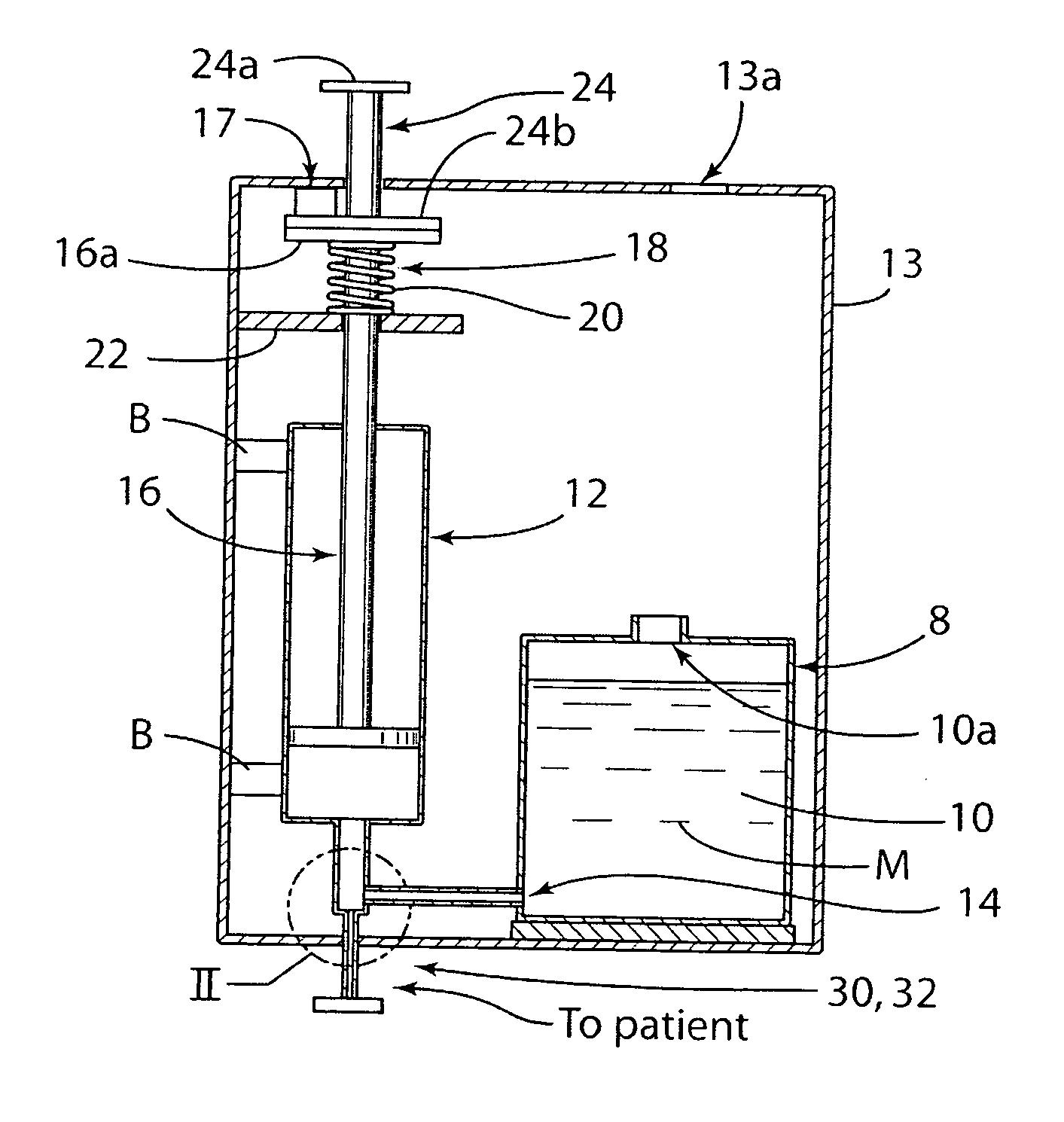
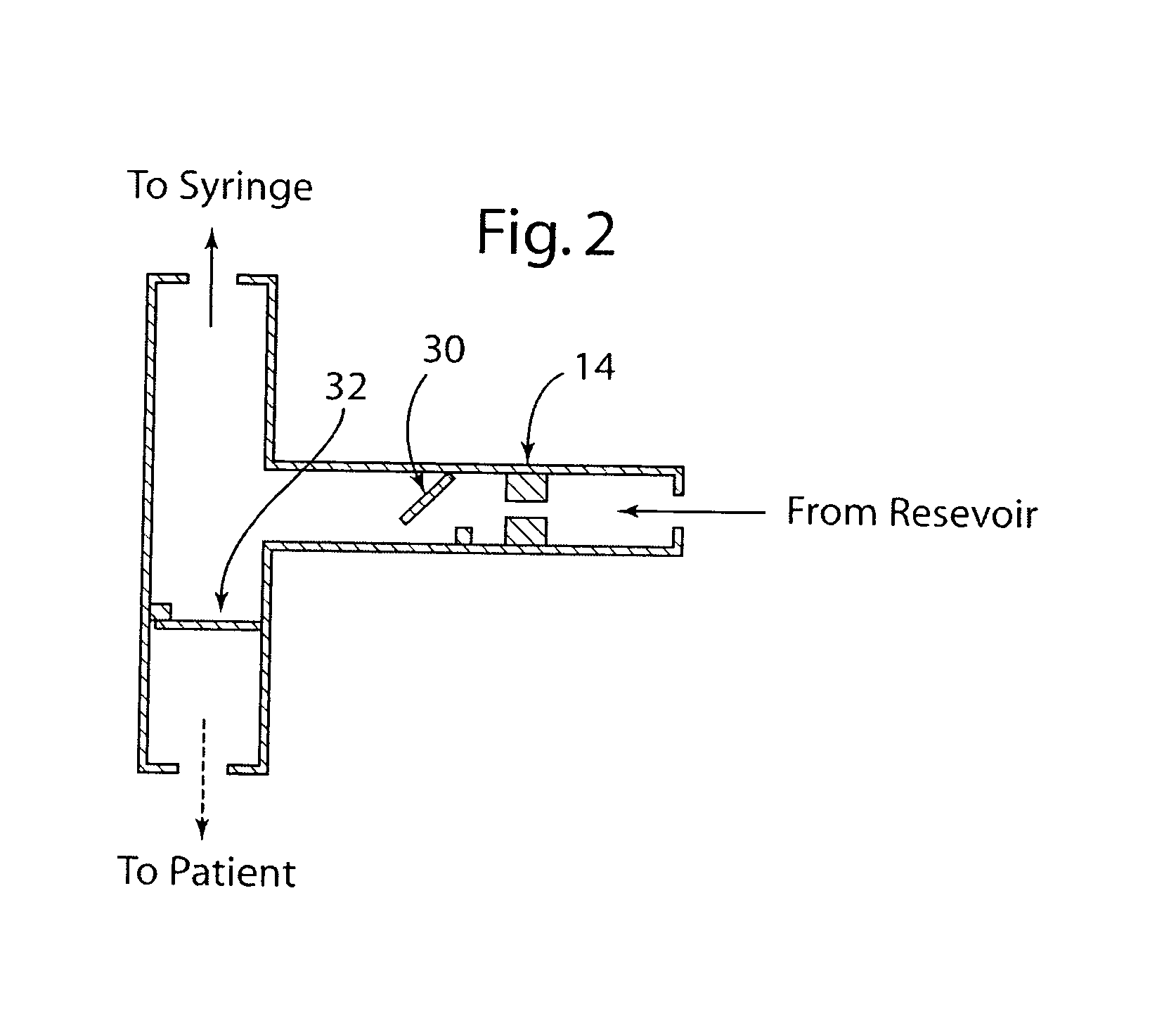
- A mechanical, low-cost, disposable PCA device with an IV medication reservoir, a syringe, and a biasing element that allows patients to titrate their own pain medication by drawing a calibrated amount from the reservoir and injecting it into their IV, using a patient-operable injection plunger that is independent of the syringe plunger, ensuring safe and controlled dosing.
Intelligently controlling patient-controlled drug delivery
PatentPendingEP4576109A1
Innovation
- Implementing an infusion control device with drug-control algorithms that detect patient-controlled drug-requesting devices and sensor devices, identify patients, and authorize drug delivery based on patient physiological data and drug administration history, ensuring safe and controlled drug delivery through interoperable communication with various drug-delivery apparatuses.


Medical Device Regulatory Requirements for PCA Systems
Patient-controlled analgesia (PCA) systems are classified as Class II medical devices under FDA regulations, requiring 510(k) premarket notification for most conventional systems. However, devices incorporating advanced simplification features for elderly patients may face additional scrutiny due to novel user interface modifications and safety considerations. The regulatory pathway becomes more complex when implementing age-specific design modifications, as these changes must demonstrate substantial equivalence to predicate devices while addressing unique elderly patient needs.
FDA guidance documents emphasize human factors engineering requirements, particularly critical for elderly-focused PCA systems. Manufacturers must conduct comprehensive usability studies demonstrating that simplified interfaces do not compromise safety or efficacy. The FDA's Human Factors and Medical Devices guidance requires validation that elderly patients can safely operate simplified controls under various conditions, including cognitive impairment scenarios and low-light environments commonly found in healthcare settings.
International regulatory harmonization presents additional challenges for global market entry. European MDR requirements mandate clinical evidence demonstrating safety and performance, while ISO 14155 clinical investigation standards apply to devices with significant design modifications. The simplified control mechanisms must comply with IEC 60601-2-24 standards for infusion pumps, ensuring electromagnetic compatibility and essential safety requirements are maintained despite interface modifications.
Risk management under ISO 14971 requires extensive analysis of failure modes specific to simplified elderly interfaces. Regulatory submissions must address potential risks including accidental overdose due to simplified button layouts, inadequate pain management from overly restrictive controls, and device misuse by cognitively impaired patients. Manufacturers must demonstrate that simplification measures include appropriate safeguards without creating new hazard scenarios.
Post-market surveillance requirements become particularly stringent for elderly-targeted devices. FDA expects robust adverse event reporting systems and periodic safety updates addressing age-related usage patterns. The regulatory framework demands continuous monitoring of real-world performance data, ensuring that simplified designs maintain their intended safety profile across diverse elderly patient populations and healthcare environments.
FDA guidance documents emphasize human factors engineering requirements, particularly critical for elderly-focused PCA systems. Manufacturers must conduct comprehensive usability studies demonstrating that simplified interfaces do not compromise safety or efficacy. The FDA's Human Factors and Medical Devices guidance requires validation that elderly patients can safely operate simplified controls under various conditions, including cognitive impairment scenarios and low-light environments commonly found in healthcare settings.
International regulatory harmonization presents additional challenges for global market entry. European MDR requirements mandate clinical evidence demonstrating safety and performance, while ISO 14155 clinical investigation standards apply to devices with significant design modifications. The simplified control mechanisms must comply with IEC 60601-2-24 standards for infusion pumps, ensuring electromagnetic compatibility and essential safety requirements are maintained despite interface modifications.
Risk management under ISO 14971 requires extensive analysis of failure modes specific to simplified elderly interfaces. Regulatory submissions must address potential risks including accidental overdose due to simplified button layouts, inadequate pain management from overly restrictive controls, and device misuse by cognitively impaired patients. Manufacturers must demonstrate that simplification measures include appropriate safeguards without creating new hazard scenarios.
Post-market surveillance requirements become particularly stringent for elderly-targeted devices. FDA expects robust adverse event reporting systems and periodic safety updates addressing age-related usage patterns. The regulatory framework demands continuous monitoring of real-world performance data, ensuring that simplified designs maintain their intended safety profile across diverse elderly patient populations and healthcare environments.
Cognitive Accessibility Standards in Medical Device Design
Cognitive accessibility standards in medical device design represent a critical framework for ensuring that healthcare technologies can be effectively used by patients with varying cognitive abilities, particularly elderly users who may experience age-related cognitive changes. These standards encompass principles that address memory limitations, processing speed variations, attention deficits, and executive function challenges commonly observed in aging populations.
The foundation of cognitive accessibility lies in universal design principles that prioritize simplicity, consistency, and error prevention. For PCA pump interfaces, these standards mandate clear visual hierarchies, intuitive navigation patterns, and reduced cognitive load through streamlined information presentation. Key guidelines include limiting the number of simultaneous choices, using familiar symbols and terminology, and providing clear feedback for user actions.
International standards such as ISO 14971 and IEC 62366-1 establish baseline requirements for usability engineering in medical devices, while emerging frameworks specifically address cognitive accessibility. The FDA's Human Factors Engineering guidance emphasizes the importance of considering use-related risks, particularly for vulnerable populations including elderly patients with potential cognitive impairments.
Memory support mechanisms constitute another essential component of cognitive accessibility standards. These include persistent visual cues, step-by-step guidance systems, and confirmation protocols that help users maintain awareness of their actions and system status. For elderly PCA pump users, standards recommend implementing memory aids such as visual progress indicators and clear state displays.
Error prevention and recovery protocols form a crucial aspect of cognitive accessibility design. Standards require robust safeguards against user errors, including confirmation dialogs for critical actions, reversible operations where possible, and clear error messages that guide users toward correct actions. These measures are particularly vital for elderly patients who may be more susceptible to confusion or mistakes when managing pain medication.
Customization capabilities represent an advanced aspect of cognitive accessibility standards, allowing interfaces to adapt to individual user needs and preferences. This includes adjustable text sizes, contrast settings, and simplified mode options that can accommodate varying levels of cognitive function and visual acuity among elderly users.
The foundation of cognitive accessibility lies in universal design principles that prioritize simplicity, consistency, and error prevention. For PCA pump interfaces, these standards mandate clear visual hierarchies, intuitive navigation patterns, and reduced cognitive load through streamlined information presentation. Key guidelines include limiting the number of simultaneous choices, using familiar symbols and terminology, and providing clear feedback for user actions.
International standards such as ISO 14971 and IEC 62366-1 establish baseline requirements for usability engineering in medical devices, while emerging frameworks specifically address cognitive accessibility. The FDA's Human Factors Engineering guidance emphasizes the importance of considering use-related risks, particularly for vulnerable populations including elderly patients with potential cognitive impairments.
Memory support mechanisms constitute another essential component of cognitive accessibility standards. These include persistent visual cues, step-by-step guidance systems, and confirmation protocols that help users maintain awareness of their actions and system status. For elderly PCA pump users, standards recommend implementing memory aids such as visual progress indicators and clear state displays.
Error prevention and recovery protocols form a crucial aspect of cognitive accessibility design. Standards require robust safeguards against user errors, including confirmation dialogs for critical actions, reversible operations where possible, and clear error messages that guide users toward correct actions. These measures are particularly vital for elderly patients who may be more susceptible to confusion or mistakes when managing pain medication.
Customization capabilities represent an advanced aspect of cognitive accessibility standards, allowing interfaces to adapt to individual user needs and preferences. This includes adjustable text sizes, contrast settings, and simplified mode options that can accommodate varying levels of cognitive function and visual acuity among elderly users.
Unlock deeper insights with PatSnap Eureka Quick Research — get a full tech report to explore trends and direct your research. Try now!
Generate Your Research Report Instantly with AI Agent
Supercharge your innovation with PatSnap Eureka AI Agent Platform!