

How to Train Technical Workforce for Advanced HEV Systems?
AUG 14, 20259 MIN READ
Generate Your Research Report Instantly with AI Agent
PatSnap Eureka helps you evaluate technical feasibility & market potential.
HEV Systems Training Background and Objectives
The evolution of Hybrid Electric Vehicle (HEV) systems has been a significant milestone in the automotive industry's journey towards sustainable transportation. As these systems become increasingly sophisticated, the need for a highly skilled technical workforce has become paramount. The background of HEV systems training is rooted in the rapid technological advancements and the growing demand for fuel-efficient, environmentally friendly vehicles.
HEV systems combine conventional internal combustion engines with electric propulsion systems, requiring a deep understanding of both mechanical and electrical engineering principles. The complexity of these systems has grown exponentially over the past two decades, incorporating advanced power electronics, energy management algorithms, and intricate control systems. This technological progression has created a skills gap in the automotive workforce, necessitating comprehensive training programs to bridge this divide.
The primary objective of HEV systems training is to develop a workforce capable of designing, manufacturing, maintaining, and innovating in the field of hybrid vehicle technology. This involves equipping technicians and engineers with a multidisciplinary skill set that spans electrical engineering, mechanical systems, power electronics, and software development. The training aims to foster a deep understanding of HEV architecture, including battery management systems, electric motors, power converters, and the intricate interplay between these components.
Another crucial aspect of HEV systems training is to instill a forward-thinking mindset in the workforce. As the technology continues to evolve, professionals must be prepared to adapt to new developments and challenges. This includes staying abreast of emerging trends such as vehicle-to-grid integration, advanced driver assistance systems (ADAS), and the potential transition to fully electric powertrains.
The training objectives also extend to developing problem-solving skills specific to HEV systems. This involves troubleshooting complex issues that may arise from the interaction of multiple subsystems, diagnosing faults in both mechanical and electrical components, and optimizing system performance under various operating conditions. Additionally, the training aims to cultivate a safety-first approach, given the high-voltage systems involved in HEV technology.
In the broader context, HEV systems training is aligned with global initiatives to reduce carbon emissions and promote sustainable transportation solutions. By creating a skilled workforce capable of advancing HEV technology, the industry aims to accelerate the adoption of hybrid vehicles and contribute to environmental conservation efforts. This aligns with regulatory pressures and consumer demands for more efficient and eco-friendly transportation options.
HEV systems combine conventional internal combustion engines with electric propulsion systems, requiring a deep understanding of both mechanical and electrical engineering principles. The complexity of these systems has grown exponentially over the past two decades, incorporating advanced power electronics, energy management algorithms, and intricate control systems. This technological progression has created a skills gap in the automotive workforce, necessitating comprehensive training programs to bridge this divide.
The primary objective of HEV systems training is to develop a workforce capable of designing, manufacturing, maintaining, and innovating in the field of hybrid vehicle technology. This involves equipping technicians and engineers with a multidisciplinary skill set that spans electrical engineering, mechanical systems, power electronics, and software development. The training aims to foster a deep understanding of HEV architecture, including battery management systems, electric motors, power converters, and the intricate interplay between these components.
Another crucial aspect of HEV systems training is to instill a forward-thinking mindset in the workforce. As the technology continues to evolve, professionals must be prepared to adapt to new developments and challenges. This includes staying abreast of emerging trends such as vehicle-to-grid integration, advanced driver assistance systems (ADAS), and the potential transition to fully electric powertrains.
The training objectives also extend to developing problem-solving skills specific to HEV systems. This involves troubleshooting complex issues that may arise from the interaction of multiple subsystems, diagnosing faults in both mechanical and electrical components, and optimizing system performance under various operating conditions. Additionally, the training aims to cultivate a safety-first approach, given the high-voltage systems involved in HEV technology.
In the broader context, HEV systems training is aligned with global initiatives to reduce carbon emissions and promote sustainable transportation solutions. By creating a skilled workforce capable of advancing HEV technology, the industry aims to accelerate the adoption of hybrid vehicles and contribute to environmental conservation efforts. This aligns with regulatory pressures and consumer demands for more efficient and eco-friendly transportation options.
Workforce Demand Analysis for HEV Technicians
The demand for skilled technicians in the field of Hybrid Electric Vehicle (HEV) systems is experiencing a significant surge, driven by the rapid growth of the electric vehicle market and the increasing complexity of HEV technologies. As automotive manufacturers continue to invest heavily in electrification, the need for a workforce capable of developing, maintaining, and repairing advanced HEV systems has become critical.
Market analysis indicates that the global HEV market is projected to grow at a compound annual growth rate (CAGR) of over 8% in the coming years. This growth is fueled by stringent emissions regulations, government incentives for eco-friendly vehicles, and increasing consumer awareness of environmental issues. As a result, the demand for HEV technicians is expected to outpace the supply, creating a significant skills gap in the automotive industry.
The workforce requirements for HEV technicians are multifaceted, encompassing a blend of traditional automotive knowledge and specialized skills in electric and hybrid systems. Key areas of expertise include high-voltage battery systems, power electronics, electric motors, regenerative braking systems, and advanced diagnostics. Additionally, technicians must be proficient in working with sophisticated onboard computer systems and have a strong understanding of safety protocols specific to high-voltage systems.
Industry surveys reveal that automotive service centers and dealerships are struggling to find qualified technicians with HEV-specific skills. This shortage is particularly acute in regions with high EV adoption rates, such as California in the United States and several European countries. The gap between workforce demand and available skilled technicians is expected to widen as HEV technology continues to evolve and become more prevalent in the automotive market.
To address this growing demand, educational institutions and vocational training programs are beginning to incorporate HEV-specific courses into their curricula. However, the pace of curriculum development and implementation often lags behind the rapid advancements in HEV technology. This delay creates a continuous need for up-to-date training programs that can quickly adapt to technological changes and industry requirements.
The automotive industry is also witnessing a shift in the required skill set for technicians. Beyond technical expertise, employers are seeking individuals with strong problem-solving abilities, digital literacy, and adaptability to keep pace with the evolving technology landscape. Soft skills such as communication and teamwork are becoming increasingly important as HEV systems require collaboration across various engineering disciplines.
As the HEV market matures, the demand for specialized technicians is expected to diversify. There will be a growing need for experts in areas such as battery management systems, power electronics design, and advanced diagnostics software. This specialization will likely lead to the emergence of new job roles and career paths within the HEV technician field, further expanding the workforce demand.
Market analysis indicates that the global HEV market is projected to grow at a compound annual growth rate (CAGR) of over 8% in the coming years. This growth is fueled by stringent emissions regulations, government incentives for eco-friendly vehicles, and increasing consumer awareness of environmental issues. As a result, the demand for HEV technicians is expected to outpace the supply, creating a significant skills gap in the automotive industry.
The workforce requirements for HEV technicians are multifaceted, encompassing a blend of traditional automotive knowledge and specialized skills in electric and hybrid systems. Key areas of expertise include high-voltage battery systems, power electronics, electric motors, regenerative braking systems, and advanced diagnostics. Additionally, technicians must be proficient in working with sophisticated onboard computer systems and have a strong understanding of safety protocols specific to high-voltage systems.
Industry surveys reveal that automotive service centers and dealerships are struggling to find qualified technicians with HEV-specific skills. This shortage is particularly acute in regions with high EV adoption rates, such as California in the United States and several European countries. The gap between workforce demand and available skilled technicians is expected to widen as HEV technology continues to evolve and become more prevalent in the automotive market.
To address this growing demand, educational institutions and vocational training programs are beginning to incorporate HEV-specific courses into their curricula. However, the pace of curriculum development and implementation often lags behind the rapid advancements in HEV technology. This delay creates a continuous need for up-to-date training programs that can quickly adapt to technological changes and industry requirements.
The automotive industry is also witnessing a shift in the required skill set for technicians. Beyond technical expertise, employers are seeking individuals with strong problem-solving abilities, digital literacy, and adaptability to keep pace with the evolving technology landscape. Soft skills such as communication and teamwork are becoming increasingly important as HEV systems require collaboration across various engineering disciplines.
As the HEV market matures, the demand for specialized technicians is expected to diversify. There will be a growing need for experts in areas such as battery management systems, power electronics design, and advanced diagnostics software. This specialization will likely lead to the emergence of new job roles and career paths within the HEV technician field, further expanding the workforce demand.
Current Challenges in HEV Technical Education
The rapid evolution of Hybrid Electric Vehicle (HEV) technology presents significant challenges for technical education in this field. One of the primary obstacles is the fast-paced nature of technological advancements, which often outpaces curriculum development. Educational institutions struggle to keep their programs up-to-date with the latest HEV systems, components, and software, leading to a gap between academic knowledge and industry requirements.
Another major challenge is the interdisciplinary nature of HEV systems. These vehicles integrate complex mechanical, electrical, and software components, requiring educators to possess expertise across multiple domains. Many institutions lack faculty members with comprehensive knowledge in all these areas, making it difficult to provide holistic training to students.
The shortage of hands-on training opportunities poses another significant hurdle. HEV systems are expensive and complex, making it challenging for educational institutions to provide students with practical experience on real-world systems. This lack of hands-on training can result in graduates who are theoretically knowledgeable but lack the practical skills needed in the industry.
Furthermore, the rapidly changing regulatory landscape surrounding HEV technology creates additional complexity in technical education. Educators must stay informed about evolving emissions standards, safety regulations, and government policies that impact HEV design and manufacturing, and incorporate these aspects into their curricula.
The need for continuous professional development among educators themselves is another challenge. As HEV technology evolves, instructors must regularly update their knowledge and skills to remain effective in their teaching roles. However, many institutions lack the resources or infrastructure to support ongoing faculty training and development in this specialized field.
Additionally, there is a growing demand for specialized software skills in the HEV industry, particularly in areas such as battery management systems, power electronics control, and vehicle diagnostics. Educational programs often struggle to incorporate these advanced software skills into their curricula, leading to a skills gap among graduates.
Lastly, the global nature of the HEV industry presents challenges in standardizing education across different regions. Variations in technological standards, market demands, and regulatory requirements across countries make it difficult to develop universally applicable training programs for the HEV workforce.
Another major challenge is the interdisciplinary nature of HEV systems. These vehicles integrate complex mechanical, electrical, and software components, requiring educators to possess expertise across multiple domains. Many institutions lack faculty members with comprehensive knowledge in all these areas, making it difficult to provide holistic training to students.
The shortage of hands-on training opportunities poses another significant hurdle. HEV systems are expensive and complex, making it challenging for educational institutions to provide students with practical experience on real-world systems. This lack of hands-on training can result in graduates who are theoretically knowledgeable but lack the practical skills needed in the industry.
Furthermore, the rapidly changing regulatory landscape surrounding HEV technology creates additional complexity in technical education. Educators must stay informed about evolving emissions standards, safety regulations, and government policies that impact HEV design and manufacturing, and incorporate these aspects into their curricula.
The need for continuous professional development among educators themselves is another challenge. As HEV technology evolves, instructors must regularly update their knowledge and skills to remain effective in their teaching roles. However, many institutions lack the resources or infrastructure to support ongoing faculty training and development in this specialized field.
Additionally, there is a growing demand for specialized software skills in the HEV industry, particularly in areas such as battery management systems, power electronics control, and vehicle diagnostics. Educational programs often struggle to incorporate these advanced software skills into their curricula, leading to a skills gap among graduates.
Lastly, the global nature of the HEV industry presents challenges in standardizing education across different regions. Variations in technological standards, market demands, and regulatory requirements across countries make it difficult to develop universally applicable training programs for the HEV workforce.
Existing HEV Training Programs and Curricula
01 Workforce management and scheduling systems
Advanced systems for managing and scheduling technical workforce, optimizing resource allocation, and improving operational efficiency. These systems often incorporate AI and machine learning algorithms to predict staffing needs, automate shift assignments, and handle complex scheduling constraints.- Workforce management and scheduling systems: Advanced systems for managing and scheduling technical workforce, optimizing resource allocation, and improving operational efficiency. These systems often incorporate AI and machine learning algorithms to predict staffing needs, automate shift assignments, and handle complex scheduling constraints.
- Skill assessment and training platforms: Platforms designed to assess the skills of technical workers, identify gaps in knowledge, and provide targeted training programs. These systems help organizations maintain a highly skilled workforce, adapt to technological changes, and improve overall productivity.
- Remote workforce management tools: Tools and technologies for managing distributed technical teams, enabling effective collaboration, monitoring productivity, and ensuring seamless communication. These solutions address the challenges of remote work in technical fields, including project management, time tracking, and performance evaluation.
- Talent acquisition and retention strategies: Innovative approaches to attracting, recruiting, and retaining technical talent in a competitive job market. These strategies may include AI-powered candidate matching, predictive analytics for employee retention, and personalized career development programs.
- Workforce analytics and performance optimization: Advanced analytics tools for measuring and optimizing the performance of technical workforce. These systems collect and analyze data on various aspects of employee performance, productivity, and engagement to provide insights for decision-making and continuous improvement.
02 Skills assessment and training platforms
Platforms designed to assess the technical skills of workforce members, identify skill gaps, and provide targeted training programs. These systems help organizations maintain a competent technical workforce by continuously evaluating and improving employee capabilities.Expand Specific Solutions03 Remote workforce management tools
Tools and technologies specifically developed to manage and support remote technical workforces. These solutions often include features for virtual collaboration, time tracking, project management, and performance monitoring for distributed teams.Expand Specific Solutions04 Workforce analytics and performance tracking
Systems that collect and analyze data on technical workforce performance, productivity, and engagement. These analytics tools provide insights to help organizations make data-driven decisions about workforce management, identify top performers, and optimize team compositions.Expand Specific Solutions05 Talent acquisition and retention strategies
Innovative approaches and technologies for attracting, recruiting, and retaining technical talent. These may include AI-powered candidate matching systems, predictive hiring models, and employee engagement platforms designed to reduce turnover in technical roles.Expand Specific Solutions
Key Stakeholders in HEV Workforce Development
The competitive landscape for training technical workforce for advanced HEV systems is evolving rapidly as the automotive industry transitions towards electrification. The market is in a growth phase, with increasing demand for skilled professionals in hybrid electric vehicle technologies. Major players like Ford, GM, Toyota, and Hyundai are investing heavily in workforce development programs. The technology is maturing, with established automakers and new entrants like Chery and Changan developing proprietary HEV systems. Universities such as Chongqing University and Jilin University are also contributing to the talent pipeline. The market size is expanding globally, driven by stricter emissions regulations and consumer demand for fuel-efficient vehicles.
Ford Global Technologies LLC
Technical Solution: Ford has implemented a blended learning approach to train its technical workforce for advanced HEV systems. The company utilizes a combination of online modules, virtual reality (VR) simulations, and in-person workshops to provide a well-rounded education. Ford's training program covers topics such as high-voltage safety, battery management systems, and regenerative braking technologies. The company has also developed a series of micro-learning modules that allow technicians to quickly update their knowledge on specific HEV components or systems[2]. Ford's training strategy includes partnerships with community colleges and technical schools to integrate HEV-specific courses into existing automotive programs, ensuring a steady influx of qualified technicians[4].
Strengths: Innovative use of VR technology and micro-learning modules for flexible, targeted training. Weaknesses: May require significant investment in VR equipment and software development, potentially limiting accessibility for smaller service centers.
GM Global Technology Operations LLC
Technical Solution: GM has developed a comprehensive training program for its HEV technical workforce, focusing on both theoretical knowledge and practical skills. The company utilizes a modular approach, allowing technicians to progress through different levels of expertise. GM's training includes advanced diagnostic tools and software, enabling technicians to effectively troubleshoot complex HEV systems. The company has also implemented a mentorship program, pairing experienced HEV technicians with newer employees to facilitate knowledge transfer[5]. GM collaborates with suppliers to provide specialized training on specific components, ensuring technicians are familiar with the latest advancements in HEV technology[6].
Strengths: Modular approach allows for tailored learning paths, strong emphasis on practical diagnostics skills. Weaknesses: Heavy reliance on proprietary diagnostic tools may limit technicians' ability to work on non-GM HEV systems.
Innovative Approaches in HEV Technical Education
Hybrid electric vehicle and method of operating engine of the same
PatentPendingKR1020230034177A
Innovation
- A hybrid electric vehicle with a gasoline diffusion flame combustion engine, a motor-generator, and a multi-mode controller that manages multiple operating modes, including EV, GDF, and GDF+EV modes, to optimize energy efficiency and robustness without torque drops.


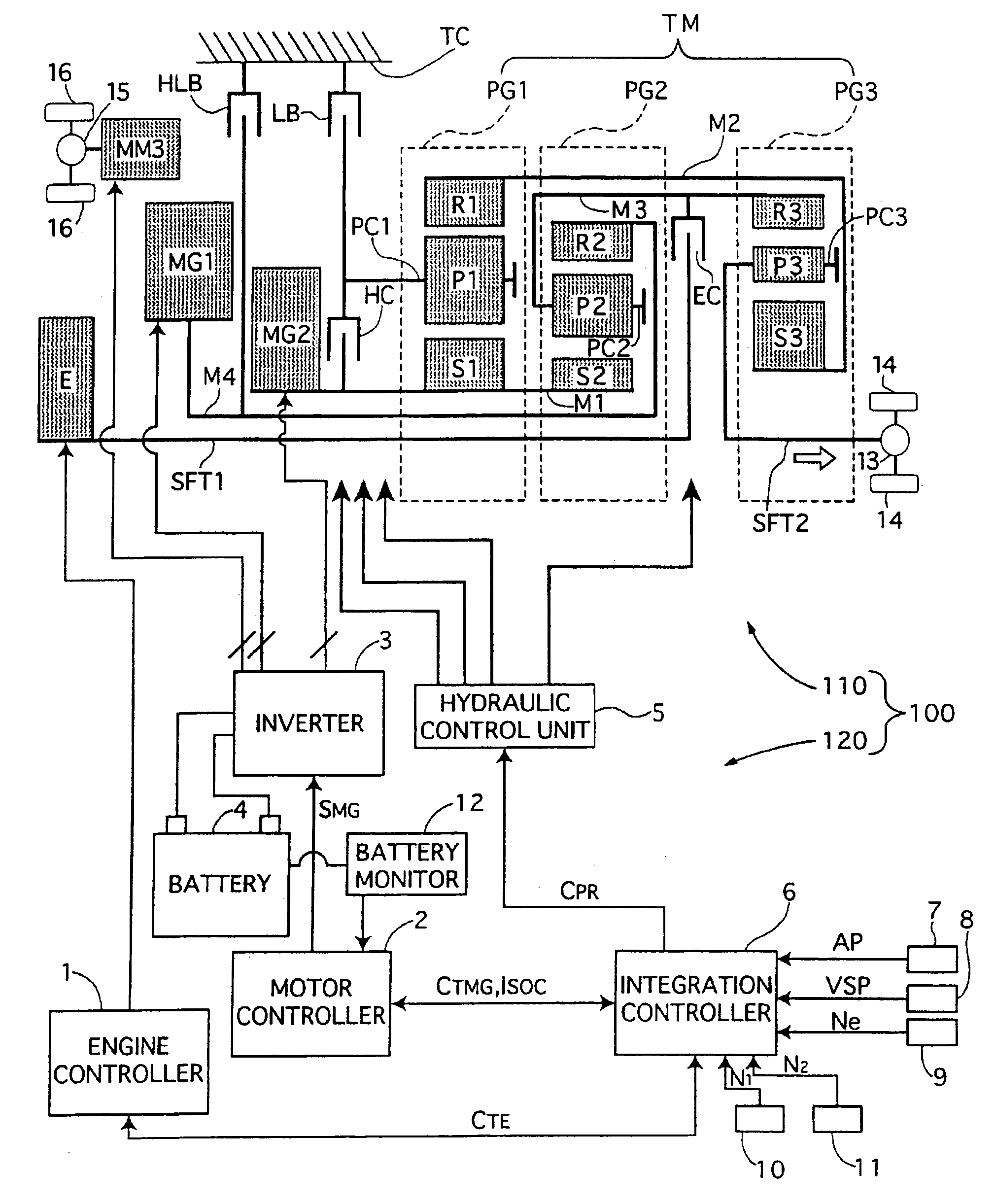
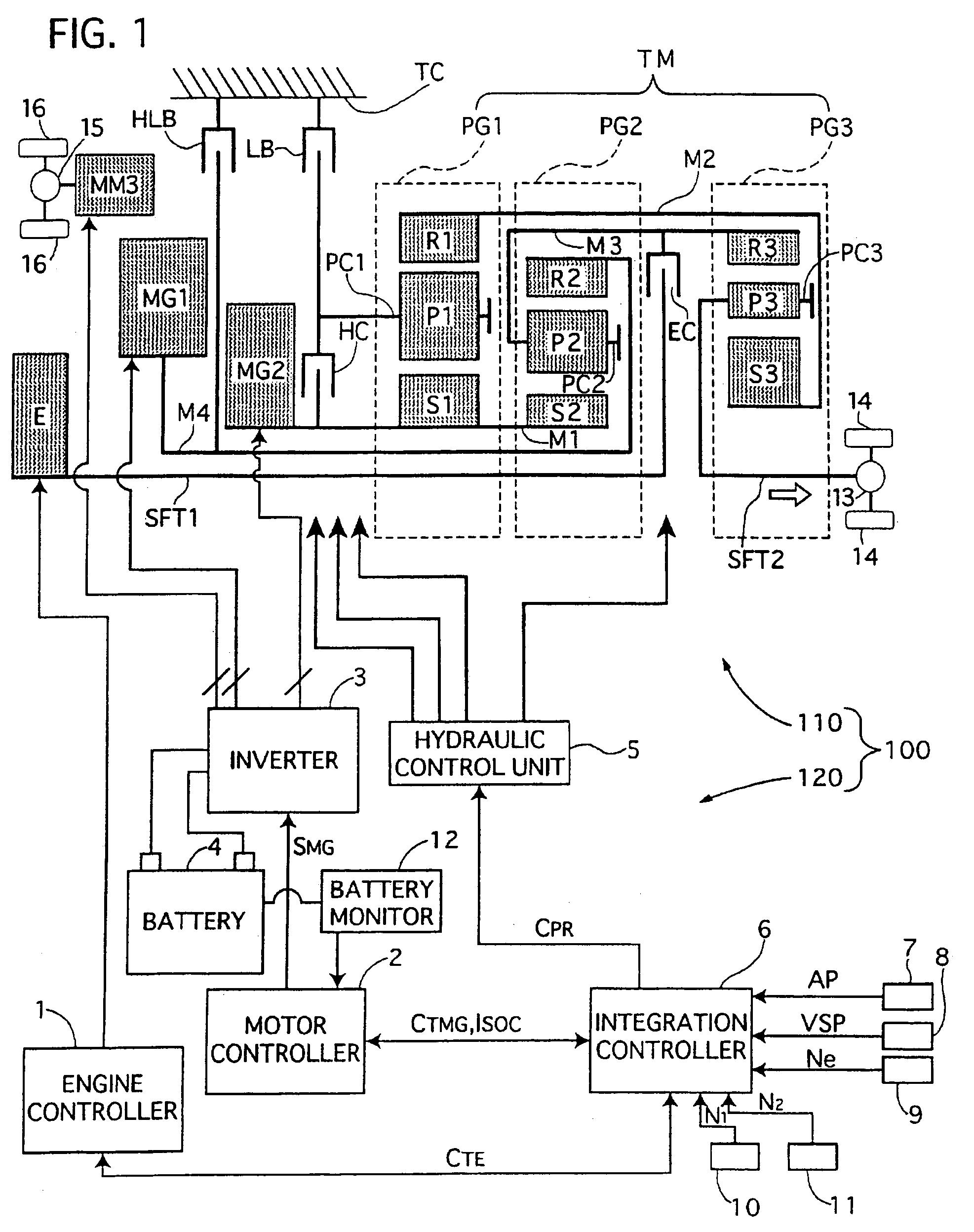
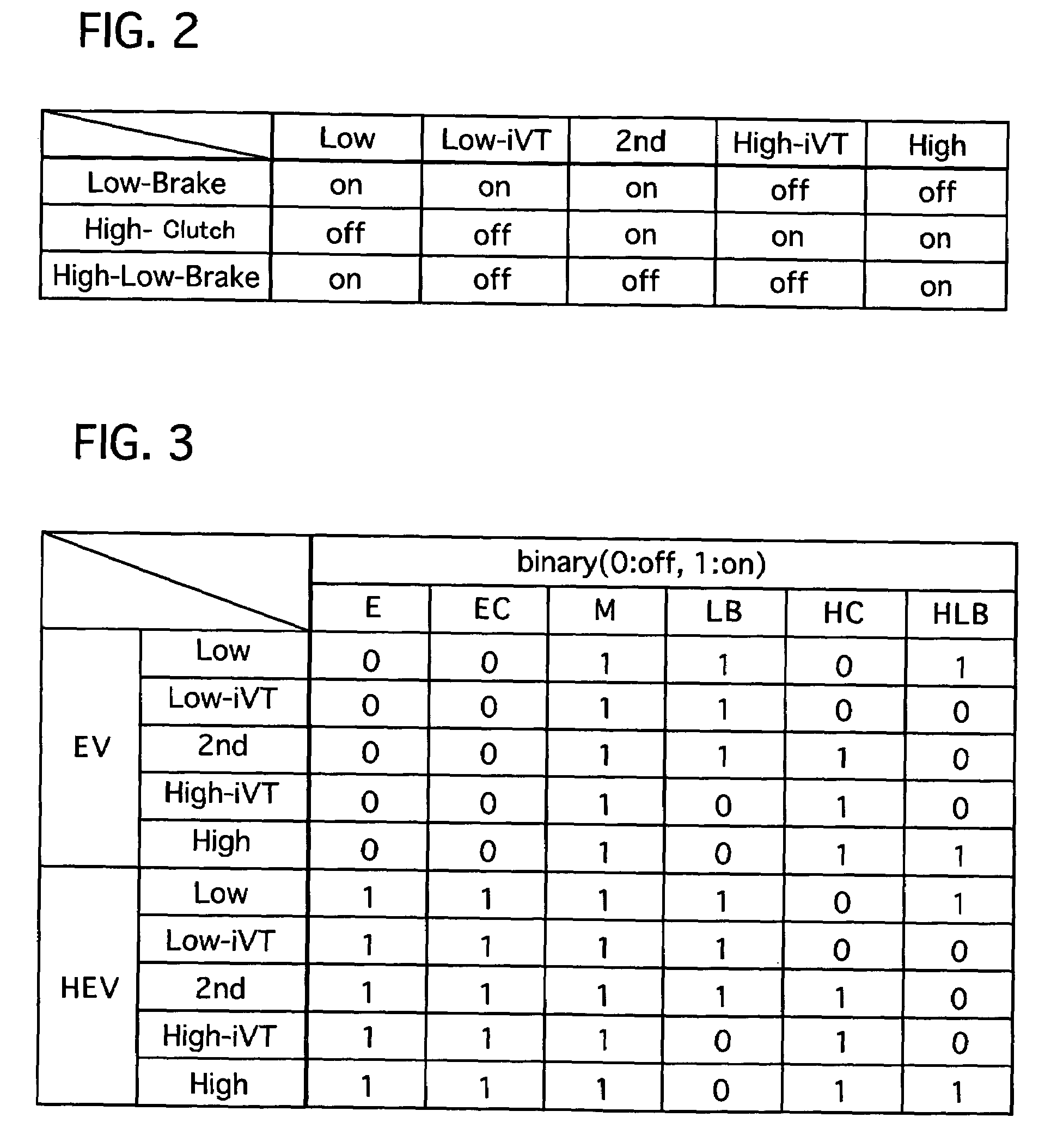
Drive train for hybrid electric vehicle
PatentInactiveUS7053566B2
Innovation
- A drive train system with a third motor and planetary gear sets that redirects surplus power from the power balance between the first and second motor/generators to the third motor during large driving force modes, enhancing fuel efficiency and eliminating the need for cooling measures by utilizing this surplus power.

Industry-Academia Collaboration Models
Industry-Academia collaboration models play a crucial role in training the technical workforce for advanced Hybrid Electric Vehicle (HEV) systems. These partnerships bridge the gap between theoretical knowledge and practical industry needs, ensuring that graduates are well-prepared for the rapidly evolving automotive sector.
One effective model is the establishment of joint research centers between universities and automotive companies. These centers focus on cutting-edge HEV technologies, allowing students to work on real-world projects alongside industry professionals. This hands-on experience provides invaluable insights into the latest advancements in HEV systems and helps students develop the skills required by the industry.
Internship programs tailored specifically for HEV systems are another vital component of industry-academia collaboration. These programs offer students the opportunity to work in automotive companies, gaining practical experience in designing, testing, and maintaining advanced HEV systems. Such experiences often lead to smoother transitions into full-time employment upon graduation.
Collaborative curriculum development is essential in ensuring that academic programs align with industry needs. Industry experts can contribute to course design, providing input on the most relevant topics and skills required for HEV system development. This approach helps universities stay current with rapidly changing technologies and industry standards.
Guest lecture series and workshops conducted by industry professionals can supplement traditional coursework. These sessions provide students with insights into real-world challenges and solutions in HEV system development, as well as exposure to the latest industry trends and best practices.
Industry-sponsored capstone projects allow students to work on practical HEV-related problems, often using real data and resources provided by partnering companies. These projects not only enhance students' technical skills but also develop their problem-solving and project management abilities.
Continuing education programs, jointly developed by universities and industry partners, can help upskill the existing workforce. These programs can focus on specific aspects of HEV systems, such as battery management, power electronics, or control systems, allowing professionals to stay current with technological advancements.
Lastly, establishing industry advisory boards for academic departments can ensure ongoing alignment between educational programs and industry needs. These boards can provide regular feedback on curriculum relevance, identify emerging skill requirements, and suggest new areas of focus for research and education in HEV systems.
One effective model is the establishment of joint research centers between universities and automotive companies. These centers focus on cutting-edge HEV technologies, allowing students to work on real-world projects alongside industry professionals. This hands-on experience provides invaluable insights into the latest advancements in HEV systems and helps students develop the skills required by the industry.
Internship programs tailored specifically for HEV systems are another vital component of industry-academia collaboration. These programs offer students the opportunity to work in automotive companies, gaining practical experience in designing, testing, and maintaining advanced HEV systems. Such experiences often lead to smoother transitions into full-time employment upon graduation.
Collaborative curriculum development is essential in ensuring that academic programs align with industry needs. Industry experts can contribute to course design, providing input on the most relevant topics and skills required for HEV system development. This approach helps universities stay current with rapidly changing technologies and industry standards.
Guest lecture series and workshops conducted by industry professionals can supplement traditional coursework. These sessions provide students with insights into real-world challenges and solutions in HEV system development, as well as exposure to the latest industry trends and best practices.
Industry-sponsored capstone projects allow students to work on practical HEV-related problems, often using real data and resources provided by partnering companies. These projects not only enhance students' technical skills but also develop their problem-solving and project management abilities.
Continuing education programs, jointly developed by universities and industry partners, can help upskill the existing workforce. These programs can focus on specific aspects of HEV systems, such as battery management, power electronics, or control systems, allowing professionals to stay current with technological advancements.
Lastly, establishing industry advisory boards for academic departments can ensure ongoing alignment between educational programs and industry needs. These boards can provide regular feedback on curriculum relevance, identify emerging skill requirements, and suggest new areas of focus for research and education in HEV systems.
Skills Gap Analysis for Advanced HEV Systems
The skills gap analysis for advanced Hybrid Electric Vehicle (HEV) systems reveals significant challenges in workforce readiness for this rapidly evolving technology. As HEV systems become more sophisticated, integrating complex electrical, mechanical, and software components, the demand for highly skilled technicians and engineers continues to outpace the available talent pool.
A primary area of concern is the lack of comprehensive understanding of high-voltage electrical systems and power electronics. Many technicians trained in traditional automotive systems struggle to adapt to the intricacies of HEV powertrains, which require a deep knowledge of both electrical engineering principles and automotive mechanics. This gap is particularly evident in diagnostics and troubleshooting, where technicians must be able to interpret complex data from multiple vehicle subsystems.
Another critical skills shortage lies in software and control systems. Advanced HEV systems rely heavily on sophisticated software for power management, energy optimization, and vehicle dynamics control. However, many automotive professionals lack the necessary programming skills and understanding of embedded systems to effectively work with these technologies.
The integration of regenerative braking systems and energy management strategies also presents a significant learning curve. Technicians need to understand how these systems interact with traditional mechanical brakes and how to optimize their performance for maximum efficiency and safety.
Furthermore, there is a growing need for expertise in battery technology and management systems. As battery technology rapidly advances, technicians must stay current with the latest developments in chemistry, thermal management, and safety protocols. This includes understanding complex battery monitoring systems and diagnostic procedures for identifying and addressing battery-related issues.
Cybersecurity is another emerging area where skills are lacking. With HEVs becoming increasingly connected and software-dependent, protecting these vehicles from potential cyber threats is crucial. However, there is a shortage of professionals who understand both automotive systems and cybersecurity principles.
To address these skills gaps, a multi-faceted approach to training and education is necessary. This includes updating vocational and technical school curricula to incorporate HEV-specific modules, developing specialized certification programs for existing automotive professionals, and fostering closer collaboration between industry and educational institutions to ensure training programs align with real-world needs.
A primary area of concern is the lack of comprehensive understanding of high-voltage electrical systems and power electronics. Many technicians trained in traditional automotive systems struggle to adapt to the intricacies of HEV powertrains, which require a deep knowledge of both electrical engineering principles and automotive mechanics. This gap is particularly evident in diagnostics and troubleshooting, where technicians must be able to interpret complex data from multiple vehicle subsystems.
Another critical skills shortage lies in software and control systems. Advanced HEV systems rely heavily on sophisticated software for power management, energy optimization, and vehicle dynamics control. However, many automotive professionals lack the necessary programming skills and understanding of embedded systems to effectively work with these technologies.
The integration of regenerative braking systems and energy management strategies also presents a significant learning curve. Technicians need to understand how these systems interact with traditional mechanical brakes and how to optimize their performance for maximum efficiency and safety.
Furthermore, there is a growing need for expertise in battery technology and management systems. As battery technology rapidly advances, technicians must stay current with the latest developments in chemistry, thermal management, and safety protocols. This includes understanding complex battery monitoring systems and diagnostic procedures for identifying and addressing battery-related issues.
Cybersecurity is another emerging area where skills are lacking. With HEVs becoming increasingly connected and software-dependent, protecting these vehicles from potential cyber threats is crucial. However, there is a shortage of professionals who understand both automotive systems and cybersecurity principles.
To address these skills gaps, a multi-faceted approach to training and education is necessary. This includes updating vocational and technical school curricula to incorporate HEV-specific modules, developing specialized certification programs for existing automotive professionals, and fostering closer collaboration between industry and educational institutions to ensure training programs align with real-world needs.
Unlock deeper insights with PatSnap Eureka Quick Research — get a full tech report to explore trends and direct your research. Try now!
Generate Your Research Report Instantly with AI Agent
Supercharge your innovation with PatSnap Eureka AI Agent Platform!