How Vacuum Pumps Support Energy-Efficient Building Materials
Vacuum Pump Technology Evolution and Objectives
Vacuum pump technology has undergone significant evolution since its inception in the 17th century. Initially developed for scientific experiments, vacuum pumps have become integral to various industrial processes, including the production of energy-efficient building materials. The technology has progressed from simple mechanical designs to sophisticated systems incorporating advanced materials and control mechanisms.
In the context of energy-efficient building materials, vacuum pumps play a crucial role in several manufacturing processes. They are essential in the production of aerogels, vacuum insulated panels (VIPs), and low-emissivity coatings. These materials significantly reduce heat transfer in buildings, leading to improved energy efficiency and reduced carbon footprints.
The primary objective of vacuum pump technology in this field is to create and maintain low-pressure environments necessary for the production and application of these advanced materials. For aerogels, vacuum pumps are used in the critical drying process, which removes liquid from the gel while preserving its delicate structure. In VIP manufacturing, vacuum pumps extract air from the panels, creating a near-vacuum state that minimizes heat conduction.
Recent technological advancements have focused on improving the efficiency, reliability, and environmental impact of vacuum pumps. Innovations include the development of oil-free pumps, which eliminate the risk of contamination in sensitive processes, and the integration of smart control systems for optimized performance. These improvements have led to reduced energy consumption in the pumps themselves, aligning with the overall goal of energy efficiency in building materials.
The future trajectory of vacuum pump technology in this sector is likely to involve further miniaturization, increased energy efficiency, and enhanced integration with digital systems. There is also a growing emphasis on developing pumps that can achieve higher vacuum levels while maintaining operational stability, which is crucial for the next generation of super-insulating materials.
As the demand for energy-efficient buildings continues to rise globally, driven by environmental concerns and regulatory pressures, the vacuum pump industry is expected to respond with more specialized solutions. This may include pumps designed specifically for certain types of building material production, as well as systems that can adapt to varying production scales, from small-batch custom materials to large-scale industrial manufacturing.
Market Demand for Energy-Efficient Building Materials
The demand for energy-efficient building materials has been steadily increasing in recent years, driven by a combination of environmental concerns, regulatory pressures, and economic incentives. As global energy consumption continues to rise, the building sector has come under scrutiny for its significant contribution to greenhouse gas emissions and energy usage. This has led to a growing market for materials and technologies that can improve the energy efficiency of both new constructions and existing buildings.
In the residential sector, homeowners are increasingly seeking ways to reduce their energy bills and carbon footprint. This has created a strong demand for insulation materials, energy-efficient windows, and smart building systems that can optimize energy consumption. The commercial and industrial sectors are also major drivers of this market, as businesses look to reduce operational costs and meet sustainability targets.
Government regulations and building codes have played a crucial role in shaping the market for energy-efficient building materials. Many countries have implemented stricter energy efficiency standards for new constructions and renovations, creating a regulatory environment that favors the adoption of these materials. Additionally, green building certification programs such as LEED and BREEAM have gained popularity, further incentivizing the use of energy-efficient materials in construction projects.
The market for energy-efficient building materials is diverse, encompassing a wide range of products. These include advanced insulation materials like aerogels and vacuum insulated panels, high-performance windows with low-emissivity coatings, reflective roofing materials, and phase change materials for thermal management. The integration of smart technologies and IoT devices into building materials is also an emerging trend, allowing for more precise control of energy consumption.
Vacuum pumps play a significant role in the production of several energy-efficient building materials. They are particularly important in the manufacturing of vacuum insulated panels and low-emissivity glass coatings. The ability of vacuum pumps to create low-pressure environments is crucial for these materials to achieve their high insulation properties and energy-saving capabilities.
The global market for energy-efficient building materials is expected to continue its growth trajectory. Factors such as urbanization, population growth, and the increasing focus on sustainable development are likely to drive demand in both developed and emerging markets. As technology advances and production costs decrease, these materials are becoming more accessible to a wider range of consumers and projects.
Current Vacuum Pump Challenges in Construction
Vacuum pumps play a crucial role in the construction industry, particularly in the production and application of energy-efficient building materials. However, several challenges currently hinder their optimal performance and widespread adoption in this sector.
One of the primary challenges is the energy consumption of vacuum pumps themselves. While these devices are essential for creating energy-efficient materials, they often require significant power to operate. This paradox has led to a growing demand for more energy-efficient vacuum pump designs that can maintain high performance while reducing overall energy consumption.
Maintenance and reliability issues also pose significant challenges in construction applications. The harsh environments typical of construction sites, including exposure to dust, debris, and varying weather conditions, can lead to increased wear and tear on vacuum pump components. This results in more frequent maintenance requirements and potential downtime, which can be costly and disruptive to construction projects.
Size and portability constraints present another hurdle for vacuum pump usage in construction. Many building material production processes require vacuum pumps to be integrated into existing manufacturing lines or used on-site. However, traditional vacuum pumps can be bulky and difficult to transport, limiting their applicability in certain construction scenarios.
The need for specialized vacuum pump designs tailored to specific building material applications is another challenge. Different materials and production processes may require varying levels of vacuum pressure, flow rates, and other performance characteristics. Developing versatile pumps that can adapt to these diverse requirements while maintaining efficiency is an ongoing challenge for manufacturers.
Cost considerations also play a significant role in the adoption of advanced vacuum pump technologies in construction. While more efficient and specialized pumps may offer long-term benefits, their initial investment cost can be prohibitive for some construction companies, particularly smaller firms or those operating in developing markets.
Noise pollution is an additional concern, especially in urban construction sites where noise regulations are strict. Traditional vacuum pumps can generate significant noise levels, which may limit their usage during certain hours or in noise-sensitive areas.
Lastly, the integration of vacuum pump systems with other construction technologies and processes presents a challenge. As the construction industry moves towards more automated and digitally-controlled processes, there is a growing need for vacuum pumps that can seamlessly interface with these systems, providing real-time data and remote control capabilities.
Addressing these challenges is crucial for maximizing the potential of vacuum pumps in supporting the development and application of energy-efficient building materials. Overcoming these hurdles will require collaborative efforts between vacuum pump manufacturers, construction industry experts, and materials scientists to develop innovative solutions that meet the specific needs of the construction sector.
Existing Vacuum Solutions for Energy-Efficient Materials
01 Improved pump design for energy efficiency
Vacuum pumps can be designed with optimized components and configurations to enhance energy efficiency. This includes improvements in rotor design, sealing mechanisms, and overall pump structure to reduce power consumption while maintaining or improving pumping performance.- Improved pump design for energy efficiency: Vacuum pumps can be designed with optimized components and configurations to enhance energy efficiency. This includes improvements in rotor design, sealing mechanisms, and overall pump structure to reduce power consumption while maintaining or improving pumping performance.
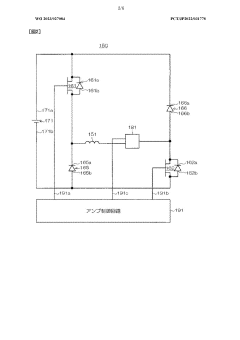
- Variable speed control systems: Implementing variable speed control systems in vacuum pumps allows for adjustable operation based on demand. This enables the pump to operate at optimal speeds for different load conditions, reducing energy waste and improving overall efficiency.
- Heat recovery and management: Utilizing heat recovery systems and improving heat management in vacuum pumps can significantly enhance energy efficiency. This involves capturing and reusing waste heat, as well as implementing better cooling mechanisms to reduce energy loss and improve overall pump performance.
- Smart control and monitoring systems: Incorporating smart control and monitoring systems into vacuum pumps allows for real-time optimization of pump operation. These systems can adjust pump parameters based on operating conditions, predict maintenance needs, and provide data for further efficiency improvements.
- Advanced materials and coatings: Using advanced materials and coatings in vacuum pump components can reduce friction, improve wear resistance, and enhance overall pump efficiency. This includes the application of low-friction coatings, corrosion-resistant materials, and lightweight alloys in pump construction.
02 Variable speed control systems
Implementing variable speed control systems in vacuum pumps allows for adjustable operation based on demand. This enables the pump to operate at optimal speeds for different load conditions, reducing energy waste and improving overall efficiency.Expand Specific Solutions03 Heat recovery and management
Incorporating heat recovery systems and improved heat management techniques can significantly enhance the energy efficiency of vacuum pumps. This includes utilizing waste heat for other processes or implementing better cooling mechanisms to reduce energy consumption.Expand Specific Solutions04 Smart control and monitoring systems
Integration of smart control and monitoring systems enables real-time optimization of vacuum pump operation. These systems can adjust pump parameters based on current conditions, predict maintenance needs, and provide data for further efficiency improvements.Expand Specific Solutions05 Use of energy-efficient materials and components
Employing advanced materials and components in vacuum pump construction can lead to reduced friction, improved thermal properties, and overall enhanced energy efficiency. This includes the use of lightweight materials, high-efficiency motors, and low-friction bearings.Expand Specific Solutions
Key Players in Vacuum Pump and Green Building Industries
The vacuum pump industry supporting energy-efficient building materials is in a mature growth phase, with a global market size expected to reach $6.5 billion by 2025. The technology has evolved significantly, with major players like LEYBOLD AG, Pfeiffer Vacuum GmbH, and Edwards Ltd. driving innovation in energy-efficient and high-performance vacuum solutions. These companies, along with others such as ULVAC, Inc. and Oerlikon Leybold Vacuum, are competing to develop more compact, quieter, and environmentally friendly pumps. The market is characterized by intense competition and a focus on R&D to meet the increasing demand for sustainable building technologies, with emerging players like Phase Change Solutions, Inc. bringing novel approaches to thermal energy management in construction materials.
LEYBOLD AG
Pfeiffer Vacuum GmbH
Innovative Vacuum Technologies for Sustainable Construction
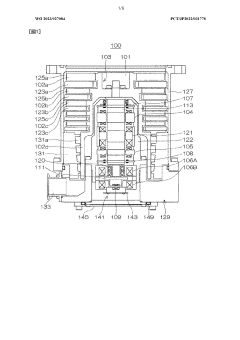
- A fixed-side member with a thermal conductivity value smaller than predetermined materials is integrated into the vacuum pump, specifically in the thread groove spacer and rotating components, using materials like stainless steel, poly ether imide, or reinforced fiber plastic to prevent heat conduction and promote self-heating, thereby reducing product accumulation without additional heat insulating materials.


- A vacuum pump design with a thermal resistance increasing structure that includes a fixed component with reduced cross-sectional area for heat transfer, supporting the lowermost fixed blade and limiting heat transfer from the pump-side fixed part to the fixed blade support part, combined with a heating component to maintain optimal temperatures and prevent gas molecule accumulation.
Environmental Impact and Sustainability Considerations
The integration of vacuum pumps in the production of energy-efficient building materials represents a significant step towards sustainable construction practices. These pumps play a crucial role in reducing the environmental impact of material manufacturing processes while enhancing the overall sustainability of buildings.
Vacuum pumps contribute to energy efficiency in several ways. By creating low-pressure environments, they facilitate the removal of moisture and air from materials during production, resulting in improved insulation properties. This enhanced insulation leads to reduced energy consumption in buildings, as less heating and cooling are required to maintain comfortable indoor temperatures. Consequently, the carbon footprint associated with building operations is significantly diminished over the structure's lifetime.
Furthermore, the use of vacuum technology in manufacturing processes often results in lighter-weight materials without compromising strength or durability. This reduction in material mass not only decreases transportation-related emissions but also lessens the overall environmental impact of construction projects. The decreased weight of building components can also lead to reduced foundation requirements, further minimizing resource consumption and associated environmental effects.
Vacuum pumps also enable the production of advanced composite materials that combine recycled content with high-performance characteristics. This approach promotes the circular economy by incorporating waste materials into new construction products, reducing landfill waste and the demand for virgin resources. The resulting materials often exhibit superior thermal and acoustic properties, contributing to more comfortable and energy-efficient living spaces.
In terms of sustainability, vacuum-assisted production methods typically require less water and generate fewer waste byproducts compared to traditional manufacturing techniques. This conservation of resources aligns with broader environmental goals and helps mitigate the construction industry's impact on water scarcity and pollution. Additionally, the precision control offered by vacuum systems often leads to more consistent product quality, reducing material waste and the need for replacements over time.
The long-term environmental benefits of using vacuum pump-supported building materials extend beyond the production phase. These materials often contribute to improved indoor air quality by reducing the presence of volatile organic compounds (VOCs) and other harmful substances. This not only enhances occupant health but also decreases the need for energy-intensive air purification systems, further reducing the building's operational energy demands.
As the construction industry continues to prioritize sustainability, the role of vacuum pumps in producing energy-efficient building materials is likely to expand. Ongoing research and development in this field promise even greater environmental benefits, potentially revolutionizing the way we approach sustainable construction and urban development.
Cost-Benefit Analysis of Vacuum-Enhanced Building Materials
The cost-benefit analysis of vacuum-enhanced building materials reveals a complex interplay of economic, environmental, and performance factors. Initial investment in vacuum-enhanced materials typically exceeds that of conventional alternatives, primarily due to the specialized manufacturing processes and equipment required. However, this higher upfront cost is often offset by long-term savings in energy consumption and maintenance.
Energy efficiency stands out as the primary benefit of vacuum-enhanced building materials. These materials significantly reduce heat transfer, leading to substantial reductions in heating and cooling costs over the building's lifetime. Studies have shown that buildings utilizing vacuum insulation panels can achieve energy savings of up to 30-40% compared to those with traditional insulation materials.
The longevity of vacuum-enhanced materials also contributes to their cost-effectiveness. While traditional insulation may degrade over time, vacuum-enhanced materials maintain their performance characteristics for extended periods, reducing replacement and maintenance costs. This durability factor should be considered when calculating the total cost of ownership over the building's lifespan.
Environmental benefits, though less directly quantifiable, play a crucial role in the overall value proposition. The reduced energy consumption translates to lower greenhouse gas emissions, aligning with increasingly stringent environmental regulations and corporate sustainability goals. This aspect can lead to indirect financial benefits through improved corporate image, potential tax incentives, and compliance with future environmental standards.
Space efficiency is another significant advantage of vacuum-enhanced materials. Their superior insulating properties allow for thinner wall constructions, potentially increasing usable floor space in buildings. In high-value real estate markets, this space saving can translate to substantial financial gains, offsetting the initial higher material costs.
However, challenges exist in the widespread adoption of these materials. The manufacturing process for vacuum-enhanced materials is more complex and energy-intensive than traditional methods, which contributes to their higher initial cost. Additionally, specialized installation techniques may be required, potentially increasing labor costs and limiting the pool of qualified contractors.
The cost-benefit equation also varies depending on the specific application and climate zone. In regions with extreme temperatures or high energy costs, the benefits of vacuum-enhanced materials are more pronounced, leading to faster return on investment. Conversely, in moderate climates or areas with low energy prices, the payback period may be extended.
In conclusion, while vacuum-enhanced building materials present a higher initial investment, their long-term benefits in energy savings, durability, and environmental impact often justify the cost. As manufacturing processes improve and economies of scale are realized, the cost-benefit ratio is expected to become increasingly favorable, potentially leading to wider adoption in the construction industry.