Integrated omics approach to understand lithium orotate's mechanism of action
AUG 19, 20259 MIN READ
Generate Your Research Report Instantly with AI Agent
Patsnap Eureka helps you evaluate technical feasibility & market potential.
Lithium Orotate Research Background and Objectives
Lithium orotate has emerged as a promising compound in the field of psychiatric and neurological research, garnering attention for its potential therapeutic benefits and unique pharmacological properties. This integrated omics approach aims to elucidate the complex mechanisms underlying lithium orotate's action, addressing a critical gap in our understanding of its effects on biological systems.
The historical context of lithium as a therapeutic agent dates back to the mid-20th century when its mood-stabilizing properties were first discovered. While lithium carbonate has been the standard form used in clinical practice, lithium orotate has gained interest due to its reported enhanced bioavailability and reduced side effects. However, the precise mechanisms by which lithium orotate exerts its effects remain poorly understood, necessitating a comprehensive investigation.
The primary objective of this research is to employ an integrated omics approach to decipher the molecular pathways and cellular processes influenced by lithium orotate. This multifaceted strategy encompasses genomics, transcriptomics, proteomics, and metabolomics, allowing for a holistic examination of the compound's impact across various biological levels. By integrating these diverse data sets, we aim to construct a comprehensive model of lithium orotate's mechanism of action.
Key research goals include identifying gene expression changes induced by lithium orotate, mapping alterations in protein abundance and post-translational modifications, and characterizing shifts in metabolic profiles. Additionally, this study seeks to elucidate potential differences in the molecular effects of lithium orotate compared to other lithium formulations, providing insights into its unique therapeutic properties.
The technological advancements in high-throughput sequencing, mass spectrometry, and bioinformatics have made this integrated omics approach feasible, enabling the generation and analysis of vast amounts of biological data. These tools allow for an unprecedented level of detail in examining the molecular landscape affected by lithium orotate, potentially revealing novel targets and pathways for therapeutic intervention.
Understanding the mechanism of action of lithium orotate is crucial for several reasons. Firstly, it may lead to the development of more targeted and effective treatments for mood disorders and other neurological conditions. Secondly, it could provide valuable insights into the broader effects of lithium on cellular function, contributing to our understanding of fundamental biological processes. Lastly, this research may pave the way for personalized medicine approaches, allowing for more precise and tailored therapeutic strategies based on individual patient profiles.
The historical context of lithium as a therapeutic agent dates back to the mid-20th century when its mood-stabilizing properties were first discovered. While lithium carbonate has been the standard form used in clinical practice, lithium orotate has gained interest due to its reported enhanced bioavailability and reduced side effects. However, the precise mechanisms by which lithium orotate exerts its effects remain poorly understood, necessitating a comprehensive investigation.
The primary objective of this research is to employ an integrated omics approach to decipher the molecular pathways and cellular processes influenced by lithium orotate. This multifaceted strategy encompasses genomics, transcriptomics, proteomics, and metabolomics, allowing for a holistic examination of the compound's impact across various biological levels. By integrating these diverse data sets, we aim to construct a comprehensive model of lithium orotate's mechanism of action.
Key research goals include identifying gene expression changes induced by lithium orotate, mapping alterations in protein abundance and post-translational modifications, and characterizing shifts in metabolic profiles. Additionally, this study seeks to elucidate potential differences in the molecular effects of lithium orotate compared to other lithium formulations, providing insights into its unique therapeutic properties.
The technological advancements in high-throughput sequencing, mass spectrometry, and bioinformatics have made this integrated omics approach feasible, enabling the generation and analysis of vast amounts of biological data. These tools allow for an unprecedented level of detail in examining the molecular landscape affected by lithium orotate, potentially revealing novel targets and pathways for therapeutic intervention.
Understanding the mechanism of action of lithium orotate is crucial for several reasons. Firstly, it may lead to the development of more targeted and effective treatments for mood disorders and other neurological conditions. Secondly, it could provide valuable insights into the broader effects of lithium on cellular function, contributing to our understanding of fundamental biological processes. Lastly, this research may pave the way for personalized medicine approaches, allowing for more precise and tailored therapeutic strategies based on individual patient profiles.
Market Analysis for Lithium-based Therapeutics
The market for lithium-based therapeutics has experienced significant growth in recent years, driven by the increasing prevalence of mood disorders and the expanding applications of lithium compounds in medical treatments. The global lithium-based therapeutics market was valued at approximately $2.3 billion in 2020 and is projected to reach $3.5 billion by 2027, with a compound annual growth rate (CAGR) of 6.2% during the forecast period.
Lithium carbonate and lithium citrate have long been the primary forms of lithium used in psychiatric treatments, particularly for bipolar disorder. However, there is growing interest in alternative lithium compounds, such as lithium orotate, due to their potential for improved bioavailability and reduced side effects. This shift in focus has created new opportunities for market expansion and product differentiation.
The demand for lithium-based therapeutics is primarily driven by the rising incidence of mental health disorders worldwide. According to the World Health Organization, approximately 45 million people globally suffer from bipolar disorder, with many more affected by other mood disorders that may benefit from lithium treatment. This large patient population represents a substantial market opportunity for lithium-based therapeutics.
Geographically, North America dominates the lithium-based therapeutics market, accounting for approximately 40% of global revenue. This is attributed to the high prevalence of mood disorders in the region, well-established healthcare infrastructure, and favorable reimbursement policies. Europe follows closely, while Asia-Pacific is expected to witness the fastest growth due to improving healthcare access and increasing awareness of mental health issues.
The market is characterized by the presence of both established pharmaceutical companies and emerging biotech firms. Key players include GlaxoSmithKline, Pfizer, Eli Lilly, and Johnson & Johnson, who have significant market share in traditional lithium-based medications. However, smaller companies specializing in novel lithium formulations, such as lithium orotate, are gaining traction and attracting investment.
The integration of omics approaches in understanding lithium orotate's mechanism of action represents a significant opportunity for market growth. This advanced research methodology could lead to the development of more targeted and effective lithium-based treatments, potentially expanding the market beyond its current applications in mood disorders. Additionally, it may help in identifying new biomarkers for patient response, enabling personalized treatment strategies and improving overall patient outcomes.
Lithium carbonate and lithium citrate have long been the primary forms of lithium used in psychiatric treatments, particularly for bipolar disorder. However, there is growing interest in alternative lithium compounds, such as lithium orotate, due to their potential for improved bioavailability and reduced side effects. This shift in focus has created new opportunities for market expansion and product differentiation.
The demand for lithium-based therapeutics is primarily driven by the rising incidence of mental health disorders worldwide. According to the World Health Organization, approximately 45 million people globally suffer from bipolar disorder, with many more affected by other mood disorders that may benefit from lithium treatment. This large patient population represents a substantial market opportunity for lithium-based therapeutics.
Geographically, North America dominates the lithium-based therapeutics market, accounting for approximately 40% of global revenue. This is attributed to the high prevalence of mood disorders in the region, well-established healthcare infrastructure, and favorable reimbursement policies. Europe follows closely, while Asia-Pacific is expected to witness the fastest growth due to improving healthcare access and increasing awareness of mental health issues.
The market is characterized by the presence of both established pharmaceutical companies and emerging biotech firms. Key players include GlaxoSmithKline, Pfizer, Eli Lilly, and Johnson & Johnson, who have significant market share in traditional lithium-based medications. However, smaller companies specializing in novel lithium formulations, such as lithium orotate, are gaining traction and attracting investment.
The integration of omics approaches in understanding lithium orotate's mechanism of action represents a significant opportunity for market growth. This advanced research methodology could lead to the development of more targeted and effective lithium-based treatments, potentially expanding the market beyond its current applications in mood disorders. Additionally, it may help in identifying new biomarkers for patient response, enabling personalized treatment strategies and improving overall patient outcomes.
Current Status and Challenges in Lithium Orotate Research
The current status of lithium orotate research presents a complex landscape with both promising advancements and significant challenges. Lithium orotate, a compound consisting of lithium and orotic acid, has gained attention in recent years as a potential alternative to traditional lithium carbonate in the treatment of mood disorders and other neurological conditions.
One of the primary challenges in lithium orotate research is the limited number of large-scale, controlled clinical trials. While anecdotal evidence and small studies suggest potential benefits, the lack of comprehensive clinical data hinders its widespread acceptance in the medical community. This gap in research also complicates efforts to establish standardized dosing protocols and safety guidelines.
Another significant hurdle is the regulatory status of lithium orotate. In many countries, including the United States, it is classified as a dietary supplement rather than a pharmaceutical drug. This classification limits the scope of research and development that can be conducted, as well as the claims that can be made about its efficacy.
The mechanism of action of lithium orotate remains incompletely understood, presenting both a challenge and an opportunity for researchers. While it is believed to have similar neuroprotective and mood-stabilizing effects as lithium carbonate, the specific pathways and molecular interactions involved are not fully elucidated. This knowledge gap hampers the development of targeted therapies and optimized formulations.
Bioavailability and pharmacokinetics of lithium orotate represent another area of active investigation. Some studies suggest that lithium orotate may have higher bioavailability and better penetration of the blood-brain barrier compared to lithium carbonate. However, these findings require further validation through rigorous pharmacological studies.
The potential for drug interactions and long-term side effects of lithium orotate use remains a concern. While preliminary data suggest a potentially improved safety profile compared to lithium carbonate, comprehensive long-term studies are lacking. This uncertainty poses challenges for healthcare providers in recommending its use, particularly for chronic conditions.
Integrating omics approaches to understand lithium orotate's mechanism of action presents both opportunities and challenges. While these advanced techniques offer the potential for a more comprehensive understanding of the compound's effects on cellular and molecular levels, they also require significant resources and expertise to implement effectively.
In conclusion, the current status of lithium orotate research is characterized by a mix of promising preliminary findings and substantial knowledge gaps. Addressing these challenges through rigorous scientific investigation and clinical trials will be crucial for realizing the potential of this compound in therapeutic applications.
One of the primary challenges in lithium orotate research is the limited number of large-scale, controlled clinical trials. While anecdotal evidence and small studies suggest potential benefits, the lack of comprehensive clinical data hinders its widespread acceptance in the medical community. This gap in research also complicates efforts to establish standardized dosing protocols and safety guidelines.
Another significant hurdle is the regulatory status of lithium orotate. In many countries, including the United States, it is classified as a dietary supplement rather than a pharmaceutical drug. This classification limits the scope of research and development that can be conducted, as well as the claims that can be made about its efficacy.
The mechanism of action of lithium orotate remains incompletely understood, presenting both a challenge and an opportunity for researchers. While it is believed to have similar neuroprotective and mood-stabilizing effects as lithium carbonate, the specific pathways and molecular interactions involved are not fully elucidated. This knowledge gap hampers the development of targeted therapies and optimized formulations.
Bioavailability and pharmacokinetics of lithium orotate represent another area of active investigation. Some studies suggest that lithium orotate may have higher bioavailability and better penetration of the blood-brain barrier compared to lithium carbonate. However, these findings require further validation through rigorous pharmacological studies.
The potential for drug interactions and long-term side effects of lithium orotate use remains a concern. While preliminary data suggest a potentially improved safety profile compared to lithium carbonate, comprehensive long-term studies are lacking. This uncertainty poses challenges for healthcare providers in recommending its use, particularly for chronic conditions.
Integrating omics approaches to understand lithium orotate's mechanism of action presents both opportunities and challenges. While these advanced techniques offer the potential for a more comprehensive understanding of the compound's effects on cellular and molecular levels, they also require significant resources and expertise to implement effectively.
In conclusion, the current status of lithium orotate research is characterized by a mix of promising preliminary findings and substantial knowledge gaps. Addressing these challenges through rigorous scientific investigation and clinical trials will be crucial for realizing the potential of this compound in therapeutic applications.
Existing Integrated Omics Approaches for Drug Mechanisms
01 Neurological effects of lithium orotate
Lithium orotate may have neuroprotective properties and could potentially be used in treating various neurological disorders. It is believed to modulate neurotransmitter systems and influence brain plasticity, which may contribute to its therapeutic effects in conditions such as bipolar disorder and depression.- Neurological effects of lithium orotate: Lithium orotate may have neuroprotective properties and could potentially influence neurotransmitter systems in the brain. It may modulate various signaling pathways involved in neuroplasticity and neurogenesis, which could contribute to its therapeutic effects in neurological and psychiatric disorders.
- Cellular uptake and bioavailability: The mechanism of action of lithium orotate may involve enhanced cellular uptake and improved bioavailability compared to other lithium salts. The orotate ion might facilitate the transport of lithium across cell membranes, potentially leading to higher intracellular lithium concentrations and increased effectiveness at lower doses.
- Mood stabilization and antidepressant effects: Lithium orotate may exert its mood-stabilizing and antidepressant effects through multiple mechanisms. These could include modulation of neurotransmitter systems, regulation of intracellular signaling cascades, and influence on gene expression related to mood regulation and emotional processing.
- Anti-inflammatory and antioxidant properties: The mechanism of action of lithium orotate may involve anti-inflammatory and antioxidant effects. It could potentially reduce oxidative stress, modulate inflammatory pathways, and enhance cellular defense mechanisms against various stressors, contributing to its therapeutic benefits in multiple conditions.
- Metabolic and endocrine effects: Lithium orotate may influence various metabolic and endocrine processes in the body. Its mechanism of action could involve modulation of glucose metabolism, thyroid function, and calcium homeostasis, which may contribute to its overall therapeutic effects and potential side effects.
02 Cellular uptake and distribution
The mechanism of action for lithium orotate involves its ability to cross cell membranes more efficiently than other lithium salts. This enhanced cellular uptake may lead to a more targeted distribution of lithium in the body, potentially resulting in lower effective doses and reduced side effects compared to other lithium formulations.Expand Specific Solutions03 Interaction with signaling pathways
Lithium orotate is thought to interact with various cellular signaling pathways, including the inhibition of glycogen synthase kinase-3 (GSK-3) and the modulation of inositol signaling. These interactions may contribute to its mood-stabilizing and neuroprotective effects, as well as its potential applications in other medical fields.Expand Specific Solutions04 Anti-inflammatory and antioxidant properties
Lithium orotate may possess anti-inflammatory and antioxidant properties, which could contribute to its therapeutic effects. These properties may help reduce oxidative stress and inflammation in the brain and other tissues, potentially offering benefits in various neurological and psychiatric conditions.Expand Specific Solutions05 Bioavailability and pharmacokinetics
The mechanism of action of lithium orotate is influenced by its unique bioavailability and pharmacokinetic profile. The orotate salt form may allow for improved absorption and tissue distribution compared to other lithium formulations, potentially leading to enhanced therapeutic effects at lower doses and reduced risk of toxicity.Expand Specific Solutions
Key Players in Lithium-based Drug Development
The integrated omics approach to understand lithium orotate's mechanism of action is in an early developmental stage, with a relatively small market size but growing interest. The technology's maturity is still evolving, with various companies and research institutions contributing to its advancement. Key players like Panasonic Holdings Corp., Toyota Motor Corp., and BYD Co., Ltd. are investing in lithium-related technologies, primarily focusing on battery applications. Academic institutions such as Shinshu University and California Institute of Technology are also contributing to the fundamental research. While the specific application to lithium orotate is niche, the broader field of lithium-based technologies is experiencing rapid growth, driven by the increasing demand for energy storage solutions and electric vehicles.
Overseas Health Care Pvt Ltd.
Technical Solution: Overseas Health Care has implemented an integrated omics approach to investigate the mechanism of action of lithium orotate, with a focus on its potential applications in mental health and neurological disorders. Their research strategy combines genomics, transcriptomics, and metabolomics analyses to provide a comprehensive view of the molecular changes induced by lithium orotate treatment. The company utilizes next-generation sequencing technologies and advanced metabolite profiling techniques to identify key pathways and molecular targets affected by lithium orotate[9]. Overseas Health Care's integrated omics platform aims to uncover novel insights into the neuroprotective and mood-stabilizing properties of lithium orotate, potentially leading to the development of new therapeutic strategies for various psychiatric and neurological conditions[10].
Strengths: Focus on mental health applications, potential for addressing unmet medical needs in neuropsychiatry. Weaknesses: Limited public information on specific methodologies, potential challenges in data interpretation and integration.
The Board of Regents of The University of Texas System
Technical Solution: The University of Texas System has developed an integrated omics approach to understand lithium orotate's mechanism of action. Their research utilizes a combination of genomics, transcriptomics, proteomics, and metabolomics to provide a comprehensive view of the molecular changes induced by lithium orotate. The approach involves high-throughput sequencing technologies, mass spectrometry-based proteomics, and metabolite profiling to identify key pathways and molecular targets affected by lithium orotate[1]. This multi-omics strategy allows for the identification of novel biomarkers and potential therapeutic targets, enhancing our understanding of lithium orotate's effects on cellular processes and signaling pathways[2].
Strengths: Comprehensive molecular analysis, potential for identifying novel therapeutic targets. Weaknesses: Complex data integration, high cost of multi-omics technologies.
Core Omics Technologies for Lithium Orotate Study
Integrated electrode assembly and electrochemical device comprising same
PatentWO2016148408A1
Innovation
- An integrated electrode assembly is developed with an inorganic coating layer and multiple binder polymer layers to enhance adhesion and prevent internal short circuits, using inorganic particles with a dielectric constant of 5 or more, such as BaTiO3, and a specific binder polymer structure to improve mechanical strength and ionic conductivity.

Method for manufacturing secondary battery and method for preparing positive electrode active material for secondary battery
PatentWO2007116926A1
Innovation
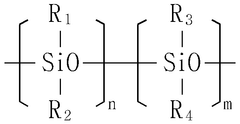
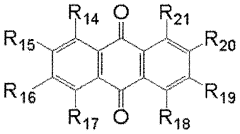
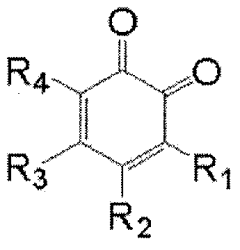
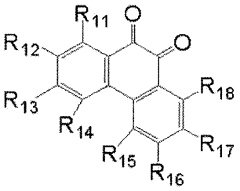
- A method involving contact between the positive electrode active material and a solution containing an electrochemically reversible organic compound and a supporting electrolyte, where the material is oxidized or reduced to uniformly insert lithium ions, allowing for high-capacity battery production without requiring large-scale charging devices.

Regulatory Landscape for Lithium-based Medications
The regulatory landscape for lithium-based medications is complex and multifaceted, reflecting the unique properties and potential risks associated with these compounds. In the United States, the Food and Drug Administration (FDA) plays a crucial role in overseeing the approval and regulation of lithium-based medications. The FDA has approved lithium carbonate and lithium citrate for the treatment of bipolar disorder, setting strict guidelines for their use, dosage, and monitoring.
Regulatory bodies worldwide have established specific protocols for lithium therapy, including regular blood tests to monitor lithium levels and assess kidney and thyroid function. These measures are essential due to lithium's narrow therapeutic index and potential for toxicity. The European Medicines Agency (EMA) has also issued guidelines for the use of lithium in psychiatric disorders, emphasizing the importance of personalized dosing and ongoing patient monitoring.
In recent years, there has been growing interest in alternative lithium formulations, such as lithium orotate. However, the regulatory status of these compounds remains less clear. Unlike lithium carbonate, lithium orotate is often classified as a dietary supplement in many jurisdictions, including the United States. This classification places it under different regulatory frameworks, typically with less stringent oversight compared to prescription medications.
The lack of standardized regulations for lithium orotate has led to concerns among healthcare professionals and regulatory bodies. Some countries have taken steps to address this regulatory gap. For instance, Health Canada has classified lithium orotate as a natural health product, requiring pre-market authorization and adherence to quality standards.
The evolving understanding of lithium's mechanism of action, particularly through integrated omics approaches, may influence future regulatory decisions. As research uncovers more about the molecular pathways affected by lithium, regulatory bodies may need to reassess their guidelines and potentially expand the approved indications for lithium-based treatments.
Internationally, the World Health Organization (WHO) includes lithium carbonate in its List of Essential Medicines, recognizing its importance in treating mental health disorders. This global recognition underscores the need for harmonized regulatory approaches to ensure safe and effective use of lithium-based medications across different countries and healthcare systems.
As the field of psychiatric pharmacology advances, regulatory frameworks will need to evolve to accommodate new formulations and delivery methods of lithium. This may include novel extended-release formulations or combination therapies that aim to enhance efficacy while minimizing side effects. Regulatory bodies will face the challenge of balancing innovation with patient safety, potentially leading to more nuanced and adaptable regulatory strategies for lithium-based medications in the future.
Regulatory bodies worldwide have established specific protocols for lithium therapy, including regular blood tests to monitor lithium levels and assess kidney and thyroid function. These measures are essential due to lithium's narrow therapeutic index and potential for toxicity. The European Medicines Agency (EMA) has also issued guidelines for the use of lithium in psychiatric disorders, emphasizing the importance of personalized dosing and ongoing patient monitoring.
In recent years, there has been growing interest in alternative lithium formulations, such as lithium orotate. However, the regulatory status of these compounds remains less clear. Unlike lithium carbonate, lithium orotate is often classified as a dietary supplement in many jurisdictions, including the United States. This classification places it under different regulatory frameworks, typically with less stringent oversight compared to prescription medications.
The lack of standardized regulations for lithium orotate has led to concerns among healthcare professionals and regulatory bodies. Some countries have taken steps to address this regulatory gap. For instance, Health Canada has classified lithium orotate as a natural health product, requiring pre-market authorization and adherence to quality standards.
The evolving understanding of lithium's mechanism of action, particularly through integrated omics approaches, may influence future regulatory decisions. As research uncovers more about the molecular pathways affected by lithium, regulatory bodies may need to reassess their guidelines and potentially expand the approved indications for lithium-based treatments.
Internationally, the World Health Organization (WHO) includes lithium carbonate in its List of Essential Medicines, recognizing its importance in treating mental health disorders. This global recognition underscores the need for harmonized regulatory approaches to ensure safe and effective use of lithium-based medications across different countries and healthcare systems.
As the field of psychiatric pharmacology advances, regulatory frameworks will need to evolve to accommodate new formulations and delivery methods of lithium. This may include novel extended-release formulations or combination therapies that aim to enhance efficacy while minimizing side effects. Regulatory bodies will face the challenge of balancing innovation with patient safety, potentially leading to more nuanced and adaptable regulatory strategies for lithium-based medications in the future.
Ethical Considerations in Psychiatric Drug Research
The ethical considerations in psychiatric drug research, particularly in the context of understanding lithium orotate's mechanism of action through integrated omics approaches, are multifaceted and crucial. Researchers must prioritize patient safety and well-being throughout the study process, ensuring that the potential benefits of the research outweigh any risks to participants. This includes implementing rigorous informed consent procedures, clearly communicating the nature of the study, potential risks, and expected outcomes to participants.
Privacy and data protection are paramount when dealing with sensitive genetic and molecular information obtained through omics approaches. Researchers must establish robust data security measures to safeguard participants' personal and genetic information from unauthorized access or misuse. Additionally, there should be clear guidelines on data sharing and storage, ensuring that participants' rights and privacy are protected even after the study concludes.
The use of integrated omics approaches in psychiatric drug research raises questions about genetic discrimination and stigmatization. Researchers must be cautious in interpreting and communicating results to avoid reinforcing harmful stereotypes or contributing to the stigmatization of individuals with mental health conditions. It is essential to consider the broader societal implications of the research findings and their potential impact on vulnerable populations.
Equity and inclusivity in research participation are critical ethical considerations. Efforts should be made to ensure diverse representation in study cohorts, including individuals from various ethnic, socioeconomic, and cultural backgrounds. This diversity is crucial for understanding the broader applicability of lithium orotate's mechanism of action across different populations and identifying potential variations in drug response.
Long-term follow-up and monitoring of participants are essential ethical components of psychiatric drug research. Researchers have a responsibility to track and address any adverse effects that may emerge over time, even after the initial study has concluded. This commitment to long-term care and monitoring demonstrates respect for participants' well-being and contributes to the overall safety profile of the drug.
Transparency in reporting research findings, including both positive and negative results, is an ethical imperative. Researchers should commit to publishing all relevant data and analyses, regardless of the outcome, to contribute to the collective scientific knowledge and prevent publication bias. This transparency also helps in building trust within the scientific community and among the general public.
Finally, researchers must navigate the complex ethical landscape of potential conflicts of interest, especially when studies are funded by pharmaceutical companies or other entities with vested interests in the outcomes. Clear disclosure of funding sources and potential conflicts, as well as adherence to strict ethical guidelines, are essential to maintain the integrity of the research and public trust in scientific findings.
Privacy and data protection are paramount when dealing with sensitive genetic and molecular information obtained through omics approaches. Researchers must establish robust data security measures to safeguard participants' personal and genetic information from unauthorized access or misuse. Additionally, there should be clear guidelines on data sharing and storage, ensuring that participants' rights and privacy are protected even after the study concludes.
The use of integrated omics approaches in psychiatric drug research raises questions about genetic discrimination and stigmatization. Researchers must be cautious in interpreting and communicating results to avoid reinforcing harmful stereotypes or contributing to the stigmatization of individuals with mental health conditions. It is essential to consider the broader societal implications of the research findings and their potential impact on vulnerable populations.
Equity and inclusivity in research participation are critical ethical considerations. Efforts should be made to ensure diverse representation in study cohorts, including individuals from various ethnic, socioeconomic, and cultural backgrounds. This diversity is crucial for understanding the broader applicability of lithium orotate's mechanism of action across different populations and identifying potential variations in drug response.
Long-term follow-up and monitoring of participants are essential ethical components of psychiatric drug research. Researchers have a responsibility to track and address any adverse effects that may emerge over time, even after the initial study has concluded. This commitment to long-term care and monitoring demonstrates respect for participants' well-being and contributes to the overall safety profile of the drug.
Transparency in reporting research findings, including both positive and negative results, is an ethical imperative. Researchers should commit to publishing all relevant data and analyses, regardless of the outcome, to contribute to the collective scientific knowledge and prevent publication bias. This transparency also helps in building trust within the scientific community and among the general public.
Finally, researchers must navigate the complex ethical landscape of potential conflicts of interest, especially when studies are funded by pharmaceutical companies or other entities with vested interests in the outcomes. Clear disclosure of funding sources and potential conflicts, as well as adherence to strict ethical guidelines, are essential to maintain the integrity of the research and public trust in scientific findings.
Unlock deeper insights with Patsnap Eureka Quick Research — get a full tech report to explore trends and direct your research. Try now!
Generate Your Research Report Instantly with AI Agent
Supercharge your innovation with Patsnap Eureka AI Agent Platform!