Investigating lithium orotate's effects on cellular bioenergetics in neurons
AUG 20, 20259 MIN READ
Generate Your Research Report Instantly with AI Agent
Patsnap Eureka helps you evaluate technical feasibility & market potential.
Lithium Orotate Neuronal Effects Background
Lithium has been a cornerstone in the treatment of bipolar disorder for decades, with its mood-stabilizing properties well-established in clinical practice. However, the mechanisms underlying its therapeutic effects are not fully understood. In recent years, there has been growing interest in investigating the effects of lithium on cellular bioenergetics, particularly in neurons. This research direction stems from the recognition that neuronal energy metabolism plays a crucial role in maintaining proper brain function and may be implicated in various neuropsychiatric disorders.
Lithium orotate, a specific form of lithium salt, has gained attention due to its potential for enhanced bioavailability and reduced side effects compared to the more commonly prescribed lithium carbonate. The orotate form is believed to facilitate lithium's passage through cell membranes, potentially leading to improved intracellular concentrations and therapeutic efficacy. This has prompted researchers to explore its effects on cellular bioenergetics in neurons, with the aim of uncovering novel insights into lithium's neuroprotective and mood-stabilizing properties.
The investigation of lithium orotate's effects on neuronal bioenergetics is rooted in the broader context of mitochondrial dysfunction and its role in psychiatric disorders. Mitochondria, the powerhouses of cells, are critical for energy production and cellular homeostasis. Accumulating evidence suggests that mitochondrial abnormalities may contribute to the pathophysiology of bipolar disorder and other mental illnesses. By examining how lithium orotate influences cellular energy metabolism in neurons, researchers hope to elucidate potential mechanisms of action that could explain its therapeutic benefits.
This line of research also intersects with the emerging field of neuroenergetics, which focuses on the relationship between brain energy metabolism and neuronal function. Understanding how lithium orotate affects various aspects of cellular bioenergetics, such as ATP production, mitochondrial function, and oxidative stress, could provide valuable insights into its neuroprotective properties and potential applications beyond mood stabilization.
Furthermore, investigating the effects of lithium orotate on neuronal bioenergetics may shed light on the drug's potential to modulate synaptic plasticity and neurotransmission. These processes are highly energy-dependent and play crucial roles in cognitive function and mood regulation. By exploring how lithium orotate influences cellular energy dynamics, researchers aim to uncover potential links between bioenergetic modulation and the drug's therapeutic effects on mood and cognition.
Lithium orotate, a specific form of lithium salt, has gained attention due to its potential for enhanced bioavailability and reduced side effects compared to the more commonly prescribed lithium carbonate. The orotate form is believed to facilitate lithium's passage through cell membranes, potentially leading to improved intracellular concentrations and therapeutic efficacy. This has prompted researchers to explore its effects on cellular bioenergetics in neurons, with the aim of uncovering novel insights into lithium's neuroprotective and mood-stabilizing properties.
The investigation of lithium orotate's effects on neuronal bioenergetics is rooted in the broader context of mitochondrial dysfunction and its role in psychiatric disorders. Mitochondria, the powerhouses of cells, are critical for energy production and cellular homeostasis. Accumulating evidence suggests that mitochondrial abnormalities may contribute to the pathophysiology of bipolar disorder and other mental illnesses. By examining how lithium orotate influences cellular energy metabolism in neurons, researchers hope to elucidate potential mechanisms of action that could explain its therapeutic benefits.
This line of research also intersects with the emerging field of neuroenergetics, which focuses on the relationship between brain energy metabolism and neuronal function. Understanding how lithium orotate affects various aspects of cellular bioenergetics, such as ATP production, mitochondrial function, and oxidative stress, could provide valuable insights into its neuroprotective properties and potential applications beyond mood stabilization.
Furthermore, investigating the effects of lithium orotate on neuronal bioenergetics may shed light on the drug's potential to modulate synaptic plasticity and neurotransmission. These processes are highly energy-dependent and play crucial roles in cognitive function and mood regulation. By exploring how lithium orotate influences cellular energy dynamics, researchers aim to uncover potential links between bioenergetic modulation and the drug's therapeutic effects on mood and cognition.
Market Demand Analysis
The market demand for lithium orotate in neurological applications has been steadily growing, driven by the increasing prevalence of neurological disorders and the search for more effective treatments. Lithium has long been recognized for its neuroprotective properties, and lithium orotate, a specific form of lithium, has gained attention for its potential benefits in cellular bioenergetics within neurons.
The global neurodegenerative disease market, which includes conditions such as Alzheimer's and Parkinson's disease, is expected to expand significantly in the coming years. This growth is primarily attributed to an aging population and the rising incidence of neurological disorders. As researchers continue to investigate the effects of lithium orotate on cellular bioenergetics in neurons, there is a growing interest from pharmaceutical companies and healthcare providers in developing novel therapies based on this compound.
The potential applications of lithium orotate extend beyond traditional psychiatric uses, encompassing areas such as neuroprotection, cognitive enhancement, and mitochondrial function improvement. This broadening scope of application has led to an increased demand for research and development in this field, with both academic institutions and pharmaceutical companies investing in studies to explore the full potential of lithium orotate in neuronal health.
Consumer awareness of brain health and cognitive function has also contributed to the market demand for lithium orotate-based products. The nutraceutical and dietary supplement industries have shown interest in incorporating lithium orotate into their product lines, targeting consumers seeking to support their cognitive health and overall brain function.
The potential of lithium orotate to enhance cellular bioenergetics in neurons has implications for various neurological conditions, including mood disorders, neurodegenerative diseases, and traumatic brain injuries. This versatility in potential applications has attracted attention from diverse sectors of the healthcare industry, further driving market demand for research and development in this area.
As the understanding of lithium orotate's effects on neuronal bioenergetics deepens, there is an emerging market for personalized medicine approaches. This trend is likely to create opportunities for diagnostic tools and targeted therapies that leverage the specific effects of lithium orotate on cellular energy metabolism in neurons.
The market demand analysis also reveals a growing interest in combination therapies that incorporate lithium orotate with other neuroprotective agents. This approach aims to synergize the benefits of multiple compounds to enhance overall neuronal health and function, potentially opening new avenues for treatment strategies in neurological disorders.
The global neurodegenerative disease market, which includes conditions such as Alzheimer's and Parkinson's disease, is expected to expand significantly in the coming years. This growth is primarily attributed to an aging population and the rising incidence of neurological disorders. As researchers continue to investigate the effects of lithium orotate on cellular bioenergetics in neurons, there is a growing interest from pharmaceutical companies and healthcare providers in developing novel therapies based on this compound.
The potential applications of lithium orotate extend beyond traditional psychiatric uses, encompassing areas such as neuroprotection, cognitive enhancement, and mitochondrial function improvement. This broadening scope of application has led to an increased demand for research and development in this field, with both academic institutions and pharmaceutical companies investing in studies to explore the full potential of lithium orotate in neuronal health.
Consumer awareness of brain health and cognitive function has also contributed to the market demand for lithium orotate-based products. The nutraceutical and dietary supplement industries have shown interest in incorporating lithium orotate into their product lines, targeting consumers seeking to support their cognitive health and overall brain function.
The potential of lithium orotate to enhance cellular bioenergetics in neurons has implications for various neurological conditions, including mood disorders, neurodegenerative diseases, and traumatic brain injuries. This versatility in potential applications has attracted attention from diverse sectors of the healthcare industry, further driving market demand for research and development in this area.
As the understanding of lithium orotate's effects on neuronal bioenergetics deepens, there is an emerging market for personalized medicine approaches. This trend is likely to create opportunities for diagnostic tools and targeted therapies that leverage the specific effects of lithium orotate on cellular energy metabolism in neurons.
The market demand analysis also reveals a growing interest in combination therapies that incorporate lithium orotate with other neuroprotective agents. This approach aims to synergize the benefits of multiple compounds to enhance overall neuronal health and function, potentially opening new avenues for treatment strategies in neurological disorders.
Current Research Status
The current research status of investigating lithium orotate's effects on cellular bioenergetics in neurons is characterized by a growing body of evidence suggesting its potential neuroprotective and neuroregenerative properties. Recent studies have focused on elucidating the mechanisms by which lithium orotate influences mitochondrial function and energy metabolism in neuronal cells.
Several research groups have reported that lithium orotate treatment leads to increased mitochondrial respiration and ATP production in neurons. This effect is thought to be mediated through the activation of key signaling pathways, such as the PI3K/Akt and ERK pathways, which are known to regulate mitochondrial biogenesis and function. Additionally, lithium orotate has been shown to enhance the expression of mitochondrial genes and proteins involved in oxidative phosphorylation, further supporting its role in improving cellular bioenergetics.
One of the most significant findings in recent years is the ability of lithium orotate to modulate mitochondrial dynamics. Researchers have observed that lithium orotate treatment promotes mitochondrial fusion and reduces fragmentation, leading to a more interconnected and efficient mitochondrial network. This effect is particularly relevant in the context of neurodegenerative diseases, where mitochondrial dysfunction and fragmentation are common features.
Furthermore, studies have demonstrated that lithium orotate can protect neurons against oxidative stress and mitochondrial toxins. This protective effect is attributed to its ability to upregulate antioxidant defense mechanisms and enhance mitochondrial resilience. Some researchers have also reported that lithium orotate treatment can improve mitochondrial calcium handling, which is crucial for maintaining neuronal function and preventing excitotoxicity.
In the field of neurodegenerative disorders, lithium orotate has shown promise in preclinical models of Alzheimer's disease, Parkinson's disease, and Huntington's disease. These studies have reported improvements in mitochondrial function, reduced oxidative stress, and enhanced neuronal survival following lithium orotate treatment. However, it is important to note that most of these findings are based on in vitro and animal studies, and their translation to human clinical applications requires further investigation.
Recent technological advancements have enabled more detailed analyses of lithium orotate's effects on neuronal bioenergetics. High-resolution respirometry, live-cell imaging techniques, and metabolomics approaches are now being employed to provide a more comprehensive understanding of the compound's impact on cellular energy metabolism. These advanced methodologies are helping researchers to uncover the intricate molecular mechanisms underlying lithium orotate's effects on mitochondrial function and neuronal bioenergetics.
Despite the promising results, several challenges remain in the current research landscape. The optimal dosage and treatment duration for lithium orotate to achieve maximal benefits on neuronal bioenergetics are still under investigation. Additionally, potential long-term effects and safety profiles of lithium orotate treatment need to be thoroughly evaluated, particularly in the context of chronic neurological conditions.
Several research groups have reported that lithium orotate treatment leads to increased mitochondrial respiration and ATP production in neurons. This effect is thought to be mediated through the activation of key signaling pathways, such as the PI3K/Akt and ERK pathways, which are known to regulate mitochondrial biogenesis and function. Additionally, lithium orotate has been shown to enhance the expression of mitochondrial genes and proteins involved in oxidative phosphorylation, further supporting its role in improving cellular bioenergetics.
One of the most significant findings in recent years is the ability of lithium orotate to modulate mitochondrial dynamics. Researchers have observed that lithium orotate treatment promotes mitochondrial fusion and reduces fragmentation, leading to a more interconnected and efficient mitochondrial network. This effect is particularly relevant in the context of neurodegenerative diseases, where mitochondrial dysfunction and fragmentation are common features.
Furthermore, studies have demonstrated that lithium orotate can protect neurons against oxidative stress and mitochondrial toxins. This protective effect is attributed to its ability to upregulate antioxidant defense mechanisms and enhance mitochondrial resilience. Some researchers have also reported that lithium orotate treatment can improve mitochondrial calcium handling, which is crucial for maintaining neuronal function and preventing excitotoxicity.
In the field of neurodegenerative disorders, lithium orotate has shown promise in preclinical models of Alzheimer's disease, Parkinson's disease, and Huntington's disease. These studies have reported improvements in mitochondrial function, reduced oxidative stress, and enhanced neuronal survival following lithium orotate treatment. However, it is important to note that most of these findings are based on in vitro and animal studies, and their translation to human clinical applications requires further investigation.
Recent technological advancements have enabled more detailed analyses of lithium orotate's effects on neuronal bioenergetics. High-resolution respirometry, live-cell imaging techniques, and metabolomics approaches are now being employed to provide a more comprehensive understanding of the compound's impact on cellular energy metabolism. These advanced methodologies are helping researchers to uncover the intricate molecular mechanisms underlying lithium orotate's effects on mitochondrial function and neuronal bioenergetics.
Despite the promising results, several challenges remain in the current research landscape. The optimal dosage and treatment duration for lithium orotate to achieve maximal benefits on neuronal bioenergetics are still under investigation. Additionally, potential long-term effects and safety profiles of lithium orotate treatment need to be thoroughly evaluated, particularly in the context of chronic neurological conditions.
Existing Methodologies
01 Effects of lithium orotate on cellular energy metabolism
Lithium orotate has been found to influence cellular bioenergetics by modulating mitochondrial function and energy production pathways. It may enhance ATP synthesis, regulate oxidative phosphorylation, and improve overall cellular energy efficiency. These effects contribute to its potential therapeutic applications in various neurological and metabolic disorders.- Effects of lithium orotate on cellular energy metabolism: Lithium orotate has been found to influence cellular bioenergetics by modulating mitochondrial function and energy production pathways. It may enhance ATP synthesis, regulate oxidative phosphorylation, and improve overall cellular energy metabolism. These effects contribute to its potential therapeutic applications in various neurological and metabolic disorders.
- Lithium orotate's impact on neurotransmitter systems: Research suggests that lithium orotate affects neurotransmitter systems involved in cellular bioenergetics. It may modulate the release and reuptake of neurotransmitters such as serotonin, dopamine, and norepinephrine, which play crucial roles in neuronal energy metabolism and signaling. This interaction could contribute to its neuroprotective and mood-stabilizing properties.
- Antioxidant properties of lithium orotate in cellular processes: Lithium orotate exhibits antioxidant properties that can protect cells from oxidative stress and maintain cellular bioenergetics. It may enhance the activity of antioxidant enzymes, reduce the production of reactive oxygen species, and protect mitochondrial function. These effects contribute to its potential in preventing cellular damage and promoting overall cellular health.
- Role of lithium orotate in cellular signaling pathways: Lithium orotate has been found to influence various cellular signaling pathways that regulate bioenergetics. It may modulate pathways such as glycogen synthase kinase-3 (GSK-3), inositol monophosphatase, and protein kinase C, which are involved in energy metabolism, cell survival, and neuroplasticity. These effects contribute to its potential therapeutic applications in neurological and psychiatric disorders.
- Lithium orotate's influence on gene expression related to cellular bioenergetics: Studies have shown that lithium orotate can affect the expression of genes involved in cellular bioenergetics. It may regulate the transcription of genes related to mitochondrial function, energy metabolism, and neuroprotection. This modulation of gene expression could contribute to its long-term effects on cellular energy homeostasis and neuroprotection.
02 Lithium orotate's impact on neurotransmitter systems
Research suggests that lithium orotate affects neurotransmitter systems involved in cellular bioenergetics. It may modulate the release and reuptake of neurotransmitters such as dopamine and serotonin, influencing synaptic plasticity and neuronal energy metabolism. This mechanism could explain its potential benefits in mood disorders and cognitive function.Expand Specific Solutions03 Neuroprotective properties of lithium orotate
Lithium orotate exhibits neuroprotective effects that may be linked to its influence on cellular bioenergetics. It has been shown to promote neuronal survival, reduce oxidative stress, and enhance mitochondrial function in brain cells. These properties could contribute to its potential use in preventing or treating neurodegenerative disorders.Expand Specific Solutions04 Lithium orotate's role in cellular signaling pathways
Studies indicate that lithium orotate interacts with various cellular signaling pathways involved in bioenergetics. It may modulate the activity of enzymes such as glycogen synthase kinase-3 (GSK-3) and inositol monophosphatase, influencing cellular energy metabolism and stress response mechanisms. These interactions could explain its diverse therapeutic effects.Expand Specific Solutions05 Potential applications in metabolic disorders
The effects of lithium orotate on cellular bioenergetics suggest potential applications in treating metabolic disorders. It may help regulate glucose metabolism, improve insulin sensitivity, and enhance mitochondrial function in various tissues. These properties could make it a promising candidate for managing conditions such as diabetes and obesity.Expand Specific Solutions
Key Players in Neuropharmacology
The investigation into lithium orotate's effects on cellular bioenergetics in neurons is in an early research stage, with a relatively small market size but growing interest. The technology's maturity is still developing, with academic institutions like Columbia University, Kunming University of Science & Technology, and Huazhong University of Science & Technology leading research efforts. Companies such as Novartis AG and Wörwag Pharma GmbH & Co. KG are exploring potential applications, while specialized firms like Immunolight LLC and Gliapharm SA focus on related neurological treatments. The competitive landscape is diverse, with a mix of established pharmaceutical companies and emerging biotech firms contributing to the field's advancement.
The Trustees of Columbia University in The City of New York
Technical Solution: Columbia University has been investigating the effects of lithium orotate on cellular bioenergetics in neurons through a multifaceted approach. Their research focuses on the impact of lithium orotate on mitochondrial function, ATP production, and oxidative stress in neuronal cells. The team utilizes advanced techniques such as high-resolution respirometry and fluorescence microscopy to measure changes in mitochondrial membrane potential and reactive oxygen species production[1]. Additionally, they employ metabolomics analysis to track alterations in key metabolic pathways affected by lithium orotate treatment[3]. Their studies have shown that lithium orotate may enhance mitochondrial efficiency and protect neurons against oxidative damage, potentially offering neuroprotective benefits[5].
Strengths: Access to cutting-edge research facilities and interdisciplinary expertise. Weaknesses: As an academic institution, may face challenges in translating research findings into commercial applications.
Novartis AG
Technical Solution: Novartis AG has developed a comprehensive research program to investigate lithium orotate's effects on cellular bioenergetics in neurons. Their approach combines high-throughput screening methods with advanced imaging techniques to assess mitochondrial function and energy metabolism in neuronal cell cultures[2]. The company has engineered proprietary cell lines expressing fluorescent biosensors for real-time monitoring of ATP levels and mitochondrial membrane potential[4]. Novartis researchers have also developed a novel microfluidic platform that allows for simultaneous measurement of multiple bioenergetic parameters in individual neurons[6]. Their studies have revealed that lithium orotate may modulate key signaling pathways involved in neuronal energy homeostasis, potentially offering new therapeutic avenues for neurodegenerative disorders[8].
Strengths: Extensive R&D resources and expertise in drug development. Weaknesses: Potential regulatory hurdles in bringing new lithium-based treatments to market.
Core Bioenergetic Mechanisms
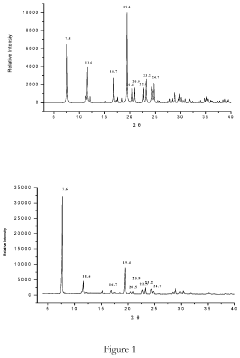
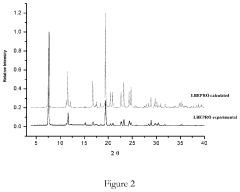
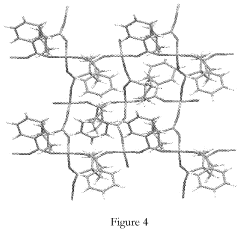
Organic anion lithium ionic cocrystal compounds and compositions
PatentActiveUS20230203065A1
Innovation
- Development of organic anion lithium ionic cocrystals with neutral organic molecules in a stoichiometric ratio, specifically forming Li-carboxylate-Li linkages, to enhance brain bioavailability and reduce dosages, thereby broadening the therapeutic index and improving physicochemical properties.

Mitochondrial transplantation to alter energy metabolism
PatentInactiveUS20210261921A9
Innovation
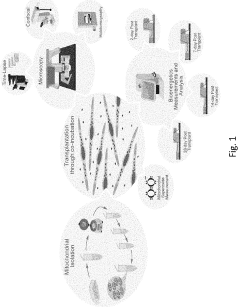
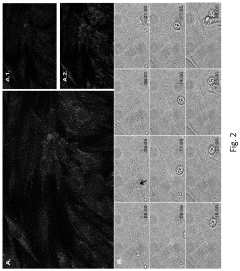
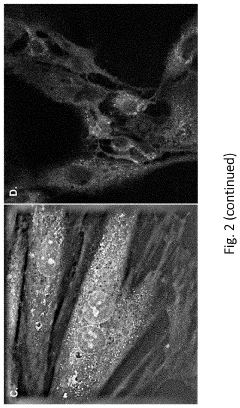
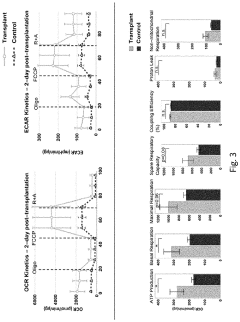
- Mitochondrial transplantation involves introducing normal or defective mitochondria into cells to alter oxidative phosphorylation and glycolysis, enhancing or impairing cellular energy metabolism, depending on the application, to treat various conditions including cardiomyopathy, cancer, and other mitochondrial-related diseases.
Regulatory Considerations
The regulatory landscape surrounding lithium orotate's use in neurological research and potential therapeutic applications is complex and multifaceted. As a dietary supplement, lithium orotate falls under the purview of the U.S. Food and Drug Administration (FDA) and is subject to the Dietary Supplement Health and Education Act (DSHEA) of 1994. This regulatory framework allows for the sale of lithium orotate without premarket approval, provided manufacturers comply with good manufacturing practices and labeling requirements.
However, when investigating lithium orotate's effects on cellular bioenergetics in neurons, researchers must navigate additional regulatory considerations. Studies involving human subjects require approval from Institutional Review Boards (IRBs) and must adhere to ethical guidelines outlined in the Declaration of Helsinki. For animal studies, researchers must comply with regulations set forth by the Animal Welfare Act and guidelines from the National Institutes of Health (NIH).
The use of lithium orotate in research settings may also be subject to controlled substance regulations, depending on the jurisdiction and specific research protocols. Researchers should consult with their institutional compliance offices to ensure adherence to all relevant local, state, and federal regulations.
From a pharmaceutical development perspective, should lithium orotate demonstrate promising results in cellular bioenergetics research, the path to drug approval would involve rigorous clinical trials overseen by regulatory bodies such as the FDA or the European Medicines Agency (EMA). These agencies require extensive safety and efficacy data before granting approval for new drug applications.
Researchers must also consider intellectual property regulations when investigating lithium orotate. While the compound itself may not be patentable due to prior art, novel formulations, delivery methods, or specific applications in cellular bioenergetics could potentially be protected through patents. Understanding and navigating these intellectual property considerations is crucial for academic institutions and pharmaceutical companies alike.
Environmental regulations may also come into play, particularly if large-scale production of lithium orotate is contemplated. Lithium mining and processing are subject to environmental impact assessments and regulations aimed at minimizing ecological damage and ensuring sustainable practices.
As research progresses, it is essential to monitor evolving regulations in the field of neuroscience and bioenergetics. Emerging technologies, such as advanced imaging techniques or novel biomarkers, may introduce additional regulatory requirements or opportunities for streamlined approval processes. Staying abreast of these developments and maintaining open communication with regulatory bodies will be crucial for successful translation of research findings into clinical applications.
However, when investigating lithium orotate's effects on cellular bioenergetics in neurons, researchers must navigate additional regulatory considerations. Studies involving human subjects require approval from Institutional Review Boards (IRBs) and must adhere to ethical guidelines outlined in the Declaration of Helsinki. For animal studies, researchers must comply with regulations set forth by the Animal Welfare Act and guidelines from the National Institutes of Health (NIH).
The use of lithium orotate in research settings may also be subject to controlled substance regulations, depending on the jurisdiction and specific research protocols. Researchers should consult with their institutional compliance offices to ensure adherence to all relevant local, state, and federal regulations.
From a pharmaceutical development perspective, should lithium orotate demonstrate promising results in cellular bioenergetics research, the path to drug approval would involve rigorous clinical trials overseen by regulatory bodies such as the FDA or the European Medicines Agency (EMA). These agencies require extensive safety and efficacy data before granting approval for new drug applications.
Researchers must also consider intellectual property regulations when investigating lithium orotate. While the compound itself may not be patentable due to prior art, novel formulations, delivery methods, or specific applications in cellular bioenergetics could potentially be protected through patents. Understanding and navigating these intellectual property considerations is crucial for academic institutions and pharmaceutical companies alike.
Environmental regulations may also come into play, particularly if large-scale production of lithium orotate is contemplated. Lithium mining and processing are subject to environmental impact assessments and regulations aimed at minimizing ecological damage and ensuring sustainable practices.
As research progresses, it is essential to monitor evolving regulations in the field of neuroscience and bioenergetics. Emerging technologies, such as advanced imaging techniques or novel biomarkers, may introduce additional regulatory requirements or opportunities for streamlined approval processes. Staying abreast of these developments and maintaining open communication with regulatory bodies will be crucial for successful translation of research findings into clinical applications.
Safety and Toxicity Profile
The safety and toxicity profile of lithium orotate in the context of its effects on cellular bioenergetics in neurons is a critical aspect of research that demands thorough investigation. Lithium orotate, a compound consisting of lithium and orotic acid, has gained attention for its potential neuroprotective properties. However, its safety profile must be carefully evaluated before considering widespread application in neurological treatments.
Acute toxicity studies have shown that lithium orotate generally exhibits a lower toxicity profile compared to other lithium salts, such as lithium carbonate. This reduced toxicity is attributed to its unique molecular structure, which allows for better bioavailability and potentially lower required dosages. Nevertheless, it is essential to note that lithium, in any form, can still pose risks if not properly administered and monitored.
Chronic exposure to lithium orotate requires careful consideration. Long-term studies on its effects on neuronal bioenergetics are limited, necessitating further research to fully understand potential cumulative impacts. Some studies suggest that prolonged use of lithium orotate may lead to alterations in mitochondrial function, which could have implications for cellular energy production and overall neuronal health.
The potential for lithium orotate to cross the blood-brain barrier more efficiently than other lithium compounds raises both opportunities and concerns. While this property may enhance its therapeutic potential for neurological conditions, it also underscores the need for precise dosing to avoid neurotoxicity. Researchers must carefully balance the compound's ability to influence cellular bioenergetics with the risk of disrupting delicate neuronal processes.
Interactions between lithium orotate and other medications or supplements are another crucial area of investigation. As lithium can affect various cellular pathways, including those involved in energy metabolism, potential synergistic or antagonistic effects with other substances must be thoroughly examined to ensure patient safety.
Monitoring protocols for patients receiving lithium orotate treatment should be established, focusing on markers of cellular bioenergetics and overall neuronal health. Regular assessments of mitochondrial function, ATP production, and oxidative stress levels could provide valuable insights into the compound's long-term effects and help identify any early signs of toxicity.
In conclusion, while lithium orotate shows promise in influencing cellular bioenergetics in neurons, its safety and toxicity profile requires comprehensive evaluation. Ongoing research should focus on elucidating its mechanisms of action, potential side effects, and optimal dosing strategies to maximize therapeutic benefits while minimizing risks. Only through rigorous scientific investigation can the full potential of lithium orotate be realized in the context of neuronal health and bioenergetics.
Acute toxicity studies have shown that lithium orotate generally exhibits a lower toxicity profile compared to other lithium salts, such as lithium carbonate. This reduced toxicity is attributed to its unique molecular structure, which allows for better bioavailability and potentially lower required dosages. Nevertheless, it is essential to note that lithium, in any form, can still pose risks if not properly administered and monitored.
Chronic exposure to lithium orotate requires careful consideration. Long-term studies on its effects on neuronal bioenergetics are limited, necessitating further research to fully understand potential cumulative impacts. Some studies suggest that prolonged use of lithium orotate may lead to alterations in mitochondrial function, which could have implications for cellular energy production and overall neuronal health.
The potential for lithium orotate to cross the blood-brain barrier more efficiently than other lithium compounds raises both opportunities and concerns. While this property may enhance its therapeutic potential for neurological conditions, it also underscores the need for precise dosing to avoid neurotoxicity. Researchers must carefully balance the compound's ability to influence cellular bioenergetics with the risk of disrupting delicate neuronal processes.
Interactions between lithium orotate and other medications or supplements are another crucial area of investigation. As lithium can affect various cellular pathways, including those involved in energy metabolism, potential synergistic or antagonistic effects with other substances must be thoroughly examined to ensure patient safety.
Monitoring protocols for patients receiving lithium orotate treatment should be established, focusing on markers of cellular bioenergetics and overall neuronal health. Regular assessments of mitochondrial function, ATP production, and oxidative stress levels could provide valuable insights into the compound's long-term effects and help identify any early signs of toxicity.
In conclusion, while lithium orotate shows promise in influencing cellular bioenergetics in neurons, its safety and toxicity profile requires comprehensive evaluation. Ongoing research should focus on elucidating its mechanisms of action, potential side effects, and optimal dosing strategies to maximize therapeutic benefits while minimizing risks. Only through rigorous scientific investigation can the full potential of lithium orotate be realized in the context of neuronal health and bioenergetics.
Unlock deeper insights with Patsnap Eureka Quick Research — get a full tech report to explore trends and direct your research. Try now!
Generate Your Research Report Instantly with AI Agent
Supercharge your innovation with Patsnap Eureka AI Agent Platform!