
K24 Engine Cooling Innovations: Developing High-Efficiency Systems
JUL 3, 20259 MIN READ
Generate Your Research Report Instantly with AI Agent
Patsnap Eureka helps you evaluate technical feasibility & market potential.
K24 Engine Cooling Background and Objectives
The K24 engine, a prominent member of Honda's K-series family, has been a cornerstone in automotive engineering since its introduction in the early 2000s. Known for its reliability and performance, the K24 has found applications in various Honda and Acura models, from compact cars to SUVs. As automotive technology advances, the focus on engine efficiency and environmental impact has intensified, placing engine cooling systems at the forefront of innovation.
The evolution of K24 engine cooling systems reflects broader trends in automotive thermal management. Initially designed with traditional radiator and water pump configurations, these systems have undergone significant improvements to meet increasing demands for fuel efficiency and reduced emissions. The progression from purely mechanical cooling systems to electronically controlled, variable-speed pumps and fans marks a significant milestone in this journey.
Current objectives in K24 engine cooling innovations center around developing high-efficiency systems that can maintain optimal engine temperatures under various operating conditions while minimizing energy consumption. This involves a multifaceted approach, addressing not only the cooling system itself but also its integration with other engine components and vehicle systems.
Key goals include reducing parasitic losses associated with the cooling system, improving heat rejection capabilities, and enhancing overall thermal efficiency. Engineers are exploring advanced materials for radiators and heat exchangers, optimizing coolant flow paths, and implementing sophisticated control algorithms to achieve these objectives. The integration of smart cooling strategies, such as precision cooling and split cooling systems, is becoming increasingly important.
Another critical aspect of modern K24 engine cooling innovation is the adaptation to new powertrain technologies. As hybrid and electrified variants of the K24 engine emerge, cooling systems must evolve to manage the additional thermal loads from electric motors and power electronics while maintaining the internal combustion engine's optimal operating temperature.
The pursuit of high-efficiency cooling systems for the K24 engine is driven by stringent emissions regulations, consumer demand for improved fuel economy, and the automotive industry's broader shift towards sustainability. Innovations in this area are expected to contribute significantly to reducing the environmental footprint of vehicles equipped with K24 engines, while simultaneously enhancing performance and reliability.
As research and development in this field progress, the objectives extend beyond mere temperature control. Engineers are now focusing on how advanced cooling systems can contribute to faster engine warm-up times, reduced friction, and even energy recovery through thermoelectric technologies. These ambitious goals set the stage for a new era of engine cooling technology, where thermal management becomes an integral part of the engine's overall efficiency strategy.
The evolution of K24 engine cooling systems reflects broader trends in automotive thermal management. Initially designed with traditional radiator and water pump configurations, these systems have undergone significant improvements to meet increasing demands for fuel efficiency and reduced emissions. The progression from purely mechanical cooling systems to electronically controlled, variable-speed pumps and fans marks a significant milestone in this journey.
Current objectives in K24 engine cooling innovations center around developing high-efficiency systems that can maintain optimal engine temperatures under various operating conditions while minimizing energy consumption. This involves a multifaceted approach, addressing not only the cooling system itself but also its integration with other engine components and vehicle systems.
Key goals include reducing parasitic losses associated with the cooling system, improving heat rejection capabilities, and enhancing overall thermal efficiency. Engineers are exploring advanced materials for radiators and heat exchangers, optimizing coolant flow paths, and implementing sophisticated control algorithms to achieve these objectives. The integration of smart cooling strategies, such as precision cooling and split cooling systems, is becoming increasingly important.
Another critical aspect of modern K24 engine cooling innovation is the adaptation to new powertrain technologies. As hybrid and electrified variants of the K24 engine emerge, cooling systems must evolve to manage the additional thermal loads from electric motors and power electronics while maintaining the internal combustion engine's optimal operating temperature.
The pursuit of high-efficiency cooling systems for the K24 engine is driven by stringent emissions regulations, consumer demand for improved fuel economy, and the automotive industry's broader shift towards sustainability. Innovations in this area are expected to contribute significantly to reducing the environmental footprint of vehicles equipped with K24 engines, while simultaneously enhancing performance and reliability.
As research and development in this field progress, the objectives extend beyond mere temperature control. Engineers are now focusing on how advanced cooling systems can contribute to faster engine warm-up times, reduced friction, and even energy recovery through thermoelectric technologies. These ambitious goals set the stage for a new era of engine cooling technology, where thermal management becomes an integral part of the engine's overall efficiency strategy.
Market Demand for Advanced Engine Cooling Systems
The market demand for advanced engine cooling systems has been steadily increasing, driven by several key factors in the automotive industry. As vehicle manufacturers strive to meet stringent emissions regulations and improve fuel efficiency, the need for more effective cooling solutions has become paramount. The K24 engine, known for its performance and reliability, presents a prime opportunity for innovation in cooling technology.
Consumer preferences are shifting towards vehicles with higher performance capabilities and improved fuel economy. This trend has led to the development of more powerful engines in smaller packages, resulting in increased heat generation and the need for more efficient cooling systems. The market for advanced cooling solutions is expected to grow significantly in the coming years, with a particular focus on systems that can maintain optimal engine temperatures under various operating conditions.
Environmental concerns and government regulations play a crucial role in shaping the demand for advanced engine cooling systems. As emissions standards become more stringent worldwide, automakers are under pressure to develop engines that run cleaner and more efficiently. Effective cooling systems are essential in achieving these goals, as they help reduce fuel consumption and minimize harmful emissions by maintaining optimal engine temperatures.
The aftermarket sector also contributes significantly to the demand for advanced cooling systems. Performance enthusiasts and racing teams are constantly seeking ways to enhance engine output while maintaining reliability. This has created a niche market for high-performance cooling solutions that can handle the increased thermal loads associated with modified engines.
In the commercial vehicle sector, there is a growing demand for cooling systems that can withstand heavy-duty applications and prolonged operating hours. Fleet operators are increasingly focused on reducing downtime and maintenance costs, driving the need for more durable and efficient cooling solutions. This segment of the market presents significant opportunities for innovations in cooling technology that can improve vehicle uptime and reduce total cost of ownership.
The electric vehicle (EV) revolution is also influencing the market for advanced cooling systems. While EVs don't require traditional engine cooling, they do need sophisticated thermal management systems for their battery packs and power electronics. As the EV market expands, there is a growing demand for cooling solutions that can be adapted or repurposed for these new applications, creating potential crossover opportunities for K24 engine cooling innovations.
Emerging markets, particularly in Asia and South America, are experiencing rapid growth in vehicle ownership and production. This expansion is driving demand for more advanced automotive technologies, including efficient cooling systems. As these markets mature and adopt stricter emissions standards, the need for sophisticated engine cooling solutions is expected to increase substantially.
Consumer preferences are shifting towards vehicles with higher performance capabilities and improved fuel economy. This trend has led to the development of more powerful engines in smaller packages, resulting in increased heat generation and the need for more efficient cooling systems. The market for advanced cooling solutions is expected to grow significantly in the coming years, with a particular focus on systems that can maintain optimal engine temperatures under various operating conditions.
Environmental concerns and government regulations play a crucial role in shaping the demand for advanced engine cooling systems. As emissions standards become more stringent worldwide, automakers are under pressure to develop engines that run cleaner and more efficiently. Effective cooling systems are essential in achieving these goals, as they help reduce fuel consumption and minimize harmful emissions by maintaining optimal engine temperatures.
The aftermarket sector also contributes significantly to the demand for advanced cooling systems. Performance enthusiasts and racing teams are constantly seeking ways to enhance engine output while maintaining reliability. This has created a niche market for high-performance cooling solutions that can handle the increased thermal loads associated with modified engines.
In the commercial vehicle sector, there is a growing demand for cooling systems that can withstand heavy-duty applications and prolonged operating hours. Fleet operators are increasingly focused on reducing downtime and maintenance costs, driving the need for more durable and efficient cooling solutions. This segment of the market presents significant opportunities for innovations in cooling technology that can improve vehicle uptime and reduce total cost of ownership.
The electric vehicle (EV) revolution is also influencing the market for advanced cooling systems. While EVs don't require traditional engine cooling, they do need sophisticated thermal management systems for their battery packs and power electronics. As the EV market expands, there is a growing demand for cooling solutions that can be adapted or repurposed for these new applications, creating potential crossover opportunities for K24 engine cooling innovations.
Emerging markets, particularly in Asia and South America, are experiencing rapid growth in vehicle ownership and production. This expansion is driving demand for more advanced automotive technologies, including efficient cooling systems. As these markets mature and adopt stricter emissions standards, the need for sophisticated engine cooling solutions is expected to increase substantially.
Current Challenges in K24 Engine Cooling Technology
The K24 engine, renowned for its reliability and performance, faces several challenges in its cooling system design. One of the primary issues is the increasing power output and thermal load, which puts greater stress on the existing cooling infrastructure. As engines become more compact and powerful, the heat generated per unit volume increases, making efficient heat dissipation crucial for maintaining optimal performance and longevity.
Another significant challenge is the need for improved thermal management across various operating conditions. The K24 engine must maintain consistent cooling efficiency during both high-load scenarios, such as highway driving or towing, and low-load situations like city driving or idling. This variability in heat generation requires a more adaptive and responsive cooling system.
The pursuit of fuel efficiency and reduced emissions also impacts cooling system design. As manufacturers strive to meet stringent environmental regulations, the cooling system must contribute to overall engine efficiency without compromising performance. This necessitates innovative approaches to reduce parasitic losses associated with traditional cooling methods.
Material limitations present another hurdle in K24 engine cooling technology. The need for lightweight yet durable materials that can withstand high temperatures and pressures while providing excellent thermal conductivity is ongoing. Balancing these requirements with cost-effectiveness remains a challenge for engineers and designers.
Furthermore, the integration of advanced technologies such as turbocharging and direct injection in some K24 engine variants introduces additional cooling demands. These performance-enhancing features generate more heat and require more sophisticated cooling solutions to maintain optimal operating temperatures across all engine components.
The complexity of modern engine designs also poses challenges for cooling system layout and packaging. With limited space under the hood, engineers must find creative ways to route coolant and position cooling components effectively without compromising other systems or overall vehicle design.
Lastly, the push for electrification and hybrid powertrains introduces new cooling challenges for K24 engines in hybrid applications. Balancing the cooling needs of the internal combustion engine with those of electric components requires innovative approaches to thermal management and system integration.
Another significant challenge is the need for improved thermal management across various operating conditions. The K24 engine must maintain consistent cooling efficiency during both high-load scenarios, such as highway driving or towing, and low-load situations like city driving or idling. This variability in heat generation requires a more adaptive and responsive cooling system.
The pursuit of fuel efficiency and reduced emissions also impacts cooling system design. As manufacturers strive to meet stringent environmental regulations, the cooling system must contribute to overall engine efficiency without compromising performance. This necessitates innovative approaches to reduce parasitic losses associated with traditional cooling methods.
Material limitations present another hurdle in K24 engine cooling technology. The need for lightweight yet durable materials that can withstand high temperatures and pressures while providing excellent thermal conductivity is ongoing. Balancing these requirements with cost-effectiveness remains a challenge for engineers and designers.
Furthermore, the integration of advanced technologies such as turbocharging and direct injection in some K24 engine variants introduces additional cooling demands. These performance-enhancing features generate more heat and require more sophisticated cooling solutions to maintain optimal operating temperatures across all engine components.
The complexity of modern engine designs also poses challenges for cooling system layout and packaging. With limited space under the hood, engineers must find creative ways to route coolant and position cooling components effectively without compromising other systems or overall vehicle design.
Lastly, the push for electrification and hybrid powertrains introduces new cooling challenges for K24 engines in hybrid applications. Balancing the cooling needs of the internal combustion engine with those of electric components requires innovative approaches to thermal management and system integration.
Existing K24 Engine Cooling Solutions
01 Advanced cooling system design
Improved cooling system designs for K24 engines focus on enhancing efficiency through optimized coolant flow, advanced radiator configurations, and innovative heat dissipation methods. These designs aim to maintain optimal engine temperature, reduce thermal stress, and improve overall performance.- Advanced cooling system design: Innovative cooling system designs for K24 engines focus on improving efficiency through optimized coolant flow, enhanced heat dissipation, and strategic component placement. These designs may incorporate advanced materials and technologies to maximize cooling performance while minimizing energy consumption.
- Electronic cooling control systems: Implementation of electronic control systems to manage engine cooling processes more efficiently. These systems can dynamically adjust coolant flow, fan speed, and other parameters based on real-time engine conditions, leading to improved overall cooling efficiency and reduced power consumption.
- Thermal management integration: Integration of the K24 engine cooling system with other vehicle thermal management systems, such as HVAC and transmission cooling. This holistic approach allows for better heat distribution and utilization, potentially improving overall vehicle efficiency and reducing the load on the engine cooling system.
- Coolant composition and flow optimization: Development of advanced coolant formulations and flow patterns specifically designed for K24 engines. These innovations may include nanofluids, pulsating flows, or variable coolant mixtures that enhance heat transfer efficiency and reduce the energy required for cooling.
- Heat recovery and energy efficiency: Implementation of heat recovery systems that capture and repurpose waste heat from the K24 engine cooling process. These systems can convert thermal energy into electrical power or use it for other vehicle functions, thereby improving overall engine efficiency and reducing the cooling system's energy consumption.
02 Electronic cooling control systems
Integration of electronic control systems in K24 engine cooling improves efficiency by precisely regulating coolant flow and fan operation based on real-time temperature data. These systems optimize cooling performance while minimizing energy consumption and enhancing fuel efficiency.Expand Specific Solutions03 Thermal management innovations
Advanced thermal management techniques for K24 engines include the use of smart materials, phase-change cooling, and targeted cooling strategies. These innovations help maintain ideal operating temperatures across different engine components, improving overall efficiency and longevity.Expand Specific Solutions04 Coolant formulation and circulation improvements
Enhanced coolant formulations and circulation methods for K24 engines focus on improving heat transfer efficiency, reducing corrosion, and optimizing flow dynamics. These advancements contribute to better temperature regulation and increased overall cooling system performance.Expand Specific Solutions05 Integration of auxiliary cooling technologies
Incorporation of auxiliary cooling technologies such as oil coolers, intercoolers, and advanced fan designs complement the primary cooling system of K24 engines. These additional components work synergistically to enhance overall cooling efficiency and engine performance under various operating conditions.Expand Specific Solutions
Key Players in Engine Cooling Industry
The K24 Engine Cooling Innovations market is in a growth phase, driven by increasing demand for high-efficiency cooling systems in automotive and industrial applications. The global market size is expanding, with major players like Toyota, Hyundai, and BorgWarner investing heavily in research and development. Technology maturity varies, with established companies like Behr GmbH & Co. KG and United Technologies Corp. offering advanced solutions, while newer entrants like BYD and Protean Holdings Corp. are focusing on innovative electric vehicle cooling technologies. The competitive landscape is diverse, with traditional automotive manufacturers competing alongside specialized cooling system providers and emerging electric vehicle companies.
GM Global Technology Operations LLC
Technical Solution: GM has developed an innovative cooling system for the K24 engine that utilizes advanced thermal management techniques. The system incorporates a split cooling approach, separating the engine block and cylinder head cooling circuits[1]. This allows for more precise temperature control and faster warm-up times. Additionally, GM has implemented a variable-speed electric water pump that adjusts coolant flow based on engine load and temperature, optimizing efficiency[2]. The system also features an integrated exhaust gas recirculation (EGR) cooler, which helps reduce emissions and improve fuel economy[3]. GM's cooling innovation includes the use of advanced materials such as aluminum and composite plastics for radiators and heat exchangers, reducing weight and improving heat dissipation[4].
Strengths: Precise temperature control, faster warm-up times, improved fuel efficiency, and reduced emissions. Weaknesses: Potentially higher initial cost and increased system complexity.
Behr GmbH & Co. KG
Technical Solution: Behr has developed an innovative cooling system for the K24 engine that focuses on maximizing thermal efficiency and reducing energy consumption. The system utilizes a modular design approach, allowing for easy customization and integration into various vehicle platforms[1]. Behr's cooling solution incorporates a high-performance, low-weight radiator with advanced fin designs and materials to enhance heat transfer[2]. The company has also developed a smart coolant control valve that can precisely regulate coolant flow to different engine components based on real-time thermal demands[3]. Additionally, Behr's system features an integrated charge air cooler and low-temperature radiator, improving overall cooling efficiency for turbocharged engines[4]. The cooling system also includes an innovative fan shroud design that optimizes airflow and reduces noise[5]. Behr has implemented advanced simulation and testing methods to fine-tune the cooling system's performance across various operating conditions[6].
Strengths: Modular design, improved thermal efficiency, and optimized performance for turbocharged engines. Weaknesses: Potential complexity in system integration and higher initial costs.
Core Innovations in High-Efficiency Cooling Systems
Engine cooling system
PatentWO2014181825A1
Innovation
- The engine cooling system incorporates a Rankine cycle device with heat exchangers and a recirculation exhaust cooler to recover waste heat, reducing the need for large radiators and fans by utilizing a Rankine cycle to convert thermal energy into power and electric energy.


Integrated Cooling System for Eco-Friendly Vehicle
PatentActiveUS20110132030A1
Innovation
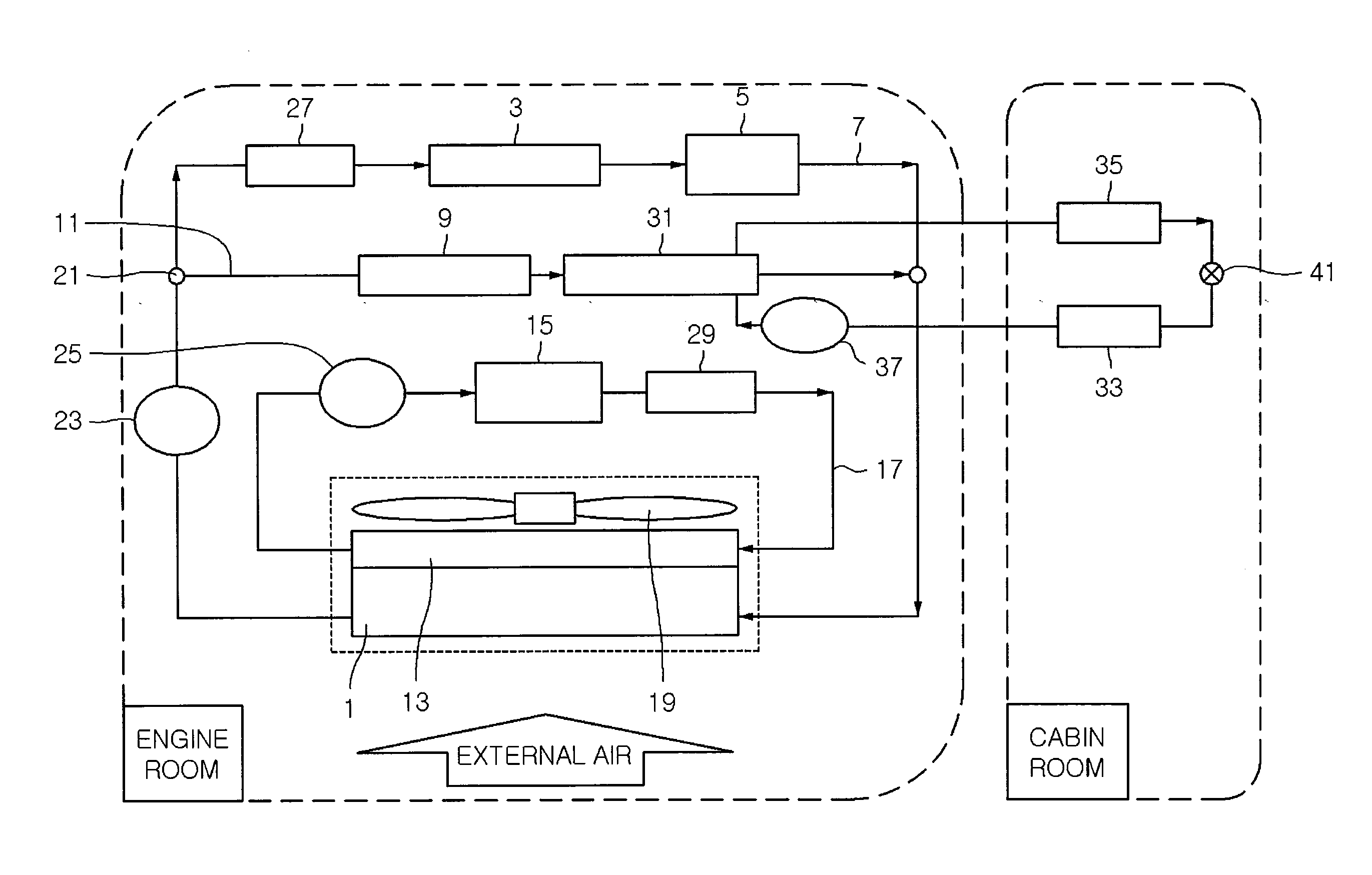
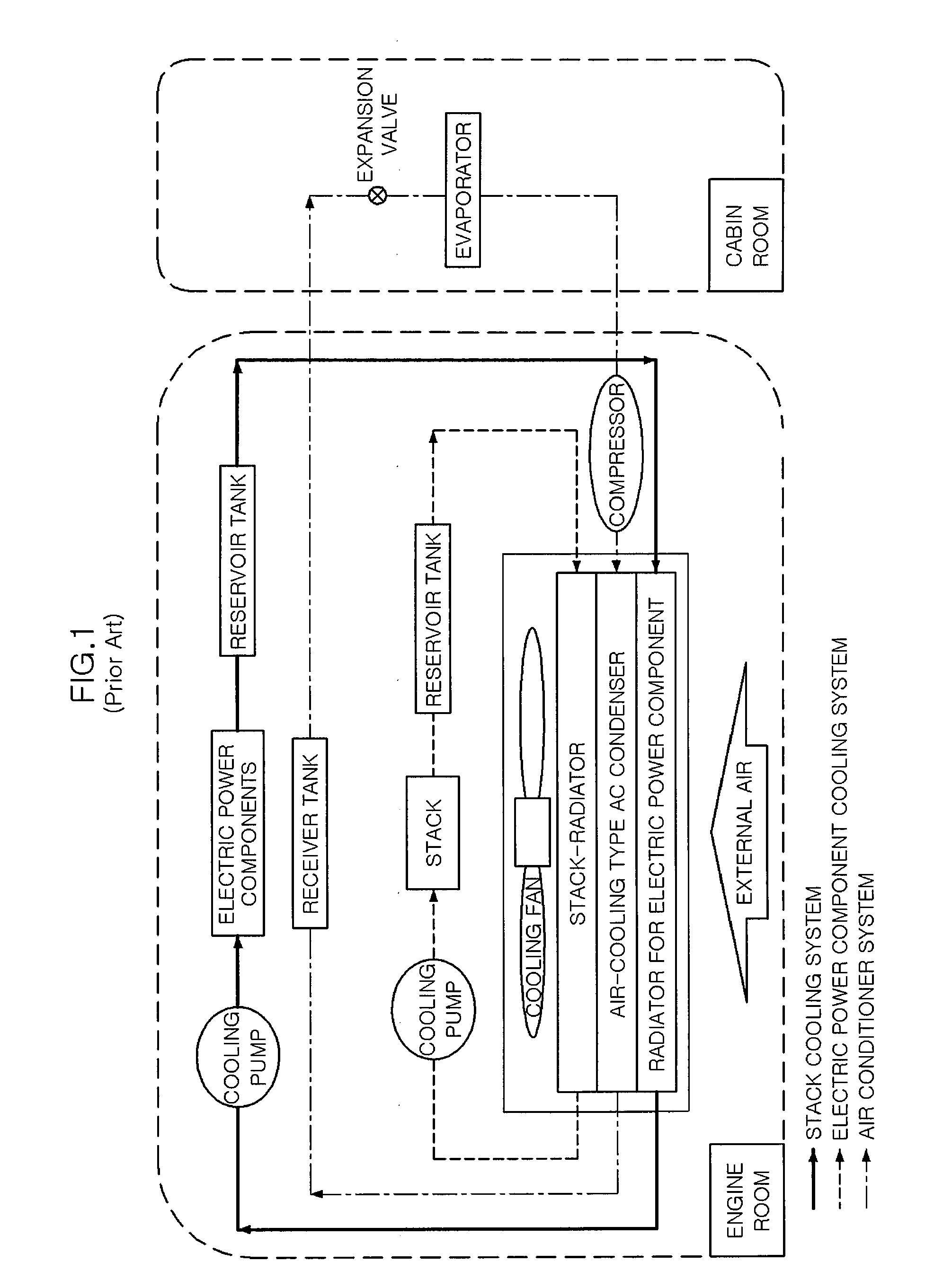
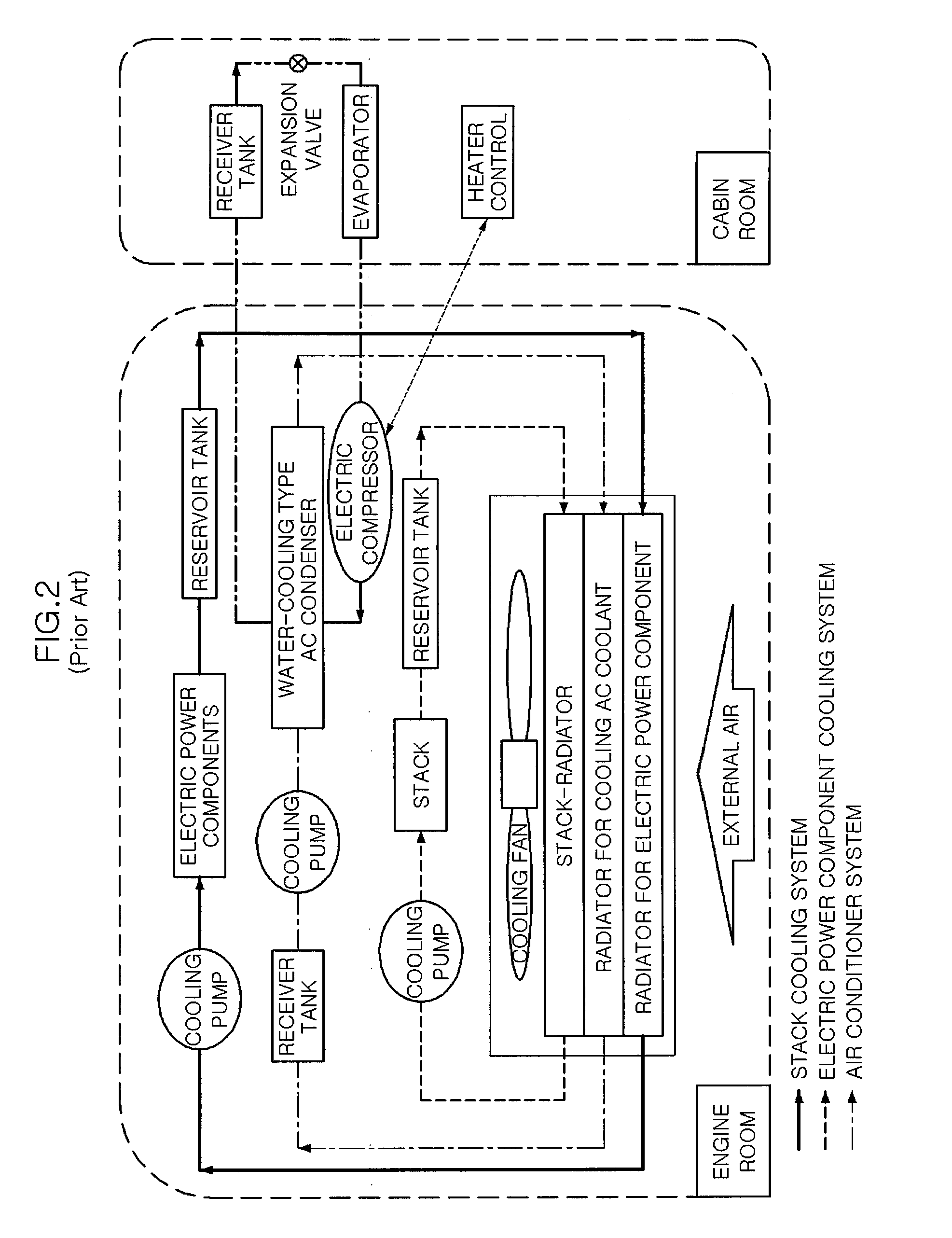
- An integrated cooling system with a closed circular cooling circuit that shares a radiator for electric power components and an air conditioner condenser, reducing the number of components and optimizing radiator placement to minimize ventilation resistance and enhance cooling efficiency.

Environmental Impact of Cooling Technologies
The environmental impact of cooling technologies in K24 engine systems is a critical consideration in the development of high-efficiency cooling innovations. Traditional cooling systems often rely on refrigerants and energy-intensive processes that contribute to greenhouse gas emissions and increased carbon footprints. As automotive manufacturers strive for more sustainable solutions, the focus has shifted towards eco-friendly cooling technologies that minimize environmental harm while maintaining optimal engine performance.
One of the primary environmental concerns associated with conventional engine cooling systems is the use of refrigerants with high global warming potential (GWP). Many older refrigerants, such as R-134a, have significant environmental impacts when released into the atmosphere. In response, researchers are exploring alternative refrigerants with lower GWP, such as R-1234yf and CO2-based systems. These newer options offer comparable cooling performance while substantially reducing the potential for ozone depletion and climate change contributions.
Energy efficiency is another crucial factor in assessing the environmental impact of K24 engine cooling systems. Inefficient cooling mechanisms can lead to increased fuel consumption and, consequently, higher emissions. Advanced cooling technologies aim to optimize heat transfer and reduce parasitic losses, thereby improving overall engine efficiency. This includes the development of smart cooling systems that can adapt to varying driving conditions and engine loads, ensuring that cooling is provided only when and where it is needed.
The manufacturing processes and materials used in cooling system components also play a significant role in their environmental footprint. Traditional materials like copper and aluminum, while effective for heat transfer, can have substantial environmental impacts during extraction and production. Innovative materials, such as carbon-based composites and advanced polymers, are being investigated for their potential to reduce weight, improve thermal efficiency, and lower the overall environmental impact of cooling system production.
Water consumption is an often-overlooked aspect of engine cooling technologies. Some advanced cooling systems are designed to minimize water usage or even eliminate it entirely, reducing the strain on water resources. Closed-loop systems and air-cooled alternatives are being explored to address this issue, particularly in regions where water scarcity is a concern.
As the automotive industry moves towards electrification, the environmental impact of cooling technologies extends beyond traditional internal combustion engines. Electric vehicle (EV) battery thermal management systems present new challenges and opportunities for sustainable cooling solutions. Innovations in this area focus on maintaining optimal battery temperature while minimizing energy consumption and environmental impact, often integrating cooling systems with other vehicle subsystems for maximum efficiency.
One of the primary environmental concerns associated with conventional engine cooling systems is the use of refrigerants with high global warming potential (GWP). Many older refrigerants, such as R-134a, have significant environmental impacts when released into the atmosphere. In response, researchers are exploring alternative refrigerants with lower GWP, such as R-1234yf and CO2-based systems. These newer options offer comparable cooling performance while substantially reducing the potential for ozone depletion and climate change contributions.
Energy efficiency is another crucial factor in assessing the environmental impact of K24 engine cooling systems. Inefficient cooling mechanisms can lead to increased fuel consumption and, consequently, higher emissions. Advanced cooling technologies aim to optimize heat transfer and reduce parasitic losses, thereby improving overall engine efficiency. This includes the development of smart cooling systems that can adapt to varying driving conditions and engine loads, ensuring that cooling is provided only when and where it is needed.
The manufacturing processes and materials used in cooling system components also play a significant role in their environmental footprint. Traditional materials like copper and aluminum, while effective for heat transfer, can have substantial environmental impacts during extraction and production. Innovative materials, such as carbon-based composites and advanced polymers, are being investigated for their potential to reduce weight, improve thermal efficiency, and lower the overall environmental impact of cooling system production.
Water consumption is an often-overlooked aspect of engine cooling technologies. Some advanced cooling systems are designed to minimize water usage or even eliminate it entirely, reducing the strain on water resources. Closed-loop systems and air-cooled alternatives are being explored to address this issue, particularly in regions where water scarcity is a concern.
As the automotive industry moves towards electrification, the environmental impact of cooling technologies extends beyond traditional internal combustion engines. Electric vehicle (EV) battery thermal management systems present new challenges and opportunities for sustainable cooling solutions. Innovations in this area focus on maintaining optimal battery temperature while minimizing energy consumption and environmental impact, often integrating cooling systems with other vehicle subsystems for maximum efficiency.
Cost-Benefit Analysis of New Cooling Systems
The cost-benefit analysis of new cooling systems for the K24 engine reveals significant potential for long-term savings and performance improvements. Initial investment in advanced cooling technologies may be higher than traditional systems, but the benefits often outweigh the costs over the engine's lifecycle.
One of the primary advantages of innovative cooling systems is improved thermal efficiency. By maintaining optimal operating temperatures more consistently, these systems can reduce fuel consumption by up to 3-5%. For a fleet of vehicles or industrial applications, this translates to substantial fuel savings over time. Additionally, more efficient cooling reduces engine wear, potentially extending the engine's lifespan by 10-15%, which further contributes to long-term cost savings.
Advanced cooling systems often incorporate smart technologies and sensors that allow for predictive maintenance. This proactive approach can reduce unexpected downtime and repair costs by up to 20-30% compared to traditional reactive maintenance strategies. The ability to anticipate and prevent cooling system failures not only saves on repair costs but also minimizes productivity losses associated with engine downtime.
From an environmental perspective, improved cooling efficiency leads to reduced emissions. While this benefit may not have a direct financial impact on the engine owner, it can result in regulatory compliance benefits and potential tax incentives in regions with strict environmental regulations. The reduction in carbon footprint can also enhance brand image for companies prioritizing sustainability.
However, the initial costs of implementing new cooling technologies can be significant. High-efficiency radiators, advanced coolants, and smart monitoring systems may increase the upfront cost of the engine by 5-10%. This higher initial investment can be a barrier for some customers, particularly in price-sensitive markets.
Maintenance requirements for advanced cooling systems may also be more complex, potentially requiring specialized training for service technicians. This could lead to slightly higher maintenance costs in the short term, although these are often offset by the reduced frequency of major repairs.
In conclusion, while new cooling systems for the K24 engine may require a higher initial investment, the long-term benefits in terms of fuel efficiency, engine longevity, and reduced maintenance costs present a compelling value proposition. The exact return on investment will vary depending on the specific application and usage patterns, but for many high-use scenarios, the cost-benefit analysis strongly favors the adoption of these innovative cooling technologies.
One of the primary advantages of innovative cooling systems is improved thermal efficiency. By maintaining optimal operating temperatures more consistently, these systems can reduce fuel consumption by up to 3-5%. For a fleet of vehicles or industrial applications, this translates to substantial fuel savings over time. Additionally, more efficient cooling reduces engine wear, potentially extending the engine's lifespan by 10-15%, which further contributes to long-term cost savings.
Advanced cooling systems often incorporate smart technologies and sensors that allow for predictive maintenance. This proactive approach can reduce unexpected downtime and repair costs by up to 20-30% compared to traditional reactive maintenance strategies. The ability to anticipate and prevent cooling system failures not only saves on repair costs but also minimizes productivity losses associated with engine downtime.
From an environmental perspective, improved cooling efficiency leads to reduced emissions. While this benefit may not have a direct financial impact on the engine owner, it can result in regulatory compliance benefits and potential tax incentives in regions with strict environmental regulations. The reduction in carbon footprint can also enhance brand image for companies prioritizing sustainability.
However, the initial costs of implementing new cooling technologies can be significant. High-efficiency radiators, advanced coolants, and smart monitoring systems may increase the upfront cost of the engine by 5-10%. This higher initial investment can be a barrier for some customers, particularly in price-sensitive markets.
Maintenance requirements for advanced cooling systems may also be more complex, potentially requiring specialized training for service technicians. This could lead to slightly higher maintenance costs in the short term, although these are often offset by the reduced frequency of major repairs.
In conclusion, while new cooling systems for the K24 engine may require a higher initial investment, the long-term benefits in terms of fuel efficiency, engine longevity, and reduced maintenance costs present a compelling value proposition. The exact return on investment will vary depending on the specific application and usage patterns, but for many high-use scenarios, the cost-benefit analysis strongly favors the adoption of these innovative cooling technologies.
Unlock deeper insights with Patsnap Eureka Quick Research — get a full tech report to explore trends and direct your research. Try now!
Generate Your Research Report Instantly with AI Agent
Supercharge your innovation with Patsnap Eureka AI Agent Platform!