Nitinol's Deployment in Collision-Avoidance Automotive Systems
AUG 6, 20259 MIN READ
Generate Your Research Report Instantly with AI Agent
PatSnap Eureka helps you evaluate technical feasibility & market potential.
Nitinol in Automotive Safety: Background and Objectives
Nitinol, an acronym for Nickel Titanium Naval Ordnance Laboratory, is a remarkable shape memory alloy that has been gaining significant attention in the automotive industry, particularly in collision-avoidance systems. This unique material possesses the ability to return to its original shape when heated, a property known as the shape memory effect, making it invaluable for various applications in vehicle safety mechanisms.
The evolution of Nitinol in automotive safety systems can be traced back to the early 2000s when researchers began exploring its potential in energy absorption and impact resistance. As vehicle manufacturers sought innovative ways to enhance passenger protection, Nitinol emerged as a promising candidate due to its superelastic properties and ability to withstand large deformations without permanent damage.
The primary objective of incorporating Nitinol into collision-avoidance automotive systems is to leverage its unique characteristics to create more responsive and efficient safety mechanisms. By utilizing Nitinol's shape memory and superelastic properties, engineers aim to develop advanced sensor systems, actuators, and structural components that can rapidly respond to potential collision scenarios, thereby reducing the risk of accidents and minimizing injury severity.
One of the key technological trends driving Nitinol's adoption in automotive safety is the increasing focus on active safety systems. These systems are designed to prevent accidents before they occur, rather than merely mitigating their effects. Nitinol's ability to change shape rapidly and repeatedly makes it an ideal material for developing active safety components that can adapt to various driving conditions and potential hazards.
The integration of Nitinol into collision-avoidance systems aligns with the broader trend of vehicle electrification and the development of autonomous driving technologies. As cars become more sophisticated and rely increasingly on sensors and electronic control units, Nitinol-based components offer the potential for lighter, more compact, and more responsive safety mechanisms that can seamlessly integrate with these advanced systems.
Looking ahead, the technological goals for Nitinol in automotive safety include improving its fatigue resistance, enhancing its response time to temperature changes, and developing more cost-effective manufacturing processes. Researchers are also exploring ways to combine Nitinol with other smart materials and sensors to create even more advanced safety systems that can predict and respond to a wider range of potential collision scenarios.
As the automotive industry continues to prioritize safety innovation, Nitinol's role in collision-avoidance systems is expected to expand significantly. The material's unique properties offer exciting possibilities for creating safer, more intelligent vehicles that can better protect occupants and pedestrians alike, paving the way for a new era in automotive safety technology.
The evolution of Nitinol in automotive safety systems can be traced back to the early 2000s when researchers began exploring its potential in energy absorption and impact resistance. As vehicle manufacturers sought innovative ways to enhance passenger protection, Nitinol emerged as a promising candidate due to its superelastic properties and ability to withstand large deformations without permanent damage.
The primary objective of incorporating Nitinol into collision-avoidance automotive systems is to leverage its unique characteristics to create more responsive and efficient safety mechanisms. By utilizing Nitinol's shape memory and superelastic properties, engineers aim to develop advanced sensor systems, actuators, and structural components that can rapidly respond to potential collision scenarios, thereby reducing the risk of accidents and minimizing injury severity.
One of the key technological trends driving Nitinol's adoption in automotive safety is the increasing focus on active safety systems. These systems are designed to prevent accidents before they occur, rather than merely mitigating their effects. Nitinol's ability to change shape rapidly and repeatedly makes it an ideal material for developing active safety components that can adapt to various driving conditions and potential hazards.
The integration of Nitinol into collision-avoidance systems aligns with the broader trend of vehicle electrification and the development of autonomous driving technologies. As cars become more sophisticated and rely increasingly on sensors and electronic control units, Nitinol-based components offer the potential for lighter, more compact, and more responsive safety mechanisms that can seamlessly integrate with these advanced systems.
Looking ahead, the technological goals for Nitinol in automotive safety include improving its fatigue resistance, enhancing its response time to temperature changes, and developing more cost-effective manufacturing processes. Researchers are also exploring ways to combine Nitinol with other smart materials and sensors to create even more advanced safety systems that can predict and respond to a wider range of potential collision scenarios.
As the automotive industry continues to prioritize safety innovation, Nitinol's role in collision-avoidance systems is expected to expand significantly. The material's unique properties offer exciting possibilities for creating safer, more intelligent vehicles that can better protect occupants and pedestrians alike, paving the way for a new era in automotive safety technology.
Market Analysis for Nitinol-Based Collision Avoidance Systems
The market for Nitinol-based collision avoidance systems in the automotive industry is experiencing significant growth, driven by increasing safety regulations and consumer demand for advanced driver assistance systems (ADAS). The global automotive collision avoidance system market is projected to reach substantial value in the coming years, with Nitinol-based systems poised to capture a notable share.
Nitinol's unique properties, including shape memory and superelasticity, make it an attractive material for collision avoidance applications. These systems can be integrated into various vehicle components, such as bumpers, crumple zones, and sensor housings, to enhance their performance and durability. The market demand for Nitinol-based collision avoidance systems is particularly strong in premium and luxury vehicle segments, where advanced safety features are often standard.
The automotive industry's shift towards autonomous and semi-autonomous vehicles is a key driver for the adoption of Nitinol-based collision avoidance systems. As vehicles become more sophisticated, the need for reliable and responsive safety mechanisms increases. Nitinol's ability to respond quickly to external stimuli and return to its original shape makes it ideal for creating adaptive safety structures that can absorb impact energy more effectively than traditional materials.
Geographically, North America and Europe are currently the largest markets for Nitinol-based collision avoidance systems, due to stringent safety regulations and high consumer awareness. However, the Asia-Pacific region is expected to witness the fastest growth in the coming years, driven by increasing vehicle production and rising safety concerns in emerging economies like China and India.
Key market players in this segment include major automotive suppliers and Nitinol specialists who are collaborating to develop innovative solutions. These companies are investing heavily in research and development to overcome challenges such as high production costs and complex manufacturing processes associated with Nitinol-based systems.
The market for Nitinol-based collision avoidance systems is also benefiting from advancements in sensor technologies and artificial intelligence. These complementary technologies enhance the effectiveness of Nitinol structures by enabling more precise detection of potential collisions and faster activation of safety mechanisms.
Despite the promising outlook, the market faces challenges such as the high cost of Nitinol compared to conventional materials and the need for specialized manufacturing expertise. However, as production scales up and technology matures, these barriers are expected to diminish, leading to wider adoption across various vehicle classes.
Nitinol's unique properties, including shape memory and superelasticity, make it an attractive material for collision avoidance applications. These systems can be integrated into various vehicle components, such as bumpers, crumple zones, and sensor housings, to enhance their performance and durability. The market demand for Nitinol-based collision avoidance systems is particularly strong in premium and luxury vehicle segments, where advanced safety features are often standard.
The automotive industry's shift towards autonomous and semi-autonomous vehicles is a key driver for the adoption of Nitinol-based collision avoidance systems. As vehicles become more sophisticated, the need for reliable and responsive safety mechanisms increases. Nitinol's ability to respond quickly to external stimuli and return to its original shape makes it ideal for creating adaptive safety structures that can absorb impact energy more effectively than traditional materials.
Geographically, North America and Europe are currently the largest markets for Nitinol-based collision avoidance systems, due to stringent safety regulations and high consumer awareness. However, the Asia-Pacific region is expected to witness the fastest growth in the coming years, driven by increasing vehicle production and rising safety concerns in emerging economies like China and India.
Key market players in this segment include major automotive suppliers and Nitinol specialists who are collaborating to develop innovative solutions. These companies are investing heavily in research and development to overcome challenges such as high production costs and complex manufacturing processes associated with Nitinol-based systems.
The market for Nitinol-based collision avoidance systems is also benefiting from advancements in sensor technologies and artificial intelligence. These complementary technologies enhance the effectiveness of Nitinol structures by enabling more precise detection of potential collisions and faster activation of safety mechanisms.
Despite the promising outlook, the market faces challenges such as the high cost of Nitinol compared to conventional materials and the need for specialized manufacturing expertise. However, as production scales up and technology matures, these barriers are expected to diminish, leading to wider adoption across various vehicle classes.
Current Challenges in Nitinol Automotive Applications
The integration of Nitinol in collision-avoidance automotive systems presents several significant challenges that require innovative solutions. One of the primary obstacles is the material's sensitivity to temperature fluctuations, which can affect its shape memory and superelastic properties. In automotive applications, where temperature ranges can be extreme, ensuring consistent performance of Nitinol-based components across various climates and operating conditions is crucial.
Another challenge lies in the manufacturing and processing of Nitinol for automotive use. The material's unique properties make it difficult to machine and form into complex shapes required for automotive components. Traditional manufacturing methods often struggle to maintain the precise tolerances and consistency needed for safety-critical systems, necessitating the development of specialized production techniques.
The long-term durability and fatigue resistance of Nitinol in automotive environments also pose significant concerns. While the material exhibits excellent fatigue properties in certain applications, the constant vibrations, stress cycles, and exposure to corrosive elements in automotive settings may impact its long-term performance and reliability. Extensive testing and validation processes are required to ensure that Nitinol-based components can withstand the rigors of automotive use over extended periods.
Cost considerations present another hurdle in the widespread adoption of Nitinol in automotive collision-avoidance systems. The material is significantly more expensive than conventional alternatives, which can impact the overall cost of vehicle production. Balancing the enhanced performance capabilities of Nitinol against its higher cost remains a challenge for automotive manufacturers seeking to implement this technology on a large scale.
Furthermore, the integration of Nitinol components with existing automotive systems and materials presents compatibility issues. Ensuring seamless interaction between Nitinol-based parts and other vehicle components, such as sensors, actuators, and control systems, requires careful design considerations and extensive testing to prevent unintended consequences or system failures.
Lastly, the regulatory landscape surrounding the use of novel materials like Nitinol in safety-critical automotive applications presents additional challenges. Obtaining necessary approvals and certifications for Nitinol-based collision-avoidance systems requires comprehensive safety testing and documentation, which can be time-consuming and resource-intensive for manufacturers.
Another challenge lies in the manufacturing and processing of Nitinol for automotive use. The material's unique properties make it difficult to machine and form into complex shapes required for automotive components. Traditional manufacturing methods often struggle to maintain the precise tolerances and consistency needed for safety-critical systems, necessitating the development of specialized production techniques.
The long-term durability and fatigue resistance of Nitinol in automotive environments also pose significant concerns. While the material exhibits excellent fatigue properties in certain applications, the constant vibrations, stress cycles, and exposure to corrosive elements in automotive settings may impact its long-term performance and reliability. Extensive testing and validation processes are required to ensure that Nitinol-based components can withstand the rigors of automotive use over extended periods.
Cost considerations present another hurdle in the widespread adoption of Nitinol in automotive collision-avoidance systems. The material is significantly more expensive than conventional alternatives, which can impact the overall cost of vehicle production. Balancing the enhanced performance capabilities of Nitinol against its higher cost remains a challenge for automotive manufacturers seeking to implement this technology on a large scale.
Furthermore, the integration of Nitinol components with existing automotive systems and materials presents compatibility issues. Ensuring seamless interaction between Nitinol-based parts and other vehicle components, such as sensors, actuators, and control systems, requires careful design considerations and extensive testing to prevent unintended consequences or system failures.
Lastly, the regulatory landscape surrounding the use of novel materials like Nitinol in safety-critical automotive applications presents additional challenges. Obtaining necessary approvals and certifications for Nitinol-based collision-avoidance systems requires comprehensive safety testing and documentation, which can be time-consuming and resource-intensive for manufacturers.
Existing Nitinol Solutions for Collision Avoidance
01 Shape memory properties of Nitinol
Nitinol is a shape memory alloy that can return to its original shape when heated. This unique property makes it useful in various applications, including medical devices, aerospace, and automotive industries. The shape memory effect allows for the creation of compact, deployable structures and self-expanding medical implants.- Shape memory properties of Nitinol: Nitinol is a shape memory alloy that can return to its original shape when heated. This unique property makes it useful in various applications, including medical devices, aerospace, and automotive industries. The shape memory effect allows for the creation of compact, deployable structures and self-expanding medical implants.
- Superelasticity of Nitinol: Nitinol exhibits superelastic behavior, allowing it to undergo large deformations and return to its original shape without permanent damage. This property is particularly valuable in medical applications, such as orthodontic wires, stents, and guidewires, where flexibility and shape recovery are crucial.
- Nitinol in medical devices: Nitinol is widely used in the medical field due to its biocompatibility and unique properties. It is commonly used in minimally invasive surgical instruments, cardiovascular devices, and orthopedic implants. The material's ability to change shape at body temperature makes it ideal for self-expanding stents and other implantable devices.
- Manufacturing and processing of Nitinol: The production and processing of Nitinol require specialized techniques due to its unique properties. This includes precise control of composition, heat treatment, and shaping methods. Advanced manufacturing processes, such as laser cutting and 3D printing, are being developed to create complex Nitinol structures for various applications.
- Nitinol in actuators and sensors: Nitinol's shape memory and superelastic properties make it suitable for use in actuators and sensors. These devices can be designed to respond to temperature changes or mechanical stress, enabling applications in robotics, automotive systems, and smart materials. The material's ability to generate force during shape recovery is particularly useful in compact actuator designs.
02 Superelasticity of Nitinol
Nitinol exhibits superelastic behavior, allowing it to undergo large deformations and return to its original shape without permanent damage. This property is particularly valuable in medical applications, such as orthodontic wires, stents, and surgical instruments, where flexibility and durability are crucial.Expand Specific Solutions03 Nitinol in medical devices
Nitinol is widely used in the medical field due to its biocompatibility and unique properties. It is commonly used in the production of stents, guidewires, orthodontic archwires, and other implantable devices. The material's ability to conform to body temperature and maintain its shape makes it ideal for minimally invasive procedures.Expand Specific Solutions04 Nitinol in industrial applications
Nitinol finds applications in various industrial sectors, including aerospace, automotive, and robotics. Its unique properties are utilized in actuators, couplings, and sealing devices. The material's ability to operate in extreme temperatures and its resistance to corrosion make it suitable for demanding environments.Expand Specific Solutions05 Processing and manufacturing of Nitinol
The production and processing of Nitinol require specialized techniques due to its unique properties. This includes precise control of composition, heat treatment, and shaping methods. Advanced manufacturing processes, such as additive manufacturing and laser processing, are being explored to enhance the production of Nitinol-based components and improve their performance.Expand Specific Solutions
Key Players in Nitinol-Based Automotive Safety Systems
The deployment of Nitinol in collision-avoidance automotive systems is in an early growth stage, with the market poised for significant expansion. The global automotive safety systems market, which includes collision avoidance technologies, is projected to reach substantial size in the coming years. While Nitinol's application in this specific area is still emerging, its unique properties make it a promising material for automotive safety innovations. Companies like Mitsubishi Heavy Industries, Hyundai Mobis, and DENSO are likely at the forefront of integrating Nitinol into their advanced driver assistance systems (ADAS) and collision avoidance technologies, leveraging their expertise in automotive engineering and materials science to develop cutting-edge solutions.
Carpenter Technology Corp.
Technical Solution: Carpenter Technology has focused on developing advanced Nitinol alloys specifically tailored for automotive collision-avoidance systems. Their proprietary Nitinol formulations offer enhanced fatigue resistance and faster response times compared to standard Nitinol[8]. These alloys are designed to maintain their shape memory and superelastic properties over a wider temperature range, making them suitable for diverse climatic conditions. Carpenter has also developed a novel manufacturing process that allows for the production of complex Nitinol shapes and structures, enabling more intricate and effective collision-avoidance designs[10]. Their materials are being used in prototype systems that include Nitinol-based adaptive crash structures and shape-morphing exterior panels that can alter vehicle aerodynamics to enhance stability in potential collision scenarios[12].
Strengths: Specialized Nitinol formulations for automotive applications, advanced manufacturing capabilities, and wide operating temperature range. Weaknesses: Higher material costs and potential supply chain limitations due to specialized production processes.
HP Development Co. LP
Technical Solution: HP Development Co. LP has not publicly disclosed any specific technologies or solutions related to Nitinol's deployment in collision-avoidance automotive systems.
Innovative Nitinol Applications in Automotive Safety
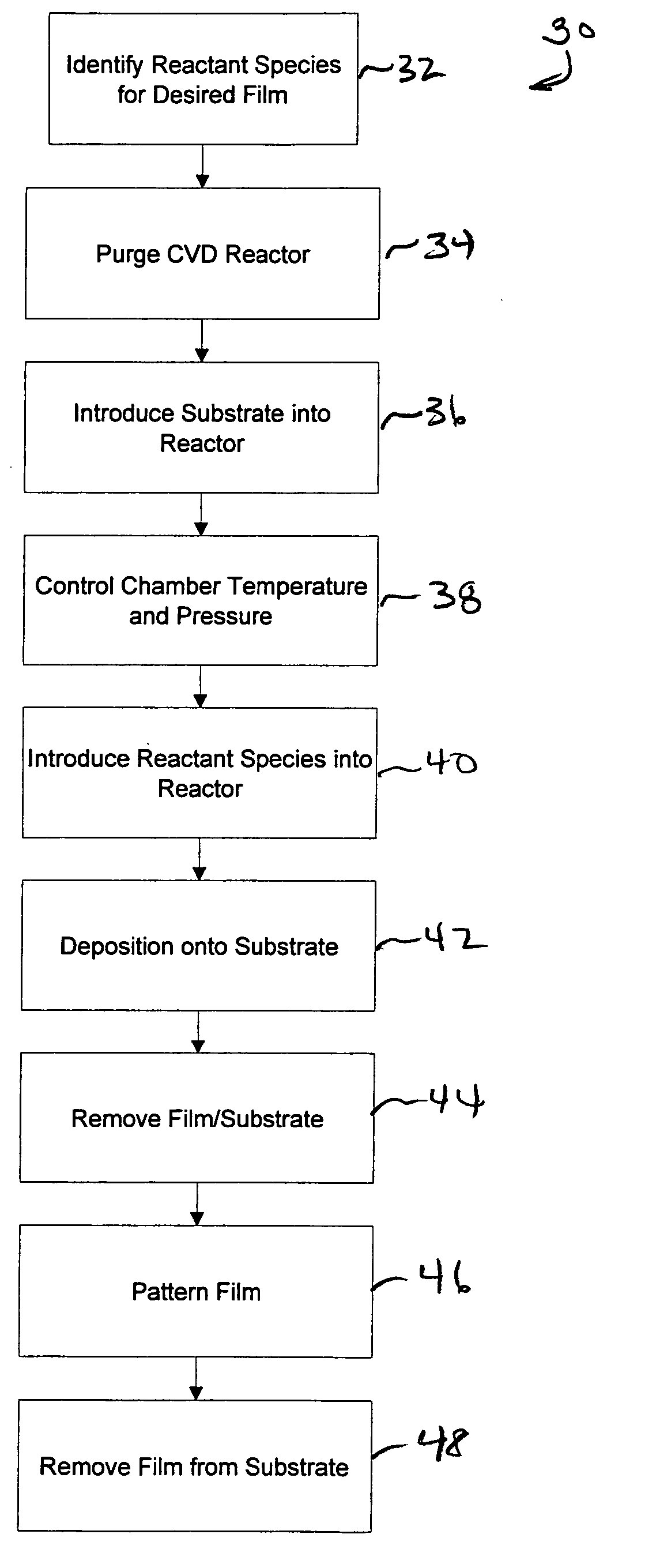
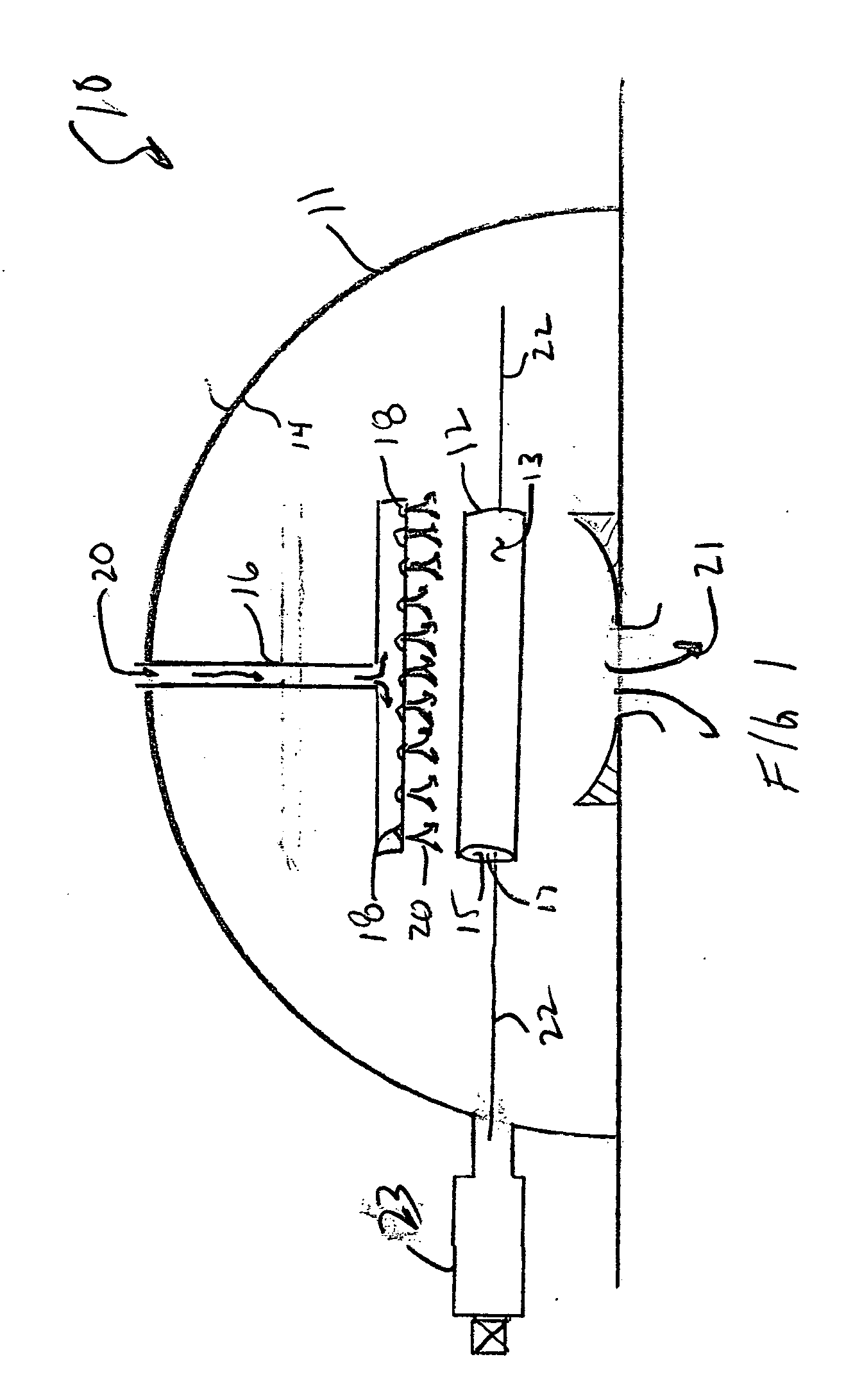
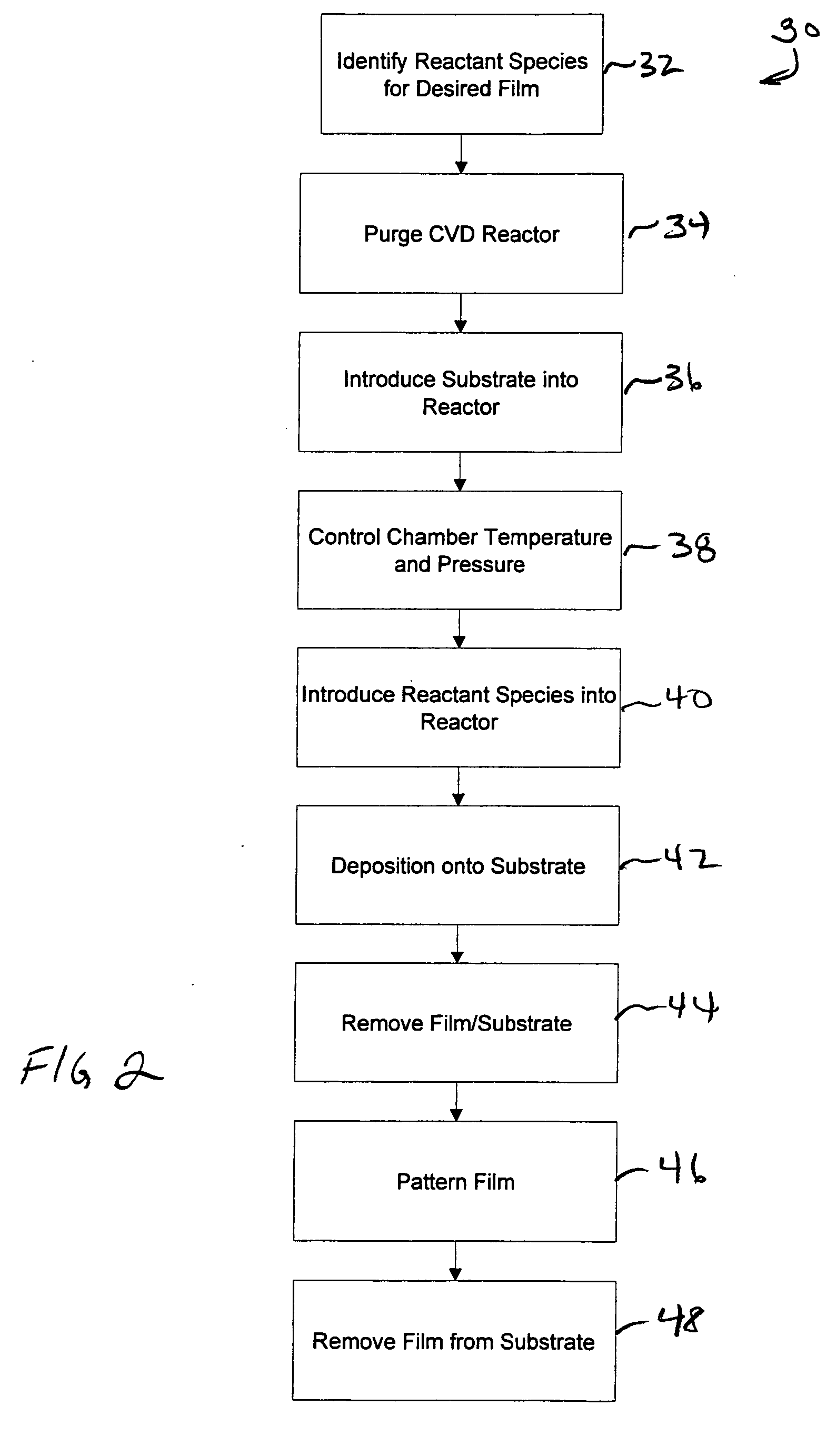
Methods of making shape memory films by chemical vapor deposition and shape memory devices made thereby
PatentInactiveUS20070061006A1
Innovation
- A chemical vapor deposition (CVD) method is developed to deposit nickel-titanium shape memory alloy films, using a plasma-enhanced or laser-enhanced process with reactant gases like titanium tetrachloride and nickel carbonyl, allowing for high-strength, superelastic nitinol films without the need for precipitation annealing, and enabling the formation of devices like stents and drug-delivery systems with controlled transition temperatures.

Patent
Innovation
- Integration of Nitinol shape memory alloys in automotive collision avoidance systems for rapid and precise actuation of safety mechanisms.
- Development of smart sensors utilizing Nitinol's unique properties to detect and respond to impact forces in real-time.
- Design of compact, lightweight Nitinol-based actuators for space-efficient deployment in various vehicle locations.
Environmental Impact of Nitinol in Automotive Systems
The environmental impact of Nitinol in automotive collision-avoidance systems is a crucial consideration as the material gains prominence in this application. Nitinol, an alloy of nickel and titanium, offers unique properties that make it valuable for automotive safety systems, but its production and use also carry environmental implications.
The manufacturing process of Nitinol is energy-intensive, requiring high temperatures for alloying and shape-setting. This energy consumption contributes to greenhouse gas emissions, particularly if the energy source is not renewable. Additionally, the extraction and processing of nickel and titanium ores have significant environmental footprints, including habitat disruption, water pollution, and soil contamination.
However, the use of Nitinol in collision-avoidance systems can potentially offset some of these environmental costs. By improving vehicle safety and reducing the frequency and severity of accidents, Nitinol-based systems may decrease the need for vehicle repairs and replacements. This reduction in material consumption and manufacturing could lead to long-term environmental benefits.
The durability and corrosion resistance of Nitinol also contribute to its environmental profile. These properties extend the lifespan of components, reducing the need for frequent replacements and the associated waste generation. Furthermore, Nitinol's shape memory and superelastic properties allow for the design of more compact and lightweight safety systems, potentially improving overall vehicle fuel efficiency.
End-of-life considerations for Nitinol in automotive applications are an important aspect of its environmental impact. While the alloy is recyclable, the separation of nickel and titanium can be challenging and energy-intensive. Developing efficient recycling processes for Nitinol is crucial to minimize waste and reduce the demand for primary raw materials.
The potential for Nitinol to enable more advanced and effective collision-avoidance systems may lead to broader positive environmental impacts. By preventing accidents, these systems could reduce traffic congestion, lower fuel consumption due to idling, and minimize the environmental damage caused by vehicle collisions, such as oil spills or destruction of roadside vegetation.
As the automotive industry moves towards electrification, the environmental impact of Nitinol in collision-avoidance systems may evolve. In electric vehicles, the weight savings offered by Nitinol components could contribute to extended range and improved energy efficiency, further enhancing the environmental benefits of these systems.
The manufacturing process of Nitinol is energy-intensive, requiring high temperatures for alloying and shape-setting. This energy consumption contributes to greenhouse gas emissions, particularly if the energy source is not renewable. Additionally, the extraction and processing of nickel and titanium ores have significant environmental footprints, including habitat disruption, water pollution, and soil contamination.
However, the use of Nitinol in collision-avoidance systems can potentially offset some of these environmental costs. By improving vehicle safety and reducing the frequency and severity of accidents, Nitinol-based systems may decrease the need for vehicle repairs and replacements. This reduction in material consumption and manufacturing could lead to long-term environmental benefits.
The durability and corrosion resistance of Nitinol also contribute to its environmental profile. These properties extend the lifespan of components, reducing the need for frequent replacements and the associated waste generation. Furthermore, Nitinol's shape memory and superelastic properties allow for the design of more compact and lightweight safety systems, potentially improving overall vehicle fuel efficiency.
End-of-life considerations for Nitinol in automotive applications are an important aspect of its environmental impact. While the alloy is recyclable, the separation of nickel and titanium can be challenging and energy-intensive. Developing efficient recycling processes for Nitinol is crucial to minimize waste and reduce the demand for primary raw materials.
The potential for Nitinol to enable more advanced and effective collision-avoidance systems may lead to broader positive environmental impacts. By preventing accidents, these systems could reduce traffic congestion, lower fuel consumption due to idling, and minimize the environmental damage caused by vehicle collisions, such as oil spills or destruction of roadside vegetation.
As the automotive industry moves towards electrification, the environmental impact of Nitinol in collision-avoidance systems may evolve. In electric vehicles, the weight savings offered by Nitinol components could contribute to extended range and improved energy efficiency, further enhancing the environmental benefits of these systems.
Regulatory Framework for Nitinol in Automotive Safety
The regulatory framework for Nitinol in automotive safety systems is a complex and evolving landscape that requires careful consideration. As Nitinol gains traction in collision-avoidance systems, regulatory bodies are adapting their guidelines to ensure the safe and effective implementation of this shape memory alloy.
At the forefront of these regulations is the National Highway Traffic Safety Administration (NHTSA) in the United States. The NHTSA has established specific requirements for the use of advanced materials in vehicle safety systems, including Nitinol. These regulations focus on the material's durability, reliability, and performance under various environmental conditions.
In the European Union, the European New Car Assessment Programme (Euro NCAP) has incorporated guidelines for the use of smart materials in automotive safety. While not explicitly mentioning Nitinol, these guidelines provide a framework for assessing the effectiveness of innovative materials in collision-avoidance systems.
The International Organization for Standardization (ISO) has also developed standards relevant to the use of Nitinol in automotive applications. ISO 13485, which outlines quality management systems for medical devices, has been adapted to address the unique properties of Nitinol in safety-critical automotive components.
Regulatory bodies are particularly concerned with the long-term stability and fatigue resistance of Nitinol in automotive applications. As a result, manufacturers are required to conduct extensive testing to demonstrate the material's ability to maintain its shape memory and superelastic properties over the vehicle's lifetime.
Another key aspect of the regulatory framework is the requirement for fail-safe mechanisms. Given the critical nature of collision-avoidance systems, regulations mandate redundancy and backup systems to ensure safety in the event of Nitinol component failure.
Environmental considerations also play a significant role in the regulatory landscape. Regulations address the recyclability and end-of-life disposal of Nitinol components, aligning with broader automotive industry sustainability goals.
As the technology advances, regulatory bodies are working closely with industry stakeholders to develop more specific guidelines for Nitinol in automotive safety applications. This collaborative approach aims to strike a balance between innovation and safety, ensuring that the unique properties of Nitinol are leveraged effectively while maintaining the highest standards of vehicle occupant protection.
At the forefront of these regulations is the National Highway Traffic Safety Administration (NHTSA) in the United States. The NHTSA has established specific requirements for the use of advanced materials in vehicle safety systems, including Nitinol. These regulations focus on the material's durability, reliability, and performance under various environmental conditions.
In the European Union, the European New Car Assessment Programme (Euro NCAP) has incorporated guidelines for the use of smart materials in automotive safety. While not explicitly mentioning Nitinol, these guidelines provide a framework for assessing the effectiveness of innovative materials in collision-avoidance systems.
The International Organization for Standardization (ISO) has also developed standards relevant to the use of Nitinol in automotive applications. ISO 13485, which outlines quality management systems for medical devices, has been adapted to address the unique properties of Nitinol in safety-critical automotive components.
Regulatory bodies are particularly concerned with the long-term stability and fatigue resistance of Nitinol in automotive applications. As a result, manufacturers are required to conduct extensive testing to demonstrate the material's ability to maintain its shape memory and superelastic properties over the vehicle's lifetime.
Another key aspect of the regulatory framework is the requirement for fail-safe mechanisms. Given the critical nature of collision-avoidance systems, regulations mandate redundancy and backup systems to ensure safety in the event of Nitinol component failure.
Environmental considerations also play a significant role in the regulatory landscape. Regulations address the recyclability and end-of-life disposal of Nitinol components, aligning with broader automotive industry sustainability goals.
As the technology advances, regulatory bodies are working closely with industry stakeholders to develop more specific guidelines for Nitinol in automotive safety applications. This collaborative approach aims to strike a balance between innovation and safety, ensuring that the unique properties of Nitinol are leveraged effectively while maintaining the highest standards of vehicle occupant protection.
Unlock deeper insights with PatSnap Eureka Quick Research — get a full tech report to explore trends and direct your research. Try now!
Generate Your Research Report Instantly with AI Agent
Supercharge your innovation with PatSnap Eureka AI Agent Platform!