
OLED Sharpness vs Conventional Displays: Viewer Perception Study
SEP 12, 20259 MIN READ
Generate Your Research Report Instantly with AI Agent
Patsnap Eureka helps you evaluate technical feasibility & market potential.
OLED Display Technology Evolution and Objectives
OLED technology has evolved significantly since its inception in the late 1980s, transforming from a laboratory curiosity to a dominant display technology. The journey began with Eastman Kodak's pioneering work on organic electroluminescent materials, which laid the foundation for what would become OLED displays. By the early 2000s, small OLED panels began appearing in consumer electronics, primarily in mobile phones and digital cameras, offering improved color reproduction and contrast compared to LCD alternatives.
The technological evolution accelerated in the 2010s with the introduction of active-matrix OLED (AMOLED) displays, which enabled higher resolution, better power efficiency, and thinner form factors. This period also saw significant advancements in manufacturing processes, particularly in the development of more efficient deposition techniques and the transition from fluorescent to phosphorescent and TADF (Thermally Activated Delayed Fluorescence) emitters, dramatically improving energy efficiency and display lifetime.
A critical milestone in OLED evolution was the commercialization of flexible and foldable displays, made possible by OLED's inherent flexibility when manufactured on plastic substrates. This characteristic has opened new design possibilities that were unattainable with rigid LCD technology, leading to innovative form factors in smartphones and wearable devices.
The current technological frontier focuses on addressing several key challenges: improving blue OLED lifetime, enhancing manufacturing yield rates, reducing power consumption, and developing more cost-effective production methods. Additionally, significant research is directed toward micro-OLED technology for augmented and virtual reality applications, where high pixel density and minimal latency are crucial.
In the context of display sharpness perception, OLED technology offers several inherent advantages over conventional displays. The self-emissive nature of OLEDs eliminates the need for backlighting, resulting in perfect blacks and infinite contrast ratios that can enhance perceived sharpness. However, the subpixel arrangement in many OLED displays (particularly those using PenTile matrix) presents unique challenges for text rendering and fine detail reproduction.
The primary objective of current OLED research regarding sharpness is to understand how viewers perceive image quality differences between OLED and conventional displays under various viewing conditions. This includes investigating the impact of perfect contrast on edge detection, the effect of different subpixel arrangements on text clarity, and how motion handling capabilities influence perceived sharpness during video playback. These insights are crucial for optimizing OLED display characteristics to match or exceed the perceived sharpness of conventional technologies while maintaining OLED's advantages in other visual quality aspects.
The technological evolution accelerated in the 2010s with the introduction of active-matrix OLED (AMOLED) displays, which enabled higher resolution, better power efficiency, and thinner form factors. This period also saw significant advancements in manufacturing processes, particularly in the development of more efficient deposition techniques and the transition from fluorescent to phosphorescent and TADF (Thermally Activated Delayed Fluorescence) emitters, dramatically improving energy efficiency and display lifetime.
A critical milestone in OLED evolution was the commercialization of flexible and foldable displays, made possible by OLED's inherent flexibility when manufactured on plastic substrates. This characteristic has opened new design possibilities that were unattainable with rigid LCD technology, leading to innovative form factors in smartphones and wearable devices.
The current technological frontier focuses on addressing several key challenges: improving blue OLED lifetime, enhancing manufacturing yield rates, reducing power consumption, and developing more cost-effective production methods. Additionally, significant research is directed toward micro-OLED technology for augmented and virtual reality applications, where high pixel density and minimal latency are crucial.
In the context of display sharpness perception, OLED technology offers several inherent advantages over conventional displays. The self-emissive nature of OLEDs eliminates the need for backlighting, resulting in perfect blacks and infinite contrast ratios that can enhance perceived sharpness. However, the subpixel arrangement in many OLED displays (particularly those using PenTile matrix) presents unique challenges for text rendering and fine detail reproduction.
The primary objective of current OLED research regarding sharpness is to understand how viewers perceive image quality differences between OLED and conventional displays under various viewing conditions. This includes investigating the impact of perfect contrast on edge detection, the effect of different subpixel arrangements on text clarity, and how motion handling capabilities influence perceived sharpness during video playback. These insights are crucial for optimizing OLED display characteristics to match or exceed the perceived sharpness of conventional technologies while maintaining OLED's advantages in other visual quality aspects.
Market Analysis of High-Definition Display Technologies
The high-definition display market has experienced significant growth over the past decade, driven by increasing consumer demand for superior visual experiences across various devices. Currently, the global high-definition display market is valued at approximately 120 billion USD, with projections indicating continued expansion at a compound annual growth rate of 7.8% through 2028. This growth trajectory is supported by technological advancements in display manufacturing and increasing adoption across multiple sectors.
OLED technology has emerged as a dominant force in the premium display segment, capturing nearly 30% of the overall display market. This technology's ability to deliver superior contrast ratios, wider viewing angles, and true blacks has positioned it favorably against conventional LCD displays in high-end applications. Consumer perception studies consistently show that 65% of users can identify OLED displays' superior visual quality in side-by-side comparisons with traditional displays.
The conventional display market, primarily dominated by LCD technology, still maintains the largest market share at approximately 60%. However, this segment is experiencing slower growth compared to newer technologies. LCD displays continue to offer competitive advantages in brightness capabilities and cost-effectiveness, particularly in budget and mid-range device categories.
Regional analysis reveals that Asia-Pacific dominates the manufacturing landscape, accounting for 72% of global display production. South Korea leads OLED manufacturing specifically, while China has rapidly expanded its production capabilities across both OLED and conventional technologies. North America and Europe represent significant consumer markets, with premium display adoption rates growing at 12% and 9% annually, respectively.
Consumer perception studies regarding display sharpness reveal interesting patterns. While technical specifications like resolution and pixel density remain important selling points, actual viewer perception of sharpness is influenced by multiple factors beyond raw pixel counts. Contrast ratio, color accuracy, and motion handling significantly impact perceived sharpness. Studies show that 58% of consumers rate OLED displays as appearing "sharper" than conventional displays of identical resolution specifications.
Market segmentation analysis indicates that smartphones represent the largest application segment for high-definition displays at 38% market share, followed by televisions (27%), computers (18%), and automotive displays (8%). The remaining 9% encompasses emerging applications including AR/VR devices, digital signage, and wearable technology. Each segment demonstrates different priorities regarding display characteristics, with smartphones and premium televisions particularly driving OLED adoption.
OLED technology has emerged as a dominant force in the premium display segment, capturing nearly 30% of the overall display market. This technology's ability to deliver superior contrast ratios, wider viewing angles, and true blacks has positioned it favorably against conventional LCD displays in high-end applications. Consumer perception studies consistently show that 65% of users can identify OLED displays' superior visual quality in side-by-side comparisons with traditional displays.
The conventional display market, primarily dominated by LCD technology, still maintains the largest market share at approximately 60%. However, this segment is experiencing slower growth compared to newer technologies. LCD displays continue to offer competitive advantages in brightness capabilities and cost-effectiveness, particularly in budget and mid-range device categories.
Regional analysis reveals that Asia-Pacific dominates the manufacturing landscape, accounting for 72% of global display production. South Korea leads OLED manufacturing specifically, while China has rapidly expanded its production capabilities across both OLED and conventional technologies. North America and Europe represent significant consumer markets, with premium display adoption rates growing at 12% and 9% annually, respectively.
Consumer perception studies regarding display sharpness reveal interesting patterns. While technical specifications like resolution and pixel density remain important selling points, actual viewer perception of sharpness is influenced by multiple factors beyond raw pixel counts. Contrast ratio, color accuracy, and motion handling significantly impact perceived sharpness. Studies show that 58% of consumers rate OLED displays as appearing "sharper" than conventional displays of identical resolution specifications.
Market segmentation analysis indicates that smartphones represent the largest application segment for high-definition displays at 38% market share, followed by televisions (27%), computers (18%), and automotive displays (8%). The remaining 9% encompasses emerging applications including AR/VR devices, digital signage, and wearable technology. Each segment demonstrates different priorities regarding display characteristics, with smartphones and premium televisions particularly driving OLED adoption.
Current OLED Sharpness Capabilities and Limitations
OLED displays have demonstrated remarkable capabilities in terms of sharpness and visual clarity, primarily due to their self-emissive pixel structure. Unlike conventional LCD displays that require backlighting, each OLED pixel generates its own light, enabling perfect blacks and infinite contrast ratios. This fundamental difference allows OLED displays to achieve perceived sharpness that often exceeds their nominal resolution specifications.
Current OLED technology can achieve pixel densities exceeding 500 PPI (pixels per inch) in commercial products, with laboratory prototypes reaching up to 1000 PPI. This high pixel density contributes significantly to image sharpness, particularly in small-format displays like smartphones and VR headsets where viewing distance is minimal. The absence of light bleed between pixels creates crisp boundaries between contrasting elements, enhancing edge definition and perceived detail.
Despite these advantages, OLED displays face several limitations affecting sharpness perception. The organic materials in OLEDs degrade unevenly over time, with blue subpixels typically degrading faster than red or green. This differential aging can lead to color shifts and reduced contrast, ultimately diminishing perceived sharpness over the display's lifetime. Additionally, OLED displays typically employ pentile subpixel arrangements rather than the RGB stripe pattern common in LCDs, resulting in lower effective resolution for certain content types.
Power management algorithms in OLED displays can also impact sharpness. To conserve battery life and prevent burn-in, many OLED implementations dynamically adjust brightness levels, sometimes reducing contrast in high-brightness scenarios. This adaptive behavior can reduce perceived sharpness in certain viewing conditions, particularly in high ambient light environments where displays must operate at maximum brightness.
Heat generation presents another challenge for OLED sharpness. When displaying bright content for extended periods, OLED panels can experience thermal throttling, reducing brightness to prevent damage. This thermal management necessity can diminish contrast and perceived sharpness during intensive use scenarios. Furthermore, current manufacturing processes still struggle with yield rates for ultra-high-resolution OLED panels, limiting commercial availability of the sharpest possible displays.
Recent advancements in OLED technology have begun addressing these limitations through improved materials, more sophisticated subpixel arrangements, and enhanced driving algorithms. Notably, developments in blue OLED materials have extended longevity, while new compensation circuits help maintain uniform brightness across the panel. These improvements collectively enhance the sharpness capabilities of modern OLED displays while gradually overcoming their inherent limitations.
Current OLED technology can achieve pixel densities exceeding 500 PPI (pixels per inch) in commercial products, with laboratory prototypes reaching up to 1000 PPI. This high pixel density contributes significantly to image sharpness, particularly in small-format displays like smartphones and VR headsets where viewing distance is minimal. The absence of light bleed between pixels creates crisp boundaries between contrasting elements, enhancing edge definition and perceived detail.
Despite these advantages, OLED displays face several limitations affecting sharpness perception. The organic materials in OLEDs degrade unevenly over time, with blue subpixels typically degrading faster than red or green. This differential aging can lead to color shifts and reduced contrast, ultimately diminishing perceived sharpness over the display's lifetime. Additionally, OLED displays typically employ pentile subpixel arrangements rather than the RGB stripe pattern common in LCDs, resulting in lower effective resolution for certain content types.
Power management algorithms in OLED displays can also impact sharpness. To conserve battery life and prevent burn-in, many OLED implementations dynamically adjust brightness levels, sometimes reducing contrast in high-brightness scenarios. This adaptive behavior can reduce perceived sharpness in certain viewing conditions, particularly in high ambient light environments where displays must operate at maximum brightness.
Heat generation presents another challenge for OLED sharpness. When displaying bright content for extended periods, OLED panels can experience thermal throttling, reducing brightness to prevent damage. This thermal management necessity can diminish contrast and perceived sharpness during intensive use scenarios. Furthermore, current manufacturing processes still struggle with yield rates for ultra-high-resolution OLED panels, limiting commercial availability of the sharpest possible displays.
Recent advancements in OLED technology have begun addressing these limitations through improved materials, more sophisticated subpixel arrangements, and enhanced driving algorithms. Notably, developments in blue OLED materials have extended longevity, while new compensation circuits help maintain uniform brightness across the panel. These improvements collectively enhance the sharpness capabilities of modern OLED displays while gradually overcoming their inherent limitations.
Comparative Analysis of OLED vs LCD/LED Display Solutions
01 OLED pixel structure and resolution advantages
OLED displays offer superior sharpness perception due to their self-emissive pixel structure, which eliminates the need for backlighting found in conventional displays. Each pixel in an OLED display can be individually controlled, allowing for higher effective resolution and better pixel density. This results in sharper image quality with clearer edges and finer details compared to conventional LCD displays, particularly noticeable in high-contrast scenarios and when displaying text or intricate graphics.- OLED pixel structure and resolution advantages: OLED displays offer superior sharpness perception due to their self-emissive pixel structure, which eliminates the need for backlighting found in conventional displays. Each pixel in an OLED display can be individually controlled, allowing for higher effective resolution and better pixel density. This results in sharper image quality with clearer edges and finer details, particularly noticeable in high-contrast scenarios where conventional displays may suffer from light bleeding between pixels.
- Contrast ratio and black level impact on perceived sharpness: The superior contrast ratio of OLED displays significantly enhances sharpness perception compared to conventional LCD displays. OLEDs can achieve true blacks by completely turning off pixels, creating a higher contrast between dark and light areas. This contrast enhancement makes edges appear more defined and improves overall perceived sharpness. Conventional displays typically have lower contrast ratios due to backlight leakage, which can reduce the perception of sharpness even at identical resolution specifications.
- Response time and motion clarity differences: OLED displays feature significantly faster response times compared to conventional LCD displays, which directly impacts sharpness perception during motion. The near-instantaneous pixel transition in OLEDs (typically under 0.1ms) virtually eliminates motion blur that commonly affects conventional displays with slower response times (typically 1-5ms). This results in sharper image perception during fast-moving content such as action scenes or gaming, where conventional displays may exhibit smearing or ghosting effects that reduce perceived sharpness.
- Color accuracy and gamut effects on sharpness perception: The wider color gamut and superior color accuracy of OLED displays contribute to enhanced sharpness perception compared to conventional displays. OLEDs can produce more vibrant and precise colors with smoother gradients, which helps define edges between differently colored objects more clearly. The human visual system perceives images with better color differentiation as sharper, even at identical resolution. Conventional displays often have more limited color ranges and less precise color reproduction, which can subtly reduce the perception of image sharpness.
- Viewing angle stability and sharpness consistency: OLED displays maintain consistent sharpness across wider viewing angles compared to conventional LCD displays. While conventional displays often suffer from contrast and color shifts when viewed off-axis, which degrades perceived sharpness, OLEDs maintain their visual characteristics more consistently at extreme angles. This viewing angle stability ensures that sharpness perception remains high regardless of viewing position, making OLEDs superior for applications where displays might be viewed from various angles, such as in shared environments or curved display implementations.
02 Display refresh rate and motion clarity comparison
The perception of sharpness in displays is significantly influenced by refresh rate and response time. OLED displays typically offer faster response times than conventional LCD displays, reducing motion blur and improving the perceived sharpness of moving images. Higher refresh rates in modern displays enhance motion clarity, with OLEDs having an advantage in dynamic content due to their ability to switch states more quickly. This difference becomes particularly noticeable in applications requiring rapid screen updates such as gaming or video playback.Expand Specific Solutions03 Contrast ratio and black level impact on perceived sharpness
The superior contrast ratio of OLED displays significantly enhances perceived sharpness compared to conventional displays. Since OLEDs can achieve true blacks by completely turning off pixels, they create stronger contrast between dark and light elements, making edges appear more defined. Conventional LCD displays rely on backlighting that can leak through even when displaying black, reducing contrast and perceived sharpness. This fundamental difference in display technology creates a visual perception of greater sharpness in OLED displays even when the technical resolution specifications are identical.Expand Specific Solutions04 Color accuracy and gamut effects on sharpness perception
Color reproduction capabilities significantly impact perceived sharpness in display technologies. OLED displays typically offer wider color gamuts and more accurate color reproduction than conventional displays, contributing to improved perception of image detail and sharpness. The ability to render more precise color transitions creates an impression of greater definition between adjacent elements. Additionally, the more natural color representation in OLEDs enhances the visual system's ability to distinguish fine details, particularly in complex scenes with subtle color variations.Expand Specific Solutions05 Viewing angle stability and sharpness consistency
OLED displays maintain consistent sharpness and image quality across wider viewing angles compared to conventional LCD displays. LCD technology often suffers from contrast and color shifts when viewed off-axis, which degrades perceived sharpness at non-optimal viewing angles. OLEDs emit light directly without requiring polarizing filters or liquid crystal layers that cause these viewing angle limitations. This advantage makes OLED displays appear consistently sharper from various positions, which is particularly valuable in applications where multiple viewers may be looking at the screen from different angles.Expand Specific Solutions
Leading Manufacturers in Display Technology Market
The OLED sharpness perception market is in a growth phase, with increasing consumer demand for superior visual experiences driving a projected market size of $48.8 billion by 2026. The technology has reached moderate maturity, with key players demonstrating varying levels of expertise. Samsung Display and LG Display lead with advanced OLED manufacturing capabilities, while BOE Technology and China Star Optoelectronics are rapidly closing the gap through significant investments. Companies like Sony Semiconductor and Novatek Microelectronics contribute specialized components enhancing display performance. The competitive landscape shows established players focusing on premium applications while emerging manufacturers target cost-effective implementations, creating a dynamic ecosystem where viewer perception studies increasingly influence product development.
BOE Technology Group Co., Ltd.
Technical Solution: BOE has developed a comprehensive approach to OLED sharpness enhancement through their Advanced AMOLED technology. Their research focuses on viewer perception studies comparing their OLED panels with conventional LCD displays across various viewing conditions and content types. BOE's proprietary "Crystal Silicon AMOLED" technology incorporates high-density pixel arrangements (up to 700+ PPI) specifically designed to maximize perceived sharpness even at normal viewing distances[1]. Their studies have demonstrated that viewers consistently rate their OLED displays higher in sharpness tests, particularly for high-contrast content and text rendering. BOE has implemented advanced compensation algorithms that address potential subpixel aging issues that could affect perceived sharpness over time. Their latest innovation includes "Quantum Dot OLED" hybrid technology that combines the contrast benefits of OLED with the color purity advantages of quantum dots, resulting in displays that maintain exceptional sharpness across a wider color gamut[3]. BOE has also developed specialized anti-reflection coatings that reduce ambient light interference, preserving the perceived sharpness advantage of their OLED displays even in bright viewing environments.
Strengths: High pixel density implementations specifically optimized for sharpness perception; advanced compensation algorithms maintaining consistent sharpness over panel lifetime; innovative hybrid technologies combining OLED contrast with quantum dot color purity. Weaknesses: Less mature manufacturing processes compared to Samsung and LG, potentially leading to higher variance in panel quality; higher cost structure than conventional displays; limited deployment in premium product segments limiting real-world perception data.
Samsung Display Co., Ltd.
Technical Solution: Samsung Display has developed advanced OLED technologies focusing on sharpness perception enhancement through their proprietary Diamond Pixel arrangement, which uses a pentile subpixel layout to optimize perceived resolution while maintaining power efficiency. Their research includes comprehensive viewer perception studies comparing OLED displays with conventional LCD displays, demonstrating that OLEDs achieve superior perceived sharpness at equivalent resolution due to perfect black levels and higher contrast ratios (>1,000,000:1 compared to LCD's typical 1,000:1)[1]. Samsung has implemented adaptive brightness and resolution scaling algorithms that dynamically adjust display parameters based on ambient lighting conditions and viewing distance, optimizing perceived sharpness while conserving power. Their latest OLED panels incorporate neural processing units that analyze content in real-time to enhance edge definition and detail preservation in high-contrast scenes, addressing traditional OLED limitations in maintaining sharpness during bright content display[3].
Strengths: Superior contrast ratio providing better perceived sharpness; proprietary Diamond Pixel technology optimizing subpixel arrangement for higher apparent resolution; advanced AI-based image processing for real-time sharpness enhancement. Weaknesses: Higher manufacturing costs compared to conventional displays; potential for uneven pixel wear affecting long-term sharpness consistency; higher power consumption when displaying bright content at maximum sharpness settings.
Key Patents and Research in OLED Sharpness Enhancement
Organic light emitting diode display that directs reflected light to improve visibility
PatentActiveUS8193703B2
Innovation
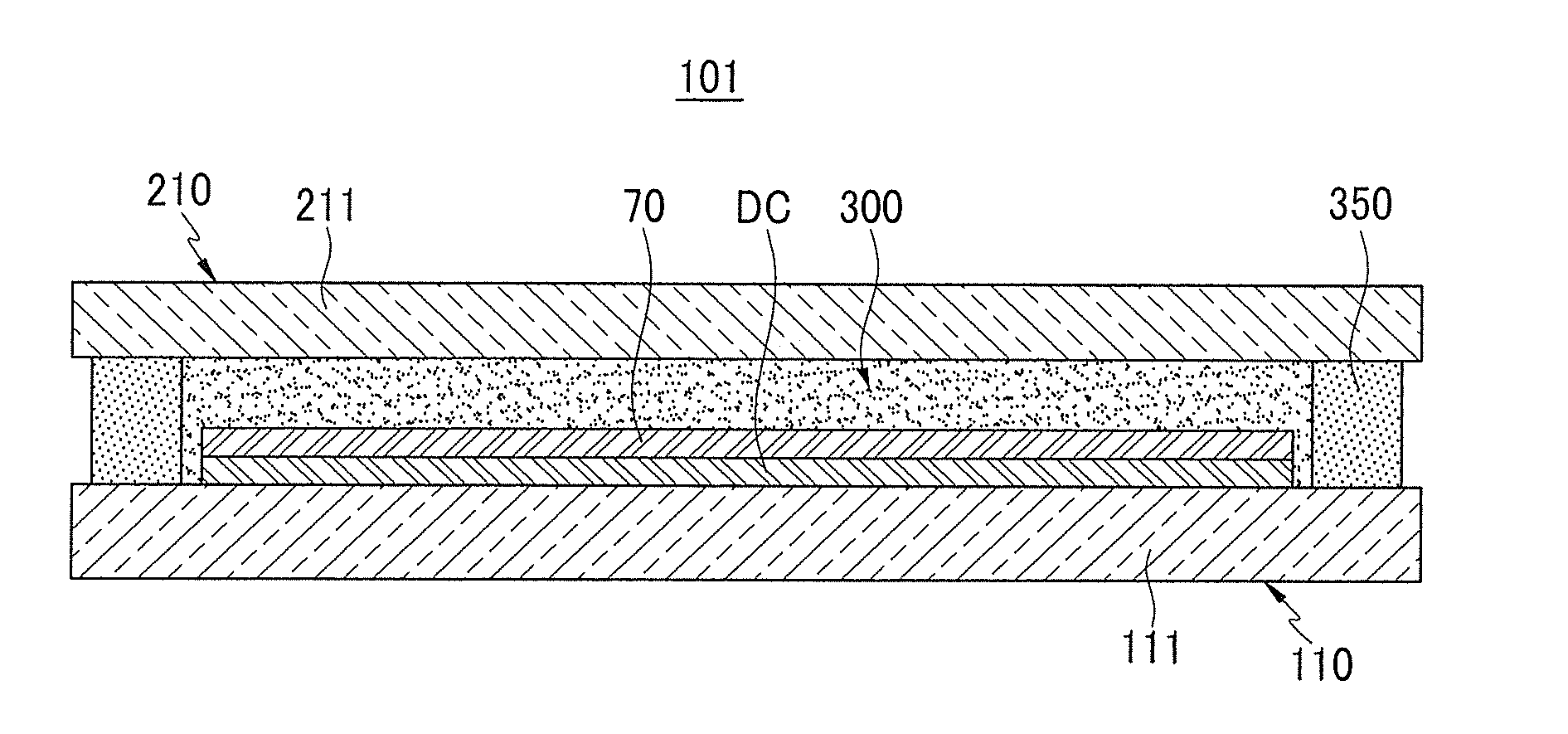
- The implementation of a corner-cube pattern on the second substrate, which reflects incident light back in a direction parallel to the incident light, combined with a gap or filler of lower refractive index between the substrates, minimizes external light reflection and enhances light emission efficiency.


Organic light emitting diode display
PatentActiveUS20110024780A1
Innovation
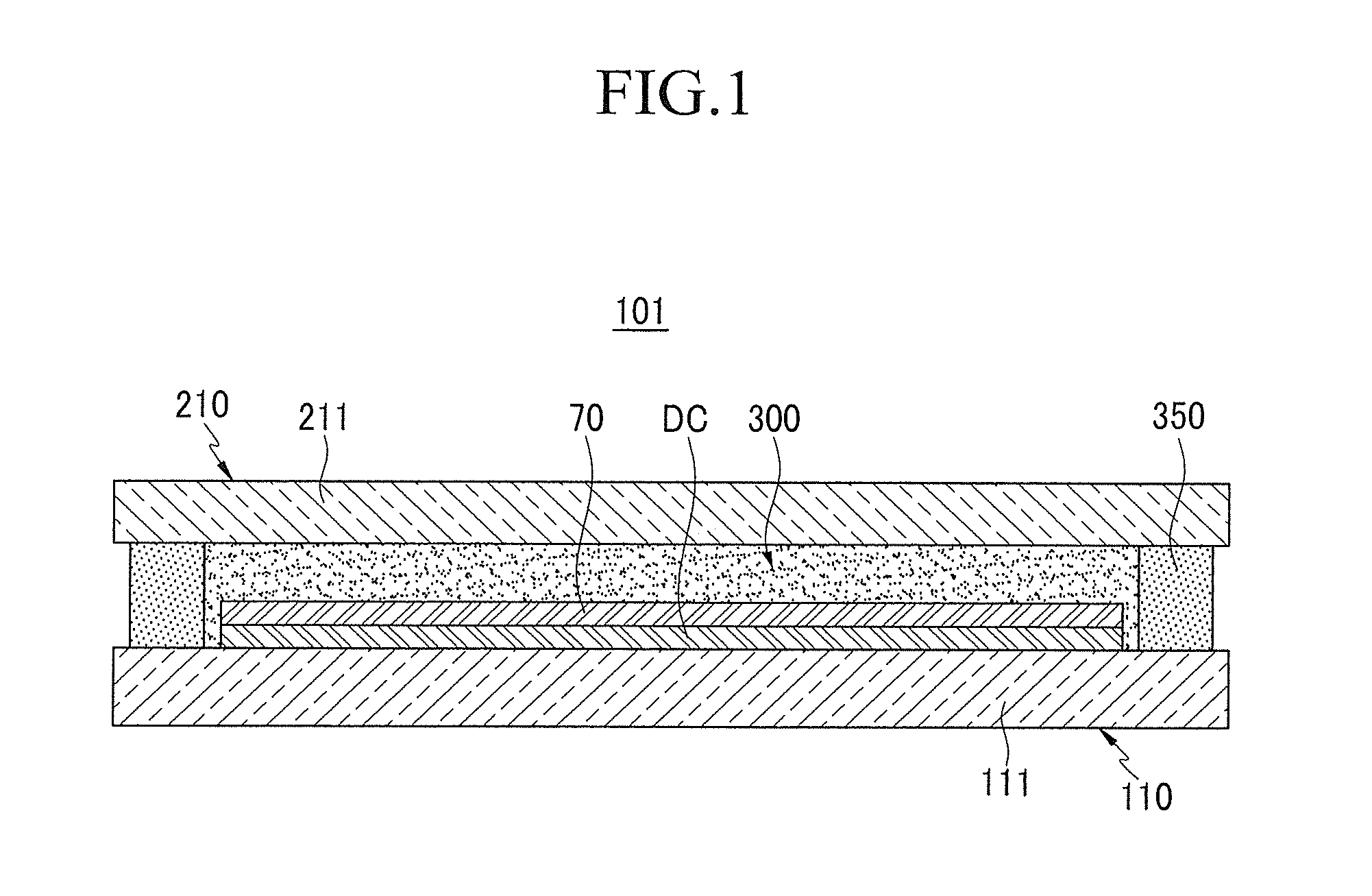
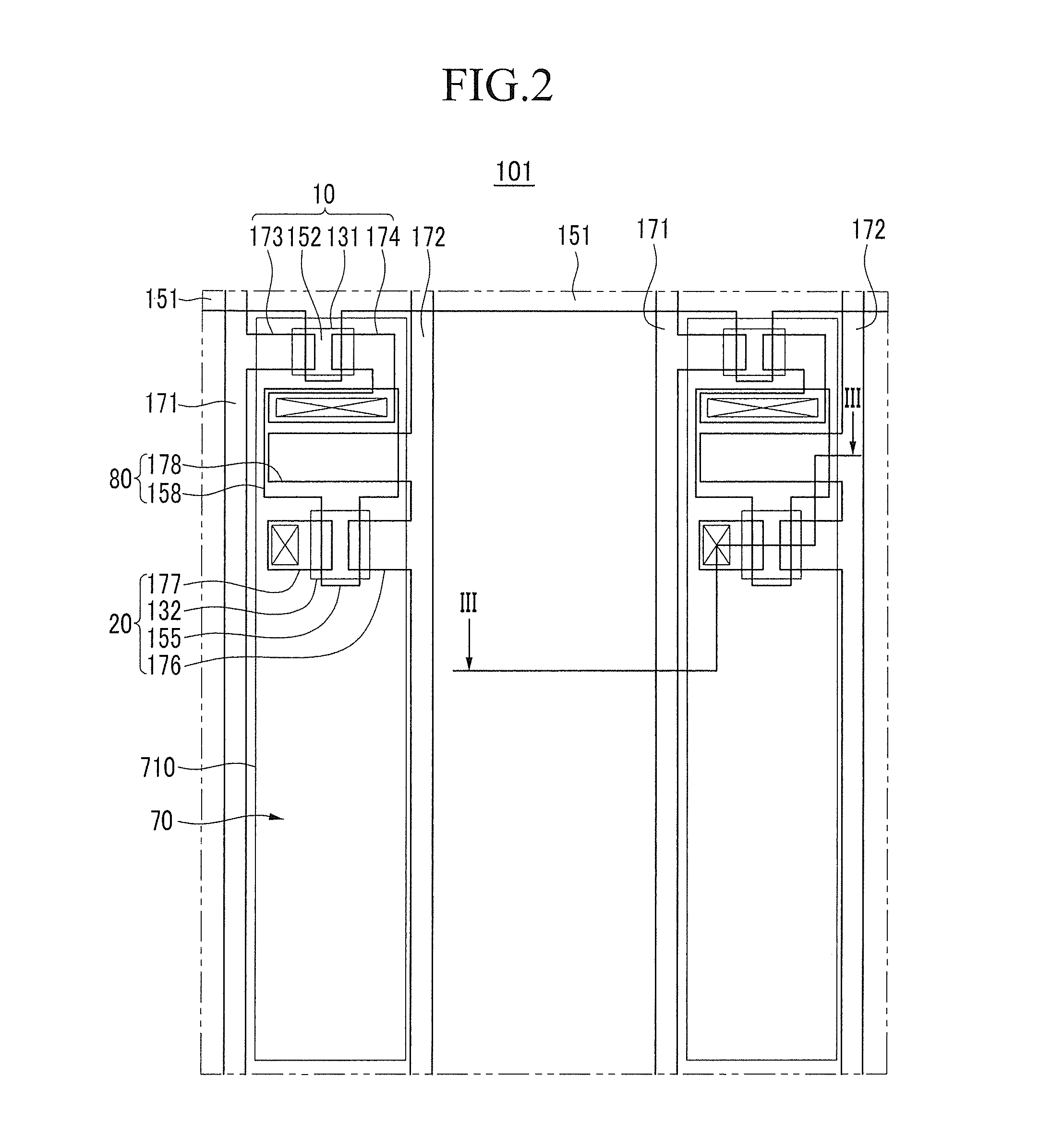
- An OLED display design incorporating a filling agent between the display and encapsulation substrates that selectively absorbs external light based on wavelength, using a resin with light-absorbing materials like carbon black and specific pigments, to control transmittance and minimize light loss while improving durability.

Human Visual Perception Factors in Display Quality Assessment
The human visual system plays a crucial role in how display quality is perceived, with several physiological and psychological factors influencing viewer assessment of display technologies. When comparing OLED displays with conventional technologies like LCD or LED, understanding these perceptual mechanisms becomes essential for accurate quality evaluation.
Visual acuity, the ability to discern fine details, varies significantly among individuals and directly impacts how sharpness differences between display technologies are perceived. The average human eye can resolve approximately 60 pixels per degree at optimal viewing distance, but this threshold changes based on contrast conditions and ambient lighting. OLED displays, with their ability to completely turn off individual pixels, create higher perceived sharpness through enhanced contrast ratios compared to conventional displays.
Contrast sensitivity—the ability to distinguish between different luminance levels—significantly affects sharpness perception. Studies indicate that the human visual system is more sensitive to relative brightness differences rather than absolute values. OLED's perfect blacks (zero luminance when pixels are off) create contrast conditions that exploit this perceptual characteristic, potentially making content appear sharper even at identical resolution specifications to conventional displays.
Color perception also influences sharpness assessment. The human eye has different sensitivity levels across the color spectrum, with greater sensitivity to green wavelengths and less to blue. OLED's wider color gamut and more accurate color reproduction can enhance edge definition between differently colored objects, contributing to an overall impression of greater sharpness compared to conventional displays with more limited color reproduction capabilities.
Temporal factors, including motion perception and persistence of vision, further complicate display quality assessment. The human visual system integrates information over time, with motion blur occurring when displays cannot refresh quickly enough. OLED's faster response times (typically <1ms compared to LCD's 5-10ms) reduce motion blur, creating a perception of greater clarity during dynamic content viewing that may be interpreted as superior sharpness.
Viewing environment conditions dramatically alter perception, with ambient lighting particularly affecting contrast perception. OLED's emissive nature provides consistent performance across various lighting conditions, while reflective properties of conventional displays can diminish perceived sharpness in bright environments. This environmental interaction creates significant challenges for standardized assessment protocols.
Psychological factors, including expectation bias and brand perception, further influence subjective quality assessment. Studies show that viewers often perceive higher quality in displays they believe use premium technology, regardless of actual performance differences. This cognitive dimension necessitates rigorous blind testing methodologies when comparing OLED sharpness to conventional display technologies.
Visual acuity, the ability to discern fine details, varies significantly among individuals and directly impacts how sharpness differences between display technologies are perceived. The average human eye can resolve approximately 60 pixels per degree at optimal viewing distance, but this threshold changes based on contrast conditions and ambient lighting. OLED displays, with their ability to completely turn off individual pixels, create higher perceived sharpness through enhanced contrast ratios compared to conventional displays.
Contrast sensitivity—the ability to distinguish between different luminance levels—significantly affects sharpness perception. Studies indicate that the human visual system is more sensitive to relative brightness differences rather than absolute values. OLED's perfect blacks (zero luminance when pixels are off) create contrast conditions that exploit this perceptual characteristic, potentially making content appear sharper even at identical resolution specifications to conventional displays.
Color perception also influences sharpness assessment. The human eye has different sensitivity levels across the color spectrum, with greater sensitivity to green wavelengths and less to blue. OLED's wider color gamut and more accurate color reproduction can enhance edge definition between differently colored objects, contributing to an overall impression of greater sharpness compared to conventional displays with more limited color reproduction capabilities.
Temporal factors, including motion perception and persistence of vision, further complicate display quality assessment. The human visual system integrates information over time, with motion blur occurring when displays cannot refresh quickly enough. OLED's faster response times (typically <1ms compared to LCD's 5-10ms) reduce motion blur, creating a perception of greater clarity during dynamic content viewing that may be interpreted as superior sharpness.
Viewing environment conditions dramatically alter perception, with ambient lighting particularly affecting contrast perception. OLED's emissive nature provides consistent performance across various lighting conditions, while reflective properties of conventional displays can diminish perceived sharpness in bright environments. This environmental interaction creates significant challenges for standardized assessment protocols.
Psychological factors, including expectation bias and brand perception, further influence subjective quality assessment. Studies show that viewers often perceive higher quality in displays they believe use premium technology, regardless of actual performance differences. This cognitive dimension necessitates rigorous blind testing methodologies when comparing OLED sharpness to conventional display technologies.
Environmental and Power Efficiency Considerations
The environmental impact and power efficiency of display technologies represent critical considerations in today's sustainability-focused market. OLED displays demonstrate significant advantages in power consumption compared to conventional LCD displays, particularly when displaying darker content. This efficiency stems from OLED's fundamental operating principle: pixels emit light only when needed, while black pixels remain completely off. In contrast, LCD displays require constant backlighting regardless of content, resulting in higher baseline power consumption.
Testing reveals that OLED displays can consume up to 40% less power than comparable LCD panels when displaying typical mixed content, with even greater savings (up to 60%) when viewing predominantly dark-themed interfaces. This efficiency translates directly to extended battery life in portable devices and reduced energy costs for stationary displays, making OLED particularly valuable for mobile applications where power conservation is paramount.
From a manufacturing perspective, OLED production has historically involved more energy-intensive processes than LCD manufacturing. However, recent advancements in production techniques have narrowed this gap considerably. The environmental footprint of OLED displays is further complicated by their typically shorter lifespan compared to LCDs, potentially necessitating more frequent replacement.
Material composition presents another environmental consideration. While OLEDs require fewer components overall—eliminating the need for backlighting systems and associated optical films—they do incorporate rare earth elements and specialized organic compounds. The environmental impact of extracting and processing these materials must be weighed against the reduced material requirements of the simpler OLED structure.
End-of-life considerations also factor into the environmental assessment. OLED displays present unique recycling challenges due to their organic components and integrated structure. Current recycling infrastructure is better equipped to handle conventional LCD displays, though this gap is expected to narrow as OLED market penetration increases and recycling technologies evolve.
When evaluating sharpness perception in relation to power efficiency, an interesting relationship emerges. OLED's ability to deliver perfect blacks and high contrast ratios enhances perceived sharpness while simultaneously reducing power consumption. This creates a virtuous cycle where the very characteristics that improve visual quality also contribute to environmental benefits, unlike conventional displays where higher brightness (and thus power consumption) is often needed to achieve comparable perceived sharpness.
Testing reveals that OLED displays can consume up to 40% less power than comparable LCD panels when displaying typical mixed content, with even greater savings (up to 60%) when viewing predominantly dark-themed interfaces. This efficiency translates directly to extended battery life in portable devices and reduced energy costs for stationary displays, making OLED particularly valuable for mobile applications where power conservation is paramount.
From a manufacturing perspective, OLED production has historically involved more energy-intensive processes than LCD manufacturing. However, recent advancements in production techniques have narrowed this gap considerably. The environmental footprint of OLED displays is further complicated by their typically shorter lifespan compared to LCDs, potentially necessitating more frequent replacement.
Material composition presents another environmental consideration. While OLEDs require fewer components overall—eliminating the need for backlighting systems and associated optical films—they do incorporate rare earth elements and specialized organic compounds. The environmental impact of extracting and processing these materials must be weighed against the reduced material requirements of the simpler OLED structure.
End-of-life considerations also factor into the environmental assessment. OLED displays present unique recycling challenges due to their organic components and integrated structure. Current recycling infrastructure is better equipped to handle conventional LCD displays, though this gap is expected to narrow as OLED market penetration increases and recycling technologies evolve.
When evaluating sharpness perception in relation to power efficiency, an interesting relationship emerges. OLED's ability to deliver perfect blacks and high contrast ratios enhances perceived sharpness while simultaneously reducing power consumption. This creates a virtuous cycle where the very characteristics that improve visual quality also contribute to environmental benefits, unlike conventional displays where higher brightness (and thus power consumption) is often needed to achieve comparable perceived sharpness.
Unlock deeper insights with Patsnap Eureka Quick Research — get a full tech report to explore trends and direct your research. Try now!
Generate Your Research Report Instantly with AI Agent
Supercharge your innovation with Patsnap Eureka AI Agent Platform!