

Optimize Conformal Coating Thickness for Maximum Dielectric Strength
SEP 17, 20259 MIN READ
Generate Your Research Report Instantly with AI Agent
PatSnap Eureka helps you evaluate technical feasibility & market potential.
Conformal Coating Technology Background and Objectives
Conformal coating technology has evolved significantly since its inception in the 1960s, initially developed for military and aerospace applications where electronic components required protection against harsh environmental conditions. The progression from simple acrylic formulations to today's advanced multi-functional coatings represents a technological journey driven by increasing demands for miniaturization and reliability in electronics manufacturing.
The fundamental purpose of conformal coatings is to provide a protective dielectric layer that shields electronic assemblies from moisture, dust, chemicals, and temperature fluctuations. As electronic devices have become more compact and sophisticated, the requirements for these protective coatings have similarly advanced, necessitating enhanced dielectric properties while maintaining minimal thickness profiles.
Recent technological trends indicate a shift toward environmentally friendly coating materials with reduced volatile organic compounds (VOCs), faster curing mechanisms, and improved adhesion properties. The industry has witnessed significant innovations in application methods, transitioning from simple dipping processes to precision selective coating technologies that optimize material usage and ensure consistent coverage.
The dielectric strength of conformal coatings represents a critical performance parameter, directly influencing the insulation capabilities and overall reliability of protected electronic components. Current research indicates that the relationship between coating thickness and dielectric strength follows a non-linear pattern, suggesting an optimal thickness range exists for maximizing protective properties while minimizing material usage and processing time.
The primary objective of optimizing conformal coating thickness for maximum dielectric strength addresses several industry challenges simultaneously: enhancing product reliability, reducing manufacturing costs, improving production efficiency, and meeting increasingly stringent environmental regulations. This optimization represents a delicate balance between competing factors including material properties, application methods, curing conditions, and substrate characteristics.
Industry forecasts project the global conformal coating market to grow at a CAGR of approximately 5.8% through 2027, driven by expanding applications in automotive electronics, consumer devices, medical equipment, and industrial control systems. This growth trajectory underscores the importance of continued technological advancement in coating formulations and application methodologies.
The pursuit of optimal coating thickness for maximum dielectric performance aligns with broader industry goals of achieving higher reliability standards while reducing material consumption and environmental impact. This technological objective serves as a cornerstone for next-generation electronic protection strategies in an increasingly demanding and diverse application landscape.
The fundamental purpose of conformal coatings is to provide a protective dielectric layer that shields electronic assemblies from moisture, dust, chemicals, and temperature fluctuations. As electronic devices have become more compact and sophisticated, the requirements for these protective coatings have similarly advanced, necessitating enhanced dielectric properties while maintaining minimal thickness profiles.
Recent technological trends indicate a shift toward environmentally friendly coating materials with reduced volatile organic compounds (VOCs), faster curing mechanisms, and improved adhesion properties. The industry has witnessed significant innovations in application methods, transitioning from simple dipping processes to precision selective coating technologies that optimize material usage and ensure consistent coverage.
The dielectric strength of conformal coatings represents a critical performance parameter, directly influencing the insulation capabilities and overall reliability of protected electronic components. Current research indicates that the relationship between coating thickness and dielectric strength follows a non-linear pattern, suggesting an optimal thickness range exists for maximizing protective properties while minimizing material usage and processing time.
The primary objective of optimizing conformal coating thickness for maximum dielectric strength addresses several industry challenges simultaneously: enhancing product reliability, reducing manufacturing costs, improving production efficiency, and meeting increasingly stringent environmental regulations. This optimization represents a delicate balance between competing factors including material properties, application methods, curing conditions, and substrate characteristics.
Industry forecasts project the global conformal coating market to grow at a CAGR of approximately 5.8% through 2027, driven by expanding applications in automotive electronics, consumer devices, medical equipment, and industrial control systems. This growth trajectory underscores the importance of continued technological advancement in coating formulations and application methodologies.
The pursuit of optimal coating thickness for maximum dielectric performance aligns with broader industry goals of achieving higher reliability standards while reducing material consumption and environmental impact. This technological objective serves as a cornerstone for next-generation electronic protection strategies in an increasingly demanding and diverse application landscape.
Market Demand Analysis for Optimized Dielectric Protection
The global market for conformal coating solutions with optimized dielectric strength is experiencing robust growth, driven primarily by the increasing complexity and miniaturization of electronic components across multiple industries. Current market analysis indicates that the electronics manufacturing sector represents the largest demand segment, with particular emphasis on applications requiring high reliability in challenging environments.
The automotive industry has emerged as a significant growth driver for advanced conformal coating solutions, particularly with the rapid expansion of electric vehicles (EVs) and advanced driver-assistance systems (ADAS). These applications demand exceptional dielectric protection to ensure long-term reliability and safety of critical electronic components exposed to harsh operating conditions including temperature extremes, vibration, and chemical exposure.
Aerospace and defense sectors continue to represent premium market segments where the performance requirements for dielectric protection far outweigh cost considerations. These industries prioritize coating solutions that can deliver consistent dielectric strength across complex geometries while maintaining minimal thickness to reduce weight and space requirements.
Consumer electronics manufacturers are increasingly adopting optimized conformal coating solutions as devices become more feature-rich while simultaneously shrinking in size. The trend toward wearable technology and IoT devices has created new demand for coatings that can provide maximum dielectric protection at minimal thickness, allowing for smaller form factors without compromising reliability.
Market research reveals that regional adoption patterns vary significantly, with North America and Europe leading in high-performance coating adoption, while Asia-Pacific represents the fastest-growing market due to its dominant position in electronics manufacturing. Regulatory factors are increasingly influencing market demand, with stricter environmental and safety standards driving the development of coating solutions that maximize dielectric performance while minimizing environmental impact.
The medical device sector represents an emerging high-value market segment, where the combination of miniaturization and reliability requirements creates strong demand for precisely optimized coating solutions. Implantable devices and portable diagnostic equipment particularly benefit from coatings that can deliver maximum dielectric strength at minimal thickness.
Industry forecasts suggest that demand for advanced conformal coating solutions will continue to grow at a compound annual rate exceeding the broader electronics manufacturing sector, driven by the increasing density of electronic components and the expansion of electronics into previously unserved applications and environments. This growth trajectory is further supported by the ongoing transition toward higher-frequency electronic systems, which require superior dielectric protection to maintain signal integrity.
The automotive industry has emerged as a significant growth driver for advanced conformal coating solutions, particularly with the rapid expansion of electric vehicles (EVs) and advanced driver-assistance systems (ADAS). These applications demand exceptional dielectric protection to ensure long-term reliability and safety of critical electronic components exposed to harsh operating conditions including temperature extremes, vibration, and chemical exposure.
Aerospace and defense sectors continue to represent premium market segments where the performance requirements for dielectric protection far outweigh cost considerations. These industries prioritize coating solutions that can deliver consistent dielectric strength across complex geometries while maintaining minimal thickness to reduce weight and space requirements.
Consumer electronics manufacturers are increasingly adopting optimized conformal coating solutions as devices become more feature-rich while simultaneously shrinking in size. The trend toward wearable technology and IoT devices has created new demand for coatings that can provide maximum dielectric protection at minimal thickness, allowing for smaller form factors without compromising reliability.
Market research reveals that regional adoption patterns vary significantly, with North America and Europe leading in high-performance coating adoption, while Asia-Pacific represents the fastest-growing market due to its dominant position in electronics manufacturing. Regulatory factors are increasingly influencing market demand, with stricter environmental and safety standards driving the development of coating solutions that maximize dielectric performance while minimizing environmental impact.
The medical device sector represents an emerging high-value market segment, where the combination of miniaturization and reliability requirements creates strong demand for precisely optimized coating solutions. Implantable devices and portable diagnostic equipment particularly benefit from coatings that can deliver maximum dielectric strength at minimal thickness.
Industry forecasts suggest that demand for advanced conformal coating solutions will continue to grow at a compound annual rate exceeding the broader electronics manufacturing sector, driven by the increasing density of electronic components and the expansion of electronics into previously unserved applications and environments. This growth trajectory is further supported by the ongoing transition toward higher-frequency electronic systems, which require superior dielectric protection to maintain signal integrity.
Current Challenges in Conformal Coating Thickness Control
Despite significant advancements in conformal coating technologies, the industry continues to face substantial challenges in achieving optimal coating thickness control for maximizing dielectric strength. The primary difficulty lies in the inherent trade-off between thickness and performance: too thin a coating fails to provide adequate protection, while excessive thickness can lead to material waste, increased production costs, and potential mechanical stress issues.
Current application methods present significant variability challenges. Spray coating, while efficient for large-scale production, often results in inconsistent thickness across complex geometries with shadowing effects in recessed areas. Dip coating, though providing better coverage, struggles with controlling drainage patterns and preventing excessive buildup at edges and corners. Selective coating methods offer precision but at significantly reduced throughput rates.
Environmental factors compound these challenges, as temperature and humidity fluctuations during application dramatically affect viscosity, flow characteristics, and curing behavior. This environmental sensitivity creates batch-to-batch inconsistencies that are difficult to predict and control in production environments without specialized climate-controlled facilities.
Measurement and verification present another critical obstacle. Non-destructive testing methods for conformal coating thickness remain limited in accuracy and spatial resolution. Optical methods struggle with transparent coatings, while electrical testing cannot provide detailed thickness mapping across components. This creates a significant quality assurance gap where defects may go undetected until field failures occur.
Material limitations further complicate optimization efforts. Current coating formulations exhibit non-linear relationships between thickness and dielectric strength, with diminishing returns beyond certain thresholds. Additionally, many high-performance coatings with superior dielectric properties present application challenges due to their rheological characteristics or curing requirements.
The industry also faces significant challenges in establishing standardized thickness specifications across different application scenarios. The optimal thickness for maximizing dielectric strength varies substantially depending on operating environment, substrate material, expected voltage stresses, and service life requirements. This complexity makes it difficult to develop universal guidelines or automated process controls.
Recent attempts at implementing real-time monitoring and feedback systems have shown promise but remain prohibitively expensive for widespread adoption. The lack of cost-effective in-line measurement technologies creates a significant barrier to implementing closed-loop control systems that could dynamically adjust application parameters to maintain optimal thickness.
Current application methods present significant variability challenges. Spray coating, while efficient for large-scale production, often results in inconsistent thickness across complex geometries with shadowing effects in recessed areas. Dip coating, though providing better coverage, struggles with controlling drainage patterns and preventing excessive buildup at edges and corners. Selective coating methods offer precision but at significantly reduced throughput rates.
Environmental factors compound these challenges, as temperature and humidity fluctuations during application dramatically affect viscosity, flow characteristics, and curing behavior. This environmental sensitivity creates batch-to-batch inconsistencies that are difficult to predict and control in production environments without specialized climate-controlled facilities.
Measurement and verification present another critical obstacle. Non-destructive testing methods for conformal coating thickness remain limited in accuracy and spatial resolution. Optical methods struggle with transparent coatings, while electrical testing cannot provide detailed thickness mapping across components. This creates a significant quality assurance gap where defects may go undetected until field failures occur.
Material limitations further complicate optimization efforts. Current coating formulations exhibit non-linear relationships between thickness and dielectric strength, with diminishing returns beyond certain thresholds. Additionally, many high-performance coatings with superior dielectric properties present application challenges due to their rheological characteristics or curing requirements.
The industry also faces significant challenges in establishing standardized thickness specifications across different application scenarios. The optimal thickness for maximizing dielectric strength varies substantially depending on operating environment, substrate material, expected voltage stresses, and service life requirements. This complexity makes it difficult to develop universal guidelines or automated process controls.
Recent attempts at implementing real-time monitoring and feedback systems have shown promise but remain prohibitively expensive for widespread adoption. The lack of cost-effective in-line measurement technologies creates a significant barrier to implementing closed-loop control systems that could dynamically adjust application parameters to maintain optimal thickness.
Current Thickness Optimization Methodologies
01 Materials for high dielectric strength conformal coatings
Various materials can be used in conformal coatings to achieve high dielectric strength. These include parylene coatings, silicone-based formulations, epoxy resins, and fluoropolymers. These materials provide excellent electrical insulation properties by creating a protective barrier that prevents electrical breakdown. The selection of specific materials depends on the application requirements, environmental conditions, and desired dielectric strength values.- Materials for high dielectric strength conformal coatings: Various materials can be used in conformal coatings to achieve high dielectric strength. These include polymeric materials such as parylene, silicone, acrylic, epoxy, and polyurethane. These materials provide excellent electrical insulation properties and can withstand high voltage differentials without breaking down. The selection of material depends on the specific application requirements, environmental conditions, and desired dielectric strength values.
- Application methods for uniform conformal coating: The method of applying conformal coatings significantly impacts their dielectric strength. Techniques such as spray coating, dip coating, vapor deposition, and automated selective coating can be employed to ensure uniform thickness and coverage. Proper application minimizes defects such as pinholes, bubbles, and thin spots that could compromise dielectric strength. Controlled application parameters like temperature, humidity, and curing conditions are essential for optimal dielectric performance.
- Enhancing dielectric strength through additives and fillers: Dielectric strength of conformal coatings can be enhanced by incorporating specific additives and fillers. Ceramic particles, metal oxides, and specialized nanoparticles can significantly improve the electrical insulation properties. These additives modify the molecular structure of the coating, increasing its resistance to electrical breakdown. The concentration and dispersion of these additives must be carefully controlled to maintain other desirable properties of the coating.
- Multilayer coating systems for improved dielectric performance: Multilayer conformal coating systems can provide superior dielectric strength compared to single-layer applications. By combining different materials with complementary properties, these systems create a more robust electrical insulation barrier. Each layer can serve a specific function, such as moisture resistance, adhesion promotion, or high voltage insulation. The interfaces between layers must be properly designed to prevent delamination and ensure consistent dielectric performance across the entire coated surface.
- Testing and quality control for dielectric strength: Ensuring consistent dielectric strength in conformal coatings requires rigorous testing and quality control procedures. Methods such as high-potential (hi-pot) testing, insulation resistance measurement, and breakdown voltage testing are commonly employed. Environmental stress testing, including thermal cycling and humidity exposure, helps predict long-term dielectric performance. Advanced analytical techniques can identify microscopic defects that might compromise dielectric strength before they lead to failures in field applications.
02 Application methods for uniform conformal coating
The method of applying conformal coatings significantly impacts dielectric strength. Techniques such as vapor deposition, spray coating, dip coating, and vacuum deposition can be used to achieve uniform coverage. Proper application ensures consistent thickness and absence of voids or pinholes, which are critical for maintaining high dielectric strength. Control of environmental conditions during application also helps prevent defects that could compromise electrical insulation properties.Expand Specific Solutions03 Thickness optimization for dielectric performance
The thickness of conformal coatings directly correlates with dielectric strength performance. Optimizing coating thickness involves balancing electrical insulation requirements with other factors such as thermal management and mechanical flexibility. Thicker coatings generally provide higher dielectric strength but may impact heat dissipation and add weight. Advanced application techniques can achieve precise thickness control to meet specific dielectric strength requirements while maintaining other performance characteristics.Expand Specific Solutions04 Additives and fillers for enhanced dielectric properties
Incorporating specific additives and fillers into conformal coating formulations can significantly enhance dielectric strength. Ceramic particles, metal oxides, and specialized polymeric compounds can be dispersed within the base material to improve electrical insulation properties. These additives modify the electrical characteristics of the coating by creating tortuous paths for potential electrical breakdown, thereby increasing the overall dielectric strength of the conformal coating system.Expand Specific Solutions05 Environmental resistance and dielectric stability
Maintaining dielectric strength under various environmental conditions is crucial for conformal coating performance. Formulations designed to resist moisture, temperature extremes, chemical exposure, and mechanical stress help preserve dielectric properties throughout the product lifecycle. Advanced coatings incorporate features that prevent degradation from UV exposure, thermal cycling, and humidity, ensuring long-term dielectric strength stability even in harsh operating environments.Expand Specific Solutions
Leading Manufacturers and Industry Competition Landscape
The conformal coating thickness optimization market is in a growth phase, with increasing demand for high dielectric strength solutions in electronics and automotive sectors. The market size is expanding due to miniaturization trends and growing applications in harsh environments. Technologically, the field shows moderate maturity with ongoing innovation. Key players include established chemical companies like PPG Industries and BASF developing specialized formulations, electronics manufacturers such as Murata and Texas Instruments integrating optimized coatings into their designs, and equipment providers like Nordson offering precision application systems. Research institutions including Xi'an Jiaotong University and NMI are advancing fundamental understanding of dielectric properties, while companies like P2i and Smoltek are introducing nano-coating innovations that promise significant improvements in dielectric performance.
PPG Industries Ohio, Inc.
Technical Solution: PPG Industries has developed advanced conformal coating optimization technologies that focus on precise thickness control to maximize dielectric strength. Their approach utilizes automated spray systems with closed-loop feedback mechanisms that continuously monitor coating thickness during application. The system employs proprietary algorithms that adjust spray parameters in real-time based on substrate geometry and environmental conditions. PPG's technology incorporates multi-layer application techniques where initial thin layers establish strong adhesion while subsequent layers build up to the optimal thickness for dielectric performance. Their research has shown that controlled thickness variability of less than ±2μm across complex electronic assemblies can increase dielectric strength by up to 40% compared to conventional coating methods. Additionally, PPG has developed specialized formulations with nano-silica reinforcement that enhances dielectric strength while maintaining lower overall thickness requirements.
Strengths: Superior thickness control across complex geometries; integrated quality control systems; formulations specifically engineered for maximum dielectric performance at minimal thickness. Weaknesses: Higher implementation costs compared to standard coating systems; requires specialized training for operators; some formulations have longer cure times that may impact production throughput.
Nordson Corp.
Technical Solution: Nordson has pioneered precision dispensing technology for conformal coating optimization with their PreciseCoat series. Their approach focuses on automated selective coating systems that utilize advanced vision alignment and path planning algorithms to ensure optimal coating thickness across varied substrate topographies. Nordson's technology employs ultrasonic atomization that creates micro-droplets (15-25μm in diameter) allowing for exceptionally uniform coating deposition. Their systems incorporate laser triangulation thickness measurement that provides real-time feedback during the coating process, enabling dynamic adjustments to maintain target thickness within ±1μm tolerance. Nordson has also developed multi-valve technology that can simultaneously apply different coating thicknesses to different components on the same board based on their specific dielectric requirements. Research conducted by Nordson has demonstrated that their precision coating approach can achieve up to 30% improvement in dielectric breakdown voltage while reducing material usage by 25% compared to traditional methods.
Strengths: Exceptional precision in coating thickness control; integrated real-time measurement systems; ability to selectively coat different areas with optimized thickness. Weaknesses: Higher capital equipment costs; requires comprehensive programming for each board design; system complexity necessitates specialized maintenance support.
Key Technical Innovations in Dielectric Strength Enhancement
Thin line conformal coating method
PatentActiveUS20090202709A1
Innovation
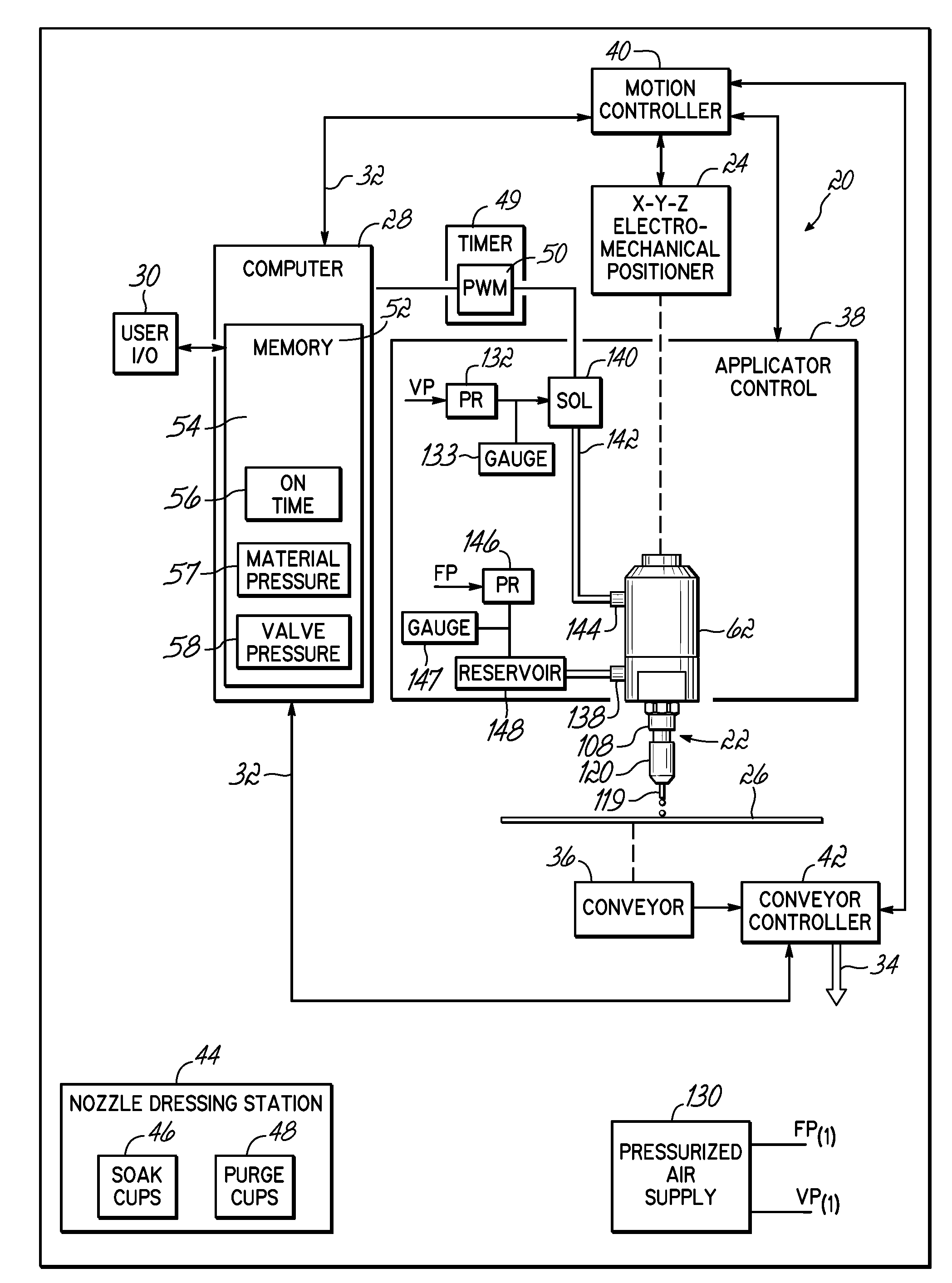
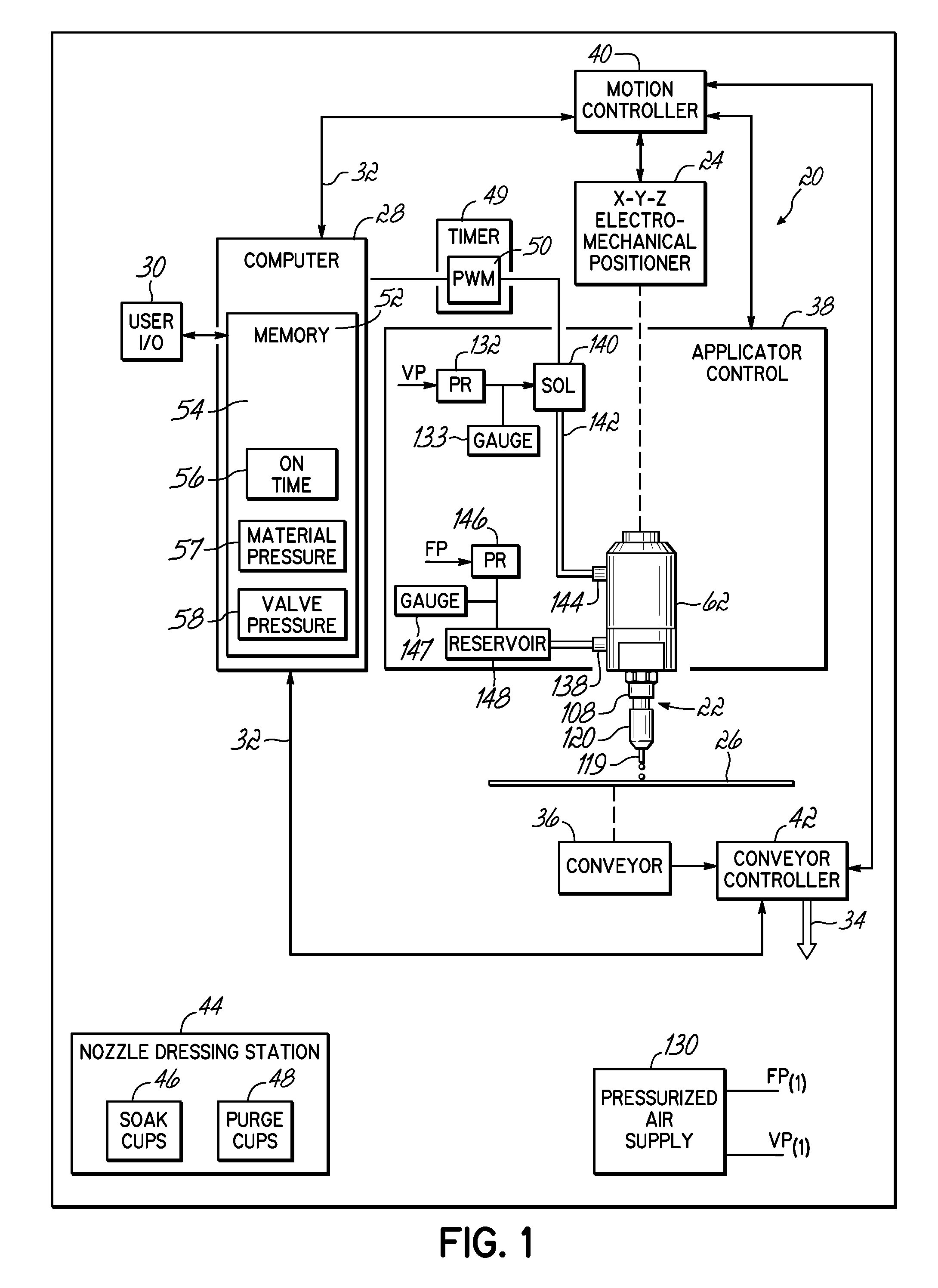
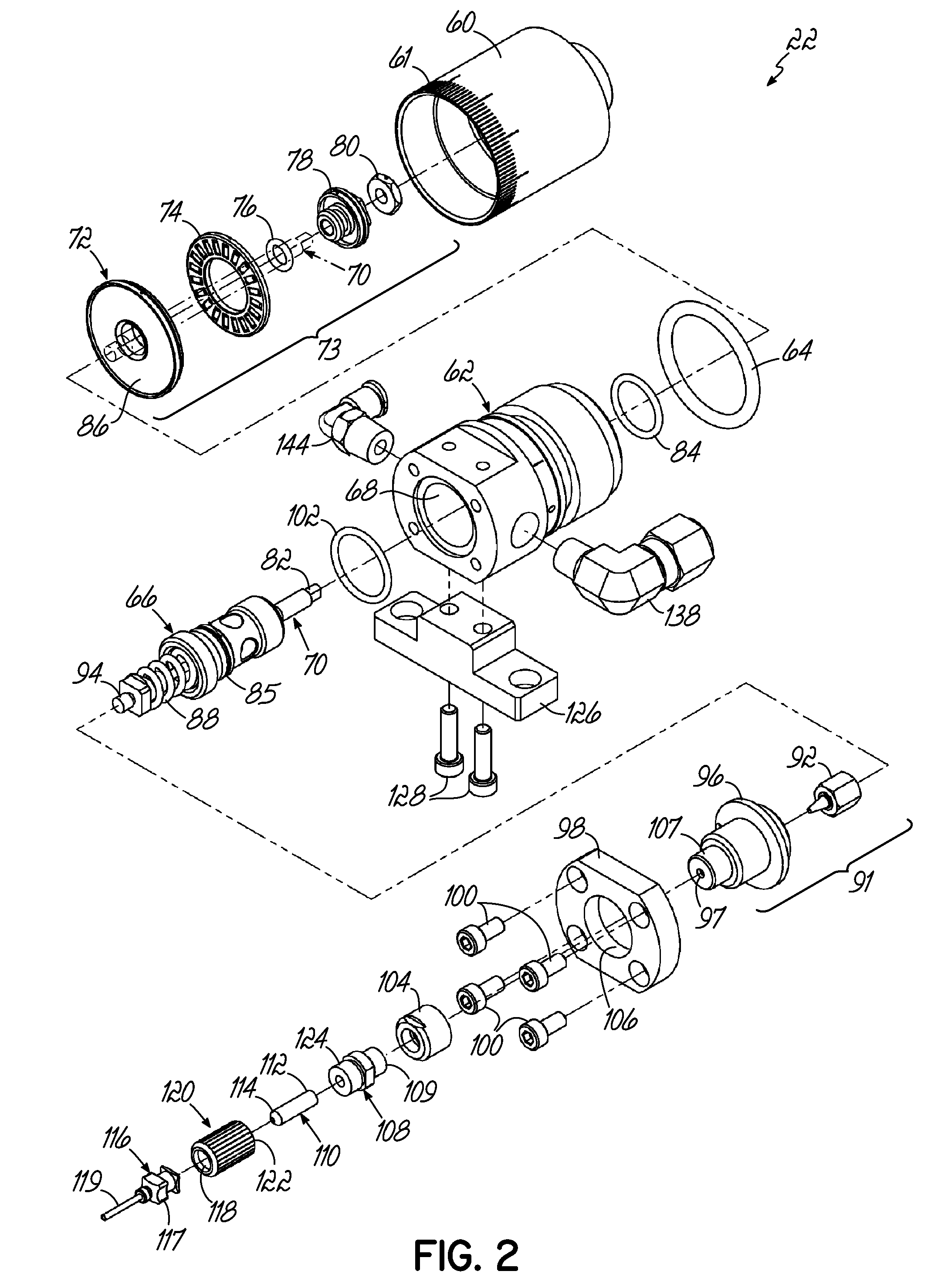
- A needle valve coating system with a solenoid-operated air cylinder and pulse width modulator control, allowing precise timing and pressure control of the needle valve to eject conformal coating material in a controlled and repeatable manner, preventing material from clinging to the dispensing tip and enabling thinner lines and closer proximity to keep-out areas.
Method of conformal coating using noncontact dispensing
PatentInactiveEP1678989A1
Innovation
- A noncontact dispensing method using a jetting system that propels viscous conformal coating material through a nozzle with forward momentum to form droplets, allowing for precise control over the application of small areas and geometries without overspray, eliminating the need for masking.
Environmental and Regulatory Compliance Factors
The optimization of conformal coating thickness for maximum dielectric strength must consider a complex landscape of environmental regulations and compliance requirements. These factors significantly influence material selection, application processes, and performance specifications across different markets and jurisdictions.
Global environmental regulations increasingly restrict the use of certain chemicals in conformal coatings, particularly volatile organic compounds (VOCs) and hazardous air pollutants (HAPs). The EU's Restriction of Hazardous Substances (RoHS) directive and Registration, Evaluation, Authorization and Restriction of Chemicals (REACH) regulations have driven manufacturers toward water-based and UV-curable coating formulations, which may exhibit different dielectric strength characteristics at varying thicknesses compared to traditional solvent-based systems.
Industry-specific standards further complicate thickness optimization efforts. IPC-CC-830 and MIL-I-46058C establish minimum performance requirements for conformal coatings, including dielectric strength parameters. These standards often specify testing methodologies that manufacturers must follow to demonstrate compliance, directly impacting thickness determination processes and validation protocols.
Environmental exposure considerations represent another critical compliance factor. UL 746E and IEC 60068 series standards address environmental testing requirements, including temperature cycling, humidity resistance, and salt spray exposure. The optimal coating thickness for maximum dielectric strength must maintain performance across these environmental stressors while remaining compliant with thickness limitations imposed by thermal management requirements.
Regional variations in regulatory frameworks create additional challenges for global manufacturers. While North American standards may permit certain coating materials and thicknesses, Asian or European markets might impose different restrictions, necessitating region-specific optimization strategies or universal designs that satisfy the most stringent requirements across all target markets.
Emerging sustainability initiatives and circular economy principles are reshaping compliance landscapes. The EU's Eco-design Directive and various Extended Producer Responsibility (EPR) programs increasingly demand consideration of end-of-life product management. This drives interest in biodegradable or easily removable conformal coatings, which may present different dielectric strength profiles and optimal thickness ranges compared to conventional materials.
Workplace safety regulations, including OSHA standards in the US and similar frameworks globally, impact application processes and material handling procedures. These considerations may limit certain high-performance but hazardous coating technologies, potentially constraining the available options for dielectric strength optimization through thickness control.
Global environmental regulations increasingly restrict the use of certain chemicals in conformal coatings, particularly volatile organic compounds (VOCs) and hazardous air pollutants (HAPs). The EU's Restriction of Hazardous Substances (RoHS) directive and Registration, Evaluation, Authorization and Restriction of Chemicals (REACH) regulations have driven manufacturers toward water-based and UV-curable coating formulations, which may exhibit different dielectric strength characteristics at varying thicknesses compared to traditional solvent-based systems.
Industry-specific standards further complicate thickness optimization efforts. IPC-CC-830 and MIL-I-46058C establish minimum performance requirements for conformal coatings, including dielectric strength parameters. These standards often specify testing methodologies that manufacturers must follow to demonstrate compliance, directly impacting thickness determination processes and validation protocols.
Environmental exposure considerations represent another critical compliance factor. UL 746E and IEC 60068 series standards address environmental testing requirements, including temperature cycling, humidity resistance, and salt spray exposure. The optimal coating thickness for maximum dielectric strength must maintain performance across these environmental stressors while remaining compliant with thickness limitations imposed by thermal management requirements.
Regional variations in regulatory frameworks create additional challenges for global manufacturers. While North American standards may permit certain coating materials and thicknesses, Asian or European markets might impose different restrictions, necessitating region-specific optimization strategies or universal designs that satisfy the most stringent requirements across all target markets.
Emerging sustainability initiatives and circular economy principles are reshaping compliance landscapes. The EU's Eco-design Directive and various Extended Producer Responsibility (EPR) programs increasingly demand consideration of end-of-life product management. This drives interest in biodegradable or easily removable conformal coatings, which may present different dielectric strength profiles and optimal thickness ranges compared to conventional materials.
Workplace safety regulations, including OSHA standards in the US and similar frameworks globally, impact application processes and material handling procedures. These considerations may limit certain high-performance but hazardous coating technologies, potentially constraining the available options for dielectric strength optimization through thickness control.
Cost-Benefit Analysis of Advanced Coating Solutions
When evaluating advanced conformal coating solutions for optimizing dielectric strength, a comprehensive cost-benefit analysis reveals significant economic considerations. Initial investment costs for high-performance coatings such as parylene and advanced silicones are substantially higher than traditional acrylic or urethane options, with premium formulations commanding 30-50% price premiums. However, these advanced materials demonstrate superior dielectric strength at reduced thicknesses, creating long-term operational advantages.
Production implementation costs must be carefully assessed, as advanced coating technologies often require specialized equipment and application processes. Parylene coating systems, for instance, necessitate vacuum deposition chambers with initial setup costs ranging from $75,000 to $250,000, while advanced spray systems for optimized thickness control may require investments of $30,000 to $100,000. These capital expenditures must be amortized across production volumes to determine per-unit cost impacts.
Operational benefits of optimized coating thickness include reduced material consumption, faster curing cycles, and decreased energy usage. Quantitative analysis indicates that precision-controlled advanced coatings can reduce material usage by 15-25% while maintaining or improving dielectric performance. Processing time reductions of 20-40% have been documented in manufacturing environments that have implemented thickness-optimized coating protocols.
Reliability improvements represent a critical economic benefit that extends beyond immediate production costs. Field data demonstrates that properly optimized conformal coatings can reduce dielectric-related failures by 30-60% in harsh operating environments. This translates to warranty cost reductions and enhanced brand reputation that, while difficult to quantify precisely, provide substantial financial returns over product lifecycles.
Total cost of ownership calculations reveal that despite higher initial investments, advanced coating solutions with optimized thickness profiles typically achieve break-even within 12-24 months for medium to high-volume production. The ROI accelerates in applications where dielectric failure carries significant consequences, such as medical devices, automotive safety systems, and industrial control equipment.
Environmental and regulatory compliance factors also influence the cost-benefit equation. Advanced coatings with optimized application processes typically reduce VOC emissions and hazardous waste generation by 25-40% compared to traditional solutions, potentially avoiding regulatory penalties and supporting sustainability initiatives that increasingly influence customer purchasing decisions.
Production implementation costs must be carefully assessed, as advanced coating technologies often require specialized equipment and application processes. Parylene coating systems, for instance, necessitate vacuum deposition chambers with initial setup costs ranging from $75,000 to $250,000, while advanced spray systems for optimized thickness control may require investments of $30,000 to $100,000. These capital expenditures must be amortized across production volumes to determine per-unit cost impacts.
Operational benefits of optimized coating thickness include reduced material consumption, faster curing cycles, and decreased energy usage. Quantitative analysis indicates that precision-controlled advanced coatings can reduce material usage by 15-25% while maintaining or improving dielectric performance. Processing time reductions of 20-40% have been documented in manufacturing environments that have implemented thickness-optimized coating protocols.
Reliability improvements represent a critical economic benefit that extends beyond immediate production costs. Field data demonstrates that properly optimized conformal coatings can reduce dielectric-related failures by 30-60% in harsh operating environments. This translates to warranty cost reductions and enhanced brand reputation that, while difficult to quantify precisely, provide substantial financial returns over product lifecycles.
Total cost of ownership calculations reveal that despite higher initial investments, advanced coating solutions with optimized thickness profiles typically achieve break-even within 12-24 months for medium to high-volume production. The ROI accelerates in applications where dielectric failure carries significant consequences, such as medical devices, automotive safety systems, and industrial control equipment.
Environmental and regulatory compliance factors also influence the cost-benefit equation. Advanced coatings with optimized application processes typically reduce VOC emissions and hazardous waste generation by 25-40% compared to traditional solutions, potentially avoiding regulatory penalties and supporting sustainability initiatives that increasingly influence customer purchasing decisions.
Unlock deeper insights with PatSnap Eureka Quick Research — get a full tech report to explore trends and direct your research. Try now!
Generate Your Research Report Instantly with AI Agent
Supercharge your innovation with PatSnap Eureka AI Agent Platform!